Mixed-Use Developments: The Future of Live, Work, and Play Spaces

The way we live, work, and socialize is evolving, and mixed-use developments are leading the charge. These innovative communities combine residential, commercial, and recreational spaces into a single, walkable environment. With urban centers expanding and consumer preferences shifting toward convenience and accessibility, mixed-use developments are redefining modern real estate.

Whether you’re a homebuyer, an investor, or just someone interested in real estate trends, understanding the growing appeal of these spaces can help you stay ahead. In this blog, we’ll explore why mixed-use developments are gaining popularity, their key benefits, and how they are shaping the future of real estate.

What Are Mixed-Use Developments?

Mixed-use developments (MUDs) integrate multiple property types—residential, retail, office, hospitality, and entertainment—into one cohesive area. Unlike traditional single-use zoning, where commercial and residential areas are separated, MUDs promote a seamless lifestyle where people can live, work, and play in the same location.

Apartment complex in a walkable area.

These spaces can be found in urban high-rises, suburban town centers, and even repurposed industrial zones. By creating a more dynamic environment, they appeal to a wide demographic, including young professionals, retirees, and remote workers looking for convenience and community.

Why Are Mixed-Use Developments Gaining Popularity?

1. Convenience and Walkability

One of the biggest draws of mixed-use developments is their accessibility. Residents can enjoy shopping, dining, and entertainment just steps from their front door. This reduces the need for long commutes, making daily life more efficient and enjoyable.

Walkability has become a key factor for homebuyers and renters, and mixed-use communities cater to this demand. Cities with high walkability scores, like New York, San Francisco, and Austin, continue to see rising property values and demand for these developments.

2. Economic Growth and Job Creation

MUDs contribute significantly to local economies by attracting businesses, creating jobs, and increasing property values. Retail stores, co-working spaces, and restaurants thrive in these settings due to the built-in customer base. As a result, investors and developers are increasingly drawn to these projects, recognizing their long-term profitability.

3. Sustainability and Smart Growth

Sustainable living is more than just a trend—it’s a necessity. Mixed-use developments support green initiatives by reducing urban sprawl, lowering carbon footprints, and promoting public transit use. Many new projects incorporate energy-efficient buildings, green roofs, and smart city technology to enhance sustainability.

For eco-conscious buyers, these communities offer an appealing alternative to traditional suburban sprawl, where heavy reliance on cars and energy consumption is the norm.

4. Community Engagement and Social Interaction

In a world where digital connections often replace face-to-face interactions, mixed-use developments foster real-world community engagement. Public plazas, shared workspaces, and event areas encourage socialization, making it easier for residents to connect with their neighbors.

The design of these communities often includes open-air markets, rooftop lounges, and cultural spaces that promote a sense of belonging. This social aspect is particularly appealing to millennials and Gen Z, who value experiences and community-driven living.

5. Adaptability to Changing Work Trends

The rise of remote work has shifted housing and commercial real estate demands. Mixed-use developments offer flexible live-work spaces, co-working hubs, and high-speed internet infrastructure, making them ideal for remote professionals.

As hybrid work models become more common, the appeal of living near work-friendly spaces without long commutes continues to grow. This adaptability positions mixed-use developments as a future-proof investment.

A women working from home in her apartment/home office.

The Future of Mixed-Use Developments

As cities expand and technology reshapes urban planning, mixed-use developments will continue evolving. Future trends include:

  • Smart Cities Integration – AI-driven infrastructure, automated security, and digital connectivity will enhance convenience.
  • Vertical Mixed-Use Spaces – Skyscrapers incorporating residential, office, and leisure spaces in one vertical environment.
  • Health and Wellness Focus – More green spaces, fitness centers, and wellness amenities integrated into developments.
  • Affordable Housing Solutions – Policies encouraging mixed-income housing to make these communities more inclusive.

These shifts indicate that mixed-use developments are not just a passing trend but a fundamental shift in how we design urban and suburban spaces.

Is a Mixed-Use Development Right for You?

Whether you’re looking for a home that offers convenience, an investment opportunity with strong ROI, or a business location with built-in foot traffic, mixed-use developments offer a compelling option. As these communities continue to grow in popularity, they present a unique chance to embrace a more connected and sustainable way of living.

Final Thoughts

Mixed-use developments are shaping the future of real estate by creating vibrant, convenient, and sustainable communities. As consumer preferences continue shifting toward walkable, multi-functional spaces, these developments are set to become the norm rather than the exception.

If you’re considering buying, investing, or simply learning more about this trend, now is the time to explore the opportunities mixed-use developments provide.


Making Homeownership a Reality: Overcoming Affordability Challenges

For many first-time homebuyers, the dream of owning a home feels increasingly out of reach. Rising home prices, high interest rates, and limited inventory have created hurdles that make homeownership seem daunting. However, there are creative solutions that can help buyers navigate these challenges and successfully purchase their first home. In this article, we’ll explore alternative financing options, government programs, and smart strategies that can make buying a home more achievable in today’s market.

1. Exploring Down Payment Assistance Programs

One of the biggest obstacles for first-time homebuyers is saving for a down payment. Many assume they need 20% of the home’s price upfront, but numerous programs can help ease this burden.

Happy younger couple looking over finances on a computer.

  • FHA Loans: Backed by the Federal Housing Administration, these loans allow buyers to put down as little as 3.5%.
  • State and Local Grants: Many states and cities offer down payment assistance programs to first-time buyers
  • USDA and VA Loans: If you qualify, these government-backed loans require zero down payment, making homeownership more accessible.

Checking eligibility for these programs could significantly reduce upfront costs and bring you one step closer to owning a home.

2. Considering Alternative Mortgage Options

Traditional 30-year fixed mortgages aren’t the only financing options available. Exploring alternative loan structures can help first-time buyers secure better terms.

  • Adjustable-Rate Mortgages (ARMs): These loans start with lower interest rates, which can be beneficial if you plan to refinance or sell within a few years.
  • Shared Equity Agreements: Some lenders and investment firms offer programs where they contribute to your down payment in exchange for a share in future appreciation.
  • Seller Financing: In some cases, sellers may be open to financing the home purchase, allowing buyers to bypass traditional lenders.

These creative financing options can help buyers enter the market even when interest rates are high.

3. Expanding Your Search Beyond Traditional Hotspots

Location plays a significant role in affordability. First-time homebuyers can benefit from looking beyond the most competitive markets.

  • Emerging Suburbs: Many metro areas have surrounding communities offering more affordable housing options with reasonable commuting times.
  • Fixer-Uppers: Homes that need some work often sell at lower prices, and renovation loans like FHA 203(k) loans can help finance repairs.
  • Co-Buying with Friends or Family: Pooling resources with trusted individuals can make homeownership more attainable and split financial responsibilities.

Exploring these less conventional paths can open up new opportunities and potentially save thousands on a home purchase.


4. Taking Advantage of First-Time Homebuyer Programs

Various first-time buyer incentives exist to make homeownership more affordable.

  • First-Time Homebuyer Tax Credits: Some states offer tax breaks for first-time buyers, helping offset costs.
  • Employer Assistance Programs: Some companies provide homebuying assistance, such as forgivable loans or grants.
  • Good Neighbor Next Door Program: This HUD initiative significantly discounts teachers, firefighters, law enforcement officers, and EMTs purchasing homes in designated areas.

Researching available programs could provide valuable financial relief and increase buying power.

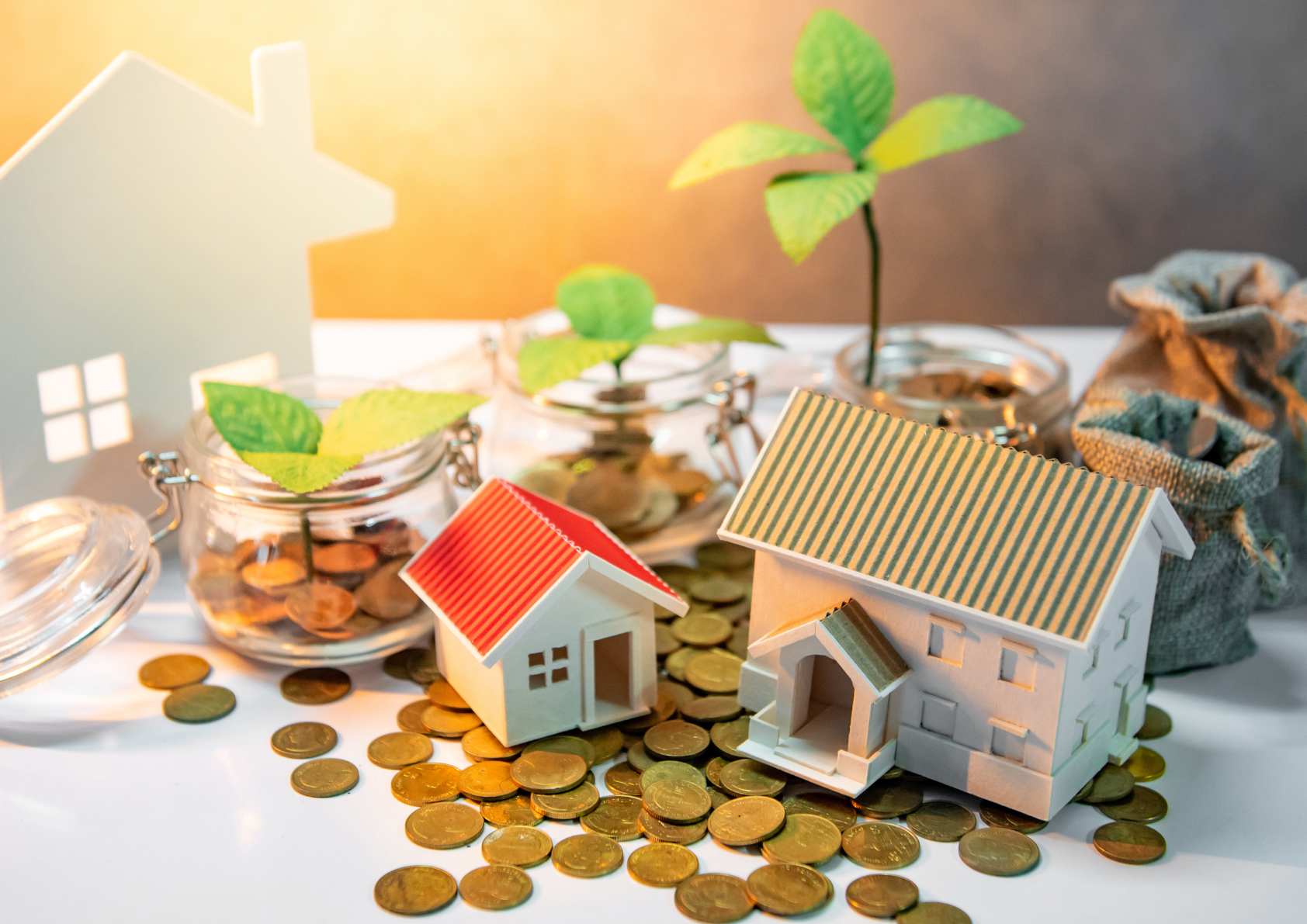
Toy homes on top of spread out coins and sprouting plants. Depiction of saving to buy a home.

5. Improving Your Buying Power Through Financial Preparation

Strengthening your financial position can improve your chances of securing a favorable mortgage.

  • Boost Your Credit Score: Paying down debts, making on-time payments, and avoiding new credit inquiries can help you qualify for better loan terms.
  • Reduce Debt-to-Income Ratio: Lenders look for lower debt levels relative to income when approving mortgage applications.
  • Increase Your Savings: Building a solid savings cushion can help cover closing costs, moving expenses, and future home repairs.

Taking these steps can make you a more attractive borrower and improve affordability in the long run.

Final Thoughts

While housing affordability remains a significant challenge, first-time buyers have multiple creative solutions at their disposal. By exploring down payment assistance programs, considering alternative mortgage options, expanding their search, leveraging homebuyer incentives, and improving their financial health, prospective homeowners can successfully navigate today’s market. With the right strategies and preparation, achieving homeownership is still within reac

The Remote Work Effect: How Telecommuting Continues to Shape Housing Trends

Introduction

Remote work is no longer just a pandemic-era adjustment—it’s a fundamental shift that continues to reshape where and how people choose to live. With more professionals enjoying flexible work arrangements, homebuyers and renters are prioritizing different living space features. From larger home offices to suburban migrations, the telecommuting trend is driving significant changes in the housing market. In this post, we’ll explore key ways remote work is influencing real estate trends and what homebuyers, sellers, and investors should know.

The Rise of Home Offices and Multi-Purpose Spaces

One of the most noticeable trends in housing is the increased demand for dedicated home office spaces. Many remote workers need quiet, functional areas to maintain productivity, making home offices a top priority in today’s market. Open floor plans, which were once highly desirable, are now being reimagined with added partitions, built-in desks, and soundproofing solutions.

Beautiful home office. Close up of desk with work station. A bookcase and plant in the background.

For buyers, this means looking for homes with extra bedrooms, finished basements, or flex spaces that can double as work areas. Sellers, on the other hand, can boost their home’s appeal by staging a room as an office to showcase its potential for remote work.

Suburban and Rural Growth as Workers Seek More Space

With fewer people needing to live close to urban office hubs, many are opting for homes in suburban and even rural areas where they can enjoy more space and affordability. The demand for single-family homes with larger yards, outdoor amenities, and access to nature has skyrocketed as remote workers prioritize quality of life over short commutes.

This migration has led to increased home prices in suburban markets while cooling demand in some major metropolitan areas. Real estate investors are taking note, shifting their focus to emerging suburban and exurban markets where growth potential is high.

The Shift in Rental Market Preferences

Remote work has also transformed the rental market, with tenants now prioritizing apartments and houses with high-speed internet, home office nooks, and outdoor spaces. Many renters are looking for properties with co-working spaces or amenities designed for a work-from-home lifestyle, such as business centers and quiet lounges.

Cities that once thrived on in-office workforces are seeing fluctuating rental demand, while smaller cities and vacation-like destinations are experiencing a boom. Short-term rental markets have also benefited as digital nomads take advantage of their ability to work from anywhere.

Smart Home Technology and Energy Efficiency Are More Important Than Ever

Remote workers are spending more time at home, increasing their focus on smart home features and energy efficiency. High-speed internet connectivity, smart thermostats, and energy-efficient appliances are now must-have features for many buyers and renters.

energy efficient Eddison bulbs with a brown tint.

Additionally, homes equipped with solar panels, upgraded HVAC systems, and sustainable building materials are gaining popularity, as homeowners seek to reduce energy costs while working from home. Real estate professionals and sellers can enhance their listings by highlighting these modern upgrades.

How These Trends Impact the Future of Real Estate

The continued evolution of remote work means that these housing trends are likely here to stay. Developers and homebuilders are already adjusting their designs to meet the needs of remote professionals, with new communities offering built-in office spaces and enhanced outdoor living areas.

For real estate investors, understanding these shifts is crucial for making strategic decisions about property purchases and development projects. For buyers and sellers, adapting to these trends can help maximize value and ensure their home meets today’s demands.

Conclusion

Remote work has permanently altered the real estate landscape, influencing everything from home design to location preferences. As telecommuting remains a standard for many, buyers and renters will continue to seek homes that support work-from-home lifestyles, while sellers and investors should stay ahead of these evolving demands. Whether you’re looking to buy, sell, or invest, understanding these trends can help you make informed decisions in today’s dynamic housing market.

Millennial and Gen Z Home Trends: What’s Driving Their Real Estate Choices

The real estate market is continuously shaped by the preferences of its newest buyers. Millennials and Gen Z, now the largest demographics entering the market, are rewriting the rules of homeownership. Their distinct lifestyles, values, and priorities have redefined what makes a house a “home.” Let’s explore the key trends driving their real estate decisions and how these generations are influencing the future of housing.

Sustainability is a Must-Have

One of the defining traits of Millennial and Gen Z homebuyers is their commitment to sustainability. Eco-friendly features are no longer a bonus; they’re an expectation. Homes with solar panels, energy-efficient appliances, and smart thermostats are highly sought after.

These generations also favor homes built with sustainable materials and located in eco-conscious neighborhoods. From low-maintenance landscaping to water-saving fixtures, sustainability impacts every part of their decision-making process.

Eco and sustainability.

Why it matters: Younger buyers are willing to pay more upfront for energy-efficient homes because they understand the long-term savings and environmental benefits. Builders and sellers catering to this trend can attract these environmentally conscious consumers.

A Strong Desire for Flexibility

The traditional layout of a home is being challenged by the needs of these modern buyers. Millennials and Gen Z value homes that offer multifunctional spaces. As remote work continues to thrive, they prioritize properties with home offices or spaces that can be easily adapted for work, fitness, or hobbies.

Open floor plans, bonus rooms, and customizable layouts allow these buyers to create a home that fits their unique lifestyles. Flexibility in design reflects their desire for spaces that grow with them and adapt to changing circumstances.

Why it matters: Sellers who stage rooms with multiple functions and highlight flexible layouts can better connect with younger buyers seeking these dynamic spaces.

Urban Living with a Twist

While Millennials and Gen Z often gravitate towards urban environments, their preferences go beyond the allure of city living. They seek walkable neighborhoods that offer a mix of convenience and community. Proximity to local shops, dining options, parks, and public transit are non-negotiable.

Interestingly, there’s a growing trend of these buyers choosing smaller, “up-and-coming” cities over major metropolitan areas. Affordability, lifestyle quality, and a lower cost of living make mid-sized cities appealing alternatives to traditional urban hubs.

Why it matters: Highlighting walkability and community features in real estate listings can resonate strongly with these buyers. Mid-tier cities and suburban neighborhoods with urban amenities are particularly appealing.

Technology Integration

Smart homes are a major draw for Millennial and Gen Z buyers. From smart locks and security systems to voice-controlled lighting and climate settings, technology is at the forefront of their purchasing decisions. These generations value the convenience and efficiency that come with tech-enabled living.

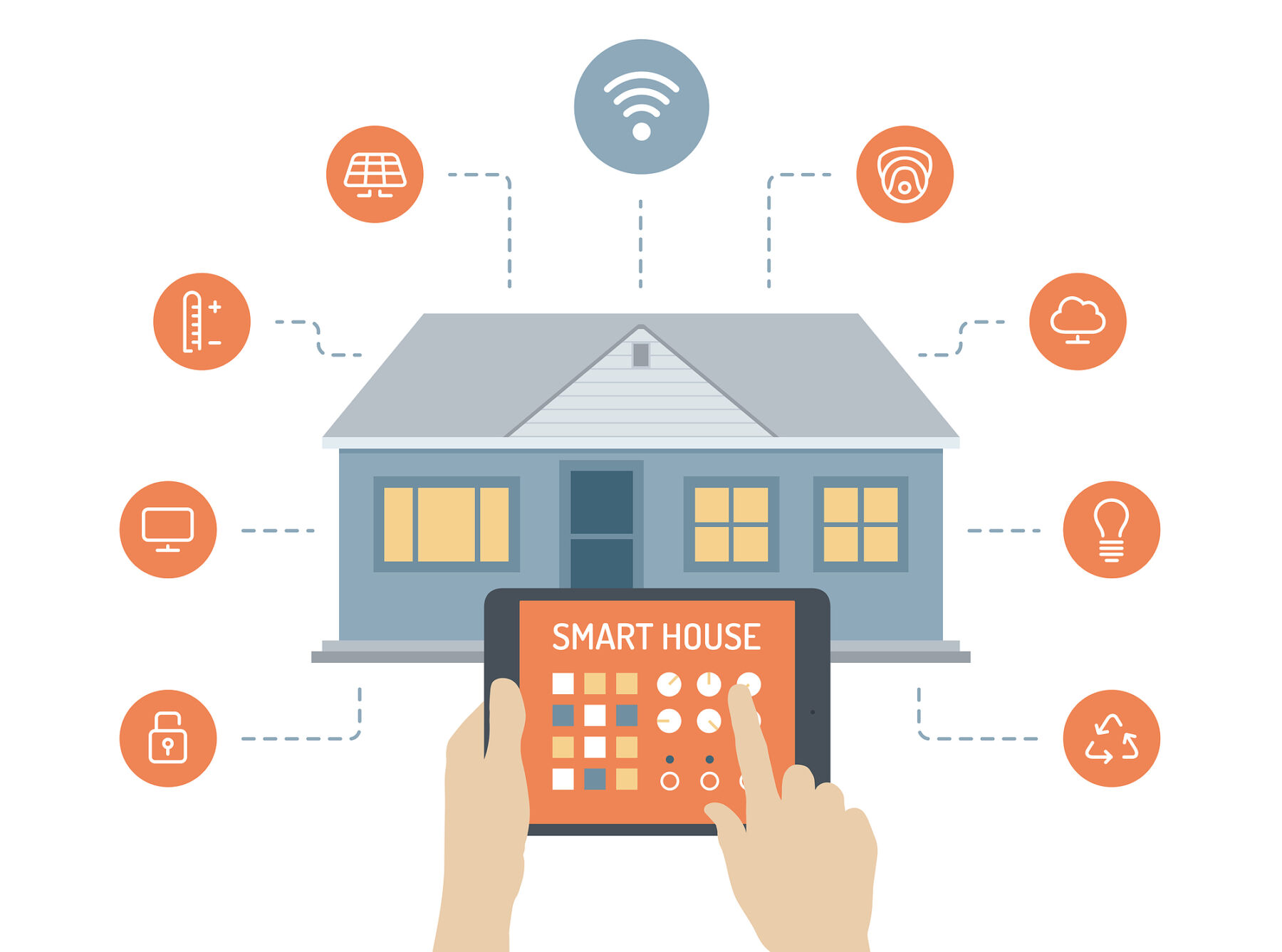
Flat design style modern vector illustration concept of smart house technology system with centralized control of lighting heating ventilation and air conditioning security locks and video surveillance energy savings and efficiency. Isolated on white back
 

Properties with pre-installed smart systems or compatibility with popular devices like Google Nest or Amazon Alexa often stand out. Additionally, strong internet connectivity is crucial, particularly for remote workers and tech-savvy homeowners.

Why it matters: Investing in basic smart home upgrades can significantly boost a property’s appeal. Highlighting tech features in marketing materials can help attract these buyers.

Prioritizing Affordability and Value

Affordability is a significant factor for Millennials and Gen Z, particularly in today’s competitive housing market. These buyers often enter the market with student loan debt and limited savings, leading them to prioritize affordability without compromising on value.

Smaller homes, fixer-uppers, and properties in less traditional locations have gained popularity among these generations. They’re also more open to exploring alternative financing options, like co-buying with friends or family, to achieve their homeownership goals.

Why it matters: Sellers and agents who offer creative solutions or emphasize the potential for sweat equity can better cater to these budget-conscious buyers.

Final Thoughts

Millennials and Gen Z are reshaping the real estate market with their distinct preferences and priorities. Their focus on sustainability, flexibility, technology, affordability, and community-driven living highlights the direction of future housing trends. Whether you’re a seller, agent, or builder, understanding and catering to these trends can help you better connect with this influential audience.

Outdoor Living Trends: Transforming Your Backyard Into an Oasis

The backyard has evolved from a simple patch of grass to a multifunctional extension of the home. Whether you’re a homeowner looking to enjoy the outdoors or a real estate enthusiast exploring current trends, the transformation of outdoor spaces is a hot topic. This blog dives into the latest outdoor living trends, helping you reimagine your backyard as a luxurious oasis. From eco-friendly designs to tech-integrated spaces, discover what’s shaping outdoor living in 2025.

Maximizing Greenery: Sustainable Landscaping

Sustainability is at the forefront of modern outdoor living. Homeowners are embracing native plants, drought-resistant greenery, and edible gardens to create eco-friendly spaces. These trends reduce water usage, promote biodiversity, and offer low-maintenance solutions for busy households.

Key Ideas:

  • Use native plants to reduce reliance on irrigation.
  • Incorporate vertical gardens for a lush, layered look.
  • Add fruit trees or herb gardens for functionality and charm.

By integrating sustainable landscaping, you not only reduce your carbon footprint but also enhance your home’s curb appeal.

Outdoor Kitchens: The Heart of Backyard Living

Beautiful outdoor kitchen with stainless steel and brick accents.

Gone are the days when grilling was the only option. Today’s outdoor kitchens are fully equipped with everything from pizza ovens and wine fridges to sinks and storage.

Why It Matters:

  • Outdoor kitchens boost home value and buyer interest.
  • They encourage outdoor entertaining and family gatherings.
  • Modern designs include weather-resistant materials and sleek finishes.

Investing in an outdoor kitchen creates a functional and stylish space perfect for dining al fresco.

Smart Technology for Outdoor Spaces

Technology has made its way outside, offering convenience and luxury. Smart lighting, automated irrigation systems, and Wi-Fi-enabled security cameras are just a few examples of how tech is transforming outdoor areas.

Trending Features:

  • App-controlled LED lights to set the mood.
  • Built-in Bluetooth speakers for music.
  • Smart pergolas with adjustable louvers for shade and sunlight control.

Tech-enhanced outdoor spaces are not only innovative but also appeal to tech-savvy buyers looking for modern amenities.

Cozy Fire Features: Warmth and Ambiance

Fire pits and outdoor fireplaces remain a staple for backyards, providing warmth and ambiance for year-round enjoyment. These features come in various designs, from rustic stone to sleek, minimalist metal.

Benefits:

  • Create a cozy atmosphere for gatherings.
  • Extend the usability of outdoor spaces into colder months.
  • Serve as focal points in backyard designs.

Adding a fire feature can transform your backyard into a retreat for relaxation and entertainment.

Outdoor fireplace with a pool in a background.

Multipurpose Outdoor Furniture

With outdoor spaces serving multiple functions, versatile furniture is a must. Modular sofas, built-in seating, and storage-friendly designs ensure your backyard adapts to various needs.

Tips for Choosing Furniture:

  • Opt for weather-resistant materials like teak, aluminum, or synthetic wicker.
  • Select pieces that offer hidden storage for cushions and tools.
  • Choose neutral tones for timeless appeal or bold colors to make a statement.

Thoughtfully chosen furniture enhances comfort and functionality, making your outdoor oasis truly inviting.

Conclusion

Transforming your backyard into an oasis is easier than ever with these outdoor living trends. From sustainable landscaping and outdoor kitchens to tech-savvy features and cozy fire elements, there are countless ways to create a space that’s both functional and stylish. Whether you’re upgrading your home for personal enjoyment or increasing its market appeal, these trends offer inspiration for a backyard makeover that’s sure to impress.

Home Staging Tips: Sell Faster and Maximize Profit

Selling a home can be a thrilling yet challenging experience. One proven strategy to attract more buyers and secure top-dollar offers is home staging. By creating a welcoming and visually appealing space, you can highlight your property’s best features and make it irresistible to potential buyers. In this blog, we’ll share practical home staging tips to help you sell faster and maximize your profit.

Why Home Staging Matters

Home staging goes beyond cleaning and decluttering; it’s about showcasing a lifestyle. According to the National Association of Realtors (NAR), staged homes sell 73% faster than non-staged homes and often for a higher price. By helping buyers envision themselves in the space, you increase the emotional connection, which can lead to quicker and more competitive offers.

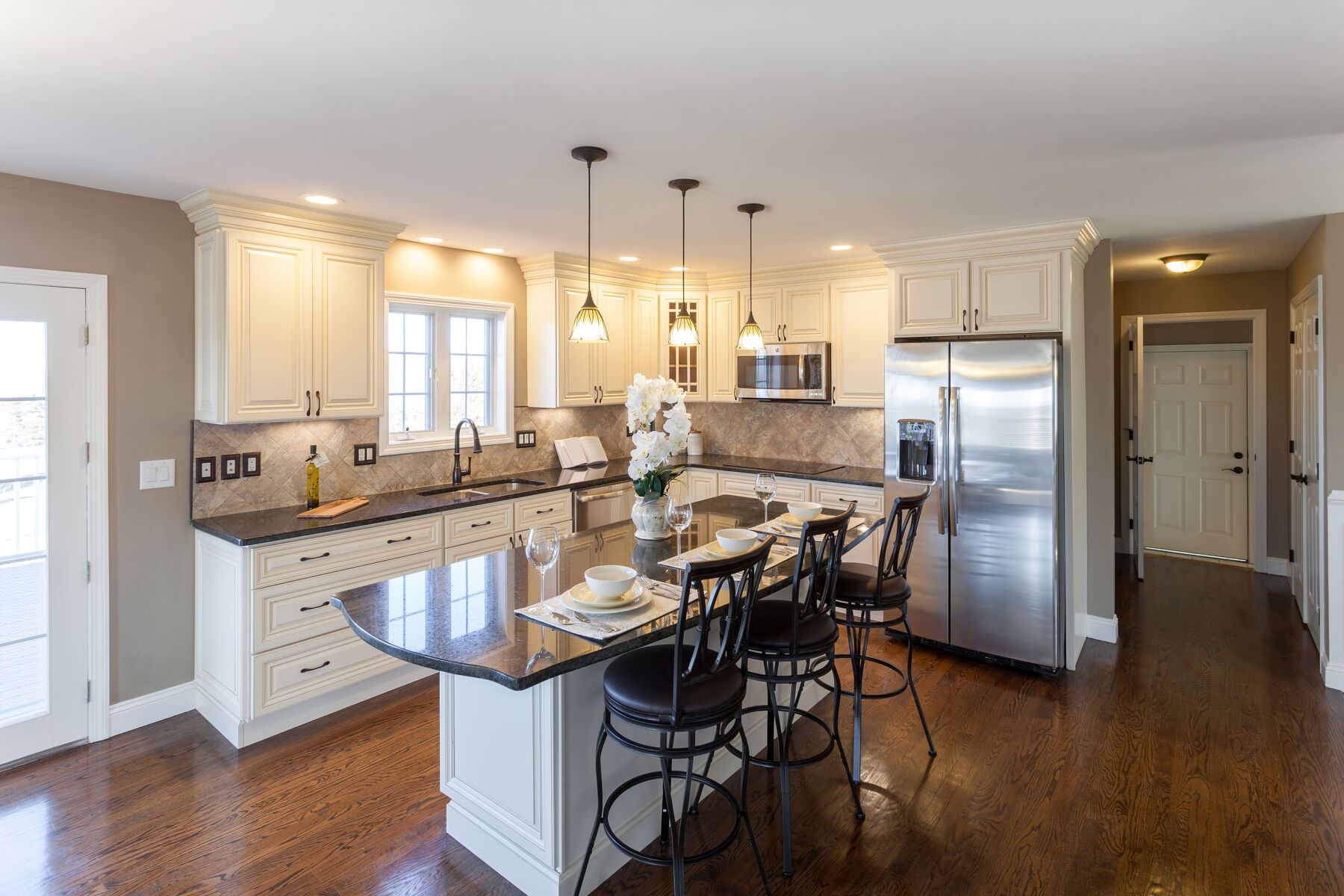
Beautiful staged kitchen room in a modern house with granite countertops and antique finished cabinets.

Declutter and Depersonalize

The first step in home staging is creating a clean slate for buyers. Clutter can make even spacious homes feel cramped and uninviting. Follow these tips:

  • Remove personal items: Store family photos, memorabilia, and anything that could distract buyers.
  • Organize storage spaces: Neatly arrange closets, cabinets, and pantries to showcase ample storage.
  • Limit furniture: Keep only essential pieces to make rooms appear larger and more functional.

A clutter-free home feels bigger, brighter, and more attractive to buyers.

Enhance Curb Appeal

First impressions matter, and your home’s exterior sets the tone for buyer expectations. Enhance curb appeal with these simple steps:

  • Freshen up landscaping: Mow the lawn, trim bushes, and plant seasonal flowers.
  • Clean and repair: Power wash the driveway, clean windows, and fix any visible damage.
  • Add inviting touches: Place a new doormat, update house numbers, or hang a wreath on the door.

A polished exterior entices buyers to explore what’s inside.

Optimize Lighting

Lighting plays a crucial role in how buyers perceive your home. Bright, well-lit spaces feel warm and inviting. Consider these lighting tips:

Modern home lighting with black ceiling beams.

  • Maximize natural light: Open curtains, clean windows, and use sheer coverings to let sunlight in.
  • Layer lighting: Combine overhead lights, floor lamps, and table lamps for a balanced look.
  • Update fixtures: Replace outdated or mismatched lighting fixtures for a modern feel.

Proper lighting can make your home feel more spacious and cheerful.

Highlight Key Rooms

Focus your staging efforts on the rooms that matter most to buyers: the living room, kitchen, and primary bedroom. Here’s how:

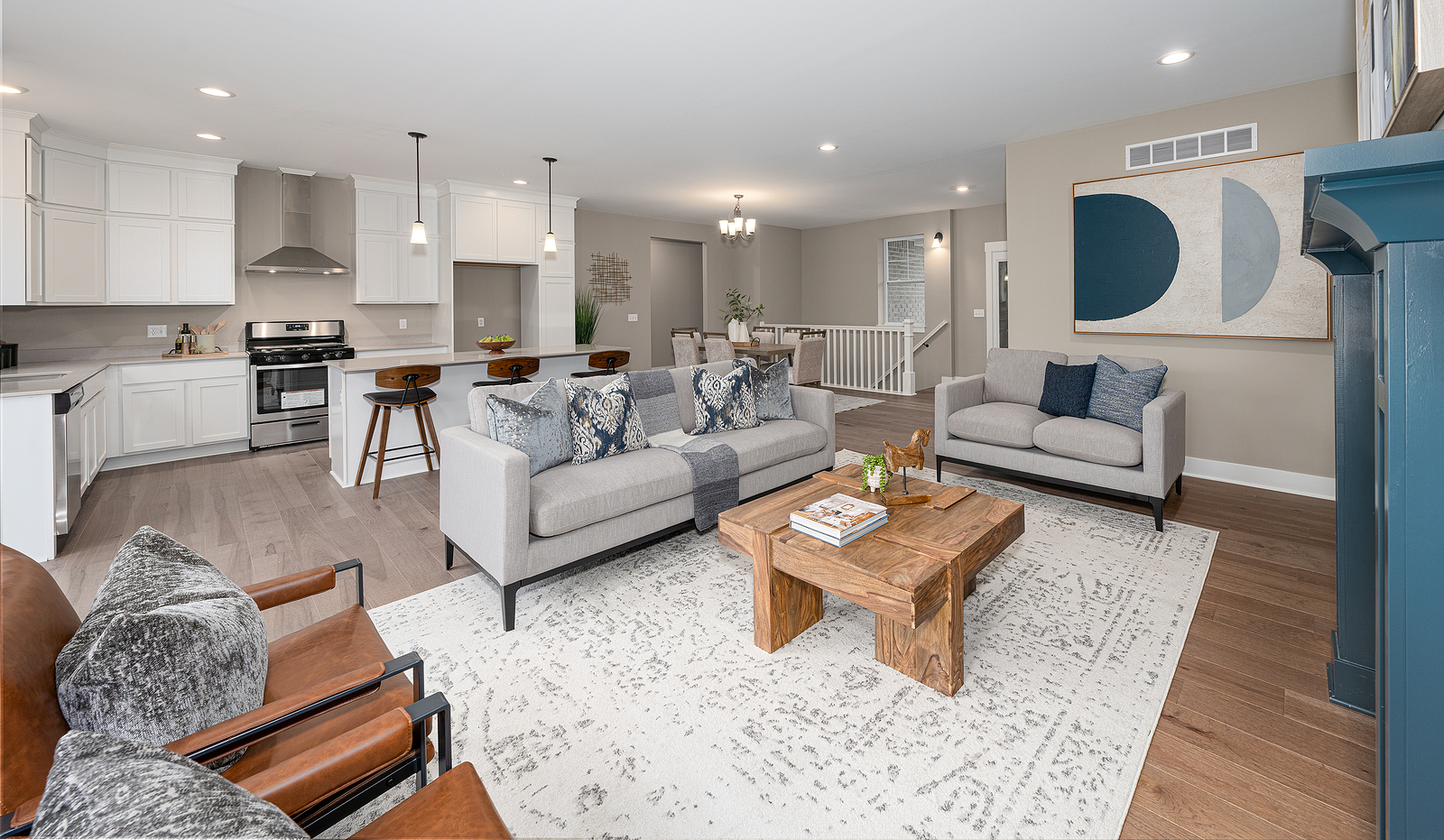
new home has been staged and is ready for sale

  • Living Room: Arrange furniture to create a conversational flow and add cozy elements like throw pillows and blankets.
  • Kitchen: Clear countertops, add a bowl of fresh fruit, and update hardware for a polished appearance.
  • Primary Bedroom: Use neutral bedding, add bedside lamps, and keep the space tidy and serene.

These spaces have the most emotional impact on buyers, so make them shine.

Use Neutral Colors and Decor

Neutral tones appeal to the widest range of buyers. Stick to a palette of whites, grays, and beiges to create a clean and modern aesthetic. Incorporate subtle pops of color with accessories like pillows, rugs, or artwork to add personality without overwhelming the space.

Don’t Forget the Finishing Touches

The final details can leave a lasting impression. Try these finishing touches:

  • Add fresh flowers: Place vases of fresh blooms in key areas for a touch of elegance.
  • Use pleasant scents: Light candles or use subtle air fresheners to create an inviting aroma.
  • Set the table: Arrange a simple dining table setting to help buyers envision hosting in the space.

Attention to detail can elevate your staging efforts and wow potential buyers.

Conclusion

Home staging is a powerful tool to help you sell your home faster and at a higher price. By decluttering, enhancing curb appeal, optimizing lighting, and focusing on key spaces, you can create a memorable experience for buyers. Remember, the goal is to help them envision your home as their future home. With these tips in mind, you’ll be well on your way to a successful sale.

How AI is Transforming Real Estate and Home Automation

Thanks to advancements in artificial intelligence (AI), the real estate world is experiencing a seismic shift. From streamlining property searches to powering smart home systems, AI is revolutionizing how we buy, sell, and live in our homes. This blog explores how AI is shaping the real estate industry and enhancing home automation, making life easier and more efficient for homeowners and professionals alike. Let’s dive into the cutting-edge trends that are transforming the way we interact with real estate and technology.

Revolutionizing the Home-Buying Process

AI-powered platforms have redefined the home-buying experience, offering personalized recommendations that save time and reduce stress. By analyzing user preferences with machine learning algorithms, platforms like Zillow and Redfin now suggest homes tailored to specific needs, such as budget, location, and lifestyle requirements.

Virtual reality home tour on mobile phone illustration.

Virtual tours, another AI-driven feature, allow buyers to explore properties from the comfort of their own homes. These immersive experiences not only provide convenience but also help buyers narrow down their choices before visiting in person. For real estate agents, AI tools streamline lead generation and client matching, ensuring more successful transactions.

Enhancing Property Valuation and Market Analysis

AI has transformed property valuation and market analysis, providing accurate and data-driven insights. Automated Valuation Models (AVMs) leverage AI to estimate property values by analyzing recent sales, neighborhood trends, and property features. These models give buyers and sellers a competitive edge by offering real-time, reliable data.

Market analysis tools powered by AI also help real estate professionals identify emerging trends, assess market demand, and predict future property values. By combining AI with traditional expertise, agents can provide clients with more informed advice, making them indispensable in today’s competitive market.

Smart Home Integration and Automation

AI has become a cornerstone of smart home technology, bringing automation and convenience to modern living. From voice-activated assistants like Amazon Alexa and Google Assistant to advanced security systems, AI-powered devices are making homes more intuitive and efficient.

Smart thermostats, lighting systems, and appliances use machine learning to adapt to users’ habits, optimizing energy use and reducing costs. For instance, AI-powered thermostats can learn your preferred temperatures and adjust automatically, enhancing comfort and energy efficiency.

Home security systems equipped with AI can detect unusual activity, recognize faces, and even alert homeowners in real-time, ensuring peace of mind.

AI in Real Estate Marketing

Marketing strategies in real estate have also been elevated by AI. Targeted advertising campaigns now leverage machine learning to reach the right audience at the right time. Predictive analytics help agents identify potential buyers or renters, while chatbots offer instant communication with clients, improving engagement and satisfaction.

AI-generated content, such as property descriptions and marketing copy, ensures consistency and saves time. Virtual staging tools powered by AI allow agents to digitally furnish homes, making listings more appealing to potential buyers.

Challenges and the Future of AI in Real Estate

While AI offers numerous benefits, it also comes with challenges. Data privacy concerns, algorithm biases, and the need for significant investment in technology infrastructure are hurdles the industry must address. However, as AI continues to evolve, these issues are likely to be mitigated with better regulations and technological advancements.

The future of AI in real estate looks promising. Innovations such as predictive maintenance for homes, AI-driven urban planning, and blockchain-integrated property transactions are on the horizon. These developments promise to make the industry more efficient, sustainable, and accessible for everyone.

Conclusion

AI is undoubtedly transforming real estate and home automation, offering unparalleled convenience, efficiency, and innovation. From improving property searches to integrating smart home technology, the possibilities are endless. As the industry continues to embrace AI, staying informed about these advancements will be crucial for buyers, sellers, and professionals alike. By leveraging AI, the real estate sector is not just keeping up with the times – it’s shaping the future.

Home Renovations That Boost Value: A Guide for Owners and Investors

Whether you’re a homeowner looking to increase your property’s resale value or an investor aiming for maximum ROI, choosing the right home renovations can make all the difference. With the real estate market constantly evolving, it’s essential to stay informed about upgrades that truly pay off. In this guide, we’ll explore renovation projects that add significant value, help your property stand out, and appeal to modern buyers. From kitchen remodels to energy-efficient upgrades, discover how you can make smart investments in your home.

The Power of Kitchen Upgrades

The kitchen is often called the heart of the home, and for good reason. A well-designed, functional kitchen enhances daily life and serves as a major selling point for buyers.

Young couple picking backsplash in a newer kitchen renovation.

  • High ROI Projects: Focus on updates like energy-efficient appliances, modern cabinetry, and durable countertops like quartz or granite.
  • Small Changes Matter: Even budget-friendly updates, such as a fresh coat of paint, new hardware, or improved lighting, can have a big impact.

In fact, minor kitchen remodels can yield an average ROI of 70–80%, making them among the most valuable renovations.

Bathroom Remodels: A Worthwhile Investment

Bathrooms are another area where upgrades can significantly increase a property’s value. Today’s buyers often look for spa-like spaces that offer both comfort and luxury.

  • Trending Features: Walk-in showers with glass enclosures, dual vanities, and modern tile designs are highly sought after.
  • Efficiency Counts: Install water-saving fixtures, such as low-flow toilets and faucets, to reduce water bills and appeal to eco-conscious buyers.

According to industry reports, mid-range bathroom remodels typically recoup around 60–70% of their cost.

Boost Curb Appeal with Exterior Updates

First impressions matter, and a home’s exterior sets the tone for potential buyers. Enhancing curb appeal is one of the most effective ways to add value to your property.

Beautiful home with perfect curb appeal.

  • Landscaping: Invest in native plants, fresh mulch, and outdoor lighting to create an inviting look.
  • Exterior Features: Consider replacing or repainting your front door, updating siding, or adding a new garage door for an instant facelift.
  • Outdoor Living Spaces: Decks, patios, or fire pits are increasingly popular and can boost your home’s desirability.

Curb appeal projects can offer ROI rates as high as 100%, depending on the scale and quality of the improvements.

Energy-Efficient Upgrades: Save Money and Add Value

With sustainability becoming a top priority, energy-efficient renovations are not only good for the environment but also attract a growing number of eco-conscious buyers.

eco friendly.

  • Windows and Insulation: Upgrading to energy-efficient windows and improving insulation can lower utility costs and enhance comfort.
  • Solar Panels: While the upfront cost can be significant, solar panels often pay for themselves through energy savings and increased property value.
  • Smart Thermostats and Appliances: Smart home technology that improves energy efficiency is an appealing feature for tech-savvy buyers.

These upgrades not only add value but also position your property as forward-thinking and future-ready.

The Value of Basement and Attic Conversions

Maximizing underutilized spaces is a strategic way to add square footage and boost your home’s value.

  • Basements: Finish your basement to create a family room, home office, or guest suite. Proper insulation, lighting, and flooring can transform it into a cozy, functional space.
  • Attics: Convert an attic into a bedroom or flex space to increase livable square footage. Homes with more bedrooms often fetch higher prices on the market.

These projects typically yield a return on investment between 50–70%, depending on local market conditions.

Conclusion

Strategic home renovations can significantly boost your property’s value, whether you’re preparing to sell or planning to enjoy your investment for years to come. By focusing on high-ROI projects like kitchen and bathroom upgrades, improving curb appeal, and incorporating energy-efficient features, you can create a home that appeals to modern buyers and stands out in today’s competitive market. Before starting any renovation, consider consulting a real estate professional to prioritize projects that align with market trends in your area.

Eco-Friendly Homes: A Guide to Sustainable Living

In today’s world, eco-friendly homes are more than a trend—they’re a lifestyle choice that benefits both the environment and homeowners’ wallets. As sustainability becomes a top priority for many, green living is transforming the real estate market. This guide explores the key features of eco-friendly homes, their advantages, and how you can incorporate sustainable practices into your living space.

What Makes a Home Eco-Friendly?

An eco-friendly home is designed to minimize environmental impact and optimize energy efficiency. Here are some defining features:

  • Energy Efficiency: Solar panels, energy-efficient windows, and LED lighting reduce energy consumption and lower utility bills.
  • Sustainable Materials: Bamboo flooring, recycled steel, and reclaimed wood are popular choices for eco-conscious builds.
  • Smart Home Technology: Devices like programmable thermostats and smart lighting systems improve efficiency and convenience.
  • Water Conservation: Rainwater harvesting systems, low-flow faucets, and drought-resistant landscaping help conserve water.

Miniature wooden house on green grass. Real estate concept. Modern housing. Eco-friendly and energy efficient house. Buying a home outside the city. Nature. Fresh air. Mortgage, loan.

Benefits of Eco-Friendly Homes

1. Cost Savings

While the initial investment in sustainable upgrades can be higher, eco-friendly homes save money in the long run. Lower energy and water bills, coupled with potential tax incentives, make green living financially rewarding.

2. Environmental Impact

Reducing your home’s carbon footprint contributes to a healthier planet. Sustainable homes use fewer resources and generate less waste, helping combat climate change.

3. Healthier Living

Eco-friendly materials are often free from harmful chemicals, improving indoor air quality. Features like improved ventilation systems and non-toxic paints create a healthier living environment.

4. Increased Property Value

Sustainability is in high demand, and homes with green certifications or energy-efficient features often command higher resale values.

Simple Steps to Make Your Home More Sustainable

Paper cut of family with house and car on green grass

Upgrade to Energy-Efficient Appliances

Switch to ENERGY STAR-certified appliances, which consume less energy and water. From refrigerators to washing machines, these upgrades can significantly reduce your utility bills.

Improve Insulation

Proper insulation in walls, roofs, and floors keeps your home comfortable year-round while reducing energy usage. Look for eco-friendly insulation materials like sheep’s wool or recycled denim.

Embrace Renewable Energy

Installing solar panels is one of the most impactful steps toward sustainability. While the upfront cost can be high, many states offer incentives to offset expenses.

Adopt Smart Technology

Smart thermostats, motion-activated lights, and energy monitoring systems allow you to optimize energy use and reduce waste effortlessly.

Flat design style modern vector illustration concept of smart house technology system with centralized control of lighting heating ventilation and air conditioning security locks and video surveillance energy savings and efficiency. Isolated on white back

Incorporate Sustainable Landscaping

Choose native plants, install a rain garden, or use permeable paving to make your outdoor space more eco-friendly. Composting is another excellent way to reduce waste while enriching your soil.

The Future of Sustainable Real Estate

The real estate industry is embracing green living with innovations like net-zero energy homes and eco-friendly communities. Builders are increasingly prioritizing sustainable materials and designs to meet the growing demand for environmentally responsible housing.

As more buyers seek eco-friendly options, staying informed about these trends can help homeowners and real estate enthusiasts make savvy decisions.

Final Thoughts

Eco-friendly homes offer a sustainable, cost-effective, and healthier way of living. Whether you’re building, buying, or upgrading, incorporating green features into your home is an investment in the future. By adopting even small changes, you can make a big difference—for both the planet and your lifestyle.

Interior Design Trends for 2025: Make Your Home Stand Out

As we step into 2025, interior design continues to evolve, blending innovation, sustainability, and personal expression. Whether you’re preparing to sell your home or simply refreshing your space, staying on top of current design trends can enhance your living experience and increase your home’s value. This year’s trends emphasize comfort, eco-conscious choices, and bold aesthetics. Read on for the top design trends of 2025 and practical tips to make your home truly stand out.

Sustainable Materials Take Center Stage

Sustainability is no longer a trend—it’s a lifestyle. In 2025, eco-friendly materials will dominate interior design. From reclaimed wood furniture to bamboo flooring and recycled glass countertops, homeowners are prioritizing materials that are as kind to the planet as they are to the eye.

Beautiful modern kitchen with mixed media design.

Tips to incorporate:

  • Opt for sustainably sourced wood furniture or fixtures.
  • Explore natural textiles like organic cotton, hemp, or jute for rugs and upholstery.
  • Update your space with energy-efficient appliances and LED lighting to complement your sustainable design.

Bold Color Palettes and Earthy Tones

Gone are the days when plain neutrals dominated every room. This year, expect to see a mix of bold, saturated colors, such as deep greens, rich blues, and vibrant terracottas, paired with grounding earthy tones.

Tips to incorporate:

  • Add a feature wall in a statement color like emerald green or cobalt blue.
  • Pair bold hues with softer shades like taupe or beige for balance.
  • Introduce pops of color through accessories like pillows, art, or curtains.

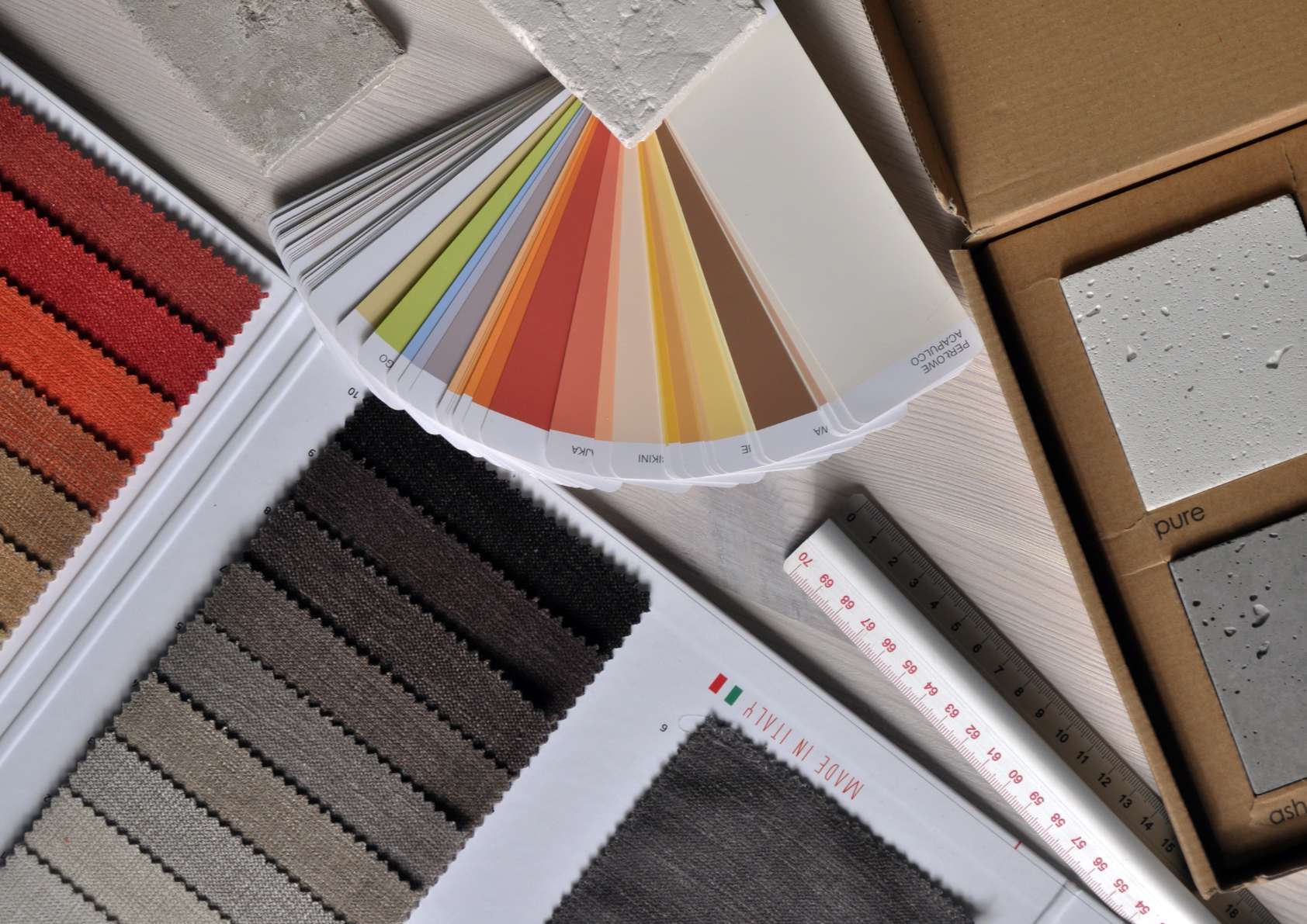
interior design color samples and fabric swatches.

The Rise of Curvilinear Furniture

Curves are coming back in 2025, adding softness and fluidity to living spaces. From rounded sofas to circular coffee tables and arched doorways, this trend breaks the rigidity of straight lines, creating inviting and dynamic interiors.

Tips to incorporate:

  • Swap out angular furniture for curved options like a rounded accent chair or a crescent-shaped couch.
  • Consider archways or curved shelving units to add architectural interest.
  • Use circular mirrors or decor pieces to echo the theme.

Smart Home Integration in Design

Technology continues to shape how we live, and smart home features are becoming seamlessly integrated into interior design. 2025 is all about making technology beautiful and functional, from hidden charging stations to artful smart displays.

Tips to incorporate:

  • Choose smart light fixtures with adjustable colors and brightness to set the mood.
  • Invest in built-in smart speakers or displays that blend with your decor.
  • Opt for sleek, minimalist tech devices that complement your aesthetic.

Biophilic Design: Bringing Nature Indoors

Biophilic design—connecting indoor spaces with nature—continues to gain traction in 2025. This trend focuses on creating calming, health-focused environments by incorporating plants, natural light, and organic materials.

Bathroom with a modern interior design with big plants.

Tips to incorporate:

  • Add indoor plants like monstera, snake plants, or fiddle-leaf figs to purify the air and enhance visual appeal.
  • Use natural textures like rattan, stone, or clay for furniture and decor.
  • Maximize natural light with sheer curtains or strategically placed mirrors.

Conclusion: Make Your Home Reflect 2025’s Best

Interior design in 2025 is all about merging style with functionality and sustainability. Whether you’re drawn to bold colors, eco-friendly materials, or tech-savvy solutions, these trends offer endless ways to personalize your space and increase its market appeal. By incorporating these ideas, you can ensure your home stands out—not just this year but for years to come

s1