Homesteading Homes: The Next Big Trend for Home Buyers and Sellers

In today’s shifting real estate market, many home buyers and sellers are asking: Are homesteading homes the next big trend? With more people reevaluating how and where they live, the appeal of owning land, growing your own food, and embracing a self-sufficient lifestyle is rising. Understanding this trend can help buyers find the right property and sellers position their homes for maximum interest.

Understanding the Homesteading Homes Trend

Homesteading homes aren’t just a niche or rural curiosity—they’re becoming a lifestyle choice for modern buyers seeking independence, sustainability, and connection to the land. While historically associated with farmers, today’s homesteaders include remote workers, families seeking outdoor living, and anyone who values self-reliance.

Interest in homesteading has grown steadily in recent years, with more people adopting practices like gardening, livestock care, and renewable energy systems. Modern homesteading blends tradition with technology, using solar panels, smart irrigation, and online marketplaces, making these homes practical and appealing for a broad audience.

Why Home Buyers Are Choosing Homesteading Homes

If you’re buying a home, homesteading properties offer unique benefits:

  • Space and Privacy: Larger land parcels give room for gardens, livestock, or personal retreats.

  • Sustainable Living: Access to renewable energy setups, rainwater systems, and self-sufficiency practices.

  • Lifestyle Flexibility: With remote work increasingly common, buyers aren’t limited to urban centers.

  • Economic Potential: Some buyers diversify income through small farming, home-based businesses, or CSA programs.

Homesteading homes appeal to buyers who prioritize quality of life over city convenience. These properties offer freedom, independence, and the opportunity to live intentionally.

What Sellers Should Know About the Market

Sellers with homesteading-friendly properties can stand out in a growing segment of the market. Key selling points include:

  • Adequate acreage and usable outdoor space

  • Barns, fencing, or other agricultural infrastructure

  • Minimal HOA restrictions

  • Sustainable energy systems like solar or water collection

Highlighting these features can attract buyers actively seeking independence and self-sufficiency. Even if your property is not fully “off-grid,” emphasizing outdoor space, privacy, and the potential for sustainable living can increase interest.

What’s Driving the Shift to Homesteading Homes?

Several trends are fueling the growing appeal of homesteading properties:

  • Remote Work Flexibility: More people can live outside urban centers without compromising careers.

  • Self-Sufficiency Appeal: Growing food, generating energy, and reducing dependence on external systems attracts health- and sustainability-conscious buyers.

  • Lifestyle Priorities: Buyers are seeking space, privacy, and outdoor living more than ever.

  • Economic Resilience: Homes that support small-scale agriculture or home-based income can provide financial flexibility.

Conclusion

Homesteading homes are more than a lifestyle—they’re shaping the way many Americans approach buying and selling real estate. For buyers, they offer independence, space, and the ability to live sustainably. For sellers, highlighting these features can attract a motivated, niche audience willing to pay for the lifestyle your property offers.

As interest in self-sufficient living grows, homesteading homes are poised to become a defining trend in the housing market. Whether you’re buying your first property, upsizing, or selling a homesteading-friendly home, understanding this trend can help you make informed decisions and maximize opportunities.


Why Every Buyer and Seller Needs a Home Walkthrough Checklist in Today’s Market

Buying or selling a home today means being more cautious and informed than ever. Repair costs are rising, labor is limited, and unexpected issues can derail a deal quickly. Paying attention to a home’s condition early in the process helps you make smarter decisions, manage your budget, and avoid surprises.

Taking a proactive approach during your initial walkthrough—essentially treating it like a personal “home inspection checklist”—gives you a clear understanding of what might need closer attention later. This helps you stay grounded in facts rather than getting caught up in emotion when the official inspection comes.

Spotting Issues Without Feeling Overwhelmed

You don’t need to be an inspector to notice potential concerns. Small signs—like doors that stick, slightly uneven floors, or trim pulling away from walls—can indicate settling or movement. These aren’t necessarily deal-breakers, but they’re worth keeping in mind.

Water is another area to watch. Stains on ceilings, warped flooring, or musty smells often point to past or ongoing moisture issues. Even freshly painted areas that seem out of place can warrant a second look. By observing carefully, you stay informed without overreacting.

Key Exterior and System Clues

Start outside. Rooflines, gutters, siding, and landscaping can reveal a lot about how well a home has been maintained. Exterior issues often hint at interior problems, especially related to water.

Inside, take note of mechanical systems like the water heater, HVAC, or electrical panel. An older system doesn’t always mean immediate replacement, but knowing what may require attention can help you plan for future costs and negotiate repairs confidently.

How Consistency Builds Confidence

A methodical approach to walkthroughs gives you peace of mind and helps sellers present their home effectively. Going through every home with the same checklist—or personal routine—reduces stress and ensures nothing gets overlooked.

Being consistent allows you to compare properties fairly, ask informed questions, and make decisions based on facts rather than first impressions or anxiety.

Talking About Issues Without Stressing Out

When you spot potential concerns, it’s best to stay neutral. Saying something like, “This is something we’ll want the inspector to look at more closely,” keeps the focus on getting more information rather than jumping to conclusions.

This approach protects both buyers and sellers, maintains transparency, and keeps the process professional. Honest, calm communication reduces stress and helps keep negotiations on track.

Why Being Observant Makes You a Savvy Buyer or Seller

Understanding what to look for during a walkthrough gives you an edge. You’ll notice details that others might miss, allowing you to make informed decisions, budget appropriately, and negotiate effectively.

In today’s market, where buyers and sellers are selective and cautious, a careful, checklist-driven walkthrough ensures you’re confident in your choices—and keeps deals moving smoothly.

Your Home Walkthrough Checklist

Exterior

  • Roof: curling, patched, or uneven shingles

  • Gutters: attached, draining properly

  • Siding/stucco: cracks, rot, or pest damage

  • Grading: water flows away from the home

Entry & Structure

  • Doors: sticking or misaligned

  • Floors: slopes or soft spots

  • Walls/ceilings: visible cracks or gaps

Ceilings, Walls & Windows

  • Ceiling stains or patches

  • Wall cracks (especially diagonal)

  • Windows: open/close smoothly, condensation

Flooring & Moisture

  • Rippling hardwood or laminate

  • Uneven tile

  • Musty odors or damp carpet

Kitchen & Bathrooms

  • Under sinks: leaks or stains

  • Fixtures: loose or cracked

  • Grout/caulk: gaps or damage

Electrical & Mechanical

  • Outlets/switches: outdated, warm, flickering

  • Electrical panel: age/condition

  • HVAC/water heater: visible age, airflow, noise

Basement, Garage, Crawlspace

  • Foundation cracks, moisture, efflorescence

  • Plumbing/wiring issues

Attic (If Accessible)

  • Insulation, leaks, ventilation

Final Sensory Check

  • Odors, temperature comfort, airflow

Buying a New Build? New Construction Home Trends Shaping Today’s Market

Buying a newly built home looks very different than it did just a few years ago. Shifts in interest rates, labor costs, insurance pricing, and buyer expectations have reshaped how builders design, price, and deliver homes. Understanding current new construction home trends gives buyers a major advantage, especially in markets where resale inventory remains tight. This guide breaks down what is changing, why it matters, and how buyers can make smarter decisions when considering a new build in today’s environment.


Why New Construction Looks Different Right Now

Rising interest rates have changed buyer behavior across the country, but builders have adapted faster than many expected. Instead of slashing base prices, many builders are protecting margins by offering creative incentives. Rate buydowns, closing cost credits, and upgrade packages have become more common than price reductions, particularly in larger developments. This allows builders to keep neighborhood values stable while still attracting qualified buyers.

Insurance costs are also playing a larger role in construction decisions. In regions affected by weather risk, builders are adjusting materials, roof designs, and site planning to meet stricter insurance underwriting standards. Buyers may notice more impact-resistant materials, improved drainage systems, and updated building codes baked into new homes. These adjustments are not cosmetic. They directly affect long-term ownership costs and resale stability.

Smaller Footprints, Smarter Design

One of the most noticeable shifts in new construction home trends is the move toward efficiency rather than size. Builders are reducing square footage while improving layout functionality. Open living areas remain popular, but wasted space is disappearing. Flex rooms now replace formal dining rooms, and storage is designed vertically rather than sprawling outward.

Energy efficiency is no longer a luxury feature. High-performance windows, better insulation, and smarter HVAC systems are increasingly standard rather than upgraded options. With utility costs climbing nationwide, buyers are prioritizing predictable monthly expenses over sheer square footage. New builds often outperform older homes in this area, which is part of their continued appeal.

Supply Chain Reality Is Shaping Features

Supply chain disruptions over the last several years have permanently changed how builders plan projects. Rather than offering endless customization, many builders now limit finish selections to ensure predictable timelines. This has shortened build times and reduced buyer frustration, even if it means fewer design choices.

Appliances, cabinetry, and fixtures are selected based on availability and durability rather than trend cycles. While this can feel restrictive to some buyers, it often results in faster move-in dates and fewer post-closing delays. For buyers who value certainty, this shift has been a net positive.

Location Strategy Is Driving New Development

Builders are increasingly focused on secondary and tertiary markets where land costs are lower and buyer demand is growing. Remote and hybrid work have expanded the geographic range buyers are willing to consider. As a result, new construction is thriving in suburbs, exurbs, and smaller metro-adjacent cities that were previously overlooked.

This location shift is one of the most important new construction home trends for buyers to understand. These areas often offer newer infrastructure, less competition, and more favorable pricing compared to established urban cores. However, buyers should still evaluate long-term job growth, transportation access, and municipal planning before committing.

Incentives Matter More Than Ever

Buyers considering a new build should look beyond the list price. Builder incentives can significantly affect the true cost of ownership, especially in a higher-rate environment. Mortgage rate buydowns, prepaid HOA dues, and design credits can make a meaningful difference over the first several years of ownership.

Negotiation is also more nuanced. Builders are often more flexible at the end of quarters or fiscal years, and inventory homes typically carry more incentive potential than fully custom builds. Understanding timing and leverage is just as important as understanding floor plans.

What Buyers Should Take Away

New construction is no longer just about shiny finishes and modern layouts. It reflects broader economic forces, shifting buyer priorities, and long-term cost considerations. The most successful buyers approach the process with clear expectations, professional guidance, and a solid understanding of new construction home trends shaping the market today.

New builds can still offer strong value, but only when buyers know what to look for and how to evaluate incentives, location, and design choices through a long-term lens.

How to Get Your Offer Accepted in a Competitive Market

In today’s fast-moving real estate environment, knowing how to get your offer accepted in a competitive market is more important than ever. With inventory still tight in many metros and buyer demand fluctuating, being prepared and strategic can make the difference between winning a home and watching it slip away. In this post, you’ll learn the key takeaways: understanding current market conditions, crafting a strong offer, and using timing and terms to stand out.

Understand the Market Landscape

The first step in determining how to secure an offer acceptance in a competitive market is understanding what’s really happening. National reports from early 2025 show existing home sales hovering around just over 4 million units annually, higher than last year but still below typical levels. Mortgage rates remain elevated near the mid-6 percent range, which continues to challenge affordability and keeps many sellers locked into their lower pandemic-era rates.

Real estate market

Inventory is climbing slowly, but in several cities it remains well below pre-2020 levels. Because of these conditions, sellers in desirable neighborhoods often receive multiple offers within days of listing. Knowing these dynamics helps buyers shape their strategy and avoid unrealistic expectations.

Get Your Finances and Pre-Approval Locked In

One of the most common mistakes buyers make when learning how to get their offer accepted in a competitive market is showing up unprepared. Sellers and listing agents strongly prefer buyers who provide proof of funds or a full mortgage pre-approval rather than a simple pre-qualification.
Before you begin touring homes, meet with a lender, secure a current pre-approval letter, and establish your maximum comfortable price. Also, make sure your down payment, closing costs, and any funds for potential appraisal gaps are readily accessible. Financial readiness signals to the seller that you are reliable and ready to move quickly.

Craft an Offer That Stands Out

When you’re competing with other buyers, knowing how to get your offer accepted in a competitive market means going far beyond offering the list price. Here are strategies that make a meaningful difference:

  • Offer a strong, competitive price: In a tight market, the listing price is often just a starting point. Offering slightly above the list or using an escalation clause (when advised by your agent) can give you an edge.
  • Limit contingencies: Sellers prefer offers with fewer hurdles. Shortening inspection timelines, being flexible on the closing date, or simplifying contingencies can make your offer more appealing.
  • Match the seller’s preferred terms: Adjusting your offer to align with the seller’s needs—whether that’s allowing a rent-back period or offering flexibility on move-out—can sometimes outweigh a higher competing price.
  • Include a strong earnest money deposit: A larger deposit demonstrates seriousness and reduces the seller’s perceived risk.
  • Add a personal touch when appropriate: While not always necessary, a brief, sincere letter explaining why you love the home can occasionally help when two offers are very close. Always follow your agent’s guidance to ensure compliance with local policies.

By combining financial readiness with appealing terms and flexibility, your offer becomes more attractive and less likely to fall apart.

Happy family buying a home.

Move Quickly and Stay Strategic

In a competitive environment, timing matters just as much as pricing and terms. Understanding how to get your offer accepted in a competitive market involves being ready to act the moment the right opportunity appears. Many homes receive multiple offers within days—or even hours—of hitting the market.


Avoid letting indecision cost you the home you want. At the same time, stay disciplined about your budget. Determine your top price before making an offer, and don’t exceed it simply to win a bidding war.
Work closely with an experienced local agent who understands the area’s trends, typical seller preferences, and current competition. Their insight can help you fine-tune your offer in ways that aren’t obvious to most buyers.

Final Thoughts

Successfully navigating how to get your offer accepted in a competitive market requires more than the highest bid. It means presenting yourself as a financially solid, flexible, and confident buyer. With 2025’s market defined by tight inventory, elevated rates, and strong demand in popular areas, the advantage goes to buyers who prepare early and submit clean, compelling offers. Stay committed to your strategy, lean on your agent’s expertise, and you’ll be well-positioned to secure the home you love.

Home Inspection Tips Every Buyer and Seller Should Know

When you’re navigating today’s real estate market, a thorough home inspection is more important than ever. Whether you’re buying or selling, having the right information can make the difference between a smooth deal and unexpected setbacks. In this blog, we’ll cover what a home inspection involves, key red flags to watch for, and how both buyers and sellers can use the process strategically to protect value and peace of mind.

What a Home Inspection Entails

A home inspection gives a detailed look at a property’s condition before finalizing a purchase or listing. According to recent industry data, about 85 % of inspections identify at least one issue. On average in the U.S., the cost ranges from $300 to $500.

get a pre-sale home inspection


For buyers, the inspection serves as a safeguard, helping you identify hidden defects, estimate repair costs, and potentially renegotiate. For sellers, performing a pre-listing inspection can allow you to proactively address issues and present a stronger case to potential buyers. In fact, energy audits and “green” home considerations are becoming more common in 2025.

Using a solid inspection can help both parties make informed decisions and reduce surprises down the road.

Key Areas to Focus On

When preparing for a home inspection, both buyers and sellers should pay particular attention to these key systems and structural elements:

  • Roofing & drainage: Some reports show roofing defects are among the top issues uncovered.
  • Electrical systems: Outdated wiring, overloaded circuits, and panels older than 30 years show up frequently in inspection reports.
  • Plumbing and HVAC: These systems can incur costly repairs if neglected; one survey found 33 % of inspections revealed plumbing problems.
  • Foundation and water intrusion: Grading, drainage, and foundation stability affect both safety and value.
  • Energy efficiency & sustainability features: As buyers become more eco-aware, inspectors are increasingly assessing insulation, ventilation, and smart home systems.

For sellers, identifying and resolving these issues before the inspection can enhance your listing and reduce negotiation headaches. For buyers, understanding these red flags ahead of time gives you leverage and clarity.

How Sellers Can Leverage the Inspection Process

As a seller, a well-executed home inspection can strengthen your position rather than weaken it. Start by conducting a pre-listing inspection to identify potential problems ahead of time. This gives you time to make repairs or disclose issues transparently. In 2025, sellers who disclose inspection findings may gain a trust advantage in a competitive market.


Consider highlighting energy-efficient upgrades, recent system replacements, or remediation work in your listing. These factors resonate especially with eco-conscious buyers and help set your property apart.
Finally, be realistic about discoveries. When problems are found after an inspection, nearly 75 % of buyers ask for negotiations or repair credits. Addressing major defects ahead of time often saves time and avoids stalled deals.

Real estate home inspection report of resale residential property condition with professional housing engineering inspector testing tools and house keys (fictitious but realistic document)

How Buyers Can Maximize Their Inspection

For buyers, a home inspection offers critical insight before you commit to a purchase. First, insist on a contingency that gives you time to review the inspection report and negotiate if necessary. With about 88 % of buyers using a home inspection in U.S. real estate transactions, skipping this step is increasingly rare.


When the report arrives, don’t just glance at the summary review major categories such as roofing, electrical, plumbing, and HVAC. Identify any safety issues or items requiring immediate attention. And ask for cost estimates for repair or replacement so you can factor that into your budget and negotiations.


Finally, use the inspection as leverage. Findings commonly result in price adjustments or seller concessions. In a balanced market, this can be a meaningful advantage.

Final Thoughts

Whether you’re buying or selling, prioritizing a home inspection helps you make smarter decisions and protect value. For sellers, a pre-listing inspection can turn unknown concerns into marketing strengths. For buyers, it offers a clearer picture of the investment you’re about to make. With strong demand and evolving inspection practices in 2025, adopting this step as standard practice is no longer optional; it’s strategic.
Stay informed, ask the right questions, and ensure the inspection process is part of your real estate game plan.

What’s the Difference Between a Buyer’s and Seller’s Market?

Understanding the dynamics of the real estate market is essential whether you’re buying, selling, or just keeping tabs on current real estate trends. One of the most frequently asked questions is: What’s the difference between a buyer’s and seller’s market? These terms come up in market reports, housing forecasts, and agent advice, but what do they really mean, and how do they affect you?

In this post, you’ll learn how to identify each type of market, what drives the shift between them, and what it means for your next real estate move. Let’s break it down.

What Is a Buyer’s Market?

A buyer’s market happens when there are more homes for sale than there are buyers. This oversupply gives homebuyers the upper hand in negotiations because sellers are competing for a limited pool of potential buyers. It typically leads to lower home prices, longer time on the market for listings, and greater flexibility when it comes to terms and conditions.

Two people with white sneakers standing at a door mat that reads "first time home buyer".

Indicators of a buyer’s market:

  • High inventory of homes

  • Price reductions on listings

  • Homes are taking longer to sell

  • Sellers are more willing to negotiate

For buyers, this is a favorable time to shop around, make lower offers, and request concessions such as closing cost assistance or home repairs. For sellers, however, it may mean adjusting expectations, pricing competitively, and putting in more effort to make a home stand out.

What Is a Seller’s Market?

A seller’s market is the opposite: more buyers are searching for homes than there are properties available. This demand often drives up prices and creates a more competitive environment for buyers. In hot seller’s markets, bidding wars are common, and homes can sell above asking price in a matter of days.

Indicators of a seller’s market:

  • Low housing inventory

  • Homes are selling quickly, often within days

  • Multiple offers on the same home

  • Buyers are willing to waive contingencies

best time to sell a house. For sale sign in front of a nice house.

For sellers, this is an ideal time to list a home. You’re more likely to receive top-dollar offers and have the upper hand in negotiations. Buyers, on the other hand, may need to act fast, come in with strong offers, and prepare to compromise on certain wish list items.

What Causes Market Shifts?

Several factors influence whether the market leans in favor of buyers or sellers. Some of the most common include:

  • Interest rates: When rates rise, buying becomes more expensive, slowing down demand and tipping the market toward buyers.

  • Economic conditions: Job growth or loss, inflation, and consumer confidence all play a role in housing demand.

  • Seasonal trends: Spring and early summer often bring more buyers and listings, while fall and winter tend to be slower.

  • Local supply and demand: Even in a national seller’s market, some local areas may still favor buyers due to overbuilding or regional economic shifts.

Staying informed about current real estate trends can help you time your move more strategically.

Why It Matters

Understanding the difference between a buyer’s and seller’s market is key to making confident real estate decisions. Whether you’re buying your first home, selling an investment property, or just watching the market, knowing which side of the scale the market tips toward can shape your pricing, strategy, and expectations.

Keep in mind, too, that the market can shift quickly. What may be a seller’s market in one season or region could flip to a buyer’s market in another. Following current real estate trends helps you stay one step ahead, and working with an experienced agent can give you even more insight.

Conclusion

So, what’s the difference between a buyer’s and seller’s market? It all comes down to supply and demand, and those factors can change with time, interest rates, and local conditions. By keeping an eye on current real estate trends, you can better position yourself for success, no matter which side of the transaction you’re on.

Real Estate Terms Explained: What You Need to Know Before You Dive In

Whether you’re a first-time homebuyer or just starting to explore your options, diving into the world of property transactions can feel like learning a new language. From confusing acronyms to legal-sounding jargon, it’s easy to feel overwhelmed. That’s where this beginner-friendly guide comes in. In this blog, we’re breaking down key real estate terms in a way that’s simple and useful, so you can move forward with confidence. If you’re interested in current real estate trends, this glossary will be your go-to resource. Let’s get started.

Listing

A listing refers to a property that is currently for sale and has been added to a real estate marketplace, typically through a Multiple Listing Service (MLS). This is the first term every buyer or seller should know. Listings include key details like price, square footage, number of bedrooms and bathrooms, photos, and sometimes virtual tours. The real estate agent representing the seller is usually called the listing agent, and they’re responsible for marketing the property and negotiating on the seller’s behalf.

A listing. A home with a for sale sign.

Why it matters:

If you’re browsing homes online or working with an agent, understanding listings helps you filter options efficiently and spot opportunities in a competitive market.

Contingency

A contingency is a condition written into a real estate contract that must be met for the deal to move forward. Common contingencies include a home inspection, financing approval, or the sale of the buyer’s current home. If the condition isn’t met, the buyer can usually walk away from the deal without losing their earnest money.

Why it matters:

Contingencies offer important protections for buyers, and knowing what’s typical can help you negotiate confidently—especially as current real estate trends show more buyers leveraging these clauses in fluctuating markets.

Appraisal

An appraisal is an unbiased estimate of a property’s market value, typically ordered by a lender to ensure the home is worth the amount of the loan. Appraisals are conducted by licensed professionals and consider factors like location, condition, comparable home sales, and improvements.

Why it matters:

If a home appraises for less than the offer price, the lender may not approve the full loan amount—leaving buyers to renegotiate or pay the difference out of pocket. In fast-moving markets, appraisals play a critical role in closing a deal smoothly.

Escrow

Escrow refers to a neutral third-party service that holds funds and important documents until all conditions of a real estate transaction are met. Once everything is in order, the escrow agent ensures that the money and property are transferred correctly between buyer and seller.

real estate deals. Escrow.

Why it matters:

Escrow adds a layer of security and transparency to the process. It ensures that both parties uphold their end of the agreement before any money or property changes hands.

Closing Costs

Closing costs are the fees and expenses, beyond the property’s price, that buyers and sellers must pay to complete a real estate transaction. These can include loan origination fees, title insurance, taxes, and legal fees. They typically range from 2% to 5% of the home’s purchase price.

Why it matters:

Budgeting for closing costs is essential. Understanding what’s included helps prevent last-minute surprises and ensures you’re financially prepared for the final step.

Final Thoughts

Navigating real estate terminology doesn’t have to be daunting. With a better grasp of these essential terms, you’ll feel more prepared to make informed decisions, whether you’re buying your first home or just exploring what’s out there. As current real estate trends evolve, understanding the language of the industry will give you a lasting advantage in your property journey.

What to Know About the Housing Market This Summer

Introduction

The housing market this summer is already shaping up to be one of the most talked-about topics in real estate circles—and for good reason. With interest rates, inventory, and buyer behavior all shifting, both seasoned investors and first-time homebuyers are paying close attention. In this post, we’ll explore what’s happening in the housing market this summer, including emerging trends, challenges, and opportunities you should know about. Whether you’re buying, selling, or simply watching the market, these insights will help you make informed decisions.

Rising Interest Rates and Their Impact

One of the most significant factors affecting the housing market this summer is the movement of mortgage interest rates. Over the past year, rates have remained higher than many would prefer, and while some economists predicted a drop in 2025, recent economic reports suggest rates may remain steady or even rise slightly through the season.

The concept of falling real estate market. Reduced interest in the mortgage. A decline in property prices and apartments. Low interest rates on mortgage loans. Reduced demand for home

What this means for buyers and sellers:

  • Buyers may face reduced purchasing power, which could limit their home choices or push them to explore more affordable areas.

  • Sellers might see fewer bidding wars as affordability constraints temper buyer enthusiasm.

Still, the summer season traditionally brings more activity to the market, and well-priced homes in desirable locations are expected to remain competitive.

Inventory Levels Are Slowly Climbing

After years of low housing inventory, there’s finally some movement. The number of homes on the market has been creeping up in many regions, giving buyers a bit more breathing room. However, we’re still far from a buyer’s market in most areas.

What this means for the market:

  • Sellers will need to price strategically and invest in minor updates to stand out from the growing competition.

  • Buyers may have more choices, but desirable homes in move-in-ready condition still go fast.

This gradual increase in listings contributes to a slightly more balanced housing market this summer, though not enough to dramatically shift the playing field.

Shifting Buyer Preferences Post-Pandemic

Another notable trend in the housing market this summer is the shift in buyer preferences. Since the pandemic, remote work and lifestyle changes have influenced what people are looking for in a home.

remote worker in a home office.

Key buyer trends include:

  • Increased demand for home offices, flex spaces, and outdoor living areas.

  • A continued preference for suburban or small-town living over dense urban environments.

  • A willingness to move to new states or regions with better affordability and quality of life.

Real estate professionals who understand and cater to these preferences can better serve their clients and close more deals.

Regional Variations Are Significant

It’s important to note that the housing market this summer isn’t experiencing a uniform trend nationwide. While some cities are seeing strong growth and high demand, others are cooling off.

Examples:

  • Sun Belt states like Texas and Florida continue to attract buyers due to no state income tax and warmer climates.

  • High-cost coastal cities may see a slowdown in demand as affordability remains a major concern.

  • Midwestern and Southeastern metros are gaining popularity thanks to more reasonable price points.

Understanding these regional differences is crucial whether you’re investing, relocating, or simply watching for trends.

The Bottom Line

The housing market this summer presents a mix of challenges and opportunities. Interest rates remain a key factor, but rising inventory and evolving buyer preferences are shaping a new landscape. Whether you’re actively participating in the market or observing from the sidelines, staying informed is the best strategy. By keeping a close eye on local trends and national shifts, you’ll be better prepared to make your next move.

Real Estate Terms Explained: What You Need to Know Before You Dive In

Introduction

Starting your real estate journey can feel like learning a new language. With all the industry jargon, escrow, contingency, and appraisal, it’s easy to feel overwhelmed. That’s why we created this guide: real estate terms explained simply and clearly, so you can approach your next move with confidence. Whether you’re buying your first home, thinking of selling, or just dipping your toes into the market, this post breaks down must-know real estate terminology in beginner-friendly language. Read on to get empowered!

Closing Costs

When you’re buying or selling a home, closing costs are one of the final pieces of the puzzle. These are the fees and expenses (beyond the price of the property) paid at the closing of a real estate transaction. They include title insurance, appraisal fees, taxes, attorney fees, and more. Typically, closing costs range from 2% to 5% of the home’s purchase price.

Why it matters: Knowing about closing costs upfront can help you budget properly and avoid last-minute surprises. It’s one of those real estate basics that every buyer or seller should understand.

Contingent Offer

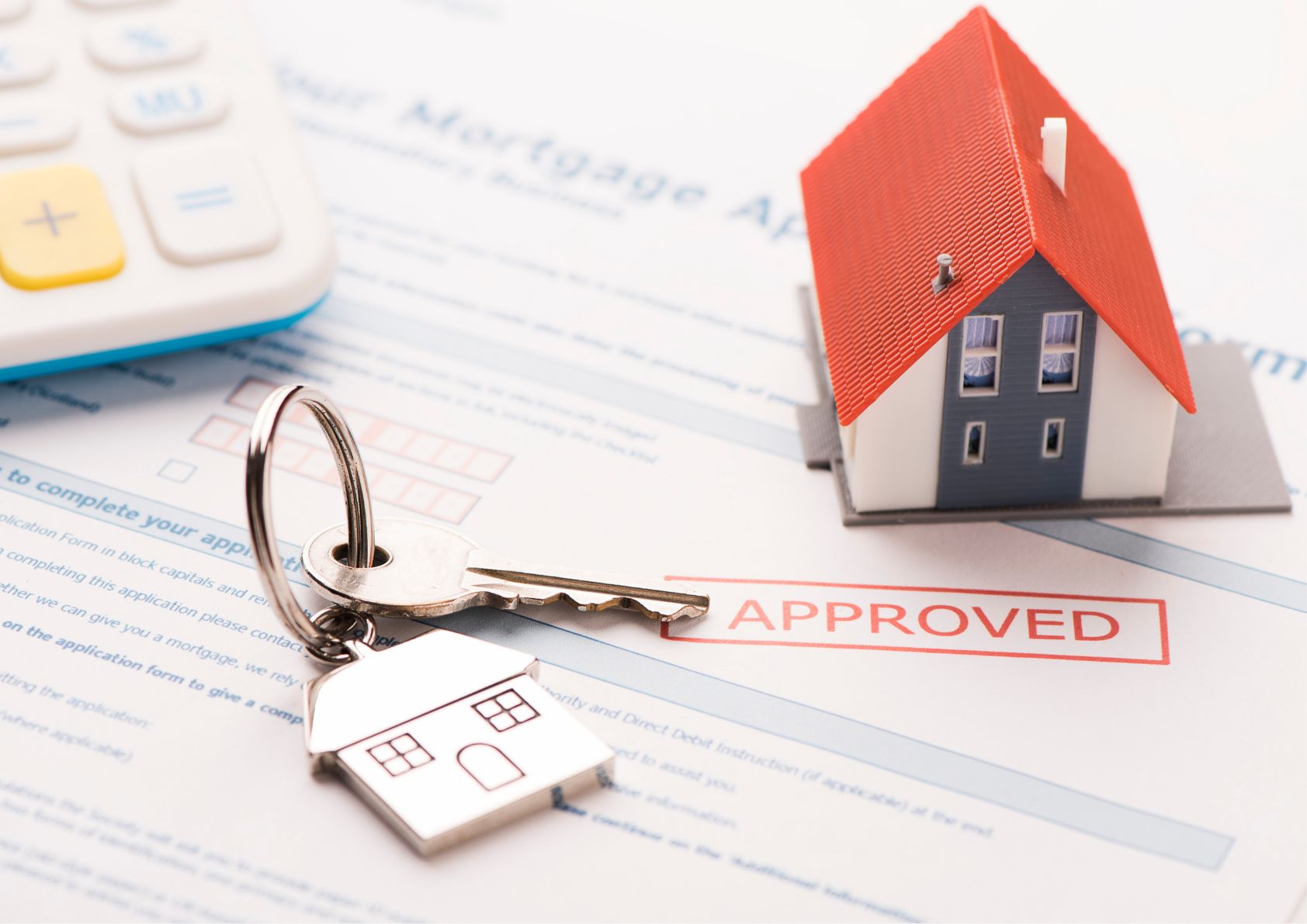
real estate offer on home. Approved

A contingent offer means the buyer has made an offer on a home, but the final sale depends on certain conditions being met, like the buyer securing financing or the home passing inspection. If these conditions aren’t satisfied, the deal can fall through.

Why it matters: If you’re making or receiving a contingent offer, it’s crucial to understand the contingencies and how they affect the timeline. This is one of those home-buying terms that can significantly influence how quickly a transaction moves forward.

Escrow

Escrow refers to a neutral third party that holds funds and documents related to the sale until all conditions of the deal are met. Think of it as a safe holding area. Once everything is finalized, the escrow agent distributes the money and paperwork appropriately.

Why it matters: Escrow protects both the buyer and seller during the transaction. You’ll often hear this term multiple times during the process, so it’s important to have this real estate term explained early on.

Appraisal

An appraisal is an unbiased estimate of a home’s value conducted by a licensed professional. Mortgage lenders typically require an appraisal to ensure that the home is worth the amount being financed.

Home value appraisal.

Why it matters: If a home appraises for less than the agreed-upon price, it could derail your financing or force renegotiation. Understanding how appraisals impact property value is essential for both buyers and sellers.

Pre-Approval

A pre-approval is a lender’s offer to loan you a certain amount under specific terms, based on a review of your credit, income, and financial history. It’s stronger than a pre-qualification and can give you a competitive edge when making an offer.

Why it matters: Getting pre-approved before house hunting helps you understand what you can afford and shows sellers you’re serious. It’s one of the top mortgage tips for first-time homebuyers.

Final Thoughts

Real estate doesn’t have to be intimidating. By understanding these essential terms—like escrow, appraisal, and contingent offers—you’ll feel more confident in every step of the process. Whether you’re buying, selling, or just exploring your options, having real estate terms explained in plain language makes a huge difference.

If you’re ready to take the next step or want to learn more about local real estate trends, reach out—we’re here to help guide you through it all!

Spring 2025 Housing Market Trends: What Buyers and Sellers Need to Know

As the spring 2025 real estate season unfolds, both buyers and sellers are navigating a market marked by evolving dynamics. From shifting mortgage rates to changing buyer preferences, understanding the current trends is crucial for making informed decisions.

Mortgage Rates: A Stabilizing Factor

Current Mortgage rates have been a significant concern for many. Currently, the average 30-year fixed mortgage rate hovers around 6.6%, a slight decrease from the previous year’s highs. This stabilization offers a window of opportunity for buyers previously sidelined by higher rates.

Mortgage rates

However, while rates have dipped, they remain above the historic lows seen in past years. Buyers should be prepared for potential fluctuations and consider locking in rates when favorable.

Inventory Levels: Gradual Improvements

The housing market has experienced tight inventory levels, but there’s a silver lining. An increase in new-home construction is contributing to a gradual rise in available properties. This uptick provides buyers with more options and reduces the intense competition seen in previous seasons.

Sellers, on the other hand, should be mindful of this shift. With more homes entering the market, pricing competitively and ensuring your property stands out is more important than ever.​Home Prices: Steady with Regional Variations

Home prices continue to show resilience, with modest increases observed in many regions. The National Association of Realtors predicts a 2% rise in median home prices for 2025, indicating a stable market.​

However, it’s worth noting that price trends can vary significantly based on location. Urban centers may experience different dynamics compared to suburban or rural areas. Buyers and sellers should consult local market data to make informed decisions.

Buyer Preferences: Evolving Needs and Desires

The pandemic has reshaped what buyers are looking for in a home. There’s a growing demand for properties that accommodate remote work, with features like dedicated office spaces and larger living areas becoming more sought after.​

Young caucasian couple showing keys of their first house after purchase and moving to new home together. happy husband and wife hugging in their apartment excited to be owners of a apartment.
 

Additionally, the trend towards suburban and semi-rural living continues, driven by the desire for more space and a better quality of life. Sellers should highlight these features when marketing their homes to appeal to current buyer preferences.

Tips for Buyers: Navigating the Market

  • Get Pre-Approved: Before starting your home search, secure a mortgage pre-approval. This not only clarifies your budget but also strengthens your position when making an offer.

  • Act Quickly: With inventory levels still recovering, desirable homes can sell fast. Be prepared to make swift decisions when you find the right property.

  • Work with a Local Agent: Partnering with a real estate professional who understands the nuances of your target area can provide valuable insights and guidance.

Tips for Sellers: Maximizing Your Home’s Appeal

  • Enhance Curb Appeal: First impressions matter. Simple improvements like landscaping and fresh paint can make a significant difference.

  • Stage Your Home: Staging helps potential buyers envision themselves in the space, often leading to quicker sales and better offers.

  • Price Strategically: While the market is stable, overpricing can deter buyers. Work with your agent to set a competitive price that reflects current market conditions.

Looking Ahead: A Balanced Market

The spring 2025 housing market presents a balanced landscape for buyers and sellers. With mortgage rates stabilizing, inventory levels improving, and home prices showing steady growth, it’s an opportune time to engage in real estate transactions.

Staying informed and working with experienced professionals will be key to navigating this evolving market successfully.