Strategies for Selling a House in Poor Condition: How to Attract Buyers

To sell a house in poor condition, start by setting a realistic price that reflects the market yet attracts deal-seekers. Highlight the property’s potential, focusing on cost-effective repairs and upgrades that boost appeal. Staging your home effectively can also make a significant difference, creating a welcoming environment that allows buyers to envision living there. Leveraging social media to showcase your home’s potential and crafting compelling listings that focus on unique selling points are key. Hosting open houses with incentives like covering closing costs can further entice buyers. Exploring these strategies more deeply can reveal additional insights to maximize your home’s appeal.

Assessing Your Home’s Value

Evaluating your home’s value is the first critical step before considering its sale, especially if it’s in poor condition. Understanding the current market trends is essential in this process. You’ve got to keep an eye on how similar homes in your area are faring—those in prime condition and those with a few more dings and scratches. This comparison gives you a clearer picture of what buyers might be willing to pay for your property, despite its flaws.

Real estate investment goals concept, buy house, location, energy efficiency rating and property value, Real estate online on virtual screens. home search, land price, real estate market
 

However, it’s not just about the numbers. Legal disclosures play a significant role as well. You’re required to be upfront about your home’s condition, detailing any known issues that could affect its value. This transparency is vital, not only for adhering to the law but also for building trust with potential buyers. They’ll appreciate your honesty, and it can pave the way for a smoother sale.

Setting a Realistic Price

Setting a realistic price for your home, especially when it’s in poor condition, requires balancing optimism with the hard truths of the market. You’ve got to understand that buyers looking at homes in less-than-ideal shape are often hunting for deals. They’re aware of the work needed and are calculating these costs into their offers. This is where a thorough market analysis becomes invaluable. You can’t simply guess what your home is worth; you need concrete data on what similar homes, in similar conditions, have sold for in your area. This analysis will give you a solid foundation for setting a price that’s competitive yet fair.

Highlighting Potential Upgrades

When selling a house in poor condition, it’s essential you highlight the home’s potential for upgrades. You’ll want to identify key improvements that can transform the space, offering buyers a vision of what could be. Discussing cost-efficient upgrade ideas can also help buyers visualize future renovations, making the property more appealing.


Identify Key Improvements

Identifying key improvements can greatly enhance your home’s market appeal, even if it’s currently in poor condition. By focusing on areas that align with current market trends and making sure you meet all legal considerations, you can make your property more attractive to potential buyers. It’s not just about cosmetic upgrades; it’s about making strategic choices that highlight your home’s potential.

  • Market trends: Stay informed about what buyers in your area are looking for. This could mean prioritizing certain types of renovations over others.
  • Legal considerations: Guarantee any improvements comply with local building codes and regulations, avoiding future legal issues for you or the buyer.
  • Highlight potential: Use these improvements to showcase what could be, helping buyers envision the home’s possibilities.

Cost-Efficient Upgrade Ideas

To boost your home’s appeal without breaking the bank, focus on cost-efficient upgrades that can greatly lift its overall impression. Start with DIY landscaping to enhance your home’s curb appeal. This doesn’t have to be complex; simple actions like trimming overgrown bushes, adding mulch to garden beds, and planting a few colorful flowers can make a significant difference.

Woman renewing home. Happy young woman painting wall with paint brush in her fixer upper, smiling.
 

Next, consider furniture refurbishing. You don’t need to buy new furniture to refresh your space. Sanding down and repainting or re-staining old pieces can breathe new life into them, making your interior look more inviting without a hefty price tag. These simple yet effective strategies can make your home more attractive to buyers while ensuring you’re not overspending on pre-sale improvements.

Visualize Future Renovations

Imagine transforming your home’s potential by envisioning future renovations that could greatly increase its value and appeal. By highlighting potential upgrades, you’re not just selling a space; you’re offering a vision. This approach can captivate buyers who see beyond the current state to what could be. Here are key aspects to emphasize:

  • Renovation financing options show buyers how accessible their dream transformation can be.
  • Streamlined permit processes assure them that bureaucratic hurdles can be efficiently managed.
  • Potential upgrade impacts, such as expanded living spaces or modernized kitchens, illustrate the tangible benefits of their investment. Emphasizing these points helps buyers understand not just the home they’re buying, but the home they could create.

Making Cost-Effective Repairs

Making cost-effective repairs can greatly enhance your home’s market value without draining your wallet. To begin with, it’s important to prioritize which repairs will give you the most bang for your buck. Focus on fixing structural issues and ensuring all systems (electrical, plumbing, heating) are in good working order. These improvements not only increase your home’s appeal but also prevent potential buyers from being scared off by major defects. Before you begin any repairs, check if you need repair permits. This step is often overlooked, but failing to obtain the necessary permits can lead to legal headaches and fines. It also assures buyers that the work was done up to code, adding an extra layer of trust.
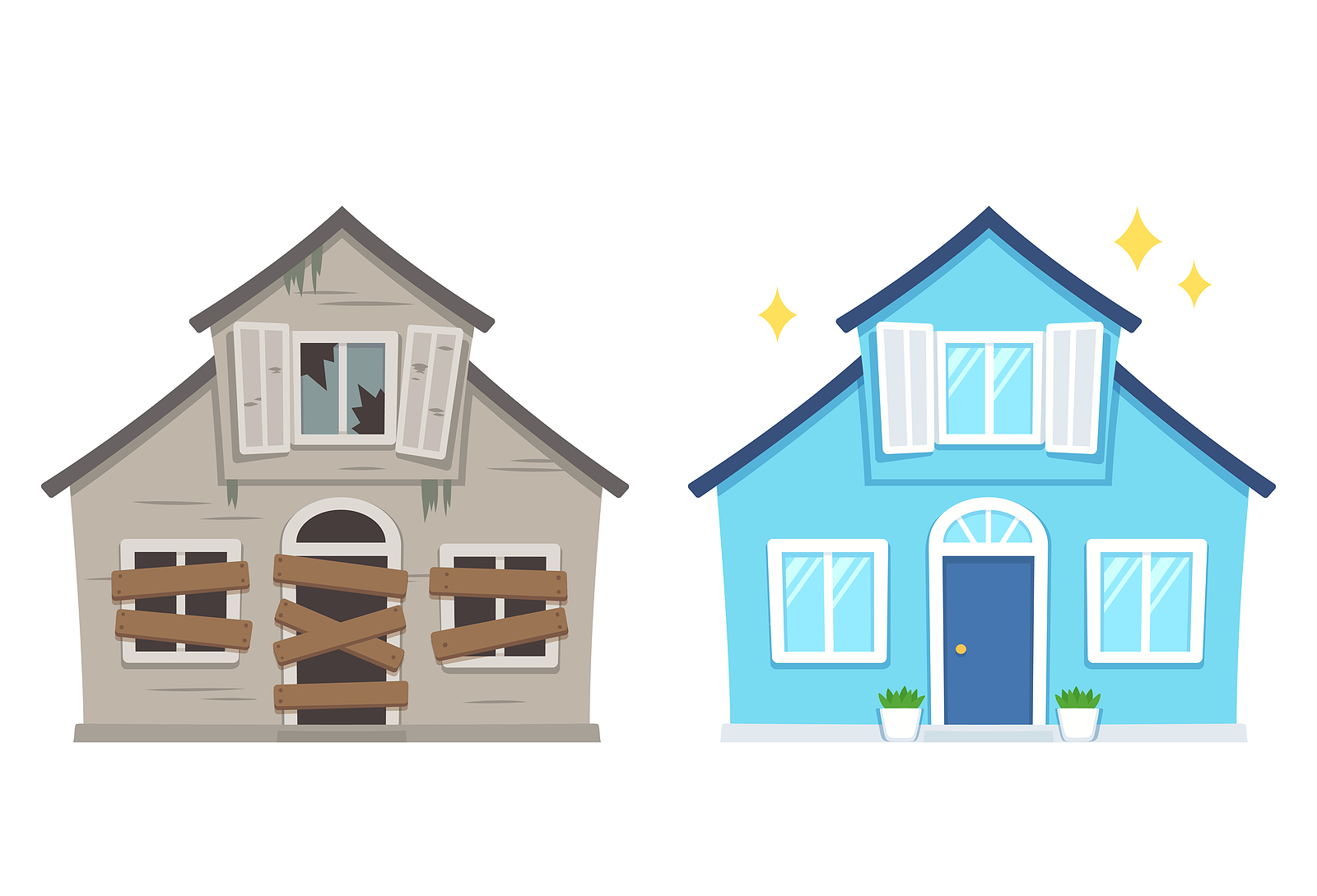
Fixer upper home renovation before and after. Old run-down house remodeled into cute traditional suburban cottage. Isolated vector illustration, flat cartoon style.
 

Be cautious of DIY pitfalls. While it’s tempting to save money by doing repairs yourself, overestimating your skills can result in subpar work that might even devalue your property. If you’re not confident in your abilities for certain tasks, hiring a professional is a smart investment. They can fix issues more efficiently and possibly even save you money in the long run by avoiding costly mistakes.

Staging for Success

Staging your home effectively can greatly enhance its appeal to potential buyers, even if it’s in less-than-perfect condition. By carefully selecting and arranging furniture, you can highlight your home’s strengths and distract from its flaws. But where do you start?

Furniture rental and decluttering are your best friends in this process. Furniture rental allows you to furnish your home attractively without the need to purchase new items. This strategy is especially useful for rooms that lack definition or purpose, as well-arranged furniture can suggest how spaces can be used, making them more appealing to buyers. Here are three key points to keep in mind:

  • Furniture rental: Opt for pieces that complement the size of your rooms. Avoid overcrowding spaces but make sure there’s enough furniture to suggest functionality.
  • Decluttering tips: Remove personal items and excess clutter. This helps buyers envision themselves in the space, making it easier for them to imagine living there.
  • Strategic placement: Arrange furniture to showcase the room’s flow and highlight architectural features. Use lighting and mirrors to brighten dark corners and create a sense of spaciousness.

Professional Photography Tips

Moving on, let’s explore how professional photography can significantly improve the presentation of your house. To truly capture its potential, you’ll need to highlight its best features and employ effective lighting techniques. This approach can transform the way buyers perceive your property, even if it’s in poor condition.

Camera Photography Design Studio Editing Concept
 

Highlighting Best Features

One effective strategy to showcase your home’s potential, even in poor condition, is to invest in professional photography that highlights its best features. By focusing on aspects like curb appeal and neighborhood benefits, you can attract buyers who see beyond the imperfections.

  • Curb Appeal: A well-framed photo of the exterior can capture the charm and potential of your property, making a strong first impression.
  • Neighborhood Benefits: Showcase nearby amenities or scenic views that add value to living in the area.
  • Unique Features: Highlight architectural details or spaces within your home that offer character and uniqueness, setting it apart from others.

Effective Lighting Techniques

Utilizing effective lighting techniques can dramatically enhance your home’s appeal in photographs, often making spaces appear more inviting and spacious. Embracing natural daylight is key. Open curtains wide and schedule photo shoots during the brightest times of the day to capture a fresh, airy feel. This makes even the most compact rooms look larger and more welcoming. Incorporate color psychology to evoke specific emotions. Warm light bulbs can make living spaces feel cozy and intimate, while cool white bulbs in bathrooms or kitchens create a sense of cleanliness and efficiency.

Remember, the goal is to make potential buyers feel like they could live there. Lighting isn’t just about visibility; it’s about creating mood and highlighting your home’s best features, even if it’s in poor condition.

Crafting Compelling Listings

To craft a compelling listing for a house in poor condition, you’ll need to highlight its potential and unique features. Focus on what makes your property a worthwhile investment or project for the right buyer.

Understanding current market trends and buyer demographics can guide you in tailoring your listing to appeal to those most likely to be interested. It’s not just about selling a house; it’s about selling a vision of what the house could become. In constructing your listing, consider these important points:

  • Emphasize Unique Selling Points: Whether it’s the property’s location, a particular architectural detail, or the size of the lot, make sure these features are front and center.
  • Be Honest but Positive: Acknowledge the home’s condition upfront but focus on the potential for transformation.
  • Highlight the Benefits: If the home is in a sought-after area or has redeeming qualities that are hard to find in the market, make sure these are highlighted. Crafting your listing with these considerations in mind won’t only attract potential buyers but also help them see the value and potential of a house that needs work.

Leveraging Social Media

Utilizing the power of social media can greatly enhance your efforts to sell a house in poor condition. By tapping into platforms where potential buyers spend their time, you’re not just casting a wider net—you’re also engaging with your audience where they’re most comfortable.

Mobile devices, wireless communication technology and internet web concept: business laptop or office notebook, tablet computer PC and modern black glossy touchscreen smartphones with colorful application interfaces isolated on white background
 

Start by creating appealing posts that highlight the potential of your property despite its current state. Use before-and-after visuals of similar renovations to spark imagination and interest. Don’t underestimate the value of social media analytics. These tools allow you to understand which types of content resonate most with your audience, enabling you to refine your strategy and target your posts more effectively. Pay attention to metrics like engagement rates and click-throughs to gauge interest levels and adjust your approach as necessary.

Another powerful strategy is to form influencer partnerships. Collaborating with influencers in real estate or home renovation niches can significantly amplify your reach. These influencers already have the trust and attention of your target market, making their endorsements particularly valuable. Choose partners whose audiences align with potential buyers for a house in poor condition and work together to showcase the property’s hidden potential.

Hosting Impactful Open Houses

When it comes to selling a house in poor condition, hosting impactful open houses can be your secret weapon. You’ll want to focus on enhancing the visual appeal to make a strong first impression. Engaging potential buyers from the moment they step in is important for standing out in their minds.

Enhancing Visual Appeal

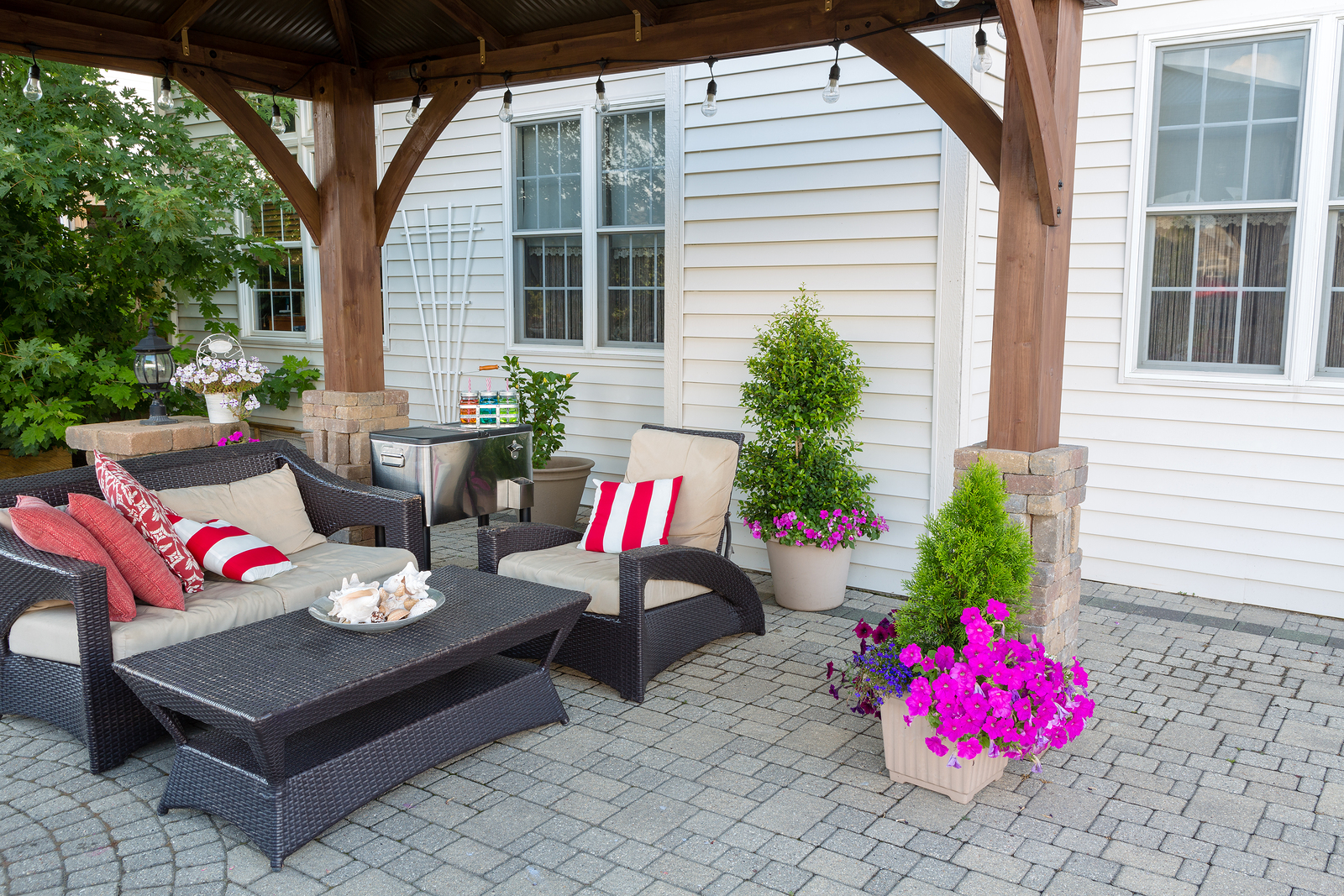
Improving your home’s visual appeal can greatly impact the success of your open houses, making potential buyers more interested in your property. Focusing on a garden makeover and enhancing your home’s curb appeal are essential steps in this process. These improvements not only make your property more attractive at first glance but also signal to potential buyers that the home has been well-cared for.

  • Garden Makeover: Plant colorful flowers and keep the lawn well-maintained to create an inviting entrance.
  • Curb Appeal: Update exterior paint, repair any visible damage, and make sure walkways are clear and inviting.
  • Clean and Declutter: A clean, clutter-free home looks bigger and more appealing, encouraging buyers to imagine themselves living there.

Engaging Potential Buyers

To effectively engage potential buyers, hosting impactful open houses is essential in showcasing your home’s best features. Prior to your open house, conducting thorough market research is vital. This research will guide you in understanding what potential buyers are looking for and how to price your home competitively, even in poor condition. Highlight the unique aspects of your property that might appeal to buyers’ needs and preferences. Additionally, offering buyer incentives can make a significant difference.

Real Estate Tablet - Open House. 2D Artwork. computer design.
 

Think about including a home warranty or offering to cover closing costs to make the deal more attractive. These strategies not only draw attention to your open house but also demonstrate your commitment to facilitating a smooth transaction for the buyer. Engaging buyers effectively means understanding their needs and sweetening the deal to make your home stand out.

Negotiating Offers Strategically

Mastering the art of negotiating offers strategically to secure the best possible deal when selling a house in poor condition is crucial. While you might feel cornered by the state of your property, remember, you’ve still got cards to play. This stage is all about leveraging what you can offer and being upfront about what you can’t. Here’s how:

  • Provide Buyer Incentives: Sweeten the deal by offering to cover closing costs or including appliances in the sale. These gestures can make your offer more appealing, despite the property’s condition.
  • Be Honest with Legal Disclosures: Transparency about your home’s issues isn’t just ethical; it builds trust. Full disclosure can prevent legal issues down the line and foster a positive negotiation atmosphere.
  • Flexibility in Terms: Sometimes, the price isn’t the only sticking point. Offering flexibility in other terms, like the closing date or certain contingencies, can make your offer more attractive to buyers.

Conclusion

Selling a house in poor condition requires strategic planning. Assess its value, set a realistic price, and highlight its potential. Don’t overlook cost-effective repairs, and stage them to impress. Your listing should grab attention, and leveraging social media can spread the word far and wide. Host open houses that leave an impact and negotiate offers with savvy. By following these steps, you’ll catch the eye of buyers who are ready to see the potential in your property.


Insider Tips How to Negotiate New Home Price With Builder

To snag a lower price on your new home, you’ll need a savvy approach. Start by immersing yourself in market timing; builders are more inclined to negotiate when demand is low. Delve into researching the builder’s inventory and reputation thoroughly, as this knowledge can be powerful leverage. Don’t forget to gather competitive quotes; showing your builder you’ve done your homework can spark meaningful price discussions. Demonstrating your payment readiness also makes you a more attractive buyer. Finally, try to negotiate for add-ons and upgrades for extra value. These strategies lay the groundwork for effective negotiation, offering insights on maximizing your investment.

Key Takeaways

  • Understand market timing to leverage seasonal trends and economic indicators for better negotiation leverage.
  • Research the builder’s inventory and reputation to use as negotiation points.
  • Gather competitive quotes from various builders to strengthen your negotiation position.
  • Demonstrate your payment readiness by showing financial stability and pre-approval to reassure the builder.
  • Negotiate for add-ons and upgrades instead of a lower price to gain more value from your purchase.
Close up of friendly handshake of business people. Business partners signing deal with handshake at office. Negotiation meeting for a successful merger, business agreeement.
 

Leverage Market Timing

Understanding market timing can give you a significant advantage when negotiating a lower price for your new home. By keeping an eye on seasonal trends and economic indicators, you’re positioning yourself to make a more informed decision. Typically, the real estate market experiences fluctuations throughout the year. For instance, demand often dips during the winter months, making sellers more open to negotiation. This is when you’ve got a better chance to strike a deal.

Similarly, economic indicators like interest rates and housing market reports can signal the best times to buy. A rise in interest rates might cool down buyer competition, whereas a report showing an increase in unsold home inventory could indicate a buyer’s market. In these scenarios, builders are more likely to negotiate on price to avoid sitting on too much inventory.

Research Builder Inventory

To secure a better deal on your new home, it’s crucial to thoroughly research builder inventory. This step isn’t just about seeing what’s available; it’s about understanding the builder’s position in the market, their reputation, and how past customers perceive their work. Start by investigating the builder’s website and sales centers to get a sense of their current inventory, including how long homes have been on the market. This can give you leverage in negotiations, especially if you find homes that have been available for an extended period.

Concept image of a signpost with Supply and Demand against a brick wall
 

Next, immerse yourself in the building’s reputation. Search for online reviews and ask for customer feedback directly from the builder. Pay close attention to comments about the quality of construction, responsiveness to issues, and overall satisfaction. This information is invaluable; it not only informs you about the builder’s standing but also arms you with potential negotiation points. For example, if you discover a recurring issue in feedback, you can discuss this with the builder as a bargaining chip for a lower price or additional upgrades.

Utilize Competitive Quotes

After thoroughly researching the builder’s inventory and reputation, it’s time to gather competitive quotes to strengthen your negotiation position. Approaching several builders for quotes on similar homes gives you a clearer picture of market rates and provides leverage when negotiating with your preferred builder. Don’t hesitate to share these quotes with your builder, highlighting the price differences. This transparency can prompt discussions on price matching, especially if the builders are competing in the same market segment.

Make sure the quotes you collect are up-to-date, as quote validity can impact their leverage in negotiations. Builders are more likely to take into account price adjustments if the competitive quotes you present are current and reflect the existing market conditions. It’s also important to examine the details of these quotes to ensure you’re comparing apples to apples. Differences in specifications, materials, and finishes can have a significant impact on the price.

Highlight Payment Readiness

Demonstrating your ability to pay, either through pre-approval letters or proof of funds, can greatly strengthen your negotiation stance. When you’re eyeing that perfect new home and entering into discussions with a builder, showing evidence of your financial stability isn’t just a formality—it’s a powerful tool in your negotiation arsenal. Having pre-approval proof on hand sends a clear message: you’re not just browsing, you’re ready to buy. This readiness to proceed with the purchase signals to the builder that you’re a serious buyer, potentially putting you in a better position to negotiate the price.

It’s one thing to express interest, but it’s another to demonstrate that you have the financial backing to follow through. Builders are often more willing to take into account price adjustments when they know they’re dealing with a buyer who can close the deal swiftly. Moreover, your financial stability, underscored by your pre-approval or proof of funds, reassures the builder of a smooth transaction. It reduces the risk of delays or complications associated with buyers who are still securing financing. By highlighting your payment readiness, you’re basically showcasing your commitment and capability to purchase, which can be a compelling reason for builders to work with you on the price.

Negotiate Add-Ons and Upgrades

Once you’ve established your payment readiness, it’s time to focus on negotiating add-ons and upgrades to get even more value from your new home purchase. Builders often have more leeway with these than they do with dropping the price. You’re in a prime position to ask for personalization options that make the house feel like your home right from the start. Don’t just settle for the standard features. Explore the catalogue of upgrades and pinpoint those that align with your lifestyle. Whether it’s high-end appliances, premium flooring, or smart home technology, identify what’s most important to you.

Home appliances. Set of household kitchen technics isolated on white. Fridge, gas cooker, microwave oven and washing machine. 3d
 

Then, negotiate these upgrades into your deal. Remember, it’s not just about getting these added features but securing them at a reduced cost or, even better, thrown in as part of your purchase agreement. Another angle to consider is the upgrade warranty. These warranties can offer peace of mind, covering your new home’s systems and appliances. A longer or more detailed warranty can save you money and hassle down the line.

So, as you negotiate upgrades, don’t forget to discuss warranty extensions or enhancements. This approach ensures you’re not just personalizing your space but also investing in its long-term value and enjoyment.

Frequently Asked Questions

How Can I Check a Builder’s Reputation?

To investigate a builder’s reputation, you should delve into builder reviews online and scrutinize their project portfolios. It’ll give you a sense of their quality and reliability before you make any commitments.

When considering legal aspects, you should focus on contract review and understand zoning regulations. It’s important to verify everything’s in order and your rights are protected before finalizing any agreements.

Are there hidden costs to watch for?

You should watch for hidden costs, especially with upgrade incentives and design flexibility. These can sneak up on you, so always ask for a detailed cost breakdown to make sure you’re not paying more than expected.

How Do I Secure Financing Beforehand?

To secure financing beforehand, you’ll want to explore loan options and understand the significance of pre-approval. This guarantees you’re a serious buyer and can streamline the home-buying process, making negotiations smoother.

Can I bring my own inspector?

Yes, you can bring your own inspector. Having an independent inspection benefits you by uncovering potential issues, giving you negotiation leverage to potentially lower the price or have repairs made before finalizing the purchase.

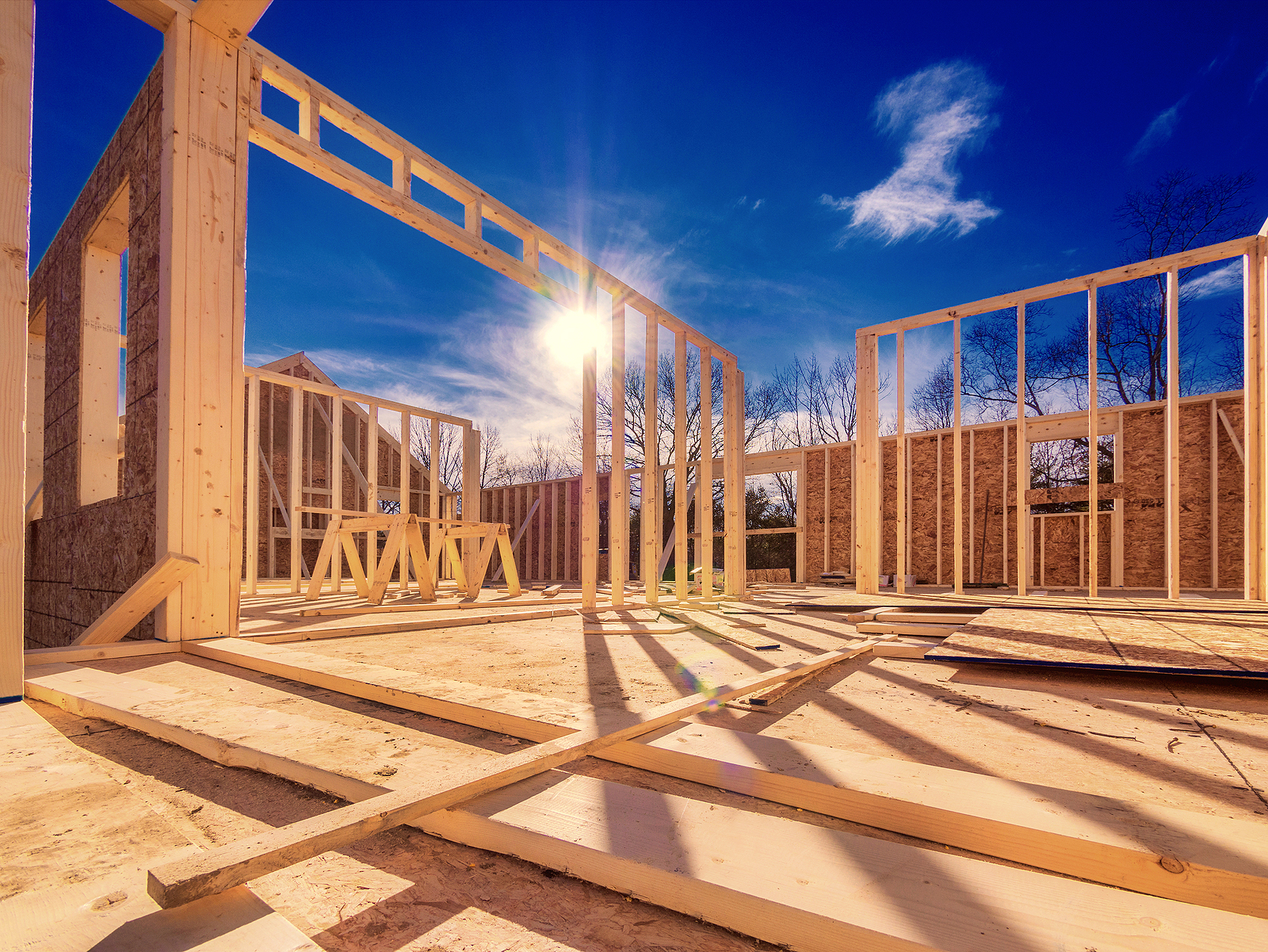
New construction of a house/Framed New Construction of a House/Building a new house from the ground up
 

Conclusion

To conclude, you have powerful tools at your disposal to negotiate a better deal on your new home. Leverage the timing of the market, dig into the builder’s inventory, bring competitive quotes to the table, show you’re ready to pay, and don’t forget to haggle over those add-ons and upgrades. With these strategies, you’re not just buying a house; you’re ensuring you get the best value for your investment. Now, go out there and make that dream home yours for less.

Understanding the Option Period in Real Estate Transactions: A Comprehensive Guide

The real estate option period is your golden ticket for due diligence as a buyer. It’s a set time frame allowing you to thoroughly inspect the property, negotiate repairs, and decide whether to proceed with the purchase. Originating from the need to protect you, the buyer, this phase is pivotal for making an informed decision. You’ll analyze market trends, inspect the property for pests or structural issues, and evaluate repair costs. Negotiating terms and understanding costs during this period can save you from future headaches. Grasping the nuances of this period empowers you to negotiate better and plan financially. Uncover more insights to navigate this period effectively and make your home buying journey smoother.

Key Takeaways

  • The real estate option period is a crucial time for buyer due diligence, allowing for property inspections and repair evaluations.
  • It originates from the need to protect buyers, reflecting a shift towards consumer protection in real estate transactions.
  • Costs involved can be negotiated, and understanding the real estate market is key to managing these expenses effectively.
  • Buyers can extend or exit the option period, with each choice having implications on contract conditions and financial commitments.
  • During the option period, buyers have the power to negotiate repairs, evaluate the property thoroughly, and make informed decisions before finalizing the purchase.

Defining the Option Period

The option period in real estate is a vital timeframe during which you, as the buyer, can conduct due diligence on a property before finalizing the purchase. This concept isn’t new; it traces back to when the real estate market first recognized the need for buyers to have a safeguard—a window of time to thoroughly inspect the property and secure financing without the fear of losing it to another interested party.

businessman with a house and US dollars for real estate concept
 

The origins of the option period reflect a shift towards consumer protection and a more balanced transaction process in real estate dealings. However, it’s noteworthy to consider the regulatory differences that exist from one region to another. These distinctions can greatly impact how you navigate the option period. In some areas, the laws are stringent, with specific timelines and obligations that must be strictly followed. In contrast, other regions offer more flexibility, allowing you and the seller to negotiate the terms of the option period to suit your individual needs. Understanding these regulatory differences is crucial, as they dictate how much time you have for your due diligence and what your rights are within this period.

Importance in Home Buying

Understanding the option period‘s significance in home buying can greatly influence your decision-making process and financial planning. It gives you a unique advantage, allowing you to analyze market trends and secure financing options without the pressure of a final commitment. This period, essentially a due diligence window, ensures you’re not rushing into a decision that doesn’t align with your long-term goals or budget. Knowing how market trends affect property values during this time can be a game-changer.

You’ll have the chance to assess if the home you’re interested in is priced correctly or if you should negotiate based on recent sales or emerging patterns. This insight is invaluable, especially in fluctuating markets where timing is everything. Moreover, exploring different financing options becomes less challenging during the option period. You’ve got the breathing room to compare mortgage rates, investigate loan types, and possibly secure a better deal than you initially thought possible.

This flexibility can lead to significant savings and a more manageable financial future. In essence, the option period empowers you. It’s a strategic pause in the home buying process, ensuring you’re making an informed, financially sound decision. So, take this time seriously—it’s your safeguard against rushed commitments and a pathway to a home that truly meets your needs.

Calculating the Cost

When you’re maneuvering through the real estate option period, understanding how to calculate the cost is essential. You’ll need to take into account option period fees and know how to negotiate these costs effectively. This guarantees you’re not only aware of your financial commitments but also positioned to make the most informed decisions possible.

Option Period Fees

Calculating the cost of an option period fee requires understanding its components and how they impact your overall investment. This fee, often a negotiable amount paid upfront, grants you the exclusive right to purchase a property within a specified time. The cost hinges on various factors, including market trends and investment strategies, making it essential to evaluate the current real estate climate. You’ll need to assess how these trends influence property values and, consequently, option fees. It’s not just about paying a fee; it’s about making an informed decision that aligns with your investment goals. By analyzing these components, you can better anticipate the financial commitment required during the option period, ensuring it complements your broader investment strategy without delving into negotiations just yet.

Negotiating Option Costs

To effectively negotiate option costs, it’s crucial you’re familiar with the underlying factors that determine their value. Understanding market trends and seller incentives can greatly impact your negotiation power. Consider these variables not just as numbers, but as the story behind your potential new home or investment.

Factor Impact on Option Costs
Market Trends Drives cost up or down
Seller Incentives Can reduce costs
Property Demand Increases cost
Economic Conditions Affects seller flexibility

These elements aren’t just dry stats; they’re the pulse of the market, influencing how much you’ll pay for the flexibility an option period offers. Knowing them puts you in a stronger position to negotiate, ensuring you don’t just accept the cost, but actively engage in shaping it to your advantage.

Negotiating Terms

How do you guarantee that the terms you negotiate during the real estate option period favor your interests without sacrificing the deal? Understanding market trends and seller motivations can give you a significant edge. When you’re in the thick of negotiations, it’s important to keep a cool head and focus on what’s truly important. Here are five key strategies to help you navigate through:

  • Understand the market trends: Knowing whether you’re in a buyer’s or seller’s market can dictate your negotiation power.
  • Gauge seller motivations: A seller in a hurry might be more willing to negotiate terms favorable to you.
  • Flexibility with closing dates: Sometimes offering or accepting a flexible closing date can sweeten the deal for both parties.
  • Negotiate repairs: If applicable, discuss who’s responsible for any necessary repairs without stepping into the territory of conducting inspections.
  • Consider contingencies carefully: Protect yourself with contingencies that allow for legal exit strategies without losing your option fee, but don’t overdo it to the point where the offer becomes unattractive to the seller.

Conducting Inspections

During the real estate option period, it’s important you arrange for thorough inspections to uncover any potential issues with the property. This step is vital to identifying problems that could cost you a great deal in the future. Among the variety of inspections, two areas you should particularly focus on are pest control and landscaping.
Inspection Type Common Issues Found Recommended Action
Pest Control Termites, rodents Professional treatment
Landscaping Drainage problems Consult a landscaper
General Structural, electrical Further expert evaluation

Pest control inspections can reveal hidden infestations that might not be visible during your initial visits. Termites, for example, can cause extensive damage if not addressed promptly. Similarly, landscaping issues, such as poor drainage, can lead to water damage or foundation problems over time. It’s wise to hire professionals who can spot these issues early.

Evaluating Repairs

After identifying issues through inspections, you’ll need to carefully evaluate the cost and extent of necessary repairs. This process is vital for understanding what you’re getting into before finalizing your real estate purchase. Consider the following points to guide your evaluation:

  • Inquire about repair warranties: Check if any recent repairs come with warranties. This can save you money and hassle down the line.
  • Review the maintenance history: A well-documented maintenance history can give you insights into the property’s condition beyond surface-level inspections.
  • Get multiple repair estimates: Don’t settle for one quote. Comparing estimates can give you a better understanding of the potential costs involved.
  • Consider long-term maintenance costs: Some repairs might be quick fixes, but consider the long-term maintenance that could add up.
  • Factor in repair costs for your offer: Use the estimated repair costs as a negotiation tool to adjust your offer accordingly. Evaluating repairs isn’t just about identifying what needs fixing. It’s about understanding the financial implications of those repairs on your investment. Taking the time to thoroughly assess repair needs, warranties, and the maintenance history of the property can lead to more informed decision-making during the option period.

Extending the Timeline

Sometimes, you might need to extend the timeline of your option period to thoroughly evaluate the property and negotiate repairs. This step can be important, especially when unexpected issues arise or when you’re waiting for more detailed inspections. Extending this timeline gives you the leverage to make a more informed decision, but it’s essential to understand how this impacts your agreement and the legal implications involved. To extend the option period, you’ll often need to communicate with the seller and possibly adjust the terms of your initial agreement. This might involve an additional fee or modifying the purchase price based on new findings or market trends.

Beautiful residential neighborhood in the spring time
 

Remember, any changes should be documented and signed by both parties to avoid any legal misunderstandings down the line. Keeping an eye on market trends is also crucial during this extension. If the market is heating up, delaying your purchase could mean facing higher prices or losing the property to another buyer. Conversely, if the market is cooling, you might gain more negotiation power.

Exiting the Agreement

Exiting the agreement during the real estate option period might be your next step if the property doesn’t meet your expectations. You need to understand how option period cancellation works and what happens to your earnest money. This section will guide you through these critical points to make sure you’re informed about your rights and potential financial implications.

Option Period Cancellation

If you choose to terminate your agreement during the option period, understanding the specific steps and potential consequences involved is crucial. Buyer’s remorse or unexpected legal implications can prompt this decision, but acting within the option period offers a structured exit without harsh penalties.

  • Notify the seller in writing: Official communication is key.
  • Understand your contract: Familiarize yourself with the clauses related to option period cancellation.
  • Consult with your realtor: Their expertise can guide you through the process.
  • Be aware of any fees: Option fees may not be refundable.
  • Consider future implications: How this decision might affect your buying power or reputation in tight markets. Exiting smartly during the option period can save you from unwanted commitments while preserving your options for future real estate ventures.

Earnest Money Refunds

After terminating your agreement during the option period, you’ll next need to understand how earnest money refunds work to make sure you can reclaim your deposit. Initially, it’s important to know that getting your earnest money back typically hinges on timely and correctly exiting the agreement within the option period stipulations. This action safeguards your deposit from being forfeited. Regarding tax implications, refunded earnest money generally doesn’t count as taxable income, as it’s a return of your payment, not income earned from an investment or employment. However, incorporating this into your investment strategies requires careful consideration. If you’re leveraging real estate investments, the refund process and potential for non-refundable payments should inform your risk assessment and financial planning to optimize your investment returns and minimize unnecessary losses.

Finalizing the Decision

Before the option period ends, you must decide whether to proceed with the purchase or walk away from the deal. This decision is pivotal and can be influenced by a range of factors, including buyer emotions and market trends. You’ve invested time and perhaps emotion into this potential new home, but it’s important to step back and assess everything objectively. Consider these key points to keep you focused:

  • Assess any inspection findings: Make sure you’re comfortable with the condition of the property and any repairs needed.
  • Review your finances: Make certain the purchase is within your budget and consider future financial commitments.
  • Consider market trends: Is the market leaning in your favor? Could waiting or acting now benefit you more?
  • Reflect on your initial wants and needs: Does the property still match what you were looking for?
  • Consult with your real estate agent: Find the right agents and their expertise can offer valuable insights into the decision-making process. Finalizing your decision requires a balance between listening to your gut and considering the hard facts. Buyer emotions can run high, but staying informed about market trends and being realistic about your needs and budget will guide you to the right choice.

Tips for Buyers

Having determined whether to proceed with the purchase, let’s now focus on key tips that will empower you as a buyer in the real estate market. First off, understanding mortgage rates is vital. They fluctuate and can have a substantial impact on your monthly payments and the total cost of your loan over time. It’s wise to shop around and compare rates from different lenders to make sure you’re getting the best deal possible. Don’t hesitate to negotiate or ask if there’s room for a lower rate, especially if you have a good credit score or a substantial down payment. Next, don’t overlook closing costs. These are the fees and expenses you’ll need to pay when finalizing your home purchase, and they can add up. Closing costs typically range from 2% to 5% of the home’s purchase price, so factor these into your budget early on. Ask your lender for a Closing Disclosure form in advance. This will give you a detailed list of the costs you’re responsible for, allowing you to budget accordingly and avoid any surprises at closing.

Frequently Asked Questions

Can Option Periods Apply to Commercial Real Estate?

Yes, option periods can apply to commercial real estate, especially during lease negotiations. They give you time to assess zoning implications and confirm the property suits your needs before committing to a long-term agreement.

Does Weather Impact the Option Period Timeline?

Weather trends can impact your timeline by causing inspection delays. You’ll need to be flexible and possibly extend your deadlines to accommodate these changes, ensuring everything’s checked out before you move forward.

Are Option Fees Refundable in Any Case?

You’re wondering if option fees are ever refundable. During option negotiation, fee determination is essential. Generally, they’re non-refundable, but specific agreements can vary. Always read the fine print to understand what you’re agreeing to.

How Do Option Periods Affect Mortgage Rates?

Option periods don’t directly affect mortgage rates, but they can give you leverage. By negotiating better terms, you might indirectly influence your rate due to interest fluctuations. It’s all about how you use your buyer’s leverage.

Can a Seller Back Out During the Option Period?

Yes, a seller can back out during the option period, but it’s tricky. This period gives you, as the buyer, leverage. Contract termination usually favors the buyer, making it harder for sellers to just walk away.

Conclusion

Exploring the option period in real estate can feel challenging, but it’s your safety net as a buyer. By understanding its importance, you’re better equipped to negotiate terms, manage inspections, and calculate costs effectively. Remember, this time is invaluable for making informed decisions without pressure. Use it wisely to guarantee the home meets your standards before finalizing the deal. Keep these tips in hand, and you’ll maneuver the option period confidently, making your home-buying journey smoother and more secure.

Navigating Delayed Negotiations: Strategies for Smooth Real Estate Transactions

Managing challenges in delayed negotiations involves grasping the root causes, such as political instability, economic downturns, and cultural differences. You’ll need to adjust your negotiation tactics, focusing on effective communication and strategic patience. Building relationships and paying attention to market trends are pivotal. Equipping yourself with knowledge on these elements can help you proactively strategize and maintain your competitive edge. Keeping team morale high and managing stress levels guarantees your team remains productive and focused. Leveraging delays as opportunities to refine your approach can position you favorably. Explore further, and you’ll discover how to turn these challenges into advantages, pointing toward successful agreements.

Key Takeaways

  • Identify the root causes of delays to formulate effective counter-strategies.
  • Use effective communication strategies, including active listening and clear messaging, to maintain momentum.
  • Adjust negotiation tactics based on reassessment of market trends and external factors.
  • Keep team morale high through recognition programs and stress management techniques.
  • Leverage the delay to refine strategy, conduct thorough research, and build rapport with counterparts.

Mini house and heart, family members, US money bags on rows of rising coins on table. Family tax benefit, residential property tax concept: depicts home equity loan, real estate business investment.

Understanding Delay Causes

Why do negotiations stall, and what factors contribute to these delays? You’ve likely faced situations where, despite your best efforts, discussions seem to hit an invisible wall. Understanding the root causes is important in maneuvering through these impasses. Often, external factors play a big role. These can range from political instability and economic downturns to sudden changes in market demands. Such unpredictabilities can cause either party to pause and reassess their positions, leading to delays. Cultural differences also greatly impact the pace of negotiations. You might find that what’s considered a straightforward approach in one culture is perceived as rude or overly aggressive in another. These differences aren’t just about etiquette but extend to the importance of building relationships, the pace of discussions, and the preference for direct or indirect communication. Failing to recognize and adapt to these cultural nuances can unintentionally offend the other party or create misunderstandings, stalling negotiations. Recognizing these factors isn’t just about identifying hurdles. It’s about equipping yourself with the knowledge to anticipate potential delays and develop strategies to address them proactively. Moreover, unexpected home repairs can also contribute to negotiation delays. When issues arise during inspections or due to unforeseen property damages, it can halt discussions as parties reevaluate the terms of the deal in light of these new developments. Recognizing these factors isn’t just about identifying hurdles. It’s about equipping yourself with the knowledge to anticipate potential delays and develop strategies to address them proactively.

Impact on Business Deals

Understanding the reasons behind negotiation delays equips you with insights, but it’s equally important to grasp how these holdups can adversely affect business deals. When you’re stuck waiting, you’re not just losing time; you’re potentially missing out on capitalizing on current market trends. These trends are pivotal for making informed decisions that align with consumer demands and industry shifts. If you’re not agile, you risk making decisions based on outdated information, putting you at a disadvantage. Moreover, negotiation delays give your competitors a head start.

While you’re caught in limbo, they’re moving forward, conducting their own competitor analysis, and adjusting their strategies accordingly. This could mean they’re able to offer better terms, innovate more rapidly, or enter new markets ahead of you. Essentially, they’re capturing the attention and loyalty of your shared target audience while you’re still trying to get to the negotiation table. In the dynamic world of business, where timing can be as important as the deal itself, delays in negotiations can thus erode your competitive edge and market position. They don’t just affect the immediate transaction but can have long-lasting impacts on your strategic positioning and profitability.

Effective Communication Strategies

To navigate through the negative impacts of negotiation delays, it is vital to adopt effective communication strategies that keep all parties engaged and informed. You need to focus on honing your listening skills and paying attention to non-verbal cues, which can greatly enhance the effectiveness of your communications during these challenging times.

Emotion Strategy
Trust Listening Skills: Show genuine interest in understanding the other party’s perspectives. This builds a foundation of trust and openness, which are important for getting through delays.
Patience Non-verbal cues: Be mindful of your body language and facial expressions. They should convey patience and empathy, reassuring the other party that you’re in this together.
Confidence Clear Messaging: Use concise and clear language to articulate your points. A confident tone can help maintain momentum in discussions, despite delays.
Understanding Feedback Loops: Establish regular check-ins to make sure all parties feel heard and understood. This fosters a collaborative environment, important for overcoming challenges.

Negotiation Tactics Adjustments

As you navigate through delayed negotiations, it’s important you adjust your approach to remain effective. Implementing strategic patience and optimizing your communication frequency can greatly impact the outcomes. These adjustments guarantee you’re always a step ahead, ready to tackle the challenges that come with delays.

lawyer lawsuit notary consultation or discussing negotiation legal case with document contract women entrepreneurs in the office.

Adjusting Your Approach

Several negotiation tactics may need adjustment when you’re faced with delays, ensuring you remain adaptable and effective. In such situations, it’s important to:

  1. Reassess Market Trends: Stay updated with the latest market trends. Changes in the market can offer new leverage or require shifts in your strategy.
  2. Consider External Factors: External factors like economic shifts or industry disruptions can greatly affect negotiation dynamics. Being aware allows for timely adjustments.
  3. Refine Your Objectives: Clarify your priorities. With delays, objectives might evolve, and what was important initially mightn’t hold the same weight presently. Adapting your approach by keeping these aspects in mind ensures you’re not just reacting to delays but actively leveraging them to refine your negotiation stance.

Strategic Patience Application

Building on the adjustments you’ve made in response to delays, applying strategic patience becomes a key tactic in refining your negotiation approach. It’s not just about waiting; it’s about using this time wisely. Conducting a thorough time analysis allows you to understand the dynamics at play better and predict potential shifts in the negotiation landscape. Outcome forecasting, on the other hand, helps you prepare for various scenarios, making sure you’re not caught off guard.

Strategy
Application
Benefit
Time Analysis
Evaluating delays
Informed decisions
Outcome Forecasting
Anticipating results
Preparedness
Patience
Waiting strategically
Advantage leverage
Leveraging these tactics ensures that when the time comes, you’re not just reacting—you’re responding with a well-thought-out strategy that’s been refined by strategic patience.

Communication Frequency Optimization

How often should you reach out during negotiation delays to maintain momentum without overwhelming the other party? The key is balancing your communication frequency. Too much can annoy, and too little can kill the deal.

  1. Channel Selection: Choose the most effective communication channel based on urgency and the complexity of the message. Email for detailed updates, calls for urgent discussions.
  2. Message Clarity: Make sure each message is clear and purposeful. Avoid ambiguity to prevent misunderstandings that could further delay the negotiation.
  3. Scheduled Updates: Establish a schedule for regular updates. This keeps both parties informed and engaged without the need for constant back-and-forth.

Keeping Team Morale High

In the midst of delayed negotiations, you’ll find it vital to keep your team’s morale high. Boosting team spirit and managing stress levels should become your top priorities. Let’s explore how you can effectively lift spirits and reduce stress during these challenging times.

Boosting Team Spirits

Maintaining high team morale is essential to successfully maneuvering through delayed negotiations. When you’re facing pushbacks and slow progress, it’s vital to keep your team’s spirits up. Here are three key strategies to do just that:

  1. Organize Regular Team Outings: Break the monotony with activities that allow your team to unwind and bond. Whether it’s a simple lunch out or a team-building retreat, these outings foster camaraderie and rejuvenate spirits.
  2. Implement Recognition Programs: Acknowledge and reward your team’s hard work. Public recognition or small rewards can significantly boost morale and motivation.
  3. Encourage Open Communication: Create a culture where team members feel valued and heard. Regular check-ins and an open-door policy can make a big difference in maintaining high morale.

Managing Stress Levels

Effectively managing stress levels plays an important role in keeping team morale high amid delayed negotiations. When stress mounts, it’s essential you turn to meditation techniques. These practices can center your team, offering a moment of calm and clarity in the midst of tension. Encourage your team to dedicate a few minutes each day to meditation; it’s a powerful tool for stress reduction and maintaining focus.

Don’t overlook the exercise benefits either. Regular physical activity is a proven stress buster. It not only improves your team’s physical health but also boosts mental well-being. Whether it’s a quick team walk or individual workouts, integrating exercise into your daily routine can significantly uplift spirits and enhance overall team performance. Remember, a healthy team is a happy team.

Young couple signing renting contract with real estate agent

Leveraging Delay Advantages

While delays in negotiations can be frustrating, they also offer unique opportunities to reassess and strengthen your strategy. You’ve got the chance to dive deep into time analysis and observe market shifts, which can greatly influence the negotiation outcome. Use this time wisely to turn the tables in your favor. Here are three ways you can leverage delay advantages:

  1. Conduct Thorough Research: Take advantage of the extra time to gather more information about the other party and the market. This can include financial health, recent deals, and any potential stress points that have emerged. The more you know, the better positioned you’re to negotiate.
  2. Refine Your Strategy: Use insights from your time analysis and observations of market shifts to refine your approach. Identify areas where you can offer more value or where you might need to adjust your expectations based on new information.
  3. Build Rapport: Delays can provide additional touchpoints to build rapport with the negotiation counterpart. Use this time to establish a better connection, making it easier to navigate tough discussions when negotiations resume.

Finalizing Successful Agreements

After immersing yourself, it’s crucial to finalize successful agreements. This critical phase is where your patience and strategic planning pay off. It’s vital to engage in contract analysis with a keen eye. You’ve got to dissect each clause, ensuring that the terms align with your goals and expectations. Don’t skim over the fine print; it’s where the devil often hides, potentially in details that could undermine your position or future flexibility. Next, shift your attention to agreement drafting. Here, you’re not just a negotiator; you’re an architect, building a framework that supports your interests while accommodating the other party’s essentials. It’s a delicate balance, crafting language that’s clear, concise, and legally sound. Remember, ambiguity is your enemy. Every term and every condition must be spelled out with precision to avoid disputes down the line. As you finalize your agreement, maintain open communication with the other party. It’s your chance to clarify uncertainties and negotiate adjustments without reopening settled issues. By approaching this phase with thoroughness and a spirit of collaboration, you’ll seal deals that stand the test of time, ensuring that your negotiation delays lead to outcomes that are truly in your favor.

Frequently Asked Questions

How Do Cultural Differences Affect Negotiation Delays?

Cultural differences, like varying communication styles and time perception, can have a notable impact on negotiation delays. You’ll find that what’s considered prompt in one culture might be seen as rushed or disrespectful in another.

Yes, legal issues like litigation risks and contract disputes can definitely cause delays in negotiations. You’ll find that these complications often require additional time to resolve, potentially slowing down the entire negotiation process.

What role does technology play in overcoming delays?

You can use virtual meetings to bypass time and location constraints, speeding up discussions. Automation tools help streamline document handling and scheduling, making it easier for you to overcome delays in any negotiation process.

How do you measure the cost of delays in negotiations?

In order to gauge the cost of delays in negotiations, you’ve got to evaluate the time value and opportunity loss. Assess how much you’re losing over time and what opportunities slip by while you’re waiting.

Are there industry-specific strategies for handling delays?

Yes, there are industry-specific strategies for handling delays. You should look into industry benchmarks and conduct a competitor analysis to understand how others navigate these issues and apply those insights to your situation.

Silver house key lying on a contract of house sale lease insurance or mortgage in a real estate concept viewed low angle with focus to the tip.

Conclusion

So, you’ve maneuvered through the hurdles of delayed negotiations. You’ve grasped the reasons behind delays, gauged their impact on deals, and fine-tuned your communication. Adjusting your tactics and keeping team spirits up were key. You even turned delays to your advantage. Now, you’re ready to seal those successful agreements. Remember, delays aren’t dead ends but opportunities to refine your approach and outcome. Stay adaptable, keep communicating effectively, and use these strategies to turn potential setbacks into wins for your business. And amidst all this, don’t forget to stay informed about “What’s going on in the real estate market?” Keeping abreast of market trends and developments can provide valuable insights and help you make informed decisions in your negotiations and business endeavors.

3 Trends Shaping Springtime Real Estate

You’re stepping into a springtime real estate scene dominated by three influential trends. To start, the demand for eco-friendly homes is on the rise, with more buyers seeking out green materials and energy-efficient features to lessen their environmental impact. Next, the surge of remote work is reshaping home preferences, pushing the need for larger spaces and outdoor amenities for both productivity and relaxation. Finally, digital advancements, particularly virtual tours and blockchain contracts, are making property transactions more secure and efficient than ever. As you navigate this evolving market, you’ll uncover how these trends are setting the stage for future real estate developments.

Key Takeaways

  • Eco-friendly homes are increasingly demanded for their reduced environmental impact.
  • Remote work trends are pushing for homes with larger spaces and outdoor amenities.
  • Virtual tours and blockchain contracts are modernizing real estate transactions.
  • Energy-efficient features, such as solar panels, are becoming key selling points.
  • The desire for efficient home office spaces is influencing home layout preferences.

Upcycle papercut illustration with plant leaf and butterfly inside recycle arrow sign. Eco-friendly upcycling symbol, zero waste concept. 3D cutout in recycled paper background for DIY ecology.

The Rise of Eco-Friendly Homes

As spring blooms, there’s a noticeable surge in demand for eco-friendly homes, reflecting a growing environmental consciousness among buyers. You’re not just looking for a place to call home; you’re seeking a sanctuary that aligns with your values of sustainability and responsibility towards the planet. This shift isn’t just about following a trend—it’s about making a difference, starting with the very walls that surround you and the roof that shelters you. You’ve probably heard about green materials, but now they’re becoming a staple in your home search criteria. These aren’t just buzzwords; they represent a fundamental shift in building practices. From bamboo flooring to recycled metal roofs, the use of sustainable materials reduces your home’s environmental footprint and can notably lower harmful emissions during the construction phase. Energy efficiency is another key factor driving your decision. You’re looking for homes equipped with solar panels, energy-efficient appliances, and smart thermostats. These features not only reduce your carbon footprint but also translate into savings on your utility bills. You understand that investing in an eco-friendly home isn’t just good for the planet—it’s smart economics, ensuring your home is both a comfortable and cost-effective place to live.

Remote Work Influences Home Preferences

In addition to the rising demand for eco-friendly homes, the surge in remote work is reshaping your home preferences, prioritizing spaces that cater to both comfort and productivity. You’re now looking for homes that offer larger spaces, not just for living, but for working too. It’s not just about having an extra room; it’s about creating environments that facilitate focus and creativity. Outdoor amenities have also climbed up your wish list, as the need for relaxation and a change of scenery without leaving home becomes more pronounced. Here’s how remote work is influencing what you want in a home:

Feature Why It’s Wanted
Larger spaces For dedicated offices and flex rooms
Outdoor amenities For breaks, leisure, and mental well-being
Efficient layout To separate work from living areas

You’re seeking homes that can double as an efficient office space during the day and a comfortable living area at night. The clear demarcation between work and personal life within your home is vital, with efficient layouts making this shift smoother. Outdoor amenities, such as gardens, balconies, or even just a small patio, have become essential for those moments of rest and reconnection with nature.

Digital Advancements in Real Estate Transactions

Exploring digital advancements, you’ll find that buying and selling homes has become more streamlined and accessible than ever. Virtual tours, for instance, have revolutionized the way you view properties. Rather than spending days traveling from one house to another, you can now explore multiple homes from the comfort of your current residence. This technology doesn’t just save time; it expands your options, allowing you to contemplate properties outside your immediate geographic area. Blockchain contracts are another innovation transforming real estate transactions.

Businessman working on a digital document on a virtual screen using a stylus pen. Concept of Technology and future document management.

These digital contracts offer a level of security and efficiency previously unattainable. When you’re ready to close on a house, blockchain technology guarantees that all documents are secure, authenticated, and unalterable. This reduces the risk of fraud and errors, streamlining the closing process. It also makes transactions faster, as the instantaneous verification of documents eliminates lengthy waiting periods. Together, virtual tours and blockchain contracts are reshaping how you buy and sell homes. They’re making the market more accessible and transactions more secure, proving that digital advancements aren’t just conveniences but necessities for the modern real estate landscape.

Frequently Asked Questions

How Does Spring Weather Impact Housing Prices?

Spring weather boosts housing prices as improved weather patterns and warmer temperatures heighten buyer enthusiasm. You’ll find more people out house hunting, driving up demand and, subsequently, the prices of homes on the market.

What Are Typical Closing Costs in Spring?

In spring, you’ll typically face closing costs, including loan fees and possibly seller concessions. These expenses vary, but understanding them upfront can save you surprises down the line when finalizing your home purchase.

Sold Home For Sale Sign in Front of Beautiful New Home

Can Landscaping Improvements Boost Sale Prices?

Yes, landscaping improvements can indeed boost your home’s sale price. Incorporating garden trends and sustainable landscaping not only makes your property more appealing but can greatly increase its market value. It’s worth the investment.

Are Springtime Open Houses More Successful?

Yes, springtime open houses are often more successful due to the nicer weather and increased buyer competition. Incorporating virtual tours can also boost interest, ensuring you’re reaching a wider audience excited to find their next home.

How Quickly Do Homes Sell in Spring?

Homes sell faster in spring due to high market velocity and intense buyer competition. You’ll find that listings move quickly, often receiving offers within days, as everyone is keen to close before the season ends.

Conclusion

As you step into the spring real estate market, you’ll notice a clear shift. Eco-friendly homes are becoming a must-have, thanks to your growing environmental consciousness. Your preference for homes has evolved with the rise of remote work, seeking spaces that blend comfort with productivity. Additionally, digital advancements are streamlining your buying journey, making transactions smoother than ever. These trends are reshaping your home buying experience, ensuring it’s more aligned with your lifestyle and values.

How to Create Your Dream Cottage Style Home: Architecture Guide

In the pursuit of timeless charm and cozy living spaces, cottage-style architecture offers a delightful blend of comfort, warmth, and elegance. Embracing the quaint aesthetics of rural homes, cottage-style architecture evokes a sense of nostalgia while providing modern comforts. Here’s a comprehensive guide on how to bring the essence of a cottage-style home into your abode.

Defining Cottage Style

Cottage style explores a cozy, charming aesthetic that invites you to kick off your shoes and stay awhile. Rooted in cottage history, this style echoes a simpler time, blending comfort with rustic elements. It’s not just about the look; it’s about creating a feeling of warmth and welcome. As you investigate cottage history, you’ll find its beginnings are humble, originating from the quaint dwellings of rural England. These homes were traditionally built for agricultural workers, their small, practical designs emphasizing efficiency and simplicity. Yet, what they lacked in size, they made up for in character.

Home kitchen still life: Vintage coffee pot enamel mugs and antique rustic wooden spoons on a barn wall background soft pastel colors.

Throughout the years, the style’s evolution has embraced these foundational elements, adapting to include a mix of vintage and shabby chic influences that add layers of personality. Think whitewashed walls, exposed beams, and a mishmash of patterns and textures that somehow work together harmoniously. The evolution of cottage style reflects a shift towards valuing comfort and authenticity in home design. It’s a reminder that beauty often lies in simplicity and that creating a welcoming space is about weaving together history, personality, and a touch of whimsy.

Choosing the Right Location

After exploring the charm of cottage style, it’s time to contemplate where your dream home will take root. Choosing the right location is as important as the design itself, as it influences not just the lifestyle you’ll lead but also the feasibility and legalities surrounding your dream home’s construction. Before you get lost in the picturesque visions of your future cottage, consider the following:

  1. Zoning Regulations: Every area has its own set of rules determining what can be built and where. It’s important to understand these local zoning regulations to make sure your cottage meets them. This step can save you from potential legal headaches and help streamline the building process.
  2. Market Trends: Keeping an eye on the real estate market trends in your desired location can offer insights into the best times to buy. It can also alert you to emerging areas that might offer the perfect backdrop for your cottage home without breaking the bank.
  3. Natural Surroundings: Imagine waking up to a gentle breeze, a serene lake view, or amidst a lush forest. The right location doesn’t just comply with regulations and make financial sense; it also captures the essence of cottage living by harmonizing with nature. Choosing a location is a balancing act between your dreams, practicalities, and legal requirements. By considering zoning regulations, market trends, and the natural beauty of potential sites, you’re one step closer to making your dream cottage a reality.

Planning Your Layout

Once you’ve identified the perfect location, it’s time to immerse yourself in planning the layout of your dream cottage home. Room size and traffic flow are important factors to think about to make sure your cottage isn’t just beautiful but also functional. You’ll want to start by sketching a preliminary floor plan that thoughtfully allocates space to each room according to your lifestyle. Remember, it’s not just about the square footage but how each room connects to the others. When you’re contemplating room sizing, think about the purpose of each space. Your living room might need to be spacious for entertaining, while bedrooms could be cozier for a more intimate feel. It’s all about balancing your needs with the cottage charm you’re aiming for.

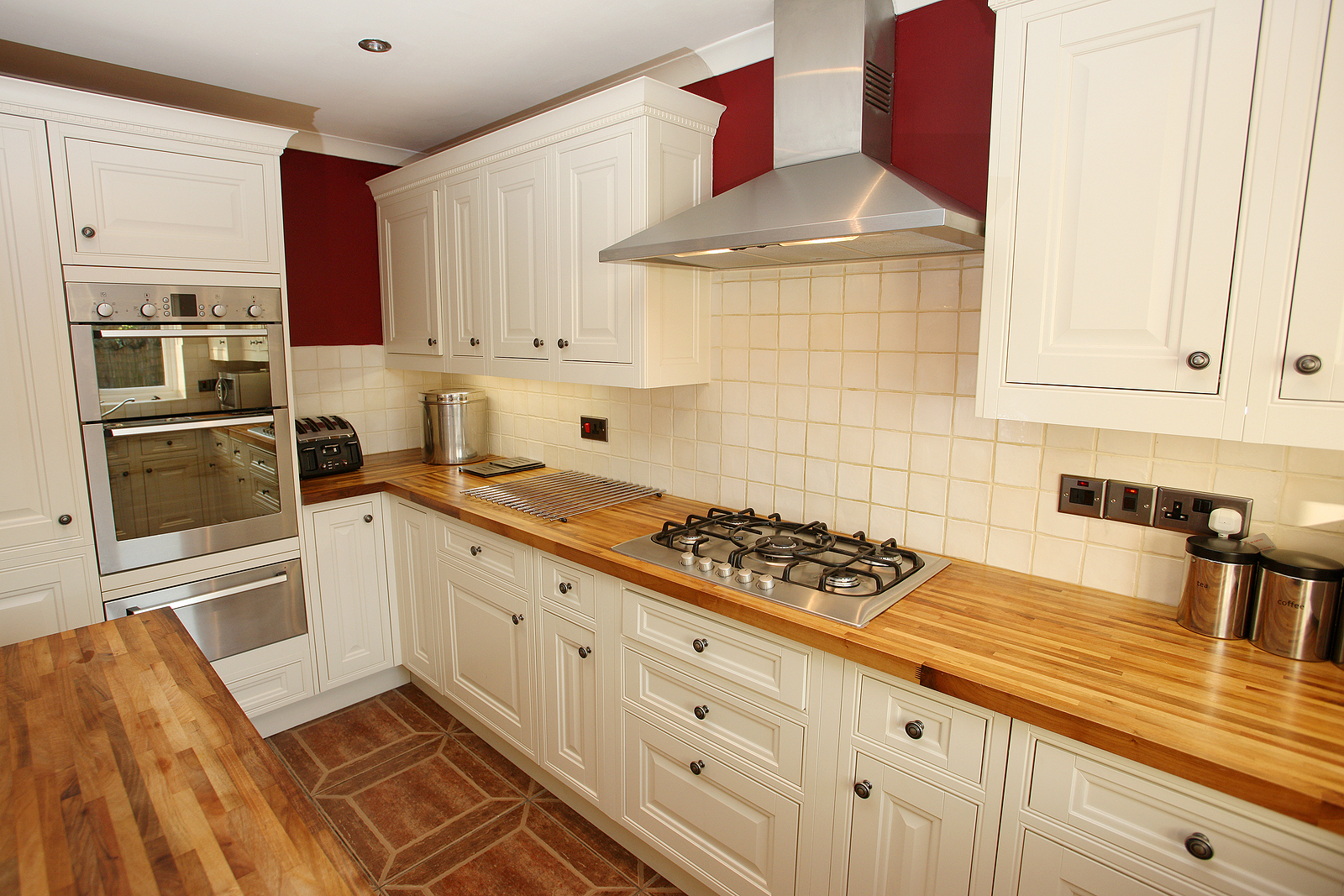
Country-style kitchen interior with modern integrated appliances

Traffic flow is another critical aspect. You’ll want to ensure a natural movement throughout the house, with no awkward crossings or bottlenecks. Plan the layout so that frequently used rooms are easily accessible, encouraging a smooth progression from one space to another. This planning stage is your chance to meld functionality with the quaint, cozy aesthetics of cottage living, setting the stage for a home that’s as comfortable as it’s charming.

Selecting Exterior Materials

Having outlined your dream cottage’s layout, it’s now time to focus on selecting the right exterior materials that will encapsulate its charm and durability. The materials you choose play a pivotal role in not only defining the aesthetic appeal of your cottage but also in guaranteeing its longevity and resistance to the elements. Hence, a balance between durability considerations and cost analysis is essential.

  1. Wood Siding: Wood offers a timeless look that’s quintessential for cottage-style homes. It brings warmth and a natural aesthetic that’s hard to replicate with other materials. However, it requires regular maintenance to protect against weathering and pests. When considering wood, factor in the long-term maintenance costs alongside the initial investment.
  2. Stone Veneer: For those seeking a rustic charm with a touch of elegance, stone veneer is an excellent choice. It’s durable against harsh weather conditions and provides an extra layer of insulation. Its cost analysis reveals a higher upfront cost compared to other materials, but minimal maintenance needs can offset these initial expenses over time.
  3. Fiber Cement Siding: Balancing durability considerations with cost analysis, fiber cement siding stands out. It mimics the look of wood or stone but at a fraction of the cost and with much less upkeep. It’s resistant to fire, rot, and pests, making it an ideal choice for a worry-free exterior. Selecting the right exterior materials involves weighing the aesthetics, durability considerations, and cost analysis to make sure your dream cottage not only looks enchanting but also stands the test of time.

Designing Cozy Interiors

Moving inside your cottage, it’s essential to concentrate on creating a cozy ambiance. Choosing comfortable furniture, selecting warm lighting, and embracing natural materials are key steps you’ll want to contemplate. Each element plays a unique role in crafting the warm, inviting interior you’re dreaming of.

Still life details of home interior on a wooden table with letters home, the concept of coziness and home atmosphere .Living room

Selecting Comfortable Furniture

To create a cozy interior, you’ll need to focus on selecting furniture that guarantees both comfort and style. Ergonomic design is crucial; it guarantees that furniture not only looks good but feels great too. Color psychology plays a significant role as well, influencing mood and atmosphere through your choice of hues. Imagine sinking into:

  1. A plush, overstuffed sofa that cradles your body in comfort, upholstered in soft, warm tones that soothe the soul.
  2. A reclining chair that perfectly supports your back and legs, invites relaxation and well-being.
  3. A charming, vintage-inspired ottoman that doubles as a cozy footrest and a delightful accent piece, adds layers of texture and interest to your space. These pieces combine to create an inviting space where comfort meets chic, embodying the essence of cottage style living.

Warm Lighting Choices

Exploring the latest lighting trends is essential for creating a cozy, cottage-style ambiance in your home. Delve into the latest lighting trends to find fixtures that emit a warm, inviting glow. Soft, diffused light sources are your go-to, creating an environment that feels both welcoming and intimate. Consider the bulb types carefully; LED bulbs labeled ‘warm white‘ or ‘soft white‘ offer the perfect hue, mimicking the golden glow of sunset. These bulbs aren’t just about setting the right mood; they’re also energy-efficient, ensuring your cottage home remains both charming and eco-friendly. Steer clear of harsh, bright lights. Instead, opt for layered lighting solutions—wall sconces, table lamps, and floor lamps—to achieve a gentle illumination that enhances the cozy vibe of your space without overwhelming it.

Embracing Natural Materials

After exploring the impact of warm lighting, it’s time to focus on how incorporating natural materials can further enhance the cozy atmosphere of your cottage-style home. Embracing natural materials isn’t only about adhering to minimalist trends but also about urban adaptation, creating a space that feels both timeless and grounded. To create imagery in your mind:

  1. Imagine floors of warm, honey-toned wood that seem to glow underfoot.
  2. Picture walls accented with stone or reclaimed brick, adding texture and depth.
  3. Imagine rustic wooden beams overhead, lending an architectural nod to nature’s strength. These elements combine to create a serene backdrop that’s at once simple and sophisticated, bridging the gap between the rustic charm of cottage living and the sleek appeal of urban design.

Incorporating Natural Elements

Bringing the outdoors inside is a key step in achieving the quintessential cottage style home. It’s not just about embracing natural materials, as discussed before, but also about creating a seamless connection between your indoor spaces and the natural world outside. Think of your home as an extension of your outdoor adventures, where each room reflects a love for nature and wildlife integration. Incorporating natural elements goes beyond placing a few potted plants around your home. It involves using larger, statement pieces like a reclaimed wood dining table or a stone fireplace hearth that immediately draw the eye and ground the room with an earthy feel. Consider installing large windows or skylights to not only flood your cottage with natural light but also to offer unobstructed views of the outdoors. This creates a sense of being immersed in nature, even when you’re indoors. Don’t shy away from incorporating wildlife elements into your decor. Whether it’s through art, textiles, or other decorative items, adding representations of birds, forest animals, or even aquatic life can enhance the feeling of being connected to nature. It’s about creating a space that reflects your appreciation for the outdoors and encourages relaxation and rejuvenation.

Focusing on Landscaping

Moving beyond the interior, let’s turn our focus to landscaping, an essential aspect of achieving a dream cottage style home that blends seamlessly with its natural surroundings. The right outdoor elements not only enhance your home’s aesthetic appeal but also create a serene and inviting atmosphere. Here’s how you can incorporate landscaping to complement your cottage style:

Pond in landscape design.

  1. Water Features: A small, gently babbling fountain or a quaint pond can be the centerpiece of your garden, adding a sense of tranquility and attracting wildlife. Imagine the soothing sound of water as you relax in your outdoor haven.
  2. Garden Paths: Winding paths made of natural stone or reclaimed brick invite exploration and add a whimsical touch. Line them with fragrant flowers and soft, low-growing herbs to engage the senses as you meander through your garden.
  3. Flower Beds and Shrubbery: Choose a mix of perennial flowers and shrubs that bloom at different times of the year for continuous color and texture. Opt for native plants that thrive in your climate to guarantee low maintenance and sustainability.

Adding Personal Touches

Now that your cottage’s landscaping sets the perfect scene, it’s time to make the interior truly yours. You can start by selecting unique decor items that reflect your taste, incorporating family heirlooms for a personal touch, and crafting DIY accents to add originality. These steps guarantee your cottage style home not only looks beautiful but also tells your unique story.

Selecting Unique Decor Items

To inject your unique personality into your cottage style home, start by selecting decor items that reflect your individual taste and story. Art collecting isn’t just a hobby; it’s a way to surround yourself with beauty that speaks to you. Consider the principles of color psychology when choosing your pieces, ensuring they evoke the right mood and atmosphere.

  1. Vintage Finds: Scour flea markets for those one-of-a-kind vintage lamps or rugs that nobody else has.
  2. Custom Artwork: Invest in artwork from local artists that resonates with your personal narrative.
  3. Handcrafted Pottery: Display handcrafted pottery that adds texture and a touch of earthiness, complementing the cottage aesthetic. These choices not only personalize your space but also create a haven that truly feels like home.

Implementing Family Heirlooms

After exploring unique decor items, consider the warmth and history that family heirlooms can bring to your cottage style home. Introducing these treasures adds a personal touch that truly makes your space your own. Heirloom restoration plays a key role in this process. It’s not just about safeguarding these items; it’s about integrating them into your daily life while maintaining their original charm. Whether it’s refinishing an old wooden table or reupholstering a vintage chair, each piece tells a story. Additionally, digital archiving offers a modern way to preserve the stories behind these items. It guarantees that the tales of your cherished heirlooms can be passed down through generations, enriching the soul of your home with memories and history that resonate deeply with you and your loved ones.

Crafting DIY Accents

Embracing the art of crafting DIY accents allows you to infuse your cottage style home with unique, personal touches that reflect your creativity and style. By honing in on color techniques and careful tool selection, you can create pieces that truly stand out. Consider these ideas:

  1. Hand-painted ceramic vases using watercolor techniques for a soft, dreamy look. Select brushes that allow for delicate strokes.
  2. Custom textile throw pillows feature embroidery or fabric dyeing. Opt for tools like embroidery needles or fabric markers that offer precision.
  3. Reclaimed wood picture frames stained with your choice of color. Use sanding tools to age the wood, enhancing its rustic charm. These projects not only personalize your space but also imbue it with a sense of warmth and welcome unique to your vision.

Embracing Sustainability

Integrating sustainable practices into your cottage style home not only benefits the environment but also enhances your living space’s efficiency and aesthetics. By focusing on renewable energy and water conservation, you’re making strides towards a greener future while maintaining the charming essence of cottage living. Solar panels, for example, can be seamlessly incorporated into your roof design, providing a clean energy source that powers your home without compromising its picturesque appearance. Similarly, rainwater harvesting systems blend into your garden landscape, offering an eco-friendly solution for watering plants and reducing your water footprint. But sustainability doesn’t stop there. Opting for locally sourced, natural materials for your construction and decor not only supports the local economy but also reduces the environmental impact associated with long-distance transportation. Think reclaimed wood for beams and floors, which adds character while being kind to the planet. Additionally, installing energy-efficient windows and insulation keeps your home warm in winter and cool in summer, slashing energy bills and further reducing your carbon footprint.

A traditional English country cottage brick built with manicured lawns

Frequently Asked Questions

How do I budget for a cottage-style home renovation?

To budget for a cottage-style renovation, you’ll need to set your renovation priorities first. Decide what’s essential, then focus on material selection to manage costs without compromising the charm and comfort of your space.

Can cottage style incorporate modern technology?

Yes, you can blend cottage style with modern technology. Incorporating smart lighting and energy-efficient appliances doesn’t compromise the cozy charm. It’s all about integrating these features subtly to enhance comfort without disrupting the aesthetic.

What Are Common Maintenance Challenges?

You’ll face common maintenance challenges like roof repairs and pest control. Keeping up with these issues helps guarantee your home stays cozy and safe, but it’s important to stay proactive to prevent bigger problems later on.

How do I secure financing for a cottage home?

To secure financing for your cottage home, explore various loan options and compare interest rates. You’ll need to research lenders, understand their terms, and determine what fits your budget best for a smooth financing process.

Are there cottage-style building regulations?

Yes, there are cottage style-specific building regulations. You’ll need to check local codes and make sure you’re in historical compliance, particularly in areas with strict preservation rules. It’s crucial to get this right from the start.

Conclusion

Now you’ve got the blueprint to craft your dream cottage-style home. Remember, it’s all about choosing a serene location, planning a cozy layout, and selecting materials that whisper ‘home.’ Immerse yourself in designing interiors that embrace comfort, bring in natural elements now. 

Investing in Real Estate: What You Should to Know

Investing in real estate can be a rewarding venture, but it comes with its share of risks. For sellers, understanding these risks is paramount to navigating the market successfully. From market volatility to legal complexities, this article explores the key risks sellers should be aware of when engaging in real estate transactions. Let’s delve into the intricacies of real estate investment and equip sellers with the knowledge they need to make informed decisions.

Understanding Investing in Real Estate

Market fluctuations can significantly impact real estate investments. Sellers should stay vigilant and adapt strategies to navigate through market volatility effectively. Understanding market trends, economic indicators, and local factors can help sellers anticipate and mitigate potential risks. By staying informed and proactive, sellers can better position themselves in dynamic real estate markets.

Market Volatility: A Constant Concern

Market volatility is one of risks of investing in real estate. Fluctuations in supply and demand, changes in interest rates, and economic uncertainty can all contribute to market volatility. Sellers should monitor market conditions closely and adjust their strategies accordingly. Strategies such as pricing flexibility, staging enhancements, and targeted marketing can help sellers navigate through volatile market conditions and optimize their selling opportunities.

Financial Risks: Managing Monetary Challenges

Real estate investments entail financial risks of investing in real estate  that sellers must manage effectively. Unexpected expenses, market downturns, and fluctuating interest rates are common financial challenges. Establishing a financial contingency plan, maintaining a buffer for unforeseen expenses, and diversifying investment portfolios can help sellers mitigate financial risks. Additionally, working with experienced financial advisors and real estate professionals can provide valuable insights and guidance in managing monetary challenges.

Legal and Regulatory Challenges: Navigating Compliance Issues

Navigating legal and regulatory requirements is essential for real estate sellers to avoid potential pitfalls. Failure to comply with laws and regulations can result in costly penalties, legal disputes, and delays in transactions. Sellers should ensure thorough due diligence, obtain legal advice when necessary, and adhere to all applicable laws and regulations. Sellers can minimize risks and ensure smooth transactions by staying informed and proactive in addressing legal and regulatory challenges.

Property-Specific Concerns: Addressing Maintenance and Repair Issues

Properties require ongoing maintenance and repairs, presenting sellers with specific concerns and potential risks. Deferred maintenance, structural issues, and environmental hazards can affect property value and marketability. Sellers should conduct thorough property inspections, address maintenance and repair issues promptly, and disclose relevant information to potential buyers. Proactive maintenance, regular inspections, and effective communication with buyers can help sellers mitigate property-specific concerns and maximize property value.

Environmental Factors: Assessing Environmental Risks

Environmental risks, such as natural disasters, pollution, and climate change impacts, can pose significant challenges for real estate sellers. Sellers should conduct comprehensive environmental assessments, identify potential risks, and implement risk mitigation measures. Working with environmental experts, obtaining insurance coverage for environmental liabilities, and disclosing relevant information to buyers are crucial steps in addressing environmental risks. By prioritizing environmental considerations and implementing proactive measures, sellers can safeguard their investments and ensure compliance with environmental regulations.

Frequently Asked Questions (FAQs)

What are the most common financial risks associated with risks of investing in real estate?

Financial risks include market fluctuations, unexpected expenses, and fluctuating interest rates, which can impact investment returns.

How can sellers mitigate legal and regulatory risks when selling real estate?

Sellers should find and work with experienced real estate professionals, conduct due diligence, and ensure compliance with laws and regulations to mitigate legal and regulatory risks.

What steps can sellers take to address property-specific concerns before selling?

Sellers should conduct property inspections, address maintenance and repair issues, and enhance property appeal to attract potential buyers and mitigate risks.

What environmental factors should sellers consider when selling real estate?

Sellers should assess environmental risks such as natural disasters, pollution, and climate change impacts to mitigate potential risks and disclose relevant information to buyers.

How can sellers stay informed about market volatility and adapt strategies accordingly?

Sellers should stay updated on market trends, work with knowledgeable real estate professionals, and develop flexible strategies to navigate through market volatility effectively.

Conclusion

In conclusion, while investing in real estate offers promising opportunities, it’s essential for sellers to be aware of the associated risks. By understanding market volatility, financial challenges, legal and regulatory requirements, property-specific concerns, and environmental factors, sellers can make informed decisions and mitigate potential risks effectively. Staying informed, proactive, and adaptable is key to success in the dynamic real estate market.

First Time Home Buyer’s Must Haves in New Home

Real estate experts recommend focusing on the essentials for your first home. For living spaces, prioritize comfortable seating and proper lighting. In the kitchen, quality appliances and effective storage solutions are key. When it comes to your bedroom, invest in good bedding and an efficient closet system. Guarantee that your bathroom has quality fixtures and user-friendly accessories. Create a pleasant outdoor space with weather-resistant furnishings. Prioritize safety with fire prevention measures and home insurance. Each space in your house has specific needs, and uncovering further insights will help you maximize your comfort and the home’s functionality.

Understanding Your Space

Before delving into decor and furniture purchases for your new home, it’s vital to understand your space, evaluating its layout, flow, and functionality. This important step, often overlooked, directly impacts your space utilization and influences your design decisions. To start, analyze your floor plan. Observe how rooms connect, where doors and windows are positioned, and consider the flow of movement. This gives you an understanding of how you can utilize the space effectively. It’s not just about how much space you have, but how you can maximize its usage. Next, consider the function of each area. A room’s purpose profoundly influences the design. Is it a place for relaxation or work? Will there be heavy foot traffic? These considerations guide your style choices and furniture placement. Lastly, think about the natural light. It’s a design influence that can transform a room, affecting the color palette and mood. Rooms with generous sunlight might benefit from cool, light-absorbing colors, while darker spaces may require brighter hues and additional lighting. Consider the space for kids, if you have any, as important as choosing a new light. The kids can run around comfortably. Understanding your space isn’t just practical; it’s pivotal to creating a home that’s both beautiful and functional.

some tools of an interior designer - paint swatches, fabric samples, colour pencils & a ruler

Essential Living Room Items

Shifting our focus to the living room, it’s essential to contemplate both cozy seating and suitable lighting. You’ll want to choose furniture that not only complements your style but also provides comfort for daily use. Similarly, lighting should enhance the room’s ambience while also offering functional illumination for activities.

Choosing Comfortable Seating

When setting up your living room, prioritizing comfort in your seating choices can make a world of difference in creating a welcoming and relaxing space. Consider seating ergonomics, which involves designing furniture that supports good posture and reduces strain. Versatile furniture, which can adapt to different uses and layouts, is also a smart investment. Invest in a quality sofa because, when mentioning a new house, a sofa is the first thing to buy for your first home. It’s where you’ll unwind after a long day, so don’t skimp on comfort. Incorporate ergonomic chairs that support your back and encourage good posture. Opt for versatile pieces like ottomans or poufs that can function as extra seating, footrests, or even makeshift tables. Making thoughtful choices in your seating can truly transform your living room into a haven of relaxation.

Selecting Appropriate Lighting

Lighting, an often overlooked element, plays a pivotal role in enhancing the aesthetics of your living room while also ensuring its functionality. When selecting lighting for your living room, you should contemplate the types of activities that will take place in the room. This will determine the kind of lighting aesthetic you’ll need, whether it’s ambient lighting for general illumination or accent lighting to highlight certain features. Energy efficiency is another vital aspect to contemplate. Choosing energy-efficient bulbs not only reduces your electricity bill but also contributes to environmental sustainability. Therefore, selecting appropriate lighting involves a careful balance between aesthetics, functionality, and energy efficiency. These elements combined can transform your living room into a well-lit, comfortable, and energy-efficient space.

Kitchen Must-Haves

Stocking up your kitchen with essential items is a significant thing to buy for your first home and also a step in making your first home feel complete and functional. One of your first tasks should be the cooking utensil selection. It might be tempting to buy a full set, but you’ll likely only use a handful of them regularly. Opt for a sturdy, high-quality chef’s knife, a silicone spatula, and a set of stainless steel measuring spoons and cups. Next, you’ll need to navigate the Kitchen Appliances Guide. To start, consider these three appliances:

Modern kitchen with an island. The picture on the wall is my own photograph.

  1. A fridge: the heart of your kitchen, where you’ll store your perishables.
  2. A Stove and Oven: Whether you’re a novice or a seasoned cook, this is a non-negotiable.
  3. A microwave:  for those nights when you just want a quick, easy meal. Lastly, don’t forget about storage solutions. A pot rack or a pegboard can help keep your space organized. Remember, it’s not just about filling your kitchen with stuff. It’s about selecting items that make your kitchen work for you.

Design a kitchen that is convenient for your cooking purposes. The household appliances mentioned above and kitchen cleaning tips are also really great for a new home!

Bedroom Basics for Comfort

Moving on to the sanctuary of your home, your bedroom, it’s essential to curate a space that maximizes comfort and facilitates restful sleep. Begin with bedding options. You’ll want to invest in quality items that enhance your sleep experience. While preferences vary, a comfortable mattress, soft sheets, and supportive pillows are non-negotiable. In terms of closet organization, remember, a clutter-free environment contributes to a peaceful ambiance. Invest in hangers, dividers, and storage boxes to keep your clothing, shoes, and accessories neatly arranged. Closet systems or organizers can be an excellent option to maximize space usage efficiently. Also, consider the importance of lighting. A dimmer switch allows you to adjust the brightness according to your needs, promoting a calm environment before sleep.

Beautiful bedroom.

Bathroom Necessities

Arranging your bathroom might seem simple, but there’s more to it than you might realize. Key fixtures and essential accessories play a vital role in functionality and comfort. Let’s move on to discussing what these necessities are, and why they’re so important in your first home.

Essential Bathroom Fixtures

When it comes to kitting out your bathroom, some fixtures are absolute must-haves, offering not only functionality but also contributing to the overall aesthetics of the space.

  1. Plumbing Essentials: Prioritize an efficient and reliable plumbing system. High-quality faucets, showerheads, and toilets not only last longer, but also minimize potential leaks and maintenance costs.
  2. Innovative Sanitation: Consider incorporating innovative features like touchless faucets or self-cleaning toilets. These additions can enhance hygiene while offering a sleek, modern look.
  3. Spacious Vanity: A well-designed vanity can provide ample storage and counter space, making your morning routine a breeze.

Must-Have Bath Accessories

Beyond the basic fixtures, your bathroom experience can be greatly enhanced by a selection of must-have accessories that add both functionality and style. Consider incorporating spa-like features and sustainable choices into your bathroom necessities.

Must-Have Accessory Description
Spa-like Showerhead Provides a relaxing, rainfall-like experience.
Eco-friendly Towels Made from organic, sustainably sourced materials.
LED Vanity Mirror Offers energy-efficiency while enhancing your grooming routine.

A spa-like showerhead not only offers a luxurious experience but also promotes relaxation. On the other hand, eco-friendly towels reflect your commitment to sustainability, being kinder to your skin and the environment. Finally, an LED vanity mirror, apart from being energy efficient, provides adequate lighting, ensuring you look your best at all times.

Outdoor Essentials

From patio furniture to essential gardening tools, there’s a wide array of outdoor items you’ll need to make your first home’s exterior as comfortable and functional as the interior. Establishing a relaxing and inviting outdoor space is just as important as setting up your indoors. Garden landscaping and patio essentials are vital to creating an exterior that isn’t only aesthetically pleasing, but also serves a purpose.

  1. Garden Landscaping: This involves planning and designing your outdoor space to achieve a balanced environment. You’ll want to invest in quality gardening tools, plants, and perhaps a water feature. Remember, a well-landscaped garden enhances the overall appeal of your home.
  2. Patio Essentials: Furnish your patio with comfortable seating, weather-resistant tables, and perhaps a grill for outdoor cooking. A well-appointed patio can serve as an extension of your living area, perfect for social gatherings or quiet relaxation.
  3. Outdoor Lighting: This not only adds ambiance but also guarantees safety and security. With the right lighting, you can highlight landscape features and illuminate your outdoor space for evening use.

Safety and Maintenance Items

Ensuring your home is safe and well-maintained should be a top priority for any new homeowner. It’s not just about aesthetics or comfort; it’s about maintaining the value of your investment and ensuring the safety of your family. Fire prevention measures are an essential factor to consider in the 5 things to buy for your first home. This includes installing smoke detectors in key areas and keeping a fire extinguisher within reach. It’s also wise to have a fire escape plan and conduct regular drills. Next, let’s explore home insurance basics. This is a non-negotiable expense that provides financial protection in case of damage or loss due to disasters, theft, or accidents. It’s not just about the structure of the house, it also includes your belongings inside. Understanding what your policy covers and ensuring it’s adequate is paramount. Regularly review and update your coverage as needed.

Frequently Asked Questions

What Are Some Suggestions for Eco-Friendly Household Items to Purchase?

You should consider sustainable cleaning products and green energy solutions. They’re not only better for the environment, but they can save you money in the long run. Eco-friendly appliances are also a great option.

How Can I Incorporate Smart Home Technology into My First Home?

You can integrate smart home technology by starting with smart lighting options. They’re energy-efficient and customizable. Next, consider voice control integration, which allows you to command your home’s functions just by speaking.

What Are Some Essential Items Needed for a Home Office Setup?

For an ideal home office setup, you’ll need a cozy chair, a roomy desk, and a quality computer. Don’t underestimate home office lighting; it’s essential for reducing eye strain and sustaining your productivity.

Can You Suggest Any Essential Items for a Home Workout or Gym Area?

Absolutely. For your home gym, consider budget-friendly fitness equipment like resistance bands and dumbbells. Also, invest in space-saving workout solutions such as a foldable yoga mat or a wall-mounted pull-up bar.

Do Real Estate Experts Recommend Any Particular Brands for Essential Home Appliances or Furniture?

Yes, experts often suggest top brands for home essentials due to their impact on home value and durability. They typically recommend brands like Whirlpool, Bosch, or La-Z-Boy for appliances and furniture, respectively.

Conclusion

To sum up, establishing your first home can be thrilling yet challenging. As advised by real estate experts, investing in key items for each room is crucial. Don’t overlook the outdoor space and safety necessities. Keep in mind, it’s not about filling up the space, but creating a cozy, functional environment to call home. As you settle in, you’ll discover what things to buy for your first home, additional items you require, making your home uniquely yours.

Understanding the Average Down Payment when Buying a Home

In the world of real estate, understanding the average down payment required to buy a house is crucial for both buyers and sellers. This financial aspect plays a significant role in shaping the dynamics of property transactions. Let’s delve into this topic and explore key insights sellers need to know.

Understanding the Average Down Payment

The average down payment to buy a house refers to the initial sum of money that a buyer pays upfront when purchasing a property. It serves as a commitment from the buyer and indicates their seriousness about the transaction. Typically, the down payment is a percentage of the total purchase price of the house.
 

Woman renter using calculator for business financial accounting calculate money bank house loan rent payments manage expenses finances taxes doing paperwork concept, Real estate concept

Factors Influencing the Average Down Payment

Several factors influence the average down payment required to buy a house. These include:

  1. Property Market Conditions: In a seller’s market where demand outweighs supply, buyers may need to offer a higher down payment to stand out among competing offers.
  2. Lender Requirements: Mortgage lenders often have specific requirements regarding the minimum down payment percentage for loan approval. Buyers with larger down payments may have access to better interest rates and loan terms.
  3. Property Price: The cost of the property itself plays a significant role in determining the average down payment. Higher-priced homes typically require larger down payments.
  4. Government Policies: Government initiatives and policies, such as first-time buyer programs or down payment assistance schemes, can impact the average down payment amount. Umbrella Insurance Policies extend beyond the coverage limits of your existing insurance policies, such as auto or homeowners insurance. It kicks in when the limits of those policies are exhausted, providing additional liability coverage.

Implications for Sellers

For sellers, understanding the average down payment to buy a house is essential for pricing strategies and negotiations. Here’s how it affects sellers:

  1. Competitiveness: Properties with lower down payment requirements may attract a larger pool of potential buyers, increasing competitiveness and driving up property prices.
  2. Transaction Security: A higher down payment offers sellers greater assurance of the buyer’s financial capability and commitment to the purchase. It reduces the risk of the sale falling through due to financing issues.
  3. Negotiation Leverage: Sellers may use the average down payment as a negotiating tool during the sale process. A higher down payment could incentivize sellers to accept an offer or make concessions.
  4. Market Awareness: Keeping abreast of current market trends and average down payment expectations allows sellers to adapt their selling strategies accordingly, maximizing their chances of a successful sale.

Down payment for house purchasing, mortgage or real estate loan, savings to buy new home or property investment, rental concept, businessman hand home owner putting money dollar coin into new house.

Frequently Asked Questions (FAQs)

What is considered a typical average down payment for buying a house?

The average down payment varies depending on factors like property price and market conditions. However, it typically ranges from 5% to 20% of the total purchase price.

Are there any government programs that assist with house down payments?

Yes, some governments offer schemes like first-time buyer programs or down payment assistance programs to help individuals with their house down payment.

Can a buyer negotiate the down payment amount during the purchasing process?

Yes, the down payment amount can be negotiated between the buyer and seller as part of the overall terms of the sale.

What happens to the down payment if the sale falls through?

The specifics vary depending on the terms outlined in the purchase contract. Generally, the down payment may be refunded if the sale falls through due to reasons beyond the buyer’s control.

Do different types of properties require different down payment amounts?

Yes, the down payment amount can vary based on factors such as the type of property (e.g., residential, commercial) and its location. Higher-value properties may require larger down payments.

Conclusion

In summary, the average down payment to buy a house is a critical aspect of real estate transactions that sellers should be well-informed about. By understanding the factors influencing down payment amounts and its implications for sellers, they can navigate the selling process more effectively and achieve desirable outcomes. Staying updated on market trends and leveraging down payment-related strategies can contribute to a successful and lucrative property sale journey for sellers.


Hey New Buyer! 10 home decorating tips on a budget for you

Revamp your home on a budget. Immerse yourself in upcycling, where your old items gain new life. Utilize the power of thrift stores for unique and budget-friendly finds. Paint and light can significantly transform a space—discover how colors can enhance your mood and implement cost-effective lighting solutions. Craft your own decor, such as a photo wall or planters, for a personal touch. Affordable furniture or DIY restoration projects can provide a fresh look. Even landscaping can be cost-effective with creative planning and DIY composting. If you’re excited for more, this guide is filled with home decorating tips on a budget, tricks, and inspiring ideas to assist you.

Master the Art of Upcycling

Dive headfirst into the world of upcycling, where one man’s trash truly becomes your treasure, transforming old, discarded items into unique and aesthetically pleasing pieces for your home. With a touch of creativity, you’ll find that this sustainable crafting method isn’t just good for your wallet but also for our planet. Consider enrolling in upcycling workshops, where you’ll learn the techniques to convert tired, unwanted items into charming, useful pieces. You’d be amazed at how an old ladder can become a rustic bookshelf, or how a milk jug finds new life as a quirky planter. It’s all about seeing the potential in the ordinary—a skill you’ll hone with practice and patience. But it’s not just about aesthetics. Upcycling is a statement, a stand against the rampant consumerism that’s cluttering our world and clogging our landfills. By embracing this practice, you’re choosing a greener, more sustainable path.

Upcycle papercut illustration with plant leaf and butterfly inside recycle arrow sign. Eco-friendly upcycling symbol, zero waste concept. 3D cutout in recycled paper background for DIY ecology.


Thrift Shopping: Your Hidden Ally

Imagine you’re on a treasure hunt, where thrift stores are your gold-filled caves. With a keen eye and a dash of creativity, you can unearth unique pieces that boost your home’s aesthetic without breaking the bank. It’s time to take this journey together, transforming found items into repurposed gems that add character and charm to your abode.

Unearthing Thrift Store Gems

While you might not believe it at first, thrift stores can be your secret weapon in home decoration, brimming with unique, budget-friendly finds waiting to be discovered. Vintage accessory exploration can transform your living space without breaking the bank. Consider the thrift store your treasure chest. From budget-friendly home textiles to decorative pieces, the possibilities are endless. Here’s a simple guide to help you find your thrift store gems:

Item Why It’s a Gem
Vintage Accessories Unique and full of character, they add a personal touch to your home
Home Textiles They’re inexpensive and can refresh any room with minimal effort
Decorative Pieces These can introduce new styles and colors into your space

Repurposing Found Items

Don’t stop at the thrill of the hunt when thrift shopping; transform your newfound treasures into creative home décor with a little ingenuity and elbow grease. Consider sustainable redecorating; an old ladder can become a unique bookshelf, a vintage suitcase a stylish side table. Even old teacups can serve as quaint planters for your indoor garden. Imagine seasonal transformations. That rustic sled you found could be a unique Christmas display with a bit of paint and holiday accessories. A vintage birdcage might become a whimsical hanging basket for spring blooms. So, remember, when you’re in that thrift store, you’re not just shopping, you’re hunting for potential. Every piece has a story, and with a bit of creativity, it can become a part of yours.

Things to Buy For Your First Home 3


Effective Use of Paint and Colors

Breathing new life into your space can be as simple as picking up a paintbrush and experimenting with colors that reflect your personality and style. Color psychology plays a significant role here. It’s not just about picking your favorite shade; it’s about understanding how colors impact your mood and the atmosphere in your home. Consider the following when choosing paint colors and finishes:

  1. Color psychology: Warm colors like red, orange, and yellow evoke energy and stimulate conversation. Cool hues such as blue, green, and purple create a calm, relaxing vibe. Neutrals provide a versatile backdrop for any style.
  2. Paint finishes: Matte or flat finishes offer a modern, sophisticated look but can show scuffs easily. Eggshell and satin finishes have a slight gloss, which is easier to clean. Semi-gloss and gloss finishes are shiny and durable, perfect for high-traffic areas.
  3. Lighting: The amount of natural light in your room can drastically change the appearance of a color. Always test paint samples in different lighting conditions.
  4. Furniture and accents: Your paint color should harmonize with your furniture and decor. Consider the overall look you’re aiming for.

DIY: Decorative Ideas Worth Trying

Dive into the world of DIY and explore five enchanting design ideas that you can effortlessly implement on a budget to revamp your home into a personal sanctuary. First, embrace the beauty of minimalist decorations. Less is truly more when it comes to creating an elegant, uncluttered space. You can make simple, sleek wall art using just black paint and a white canvas. Just let your creativity flow and make abstract, geometric, or even silhouette art. Second, consider creating a photo wall. Print your favorite memories, frame them using recycled materials like old window panes or pallet wood. It’s not just cost-effective, but it also adds a personal touch to your decor. Third, bring nature indoors. Use recycled glass bottles, mason jars, or even tin cans to create indoor planters. A touch of green can revitalize any space. Fourth, dabble in upcycling. An old ladder can be transformed into a rustic bookshelf, or a vintage suitcase can double as a unique coffee table. Finally, spice up your upholstery. Revive your old couch or chair with a vibrant slipcover or a throw. These DIY ideas allow you to play with your creativity, while saving money, and contributing to a greener planet through recycling.

Affordable Lighting Solutions

While illuminating your revamped space, consider affordable lighting solutions that can dramatically alter the mood and aesthetic of any room. Lighting doesn’t have to be expensive to be effective; in fact, there are numerous options that aren’t only cost-effective but also environmentally friendly.

Modern kitchen design in light home interior. Kitchen island in the room. Kitchen and living room. European furniture, design, technologies. Float Pendant Light. Bar stools. Appliances and decorations

  1. Light Emitting Wallpapers: This innovative technology can transform your walls into a light source. It’s energy-efficient, offers a soft, ambient glow and can be customized to match your décor.
  2. Solar Powered Lights: Ideal for outdoor areas, they harness the power of the sun, reducing energy consumption and saving you money. These lights can be used to create captivating patterns in your garden or illuminate your patio.
  3. LED Strip Lights: Cost-effective and versatile, these can be used under cabinets, behind TVs, or even to highlight artwork. They come in a variety of colors, allowing you to set the mood just right.
  4. Repurposed Lighting: Get creative by turning old items into unique light fixtures. An antique ladder or mason jar can be transformed into a rustic chandelier.

Budget-friendly Wall Art and Pictures

Don’t underestimate the power of well-chosen, budget-friendly wall art and pictures, which can instantly transform your space into a stunning visual treat without breaking the bank. Art doesn’t have to be expensive to be impactful. You’d be surprised at how a simple, well-framed print or a vintage poster can add a touch of elegance and personality to your living space. Frugal framing techniques can make a world of difference. Don’t overlook thrift shops and flea markets for unique, inexpensive frames. With a little paint or stain, these can look as chic as any high-end alternatives. If you’re feeling crafty, DIY framing projects can lend a personal touch to your décor while keeping costs low. Finding Affordable print resources abound online. Websites like Etsy, DeviantArt, and even Pinterest offer a plethora of inexpensive or even free printable art. You could also explore local art schools or community centers for budget-friendly pieces.

Economical Furniture Choices

You don’t need to break the bank to fill your space with stylish and comfortable furniture. Consider the charm and character of thrifting and repurposing furniture, or explore the myriad of affordable online furniture stores teeming with unique finds.

If you’re feeling adventurous, why not try arranging furniture by your hands, transforming a worn-out piece into a treasured showpiece?

Thrifting and Repurposing Furniture

Ever wondered how to transform your living space without breaking the bank? Thrifting and repurposing furniture are your answers. It’s not only an economical choice, but it also embraces the charm of vintage aesthetics and promotes sustainable living. Here are four tips to get you started:

  1. Visit Local Thrift Stores: Often, you’ll find hidden gems at a fraction of the cost.
  2. Repurpose What You Have: A fresh coat of paint can do wonders to an old piece of furniture.
  3. DIY Projects: Use your creativity. Old crates can become stylish coffee tables, for example.

  4. Swap with Friends: Exchange pieces for a new look without spending.

Affordable Online Furniture Stores

While it’s wonderful to discover unique pieces through thrifting and repurposing, another cost-effective way to refresh your home decor is by exploring affordable online furniture stores. This Online Bargains Exploration can unveil a treasure trove of stylish, pocket-friendly finds. With the right Budget E-commerce Tips, you’ll navigate these digital marketplaces like a pro. Search for stores offering quality at a fraction of the price. Websites like Overstock, Wayfair, and IKEA have a wide range of economical furniture choices. Delve into the sales section, where you’ll often find hidden gems at discounted prices. Remember, patience is key. Great deals often require a little exploration. So, start investigating, get creative with your choices, and turn your home into a stylish sanctuary without breaking the bank.

Couple using credit card to shop online conveniently

DIY Furniture Restoration Projects

Breathing new life into old furniture, DIY restoration projects can give your space an inexpensive, chic makeover that’s as satisfying as it’s economical. You’ll be amazed by how reclaimed wood projects can transform a tired piece into a trendy focal point.

  1. Sand and Refinish: Revive a dull-looking wooden piece by sanding it down and applying a fresh coat of paint or varnish.
  2. Reupholstering: Update worn-out upholstery with a new, eye-catching fabric.
  3. Antique Restoration Techniques: Use products like beeswax polish or tung oil to preserve the antique charm while enhancing the wood’s natural beauty.
  4. Hardware Upgrades: Swap out dated hardware like drawer pulls with modern ones for an instant refresh.

Functional, Affordable Storage Solutions

Decorating your home doesn’t have to break the bank; let’s explore five clever, cost-effective storage solutions that combine functionality with aesthetics. These space saving hacks are particularly useful for organizing small spaces, allowing every inch of your home to shine with style and practicality.

  1. Multi-purpose furniture is your new best friend. Think ottomans with hidden storage compartments, beds with built-in drawers, or coffee tables with shelves underneath. They provide ample storage without sacrificing style or space.
  2. Vertical storage is a game-changer. Use the height of your walls to store and display. Install floating shelves, use bookcases, or hang baskets to keep your items organized and within reach.
  3. Use the backs of doors. Over-the-door storage racks or hanging organizers can hold anything from shoes, to scarves, to cleaning supplies.
  4.  Consider under-utilized spaces, like under the stairs or high kitchen cupboards. With the right storage solutions, these can become your secret clutter-free zones.
  5. Baskets and boxes aren’t just containers, but decorative elements too. Choose designs that complement your decor, and they’ll serve a dual purpose.


Landscaping on a Shoestring Budget

Shifting our focus outdoors, let’s explore how you can transform your garden into a lush oasis without shelling out a fortune. The key to achieving this budget-friendly paradise lies in strategic choices and smart investments.

  1. Low-cost plant choices: Start with perennials that come back every year, saving you money in the long run. Choose native plants that thrive in your region, reducing the need for extra care and water.
  2. DIY composting: Instead of buying expensive fertilizers, start composting kitchen scraps. It’s an unbeatable, cost-effective method of enriching your soil.
  3. Repurposed planters: Use what you already own. Old containers, boots, or even a wheelbarrow can act as quirky planters, adding a unique charm to your garden.
  4. Budget-friendly patio upgrades: Refresh your patio with a low-cost coat of paint. Add in some DIY furniture made from pallets or crates, and thrifted cushions for a cozy touch.

Frequently Asked Questions

How Can You Decorate Your Home While Maintaining a Minimalist Style?

You can use minimalist style by maximizing natural light and choosing minimalist furniture andand interior design. Keep it simple, declutter, and let the light in. Invest in functional pieces that have clean lines and are low maintenance.

What Are Some Sustainable Home Decorating Tips on a Budget?

You can adopt sustainable home decor using eco-friendly materials and recycled decor. Try repurposing old furniture, using natural fabrics, or incorporating indoor plants. It’s chic, budget-friendly, and good for the planet!

some tools for interior decorating - a paint swatch, fabric samples, colour pencils and a ruler.

How Can You Incorporate High-End Luxury Designs While on a Budget?

You can achieve a luxurious look on a budget by repurposing furniture, creating DIY artwork, and using affordable yet chic materials. It’s all about creativity, the right choices, and a keen eye for aesthetics.

What Are Some Tips for Decorating Small Spaces on a Budget?

You’ve got a small space and a tight budget? No problem! Optimize with smart space utilization. Choose lighter color schemes to make the room seem larger. Mix affordable pieces with a few standout items. Voila!

How Can You Incorporate Wellness and Mindfulness into Home Decor on a Budget?

You can create a budget meditation space with floor cushions and calming art. Affordable aromatherapy, like scented candles or essential oil diffusers, can also foster wellness and mindfulness, enhancing the ambiance of your home.

Conclusion

In closing, decorating your space needn’t break the bank. Embrace upcycling, thrift shopping, and DIY projects. Play with paint colors, budget-friendly lighting, and wall art. Choose economical furniture and storage solutions to maximize your space. Remember, even your yard can look lush on a lean budget. Your home will radiate personality and style, all while keeping your wallet happy. So, roll up your sleeves and let yo

s1