
Introduction
As the seasons change, many real estate investors are asking the same question: which strategy is smarter right now, short-term rentals like Airbnb, or traditional long-term rentals? The Airbnb vs. long-term rental debate has never been more relevant, especially with shifting market conditions, evolving travel habits, and rising housing demand. In this post, we’ll break down the pros and cons of each approach, explore what’s happening in the rental market this fall, and help you determine which option makes the most sense for your goals.
Short-Term Rentals: The Airbnb Advantage
Short-term rentals have surged in popularity over the past decade, fueled by platforms like Airbnb and Vrbo. For property owners, one of the biggest draws is the potential for higher income compared to renting long-term. During peak seasons, nightly rates often exceed what a tenant would pay monthly, making short-term rentals appealing for high-demand destinations.

Flexibility is another benefit. Owners can block off their property for personal use, adjust pricing based on demand, or quickly pivot if the market changes. This adaptability makes Airbnb an attractive option for investors who want both income and personal enjoyment.
That said, short-term rentals come with unique challenges. Property management requires more hands-on effort, from guest communication to frequent cleaning and maintenance. Local regulations are also a growing hurdle, with many cities tightening rules around vacation rentals. This fall, investors should pay close attention to how legislation could impact profitability in their area.
The Case for Long-Term Rentals
Long-term rentals remain a tried-and-true strategy for investors seeking stability. With year-long or multi-year leases, property owners can enjoy steady monthly income without the hassle of constant tenant turnover. This stability is especially appealing during uncertain economic times, when travel may slow and short-term rental demand dips.
Another advantage is predictability. Landlords with long-term tenants can budget more reliably, with fewer concerns about seasonal fluctuations. Plus, property management is often less intensive compared to the revolving door of short-term guests.
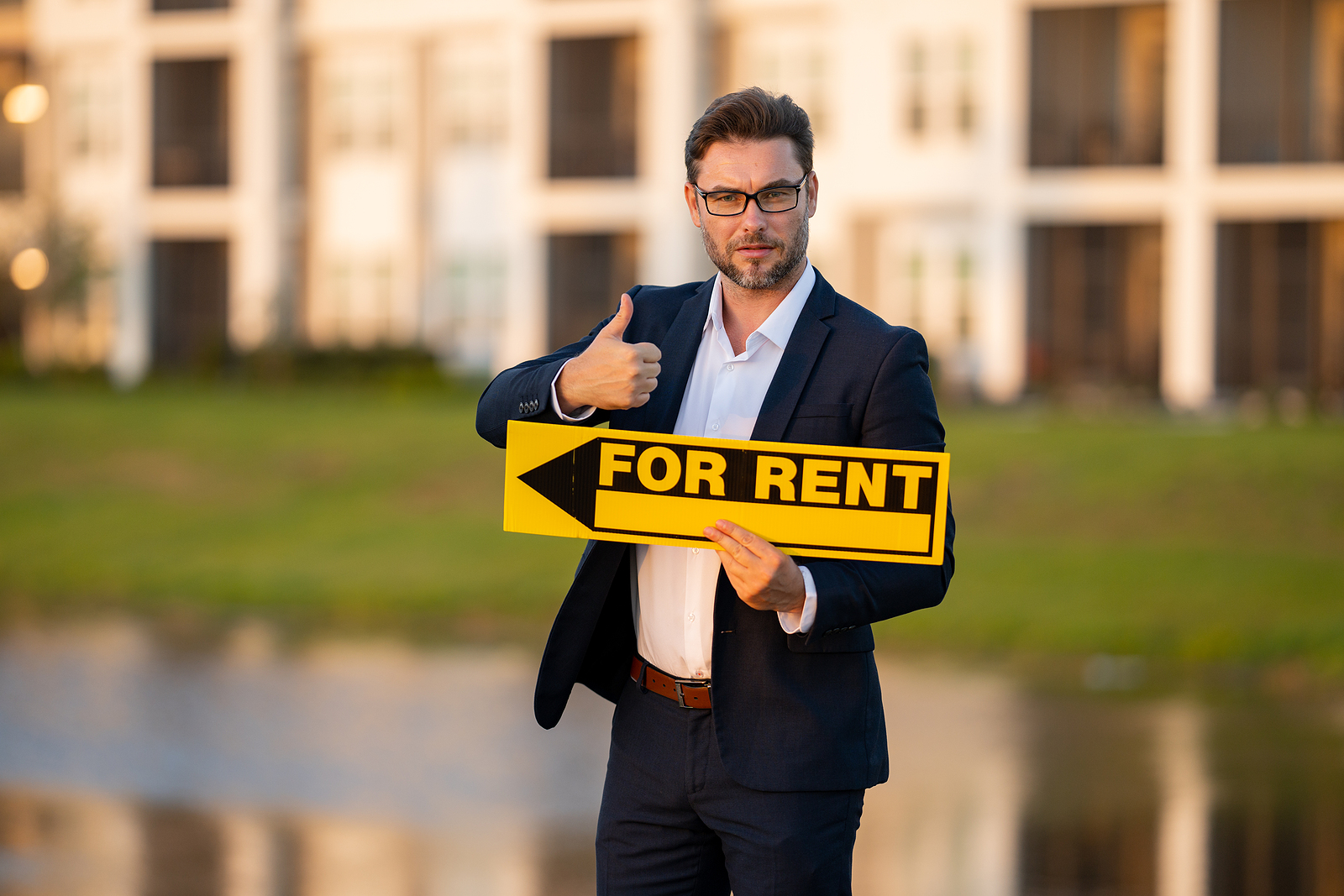
However, long-term rentals may not generate the same level of profit as short-term stays in tourist-heavy markets. Rental rates are typically capped by local averages, and owners sacrifice the flexibility to use their property for personal purposes. This fall, in markets where housing demand is high, long-term rentals may be a safer bet for consistent returns.
Market Trends to Watch This Fall
The Airbnb vs. long-term rental debate doesn’t exist in a vacuum; it’s influenced by broader real estate and economic trends. This fall, several factors are shaping the landscape:
-
Travel demand remains strong but more localized. While international trips have slowed, domestic travel is thriving, which could benefit short-term rentals in regional hotspots.
-
Housing shortages continue. Many markets across the U.S. are experiencing low housing inventory, driving up demand for long-term rentals.
-
Regulation is expanding. Cities like New York and Dallas are enacting stricter rules on short-term rentals, which reduces available inventory and increases compliance costs.
-
Seasonality matters. Fall is typically slower for vacation rentals compared to summer. Investors relying solely on Airbnb income may feel the pinch before the holiday season picks up.
Understanding these trends can help you determine which rental strategy best aligns with your financial goals and risk tolerance this season.
Which Strategy Is Right for You?
Ultimately, the answer to the Airbnb vs. long-term rental debate depends on your priorities. If you value flexibility, are willing to put in the extra work (or hire a management company), and your property is in a high-demand travel area, short-term rentals may deliver higher returns.
On the other hand, if your goal is consistent income with fewer management headaches, long-term rentals provide a dependable path, especially in markets where housing demand outpaces supply. For some investors, a hybrid approach works best: offering short-term rentals during peak seasons and switching to long-term tenants in slower months.
This fall, weigh the pros and cons carefully, consider your local market trends, and align your choice with both your lifestyle and long-term financial goals.