Smart Homes & Tech: What Buyers Are Looking For

Introduction

In today’s competitive real estate market, smart homes & tech are no longer optional – they’re expected. As homebuyers become more tech-savvy, the demand for integrated systems and automation is reshaping what qualifies as a “move-in ready” house. In this post, you’ll discover which smart features are commanding attention, how they affect home value, and tips for sellers and buyers to navigate this evolving landscape.

Why Smart Homes & Tech Are Game Changers for Buyers

More than 80% of prospective homebuyers say they are more likely to buy a property if it already includes smart home systems. Meanwhile, surveys show that 77% of millennials are willing to pay extra for homes with smart features. These numbers underscore a simple truth: smart homes & tech can make your listing more competitive and attractive.

smart stove in a kitchen.

From a market-size perspective, the U.S. smart home industry was valued at about $36.38 billion in 2024, with projections indicating exponential growth toward 2034. Real estate professionals note that homes featuring smart systems often fetch a 3-5% value bump over comparable non-automated properties.

But it’s not just about flashy gadgets; buyers today want practical systems that enhance convenience, efficiency, and security.

Key Smart Home Features Buyers Expect

Smart Security & Access Controls

Top of mind for buyers is smart security: video doorbells, biometric smart locks, AI-powered surveillance, and motion-sensing lighting are rising in demand. Harry Norman REALTORS®+2Forbes+2 Security features give buyers peace of mind, especially in today’s tech-first mindset.

Energy Efficiency & Sustainability

Smart thermostats, energy monitoring systems, solar integration, and smart lighting are helping homes reduce utility costs.  For buyers focused on sustainability, these features signal lower long-term operating costs and align with green values.

Sustainability and Smart Growth
 

Seamless Integration & Interoperability

Buyers increasingly want systems that “just work.” The adoption of the Matter standard – a protocol promoting device interoperability – is making it easier to link diverse brands under a unified hub.  Homes that support multiple ecosystems (Apple HomeKit, Google, Amazon, etc.) will appeal to a wider audience.

Wellness & Environmental Monitoring

Air quality monitors, smart water sensors, circadian lighting, and leak detectors are climbing the trend charts. As health and well-being become part of home choices, these features attract buyers who prioritize subtle but meaningful improvements in comfort.

Smart Kitchens & Appliance Automation

From smart refrigerators that track groceries to ovens you control via app, high-tech kitchens are no longer niche. A modern buyer expects more than just upgraded finishes; they expect intelligence baked into everyday appliances.

How Buyers Use Smart Homes in Their Decision Process

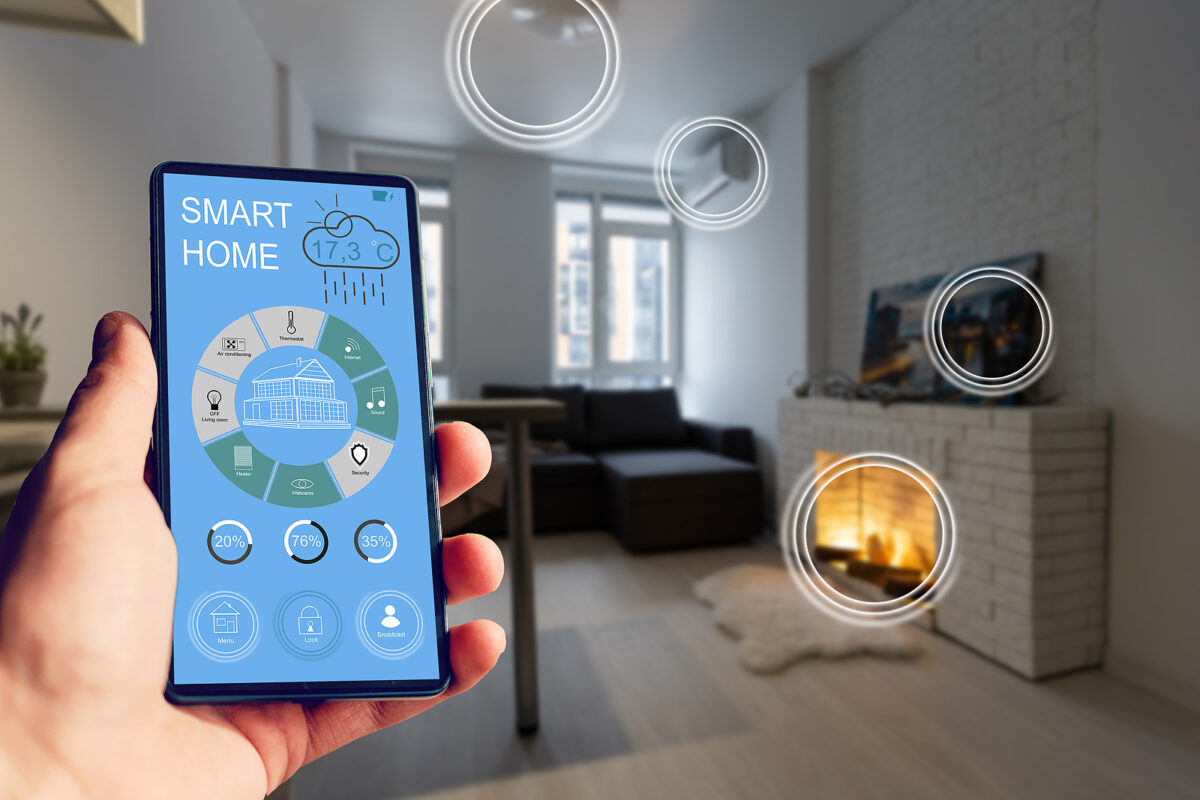
When buyers tour homes, they often test the tech, turning lights on/off, adjusting thermostats, and navigating dashboard apps. If systems are clunky, nonintuitive, or siloed, they can detract from the appeal. That’s why usability and consistency matter almost as much as the tech itself.

Because adoption has started to level off, smart home upgrades alone won’t sell a property overnight. But when deployed thoughtfully and marketed well, smart homes & tech can sway buyers who see them as a differentiator rather than a bonus.
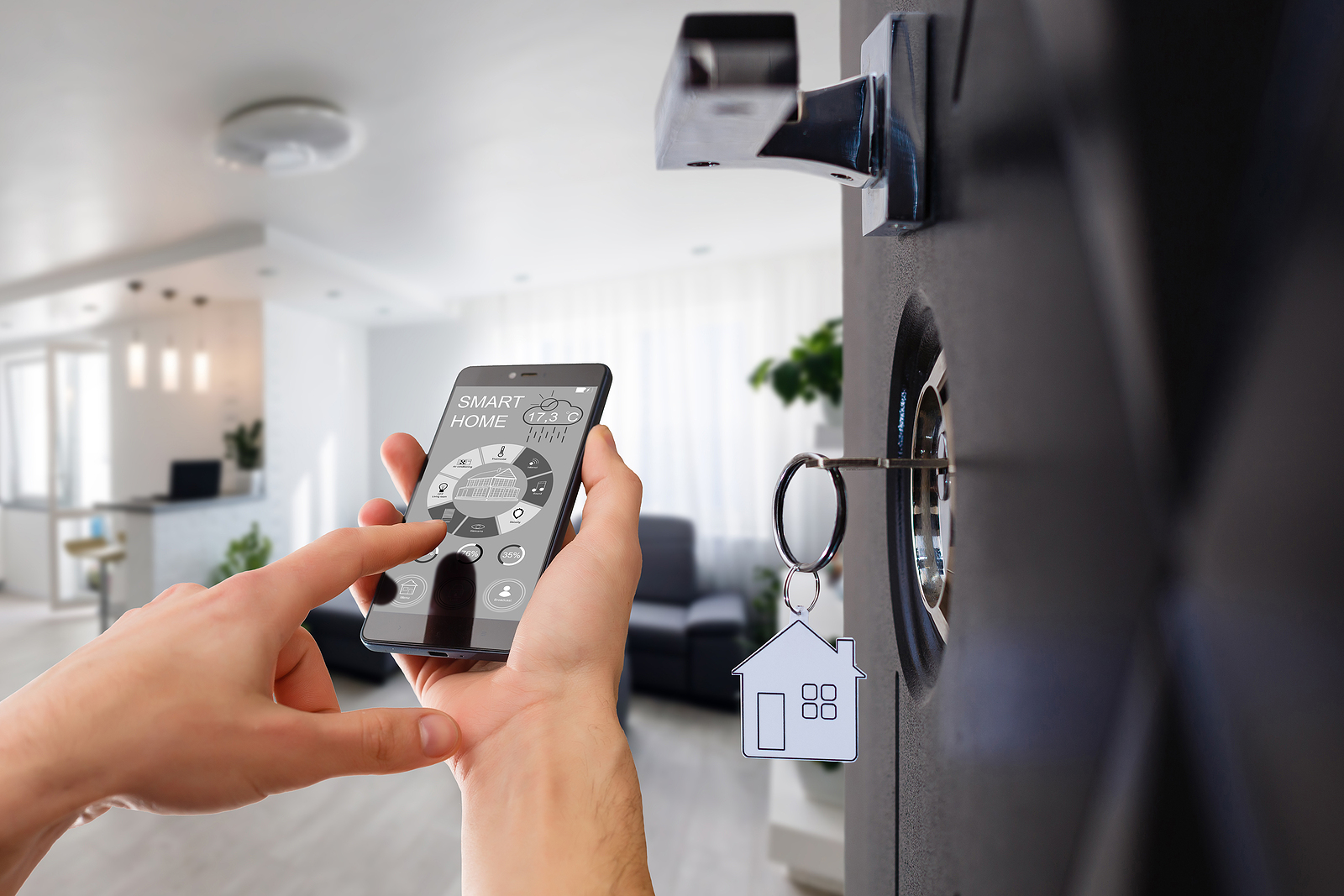
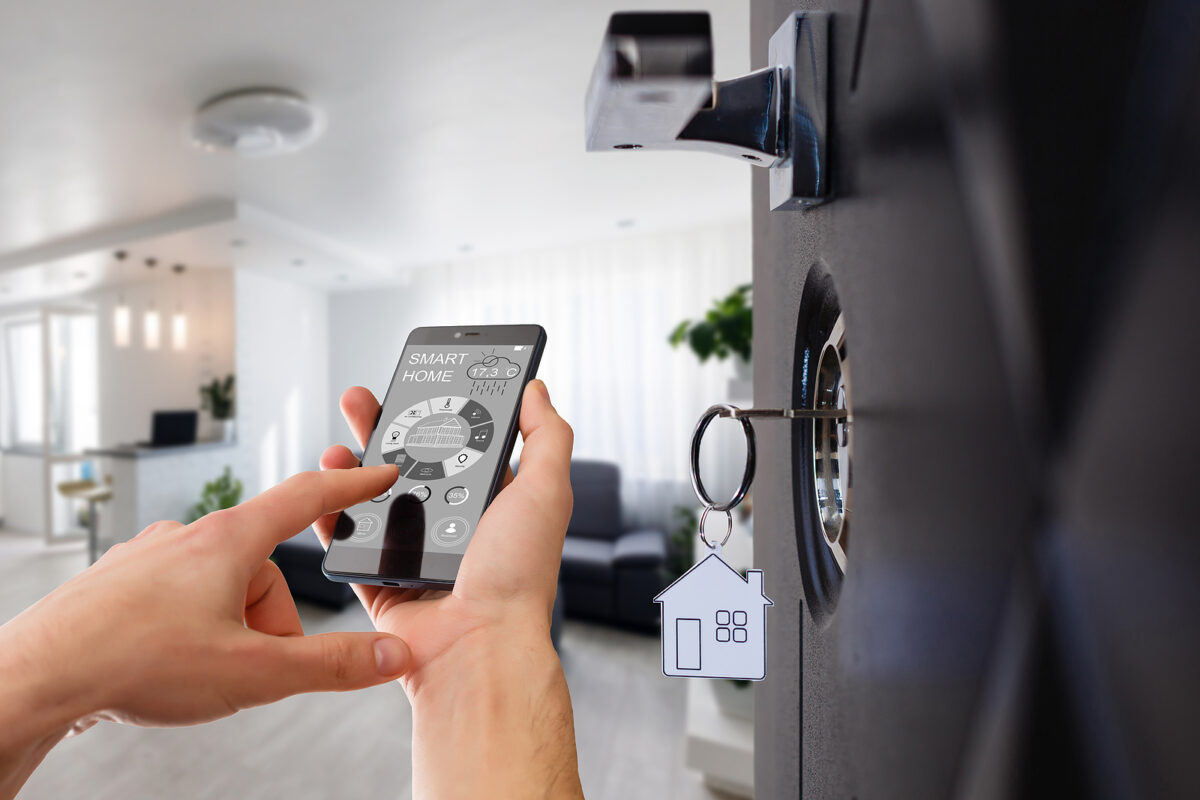
smart house, home automation, device with app icons. Man uses his smartphone with smarthome security app to unlock the door of his house.
 

Tips for Sellers & Buyers

  • For sellers: Consider retrofitting with high-impact upgrades like a smart thermostat, smart lock, and video doorbell. Market your home explicitly as a smart home, emphasizing energy savings and convenience.
  • For buyers: Ask for system warranties, check compatibility (Apple, Google, etc.), and test integrations during showings. You’ll want confidence that the tech will hold up long term.
  • For both sides: Don’t oversell the gimmicks. Emphasize reliability, ease of use, and future-proofing (e.g., Matter compatibility, firmware updates).

Final Thoughts

The real estate landscape is rapidly evolving, and smart homes & tech are at the forefront of buyer expectations. While flashy features alone won’t seal the deal, thoughtful, integrated systems can raise perception, smooth daily life, and push your property ahead in a crowded market. For real estate enthusiasts and professionals alike, understanding these trends is no longer optional; it’s essential.
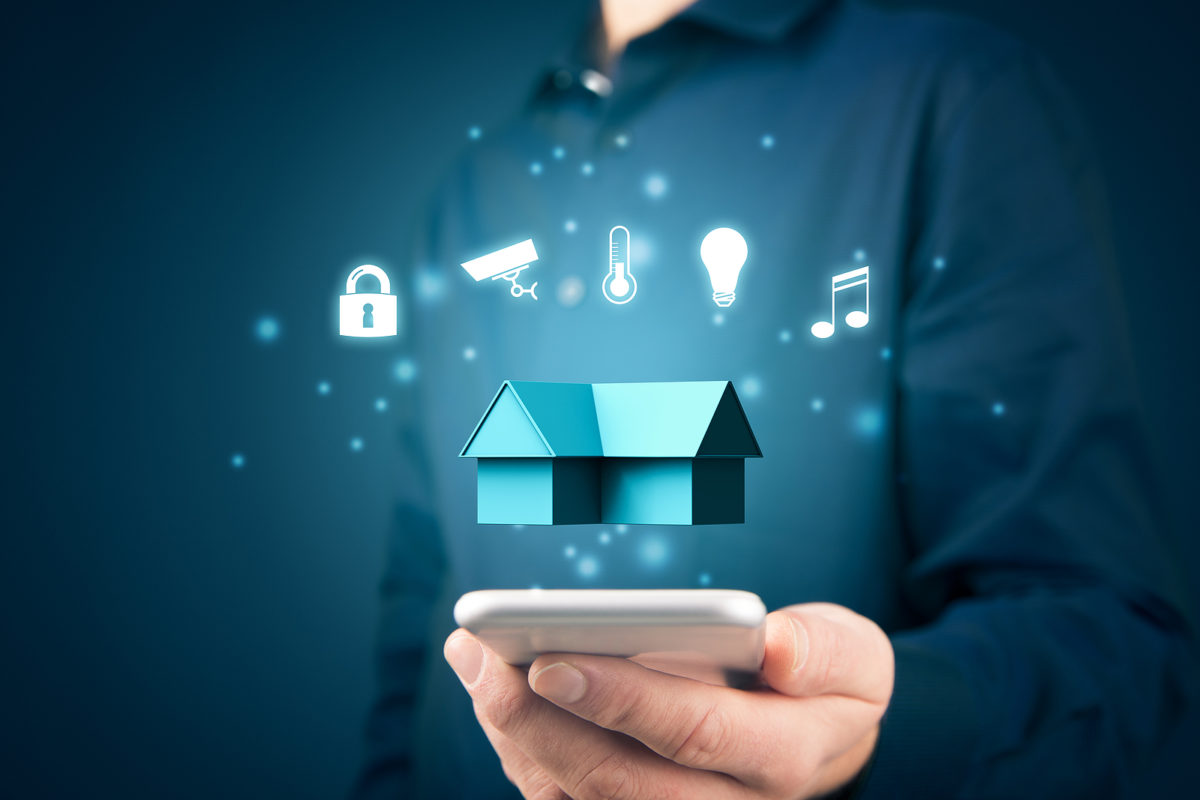
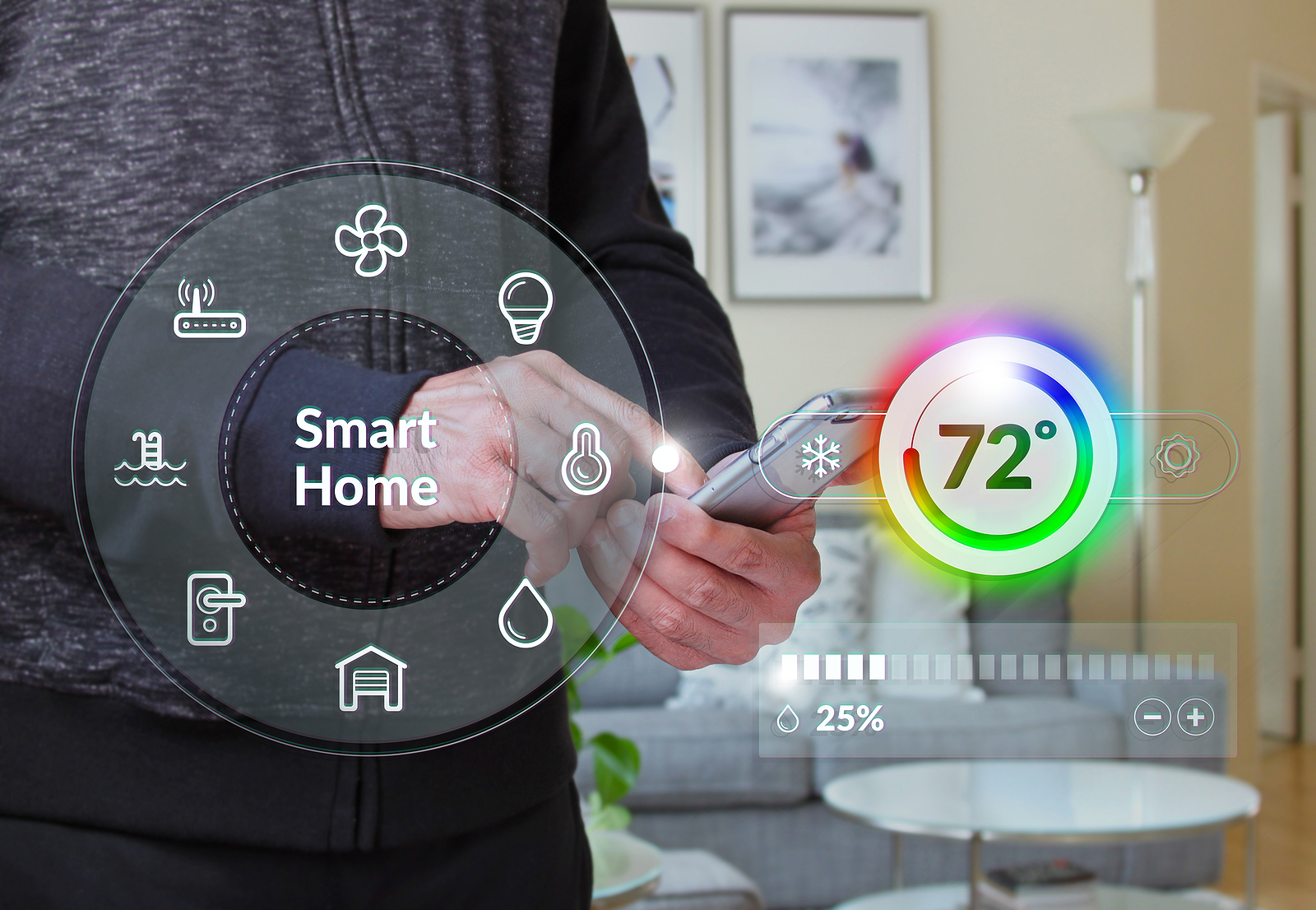
Smart Home, Smart Investment: Which Tech Increases Resale Value?

In today’s fast-paced real estate market, savvy buyers and sellers alike are looking for features that make a home more convenient, secure, and energy-efficient. That’s why the phrase smart home, smart investment has become more than just a catchy saying—it’s a strategy. Integrating smart technology isn’t just about modern living; it’s about boosting resale value in a competitive market. In this post, we’ll explore which smart home upgrades are most likely to pay off when it’s time to sell and how you can make informed decisions about where to invest.

Smart Thermostats: Energy Efficiency That Pays Off

One of the most appealing upgrades for potential buyers is a smart thermostat. Devices like the Nest or Ecobee adapt to homeowners’ habits, helping reduce energy bills and carbon footprints. For buyers, this translates into long-term savings and a home that’s already equipped to handle modern energy demands.

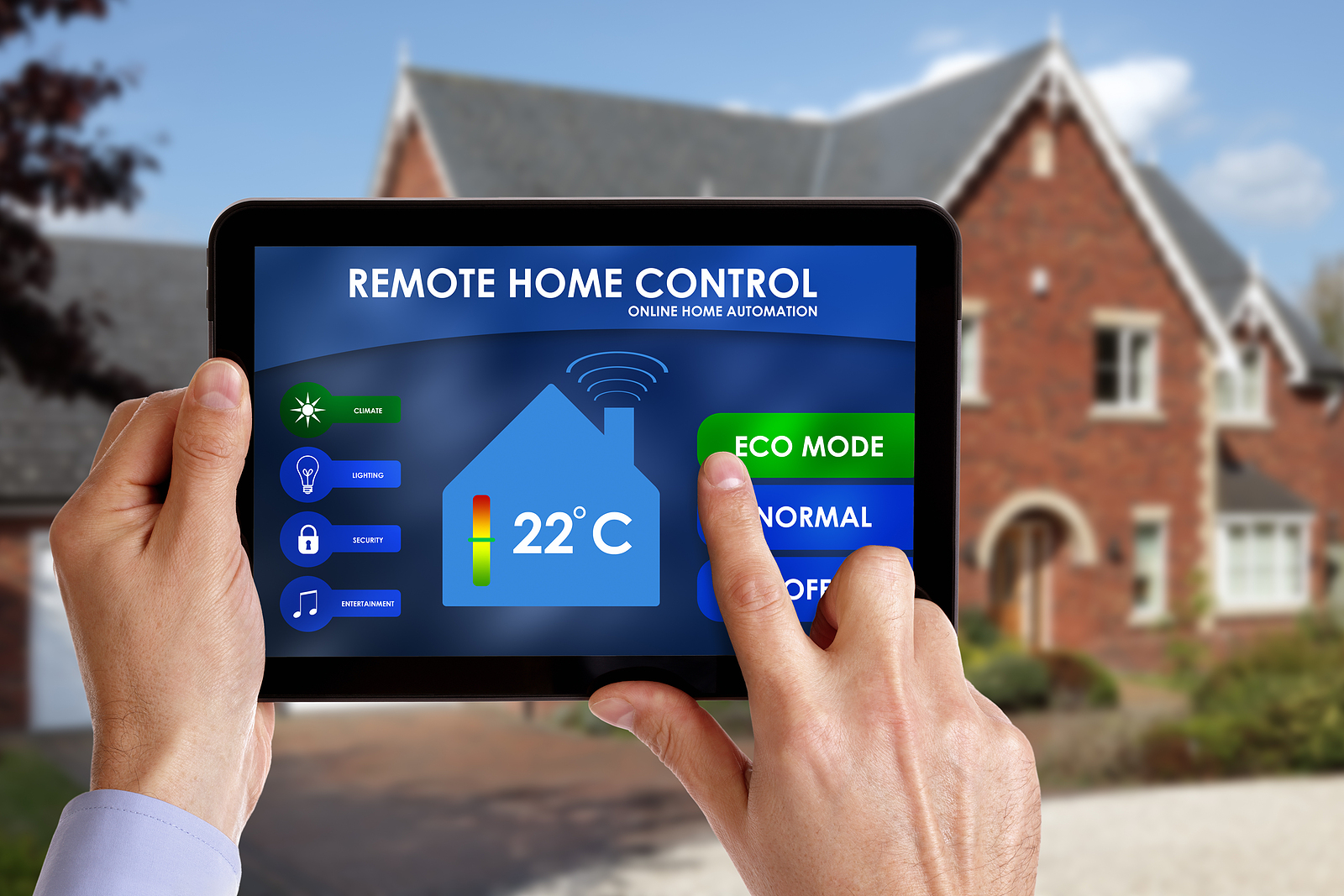
Smart home control dashboard with male using smartphone at home in the backgroundSmart thermostats are especially attractive in regions with extreme temperatures, where HVAC usage can get expensive. According to a Zillow study, homes with smart thermostats sold for more than expected in certain markets, proving this small investment can yield a strong return.

Security Systems: Peace of Mind Sells

Home security has gone digital, and buyers are here for it. From video doorbells to motion-sensing cameras and smart locks, these features are no longer considered luxuries—they’re expectations. Installing a basic smart security setup signals that the home has been cared for and modernized.

Buyers are increasingly looking for homes with pre-installed security features, especially in suburban and urban areas. Beyond resale value, these systems offer immediate personal benefits, making the choice to install them a win-win.

Smart Lighting: Small Upgrade, Big Impression

Lighting might seem like a minor detail, but smart lighting systems can elevate a home’s ambiance and appeal significantly. Adjustable color temperatures, voice control compatibility, and motion-detection features all add to a buyer’s impression of a high-tech home.

In open houses and listings, smart lighting also improves presentation, allowing agents to set the perfect mood. While this may not increase the home’s appraisal value drastically, it can be a deciding factor for prospective buyers torn between similar properties.

Smart Appliances: A Modern Kitchen Sells

Smart refrigerators, ovens, and dishwashers aren’t just fun to show off—they’re a clear signal that the home is updated. Buyers, especially in mid- to high-end markets, expect the kitchen to reflect current trends in technology and design.

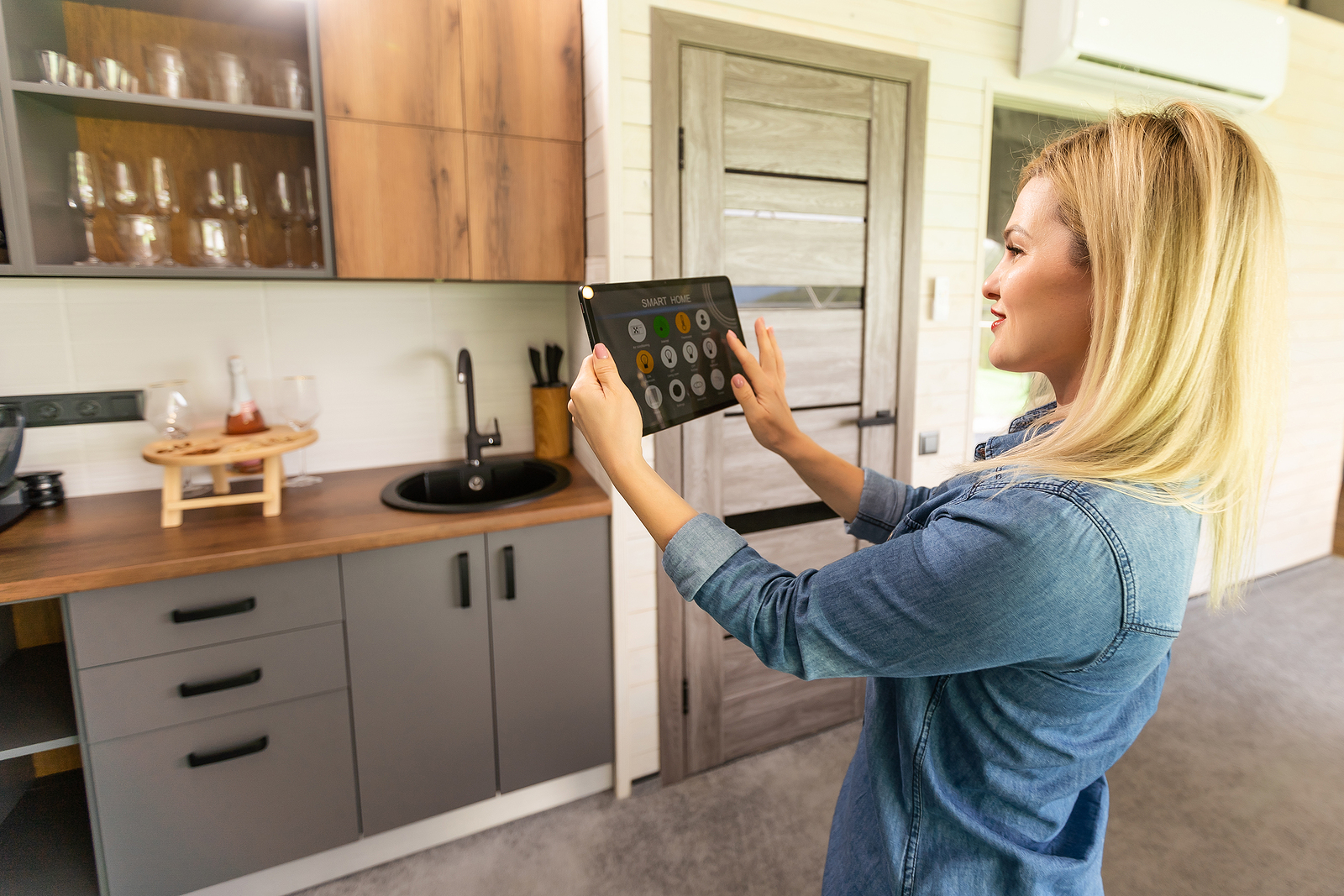
Young woman controlling home light with a digital tablet in the kitchen of her home. Concept of a smart home and light control with mobile devices

While these appliances can be costly, they add a “wow” factor that resonates during home tours. Including them in the sale can also sweeten negotiations and differentiate your home from others in the area. After all, a smart home, smart investment mindset includes the heart of the home, the kitchen.

Integrated Home Systems: The Ultimate Upgrade

Whole-home automation systems that control lighting, temperature, entertainment, and even window coverings can significantly enhance a home’s perceived value. These systems appeal to tech-savvy buyers who want a cohesive, centralized experience.

Although the upfront cost of installing an integrated system is higher, it has the potential to make your home stand out in luxury markets. For buyers who are already considering similar upgrades post-purchase, a fully integrated system can justify a higher offer.

Final Thoughts: Is It Worth the Investment?

If you’re planning to sell within the next few years, selectively investing in smart home tech can pay off in both listing price and buyer interest. Focus on upgrades that are widely recognized and easy to use. No one wants to feel like they need a tech manual just to adjust the lights.

As smart technology becomes more embedded in everyday living, embracing the smart home, a smart investment approach can give your property an edge in a crowded market. With the right upgrades, you’re not just enhancing your living experience; you’re increasing your bottom line when it’s time to move on.

Smart Home Essentials for Modern Living: Top Tech Upgrades for Today’s Homebuyers

Introduction: Why Smart Homes Are Leading the Way

As technology becomes more integrated into our daily lives, it’s no surprise that smart home features are now at the top of many buyers’ wish lists. Whether you’re a homeowner, seller, or real estate enthusiast, understanding the smart home essentials for modern living can help you stay ahead of market trends. In this post, we’ll explore the must-have tech upgrades that boost convenience, enhance home security, and improve energy efficiency—three areas where smart homes truly shine.

Convenience at Your Fingertips: Home Automation

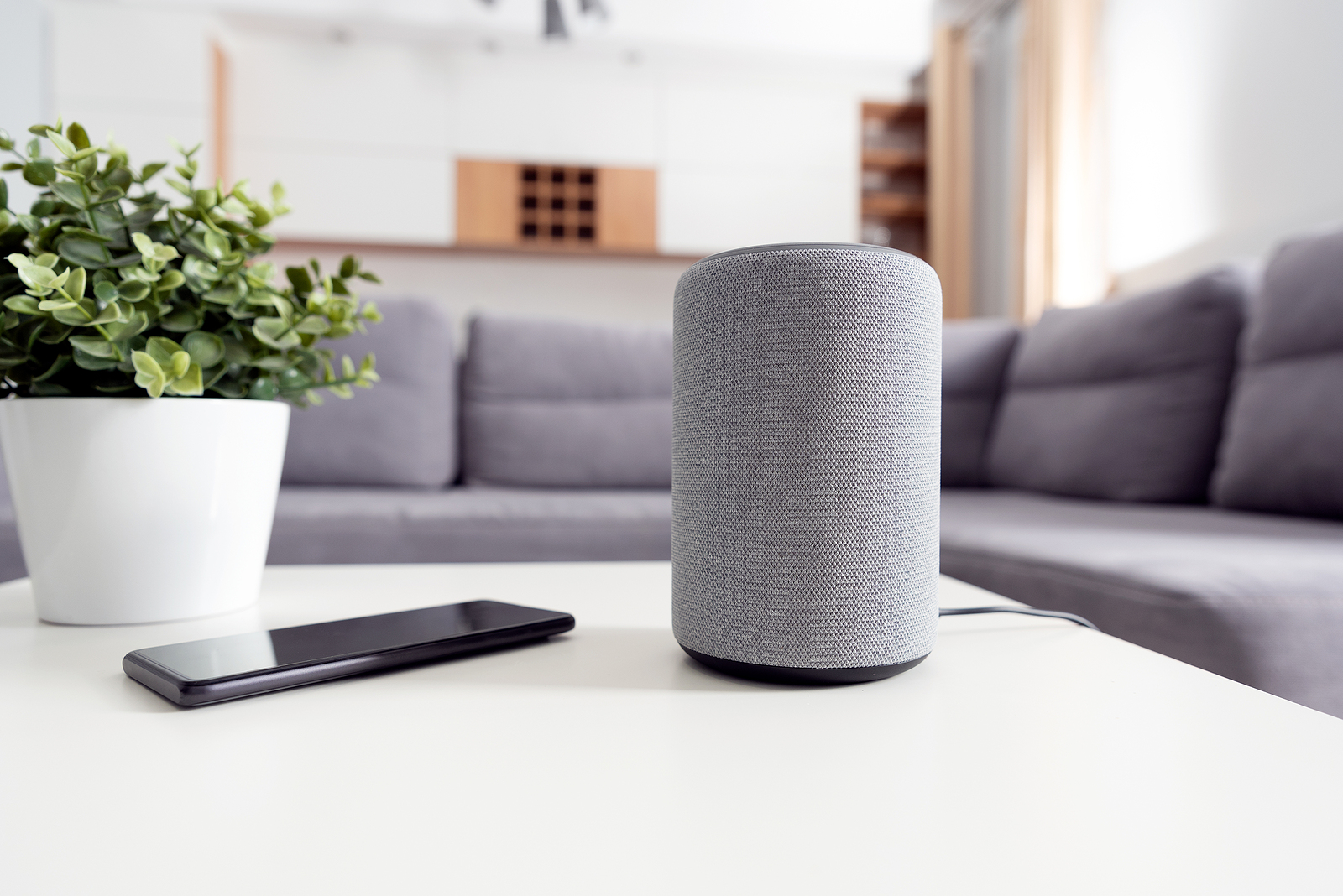
One of the most significant advantages of smart homes is how they streamline everyday tasks. Home automation tools such as voice-activated assistants (like Amazon Alexa or Google Home), smart lighting systems, and connected appliances allow homeowners to control their environments with a tap or voice command.

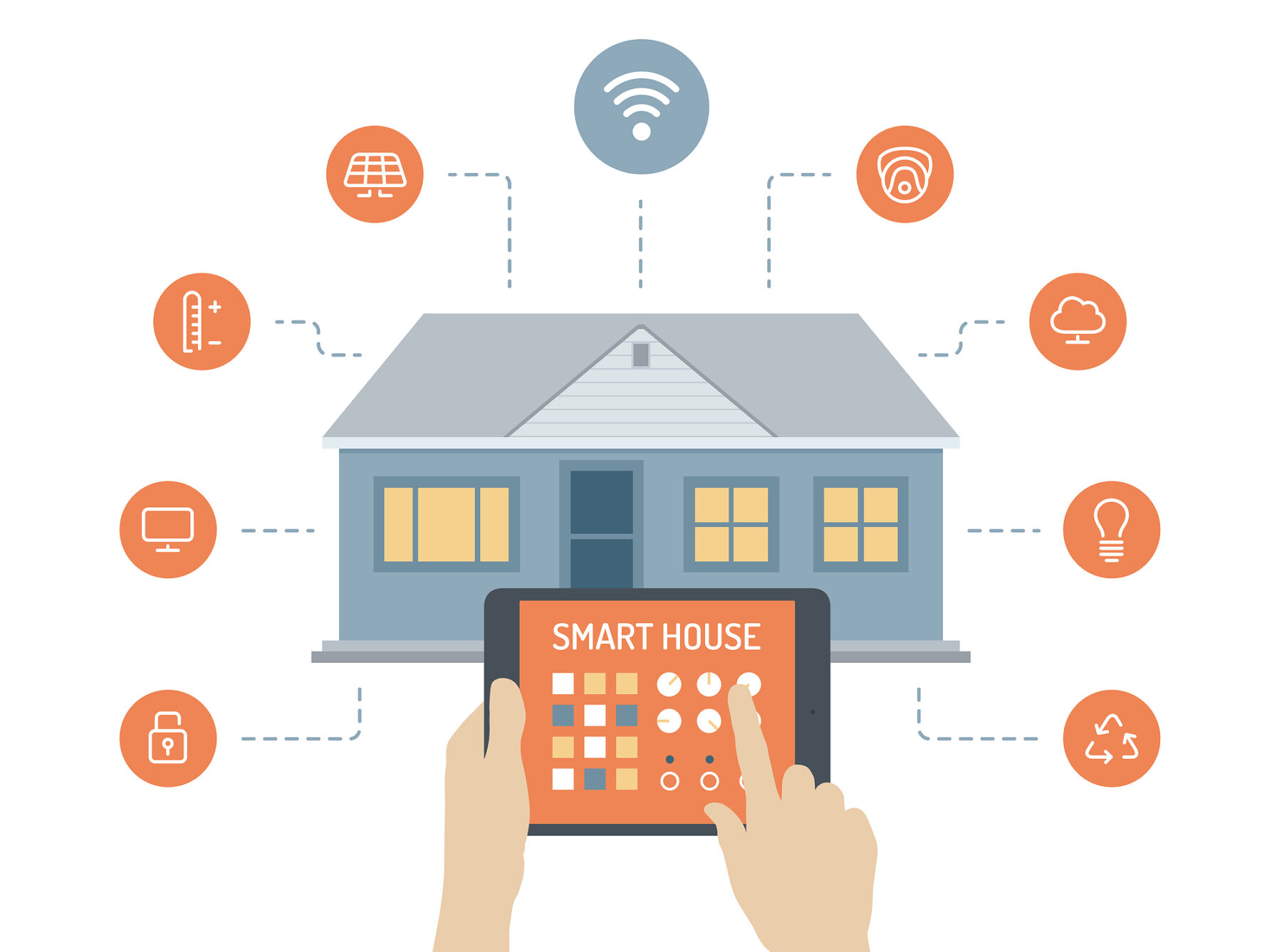
Flat design style modern vector illustration concept of smart house technology system with centralized control of lighting heating ventilation and air conditioning security locks and video surveillance energy savings and efficiency. Isolated on white back
 

Smart thermostats like the Nest Learning Thermostat or Ecobee let you control the temperature from anywhere. They also learn your habits and adjust settings automatically. These innovations are not just trendy—they’re a real draw for modern buyers who want seamless, tech-forward living.

Pro Tip: When showing or marketing a home, highlight how these smart systems create an easier, more connected lifestyle. It’s one of the top smart home essentials for modern living that makes a real difference.

Safety First: Must-Have Smart Security Features

f, and smart tech has revolutionized how we protect our spaces. From video doorbells like Ring and Eufy to entire security systems that include motion sensors, window alerts, and mobile notifications, buyers love knowing they can monitor their home from anywhere.

Smart locks are another key upgrade. These allow remote access, temporary codes for guests or service professionals, and real-time entry tracking. Paired with outdoor cameras and floodlights, they provide peace of mind and a high-tech edge to any home.

Tip for Sellers: Highlighting these features in your listing descriptions or showings can increase perceived value and attract security-conscious buyers who prioritize smart home essentials for modern living.

Save More with Smart Energy Solutions

With rising utility costs and growing eco-consciousness, energy efficiency is a big selling point. Smart home tech can significantly reduce consumption without sacrificing comfort.

Smart lighting systems let you program or control lights remotely, helping to eliminate wasted electricity. Plugs and power strips with built-in timers or voice control features are easy upgrades that can make a big impact.

Sustainability and Smart Growth
 

Solar panel monitoring systems, smart irrigation controllers, and energy monitoring apps also give homeowners real-time insights into their usage, empowering them to make better decisions.

Homes equipped with these energy-saving tools not only lower monthly bills but also appeal to buyers looking for sustainable living options—key smart home essentials for modern living that align with current real estate trends.

What This Means for Real Estate Buyers & Sellers

These features offer buyers comfort, savings, and peace of mind. For sellers, investing in smart upgrades can mean faster sales and higher offers. Homes with integrated smart systems often stand out in competitive markets, making them more desirable to tech-savvy, energy-conscious buyers.

As more people seek homes that reflect modern lifestyles, showcasing these upgrades is no longer optional—it’s essential.

Conclusion: Making Smart Moves in Real Estate

Whether you’re house-hunting or preparing to list your property, understanding and embracing smart home essentials for modern living can give you an edge. From energy savings and improved convenience to top-tier security, these tech upgrades are reshaping how we think about homeownership.

Ready to make your home smarter? Start with one upgrade at a time and watch how your lifestyle and home’s market appeal transform.

Smart Home Technology Trends: Creating a Future-Ready Living Space

In the fast-paced world of technology, our homes are becoming smarter and more connected than ever before. The integration of cutting-edge smart home technologies has revolutionized the way we live, enhancing comfort, security, and efficiency. In this blog, we’ll explore the latest trends in smart home technology that are shaping the future of our living spaces.

Embracing the Internet of Things (IoT)

The key to a truly smart home lies in the seamless communication between devices, and the Internet of Things (IoT) is the driving force behind this connectivity. Smart home devices, from thermostats to lighting systems, are now interconnected, allowing users to control them remotely through a centralized hub. This interconnectedness not only adds convenience but also enables more efficient energy usage.

Voice-Activated Assistants: A New Era of Control

One of the most notable advancements in smart home technology is the integration of voice-activated assistants. Devices like Amazon Echo and Google Home have become central to smart homes, allowing users to control various devices using simple voice commands. Imagine adjusting the thermostat, dimming the lights, or playing your favorite music – all with a voice command. This hands-free approach to home management is not only convenient but also adds an element of futuristic sophistication.

Enhanced Home Security Systems

Security is a top priority for homeowners, and smart home technology has elevated security systems to new heights. Modern smart security systems include features such as smart locks, doorbell cameras, and motion sensors. With real-time notifications and remote monitoring, homeowners can keep a vigilant eye on their property, enhancing both security and peace of mind. The integration of artificial intelligence in these systems allows for more accurate threat detection, reducing false alarms and increasing overall effectiveness.

Energy-Efficient Smart Lighting

Smart lighting is no longer just about turning lights on and off remotely; it’s about optimizing energy usage. Energy-efficient smart bulbs can adjust their brightness and color temperature based on the time of day or user preferences. Automated lighting systems can also learn user behavior and adapt, contributing to significant energy savings over time. Beyond functionality, smart lighting adds ambiance and can be customized to suit different moods or occasions.

Smart Appliances for a Seamless Lifestyle

The kitchen is the heart of the home, and smart appliances are transforming the cooking experience. From smart refrigerators that can suggest recipes based on available ingredients to ovens that can be controlled remotely, these appliances are making daily tasks more convenient and efficient. The integration of artificial intelligence allows these appliances to learn user preferences and adapt their functionality accordingly, making the cooking process a breeze.

The Rise of Smart Home Health Technology

Health monitoring has entered the realm of smart home technology with the advent of devices that track vital signs and provide health insights. Smart wearables, connected scales, and blood pressure monitors can seamlessly integrate with a smart home ecosystem, allowing users to monitor their health in the comfort of their homes. This trend not only promotes proactive health management but also enables better communication with healthcare professionals through data sharing.

Smart Home Entertainment Experiences

Entertainment in smart homes goes beyond just streaming services. Advanced home theater systems, integrated with smart technologies, can create immersive experiences. From voice-controlled audio systems to smart TVs that adapt to user preferences, the entertainment landscape is evolving. Virtual reality and augmented reality technologies are also making their way into smart homes, offering a new dimension to entertainment within the confines of your living room.

Conclusion: Embracing a Smarter Future

As we navigate the ever-evolving landscape of smart home technology, it’s clear that the future holds exciting possibilities. The seamless integration of devices, coupled with artificial intelligence and IoT, is transforming our homes into intelligent living spaces. From enhanced security to energy efficiency and personalized comfort, smart home technologies are creating a future-ready living experience. Embrace the trends, stay connected, and make your home a hub of innovation and convenience.