Why the First 14 Days on the Market Define Your Sale

Why the First 14 Days on the Market Define Your Sale

A lot of sellers think listing a home is a waiting game. They expect to put the sign in the yard, wait a few months, and slowly field offers. In reality, the most important window of your entire listing happens almost immediately.

The first 14 days after your home goes live on the market are critical. This two-week period carries more weight than most sellers realize because it is when your listing is at its freshest, your buyer pool is at its peak, and your pricing strategy faces its first real test.

Here is why those first 14 days matter so much and how you can maximize them.

1. The Peak Attention Window

The moment your property hits the MLS, it triggers alerts to registered buyers and portal algorithms give it greater visibility. Buyers who have been waiting for new inventory see your home as a fresh opportunity. Because active buyers get notified instantly, they often rush to see the home in the first weekend. This initial surge of interest is when you are most likely to receive strong showings and, potentially, competitive offers. After this window, the novelty wears off, and the listing starts to blend in with older inventory.

2. Pricing is Your Strongest Leverage

Pricing correctly from day one is essential. If your home is priced strategically based on market data, it attracts attention and invites competition. Competition gives you the leverage to secure a better price and smoother terms.

However, many sellers try to “test the market” by pricing high, assuming they can drop the price later. This is a costly mistake. If the price isn’t aligned with expectations, you miss the most active pool of buyers entirely. By the time you reduce the price, the listing appears “stale,” and buyers often wonder what is wrong with the home, leading to lower offers.

3. First Impressions Are Permanent

During these first two weeks, presentation is everything. Buyers form their first impressions quickly, usually online. If your home doesn’t photograph well, looks cluttered, or requires visible work, it can lose attention fast. A strong first impression—created through professional staging, crisp photography, and completing minor repairs—can make the difference between a packed open house and a quiet one.

Setting Up for a Strong Launch

The first 14 days do not start when your property goes live; they start weeks earlier during preparation. By ensuring your home is presented beautifully, priced strategically, and marketed effectively from the start, you increase your chances of capturing peak interest and securing the best possible outcome.

If you are thinking about selling, let’s connect and build a launch strategy that capitalizes on this critical window!

Why Your Zestimate Isn’t Your Asking Price

It happens every single day in real estate. A homeowner decides they are finally ready to sell. Before calling a local real estate agent, they type their street address into a popular real estate website, see a shiny estimated home value generated by an algorithm, and immediately build their entire financial plan around that exact number.

When an experienced agent sits down at their kitchen table a week later and suggests a different listing price, the seller gets defensive: “But the internet said my house is worth $50,000 more!”

Algorithms are great for a lot of things in modern life—recommending music, predicting traffic, or routing packages. Accurately pricing your specific home isn’t one of them.

If you are planning to sell your house, relying on an automated valuation model (AVM) as your primary pricing strategy can lead to costly mistakes. Here is why online estimates fall short and why human expertise still rules the market.

Concept buy or sell home, couple shaking hands as successful agreement in transaction contract of house with broker. Happy couple in transaction signing contract of house with broker.

1. ALGORITHMS CAN’T SEE INSIDE YOUR HOME

An online valuation tool generates its estimate using publicly available data: square footage, tax assessments, lot size, bedroom count, and recent sales in your zip code.

What it cannot see is what makes your home unique. The algorithm doesn’t know you just spent $50,000 remodeling the kitchen with custom cabinetry. It doesn’t know that the house down the street—which sold for top dollar last month—has a fully finished basement while yours is unfinished. It also cannot factor in the subtle things that buyers care deeply about, like natural sunlight, a noisy main street, an awkward floor plan, or a stunning view. Real estate value is deeply nuanced, and algorithms lack nuance.

2. THEY RELY ON BACKWARD-FACING DATA

Online estimates are essentially historical calculators. They heavily weight what happened in your neighborhood three, six, or even twelve months ago. The problem is that the real estate market moves incredibly fast.

If interest rates suddenly shift or local inventory spikes, buyer demand changes overnight. An algorithm naturally lags behind these real-time shifts. A local real estate professional knows exactly what buyers are doing this week and can price your home for the current market, not the market from half a year ago.

3. THE DANGERS OF OVERPRICING

If an algorithm overestimates your home’s value and you insist on listing at that inflated number, you run directly into the biggest trap in real estate: overpricing.

When a property hits the market overpriced, the initial excitement from active buyers disappears quickly. As the days on the market stack up, buyers begin to assume something is fundamentally wrong with the property. Eventually, you are forced to make a price drop. Research consistently shows that homes requiring price reductions often end up selling for less than they would have if they were priced accurately from day one. By overpricing, you lose your leverage.

4. PRICING IS A STRATEGY, NOT JUST A NUMBER

Determining your listing price isn’t just about figuring out what your home is worth on paper; it’s about positioning it strategically to attract maximum buyer demand.

An agent looks at current active inventory, hyper-local buyer competition, and neighborhood trends to find the perfect “sweet spot.” Proper pricing creates urgency, drives foot traffic, and can even trigger a bidding war that pushes your ultimate sale price well above expectations.

YOUR NEXT STEPS

An online home value estimate is a casual starting point, not a realistic listing strategy.

Curious about what your home is actually worth in today’s market? Contact me today for a custom Comparative Market Analysis (CMA), and let’s build a smart pricing strategy based on real-time data.

Make Smart Home Decisions. Before you renovate, rent, refinance or sell. Read this!

Young couple buying a home.

Owning a home comes with choices. Renovate. Rent it out. Refinance. Sell and move on.

Each option sounds reasonable on its own. But the mistake many homeowners make is treating these choices separately instead of as connected home decisions.

One move often affects the next.

And the wrong order can quietly cost you thousands.

This is why stepping back and looking at the bigger picture matters before doing anything permanent. The most expensive mistakes usually happen when people act quickly without understanding how one decision limits another.

Smart home decisions start with strategy, not urgency.

One of the biggest myths homeowners believe is that every improvement automatically adds value. It sounds logical. Spend money, increase value, sell for more. But real estate doesn’t always work that way.

Not all upgrades pay you back.

Highly customized renovations, trendy finishes, or expensive projects that don’t match what most buyers want often return far less than expected. In some cases, they make a home harder to sell.

Buyers don’t pay extra for everything you spend. They pay for what they need and what feels move-in ready.

Simple improvements like paint, lighting, and repairs often deliver better results than large remodels. Before investing heavily, ask whether the update helps resale value or simply personal taste.

Good home decisions focus on return, not just improvement.

Renting is another option that looks great on paper. Many homeowners calculate potential rent and assume it will cover the mortgage while building passive income. But the reality is often more complicated.

Rental math can be misleading.

Maintenance costs add up. Vacancies happen. Property management fees cut into profits. Repairs rarely occur at convenient times. What seems like steady income can quickly turn into unpredictable expenses.

There’s also the lifestyle side. Being a landlord means time, responsibility, and risk. For some people, it works well. For others, it becomes more stressful than expected.

Before choosing this path, run the real numbers, not just the optimistic ones. Strong home decisions come from realistic planning.

Refinancing is another move that deserves careful thought. Lower payments can sound appealing, especially when rates change. But refinancing can also limit flexibility.

New loan terms often restart the clock. Fees and closing costs reduce savings. And if you refinance right before selling, you may not stay long enough to break even.

It can also impact your ability to qualify for another purchase if your financial situation changes.

What looks like a short-term win may restrict long-term options. Smart home decisions consider timing just as much as savings.

Then there’s selling. Some homeowners delay selling because they believe they must renovate first or refinance to “get ready.” In many cases, those extra steps aren’t necessary and simply delay the process.

A clean, well-maintained home often sells just as well as one with expensive updates. And waiting too long can mean missing better market conditions.

Sometimes the simplest path is the most profitable.

The biggest issue is how these choices interact. Renovating heavily may reduce profit if you plan to sell soon. Refinancing could make it harder to move quickly. Renting might prevent you from accessing equity when you need it. Each step can block the next.

That’s why big home decisions should never be made in isolation.

They should be made in the right order.

Start with the end goal. Do you want to move soon? Build long-term income? Lower monthly expenses? Once the goal is clear, the right path becomes easier to see.

Without that clarity, it’s easy to spend money or lock yourself into something that doesn’t support where you actually want to go.

Homeownership creates opportunity, but only when choices are intentional.

Before renovating, renting, refinancing, or selling, take the time to look at the full picture. Map out the sequence. Understand the trade-offs. Make decisions that work together, not against each other.

Because the smartest home decisions aren’t about doing more.

They’re about doing the right thing at the right time.

Smart Home, Smart Investment: Which Tech Increases Resale Value?

In today’s fast-paced real estate market, savvy buyers and sellers alike are looking for features that make a home more convenient, secure, and energy-efficient. That’s why the phrase smart home, smart investment has become more than just a catchy saying—it’s a strategy. Integrating smart technology isn’t just about modern living; it’s about boosting resale value in a competitive market. In this post, we’ll explore which smart home upgrades are most likely to pay off when it’s time to sell and how you can make informed decisions about where to invest.

Smart Thermostats: Energy Efficiency That Pays Off

One of the most appealing upgrades for potential buyers is a smart thermostat. Devices like the Nest or Ecobee adapt to homeowners’ habits, helping reduce energy bills and carbon footprints. For buyers, this translates into long-term savings and a home that’s already equipped to handle modern energy demands.

Smart home control dashboard with male using smartphone at home in the backgroundSmart thermostats are especially attractive in regions with extreme temperatures, where HVAC usage can get expensive. According to a Zillow study, homes with smart thermostats sold for more than expected in certain markets, proving this small investment can yield a strong return.

Security Systems: Peace of Mind Sells

Home security has gone digital, and buyers are here for it. From video doorbells to motion-sensing cameras and smart locks, these features are no longer considered luxuries—they’re expectations. Installing a basic smart security setup signals that the home has been cared for and modernized.

Buyers are increasingly looking for homes with pre-installed security features, especially in suburban and urban areas. Beyond resale value, these systems offer immediate personal benefits, making the choice to install them a win-win.

Smart Lighting: Small Upgrade, Big Impression

Lighting might seem like a minor detail, but smart lighting systems can elevate a home’s ambiance and appeal significantly. Adjustable color temperatures, voice control compatibility, and motion-detection features all add to a buyer’s impression of a high-tech home.

In open houses and listings, smart lighting also improves presentation, allowing agents to set the perfect mood. While this may not increase the home’s appraisal value drastically, it can be a deciding factor for prospective buyers torn between similar properties.

Smart Appliances: A Modern Kitchen Sells

Smart refrigerators, ovens, and dishwashers aren’t just fun to show off—they’re a clear signal that the home is updated. Buyers, especially in mid- to high-end markets, expect the kitchen to reflect current trends in technology and design.

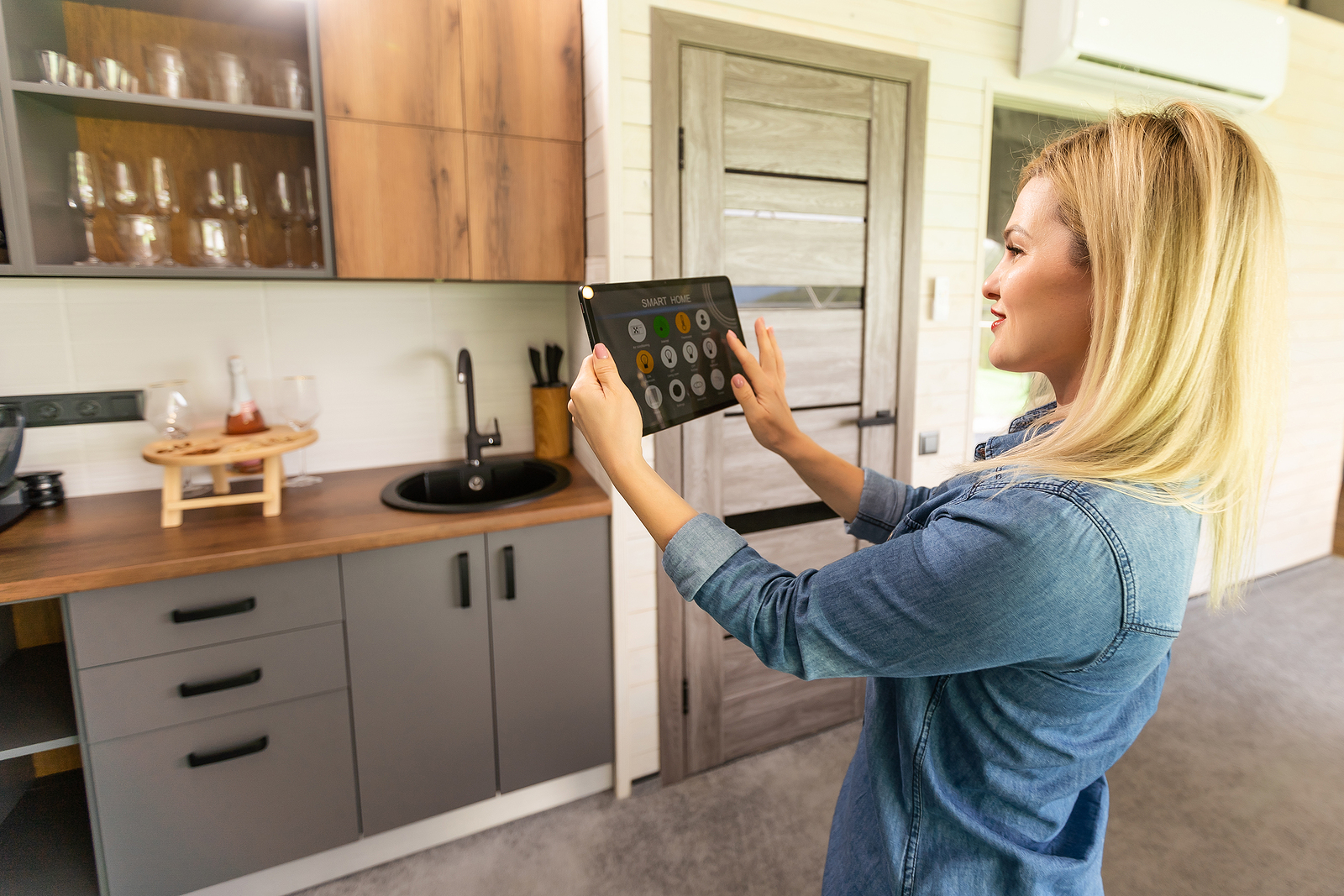
Young woman controlling home light with a digital tablet in the kitchen of her home. Concept of a smart home and light control with mobile devices

While these appliances can be costly, they add a “wow” factor that resonates during home tours. Including them in the sale can also sweeten negotiations and differentiate your home from others in the area. After all, a smart home, smart investment mindset includes the heart of the home, the kitchen.

Integrated Home Systems: The Ultimate Upgrade

Whole-home automation systems that control lighting, temperature, entertainment, and even window coverings can significantly enhance a home’s perceived value. These systems appeal to tech-savvy buyers who want a cohesive, centralized experience.

Although the upfront cost of installing an integrated system is higher, it has the potential to make your home stand out in luxury markets. For buyers who are already considering similar upgrades post-purchase, a fully integrated system can justify a higher offer.

Final Thoughts: Is It Worth the Investment?

If you’re planning to sell within the next few years, selectively investing in smart home tech can pay off in both listing price and buyer interest. Focus on upgrades that are widely recognized and easy to use. No one wants to feel like they need a tech manual just to adjust the lights.

As smart technology becomes more embedded in everyday living, embracing the smart home, a smart investment approach can give your property an edge in a crowded market. With the right upgrades, you’re not just enhancing your living experience; you’re increasing your bottom line when it’s time to move on.

Should I Buy or Sell This Summer? Questions to Help You Decide

Introduction

As summer heats up, so does the real estate market and if you’ve been wondering, “Should I buy or sell this summer?”, you’re not alone. This seasonal shift often brings new opportunities and challenges for both buyers and sellers. In this blog, we’ll help you assess your readiness by walking through key questions designed to clarify your financial position, personal goals, and current market dynamics. Whether you’re leaning toward a purchase or considering listing your home, you’ll walk away with more clarity and confidence.

What’s Your Motivation to Move?

Understanding why you’re considering a move is crucial. Is your family growing? Are you changing jobs? Have you built enough equity and want to cash out? Or maybe you’re looking for a lifestyle change, downsizing, upsizing, or relocating.

Moving organization.

If you’re asking, “Should I buy or sell this summer?” consider whether your motivation stems from necessity or curiosity. Urgency may suggest it’s time to act, while a flexible timeline could mean waiting for the right opportunity makes more sense. Buyers might want to look for deals before fall inventory shifts, while sellers could benefit from peak demand in late summer.

Can You Afford to Make a Move?

Finances often make or break a real estate decision. If you’re buying, have you spoken to a lender or gotten pre-approved? Understanding your purchasing power is key to making realistic plans. If you’re selling, do you know how much equity you have in your current home and what your net proceeds could look like?

Remember to factor in closing costs, moving expenses, potential repairs, and your financial buffer post-transaction. With fluctuating interest rates and inflation still affecting budgets, now’s the time to get crystal clear on your numbers.

What Does the Local Market Look Like?

Real estate is hyper-local, so general trends may not reflect your neighborhood’s conditions. Are homes selling quickly in your area? Are prices climbing, holding steady, or softening?

Local real estate market. Ready for a summer move?

For buyers, a competitive market may mean adjusting expectations or acting fast. For sellers, strong demand could result in multiple offers or favorable terms. Ask a local real estate expert to help you evaluate recent comps and seasonal trends. If you’ve been asking, “Should I buy or sell this summer?” this is where local insight becomes invaluable.

Are You Emotionally Ready?

Buying or selling a home is about more than numbers. It’s a major life event, and emotional readiness plays a big role. Are you prepared for the ups and downs of negotiations, inspections, and deadlines? Are you ready to say goodbye to your current home or take on the responsibilities of a new one?

If you’re not fully committed, it might be better to wait. But if you feel excited, prepared, and well-supported by a trusted agent, summer could be the perfect time to take action.

What’s Your Plan B?

Even in a hot market, things don’t always go as expected. Buyers might face competition or financing hurdles. Sellers might not get their ideal offer. Do you have a backup plan if your timeline stretches out? Can you rent if buying takes longer? Can you adjust your sale price if needed?

By anticipating a few “what ifs,” you’ll make more grounded decisions and reduce stress. It’s one more layer of confidence in answering that key question: “Should I buy or sell this summer?”

Conclusion

There’s no one-size-fits-all answer to the question, “Should I buy or sell this summer?” The right time is when your finances, motivation, emotional state, and market knowledge align. This summer could be full of potential—but only if it’s the right fit for you. Use these self-assessment questions to guide your next step, and don’t hesitate to reach out to a professional for personalized guidance.

What to Declutter Before You List Your Home

Getting ready to sell your home? One of the most important steps in the pre-listing process is tackling clutter. Whether you’re upgrading, downsizing, or relocating, buyers need to see your home’s full potential—and nothing distracts them more than unnecessary stuff. In this blog, we’ll guide you through what to declutter before you list your home, helping you prioritize what matters most so you can impress buyers and sell faster.

From closets to countertops, each area of your home plays a role in creating a strong first impression. Keep reading for a step-by-step breakdown that makes your pre-listing prep both effective and stress-free.

Clear Out Personal Items

Buyers need to imagine themselves living in your space, and that’s tough to do when your home is filled with personal memorabilia. Start by removing family photos, kids’ artwork, and hobby collections. While these items hold sentimental value, they can be distracting to potential buyers. Neutralizing the space helps make it feel more like a blank canvas, which is exactly what buyers are looking for.

minimal decluttered home staging

Pack away personal items and store them neatly in labeled boxes off-site or in an organized storage space. This is a simple but impactful way to begin the process of what to declutter before you list your home.

Tidy Up Closets and Storage Spaces

Storage space is a major selling point, so don’t overlook your closets, cabinets, and the garage. Overflowing or disorganized storage areas give the impression that your home lacks room. Declutter by donating, tossing, or packing away anything you won’t need in the next few months.

Keep closets no more than two-thirds full and use uniform hangers and bins to create a streamlined appearance. Buyers will be peeking, so showing off clean, spacious storage will leave a lasting impression.

Minimize Furniture and Décor

Too much furniture or bold décor can make rooms feel smaller than they really are. Walk through your home with fresh eyes, or better yet, ask a friend for their honest opinion. Consider removing large or mismatched furniture and replacing it with simple, functional pieces if needed.

Declutter your décor as well. Limit shelves to a few tasteful items, avoid seasonal decorations, and remove anything too personalized. This creates a space that feels clean, inviting, and move-in ready—exactly what buyers want.

Refresh the Kitchen and Bathrooms

The kitchen and bathrooms are among the most important rooms for buyers, so give these areas extra attention. Clear countertops of all small appliances, jars, and non-essentials. In cabinets and drawers, reduce contents by at least half and arrange them neatly.

Remove old or expired pantry items, unused cleaning supplies, and excess toiletries. These high-traffic areas should be sparkling clean and as clutter-free as possible to highlight functionality and style. As you evaluate what to declutter before you list your home, these rooms should be at the top of your list.

Don’t Forget the Entryway and Outdoor Spaces

Your home’s exterior and entryway offer the first impression, so make sure they’re welcoming. Clear away shoes, jackets, and bags from the front door area. On the outside, remove garden tools, excess patio furniture, kids’ toys, and anything else that detracts from your home’s curb appeal.

A freshly swept porch, a few potted plants, and a clean doormat can do wonders. Decluttering your entryway sets the tone for what buyers can expect throughout the rest of the home.

Final Thoughts

Understanding what to declutter before you list your home can make a dramatic difference in how quickly and successfully your property sells. By focusing on the most visible and frequently used areas, you can ensure that buyers walk into a home that feels clean, spacious, and ready for them to move in.

Taking the time now to declutter strategically not only makes your listing photos stand out but also simplifies your move later. It’s a win-win that puts you ahead in today’s real estate market.

The Key to Selling Your Home Quickly in Today’s Housing Market

Selling a home can be stressful and time-sensitive, especially when the housing market trends fluctuate. Whether it’s a buyer’s or seller’s market, you want to position your home for a quick and profitable sale. The good news? With the right strategies, you can attract the right buyers and close the deal faster. In this guide, we’ll explore practical steps to help you sell your home quickly, no matter the market conditions.

Couple standing in front of a house for sale sign that has been SOLD.

1. Price Your Home Competitively

Pricing is one of the most crucial factors in how fast your home sells. Overpricing can scare buyers away, while underpricing can leave money on the table. Here’s how to get it right:

  • Research Comparable Sales: Look at recently sold homes in your neighborhood with similar features to determine a competitive price.
  • Consult a Real Estate Agent: An experienced agent can provide a Comparative Market Analysis (CMA) and suggest the best pricing strategy.
  • Consider Market Trends: If housing market trends indicate a slowdown, pricing aggressively can make your home stand out.

2. Enhance Curb Appeal

First impressions matter, and your home’s exterior is the first thing buyers see. A well-maintained exterior can increase interest and lead to faster offers. Try these quick upgrades:

  • Landscaping: Fresh mulch, trimmed bushes, and seasonal flowers can make your home look more inviting.
  • Exterior Touch Ups: Repainting the front door, cleaning windows, and power washing the driveway can significantly boost curb appeal.
  • Lighting: Well placed outdoor lighting creates a warm and welcoming ambiance for evening showings.

Home with beautiful curb appeal.

3. Stage Your Home for Maximum Appeal

Home staging is a powerful way to highlight your home’s best features and help potential buyers visualize living there. Follow these staging tips:

  • Declutter and Depersonalize: Remove excess furniture, personal items, and any distractions to create a clean, open space.
  • Neutral Colors: Repainting walls in neutral tones can make rooms appear brighter and more spacious.
  • Strategic Furniture Placement: Arrange furniture to maximize space and improve flow.
  • Add Small Touches: Fresh flowers, light-scented candles, and soft throw blankets can make your home feel cozy and inviting.

4. Market Your Home Effectively

A strong marketing strategy can get your home in front of the right buyers quickly. Here’s how to ensure maximum exposure:

  • High-Quality Photos & Videos: Professional photos and video tours make a strong first impression online.
  • Social Media & Online Listings: Leverage platforms like Zillow, Redfin, and social media to showcase your home.
  • Host Virtual & In-Person Open Houses: The more opportunities buyers have to see your home, the faster it will sell.

Real estate investment goals concept, buy house, location, energy efficiency rating and property value, Real estate online on virtual screens. home search, land price, real estate market

5. Be Flexible and Ready to Negotiate

Flexibility can be the difference between a fast sale and a home that lingers on the market. Keep these points in mind:

  • Offer Competitive Incentives: Consider covering closing costs or offering a home warranty to attract buyers.
  • Be Open to Showings: The more accessible your home is for showings, the quicker you can find the right buyer.
  • Respond Quickly to Offers: Delayed responses can lead buyers to lose interest or move on to another property.

Final Thoughts: Selling Your Home Fast Is Possible in Any Market

Implementing these strategies can help you sell your home quickly regardless of current housing market trends. Pricing it right, making impactful improvements, staging effectively, marketing smartly, and being flexible will increase your chances of a fast and profitable sale. If you’re ready to put your home on the market, working with an experienced real estate professional can further streamline the process and ensure a smooth transaction.

How to Stage Your Home for Each Season

When selling your home, staging is key to making a lasting impression on potential buyers. Each season brings its own charm, and tailoring your home’s appearance to match can make it more appealing. Here’s how to stage your home beautifully, no matter the time of year.

Spring Staging Tips

Spring signifies new beginnings and renewal, making it the perfect time to freshen up your home. Start with a deep clean to get rid of any winter grime. Declutter and organize each room to make spaces feel open and inviting.

home with green couch and flowers. Staged and ready for spring.

Bring the outside in with fresh flowers and potted plants, adding a burst of color and life. Use light, airy colors like pastels and soft greens to create a refreshing atmosphere. Open windows to let in natural light and fresh air, enhancing the bright and lively feel of your home.


Summer Staging Tips

Summer is all about relaxation and enjoying the outdoors. Enhance your outdoor spaces by setting up a cozy patio or deck area with comfortable seating, colorful cushions, and some stylish lanterns or fairy lights for evening ambiance. Inside, keep things light and breezy. Opt for sheer curtains to let sunlight fill the rooms. Use summer colors such as blues, yellows, and whites to create a cool, inviting space. Ensure your home is well-ventilated and add a few indoor plants to improve air quality and add a refreshing touch.

Fall Staging Tips

As the leaves change color, your home can embrace the cozy, inviting vibe of fall. Warm colors like oranges, reds, and browns can make your space feel comfortable and welcoming. Add soft throws and pillows to your living areas to enhance this cozy feeling.

home staged in neutral tones staged perfectly for fall.

Decorate with seasonal items like pumpkins, gourds, and autumn wreaths to add a festive touch. Make sure your home is well-lit, especially as days get shorter. A few scented candles with autumnal fragrances can add to the cozy atmosphere.


Winter Staging Tips

Winter staging is all about creating a warm, inviting refuge from the cold. Ensure your home is well-heated and comfortable. Use rich, warm colors in your decor like deep reds, golds, and greens.

Layer furniture with soft blankets and plush cushions to add warmth and texture. Add seasonal touches like a tasteful holiday centerpiece, a wreath on the door, or a bowl of pinecones. Keep your home well-lit, as winter days can be quite dark, using a mix of ambient and task lighting to brighten each room.

Year-Round Staging Tips

No matter the season, some staging tips always apply. Keep your home clean and free of clutter. Neutral colors for walls and major furnishings provide a blank canvas that allows potential buyers to envision their own style in the space.

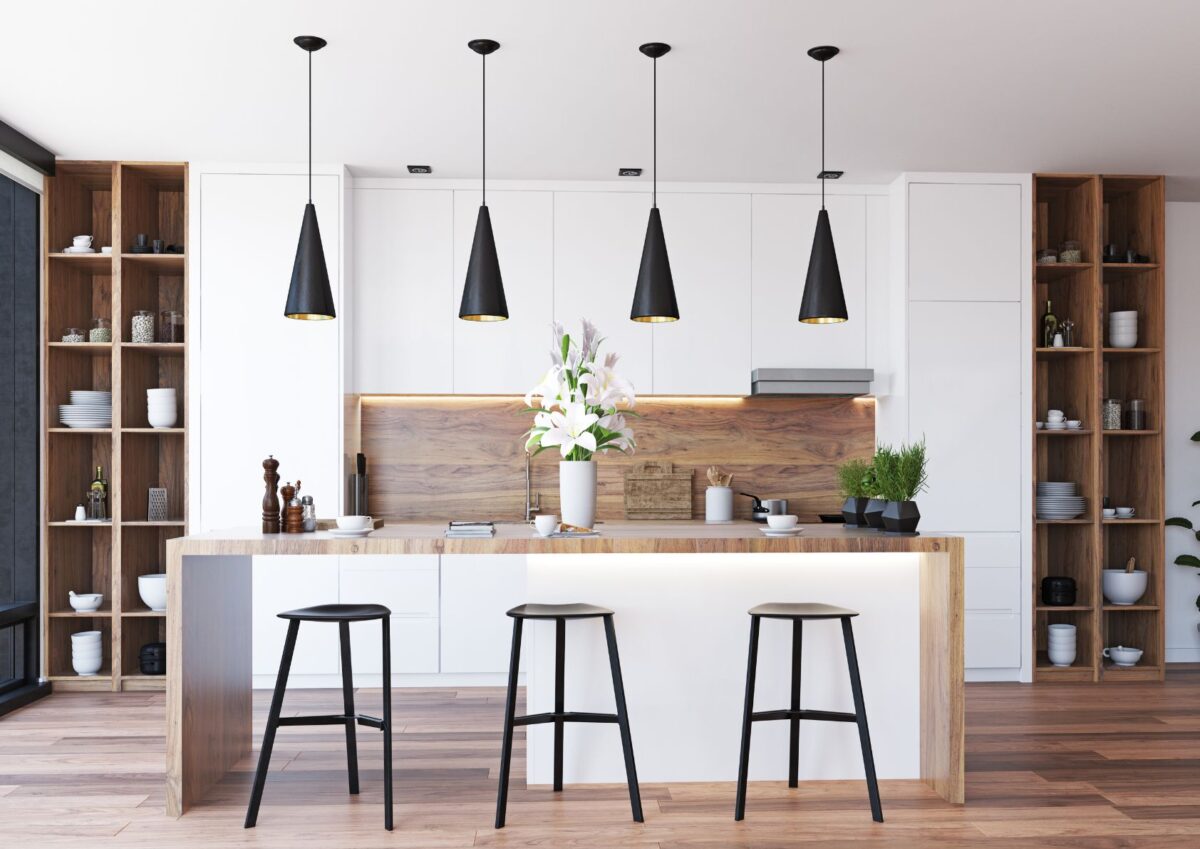
beautiful open kitchen perfectly staged.
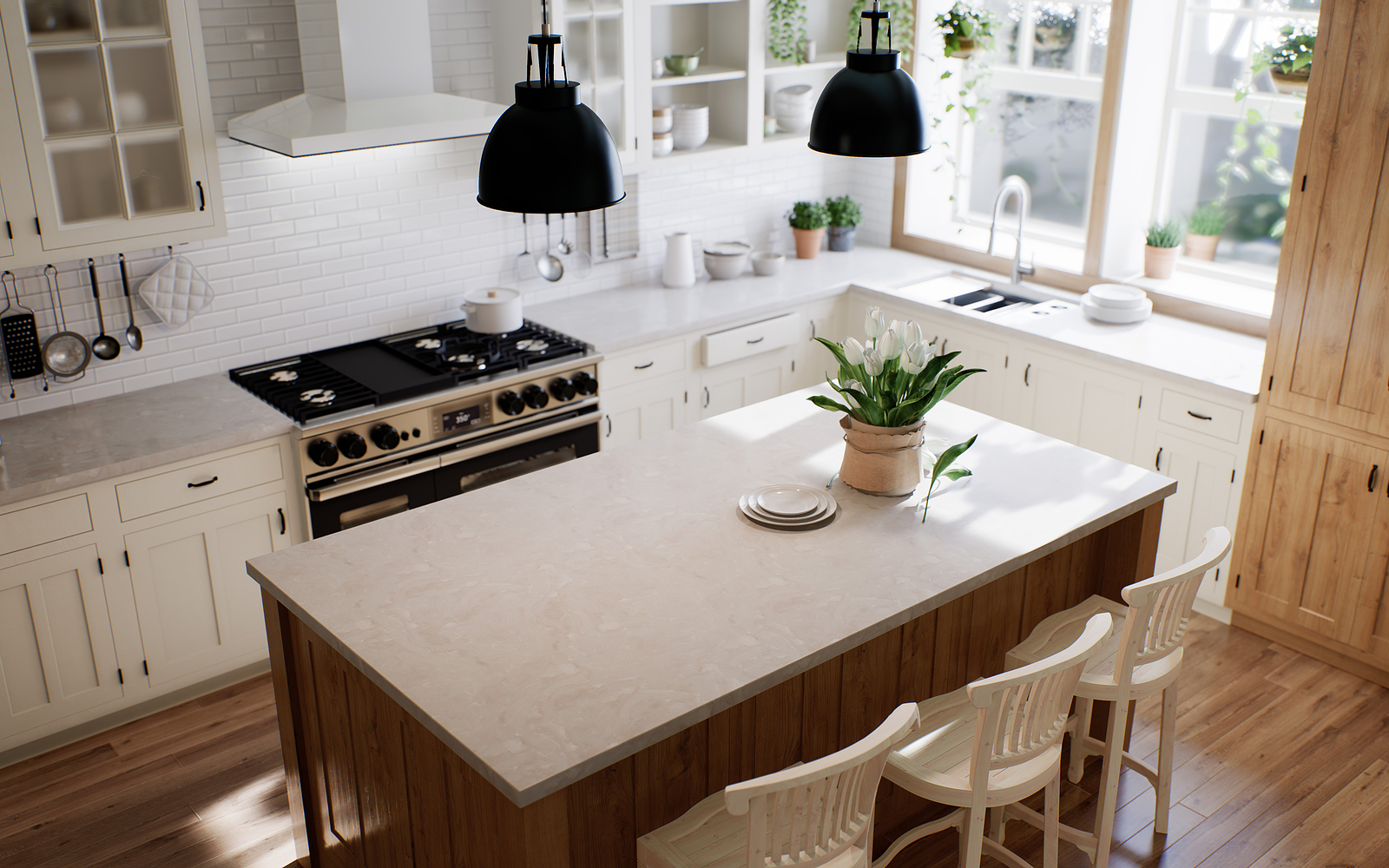
The interior of a large U-shaped kitchen with a wooden front and a large island. Stylish, cozy kitchen with appliances and plants with sun rays. View from the ceiling to kitchen. 3d

Maximize natural light by keeping windows clean and using mirrors to reflect light into darker areas. Maintain your lawn and garden to enhance curb appeal. Create a welcoming entryway, as this is the first impression buyers will have of your home.

By tailoring your home’s staging to each season, you can create a dynamic and appealing environment that resonates with buyers. Small seasonal adjustments can keep your home looking fresh and inviting all year round. The goal is to help buyers see themselves living in your space, so every detail counts.

Home Staging for the Holidays: Maximize Your Home’s Worth

The holiday season is not only a time for festive decorations and joyful celebrations but also an opportune moment to showcase your home in its best light. Whether you’re planning to host gatherings or considering selling your property, effective home staging during the holidays can significantly enhance your home’s appeal. Let’s explore some tips to help you make the most of this festive season and maximize your home’s worth.

Warm Welcome: Curb Appeal Matters

First impressions are crucial, and the exterior of your home sets the tone for what’s inside. Create a warm and inviting entrance by adding seasonal touches. Consider placing a festive wreath on the front door, incorporating tasteful outdoor lighting, and cleaning up the yard. Keep pathways clear and add a seasonal welcome mat to greet potential buyers or guests with a cheerful vibe.

Deck the Halls with Style: Festive Interior Decor

Embrace the holiday spirit by incorporating tasteful decorations that complement your home’s style. Choose a cohesive color scheme that aligns with your existing decor, ensuring a seamless transition between your everyday style and holiday embellishments. Consider adding elegant touches like garlands, candles, and seasonal throw pillows to create a cozy and inviting atmosphere.

Less is More: Avoid Clutter

While it’s tempting to go all out with holiday decorations, remember that less is often more when it comes to home staging. Avoid overwhelming potential buyers or guests with excessive clutter. Opt for subtle and sophisticated decor that enhances your home’s features rather than distracting from them. A well-staged home allows visitors to envision their own holiday celebrations in the space.

Showcase Key Features: Highlight Your Home’s Assets

Use strategic placement of decorations to draw attention to your home’s unique features. If you have a stunning fireplace, consider accentuating it with festive decor like stockings or garlands. For homes with picturesque windows, frame them with tasteful curtains and add a subtle touch of holiday charm. By showcasing your home’s assets, you create a memorable impression that can influence potential buyers positively.

Let There Be Light: Enhance with Lighting

Good lighting can transform the ambiance of any space. Maximize natural light by keeping curtains open during daytime showings, allowing potential buyers to appreciate your home’s brightness. In the evening, create a cozy and inviting atmosphere with strategically placed lamps and soft, warm-toned lighting. Consider replacing harsh, cool-toned bulbs with softer alternatives to enhance the overall warmth of your home.

Festive Fragrance: Appeal to the Senses

Harness the power of scent to create a welcoming atmosphere. Subtle and universally appealing scents like cinnamon, vanilla, or pine can evoke feelings of coziness and warmth. Consider using scented candles, essential oil diffusers, or potpourri to infuse your home with a delightful holiday fragrance. Just be cautious not to overwhelm the space with strong scents, as some individuals may be sensitive to certain odors.

Maintain Neutrality: Appeal to a Broad Audience

While personal touches can make a house feel like a home, it’s essential to strike a balance. Aim for a neutral and universally appealing holiday decor that resonates with a broad audience. This approach ensures that potential buyers or guests can envision themselves in the space, making it more likely that they will connect with your home on an emotional level.

Capture Memories: Display Family Photos Thoughtfully

If you have family photos on display, consider arranging them in a way that feels festive yet tasteful. Frame your memories with holiday-themed frames or incorporate them into a stylish gallery wall. This approach allows you to maintain a personal touch while keeping the overall aesthetic cohesive and appealing to a wide range of tastes.

Conclusion: Elevate Your Home’s Appeal This Holiday Season

By strategically staging your home for the holidays, you can maximize its worth and create a lasting impression on potential buyers or guests. From creating a welcoming exterior to tastefully decorating the interior, these tips will help you showcase your home’s true potential during this festive season. Remember, the key is to strike a balance between holiday cheer and maintaining a neutral, appealing atmosphere that resonates with a diverse audience.