Why Some Homes Sell in Days and Others Sit for Months

This is one of the biggest questions sellers ask.

Why did that house down the street sell right away while another one sat for months?

Most people assume the answer is the market. They blame interest rates, buyers, timing, or bad luck. But most of the time, that is not the real reason.

The truth is usually much simpler.

When you really look at why some homes sell in days and others sit for months, it usually comes down to a few things working together or working against each other. Price. Presentation. Condition. Marketing. Strategy. That is what moves a home or holds it back.

It is rarely random.

One of the biggest reasons homes sit is price.

A seller can have a beautiful home in a good area and still lose momentum if the price is off from the start. Buyers today are not walking into the market blind. They are comparing homes online, watching price changes, and deciding very quickly what feels like a fair value and what does not.

If a home feels overpriced, they do not usually rush in and negotiate. They move on.

That is where sellers get tripped up. They price high thinking they can always come down later. But what they lose in the meantime is the most important thing a new listing gets, which is fresh attention. The first days on the market are when buyers are watching closest. If the price is wrong during that window, the home can lose traction fast.

And once a home starts sitting, buyers notice that too.

They start wondering what is wrong with it. They assume there must be a catch. Even if there is nothing wrong at all, the longer it sits, the harder it becomes to create urgency. That is one of the clearest examples of why some homes sell in days and others sit for months. A home that starts strong often keeps momentum. A home that starts slow usually has to fight to get it back.

Presentation matters just as much.

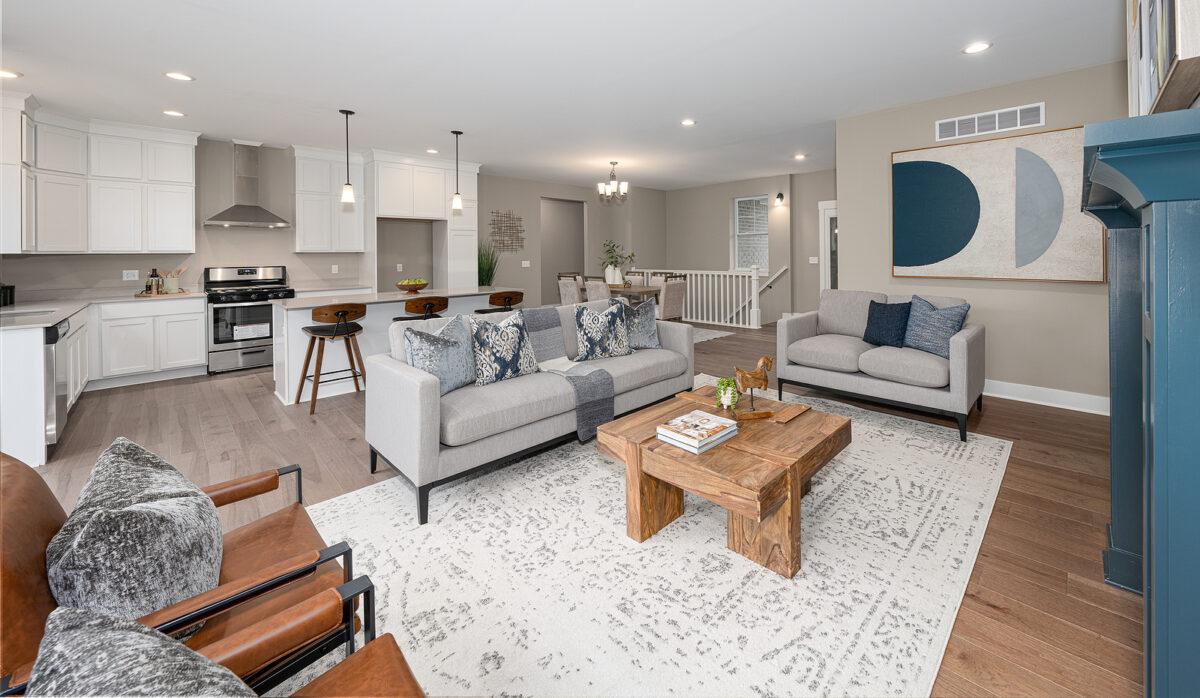
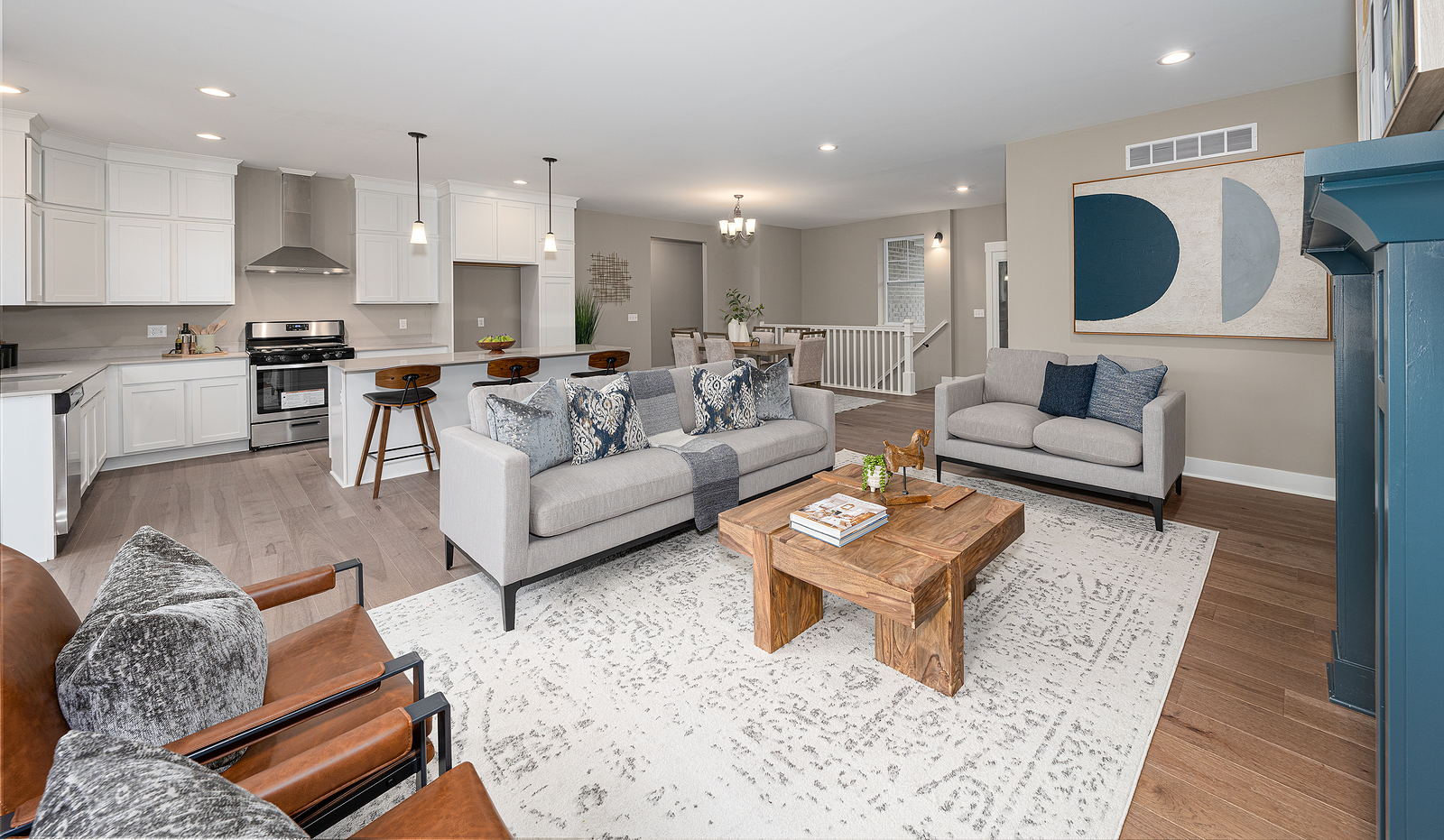
A clean, bright, well-prepared home almost always performs better than one that feels cluttered, dark, or poorly maintained. Buyers are making emotional decisions faster than ever. They know within seconds how they feel walking into a home. If the space feels easy, open, and well cared for, they stay engaged. If it feels crowded, outdated, or off somehow, they disconnect quickly.

This does not mean every seller needs to spend a fortune updating everything.

It usually means doing the simple things well. Decluttering. Cleaning. Fresh paint. Good lighting. Clear room purpose. Small repairs. These things make a huge difference because they help buyers see the house, not the distractions inside it.

That is another big part of why some homes sell in days and others sit for months. One home feels move-in ready. The other feels like work.

Condition also plays a bigger role than sellers want to believe.

Buyers do not expect every home to be perfect, but they do notice signs of neglect. Leaky faucets, stained carpet, chipped paint, broken fixtures, old smells, worn-out landscaping. All of it adds up. Even if the issues seem minor on their own, together they create doubt. And doubt slows buyers down.

People do not pay top dollar for uncertainty.

Then there is marketing, which a lot of sellers underestimate. If the photos are bad, the listing is bad. It really is that simple now. Buyers see the home online first. If the pictures are dark, crooked, grainy, or fail to show the space well, buyers may never schedule a showing at all.

A strong listing does more than put a home online. It presents the home correctly. Good photography. Good description. Good timing. Good exposure. Those things are not extras anymore. They are part of what gets a home sold.

That ties directly into why some homes sell in days and others sit for months. The homes that move quickly usually do not just hit the market. They hit the market prepared.

Strategy matters too.

Some sellers list before the home is truly ready because they want to get moving fast. That often backfires. A rushed listing can cost more than a short delay to prepare it properly. Sellers only get one shot at a strong first impression, and once that window is gone, it is hard to recreate the same energy.

The homes that sell fast usually launch with intention. The sellers knew their competition. They priced based on current listings, not old sales. They fixed what mattered. They cleaned up the presentation. They made it easy for buyers to say yes.

The homes that sit are often the opposite. They launch too high, too messy, too unfinished, or with too much hope and not enough strategy.

And then the market starts teaching hard lessons.

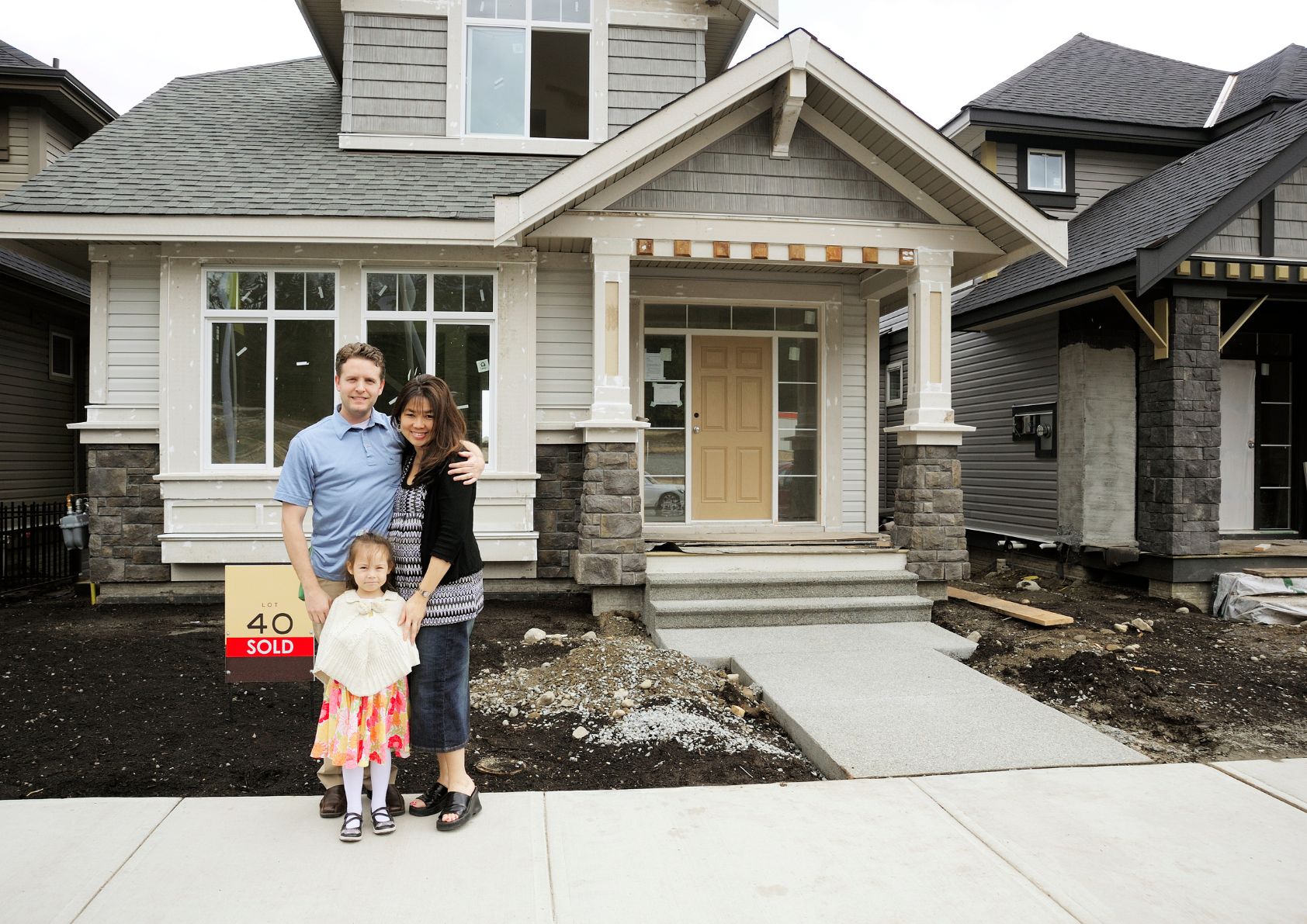
Young caucasian couple showing keys of their first house after purchase and moving to new home together. happy husband and wife hugging in their apartment excited to be owners of a apartment.

That is really the bottom line. When people ask why some homes sell in days and others sit for months, the answer is usually not mysterious. It is not about luck. It is not about chasing the perfect week to list. It is about how well the home was positioned from the beginning.

A home that is priced right, presented well, marketed properly, and launched with a plan has a much better chance of selling quickly.

A home that misses on those things usually sits.

And the longer it sits, the more expensive the mistake becomes.

Presentation Beats Renovation: Why Clean, Staged, and Well-Positioned Homes Win

Detroit, Michigan -USA- November 10, 2022: new home has been staged and is ready for sale

Many homeowners preparing to sell believe the same thing.

If they renovate enough, they will sell for more.

It sounds logical. Spend money, upgrade the home, increase the price.

But in today’s market, that approach often misses the mark.

In 2026, buyers are not just looking at finishes. They are reacting to how a home feels the moment they walk in. That is why presentation beats renovation more often than sellers expect.

A clean, well-prepared home frequently outperforms one with expensive upgrades that do not match buyer taste.

Buyers are not walking through a property calculating renovation costs. They are making quick emotional decisions. Does this feel right? Can I see myself living here? Is this easy?

That reaction happens fast.

And it has very little to do with how much money was spent.

This is where presentation beats renovation becomes clear. A bright, open, uncluttered home creates a stronger connection than one filled with high-end materials that feel too specific or overly customized.

Buyers want clarity, not complexity.

Decluttering is one of the simplest and most effective steps. When rooms are filled with personal items, oversized furniture, or distractions, buyers struggle to understand the space. Their focus shifts away from the home and onto everything inside it.

When those items are removed, the home becomes easier to read.

Buyers can see the layout. They can imagine their own furniture. They can picture their life in the space. That shift in perception is powerful.

It costs very little, but the impact is immediate.

Neutral presentation works the same way. Bold colors, unique finishes, and highly personalized design choices may reflect your style, but they do not always translate to broad appeal.

Neutral tones create a clean backdrop.

They allow buyers to project their own preferences without resistance. Instead of questioning whether they need to repaint or redesign, they can focus on the home itself.

Again, presentation beats renovation because it removes friction.

Light cosmetic updates can also go a long way. Fresh paint, updated lighting, clean flooring, and minor repairs improve how a home shows without requiring major investment.

These changes signal care and maintenance.

Buyers are more comfortable making offers on homes that feel well kept. They do not expect perfection, but they do expect condition. Addressing visible issues creates confidence and reduces hesitation.

Confidence leads to stronger offers.

Clear room purpose is another factor that often gets overlooked. Buyers move through a home quickly. If a space feels confusing or undefined, they spend energy trying to figure it out instead of appreciating it.

Simple staging solves this.

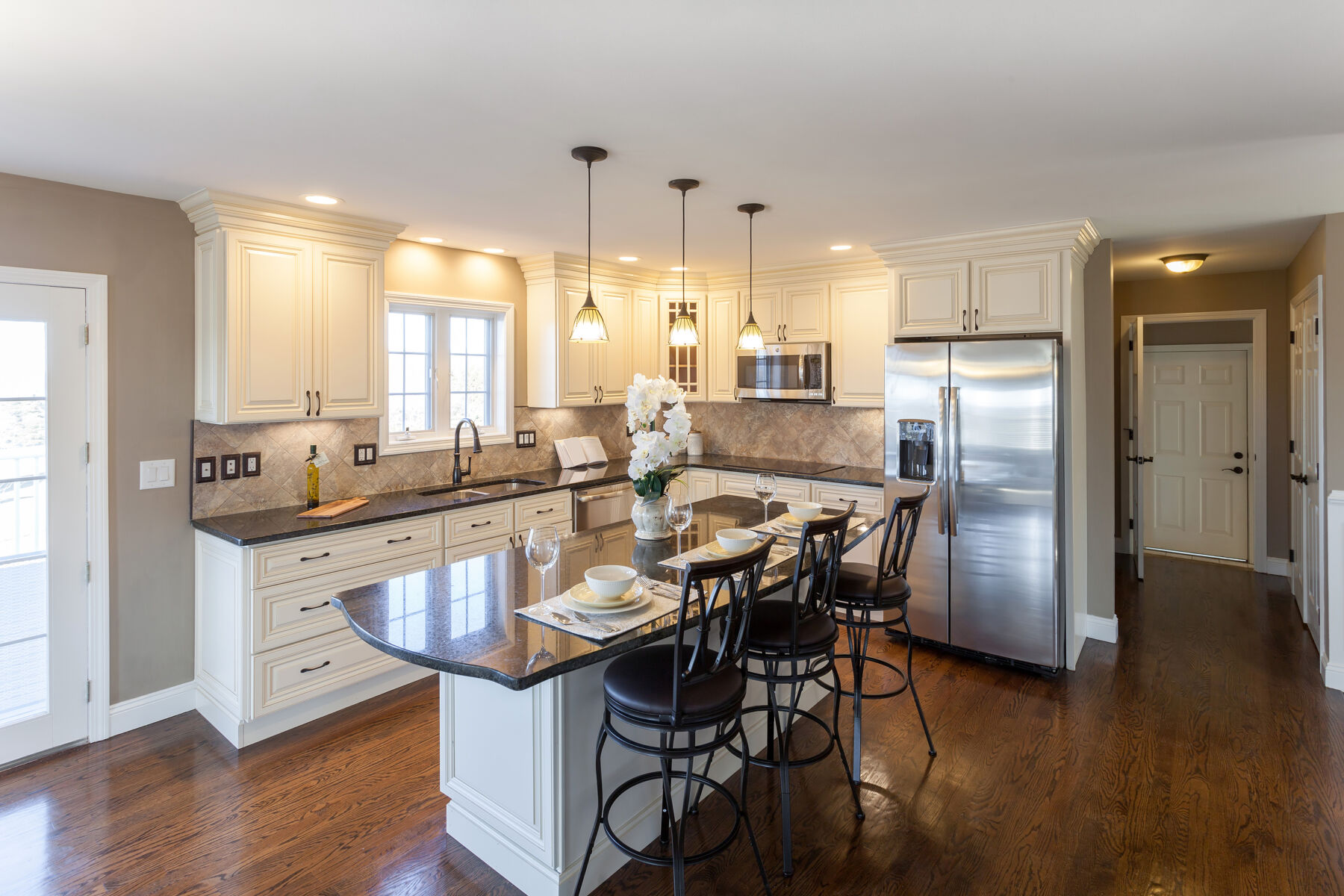
Beautiful staged kitchen room in a modern house with granite countertops and antique finished cabinets.

A bedroom should feel like a bedroom. A home office should feel usable. Living areas should feel open and functional. When each space has a clear role, the home becomes easier to understand.

That understanding supports decision-making.

Homes that are clean, staged, and thoughtfully prepared tend to feel more inviting. They create a sense of ease. Buyers can move through them without distraction or doubt.

That feeling matters more than upgraded countertops or expensive fixtures.

This is not to say renovations never help. In some cases, they are necessary, especially when a home has major issues or is significantly outdated. But for many sellers, large remodels before listing do not return their full cost.

Buyers rarely pay dollar for dollar for upgrades.

They compare homes within a price range. If a renovated home is priced above similar listings, buyers often choose the better value instead. That leaves sellers with higher expenses and limited return.

This is where presentation beats renovation becomes a financial strategy, not just a design choice.

Focusing on how the home shows, rather than how much was spent, often leads to better results. Cleanliness, simplicity, and clarity create stronger first impressions and better overall positioning.

Buyers respond to homes that feel easy.

Easy to walk through. Easy to understand. Easy to imagine living in.

Those qualities drive interest, showings, and offers.

Before committing to major renovations, it is worth asking a simple question. Will this improvement make the home easier for buyers to connect with, or just more expensive?

The answer often leads back to the same conclusion.

In today’s market, the homes that perform best are not always the most upgraded.

They are the ones that are presented the best.

Renovate or Leave It Alone? How to Decide What Actually Pays Off

If you are preparing to sell, one of the first questions you will face is simple but expensive: renovate or leave it alone?

It sounds straightforward. Improve the home, increase the value, sell for more.

But real estate rarely works in straight lines.

Not every improvement adds value. Not every upgrade pays you back. And sometimes the smartest move is doing less, not more.

That’s why the decision to renovate or leave it alone should start with return on investment, not emotion.

Many homeowners overestimate what buyers will pay for upgrades. You may love the new countertops. You may have spent months choosing the perfect tile. But buyers do not reimburse sellers dollar for dollar.

They compare homes.

If your upgrades push the price beyond competing listings, buyers often choose the more reasonably priced option instead. Even high-end renovations can fail to generate strong returns if they do not match neighborhood expectations.

The market sets the ceiling.

One of the biggest misconceptions is that full remodels are necessary before listing. In reality, major renovations rarely return 100 percent of their cost. In some cases, they return far less.

Buyers typically pay for condition and functionality, not personalization.

This is where the renovate or leave it alone conversation becomes practical. Ask whether the improvement solves a real buyer concern or simply updates aesthetics.

Fresh paint, clean flooring, modern lighting, and minor repairs often deliver better returns than kitchen overhauls or luxury bathroom redesigns. These updates improve presentation without overspending.

Cosmetic improvements tend to outperform structural remodels in resale scenarios.

Another factor is timing. Large renovations take time. Permits, contractors, delays, and unexpected expenses are common. If the goal is to sell within months, a major remodel can slow down the process and increase carrying costs.

Mortgage payments, insurance, utilities, and taxes continue while work is being completed. Those expenses reduce any potential profit from the upgrade.

When weighing renovate or leave it alone, timeline matters just as much as budget.

There is also the issue of buyer taste. Design trends move quickly. What feels modern today may feel dated in a few years. Highly specific materials, bold color choices, or luxury finishes can narrow the buyer pool instead of expanding it.

Neutral, clean, and move-in ready almost always wins.

Buyers want to imagine themselves living in the home. Overly customized upgrades can make that harder. Simple, uncluttered spaces tend to feel more flexible and appealing.

Another reality is that some upgrades actually reduce buyer interest. Removing bedrooms to create larger suites, eliminating storage for open space, or converting garages into living areas can hurt resale value depending on the market.

Function matters.

The safest approach when deciding whether to renovate or leave it alone is to evaluate improvements based on three questions. Does it solve a visible issue? Does it align with what buyers expect in this price range? Will it increase buyer confidence?

If the answer is no, reconsider.

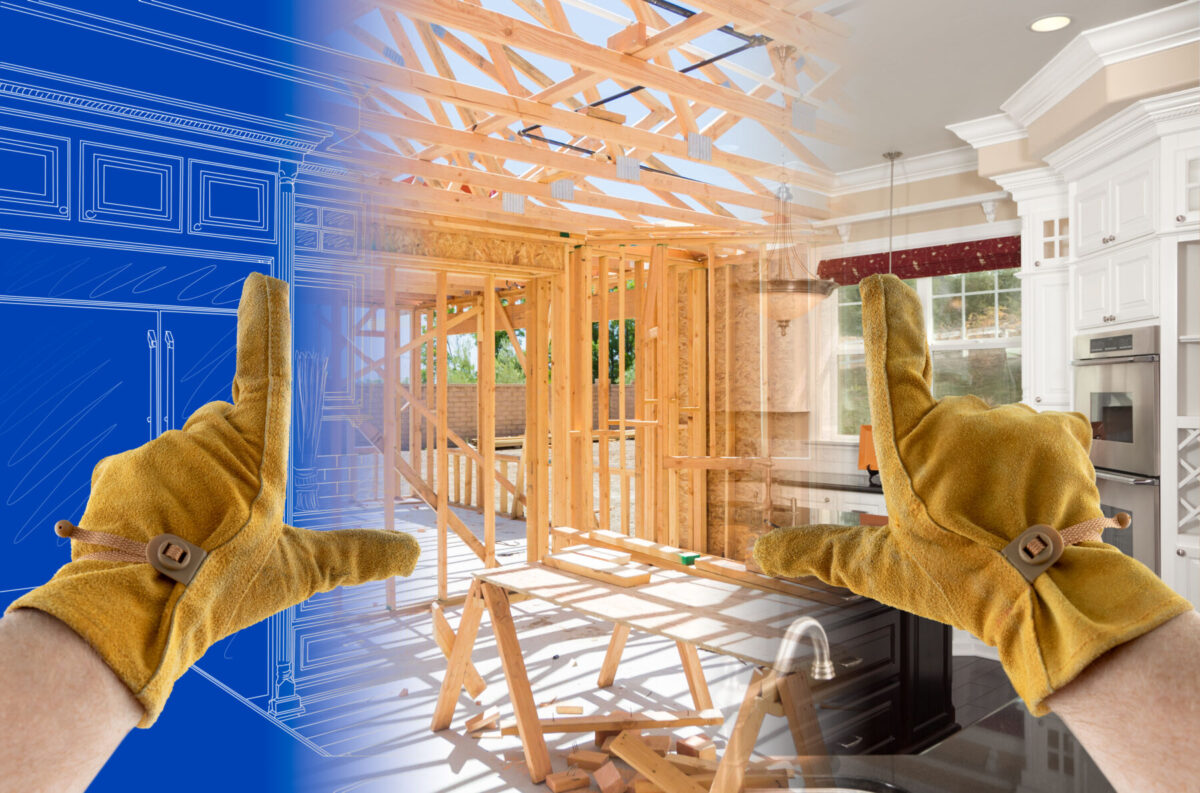
Young man and woman together planning their home renovation. Cardboard boxes, painting tools and materials on floor. House remodeling and interior renovation. People looking at blueprint at home.

Sometimes the most profitable decision is focusing on presentation instead of construction. Deep cleaning, decluttering, staging, landscaping, and small repairs often create stronger first impressions than expensive remodels.

Buyers respond to homes that feel well maintained and easy to move into. They do not require perfection. They require clarity and confidence.

It is also important to consider opportunity cost. Money spent on renovations could instead be used toward your next purchase, savings, or investment. Tying up funds in upgrades that do not significantly increase value limits flexibility.

Smart sellers understand that maximizing net proceeds is not the same as maximizing list price. Spending $40,000 to gain $20,000 in perceived value is not a winning strategy.

This is why the renovate or leave it alone decision should always be rooted in math, not emotion.

If a home is structurally sound, clean, and functional, light improvements often outperform heavy remodeling. Buyers expect normal wear and minor updates. They discount for major defects, not cosmetic preferences.

Before committing to any project, step back and look at competing listings. What condition are they in? What features are standard at your price point? What are buyers already accepting?

Let the market guide you.

In many cases, doing less protects your profit. Small, targeted improvements paired with strong presentation and accurate pricing usually outperform dramatic renovations.

When preparing to sell, the goal is not to build your dream home. It is to position the property effectively for today’s buyer.

Sometimes the best upgrade is restraint.

The Ultimate Year-End Checklist for Home Sellers

As the year winds down, many homeowners wonder if it’s the right time to sell or prepare for the spring market. The truth is that year-end offers unique opportunities to maximize your home’s appeal and attract serious buyers. A well-planned strategy can make all the difference, whether you’re planning to list now or soon. In this guide, we’ll walk you through the ultimate year-end checklist for home sellers, offering actionable tips to prepare your property for success.

Declutter and Deep Clean Your Space

Modern kitchen with an island. The picture on the wall is my own photograph.

One of the easiest ways to make your home market-ready is to thoroughly declutter and deep clean it.

  • Why It Matters: A clean, organized space allows buyers to envision themselves living in your home. Clutter and mess can distract from your home’s best features.
  • What to Do: Sort items into “keep,” “donate,” and “discard” piles. Clean every nook and cranny, focusing on high-touch areas like light switches and door handles. Don’t forget to clean windows for maximum light and shine!

Pro Tip: Consider hiring a professional cleaning service for a polished, move-in-ready feel.

Tackle Essential Repairs and Maintenance

Before you list, take care of any necessary repairs or maintenance tasks to avoid deterring potential buyers.

  • Inspect Key Areas: Pay close attention to your HVAC system, plumbing, and roof. These are major points of interest for buyers during inspections.
  • Simple Fixes Add Up: Repair squeaky doors, patch up holes in the walls, and replace burnt-out lightbulbs. Small fixes can make your home feel well-maintained and cared for.

Pro Tip: If time allows, schedule a pre-inspection to address any hidden issues before a buyer’s inspection.

Boost Your Curb Appeal

First impressions matter, and your home’s exterior is the first thing buyers see.

Nice curb appeal of grey house with garage and driveway. Column porch with American flag. Northwest USA

  • Enhance Landscaping: Trim bushes, remove dead leaves, and consider adding seasonal flowers or greenery.
  • Upgrade Your Entryway: Repaint your front door, update outdoor lighting fixtures, and replace worn-out welcome mats. These small updates can add significant charm.

Pro Tip: Add holiday lights or a tasteful wreath to create a warm, inviting vibe during the winter months.

Stage Your Home for the Season

Staging helps buyers imagine themselves living in your space, and seasonal touches can enhance the ambiance.

  • Keep It Neutral: Opt for light, neutral decor with subtle seasonal accents like throw blankets, candles, or holiday centerpieces. Avoid overly personal or religious decorations.
  • Maximize Lighting: Winter days are shorter, so ensure all rooms are well-lit. Use warm lighting to create a cozy atmosphere.

Pro Tip: Highlight cozy features like fireplaces or reading nooks, as they appeal to buyers during colder months.

Price It Strategically

Pricing your home correctly is critical, especially in a competitive market.

  • Research the Market: Work with a real estate professional to analyze comparable homes in your area and determine a competitive price.
  • Consider Timing: Year-end buyers are often motivated by deadlines like tax advantages or job relocations, making them more willing to close quickly.

Pro Tip: A well-priced home generates more interest, potentially leading to multiple offers.

Partner with a Real Estate Expert

Navigating the real estate market can be challenging, but a knowledgeable agent can guide you through every step.

  • Why You Need an Expert: They’ll help you with pricing, marketing, negotiations, and ensuring all paperwork is in order.
  • Choose Wisely: Look for an agent with a strong track record and knowledge of year-end market trends.

Pro Tip: Leverage your agent’s expertise to target serious buyers who are ready to close quickly.

Happy family with agent realtor near new house.

Plan for a Smooth Closing

The closing process can be stressful, but preparation can ensure everything runs smoothly.

  • Get Documents Ready: Organize necessary paperwork like your mortgage statement, property taxes, and any renovation receipts.
  • Be Flexible: Keep in mind that year-end buyers may have tight timelines. Being accommodating can help finalize the deal.

Pro Tip: Discuss potential timelines with your agent to set realistic expectations for closing.

Conclusion
Selling your home during the year-end season can be a strategic move with the right preparation. By following this ultimate year-end checklist for home sellers, you’ll position your home to stand out in the market and attract motivated buyers. Remember, a little effort now can yield big rewards later!

If you’re considering selling your home, now is the perfect time to start checking off these tasks and ensuring a smooth, successful sale.