
Think Like an Investor, Even If This Is Your Forever Home

A lot of buyers say the same thing when they find the house they want.

“This is our forever home.”

Maybe it is. Maybe it is not.

Life changes. Jobs change. Families grow. Kids leave. Health changes. Priorities shift. What feels permanent today may not fit the same way ten years from now.

That is why it helps to think like an investor, even if you are buying a home you fully expect to keep for a very long time.

This does not mean treating your home like a cold business deal. It does not mean stripping all joy out of the process or choosing a house you do not love just because the spreadsheet says it makes sense. It means understanding that a home is both personal and financial at the same time.

The smartest buyers respect both sides.

When people hear the phrase think like an investor, they often assume it only applies to rental properties, flips, or people building wealth through real estate on purpose. But the truth is, every home purchase has long-term financial consequences whether you think about them or not.

You are putting money into an asset. You are taking on costs, risk, and responsibility. You are making decisions that affect future flexibility.

That deserves a little strategy.

One of the first ways to think like an investor is to pay attention to location in a practical way. Not just whether you personally like the street or the drive to your favorite coffee place, but whether the area has staying power. Are people drawn to it? Are there things that make it consistently desirable, such as access, schools, amenities, walkability, or stability? The features that hold value over time matter, especially if life forces a change you did not plan for.

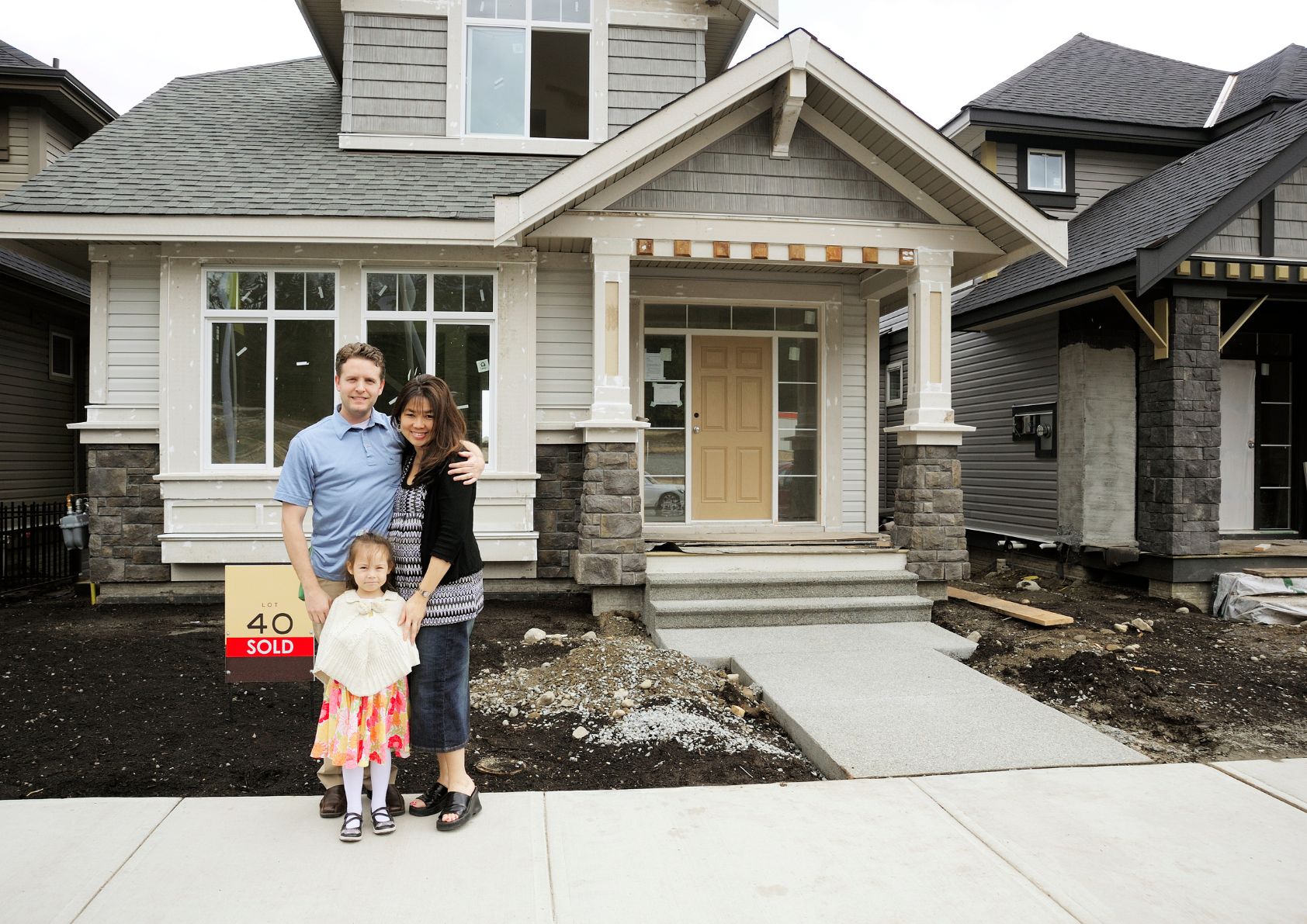
Young couple buying a home.

A forever home still benefits from being in a place other people would want too.

Layout matters the same way.

A home can be beautiful and still be harder to sell later if the floor plan is awkward, the bedroom count is limited, or key spaces do not function well. Buyers often get distracted by finishes because countertops and fixtures are easier to notice than flow. But layout is what affects how a home lives day to day and how broadly it appeals later.

That is another reason to think like an investor. Timeless function usually holds value better than trend-driven style.

The same goes for upgrades.

A lot of homeowners pour money into improvements assuming every dollar spent increases value. It does not. Some updates are smart. Some are neutral. Some quietly make a home harder to sell because they are too personal, too expensive for the area, or too specific in taste.

Thinking strategically does not mean never improving your home. It means asking better questions before you do. Will this make the home more usable? Will it solve a real issue? Will it help the property age well? Or is it simply something I want because I like it?

There is nothing wrong with the second answer. But it helps to know the difference.

When you think like an investor, you start separating what adds lifestyle value from what adds market value. Sometimes those overlap. Sometimes they do not. That clarity helps you make stronger decisions.

Another part of this mindset is understanding monthly cost beyond the mortgage.

A home may technically fit your budget and still not be a great financial move if taxes, insurance, utilities, maintenance, and future repairs stretch you too far. Investors look at the full cost picture. Homeowners should too. A forever home should still leave room for living.

The goal is not to be house-rich and life-poor.

This matters because even a home you love can become stressful if the financial pressure is constant. That pressure limits options later. It affects how easily you can move, refinance, renovate, or adapt if life changes.

That is why it is wise to think like an investor before you buy, not after you feel stuck.

There is also the question of resale, even if you swear you will never sell.

Most people do not buy a house planning for divorce, relocation, job loss, caregiving, or unexpected opportunity. But those things happen every day. The home that felt like a forever choice can become a five-year choice or a ten-year choice very quickly.

That does not mean buying defensively. It means staying aware.

Would this home appeal to more than just me? Does it have broad strengths? If I had to sell in a different market, would it still stand out? Those are smart questions, not pessimistic ones.

When you think like an investor, you are not betting against your own future in the home. You are protecting yourself if the future changes.

And honestly, there is freedom in that.

It means you can enjoy the home you love while also knowing you bought with your eyes open. You did not just chase emotion. You paired emotion with judgment. You considered not only what feels good today, but what still makes sense tomorrow.

That is a much stronger place to buy from.

A home should absolutely feel personal. It should fit your life. It should feel like somewhere you want to wake up, host people, build routines, and make memories. But it should also make sense as an asset. Those two things are not in conflict. In fact, the best home decisions usually come from balancing both.

So yes, buy the house that feels right.

Just make sure you also think like an investor while you are doing it.

Because even if this really is your forever home, smart decisions never go out of style.

The New Commute in Real Estate: How Remote Work Changed What “Location” Means

For decades, one phrase defined real estate decisions.

Location, location, location.

Traditionally that meant one thing. How close a home was to work. Commute distance shaped where people lived, how much they paid, and how they evaluated neighborhoods.

But that definition has changed.

Today, the new commute in real estate looks very different than it did even a few years ago. Remote and hybrid work have reshaped how buyers think about location, and many people now evaluate time, flexibility, and lifestyle just as much as distance.

The office is no longer the only center of daily life.

For many buyers, commuting five days a week is no longer the reality. Some people work from home full time. Others travel to an office only a few days a week. This shift has given buyers something they rarely had before: choice.

When daily travel becomes less frequent, location decisions open up.

Instead of focusing only on proximity to a workplace, buyers start asking different questions. How much space do we want? How important is outdoor living? What type of community fits our lifestyle?

The answers often lead to different neighborhoods than buyers would have considered in the past.

Understanding the new commute in real estate means recognizing that time has become more valuable than distance. A longer drive once or twice a week may feel acceptable if it provides more space, quieter surroundings, or better affordability.

For many people, that trade-off is worth it.

Lifestyle has become a stronger driver of housing decisions. Buyers are looking for homes that support daily living, not just quick access to downtown offices. Home offices, flexible spaces, and comfortable living environments now rank high on many wish lists.

Laptop computer, phone and coffee in the garden – freelance or remote work concept. small depth of field, focus on the keyboard

The home itself has become part of the work environment.

This shift also changes how buyers evaluate square footage. A dedicated workspace can matter more than a formal dining room. Natural light, quiet areas, and layout flexibility can influence decisions more than traditional features.

Buyers are thinking about how the home functions throughout the entire day.

Another effect of the new commute in real estate is how people evaluate neighborhoods. Walkability, outdoor recreation, and nearby amenities often become more important when people spend more time close to home.

If work no longer requires a daily drive into the city, buyers may prioritize parks, local restaurants, or community spaces instead.

The rhythm of daily life changes.

Affordability also plays a role in this shift. Areas that were once considered too far from employment centers may now feel accessible when commuting happens less often. Buyers sometimes discover they can purchase more home or better property in locations they previously overlooked.

This expands the range of possibilities.

At the same time, proximity to transportation still matters for many people. Hybrid workers often want options. Being able to reach an office, airport, or transportation hub within a reasonable time remains important.

But the calculation is different.

Instead of asking, “How far is the office?” buyers increasingly ask, “How much time will commuting take when I actually need to go?” That subtle difference changes how properties are evaluated.

Time becomes the key measurement.

Recognizing the new commute in real estate also helps sellers understand what buyers value today. Homes with flexible layouts, quiet workspaces, and comfortable living areas often appeal to people balancing both home life and professional responsibilities.

Buyers imagine themselves living and working in the space.

This doesn’t mean location has lost its importance. It simply means the definition of location has expanded. Instead of focusing on distance alone, buyers consider lifestyle, environment, and long-term convenience.

Location still matters.

It just means something different now.

For anyone buying or selling today, understanding the new commute in real estate provides useful perspective. Housing decisions are no longer centered only on where people work. They are centered on how people live.

The home has become more than a place to return to after work.

For many people, it is now where work begins.

The 8 Seconds You’ll Love a Home

Find the home you love in 8 seconds you know

When buyers walk into a property for the first time, something interesting happens.

Within moments, they already know how they feel about it.

That first reaction often takes less than ten seconds. It happens before they see every room. Before they look at square footage. Before they think about resale value.

Those first few seconds shape everything that follows.

This is what people mean when they talk about the 8 seconds you’ll love a home. It is the moment your brain decides whether the space feels right or wrong.

That reaction is not random.

It is influenced by first impressions, layout, light, and something harder to measure — instinct.

When buyers step through the front door, their senses go to work immediately. They notice light levels, the openness of the space, the temperature, the smell, and the overall atmosphere. These details form a quick emotional picture before logic has time to catch up.

That is why the 8 seconds you’ll love a home often feel so powerful. Emotion arrives before analysis.

One of the biggest drivers of that first impression is layout. Buyers respond quickly to how a home flows from one space to another. If the entry feels cramped, confusing, or blocked, it creates hesitation. If the layout feels open and intuitive, people relax.

Flow matters more than size.

Beautiful staged kitchen room in a modern house with granite countertops and antique finished cabinets.

Two homes with the same square footage can feel completely different depending on how the rooms connect. A well-designed layout allows people to move naturally through the space without thinking about it. When movement feels easy, the home feels comfortable.

That comfort often shows up during the 8 seconds you’ll love a home.

Light is another major factor. Natural light has an immediate effect on mood and perception. Bright spaces feel larger, cleaner, and more welcoming. Dark spaces can feel smaller and heavier even if the dimensions are the same.

Buyers may not consciously say, “This home has good light,” but their reaction reflects it.

Sunlight through windows, balanced lighting, and clear sightlines all contribute to that first emotional response. When a space feels bright and open, buyers often want to keep exploring.

That initial curiosity starts in the 8 seconds you’ll love a home.

Clutter also plays a role. When a home is crowded with furniture, personal items, or visual distractions, buyers struggle to understand the space quickly. Their attention goes to objects instead of the layout.

Clean, simple rooms allow buyers to absorb the home itself.

That clarity makes a strong first impression because it helps buyers imagine their own life in the space. When people can picture themselves living there, the emotional connection grows.

And emotional connection is what drives most home decisions.

Buyers often think they are evaluating homes purely with logic. Price, size, location, and condition all matter. But those factors usually come after the emotional reaction.

First the brain asks, “Do I like this?”

Then it asks, “Can I make this work?”

The 8 seconds you’ll love a home happen before any spreadsheets or mortgage calculations enter the conversation.

This gut reaction is not always perfect, but it is powerful. Many buyers remember the exact moment they walked into the home they eventually purchased. Something about the space felt right.

Sometimes it is the light. Sometimes it is the layout. Sometimes it is the feeling of calm or possibility.

Those reactions are difficult to quantify, but they influence decisions more than people realize.

This is also why first impressions matter so much when selling. Buyers form an opinion quickly, and once that opinion forms, it tends to stick. A strong first impression creates curiosity and excitement. A weak one can make buyers mentally move on before seeing the full home.

Understanding the 8 seconds you’ll love a home helps buyers recognize why certain properties stand out. It also helps sellers understand why preparation and presentation matter.

Homes that feel open, bright, and easy to understand create better first impressions.

That first moment sets the tone for everything that follows.

When the initial feeling is positive, buyers begin imagining possibilities. They notice features instead of flaws. They picture where furniture might go. They begin to see themselves living there.

And often, that entire process begins in the first few seconds after the door opens.

Negotiation power is back for buyers: how to ask for credits, repairs, rate buydowns, and timelines without killing the deal

For the past few years, many buyers felt like they had one job: compete. Offers were rushed, contingencies were trimmed, and sellers often picked the cleanest contract over the best terms. In many markets, that pressure has eased. Inventory has improved in some areas, days on market have stretched, and more sellers are willing to discuss terms again. That shift is meaningful because it gives buyers options beyond price.

The goal is not to “win” a negotiation. The goal is to buy a home with terms you can live with, while still making the seller feel confident the deal will close. When you ask the right way, you can request credits, repairs, rate buydowns, and timelines without turning the transaction into a fight.

Start with the right mindset and the right data

The biggest mistake buyers make when they feel Negotiation power returning is asking for everything at once, with no structure, and no reason tied to the property. Sellers rarely react well to a long list that feels like a price reduction disguised as “just questions.”

A better approach is to anchor your requests to facts. Use inspection findings, bids from licensed vendors when appropriate, comparable sales, and market conditions. Your real estate agent can help you pick the few items that matter most, present them clearly, and keep the tone professional.

It also helps to remember what sellers want. They want certainty, speed, and a clean path to closing. When your requests are clear and your contract stays realistic, sellers are more likely to cooperate.

Credits versus repairs: choose the option that fits the situation

Personal loan application form excellent credit score with calculator, dollar money, and pen

Buyers often hear “ask for repairs,” but credits can be the smarter move in many cases.

Repairs make sense when the issue is specific, important, and easy to verify. Examples include a safety concern, a roof leak, an electrical problem, or a plumbing defect. If the fix is straightforward, the seller can handle it before closing and provide documentation. That reduces risk for both sides.

Credits make sense when the buyer wants control over the work, the timing, or the contractor. Credits can also be easier for sellers who are already moved out, are managing an estate, or simply do not want the responsibility of coordinating repairs. Instead of demanding a list of changes, you negotiate a dollar amount, and the buyer completes the work after closing.

If you are deciding between the two, ask your agent two practical questions. First, will a lender or appraiser require this to be fixed before closing. Second, will this problem make the home harder to insure. If either answer is yes, repairs may be the cleanest path. If the answers are no, a credit may keep the deal smoother.

How to ask for a rate buydown without confusing the seller

A rate buydown is a concession that helps reduce the buyer’s interest rate for a period of time, often through a temporary buydown such as a 2 1 arrangement, or by using funds to reduce the rate through lender pricing. Your lender must confirm what is available and what the cost would be.

Here is the key: sellers do not need a lesson in lending. They need a simple request with a clear number and a clear reason. Your agent can present it as a concession that supports affordability and increases the likelihood of closing on time.

A clean way to frame it is to connect the request to the seller’s goal. Instead of saying “we need you to pay down our rate,” say that you are asking for a seller contribution that will be applied to financing costs, and that it helps you keep the purchase price stable while improving monthly payment comfort. Sellers often prefer this to a straight price cut because it can keep the headline price intact, while still helping the buyer.

Timelines and flexibility: the quiet negotiation that saves deals

Business people negotiating a contract. Human hands working with documents at desk and signing contract.

When buyers think about negotiation, they usually focus on money. Timelines can be just as valuable, and sometimes they are easier for a seller to agree to.

Common timeline requests include a longer inspection window, extra time to secure financing, a later closing date, an earlier closing date, or a rent back period if the seller needs time to move. These terms can lower stress and reduce the chance of a failed closing.

If you want timeline flexibility, make it easy for the seller to say yes. Offer clear dates, not vague ranges. Explain why the timeline matters, and show that you are still committed to closing. If you need an extended close, pair it with strong proof of funds or a solid lender letter. If you want a quicker close, show that underwriting is already moving and that you have the capacity to perform.

This is where Negotiation power can work in your favor without creating conflict. A seller may resist a large credit request, but agree to a closing date that helps you avoid paying rent and a mortgage at the same time. That is a win that does not feel like a loss to the seller.

Keep requests focused so the seller does not feel cornered

One of the fastest ways to kill a deal is to make the seller feel like the goalposts are moving. Buyers submit an offer, get accepted, then come back with a second negotiation that feels like an entirely new transaction. Sellers can react emotionally, especially if they have already started planning their move.

To avoid that, focus your requests on the items that truly change the value, safety, or livability of the home. Rank your priorities and lead with the top two or three. If you include small cosmetic issues, it can weaken your credibility and make the seller less cooperative on the big items.

Your agent can also structure the request in a way that gives the seller choices. For example, you might request either a specific repair or a credit in a similar amount. Options reduce tension because the seller can pick the path that feels easiest.

How to phrase the ask so it sounds reasonable

Tone matters more than most buyers expect. Even when you have leverage, you do not need to sound aggressive to get results.

A solid request is calm, specific, and supported by evidence. It also signals that you want the deal to close.

Here is what that looks like in practice.

You reference the inspection finding, you include a quote if appropriate, and you ask for a defined solution. You keep the language neutral. You avoid blame. You end with a statement that you remain excited about the home and want to move forward.

This approach reinforces Negotiation power while still protecting the relationship, and relationships matter because most deals require cooperation all the way through closing.

Know when to push and when to protect the deal

Not every request is worth the risk. If you are buying a home that is truly unique, priced correctly, and still has other interest, you may want to be selective. If the home has been sitting, has had a price reduction, or has obvious condition issues, you can often be more assertive.

The best strategy is to decide your must haves before you negotiate. If you must have a roof repaired for insurance, that is not optional. If you would like a credit for a dated bathroom, that may be negotiable. When you separate needs from wants, your requests become clearer and your deal becomes stronger.

In many markets, Negotiation power is giving buyers more room to create a contract that fits their finances and their risk tolerance. The buyers who do best are not the loudest. They are the most organized. They ask for the right things, in the right way, at the right time, and they keep the transaction moving forward.

If you are preparing to buy, talk with your real estate agent and lender early about what matters most to you, what concessions are realistic in your price range, and how to write requests that protect both the home and the deal.

Buyer-broker agreements: what buyers need to know now before touring

If you are planning to buy a home, you may notice something different the first time you ask an agent to schedule showings. Many buyers are now asked to sign a written agreement before they tour a home with an agent, including live virtual tours. This is meant to make the working relationship clear from the start, including what services you will receive and how the agent will be paid.

A simple way to think about it is this: Buyer-broker agreements are designed to reduce confusion. They put the expectations in writing before you start viewing homes, writing offers, or negotiating repairs, so you understand your agent’s role and the compensation terms that go with that work.

What the agreement is, and why it shows up early

A written buyer agreement is an agreement between a buyer and a real estate professional that outlines the services the professional will provide and what they will be paid for those services. The timing is what surprises people. Many buyers expect paperwork closer to the offer stage, but the current standard in many markets is that the agreement is signed before touring homes with an agent.

It also helps to understand what does not require an agreement. If you are visiting an open house on your own or you are simply talking with an agent about their services, you typically do not need to sign a buyer agreement just to have that conversation.

What “compensation can work” actually means

Conceptual 3D rendered house made by dollars

The biggest buyer question is simple: “Does this mean I have to pay my agent out of pocket?” The answer is not necessarily, but it does mean the conversation happens earlier and more clearly than it did in the past.

Here are common ways compensation can work in real life.

First, the buyer may agree to pay their agent directly, based on the terms of the written agreement. This could be a percentage, a flat fee, an hourly rate, or even zero, depending on what is negotiated and what services are being provided.

Second, the buyer can request that the seller contribute to the buyer’s agent compensation as part of the overall negotiation. Even though offers of compensation are no longer displayed on MLS platforms, sellers can still offer compensation outside the MLS and those terms can be communicated through other channels.

Third, a buyer can negotiate a seller concession that helps cover buyer costs, which may free up cash the buyer would otherwise use for representation or other closing expenses. Concessions are different from an offer of compensation, but the practical effect can be similar for a buyer’s budget.

The most important point is that compensation remains negotiable. Fees are not set by law, and buyers should feel empowered to negotiate the services, the length of the agreement, and the compensation terms so the agreement matches what they want and need.

What to look for before you sign

Most confusion comes from signing quickly without reading the details. You should understand five areas before you agree to anything.

Start with the services. Some agreements describe full representation from search through closing, while others describe limited services. Make sure it matches what you want, especially if you are early in the process and still deciding where and when to buy.

Next, look at the term and the location. Many agreements have a start date and end date, and they may apply to specific neighborhoods, price ranges, or property types. If your search is still wide, a shorter term and a clearer scope often feels more comfortable for buyers.

Then review exclusivity and touring expectations. Some agreements mean you work only with that agent during the term, while others allow more flexibility. Your agent should explain what “working with” them means in your market and how showings will be handled.

After that, read the compensation section carefully. The compensation must be clearly defined and should not be open ended or written as a range. You should also look for language stating that the agent cannot receive compensation from any source that exceeds what you agreed to in the written agreement.

Finally, look at how to change or exit the agreement. Many agreements allow changes if both parties agree, and they may include a clear process for cancellation. You should know the exit terms before you sign, not after you feel stuck.

What to ask before touring a home

Before you schedule your first private showing, ask questions that help you understand both value and cost. The goal is not to argue about commissions. The goal is to make sure you are paying for the level of help you actually want.

Ask what services are included at your price point, and ask how your agent handles strategy, negotiation, inspections, repairs, and contract deadlines.

Ask how the compensation works if a seller is not offering anything toward buyer representation, and ask how your agent approaches negotiating that piece as part of an offer.

Ask whether the agreement can be limited in term or scope while you get started, and ask what happens if you decide to pause your search or switch directions.

Ask how conflicts of interest are handled, including what happens if you end up interested in a property where the listing is held by the same brokerage.

Ask what it looks like to end the agreement if the fit is not right, and ask for that explanation in plain language.

When buyers ask these questions up front, the rest of the process usually feels smoother. It becomes easier to tour with confidence because you know what you are getting, what it costs, and how decisions will be handled when the pressure rises.

Why this matters for buyers who want to stay in control

Home buying already includes enough uncertainty. The purpose of a clear written agreement is to make one part of the process more predictable. When you understand the relationship and the compensation structure before you tour, you can compare homes based on the right criteria, write stronger offers when it is time, and avoid last minute surprises about costs and responsibilities.

If you are unsure, slow down and read the document carefully, and do not be afraid to negotiate terms so they fit your situation. Buyer-broker agreements should feel like clarity, not pressure, and you should only sign something that reflects what you and your agent have actually agreed to.

For context, many of these changes stem from practice updates tied to the National Association of REALTORS® settlement process, including the rule that written agreements are required before touring for many MLS-based transactions and the fact that offers of compensation are not communicated through MLS listings.

The Hidden Costs of Waiting to Buy (That No One Talks About)

Sad man sitting on sofa home, holding tablet PC, making facepalm gesture. Frustration and disappointment on face palpable, as if something has gone wrong with technology or communication through internet. High quality photo

A lot of buyers say the same thing.

“I think we’ll wait.”

Wait for prices to drop.
Wait for the market to cool.
Wait until things feel more certain.

On the surface, waiting sounds responsible. Safe. Smart.

But what most people don’t realize is that waiting has a cost too.

The hidden costs of waiting to buy rarely show up in headlines or online calculators. They aren’t obvious like a monthly payment or a closing cost. They happen quietly in the background, and over time, they can add up to far more than buyers expect.

The first cost is lost equity.

Every month you rent, your payment disappears. It covers housing, but it doesn’t build ownership. It doesn’t grow wealth. It doesn’t give you anything back.

When you own, part of every payment reduces your loan balance. That reduction turns into equity. Even small amounts add up quickly over time.

Waiting one or two years may not feel like much, but that’s two years of missed principal paydown. Two years of missed appreciation. Two years where someone else benefits instead of you.

That’s one of the biggest hidden costs of waiting to buy. Time works for owners. It works against renters.

Rent itself is another quiet expense.

Rents rarely stay flat. They tend to rise steadily, especially when demand stays strong. Every lease renewal often comes with an increase. What feels affordable today may feel tight next year.

Unlike a mortgage, rent offers no stability. No predictability. No ceiling.

You may think you’re saving money by waiting, but if rent increases year after year, that “savings” disappears faster than expected.

Then there’s appreciation.

Home values move up and down in the short term, but over longer periods, they tend to trend upward. When you own during those years, you benefit. When you wait, you miss it.

Even modest appreciation can change the math quickly. A small increase in home prices may require a larger down payment later. The same house simply costs more.

Buyers often focus on timing the market perfectly. But perfection is rare. Meanwhile, appreciation keeps moving forward.

This is another one of the hidden costs of waiting to buy that people only notice in hindsight. The home they could afford last year is suddenly out of reach this year.

There’s also the lifestyle cost, which doesn’t show up on a spreadsheet but matters just as much.

Waiting delays plans.


Maybe you want more space. A yard. A home office. A quieter street. A shorter commute. A place that actually feels like yours.

When you wait, life stays on pause.

You postpone hosting family. You postpone settling in. You postpone creating stability. You postpone the feeling of ownership and control.

Those things have value too.

A home isn’t just a financial decision. It’s a life decision. And delaying it often means delaying the life you want to live.

Another overlooked factor is mental energy.

Constantly watching the market, checking listings, second-guessing timing, and wondering “is now the right time?” can drag on for years. Buyers get stuck in analysis mode instead of action mode.

At some point, clarity matters more than perfection.

That doesn’t mean everyone should rush out and buy tomorrow. It simply means waiting isn’t free. It carries its own trade-offs.

The hidden costs of waiting to buy include missed equity, rising rents, higher future prices, and delayed lifestyle benefits. Those costs are real, even if they’re less visible.

The goal isn’t to predict the perfect moment. It’s to make a smart decision based on your personal situation, stability, and readiness.

If you plan to stay put for several years, have steady income, and feel ready for ownership, waiting for “ideal” conditions may not help as much as you think.

Because while you’re waiting for the market to change, life keeps moving forward.

And often, the biggest opportunity isn’t about timing the market.

It’s about getting started.