
Why Waiting for the Market to Settle Usually Costs More

Happy family on the floor with cardboard boxes moving in their new home – isolated

It sounds like a smart plan.

Wait until things settle down.

Wait until prices stabilize.
Wait until rates drop.
Wait until the headlines feel more predictable.

At first glance, it feels cautious and responsible.

But in reality, waiting for the market to settle is one of the most common reasons people miss opportunities.

Not because they made a bad decision, but because they didn’t make one at all.

Markets are always changing. That is their nature. There is rarely a moment when everything feels calm, predictable, and perfectly aligned. Even when conditions appear stable, something else is shifting behind the scenes.

Inventory changes. Demand changes. Economic factors move quickly.
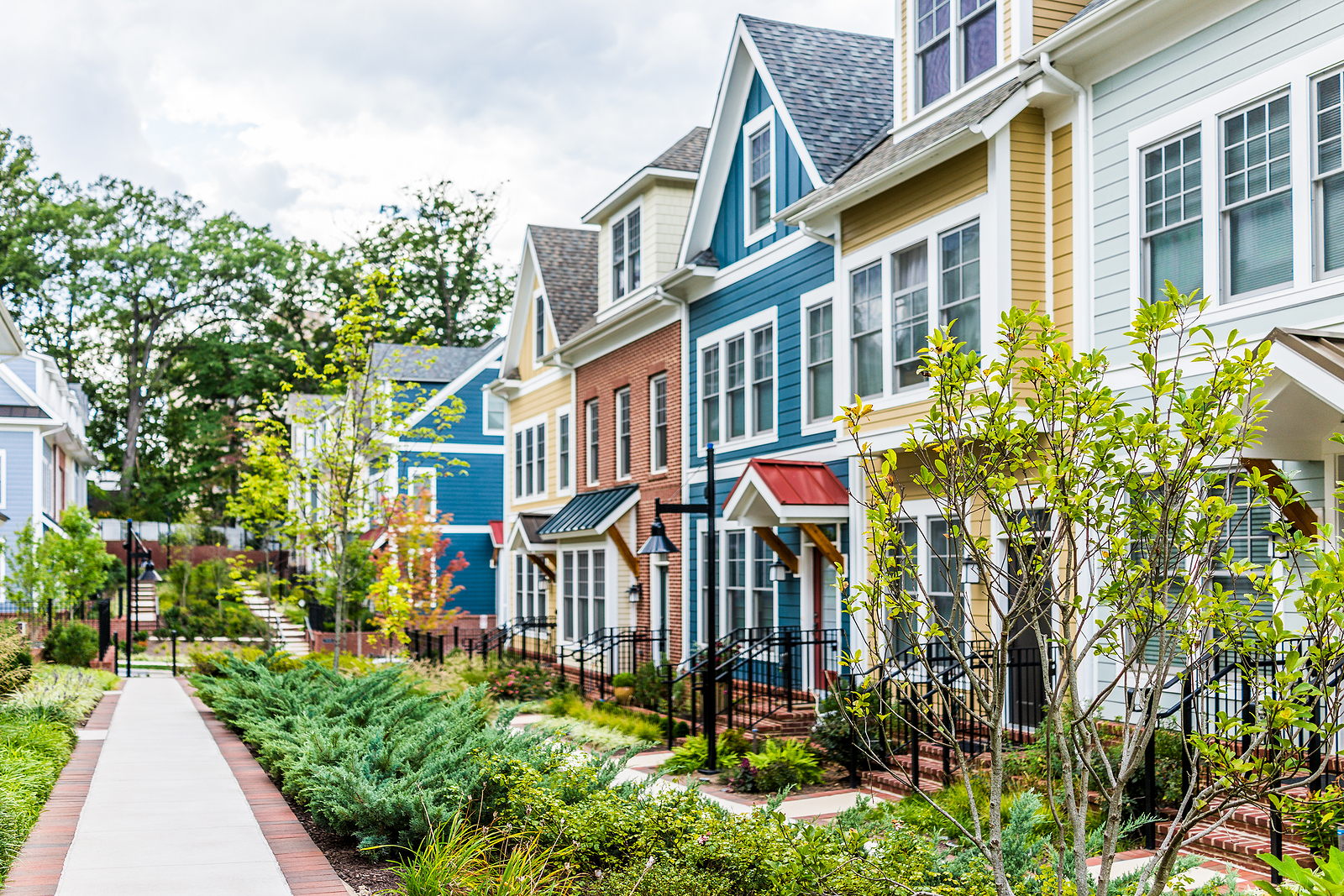
Row of colorful red yellow blue white green painted residential townhouses homes houses with brick patio gardens in summer

Waiting for a clear signal often means waiting indefinitely.

This is where waiting for the market to settle becomes costly. While you are waiting for conditions to improve, the market continues moving forward.

For buyers, that movement often shows up in price.

Even modest appreciation can shift affordability. A home that felt within reach last year may require a larger down payment this year. Monthly costs may change. Options may become more limited.

At the same time, other buyers who were also waiting begin to re-enter the market when conditions feel slightly better. That increase in activity creates competition.

More competition often leads to stronger pricing.

So the window that felt uncertain before can become more competitive later.

For sellers, the cost of waiting can look different but just as significant.

When sellers delay listing, they often miss periods of stronger demand. Inventory may increase while they wait, giving buyers more options and more leverage. Homes that could have stood out earlier may face more competition later.

Timing matters, but not in the way most people think.

The goal is not to find the perfect moment. It is to position yourself well within the current one.

This is why waiting for the market to settle can quietly reduce opportunity on both sides of the transaction.

There is also a personal cost that rarely gets discussed.

Life does not pause while the market shifts.

People wait to move closer to family. They wait to gain more space. They wait to downsize, relocate, or simplify. In the meantime, their needs continue to evolve.

Children grow. Jobs change. Priorities shift.

Waiting can delay decisions that improve daily life.

This is especially true for buyers who are ready in every other way. Stable income, clear goals, and long-term plans often matter more than short-term market conditions. When those pieces are in place, waiting for ideal timing may not provide the benefit people expect.

The same applies to sellers who are already planning a move. Holding onto a home longer than necessary may increase costs, maintenance, and stress without improving the outcome.

Another factor is uncertainty itself.

When people focus too heavily on external conditions, they often get stuck in analysis. They watch the market, read headlines, and try to predict what will happen next. But predictions are rarely consistent, and the constant cycle of information can make decisions feel more complicated than they need to be.

Clarity becomes harder to find.

Understanding waiting for the market to settle means recognizing that there will always be a reason to wait. Rates may shift. Prices may move. Inventory may change.

There is always something.

Instead of waiting for everything to align perfectly, a better approach is to focus on what you can control. Your financial readiness. Your long-term plans. Your timeline.

Those factors provide a more stable foundation for decision-making.

Markets do not reward hesitation as often as people think. They reward preparation and action within the conditions that exist.

That does not mean rushing. It means moving forward when your situation supports it, rather than waiting for external factors to feel perfect.

Because perfect rarely comes.

And in many cases, waiting for the market to settle ends up costing more than acting with clarity in the present.

Navigate a Changing Real Estate Market: The Market Isn’t Good or Bad — It’s Different

Every year someone asks the same question.

“Is this a good market or a bad market?”

The truth is, the market is rarely either one.

It is simply different.

Prices move. Interest rates shift. Inventory rises or falls. Headlines react quickly to those changes and often frame the story as either positive or negative. But for buyers and sellers, the reality is more nuanced.

Success in real estate does not come from waiting for a perfect market. It comes from understanding how to navigate a changing real estate market and adjusting your strategy accordingly.

Every market cycle creates both advantages and challenges.

When homes sell quickly and demand is high, sellers benefit from strong competition. Buyers, on the other hand, may feel pressure to act quickly and compete with multiple offers.

When the market slows or inventory increases, buyers often gain more negotiating power and more time to make decisions. Sellers may need to focus more on pricing and presentation.

Neither situation is inherently good or bad. They simply reward different approaches.

Understanding how to navigate a changing real estate market begins with recognizing that conditions always evolve. The housing market moves in cycles just like any other industry. What feels unusual today often becomes normal tomorrow.

Buyers and sellers who adapt tend to do well.

For buyers, a shifting market often means more opportunity than it first appears. When competition slows, there may be fewer bidding wars and more room for negotiation. Buyers may have the chance to evaluate homes more carefully instead of rushing through decisions.

That additional time can lead to smarter choices.

It also allows buyers to focus on long-term fit rather than short-term pressure. The right property is rarely defined by the moment you purchase it. It is defined by how well it supports your life over time.

Learning to navigate a changing real estate market means looking beyond the headlines and focusing on personal readiness. Stable income, long-term plans, and financial comfort often matter more than market timing.

For sellers, different market conditions require different preparation.

When inventory increases, buyers naturally become more selective. Pricing strategy becomes more important. Presentation becomes more important. Marketing becomes more important.

Homes that are clean, well maintained, and realistically priced tend to stand out.

Sellers who understand how to navigate a changing real estate market focus on positioning their home effectively rather than hoping for ideal conditions. They prepare the property carefully, address visible issues, and present the home in a way that creates confidence for buyers.

That preparation often makes a bigger difference than market timing.

Another important shift in modern markets is buyer psychology. Buyers today tend to research extensively before they ever schedule a showing. They compare properties online, study neighborhood trends, and evaluate homes carefully.

This means the first impression often happens digitally.

Professional photography, clear descriptions, and thoughtful presentation play a larger role than ever before. Sellers who recognize this can position their home more effectively.

The same principle applies to buyers. Understanding the market helps buyers recognize opportunity when it appears.

Sometimes that opportunity comes from timing. Sometimes it comes from negotiation. Sometimes it comes from simply being prepared when the right home becomes available.

The point is that every market creates paths forward.

When people focus too heavily on whether conditions are “good” or “bad,” they often miss the larger picture. Real estate decisions usually connect to life events more than economic headlines.

Marriage, career changes, growing families, and retirement plans rarely wait for perfect market conditions.

People move because their lives move.

That is why learning to navigate a changing real estate market is ultimately about flexibility. Instead of trying to predict the next shift, successful buyers and sellers focus on preparation, clarity, and timing that fits their own circumstances.

Markets evolve. Opportunities remain.

Some years favor sellers. Some years favor buyers. But every year offers possibilities for those who understand how the environment has changed.

The market does not have to be perfect to move forward.

It only needs to be understood.

The Hidden Costs of Waiting to Buy (That No One Talks About)

Sad man sitting on sofa home, holding tablet PC, making facepalm gesture. Frustration and disappointment on face palpable, as if something has gone wrong with technology or communication through internet. High quality photo

A lot of buyers say the same thing.

“I think we’ll wait.”

Wait for prices to drop.
Wait for the market to cool.
Wait until things feel more certain.

On the surface, waiting sounds responsible. Safe. Smart.

But what most people don’t realize is that waiting has a cost too.

The hidden costs of waiting to buy rarely show up in headlines or online calculators. They aren’t obvious like a monthly payment or a closing cost. They happen quietly in the background, and over time, they can add up to far more than buyers expect.

The first cost is lost equity.

Every month you rent, your payment disappears. It covers housing, but it doesn’t build ownership. It doesn’t grow wealth. It doesn’t give you anything back.

When you own, part of every payment reduces your loan balance. That reduction turns into equity. Even small amounts add up quickly over time.

Waiting one or two years may not feel like much, but that’s two years of missed principal paydown. Two years of missed appreciation. Two years where someone else benefits instead of you.

That’s one of the biggest hidden costs of waiting to buy. Time works for owners. It works against renters.

Rent itself is another quiet expense.

Rents rarely stay flat. They tend to rise steadily, especially when demand stays strong. Every lease renewal often comes with an increase. What feels affordable today may feel tight next year.

Unlike a mortgage, rent offers no stability. No predictability. No ceiling.

You may think you’re saving money by waiting, but if rent increases year after year, that “savings” disappears faster than expected.

Then there’s appreciation.

Home values move up and down in the short term, but over longer periods, they tend to trend upward. When you own during those years, you benefit. When you wait, you miss it.

Even modest appreciation can change the math quickly. A small increase in home prices may require a larger down payment later. The same house simply costs more.

Buyers often focus on timing the market perfectly. But perfection is rare. Meanwhile, appreciation keeps moving forward.

This is another one of the hidden costs of waiting to buy that people only notice in hindsight. The home they could afford last year is suddenly out of reach this year.

There’s also the lifestyle cost, which doesn’t show up on a spreadsheet but matters just as much.

Waiting delays plans.


Maybe you want more space. A yard. A home office. A quieter street. A shorter commute. A place that actually feels like yours.

When you wait, life stays on pause.

You postpone hosting family. You postpone settling in. You postpone creating stability. You postpone the feeling of ownership and control.

Those things have value too.

A home isn’t just a financial decision. It’s a life decision. And delaying it often means delaying the life you want to live.

Another overlooked factor is mental energy.

Constantly watching the market, checking listings, second-guessing timing, and wondering “is now the right time?” can drag on for years. Buyers get stuck in analysis mode instead of action mode.

At some point, clarity matters more than perfection.

That doesn’t mean everyone should rush out and buy tomorrow. It simply means waiting isn’t free. It carries its own trade-offs.

The hidden costs of waiting to buy include missed equity, rising rents, higher future prices, and delayed lifestyle benefits. Those costs are real, even if they’re less visible.

The goal isn’t to predict the perfect moment. It’s to make a smart decision based on your personal situation, stability, and readiness.

If you plan to stay put for several years, have steady income, and feel ready for ownership, waiting for “ideal” conditions may not help as much as you think.

Because while you’re waiting for the market to change, life keeps moving forward.

And often, the biggest opportunity isn’t about timing the market.

It’s about getting started.