Renovate or Leave It Alone? How to Decide What Actually Pays Off

If you are preparing to sell, one of the first questions you will face is simple but expensive: renovate or leave it alone?

It sounds straightforward. Improve the home, increase the value, sell for more.

But real estate rarely works in straight lines.

Not every improvement adds value. Not every upgrade pays you back. And sometimes the smartest move is doing less, not more.

That’s why the decision to renovate or leave it alone should start with return on investment, not emotion.

Many homeowners overestimate what buyers will pay for upgrades. You may love the new countertops. You may have spent months choosing the perfect tile. But buyers do not reimburse sellers dollar for dollar.

They compare homes.

If your upgrades push the price beyond competing listings, buyers often choose the more reasonably priced option instead. Even high-end renovations can fail to generate strong returns if they do not match neighborhood expectations.

The market sets the ceiling.

One of the biggest misconceptions is that full remodels are necessary before listing. In reality, major renovations rarely return 100 percent of their cost. In some cases, they return far less.

Buyers typically pay for condition and functionality, not personalization.

This is where the renovate or leave it alone conversation becomes practical. Ask whether the improvement solves a real buyer concern or simply updates aesthetics.

Fresh paint, clean flooring, modern lighting, and minor repairs often deliver better returns than kitchen overhauls or luxury bathroom redesigns. These updates improve presentation without overspending.

Cosmetic improvements tend to outperform structural remodels in resale scenarios.

Another factor is timing. Large renovations take time. Permits, contractors, delays, and unexpected expenses are common. If the goal is to sell within months, a major remodel can slow down the process and increase carrying costs.

Mortgage payments, insurance, utilities, and taxes continue while work is being completed. Those expenses reduce any potential profit from the upgrade.

When weighing renovate or leave it alone, timeline matters just as much as budget.

There is also the issue of buyer taste. Design trends move quickly. What feels modern today may feel dated in a few years. Highly specific materials, bold color choices, or luxury finishes can narrow the buyer pool instead of expanding it.

Neutral, clean, and move-in ready almost always wins.

Buyers want to imagine themselves living in the home. Overly customized upgrades can make that harder. Simple, uncluttered spaces tend to feel more flexible and appealing.

Another reality is that some upgrades actually reduce buyer interest. Removing bedrooms to create larger suites, eliminating storage for open space, or converting garages into living areas can hurt resale value depending on the market.

Function matters.

The safest approach when deciding whether to renovate or leave it alone is to evaluate improvements based on three questions. Does it solve a visible issue? Does it align with what buyers expect in this price range? Will it increase buyer confidence?

If the answer is no, reconsider.

Young man and woman together planning their home renovation. Cardboard boxes, painting tools and materials on floor. House remodeling and interior renovation. People looking at blueprint at home.

Sometimes the most profitable decision is focusing on presentation instead of construction. Deep cleaning, decluttering, staging, landscaping, and small repairs often create stronger first impressions than expensive remodels.

Buyers respond to homes that feel well maintained and easy to move into. They do not require perfection. They require clarity and confidence.

It is also important to consider opportunity cost. Money spent on renovations could instead be used toward your next purchase, savings, or investment. Tying up funds in upgrades that do not significantly increase value limits flexibility.

Smart sellers understand that maximizing net proceeds is not the same as maximizing list price. Spending $40,000 to gain $20,000 in perceived value is not a winning strategy.

This is why the renovate or leave it alone decision should always be rooted in math, not emotion.

If a home is structurally sound, clean, and functional, light improvements often outperform heavy remodeling. Buyers expect normal wear and minor updates. They discount for major defects, not cosmetic preferences.

Before committing to any project, step back and look at competing listings. What condition are they in? What features are standard at your price point? What are buyers already accepting?

Let the market guide you.

In many cases, doing less protects your profit. Small, targeted improvements paired with strong presentation and accurate pricing usually outperform dramatic renovations.

When preparing to sell, the goal is not to build your dream home. It is to position the property effectively for today’s buyer.

Sometimes the best upgrade is restraint.

The Ultimate Year-End Checklist for Home Sellers

As the year winds down, many homeowners wonder if it’s the right time to sell or prepare for the spring market. The truth is that year-end offers unique opportunities to maximize your home’s appeal and attract serious buyers. A well-planned strategy can make all the difference, whether you’re planning to list now or soon. In this guide, we’ll walk you through the ultimate year-end checklist for home sellers, offering actionable tips to prepare your property for success.

Declutter and Deep Clean Your Space

Modern kitchen with an island. The picture on the wall is my own photograph.

One of the easiest ways to make your home market-ready is to thoroughly declutter and deep clean it.

  • Why It Matters: A clean, organized space allows buyers to envision themselves living in your home. Clutter and mess can distract from your home’s best features.
  • What to Do: Sort items into “keep,” “donate,” and “discard” piles. Clean every nook and cranny, focusing on high-touch areas like light switches and door handles. Don’t forget to clean windows for maximum light and shine!

Pro Tip: Consider hiring a professional cleaning service for a polished, move-in-ready feel.

Tackle Essential Repairs and Maintenance

Before you list, take care of any necessary repairs or maintenance tasks to avoid deterring potential buyers.

  • Inspect Key Areas: Pay close attention to your HVAC system, plumbing, and roof. These are major points of interest for buyers during inspections.
  • Simple Fixes Add Up: Repair squeaky doors, patch up holes in the walls, and replace burnt-out lightbulbs. Small fixes can make your home feel well-maintained and cared for.

Pro Tip: If time allows, schedule a pre-inspection to address any hidden issues before a buyer’s inspection.

Boost Your Curb Appeal

First impressions matter, and your home’s exterior is the first thing buyers see.

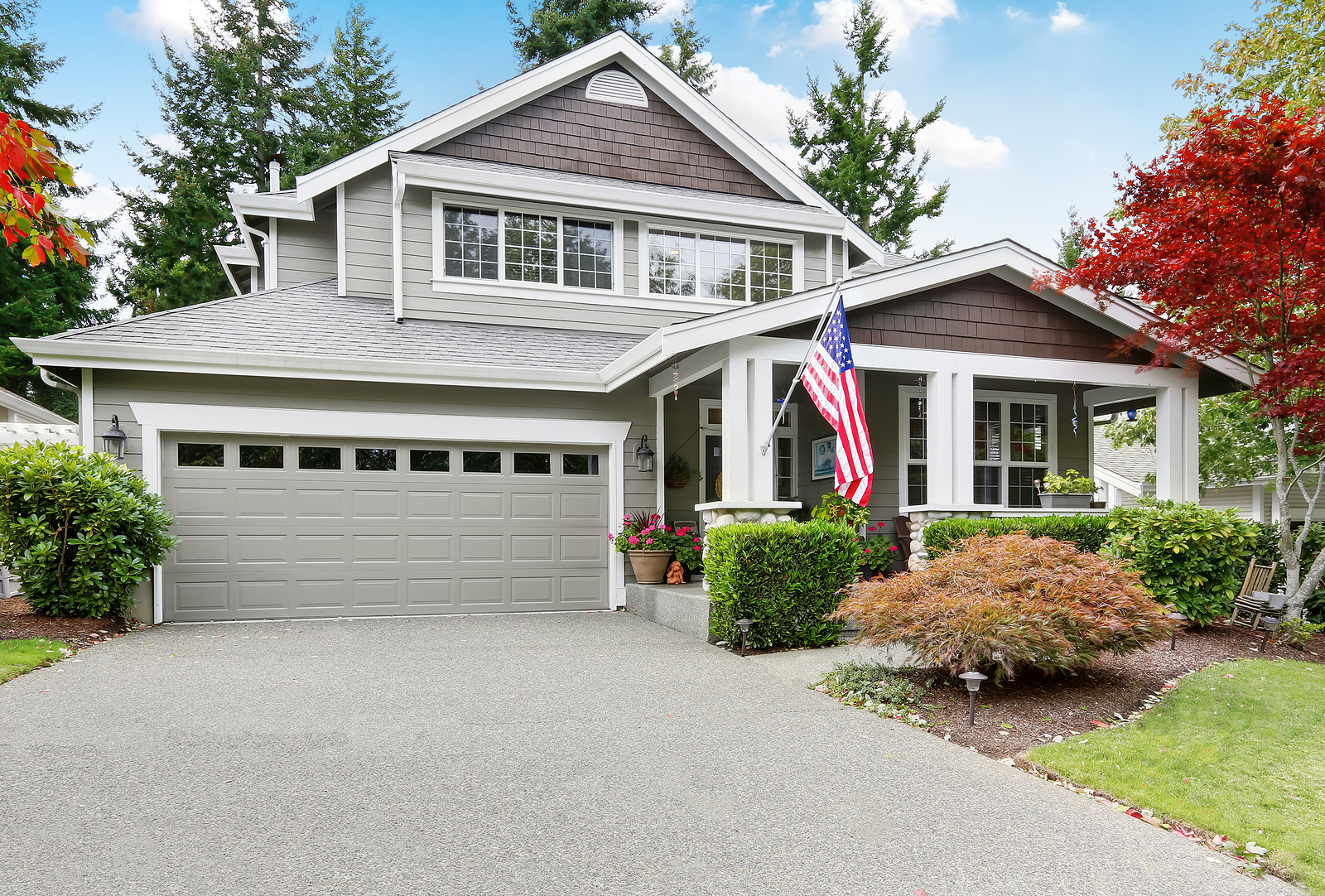
Nice curb appeal of grey house with garage and driveway. Column porch with American flag. Northwest USA

  • Enhance Landscaping: Trim bushes, remove dead leaves, and consider adding seasonal flowers or greenery.
  • Upgrade Your Entryway: Repaint your front door, update outdoor lighting fixtures, and replace worn-out welcome mats. These small updates can add significant charm.

Pro Tip: Add holiday lights or a tasteful wreath to create a warm, inviting vibe during the winter months.

Stage Your Home for the Season

Staging helps buyers imagine themselves living in your space, and seasonal touches can enhance the ambiance.

  • Keep It Neutral: Opt for light, neutral decor with subtle seasonal accents like throw blankets, candles, or holiday centerpieces. Avoid overly personal or religious decorations.
  • Maximize Lighting: Winter days are shorter, so ensure all rooms are well-lit. Use warm lighting to create a cozy atmosphere.

Pro Tip: Highlight cozy features like fireplaces or reading nooks, as they appeal to buyers during colder months.

Price It Strategically

Pricing your home correctly is critical, especially in a competitive market.

  • Research the Market: Work with a real estate professional to analyze comparable homes in your area and determine a competitive price.
  • Consider Timing: Year-end buyers are often motivated by deadlines like tax advantages or job relocations, making them more willing to close quickly.

Pro Tip: A well-priced home generates more interest, potentially leading to multiple offers.

Partner with a Real Estate Expert

Navigating the real estate market can be challenging, but a knowledgeable agent can guide you through every step.

  • Why You Need an Expert: They’ll help you with pricing, marketing, negotiations, and ensuring all paperwork is in order.
  • Choose Wisely: Look for an agent with a strong track record and knowledge of year-end market trends.

Pro Tip: Leverage your agent’s expertise to target serious buyers who are ready to close quickly.

Happy family with agent realtor near new house.

Plan for a Smooth Closing

The closing process can be stressful, but preparation can ensure everything runs smoothly.

  • Get Documents Ready: Organize necessary paperwork like your mortgage statement, property taxes, and any renovation receipts.
  • Be Flexible: Keep in mind that year-end buyers may have tight timelines. Being accommodating can help finalize the deal.

Pro Tip: Discuss potential timelines with your agent to set realistic expectations for closing.

Conclusion
Selling your home during the year-end season can be a strategic move with the right preparation. By following this ultimate year-end checklist for home sellers, you’ll position your home to stand out in the market and attract motivated buyers. Remember, a little effort now can yield big rewards later!

If you’re considering selling your home, now is the perfect time to start checking off these tasks and ensuring a smooth, successful sale.