Make Smart Home Decisions. Before you renovate, rent, refinance or sell. Read this!

Young couple buying a home.

Owning a home comes with choices. Renovate. Rent it out. Refinance. Sell and move on.

Each option sounds reasonable on its own. But the mistake many homeowners make is treating these choices separately instead of as connected home decisions.

One move often affects the next.

And the wrong order can quietly cost you thousands.

This is why stepping back and looking at the bigger picture matters before doing anything permanent. The most expensive mistakes usually happen when people act quickly without understanding how one decision limits another.

Smart home decisions start with strategy, not urgency.

One of the biggest myths homeowners believe is that every improvement automatically adds value. It sounds logical. Spend money, increase value, sell for more. But real estate doesn’t always work that way.

Not all upgrades pay you back.

Highly customized renovations, trendy finishes, or expensive projects that don’t match what most buyers want often return far less than expected. In some cases, they make a home harder to sell.

Buyers don’t pay extra for everything you spend. They pay for what they need and what feels move-in ready.

Simple improvements like paint, lighting, and repairs often deliver better results than large remodels. Before investing heavily, ask whether the update helps resale value or simply personal taste.

Good home decisions focus on return, not just improvement.

Renting is another option that looks great on paper. Many homeowners calculate potential rent and assume it will cover the mortgage while building passive income. But the reality is often more complicated.

Rental math can be misleading.

Maintenance costs add up. Vacancies happen. Property management fees cut into profits. Repairs rarely occur at convenient times. What seems like steady income can quickly turn into unpredictable expenses.

There’s also the lifestyle side. Being a landlord means time, responsibility, and risk. For some people, it works well. For others, it becomes more stressful than expected.

Before choosing this path, run the real numbers, not just the optimistic ones. Strong home decisions come from realistic planning.

Refinancing is another move that deserves careful thought. Lower payments can sound appealing, especially when rates change. But refinancing can also limit flexibility.

New loan terms often restart the clock. Fees and closing costs reduce savings. And if you refinance right before selling, you may not stay long enough to break even.

It can also impact your ability to qualify for another purchase if your financial situation changes.

What looks like a short-term win may restrict long-term options. Smart home decisions consider timing just as much as savings.

Then there’s selling. Some homeowners delay selling because they believe they must renovate first or refinance to “get ready.” In many cases, those extra steps aren’t necessary and simply delay the process.

A clean, well-maintained home often sells just as well as one with expensive updates. And waiting too long can mean missing better market conditions.

Sometimes the simplest path is the most profitable.

The biggest issue is how these choices interact. Renovating heavily may reduce profit if you plan to sell soon. Refinancing could make it harder to move quickly. Renting might prevent you from accessing equity when you need it. Each step can block the next.

That’s why big home decisions should never be made in isolation.

They should be made in the right order.

Start with the end goal. Do you want to move soon? Build long-term income? Lower monthly expenses? Once the goal is clear, the right path becomes easier to see.

Without that clarity, it’s easy to spend money or lock yourself into something that doesn’t support where you actually want to go.

Homeownership creates opportunity, but only when choices are intentional.

Before renovating, renting, refinancing, or selling, take the time to look at the full picture. Map out the sequence. Understand the trade-offs. Make decisions that work together, not against each other.

Because the smartest home decisions aren’t about doing more.

They’re about doing the right thing at the right time.
Should You Rent or Sell Your Home This Winter? A Guide for Property Owners

As the winter season approaches, property owners often face a key decision: Should they rent out their home or sell it? With fluctuating market trends and unique seasonal factors, it can be challenging to decide the best course of action. This guide explores the pros and cons of renting versus selling their home in winter, helping them make an informed choice.

Understanding the Current Market

The real estate market can shift with the seasons, especially in winter. Generally, the colder months bring fewer buyers, which can affect demand and pricing. However, if housing inventory is low, you might still attract serious buyers willing to pay top dollar. Rental demand often remains steady year-round, so if renting is appealing, winter could be a good time to find reliable tenants. Taking a closer look at local market trends, interest rates, and property demand will help set realistic expectations for both selling and renting options.

Couple with a real estate agent going over selling or buying a home in winter.

Benefits of Selling in Winter

Selling your home in winter can be beneficial, especially if you’re looking to move on quickly. Although there may be fewer buyers, wintertime buyers tend to be highly motivated. Families often prefer to settle before spring, and some buyers may want to close deals before the new year for tax purposes. Plus, fewer listings mean less competition, which can work in your favor.

A winter sale also provides an opportunity to showcase your property in a cozy, inviting atmosphere. Imagine the appeal of a well-decorated, warmly lit home as potential buyers picture themselves celebrating the holiday season in their new space. However, be prepared for possible weather-related delays and added challenges in keeping your home presentable during winter weather.

Advantages of Renting Your Home This Winter

Renting can be a solid option if you’re not ready to part with your property just yet or if the current market doesn’t favor sellers. With steady demand for rental homes in many areas, renting can provide a consistent income stream without the immediate need for a long-term commitment. It’s also a flexible option if you plan to sell down the line, as you can wait for market conditions to improve and maximize your property’s sale price.

Tiny model home wrapped in a scarf. Depicting a home in winter

Renting, however, isn’t without its challenges. Finding responsible tenants, maintaining the property, and navigating local rental regulations can be time-consuming. If you’re considering renting out your home, it’s wise to assess your willingness to take on these responsibilities or consider hiring a property manager for assistance.

Financial Considerations to Guide Your Decision

Your financial goals should heavily influence whether you rent or sell. Selling could yield immediate capital, ideal if you’re looking to fund a new investment, pay off debt, or simply move forward with financial freedom. Alternatively, renting could offer a steady cash flow if you’re interested in generating ongoing income or building long-term wealth. Additionally, consult with a tax advisor to understand the implications of each option—there are specific tax benefits associated with both selling and renting, depending on your circumstances.

Preparing Your Home for the Winter Market

Regardless of whether you decide to rent or sell, preparing your property for winter is key to maximizing its appeal. For sellers, focus on winter curb appeal, such as clearing pathways and adding subtle seasonal decorations. Inside, make sure your home feels warm, clean, and well-lit. Renters will also appreciate these touches, especially when it shows that the property is well-cared for.

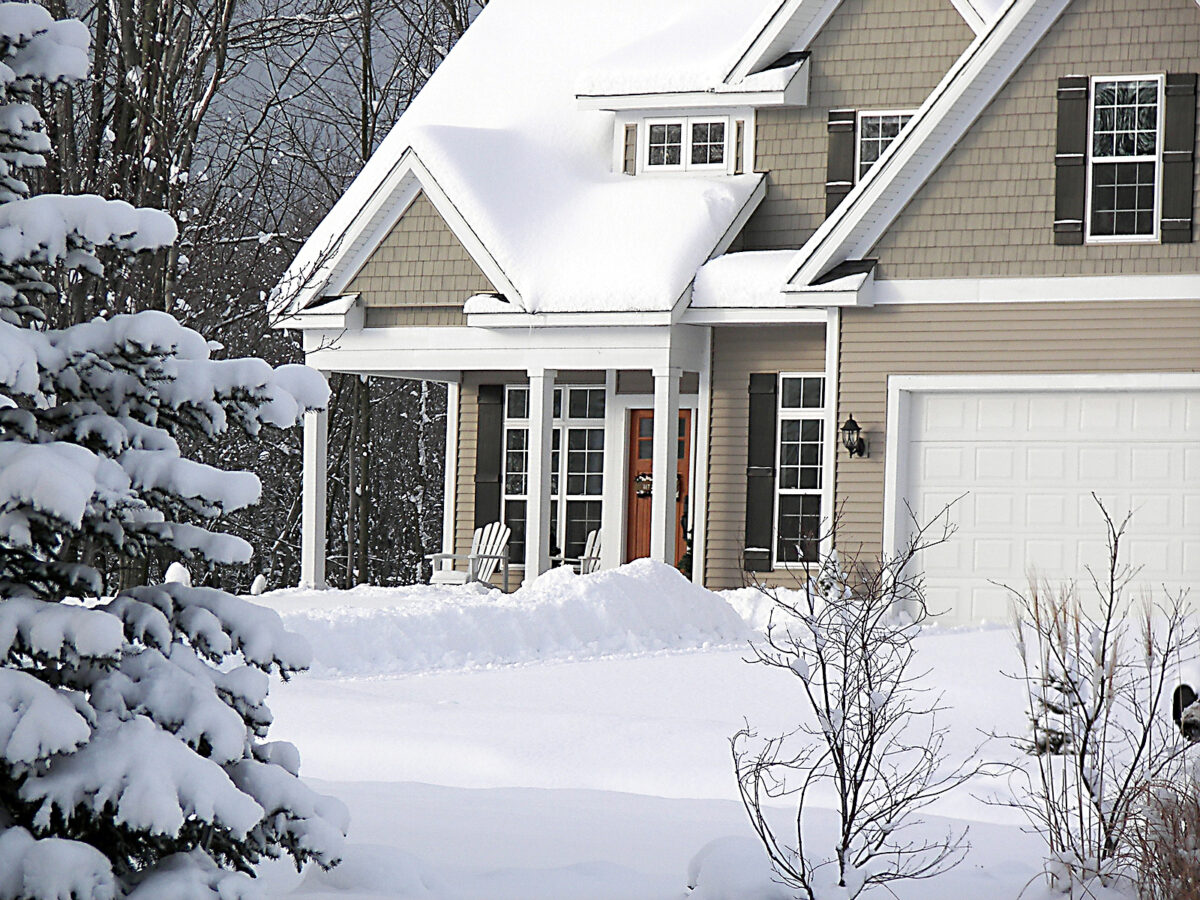
Modern new home covered in fresh winter snow.

In either scenario, address winter maintenance tasks, including servicing heating systems, insulating pipes, and ensuring all windows and doors are sealed properly. A home that’s ready to withstand the winter months will be attractive to buyers and renters alike.

Finding Professional Guidance

Deciding whether to rent or sell your home is a major choice, and seeking professional advice can make all the difference. A real estate agent can provide insights on the current market, help you evaluate the potential returns from a sale, and connect you with resources if you choose to rent. Financial advisors and tax professionals can also offer valuable guidance tailored to your unique goals and situation.

Making the Right Decision for You

Whether renting or selling your home this winter is right for you ultimately depends on your personal and financial goals. Consider the potential benefits, the current market, and how each option aligns with your future plans. With careful consideration, you’ll be able to choose the path that best serves your needs as a property owner.

s1