Real Estate Revitalization Opportunities: How Abandoned Cities Are Becoming Prime Markets for Home Buyers, Sellers, and Investors

Entire towns across the United States and Europe once sat empty. Factories closed, industries relocated, and populations steadily declined. For decades, these places were considered too risky, too remote, or beyond repair. That perception is now changing. As housing affordability pressures rise and migration patterns shift, real estate revitalization opportunities are breathing new life into cities many had forgotten – creating possibilities for home buyers, sellers, and investors.
Why These Markets Are Attractive to Buyers, Sellers, and Investors

One of the strongest advantages of revitalizing cities is affordability. Entry costs remain significantly lower than in established metros, allowing buyers to purchase homes, sellers to attract interest, and investors to acquire larger assets with less competition. Vacant commercial buildings, former industrial properties, and aging housing stock offer flexibility for adaptive reuse, workforce housing, and mixed-use development.For buyers, this means the chance to purchase homes in neighborhoods with growth potential at prices far below national averages. Sellers in these areas can leverage redevelopment momentum to attract buyers. Investors benefit from strong upside potential as populations and local economies grow.

Why Abandoned Cities Are Attracting Attention Again

Rising home prices in major metros are pushing buyers to look beyond traditional hubs. Remote work has reduced the need to live near central offices, making smaller cities with vacant housing stock viable options. Real estate revitalization opportunities turn long-empty properties into functional housing, mixed-use spaces, and community-centered neighborhoods.

Public-sector incentives, including redevelopment tax credits, opportunity zone benefits, and infrastructure grants, make these areas even more appealing. For buyers, these incentives may lower costs or provide upgrades; for sellers, they help increase property value and marketability. For investors, combining private capital with public incentives can transform entire districts from blight to opportunity.

Evidence That Revitalization Is Already Happening

  • In the Midwest, former manufacturing cities are being repurposed as logistics, healthcare, and tech corridors.

  • In the western U.S., former mining towns are attracting remote workers and creative professionals seeking affordability and lifestyle balance.

  • Across Europe, industrial cities are revitalizing through cultural districts and commercial redevelopment.

Infrastructure improvements—broadband expansion, transit upgrades, and utility modernization—are laying the groundwork for long-term value. Buyers benefit from modern amenities, sellers gain appeal, and investors can anticipate future growth before property values rise.

Who Stands to Benefit Most

Home Buyers: Can purchase more affordable homes in neighborhoods poised for growth, often with lower competition than major metros.

Home Sellers: Can leverage redevelopment and community revitalization to attract buyers and increase property value.

Investors: Early entrants gain potential appreciation, influence over redevelopment projects, and opportunities to generate rental income or resale gains as markets recover.

Communities also benefit from housing stability, job creation, and renewed local commerce, making these projects a win-win for all parties involved.

Long-Term Opportunity in Real Estate Revitalization

The resurgence of abandoned cities reflects broader shifts in how people live and invest. Rising costs, remote work, and public-private collaboration are reshaping demand. Real estate revitalization opportunities are no longer fringe strategies—they are becoming central to long-term growth for home buyers, sellers, and investors seeking value in previously overlooked markets.

By understanding timing, infrastructure improvements, and community alignment, buyers, sellers, and investors can capitalize on opportunities while contributing to the revitalization of neighborhoods and cities once left behind.
Understanding Zoning Laws and How They Affect Home Sales

Understanding Zoning Laws and How They Affect Home Sales

When it comes to buying or selling a home, one crucial factor that can significantly impact the process is zoning laws. Zoning laws dictate how land can be used in different areas, influencing everything from property values to the types of buildings that can be constructed. Understanding these laws is essential for both buyers and sellers to navigate the real estate market effectively. Here’s what you need to know about zoning laws and how they affect home sales.

What Are Zoning Laws?

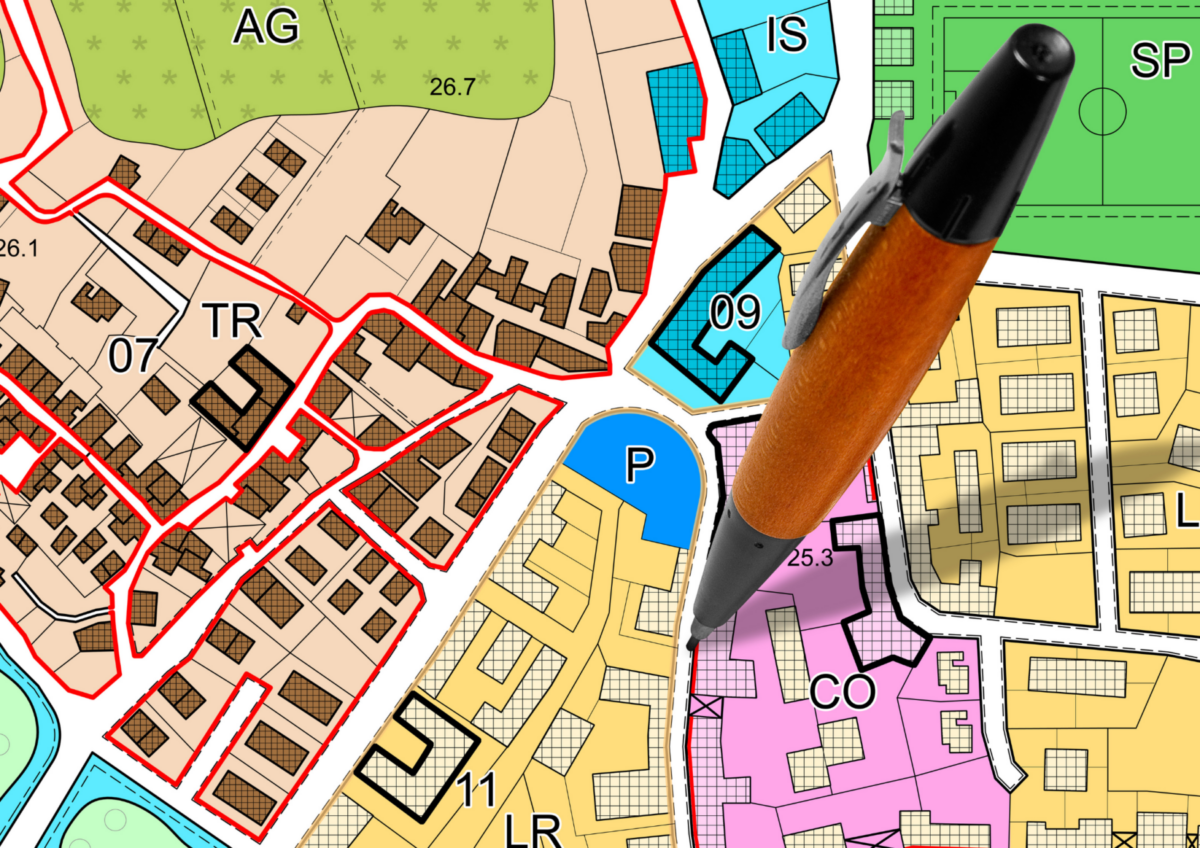
Zoning laws are regulations established by local governments to control land use within their jurisdictions. These laws divide a city or town into different zones, each designated for specific uses such as residential, commercial, industrial, or agricultural. Zoning laws aim to promote orderly development, reduce conflicts between land uses, and protect public health and safety. Learn more about Zoning Laws here. 

Types of Zoning

Residential Zoning

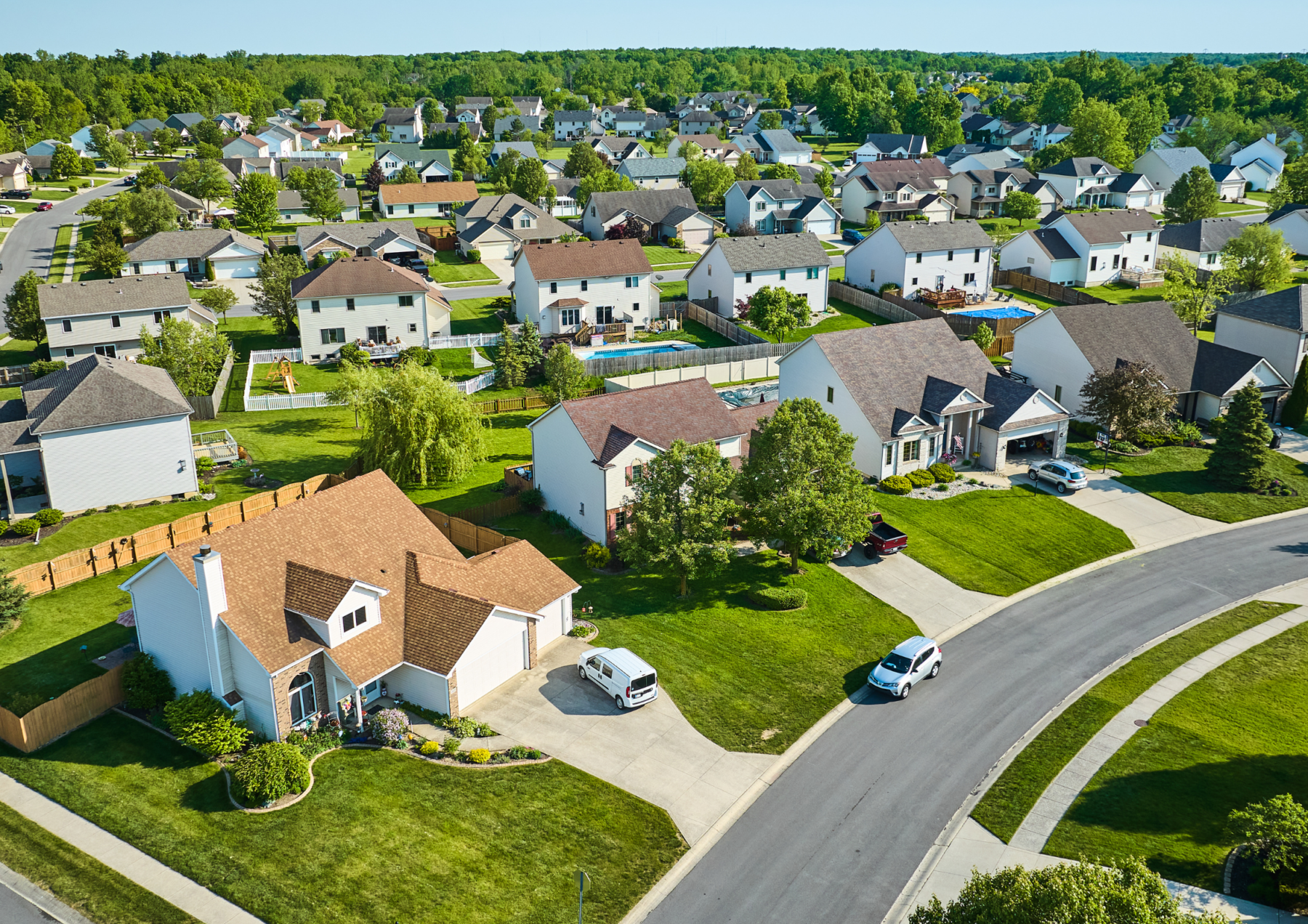
Residential zoning is for areas designated for housing. These zones can be further categorized into single-family, multi-family, and mixed-use residential areas. Residential zoning laws can dictate the types of homes that can be built, minimum lot sizes, building heights, and setback requirements.

neighborhood residential zoning

Commercial Zoning

Commercial zoning applies to areas designated for business activities such as retail stores, offices, and restaurants. These zones have specific regulations regarding building types, parking requirements, signage, and the types of businesses that can operate.

Industrial Zoning

Industrial zoning is for areas intended for manufacturing, warehousing, and other industrial activities. These zones typically have regulations to minimize environmental impacts, such as noise and pollution controls.

Agricultural Zoning

Agricultural zoning is for areas designated for farming and related activities. These zones often have regulations to protect farmland from being converted to non-agricultural uses.

How Zoning Laws Affect Home Sales

Property Values 

Zoning laws can have a significant impact on property values. Properties located in desirable residential zones, especially those near good schools, parks, and other amenities, tend to have higher values. Conversely, properties in zones with less desirable uses, such as industrial areas, may have lower values. Understanding the zoning of a property can help sellers price their homes appropriately and buyers make informed decisions.

property values on home going up

Development Potential

Zoning laws also affect the development potential of a property. For example, a property in a residential zone might have restrictions on the number of units that can be built, while a property in a mixed-use zone might allow for both residential and commercial development. Buyers interested in renovating or expanding a home should be aware of these restrictions to avoid potential legal issues.

Use Restrictions

Use restrictions dictated by zoning laws can impact how a property can be utilized. For instance, a homeowner in a residential zone might be prohibited from operating a business out of their home. Similarly, certain types of commercial activities might be restricted in specific zones. These restrictions can affect the marketability of a property and its appeal to potential buyers.

Legal Compliance

Compliance with zoning laws is crucial for both buyers and sellers. Sellers must ensure that any renovations or additions to their property comply with local zoning regulations. Non-compliance can lead to fines, legal disputes, and complications during the sale process. Buyers, on the other hand, should verify that the property they are interested in complies with zoning laws and that their intended use of the property is permitted.

Zoning Changes

Zoning laws are not static and can change over time. Local governments periodically review and update zoning regulations to reflect changes in community needs and development goals. These changes can affect property values and development potential. For example, if a residential area is rezoned for commercial use, property values might increase due to the potential for new business opportunities. Conversely, if an area is downzoned to limit development, property values might decrease.

Tips for Navigating Zoning Laws

Research Local Zoning Regulations

Before buying or selling a property, research the local zoning regulations to understand how they might affect the transaction. Local government websites and planning departments are good resources for this information.

local zoning regulations

Consult with Professionals 

Navigating zoning laws can be complex and overwhelming, which is why consulting with professionals is so crucial. Realtors, in particular, play an essential role in this process. A knowledgeable realtor can provide invaluable guidance on how zoning laws impact home sales in your area. They are well-versed in local regulations and can help you understand the nuances that might affect your property’s value and marketability.

Real estate agents have access to resources and networks that the average homeowner might not. They can quickly obtain detailed zoning information, assess how it impacts your property, and offer strategic advice. For sellers, a realtor can help highlight the advantages of your property’s zoning in marketing materials, making it more attractive to potential buyers. For buyers, a realtor can ensure that your desired use of a property is feasible under current zoning laws, saving you from potential legal headaches down the line.

Additionally, realtors often have strong relationships with other professionals such as real estate attorneys and local government officials. These connections can be invaluable if you encounter any zoning issues that require expert resolution. In short, partnering with a realtor can provide peace of mind and a smoother, more informed real estate transaction.

Stay Informed About Zoning Changes 

Keep an eye on local government meetings and public notices to stay informed about potential zoning changes that might affect your property. Being proactive can help you anticipate and respond to changes that could impact your home sale.

Conclusion

Understanding zoning laws is essential for successful home sales. By being aware of how these regulations impact property values, development potential, and legal compliance, you can make informed decisions and navigate the real estate market with confidence. Whether you’re buying or selling, staying informed about zoning laws will help you achieve your real estate goals.