Maximize Your Home’s Appeal: Identifying and Marketing Its Unique Selling Points

Selling a home can be a challenging endeavor, but highlighting its unique selling points (USPs) can make it stand out in the competitive real estate market. By identifying and effectively marketing these features, you can attract more potential buyers and possibly even increase your home’s value. Here’s a guide to help you identify and market the unique selling points of your home.

Understand What Makes Your Home Unique

The first step in identifying your home’s USPs is to understand what sets it apart from other homes. Here are some common features that can be considered unique selling points:

Location, Location, Location

One of the most significant factors in real estate is location. Proximity to good schools, parks, shopping centers, public transportation, and other amenities can be a huge draw for buyers. If your home is located in a desirable neighborhood, make sure to highlight this in your marketing materials.

map with a magnifying glass reviling a pin.

Architectural Style and Design

Does your home have a unique architectural style or design features? Historic homes, modern designs, or homes with distinctive architectural details such as crown molding, high ceilings, or large windows can attract buyers looking for something special.

Upgrades and Renovations

Any recent upgrades or renovations can be appealing to buyers. This includes kitchen remodels, bathroom updates, new flooring, or energy-efficient windows. Be sure to highlight these improvements, as they can increase the perceived value of your home.

Outdoor Space

In today’s market, outdoor living spaces are highly sought after. If your home has a large backyard, a beautiful garden, a patio, or a deck, these features can be major selling points. Additionally, if you have invested in landscaping or outdoor amenities like a pool or a fire pit, make sure to showcase them.

backyard bbq space

Smart Home Features

With the rise of smart home technology, features like smart thermostats, security systems, lighting, and other automated systems can be attractive to tech-savvy buyers. Highlighting these features can set your home apart from others.


Market Your Home’s Unique Selling Points

Once you have identified your home’s USPs, the next step is to effectively market them. Here are some strategies to help you showcase your home’s best features:

Professional Photography and Videography

High-quality photos and videos are essential in today’s digital age. Hire a professional photographer to capture your home’s unique features. Consider creating a video tour that highlights the USPs and allows potential buyers to get a feel for the space.

Compelling Listing Descriptions

Write a compelling listing description that emphasizes your home’s unique features. Use descriptive language to paint a picture for potential buyers. For example, instead of simply stating “large backyard,” you could say “expansive backyard oasis perfect for entertaining guests and family gatherings.”
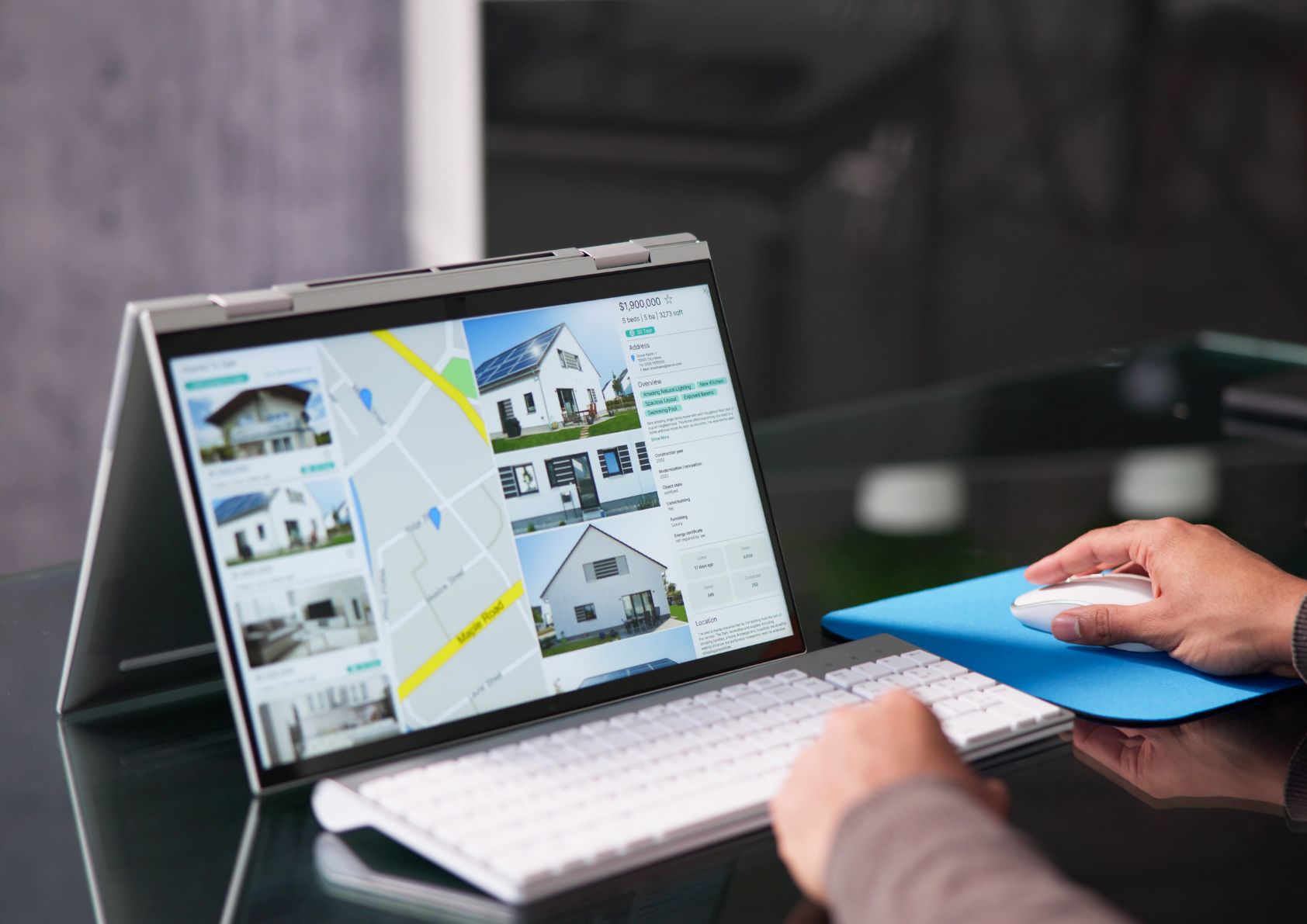
A person looking at real estate listings on their tablet

Highlight USPs in Marketing Materials

Ensure your home’s USPs are prominently featured in all marketing materials, including online listings, brochures, and flyers. List key features using bullet points and make sure they are easy to spot.

Leverage Social Media

Social media is a powerful tool for reaching a broad audience. Share your home’s listing on platforms like Facebook, Instagram, and Twitter. Use high-quality images and engaging captions to attract attention. You can also use social media ads to target potential buyers in your area.

Host Open Houses and Virtual Tours

Hosting an open house can allow potential buyers to see your home’s unique features in person. Additionally, offering virtual tours can be a great way to reach buyers who may not be able to visit in person. Make sure to highlight your home’s USPs during these tours.

Engage with Real Estate Agents

Work with a real estate agent who understands the value of your home’s unique features. They can help you market your home effectively and reach a larger pool of potential buyers. Make sure your agent is aware of all the USPs so they can highlight them during showings and negotiations.

Finalizing house loan agreement with handshake, buyer and real estate agent celebrate accomplishment of property ownership with sense of satisfaction. New home owner shake hand with broker. Entity

Create a Dedicated Website

Consider creating a dedicated website for your home listing. This can serve as a hub for all information related to your home, including high-quality photos, videos, a detailed description, and information about the neighborhood. Make sure the website is easy to navigate and mobile-friendly.


Conclusion

Identifying and marketing your home’s unique selling points can make a significant difference in attracting potential buyers and achieving a successful sale. By understanding what makes your home special and effectively showcasing these features, you can set your home apart in a crowded market. Use professional photography, compelling descriptions, social media, open houses, and the expertise of real estate agents to highlight your home’s best qualities and appeal to buyers looking for something unique.

 

Eco-Friendly Home Features That Attract Buyers

If you’re looking to sell your home, incorporating eco-friendly features can significantly increase its appeal to potential buyers. As more people become environmentally conscious, these features not only reduce the carbon footprint but also offer cost savings and health benefits. Here are some eco-friendly home features that can make your home more attractive to buyers and boost its market value.

Energy-Efficient Appliances

Buyers are increasingly interested in homes equipped with energy-efficient appliances. These appliances use less electricity and water, which can substantially reduce utility bills. Look for appliances with the ENERGY STAR label, which indicates they meet or exceed federal energy efficiency standards. High-efficiency washers, dryers, refrigerators, and dishwashers are excellent additions that can make your home stand out.

Solar Panels

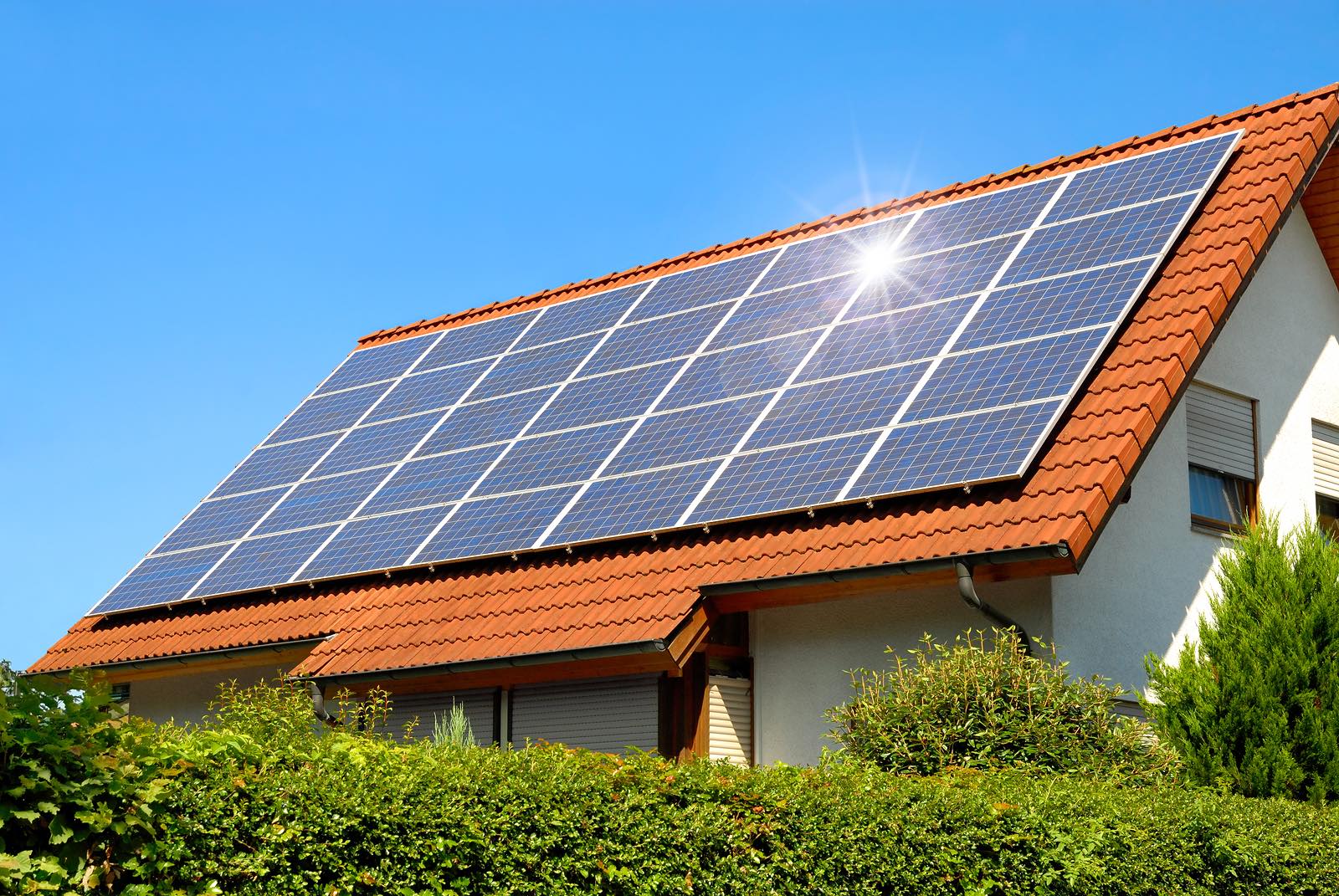
Solar panels are a standout feature for many buyers. They provide a renewable energy source to power a home and reduce or even eliminate electricity bills. Although the initial investment can be substantial, many government incentives and rebates can help offset the costs. Homes with solar panels often sell faster and at higher prices, making them a smart investment before listing your home.

solar panels on a pitched roof of a home.

Insulation and Windows

Proper insulation and energy-efficient windows are critical for maintaining a home’s temperature and reducing energy consumption. Homes with high-quality insulation and double- or triple-pane windows can keep heat in during the winter and out during the summer, resulting in lower heating and cooling costs. Buyers appreciate the promise of lower utility bills and increased comfort, making these upgrades worth considering.

Water Conservation Systems

Water conservation is a significant concern for eco-conscious buyers. Features such as low-flow toilets, faucets, and showerheads, as well as rainwater harvesting systems, can significantly reduce water usage. Installing a greywater system can allow homeowners to reuse water from sinks and showers for irrigation, further conserving water and appealing to buyers looking for sustainable solutions.

Sustainable Materials

Homes built with sustainable materials are increasingly attractive to buyers. These materials include bamboo flooring, recycled steel, reclaimed wood, and low-VOC (volatile organic compounds) paints and finishes. Sustainable materials not only reduce the environmental impact of construction but also improve indoor air quality and overall home health.

Smart Home Technology

Flat design style modern vector illustration concept of smart house technology system with centralized control of lighting heating ventilation and air conditioning security locks and video surveillance energy savings and efficiency. Isolated on white back

Smart home technology can enhance the eco-friendliness of a home by optimizing energy usage. Smart thermostats, for instance, can learn a homeowner’s schedule and adjust the temperature accordingly, ensuring the home is heated and cooled only when necessary. Smart lighting systems can also reduce electricity consumption by automatically turning off lights when rooms are not in use.

Green Roofs and Walls

Green roofs and walls are innovative features that provide insulation, reduce stormwater runoff, and improve air quality. They also create habitats for wildlife and can significantly enhance the aesthetic appeal of a home. While they can be more costly to install and maintain, the environmental and economic benefits make them a valuable investment for eco-conscious buyers.

Electric Vehicle Charging Stations

As electric vehicles (EVs) become more popular, having a home EV charging station is an attractive feature for buyers. It provides the convenience of charging an EV at home and can be a significant selling point for those who already own or are considering purchasing an electric vehicle. Installing a charging station can also future-proof your home as EV adoption continues to grow.

Landscaping for Energy Efficiency

Strategically designed landscaping can contribute to a home’s energy efficiency. Planting trees and shrubs in specific locations can provide natural shading, reducing cooling costs in the summer. Additionally, using native plants in landscaping requires less water and maintenance, promoting sustainability and reducing environmental impact.

Indoor Air Quality Systems

Indoor air quality is a critical aspect of a healthy home environment. Buyers are increasingly looking for homes with air purification systems that remove pollutants and allergens from the air. Systems such as HEPA filters, UV air purifiers, and whole-house ventilation can significantly improve indoor air quality, making your home more attractive to health-conscious buyers.

hand holding air quality monitor test on the presence of dangerous CO2 control level testing with indoor carbon dioxide detector

If you’re planning to sell your home and want to incorporate these eco-friendly features, check out this comprehensive list by Forbes!

Conclusion

Incorporating these eco-friendly features can make your home more appealing to buyers who are looking to reduce their environmental impact while enjoying the benefits of a sustainable lifestyle. Not only do these features help save money on utility bills, but they also contribute to a healthier and more comfortable living environment, making your home more attractive in the real estate market.

The Rise of Tiny Homes – Is it Right for You?

The Rise of Tiny Homes – Is it Right for You?

In recent years, tiny homes have become a significant trend in the housing market. These small, often mobile dwellings offer an alternative lifestyle that emphasizes simplicity, sustainability, and financial freedom. But is living in a tiny home right for you? Let’s explore the rise of tiny homes and the factors to consider before making the switch.

What is a Tiny Home?

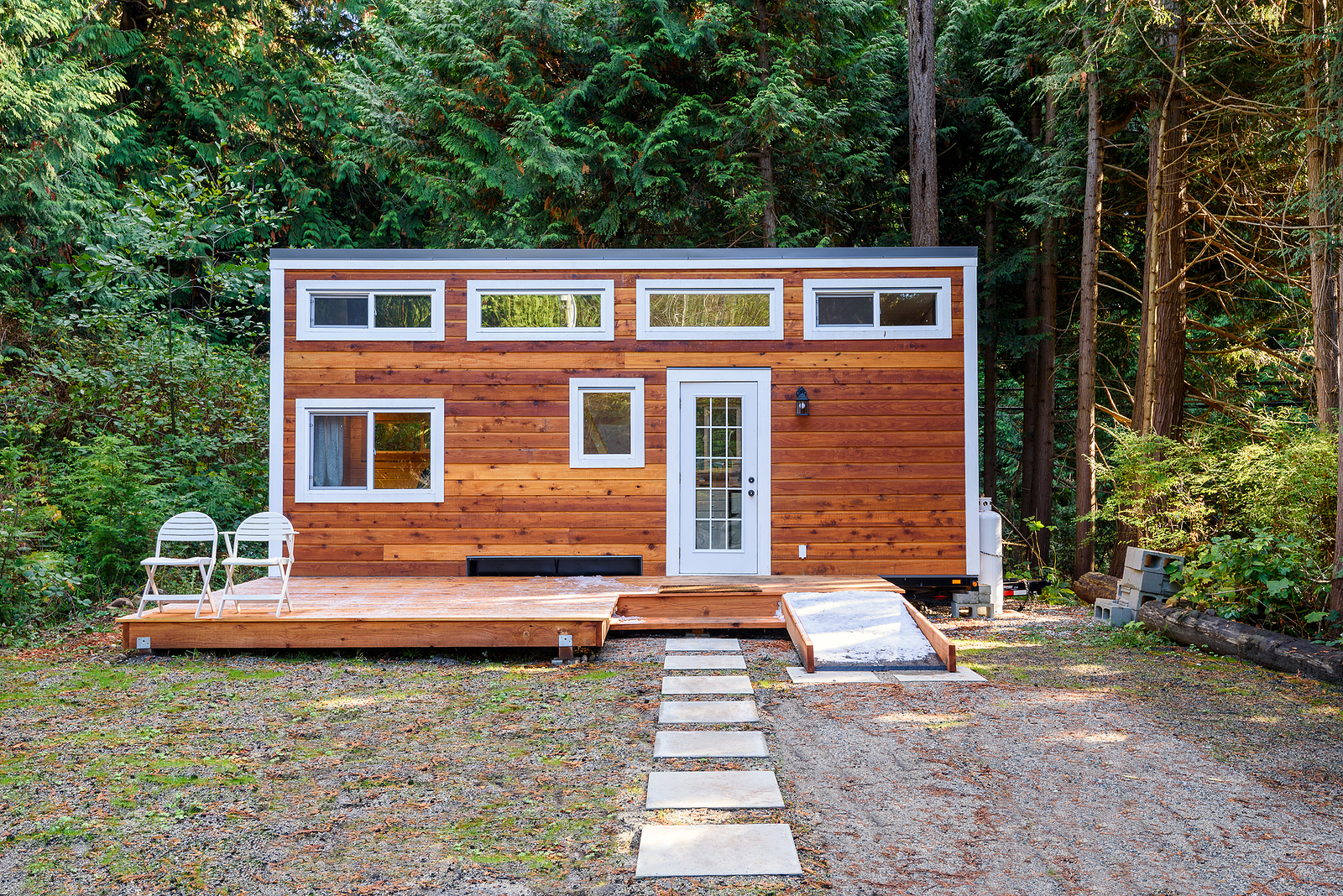
A tiny home is typically defined as a dwelling under 700 square feet. These homes can be stationary or mobile, built on a foundation or on wheels. Despite their small size, tiny homes often come equipped with all the essentials, including a kitchen, bathroom, living area, and sleeping quarters. The design of tiny homes focuses on maximizing space efficiency and functionality. Take a look at these tiny homes for inspiration!

Tiny Home exterior

The Appeal of Tiny Homes

Tiny homes have gained popularity for several reasons. Here are some of the main attractions:

Financial Freedom

One of the most compelling reasons people choose tiny homes is the potential for significant financial savings. Tiny homes are generally much cheaper to build or buy than traditional houses. Additionally, they come with lower utility bills, property taxes, and maintenance costs. For many, this means less debt and more disposable income for other pursuits.

Simplified Living 

Tiny homes encourage a minimalist lifestyle. With limited space, homeowners are compelled to declutter and prioritize what is truly essential. This simplification can lead to a more organized, less stressful living environment. Many people find that owning fewer possessions helps them focus on experiences and relationships rather than material goods.

Environmental Impact

Tiny homes are often more environmentally friendly than larger houses. They require fewer building materials and consume less energy for heating, cooling, and lighting. Many tiny homeowners also choose to incorporate sustainable features such as solar panels, composting toilets, and rainwater collection systems, further reducing their environmental footprint.Mobility – For those who love to travel or seek a nomadic lifestyle, tiny homes on wheels offer unparalleled freedom. These homes can be moved from place to place, allowing homeowners to explore new locations without leaving the comfort of their own home. This mobility can be particularly appealing to those who work remotely or enjoy the adventure of living in different environments.

Challenges of Living in a Tiny Home

While the benefits are enticing, living in a tiny home is not without its challenges. Here are some potential downsides to consider:

Limited Space

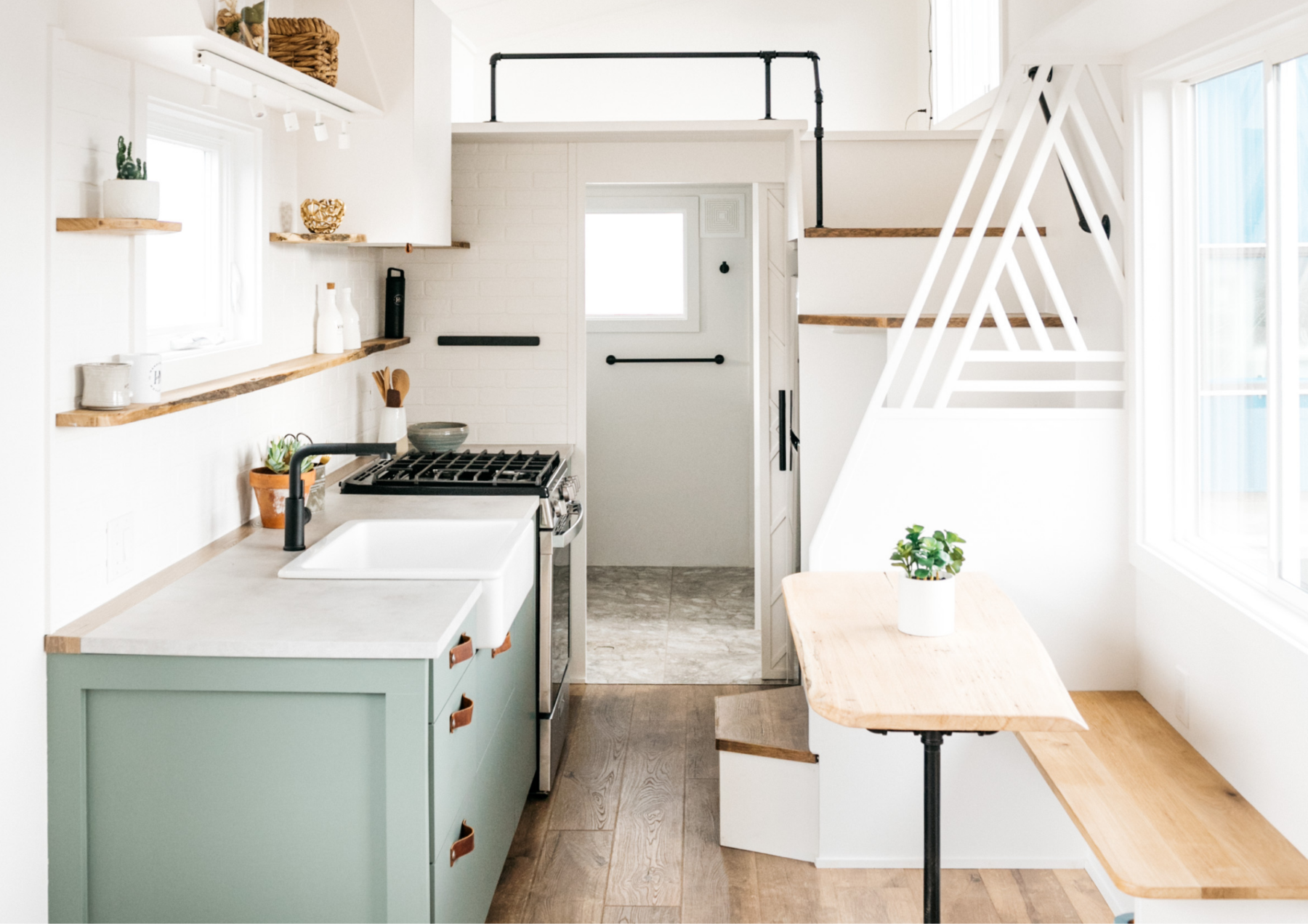
The most obvious challenge is the lack of space. Tiny homes require careful planning and organization to ensure all essentials fit comfortably. Storage can be a significant issue, and there is little room for accumulating new belongings. This lifestyle is best suited for those who are comfortable with minimalism and do not require a lot of personal space.

tiny home interior

Zoning and Legal Issues

Zoning laws and building codes can be a significant obstacle for tiny homeowners. Many areas have restrictions on minimum dwelling sizes or where mobile homes can be parked. It’s essential to research local regulations thoroughly before committing to a tiny home to avoid legal complications.

Privacy and Comfort 

Living in a small space can sometimes feel cramped, especially if more than one person is sharing the home. Privacy can be limited, and the lack of personal space can be challenging. Additionally, tiny homes may lack some of the comforts and amenities of larger houses, such as full-sized appliances or extensive storage.

Resale Value 

The resale market for tiny homes is still relatively niche. While the demand is growing, it can be more challenging to sell a tiny home compared to a traditional house. There are fewer potential buyers, and the market can be less predictable.

Is a Tiny Home Right for You?

Deciding whether a tiny home is right for you involves weighing the pros and cons based on your personal circumstances and lifestyle preferences. Here are some questions to consider:

  • Are you comfortable living in a small space with limited possessions?
  • Do you value financial freedom and are you willing to trade space for savings?
  • Are you interested in sustainable living and reducing your environmental impact?
  • Do you enjoy traveling or the idea of a mobile lifestyle?
  • Are you prepared to navigate potential legal and zoning challenges?

If you find yourself answering yes to most of these questions, a tiny home might be a great fit for you. However, if you value space, privacy, and certain comforts, you might want to consider other housing options.

Conclusion

Tiny homes offer a unique and appealing lifestyle for those seeking simplicity, financial freedom, and environmental sustainability. By carefully considering the benefits and challenges, you can determine if this rising trend is the right choice for your future home.

The Impact of Local Schools on Property Values: What Homeowners Need to Know

As a homeowner, understanding the various factors that influence your property’s value is essential. One often overlooked but significant factor is the quality of local schools. School ratings can have a profound impact on property values, and whether you’re planning to sell your home soon or in the distant future, this is information worth considering. Let’s explore how school ratings affect property values and what you need to know as a homeowner.

Why School Ratings Matter

School ratings are often one of the first considerations for families with children when choosing a neighborhood. Good schools provide better education, safer environments, and more extracurricular opportunities, making them highly desirable. Consequently, properties in areas with high-rated schools often experience higher demand, which can drive up property values.

kids standing in front school bus giving thumbs up.

For potential buyers, a top-rated school district represents not just a quality education for their children but also a sound investment. Homes in these areas are likely to retain or increase their value over time, providing homeowners with greater financial stability. Check and see what schools in your area are rated by searching here.

How School Ratings Influence Property Values

The correlation between school ratings and property values is well-documented. Research consistently shows that homes in highly-rated school districts sell for more and faster than those in lower-rated districts. Here are some ways school ratings influence property values.

wooden home with heart sitting on top of coins. Representing home value

Increased Demand

Homes in top-rated school districts are in high demand. Parents are often willing to pay a premium to ensure their children receive the best education possible. This increased demand leads to higher property values and quicker sales.

Better Resale Value

Properties in areas with excellent schools tend to hold their value better over time. Even during economic downturns, these homes are often less affected by market fluctuations, providing a level of financial security for homeowners.

Community Perception

A high-rated school often enhances the overall perception of a neighborhood. It suggests a community that values education, safety, and family well-being, which can attract more buyers and investors, further driving up property values.

Factors That Affect School Ratings

Understanding what influences school ratings can help you better appreciate their impact on property values. Several factors contribute to a school’s rating, including:

Academic Performance

Standardized test scores, graduation rates, and college admission rates are significant components of a school’s rating. Schools with high academic performance are often rated better, attracting families who prioritize education.

school classroom with students raising their hands with teacher at the front of the class.

Teacher Quality 

The qualifications, experience, and performance of teachers play a crucial role in school ratings. Schools with dedicated and high-performing teachers are more likely to receive higher ratings.

Facilities and Resources

The quality of school facilities and the availability of resources such as libraries, technology, sports facilities, and extracurricular programs also impact school ratings. Well-equipped schools with diverse programs are more appealing to parents and students alike.

Student-Teacher Ratio

A lower student-teacher ratio often indicates more personalized attention for students, contributing to better academic outcomes and higher school ratings.

What You Can Do as a Homeowner

If you’re a homeowner looking to maximize your property’s value, there are several steps you can take to leverage the impact of local school ratings:

Stay Informed

Keep abreast of your local school district’s performance and any changes in school ratings. Websites like GreatSchools and Niche provide comprehensive school ratings and reviews.

Support Local Schools

Getting involved in local school activities and supporting school initiatives can help improve the quality and perception of local schools. This, in turn, can positively affect property values in your area.

teacher on a lap top surrounded by students in a classroom.

Highlight School Ratings in Listings

If you’re selling your home, make sure to highlight the local school ratings in your property listing. This information can be a significant selling point for potential buyers with children.

Consider Long-Term Investments 

If you’re planning to move, consider investing in a property within a highly-rated school district. Even if you don’t have school-aged children, the resale value of your home will benefit from the demand generated by quality schools.

Conclusion

The impact of local school ratings on property values is undeniable. High-rated schools attract families, increase demand, and improve the overall perception of a neighborhood, all of which contribute to higher property values. As a homeowner, staying informed about local school ratings and supporting your community’s schools can help you maximize your property’s value and make informed decisions about buying or selling your home.

Open Houses: A Great Advantage for Both Buyers and Sellers!

Buying or selling a home is one of the most significant decisions you’ll ever make – The process can be thrilling but also overwhelming! One strategy that can ease this big step is organizing or participating in open houses. Let’s talk about the various benefits of open houses for both buyers and sellers.

Why Open Houses: Win for Buyers

Discovering the Property in Person 

There’s nothing quite like stepping inside a home to truly understand its essence. Open houses allow buyers to experience the property firsthand. You can walk through each room, visualize living there, and get a genuine feel for the space. Photos and virtual tours are great, but they can’t replace the experience of physically being in the home. For more tips on how open houses can benefit buyers, visit Redfin’s Guide for Home Buyers.

young couple walking into an open house welcomed by a realtor.

Flexible Viewing 

One of the most appealing aspects of open houses is the flexibility they offer. There’s no need to schedule an appointment; you can drop by at your convenience during the open house hours. This means you can visit multiple properties in one day, maximizing your time and effort.

Direct Access to Information 

Open houses provide buyers with immediate access to the listing agent. This is your chance to ask questions about the property, the neighborhood, or anything else you may be wondering about. Getting answers on the spot can help you make better-informed decisions.

Understanding Market Interest

Attending an open house also gives you a sense of how much interest the property is generating. Seeing other potential buyers can provide insight into the competition you might face. This will help you gauge the urgency and strategy needed if you decide to make an offer.

Exploring the Neighborhood 

When you visit an open house, you also get the opportunity to explore the neighborhood. You can check out local amenities, observe the community vibe, and see if it’s a place you’d like to call home. This holistic view can be crucial in making the right decision.

How Open Houses Benefit Sellers

Maximizing Exposure

Open houses can significantly increase the exposure of your property. They attract a wide range of potential buyers, including those who might not have scheduled a private showing. The more people who see your home, the higher the chances of receiving offers.

Open house sign pointing to a door with a lady standing in front of it.

Convenience 

Open houses consolidate multiple showings into one event. This reduces the disruption to your daily life, since you only need to prepare your home once. It’s a practical way to manage the viewing process. 

Creating a Competitive Atmosphere 

There’s something about seeing other interested buyers that can create a sense of urgency. Open houses can spark competitive interest, encouraging potential buyers to act quickly and possibly leading to multiple offers. This competitive atmosphere can be beneficial in driving up the final sale price.

Gathering Valuable Feedback 

Open houses allow sellers to receive direct feedback from potential buyers. This can be invaluable for understanding what aspects of your home are most appealing and what might need improvement. Use this feedback to make necessary adjustments and enhance your property’s appeal.

Showcasing Your Home’s Best Features 

A well-organized open house highlights your home’s best features. With professional staging and a strategic presentation, you can ensure that your property looks its best. This can make a significant difference in how buyers perceive your home and can lead to quicker and more favorable offers.

Conclusion

Open houses are a powerful tool in the real estate market, providing significant benefits for both buyers and sellers. They offer buyers a comprehensive view of the property and the chance to gather crucial information, while sellers gain increased exposure and valuable feedback. Whether you’re buying or selling, open houses can be a strategic move to ensure a successful real estate transaction. Embrace the opportunities open houses offer, and make your home buying or selling journey smoother and more enjoyable. For tips on staging and decorating your home for an open house, visit HGTV’s Guide to Staging Your Home. Happy house hunting or selling!

Is Buying an Investment Property with a Sibling a Good Idea?

Buying an investment property with a sibling can be a great way to enter the real estate market, share financial responsibilities, and build wealth together.

However, this decision comes with its own set of challenges and considerations. This article explores the pros and cons of such an arrangement, as well as key factors to consider before making this significant investment.

Benefits of Buying an Investment Property with a Sibling

Shared Financial Burden

One of the most significant advantages of purchasing an investment property with a sibling is the shared financial burden. Splitting the costs of the down payment, mortgage, and maintenance expenses can make real estate investment more accessible.

putting money into investment properties with family.

Additionally, sharing financial responsibilities can ease the pressure and reduce the risk for both parties.

Pooling Resources for a Better Investment

By combining resources, siblings can often afford a higher-quality property or a better location than they could individually. This can lead to higher rental income and appreciation potential.

Pooling resources also allows for more flexibility in choosing investment opportunities that may have been out of reach individually.

Strengthening Family Bonds

Working together on a shared investment can strengthen family bonds. It provides an opportunity for siblings to collaborate, communicate, and achieve common financial goals. This partnership can lead to a more rewarding and supportive relationship.

Potential Challenges of Investing with a Sibling

Differing Financial Goals and Expectations

Siblings may have different financial goals and expectations, which can lead to conflicts. One sibling might prioritize short-term rental income, while the other might focus on long-term appreciation.

These differing priorities can cause friction and disagreements over property management and financial decisions.

For example, one sibling may want to reinvest rental income into property improvements, while the other may prefer to distribute the income as profit.

These differences require careful negotiation and compromise to ensure both parties are satisfied with the investment strategy.

Legal and Financial Complications

Co-owning a property with a sibling introduces legal and financial complexities. It’s essential to establish clear agreements regarding ownership, responsibilities, and exit strategies.

Without proper legal documentation, disputes can arise, leading to potential legal battles and financial strain.

Furthermore, the legal structure of the ownership (e.g., joint tenancy or tenancy in common) can have significant implications for tax liabilities and inheritance issues.

Consulting with a real estate attorney can help navigate these complexities and create a robust legal framework for the partnership.

Personal Conflicts

Personal conflicts can impact the success of the investment. Family dynamics can sometimes interfere with business decisions, leading to emotional stress and tension.

It’s crucial to separate personal feelings from business dealings to maintain a healthy partnership. Regular and open communication, along with setting clear boundaries and expectations, can help manage personal conflicts.

It’s also beneficial to have a conflict resolution plan in place, such as involving a neutral third party to mediate disputes, to ensure that personal issues do not derail the investment.

Key Considerations Before Investing

Clear Communication and Agreement

Clear and open communication is vital when buying an investment property with a sibling. Discuss your financial goals, expectations, and responsibilities in detail.

Establish a written agreement outlining each party’s contributions, decision-making processes, and dispute resolution mechanisms. This clarity can prevent misunderstandings and ensure a smooth partnership.

Legal and Financial Planning

Consult with legal and financial professionals to create a solid partnership agreement. This agreement should cover ownership percentages, profit and loss sharing, decision-making authority, and procedures for selling the property or buying out a sibling’s share.

Proper planning can help avoid future conflicts and protect both parties’ interests.

Financial Readiness and Stability

Assess your financial readiness and stability before investing. Ensure that both siblings have a stable income, good credit scores, and sufficient savings for the down payment and ongoing expenses.

Financial stability is crucial for managing unexpected costs and maintaining the property.

Exit Strategy

Plan an exit strategy in case one sibling wants to sell their share or if the investment doesn’t go as planned. Outline the steps for buying out a sibling’s share or selling the property. Having a clear exit strategy can prevent disputes and ensure a smooth transition if circumstances change.

Managing the Investment Property

Division of Responsibilities

Clearly define the division of responsibilities for managing the property. Decide who will handle tasks such as finding tenants, collecting rent, maintaining the property, and dealing with repairs. Assigning specific roles can streamline operations and prevent conflicts over duties.

Regular Meetings and Updates

Hold regular meetings to discuss the property’s performance, financial status, and any issues that arise. Regular communication helps keep both parties informed and engaged in the investment. It also provides an opportunity to address any concerns and make necessary adjustments.

Hiring Professional Management

Consider hiring a professional property management company if neither sibling has the time or expertise to manage the property effectively. A property manager can handle day-to-day operations, tenant relations, and maintenance, allowing siblings to focus on their primary jobs or other responsibilities.

Conclusion

Buying an investment property with a sibling can be a rewarding venture, offering shared financial burdens, pooled resources, and strengthened family bonds.

However, it also comes with potential challenges, such as differing financial goals, legal complications, and personal conflicts. Clear communication, legal and financial planning, and regular management are crucial for a successful partnership.

By carefully considering these factors, siblings can make a wise investment and build a prosperous future together.

Seasonal Benefits of Buying a Home in the Winter

Winter may not be the traditional season for buying a home, but it offers a host of advantages that can make it a smart choice for many buyers.

With lower competition, motivated sellers, and potential financial benefits, purchasing a home in the winter can be both strategic and cost-effective. Let’s explore the seasonal benefits of buying a home in the winter and why it might be the perfect time for you to make your move.

Lower Competition and Fewer Buyers

One of the most significant benefits of buying a home in the winter is the reduced competition. Many buyers prefer to wait until spring or summer, leading to fewer people competing for the same properties.

This lower competition can translate into less pressure and a smoother buying process.

More Time to Decide

Thorough Evaluation and Informed Decision Making

With fewer buyers, you won’t feel rushed to make quick decisions. You can take your time to thoroughly evaluate properties, weigh the pros and cons, and make a more informed decision.

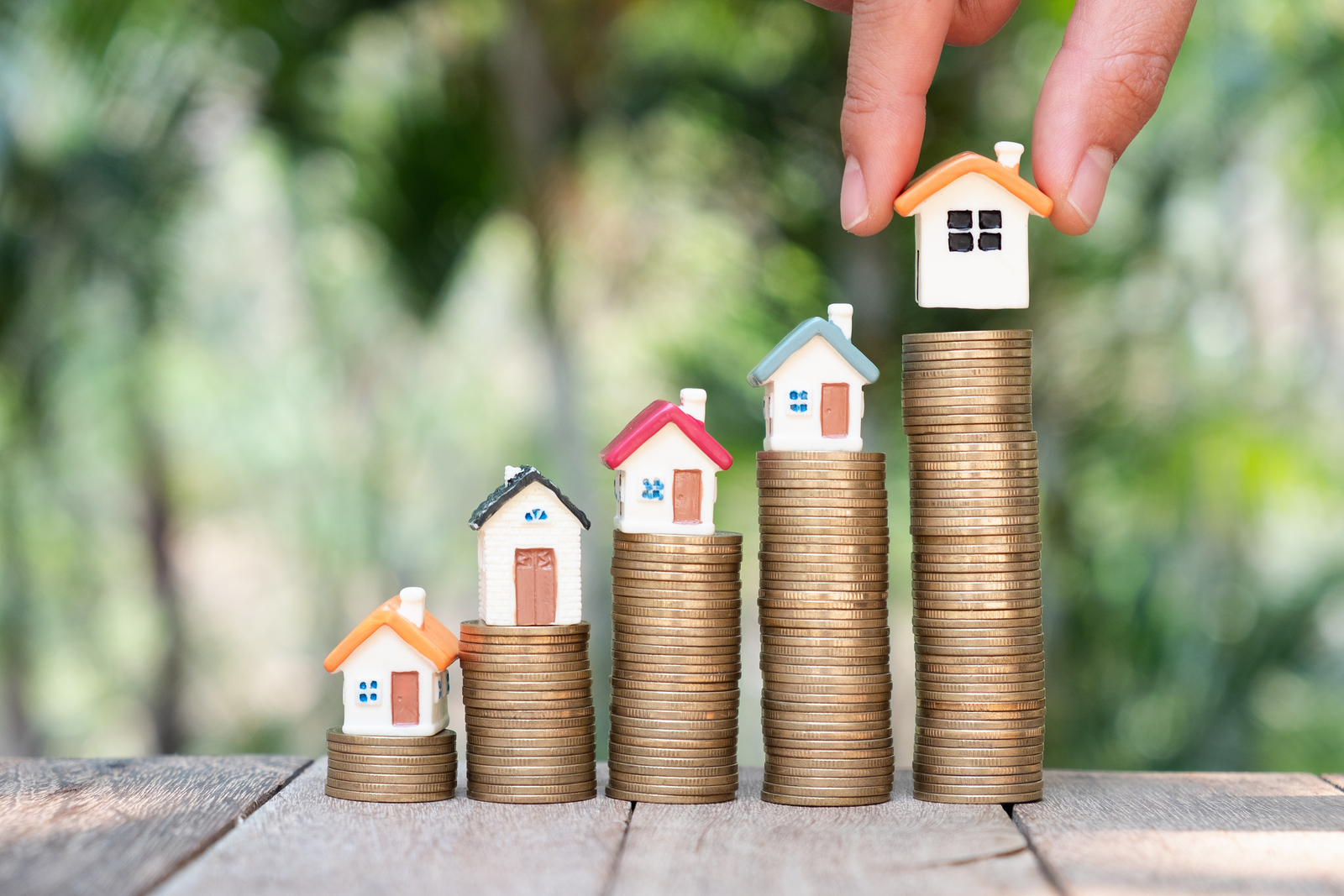
Happy family lying on floor after buying new houseThis slower pace can be particularly beneficial for first-time homebuyers, who might need extra time to understand the market and make a confident choice.
Motivated Sellers and Potential for Better Prices

Winter sellers often have compelling reasons for listing their homes, such as job relocations or financial imperatives, which can make them more eager to negotiate on price and terms.

Homes on the market during winter may be priced more competitively to facilitate quicker sales. This creates a favorable environment for buyers to secure better deals and potentially save on their home purchases compared to peak seasons with more aggressive pricing.

Attractive Pricing and Negotiation Opportunities

Winter sellers often have compelling reasons for listing their homes, such as job relocations or financial imperatives, which can make them more eager to negotiate on price and terms.

Homes on the market during the winter may be priced more competitively to facilitate quicker sales. This creates a favorable environment for buyers to secure better deals and potentially save on their home purchase compared to peak seasons with more aggressive pricing.

Financial Benefits and Year-End Incentives

Winter coincides with the end of the fiscal year, and many financial institutions are eager to close deals to meet their annual targets. This can result in better mortgage rates, discounts, and incentives for buyers.

Real estate agents and brokers might also be more flexible with their fees to secure deals before the year ends.

Tax Advantages and Savings Opportunities

Purchasing a home before the year ends can offer tax benefits. You can deduct mortgage interest, property taxes, and some closing costs on your annual tax return.

These deductions can lead to significant savings, making winter home buying not only strategic but also financially beneficial.

Easier to Identify Issues with the Property

Assessing Insulation, Heating Efficiency, and Overall Condition

Winter is an ideal time to assess a home’s insulation and heating efficiency. During a home inspection, you can easily identify drafts, cold spots, and other issues that might not be as apparent in warmer months.

This can help you ensure the home is energy-efficient and comfortable during the colder season.

Evaluating Weather-Related Resilience

Winter weather provides a unique opportunity to see how a home withstands harsh conditions.

You can observe the state of the roof, gutters, and drainage systems during rain or snow. This firsthand experience can reveal potential maintenance issues and help you make a more informed decision about the property’s resilience and durability.

Real Estate Market Trends

Understanding Seasonal Market Fluctuations and Benefits of Buying a Home in the Winter

The real estate market experiences predictable seasonal fluctuations, with winter typically being a quieter period characterized by reduced transaction volumes.

This seasonal trend can work in favor of buyers looking for specific types of properties or seeking opportunities in their desired neighborhoods.

Understanding these market dynamics, including the benefits of buying a home in the winter, empowers buyers to strategically time their purchases for maximum advantage.

Long-Term Market Considerations

While winter may be slower in terms of market activity, it presents favorable conditions for long-term investment strategies and highlights the benefits of buying a home in the winter.

Real estate traditionally appreciates over time, and purchasing during the off-season positions buyers to benefit from future property value appreciation.

Down trend housing market concept. Financial data on the background.

Moreover, winter often unveils unique property listings that may not be available or as accessible during more competitive seasons, offering buyers a broader selection to choose from.

Conclusion

There are a number of benefits to buying a home in the winter, from lower competition and motivated sellers to financial incentives and the ability to spot potential issues.

By understanding these advantages, you can make a strategic decision that aligns with your goals and budget. Don’t wait for spring—your dream home might be waiting for you this winter.

FAQs

Is it cheaper to buy a home in the winter?

Yes, it can be cheaper to buy a home in the winter due to several factors. Firstly, there is typically lower competition among buyers during the winter months, which can drive prices down or make sellers more willing to negotiate.

Additionally, motivated sellers who list their homes in the winter may be more inclined to accept lower offers to facilitate a quicker sale. These factors combined can lead to cost savings for buyers compared to more competitive seasons like spring and summer.

What are the risks of buying a home in the winter?

Buying a home in the winter does come with some risks. One of the main challenges is weather-related issues during the moving process. Cold temperatures, snow, and ice can make moving logistics more complicated and potentially hazardous.

Another risk is the difficulty in assessing the landscaping and exterior features of the property, such as the condition of the yard, driveway, and outdoor structures, which may be covered in snow or dormant during the winter.

How can the winter weather help identify home issues?

Winter weather provides a unique opportunity to uncover specific issues that may not be as noticeable during warmer seasons.

For example, cold temperatures can reveal insulation problems or drafts in the home. Heating systems are put to the test during winter, allowing buyers to assess their efficiency and performance.

Additionally, snow and ice can highlight drainage issues, roof conditions, and the overall resilience of the property to harsh weather conditions.

Are mortgage rates lower in the winter?

Yes, mortgage rates can be more competitive in the winter months. Financial institutions often have year-end targets to meet, prompting them to offer attractive rates and incentives to borrowers.

This competitive environment can benefit buyers by providing access to lower interest rates, potentially reducing overall borrowing costs when purchasing a home in the winter.

What are the tax benefits of buying a home in the winter?

Buying a home before the year ends can offer several tax advantages. Buyers may be eligible to deduct mortgage interest payments, property taxes, and certain closing costs on their annual tax returns for the year of purchase.

These deductions can result in significant tax savings, making winter home buying not only financially advantageous but also tax-efficient.

Why is Home Insurance Mandatory? Key Reasons Explained

Home insurance is a crucial aspect of homeownership that often sparks debate. While some view it as an unnecessary expense, the reality is that home insurance provides essential protection.

Understanding why home insurance is mandatory can help homeowners appreciate its value and necessity. This article delves into the key reasons behind this requirement, shedding light on its importance for both buyers and sellers in the real estate market.

Protecting Your Investment

Safeguarding Against Natural Disasters

One of the primary reasons home insurance is mandatory is to protect against natural disasters. Homes are vulnerable to a range of natural calamities, such as floods, earthquakes, and hurricanes.

Home floating on a life preserver. Symbolizing a recovering housing economy, flood protection, home salvage , bailout, ect.

Home insurance ensures that homeowners can recover financially from these devastating events. Without insurance, the financial burden of repairing or rebuilding a home could be insurmountable.

Coverage for Fire and Theft

Fire and theft are significant risks that can lead to substantial financial loss. Home insurance policies typically cover these perils, providing peace of mind to homeowners.

In the event of a fire or burglary, insurance can cover the cost of repairs and replacement of stolen items, ensuring that homeowners do not face financial ruin.

Meeting Mortgage Lender Requirements

Lender’s Protection

Mortgage lenders require home insurance to protect their investment. When a lender provides a mortgage, they are essentially investing in the property.

Home insurance ensures that their investment is protected in case of damage or loss. Without insurance, lenders risk losing their investment if the homeowner cannot afford to repair or rebuild the home.

Maintaining Property Value

Home insurance also helps in maintaining the property value. A home that is not insured is at risk of depreciation if it suffers damage that is not repaired.

Insurance concept of family life and property insurance family services family policy and supporting families concepts. Businessman with protective gesture and silhouette representing young family and house.
 

By requiring insurance, lenders ensure that the property remains in good condition, which is crucial for preserving its market value.

Liability Coverage

Protection Against Lawsuits

Home insurance provides liability coverage, which is essential for protecting homeowners from potential lawsuits. If someone is injured on your property, you could be held liable for their medical expenses and other damages.

Liability coverage in home insurance policies covers these costs, protecting homeowners from significant financial loss.

Damage to Neighboring Properties

In some cases, damage to your property can also affect neighboring properties. For example, a fire that starts in your home can spread to your neighbor’s house.

Home insurance can cover the cost of damages to neighboring properties, preventing costly disputes and lawsuits.

Peace of Mind for Homeowners

Reducing Financial Stress

Homeownership comes with its own set of challenges and responsibilities. Home insurance helps reduce the financial stress associated with unexpected events.

Knowing that your home and belongings are protected allows homeowners to focus on enjoying their homes without constant worry.

Ensuring Stability and Security

Home insurance contributes to the overall stability and security of the housing market.

By ensuring that homes are repaired and rebuilt after disasters, insurance helps maintain the integrity of neighborhoods and communities. This stability benefits both individual homeowners and the broader real estate market.

Enhancing Market Confidence

Attracting Buyers and Sellers

A robust home insurance system enhances market confidence by attracting both buyers and sellers. Buyers feel more secure knowing that their investment is protected, and sellers can assure potential buyers that the property is well-covered.

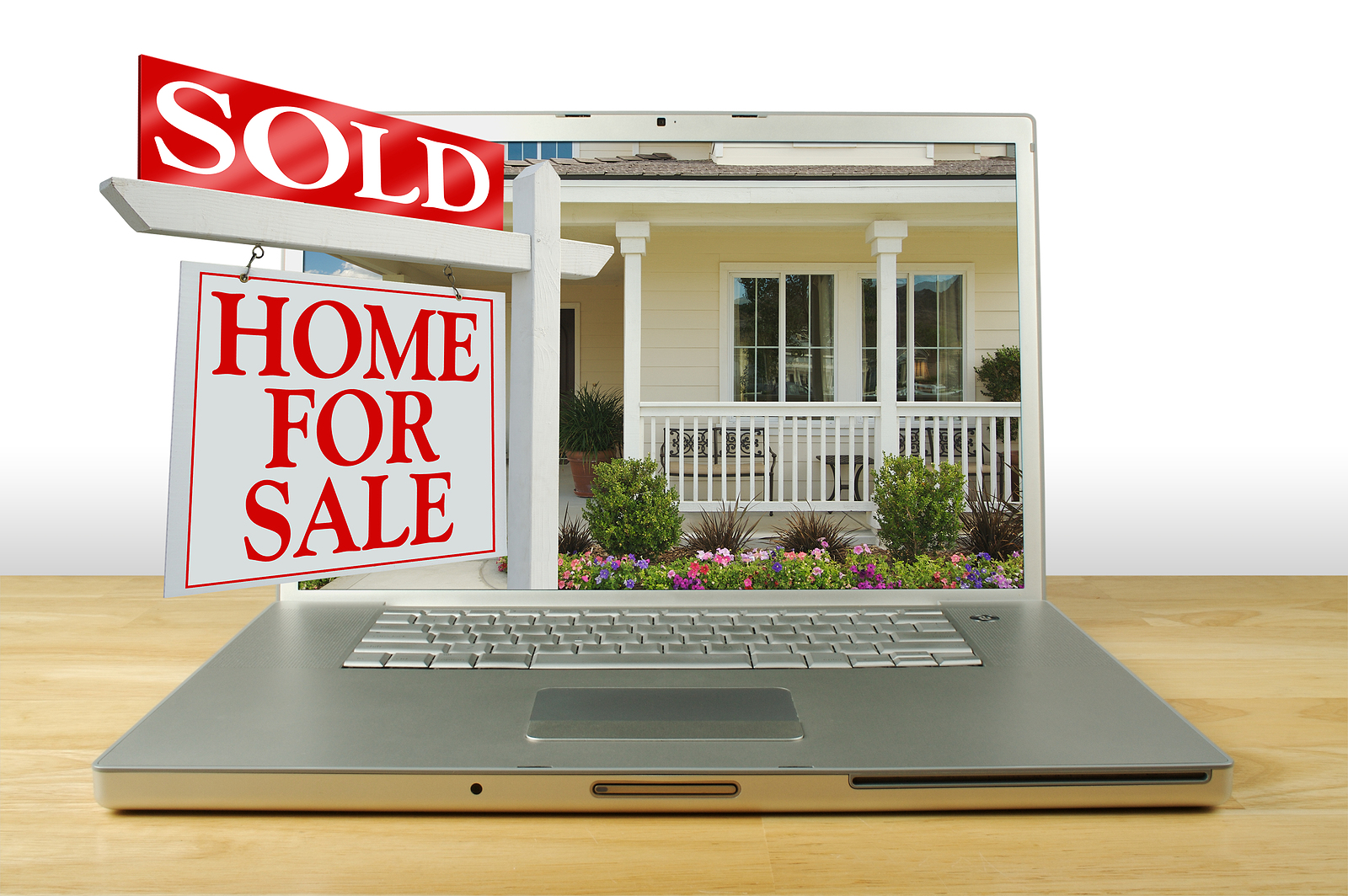
Sold Home for Sale Sign, New Home on Laptop. See my theme variations.
 

This assurance can lead to smoother transactions and a more vibrant real estate market.

Supporting Real Estate Values

Mandatory home insurance supports real estate values by ensuring that homes are maintained and repaired promptly. When insurance covers damages, properties do not fall into disrepair, which can negatively impact neighborhood values.

This maintenance preserves the appeal and worth of homes, benefiting the entire community.

Legal and Regulatory Compliance

Meeting Legal Requirements

In many regions, having home insurance is not just a lender requirement but also a legal one. Local laws often mandate home insurance to ensure that properties are protected and homeowners are financially prepared for potential losses.

Complying with these regulations is crucial for avoiding legal penalties and ensuring community safety.

Encouraging Responsible Homeownership

Requiring home insurance encourages responsible homeownership. It ensures that homeowners take the necessary precautions to protect their property and the investments of their lenders.

This responsibility extends to maintaining the property and promptly addressing any damages, fostering a culture of care and accountability in the community.

The Role of Government and Insurers

Government Incentives

Governments often provide incentives for homeowners to obtain insurance. These can include tax benefits, grants, or subsidies for insurance premiums.

Such incentives make it easier for homeowners to afford insurance, thereby increasing the overall rate of insured properties and enhancing community resilience.

Insurer Contributions

Insurance companies play a crucial role by offering various plans tailored to different needs and budgets. They provide valuable risk assessments and safety advice, helping homeowners understand their coverage options.

Insurers also contribute to disaster recovery efforts, ensuring that communities can rebuild quickly and efficiently after a catastrophic event.

Long-Term Financial Planning

Building Financial Security

Home insurance is a cornerstone of long-term financial planning. It protects one of the most significant investments most people will make in their lifetime.

By mitigating the financial risks associated with property damage, home insurance allows homeowners to plan for the future with greater confidence.

Supporting Family Well-being

A well-insured home supports the well-being of the homeowner’s family. It ensures that in the event of a disaster, the family has the financial means to repair or replace their home.

This security extends to safeguarding personal belongings and maintaining the family’s standard of living during tough times.

Addressing Common Concerns

Affordability Issues

One common concern about mandatory home insurance is affordability. While premiums can be an additional expense, the cost of not having insurance in the face of disaster is significantly higher.

There are various insurance plans available to fit different budgets, and seeking professional advice can help homeowners find an affordable policy that meets their needs.

Understanding Coverage Options

Another concern is understanding the coverage options available. Homeowners should take the time to research and consult with insurance experts to ensure they choose the right coverage.

Comprehensive policies might be more expensive, but they offer extensive protection that can be invaluable in an emergency.

Additional Benefits of Home Insurance

Coverage for Personal Belongings

Home insurance doesn’t just cover the structure of your home; it also protects your personal belongings. This includes furniture, electronics, clothing, and other valuables.

In the event of theft, fire, or other covered disasters, home insurance can help replace these items, alleviating financial stress and helping you get back to normal faster.

Alternative Living Arrangements

If your home is rendered uninhabitable due to a covered event, home insurance can cover the cost of temporary living arrangements.

This means you won’t have to worry about where to stay or how to pay for additional living expenses while your home is being repaired or rebuilt.

Conclusion

Home insurance mandatory requirements are in place for good reasons. They protect homeowners, mortgage lenders, and communities from financial ruin and instability.

By covering risks such as natural disasters, fire, theft, and liability, home insurance provides peace of mind and financial security. For anyone involved in the real estate market, understanding the importance of home insurance can lead to more informed decisions and a more stable housing environment.

The Ultimate Checklist for Buying a Fixer Upper

Buying a fixer upper can be an exciting adventure and a great investment opportunity. However, it requires careful planning and consideration. Here’s the ultimate checklist to ensure you make a smart purchase and transform your fixer upper into your dream home.

1. Assess Your Budget

Before diving into the process, it’s crucial to know your financial limits. This includes the purchase price of the home and the renovation costs. Factor in a buffer for unexpected expenses that often arise during renovations. A pre-approved mortgage gives you a clear picture of how much you can borrow and shows sellers that you are a serious buyer.

Estimate All Costs

When assessing your budget, don’t forget to include costs such as closing fees, insurance, property taxes, and contingencies for unexpected repairs. Being thorough ensures you won’t face financial strain mid-project.

Real estate services cost. House insurance protection and safety. moving and relocation. house frame in green residential area with money purse. Downsizing. Loan for new home. Finding new property
 

Financing Options

Explore different financing options, like renovation loans or home equity lines of credit. These can provide the necessary funds to cover both the purchase and renovation costs, spreading payments over time.

Return on Investment

Consider the potential return on investment (ROI). Research comparable properties in the area to estimate the future market value of the renovated home. This will help determine if the fixer upper is a wise financial decision. Additionally, it’s crucial to factor in the current market trends and potential future developments in the neighborhood.

Are there any upcoming infrastructure projects, like new schools, parks, or commercial centers? These can significantly boost property values and make your investment more profitable. Consulting with a local real estate agent can provide valuable insights into the area’s growth prospects and help you make an informed decision. Balancing your budget with these future potential gains can ensure you make a sound financial decision.

2. Conduct a Thorough Inspection

A comprehensive inspection is a must when buying a fixer upper. Hire a professional inspector to assess the structural integrity, plumbing, electrical systems, roof, foundation, and other critical components. Create a detailed list of repairs and renovations required, categorizing them into must-do repairs and optional upgrades.

Building inspection, male inspecting home, reconstructed construction, renovation or check defect, before finish handing it over to client, customer. Engineering worker.
 

Identify Major Issues

Focus on identifying major issues such as structural damage, roofing problems, and outdated electrical systems. These can be costly and essential to address before moving forward with aesthetic improvements.

DIY vs. Professional Help

Decide which projects you can tackle yourself and which ones require professional help. DIY projects can save money, but certain tasks, like electrical and plumbing work, are best left to licensed professionals.

3. Calculate Renovation Costs

Obtain estimates from multiple contractors for the necessary renovations. This will give you a realistic idea of the costs involved and help you compare different options. If you plan to handle some projects yourself, factor in the cost of materials and tools, being realistic about your skills and the time commitment required.

Budget for Overruns

Always budget for overruns. Unexpected issues can and do arise, and having a financial cushion ensures that these surprises don’t derail your renovation plans.

Prioritize Key Areas

Address any structural issues first, such as foundation problems, roof leaks, or plumbing issues. These are essential for the safety and stability of the home. Prioritize upgrades to essential systems like electrical wiring, plumbing, and HVAC to ensure these systems are up to code and functioning properly.

4. Plan for Permits and Regulations

Check local building codes and regulations to ensure your renovation plans comply. This can prevent costly fines and delays. Depending on the scope of your renovations, you may need various permits. Apply for these in advance to avoid any interruptions to your project.

Permit Requirements

Understand which renovations require permits. Common projects that need permits include structural changes, electrical upgrades, and major plumbing work. Complying with local regulations is crucial for safety and legality.

Navigating Local Codes

Different municipalities have different building codes. It’s essential to familiarize yourself with the specific requirements in your area. Consulting with a local contractor or inspector can help you navigate these regulations efficiently.

5. Prioritize Key Areas

Address any structural issues first, such as foundation problems, roof leaks, or plumbing issues. These are essential for the safety and stability of the home. Prioritize upgrades to essential systems like electrical wiring, plumbing, and HVAC to ensure these systems are up to code and functioning properly.

Cosmetic Improvements

After addressing structural and system issues, focus on cosmetic improvements like painting, flooring, and landscaping. These enhance the home’s appeal and can significantly boost its value.

Energy Efficiency

Consider incorporating energy-efficient upgrades. Installing insulation, energy-efficient windows, and appliances can reduce future utility costs and make the home more attractive to buyers if you decide to sell.

Landscape Design

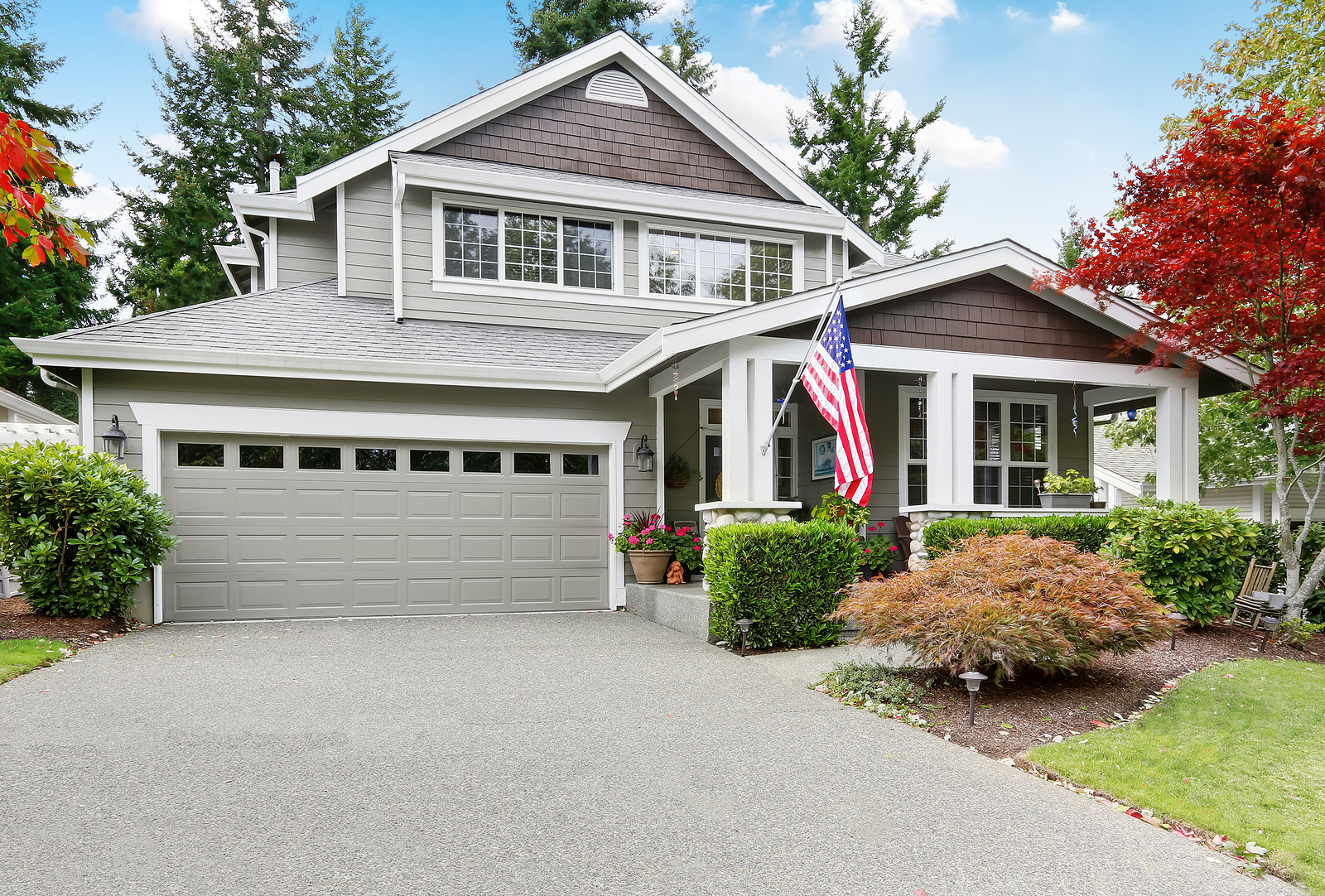
Nice curb appeal of grey house with garage and driveway. Column porch with American flag. Northwest USA
 

Don’t overlook the exterior of the home. A well-designed landscape can add curb appeal and create a welcoming environment. Simple additions like new plants, a fresh lawn, and updated walkways can make a significant difference.

6. Create a Renovation Timeline

A detailed renovation timeline helps keep your project on track. Outline each phase of the renovation, setting realistic deadlines for each task. This will help manage expectations and ensure a smooth workflow.

Setting Realistic Deadlines

Consider the scope of each renovation task when setting deadlines. Some projects, like plumbing or electrical work, may take longer due to their complexity. Build in buffer time for unexpected delays.

Hiring the Right Professionals

Finding reliable contractors is crucial for staying on schedule. Do thorough research, read reviews, and get recommendations from friends or family. A good contractor can make a significant difference in the quality and timing of your renovations.

Regular Progress Check-Ins

Schedule regular check-ins with your contractors to monitor progress. This helps catch any issues early and ensures that the project stays on track. Being proactive can prevent small problems from becoming major setbacks.

7. Finalize the Purchase

Once you have a clear understanding of the budget, necessary repairs, and renovation costs, you can proceed with the purchase. Work closely with your real estate agent to negotiate the best deal and ensure all legal paperwork is in order.

Closing the Deal

During the closing process, review all documents carefully. Ensure that the terms are as agreed and there are no hidden clauses. It’s also wise to have a lawyer review the contract to protect your interests.

Post-Purchase Steps

After closing, start with the most critical repairs. Prioritize safety and structural integrity before moving on to cosmetic upgrades. A well-planned approach ensures a successful renovation journey.

Conclusion

Buying a fixer upper is a rewarding journey that can lead to significant financial and personal rewards. By following this ultimate checklist, you can navigate the complexities of purchasing and renovating a fixer upper, transforming it into your dream home.

Remember to stay organized, be prepared for surprises, and enjoy the process of creating a space that reflects your style and needs.

Investment Potential: Attached vs Detached Family Homes

Understanding the investment potential of attached versus detached family homes is crucial for prospective homeowners and real estate investors. This article explores key factors influencing investment decisions and compares the advantages of each property type.

Definitions

Definition of Attached Family Homes

Attached family homes, like townhouses or row houses, share one or more walls with neighboring properties. They are typically found in urban or suburban areas and offer a balance between apartment living and detached homes.

Definition of Detached Family Homes

Recently built townhomes.

Detached family homes are standalone properties with no shared walls. They often feature larger plots of land, providing more privacy and outdoor space. Detached homes are common in suburban and rural settings.

Investment Considerations

Initial Cost and Affordability

Attached homes generally have a lower initial cost due to shared construction expenses and smaller land plots. This affordability makes them appealing to first-time buyers and investors with limited budgets.

Maintenance Costs and Responsibilities

Maintenance costs for attached homes may be lower as exterior upkeep is often managed by homeowners’ associations (HOAs). In contrast, owners of detached homes are responsible for all maintenance, including landscaping.

Appreciation Potential

Detached homes typically appreciate faster due to their larger land sizes and greater privacy. However, well-located attached homes in desirable urban areas can also see significant appreciation over time.

Rental Income Potential

Red For Rent Real Estate Sign in Front of Beautiful House.

Detached homes often command higher rental rates due to their larger size and privacy. Attached homes, especially those in urban locations, can still generate substantial rental income if well-maintained and equipped with modern amenities.

Market Trends

Current Market Trends

Attached homes are increasingly popular in urban areas where land is scarce and demand for affordable housing is high. Detached homes remain strong in suburban and rural markets, appealing to families seeking more space.

Historical Market Performance

Both attached and detached homes have historically shown steady appreciation. Detached homes typically have a longer track record of higher appreciation rates due to land value.

Location and Environment

Urban vs Suburban Preferences

Attached homes are prevalent in urban areas due to their compact size and proximity to city centers. Detached homes are preferred in suburban and rural areas for their larger lots and quieter surroundings.

Impact of Location on Property Value

Proximity to amenities such as schools, shopping centers, and public transit influences property values for both attached and detached homes. Urban attached homes and suburban detached homes can both command premium prices based on location.

Cafe and Neighborhood Isometric. Set of very detailed isometric vector

Neighborhood and Community Impact

A well-maintained neighborhood with good schools and services enhances property values for both attached and detached homes. Community amenities play a crucial role in attracting buyers and tenants.

Privacy and Lifestyle

Privacy Levels

Detached homes offer greater privacy as they are standalone properties with no shared walls. Attached homes, while offering some privacy measures, involve closer proximity to neighbors.

Lifestyle Preferences

Buyers choosing between attached and detached homes often prioritize lifestyle preferences. Those valuing convenience and community may prefer attached homes, while those prioritizing space and privacy lean towards detached homes.

Security and Safety

Security Considerations

Attached homes may benefit from shared security measures in community settings, while detached homes allow for more personalized security installations such as fences and comprehensive alarm systems.

Safety Features

Both attached and detached homes benefit from local safety services like police and fire departments. Community safety measures can enhance property desirability and resale value.

Financing and Tax

Financing Options

Financing options are similar for both attached and detached homes, with factors such as location and market demand influencing loan approval and terms.

Tax Implications

Property taxes, mortgage interest deductions, and potential capital gains taxes apply to both property types. Buyers should consider these financial factors when evaluating investment potential.

Resale Value and Marketability

Factors Affecting Resale Value

Resale value for both attached and detached homes is influenced by factors such as location, property condition, and market trends. Well-maintained homes in desirable neighborhoods tend to retain or increase in value.

Marketability

Buyer preferences and market conditions dictate how quickly homes sell. Urban attached homes and suburban detached homes each cater to different buyer demographics, affecting marketability.

Expert Insights

Real Estate Agent Perspectives

Real estate agents offer insights on market trends, buyer preferences, and investment strategies for attached versus detached homes.

Financial Advisor Insights

Financial advisors provide guidance on evaluating investment opportunities in real estate and maximizing returns based on individual financial goals.

 Common Questions About Attached Homes

  1. What are the typical advantages of buying an attached home?

    • Attached homes often offer lower purchase prices compared to detached homes, making them more affordable for buyers. They also tend to have shared maintenance responsibilities, which can reduce individual upkeep costs.
  2. What are the potential drawbacks of living in an attached home?

    • One common drawback is reduced privacy due to shared walls with neighbors. Noise from adjoining units can also be a concern, depending on the construction and soundproofing of the property.
  3. Are there any specific financing considerations for attached homes?

    • Financing options for attached homes are similar to those for detached homes. However, some lenders may have specific requirements based on the property’s location, condition, and HOA regulations.

Common Questions About Detached Homes

  1. What are the primary benefits of purchasing a detached home?

    • Detached homes offer more privacy and space compared to attached homes. They often come with larger yards or outdoor areas, providing homeowners with more room for personalization and outdoor activities.
  2. What should buyers consider regarding maintenance costs for detached homes?

    • Owners of detached homes are responsible for all maintenance, including exterior upkeep and landscaping. While this can require more effort and expense compared to attached homes, it also allows for greater control over property maintenance decisions.

Conclusion

Summary

Choosing between attached and detached homes involves weighing financial considerations, lifestyle preferences, and market trends. Both property types offer unique advantages, appealing to different segments of buyers and investors.

Final Thoughts

Ultimately, the decision to invest in attached or detached homes hinges on individual priorities and long-term investment objectives. Consulting with real estate professionals can provide further clarity and guidance.

Call to Action

For personalized advice on real estate investments or to explore current market opportunities, contact a trusted real estate advisor or financial planner.