
Pre-Qualified vs. Pre-Approved: The Crucial Difference Buyers Miss

You’ve spent hours scrolling through real estate apps, favoriting gorgeous kitchens, and mapping out your dream neighborhood. You feel ready to start touring homes. So, you click a button on a website, type in a few basic numbers, and a screen pops up saying you’re “pre-qualified” for a $400,000 mortgage.

Time to start making offers, right?

Not quite.

One of the most common—and potentially heartbreaking—mistakes home buyers make is confusing being pre-qualified with being pre-approved. While they sound almost identical, mixing up these two steps can cause you to lose out on your dream home in a competitive market.

Here is the crucial breakdown of the two, and why knowing the difference changes everything.


1. Pre-Qualification: The Casual First Glance

Think of a pre-qualification as a casual conversation with a lender. It is a quick, high-level estimate of what you might be able to borrow based entirely on information you provide.

  • How it works: You tell a lender (or an online form) your estimated income, your approximate debt, and what you think your credit score is.

  • The catch: The lender does not verify any of this information. They don’t look at your tax returns, they don’t check your pay stubs, and they usually don’t run a hard credit check.

  • What it’s good for: It gives you a ballpark idea of your budget so you can decide if you’re financially ready to start looking at homes.

The Bottom Line: A pre-qualification is an educated guess. Because it isn’t verified, sellers will not accept it as proof that you can actually secure a loan.

2. Pre-Approval: The Golden Ticket

A pre-approval is the real deal. This is an official, conditional commitment from a lender stating the exact amount they are willing to lend you.

  • How it works: You fill out a formal mortgage application. You provide actual documentation to back up your claims, including W-2s, tax returns, bank statements, and pay stubs. The lender will also perform a hard credit inquiry to check your official credit score and debt-to-income ratio.

  • Why it matters: An underwriter actually reviews your financial health. If everything checks out, the lender issues a formal Pre-Approval Letter.

  • What it’s good for: This letter proves to sellers and real estate agents that you are a serious, qualified buyer who has the financial backing to close the deal.

Why Making an Offer Without a Pre-Approval Fails

In today’s real estate market, timing is everything. When a great home hits the market, the seller might receive multiple offers within a few days.

If you submit an offer with only a pre-qualification letter, and another buyer submits an offer with a pre-approval letter, the seller will almost always choose the other buyer. Why? Because the other buyer has already done the heavy lifting with their lender, meaning the risk of the deal falling through due to financing issues is incredibly low.

Furthermore, many agents won’t take buyers out to tour homes in person until they are pre-approved. It ensures no one is wasting time looking at properties that are outside of a realistic budget.

Your Next Steps

Getting pre-approved doesn’t just make you look good to sellers—it gives you peace of mind. You can shop with confidence, knowing exactly what your monthly payments will look like and exactly how much house you can afford.

Before you fall in love with a home on your screen, let’s get your financial foundation secured.

Ready to take the true first step? Contact me today, and I’ll connect you with a trusted local lender to get your pre-approval started.

Smart Strategies for Buying a Home in Today’s Market

If you’ve been keeping an eye on the housing market recently, you might be feeling a mix of excitement and hesitation. With interest rates fluctuating and affordability making headlines, it’s completely normal to wonder: Is right now a good time to buy a home?

The short answer? Yes—if you approach it with the right strategy.

While the days of rock-bottom interest rates might be behind us for now, today’s market offers unique opportunities for savvy buyers who know where to look. Here are a few smart strategies to help you navigate the home-buying process and come out on top.

1. Focus on the Purchase Price, Not Just the Rate

There’s a popular saying in real estate: “Marry the house, date the rate.” Interest rates are temporary, but the purchase price of your home is permanent.

In a market with higher interest rates, there is often less buyer competition. This means fewer bidding wars and a better chance to negotiate a favorable purchase price. If you secure a home at a great price today, you always have the option to refinance your mortgage down the road when interest rates eventually drop.

2. Leverage Seller Concessions

When homes sit on the market a little longer, sellers become more motivated. This shifts the leverage back to you, the buyer.

Instead of just negotiating the asking price, you can ask for seller concessions. These are costs the seller agrees to pay on your behalf to help close the deal. You can use concessions to cover closing costs, pay for necessary repairs, or—most importantly—fund a temporary rate buydown.

3. Explore a Temporary Rate Buydown

A temporary rate buydown (like a 2-1 buydown) is a fantastic tool for buyers looking for immediate payment relief.

Here’s how it works: The seller pays an upfront fee at closing that lowers your mortgage interest rate for the first one or two years of your loan. This gives you a much lower monthly payment during your initial years in the home, allowing you time to ease into homeownership, furnish your house, or wait for the broader market rates to stabilize before refinancing.

4. Think Long-Term Wealth Building

It’s easy to get caught up in the monthly payment math, but it’s crucial to remember that real estate is a long-term investment. Every mortgage payment you make is a forced savings account that builds your equity.

Historically, home values appreciate over time. By delaying your purchase to wait for a “perfect” market, you could miss out on years of equity growth and end up paying a higher purchase price later on.

Ready to Build Your Strategy?

Buying a home in today’s market isn’t about timing things perfectly; it’s about making the right financial decisions for your unique situation. Having a knowledgeable real estate professional by your side is more important than ever to help you negotiate concessions, understand financing options, and find a home that fits your budget.

If you’re ready to stop renting and start building wealth, reach out today. Let’s sit down, look at the numbers, and build a customized home-buying strategy that works for you!

The Interest Rate Focus Mistake Buyers Are Making in 2026

In 2026, one topic dominates nearly every buyer conversation.
Interest rates.

Buyers watch them daily. Headlines track them hourly. Social media predicts where they will go next. Many buyers delay purchasing because of interest rate focus, believing the lowest rate equals the best decision.

The problem is simple. Focusing only on the rate often leads to worse outcomes.

Interest rates matter, but they are only one part of the decision. When buyers build their entire strategy around interest rate focus, they overlook factors that have a much greater impact on long term cost and opportunity.

Rates fluctuate. Purchase price does not.

Interest rates change constantly. They move up, down, and sideways based on inflation, economic data, global events, and policy decisions. What does not change is the price you pay for the home.

If you buy a home at a high price, that number is permanent. If you buy at a lower price with less competition, that advantage stays with you for the life of ownership.

Rates can be refinanced. Overpaying cannot.

Negotiation power shifts with market conditions.

When rates are higher, buyer demand typically slows. That slowdown creates leverage. Sellers become more flexible on price, repairs, concessions, and closing costs.

When rates drop, competition returns quickly. Multiple offers increase prices. Appraisal gaps come back. Concessions disappear.

Buyers driven by interest rate focus often enter the market at the exact moment their negotiating power is weakest.

Temporary rate strategies matter more than permanent pricing mistakes.

In 2026, buyers have access to temporary buydowns, seller paid concessions, adjustable products, and refinance strategies that can reduce payments in the short term.

What cannot be fixed later is buying too high.

A slightly higher rate on a lower purchase price often produces the same payment while protecting equity. Buyers trapped in interest rate focus frequently miss these opportunities.

Monthly payment is only one piece of affordability.

Affordability includes equity growth, resale leverage, refinancing flexibility, and long term financial positioning. Two buyers with the same payment can have very different outcomes depending on purchase price and terms.

Reducing affordability to one number is the biggest danger of interest rate focus.

Long term equity beats short term fear.

Real estate wealth is rarely created by perfect timing. It is created through ownership over time.

Buyers who waited for perfect rates in past cycles often entered at peak pricing. Buyers who acted when uncertainty existed typically gained equity faster once conditions stabilized.

Fear delays action. Strategy creates options.

The best opportunity is rarely tied to the lowest rate.

It is tied to pricing, leverage, negotiation strength, and long term equity. Moving beyond interest rate focus allows buyers to make decisions rooted in planning instead of prediction.

Eco-Friendly Home Features That Attract Buyers

If you’re looking to sell your home, incorporating eco-friendly features can significantly increase its appeal to potential buyers. As more people become environmentally conscious, these features not only reduce the carbon footprint but also offer cost savings and health benefits. Here are some eco-friendly home features that can make your home more attractive to buyers and boost its market value.

Energy-Efficient Appliances

Buyers are increasingly interested in homes equipped with energy-efficient appliances. These appliances use less electricity and water, which can substantially reduce utility bills. Look for appliances with the ENERGY STAR label, which indicates they meet or exceed federal energy efficiency standards. High-efficiency washers, dryers, refrigerators, and dishwashers are excellent additions that can make your home stand out.

Solar Panels

Solar panels are a standout feature for many buyers. They provide a renewable energy source to power a home and reduce or even eliminate electricity bills. Although the initial investment can be substantial, many government incentives and rebates can help offset the costs. Homes with solar panels often sell faster and at higher prices, making them a smart investment before listing your home.
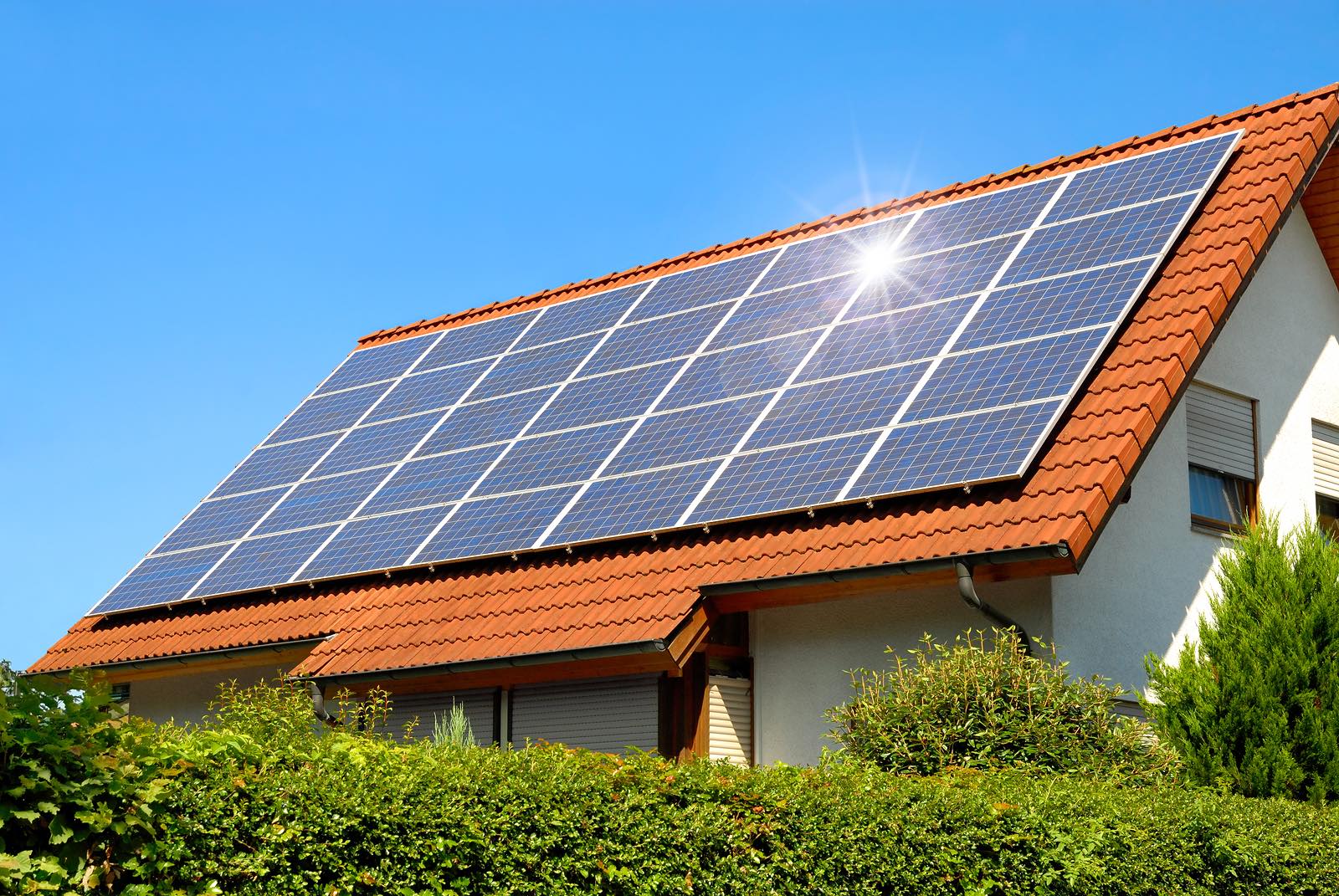
solar panels on a pitched roof of a home.

Insulation and Windows

Proper insulation and energy-efficient windows are critical for maintaining a home’s temperature and reducing energy consumption. Homes with high-quality insulation and double- or triple-pane windows can keep heat in during the winter and out during the summer, resulting in lower heating and cooling costs. Buyers appreciate the promise of lower utility bills and increased comfort, making these upgrades worth considering.

Water Conservation Systems

Water conservation is a significant concern for eco-conscious buyers. Features such as low-flow toilets, faucets, and showerheads, as well as rainwater harvesting systems, can significantly reduce water usage. Installing a greywater system can allow homeowners to reuse water from sinks and showers for irrigation, further conserving water and appealing to buyers looking for sustainable solutions.

Sustainable Materials

Homes built with sustainable materials are increasingly attractive to buyers. These materials include bamboo flooring, recycled steel, reclaimed wood, and low-VOC (volatile organic compounds) paints and finishes. Sustainable materials not only reduce the environmental impact of construction but also improve indoor air quality and overall home health.

Smart Home Technology
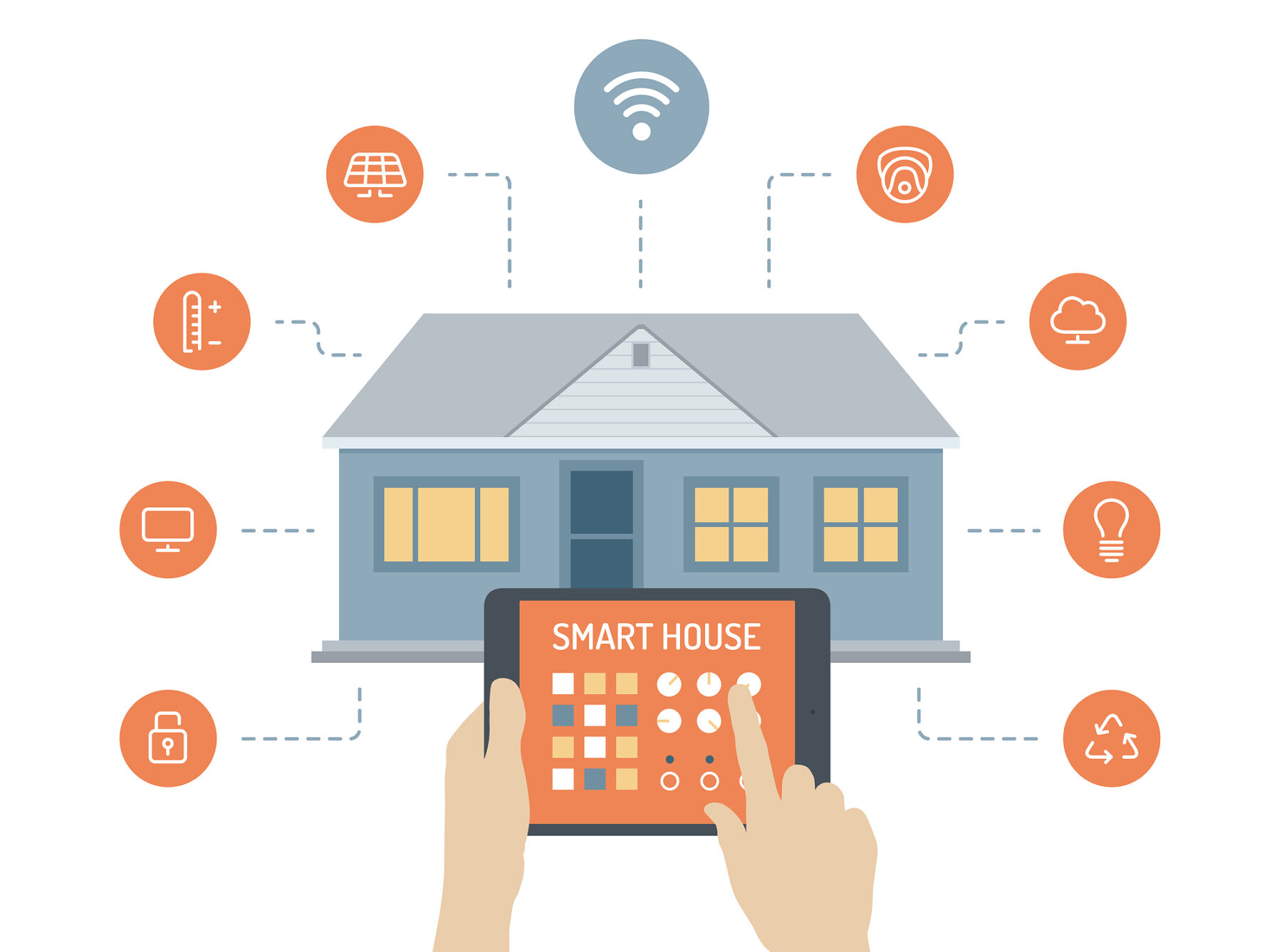
Flat design style modern vector illustration concept of smart house technology system with centralized control of lighting heating ventilation and air conditioning security locks and video surveillance energy savings and efficiency. Isolated on white back

Smart home technology can enhance the eco-friendliness of a home by optimizing energy usage. Smart thermostats, for instance, can learn a homeowner’s schedule and adjust the temperature accordingly, ensuring the home is heated and cooled only when necessary. Smart lighting systems can also reduce electricity consumption by automatically turning off lights when rooms are not in use.

Green Roofs and Walls

Green roofs and walls are innovative features that provide insulation, reduce stormwater runoff, and improve air quality. They also create habitats for wildlife and can significantly enhance the aesthetic appeal of a home. While they can be more costly to install and maintain, the environmental and economic benefits make them a valuable investment for eco-conscious buyers.

Electric Vehicle Charging Stations

As electric vehicles (EVs) become more popular, having a home EV charging station is an attractive feature for buyers. It provides the convenience of charging an EV at home and can be a significant selling point for those who already own or are considering purchasing an electric vehicle. Installing a charging station can also future-proof your home as EV adoption continues to grow.

Landscaping for Energy Efficiency

Strategically designed landscaping can contribute to a home’s energy efficiency. Planting trees and shrubs in specific locations can provide natural shading, reducing cooling costs in the summer. Additionally, using native plants in landscaping requires less water and maintenance, promoting sustainability and reducing environmental impact.

Indoor Air Quality Systems

Indoor air quality is a critical aspect of a healthy home environment. Buyers are increasingly looking for homes with air purification systems that remove pollutants and allergens from the air. Systems such as HEPA filters, UV air purifiers, and whole-house ventilation can significantly improve indoor air quality, making your home more attractive to health-conscious buyers.
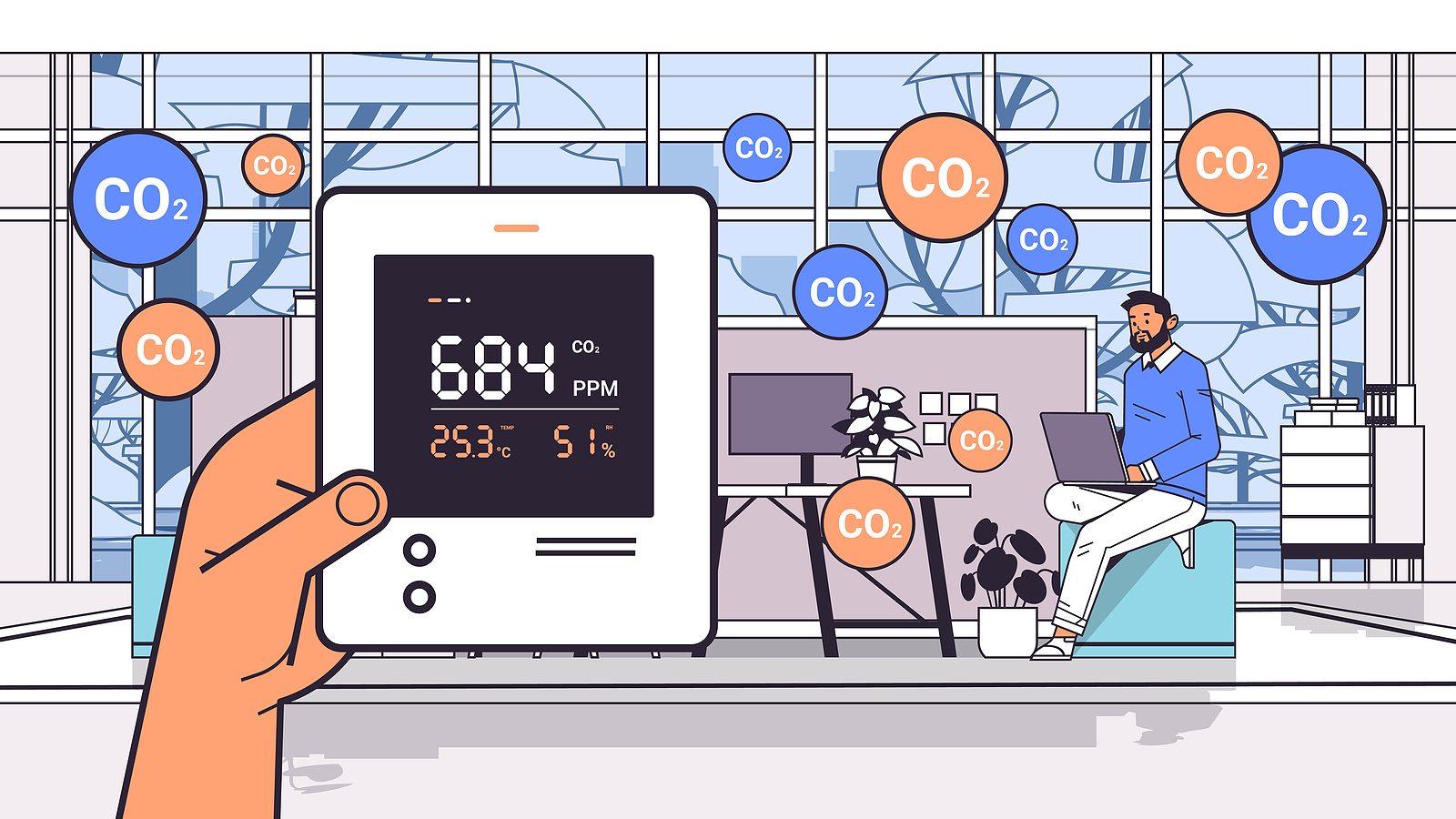
hand holding air quality monitor test on the presence of dangerous CO2 control level testing with indoor carbon dioxide detector

If you’re planning to sell your home and want to incorporate these eco-friendly features, check out this comprehensive list by Forbes!

Conclusion

Incorporating these eco-friendly features can make your home more appealing to buyers who are looking to reduce their environmental impact while enjoying the benefits of a sustainable lifestyle. Not only do these features help save money on utility bills, but they also contribute to a healthier and more comfortable living environment, making your home more attractive in the real estate market.

The 3 Most Important Real Estate Documents You’ll Sign

The process of purchasing a home can be summed up in five words: a huge pile of paperwork. Despite promises of becoming a paperless society, it seems the real estate industry hasn’t yet caught up and both buyers and sellers spend a lot of time with pen in hand.

It’s easy to allow your mind to wander and your eyes to glaze over when your real estate agent sticks yet another form full of legalese in front of you. It’s also dangerous – especially when confronted by one of the three most important real estate documents in the home purchase process.

Let’s take a look at these nasty’s and why you should pay close attention to them.

The Purchase Agreement

Invariably, the first question a homeowner has when handed a purchase agreement is: “How much?” Sure, the offering price is important, but there’s a lot more lurking in the purchase agreement – and some of it is just as important as the money.

A few of the clauses you should scrutinize:

Earnest money deposit: As a seller, you’ll want this amount to be high and as a buyer, you will want to pay as little as possible. The amount of the deposit, however, not only proves that the buyer is serious about completing the transaction but also his or her financial solvency.

As Trev E. Petersen of the Knudsen Law Firm in Lincoln, Neb. says, as a seller, would you “even consider selling to a person who does not have $1,000 to put down on the house?” On the flip side, as a buyer “If you cannot afford a $1,000 earnest money deposit, should you even be considering the purchase?”

Financing contingency: The financing contingency allows the buyer to exit the transaction with no penalty if he or she can’t obtain financing at the stated rate and terms. The contingency, like all of them, is time-sensitive, meaning that the buyer has a limited amount of time to secure a promise from a lender.

The promise is typically based on underwriting, so it is different from the pre-approval process the buyer may have gone through prior to submitting the offer.

Sellers want to scrutinize the time element in this part of the contract. Since you’ll be taking the home off the market during this period, ensure that it isn’t protracted.

Dates: Every contingency in the purchase agreement has a corresponding time limit. There is also a stated date for closing and for possession of the home. Both parties should pay close attention to all of these time limits bearing in mind that “time is of the essence” in a real estate transaction.

Seller’s Property Disclosure

Arguably one of the most commonly litigated real estate processes is the seller’s property disclosure. Rules vary by state and even by region, but generally, a seller has a duty to fully disclose “the condition and information concerning the property known by the Seller which materially affects the value of the property.”

For the buyer, this form is a road map to future repairs. For the seller, if done honestly and thoroughly, it’s a “CYR,” (cover your rear-end).

Buyers also have a duty during the process and it’s known as “due diligence.” Part of this diligence involves becoming as informed as possible about the investment you are about to purchase.

This means you simply must read the seller’s disclosure forms. If you don’t, and a pre-existing condition later rears its ugly and costly head, you have no legal recourse after the sale closes.

Remember, that fresh coat of paint may just be a seller’s way of increasing the home’s curb appeal – or the paint could be acting as a bandage to cover water damage. Check the disclosures carefully.

Homeowners Association Documents

Purchasing a home that is governed by a homeowner’s association brings a whole new pile of paperwork to the process. The governing documents, known as the Covenants, Conditions and Restrictions, or CCRs for short, are extremely important reading material.

These documents will tell you if you can paint your house and, if so, what color. They contain pet restrictions, landscaping restrictions, parking rules and even whether or not you can fly a flag on your property. In essence, although you own your home, the CC&Rs dictate how you can use it.

Other documents in the package that bear scrutiny are the HOA meeting minutes, the budget, insurance information and the financial statements.

These documents don’t exactly make for light, enjoyable reading, but it is vital that you read them thoroughly. Keep in mind that if the HOA isn’t run properly, they may not have enough money in the reserve fund to pay for large repairs or maintenance projects.

In these cases, they will levy an assessment on all homeowners. This assessment is mandatory and failure to pay may result in fines, property liens and even foreclosure.

Consult with an attorney if there is anything in the paperwork you don’t understand.

While every piece of paper put in front of you for your signature is important in a real estate transaction, these three deserve special scrutiny. A home is a lot more than four walls and a roof, it’s an investment that requires due diligence on your part before agreeing to the purchase.