Wellness Real Estate: The Rise of Health-Conscious Home Design

Introduction

The way we think about our homes is evolving. More than just a place to live, our homes are becoming spaces that actively support our health and well-being. This growing movement, known as wellness real estate, blends innovative design with lifestyle-focused amenities to create healthier living environments. In this post, we’ll explore why this trend is booming, the features driving its popularity, and how it’s shaping the future of real estate.

Why Wellness is Becoming a Priority in Home Design

Modern buyers are seeking more than just square footage and curb appeal; they want homes that contribute to better physical, mental, and emotional health. This shift is fueled by rising awareness of how our surroundings impact our well-being.

From improved air quality to stress-reducing layouts, wellness real estate prioritizes features that enhance daily living. For some, this might mean investing in eco-friendly materials, while for others, it’s about having access to nature or building spaces designed for mindfulness. The key is creating an environment that supports a healthy, balanced lifestyle.

The Key Features of Health-Conscious Homes

1. Air and Water Quality Enhancements

Indoor air can often be more polluted than outdoor air. Advanced ventilation systems, air purifiers, and non-toxic building materials are becoming standard in health-focused homes. Similarly, water filtration systems ensure cleaner, safer drinking water, reducing exposure to contaminants.

2. Natural Light and Biophilic Design

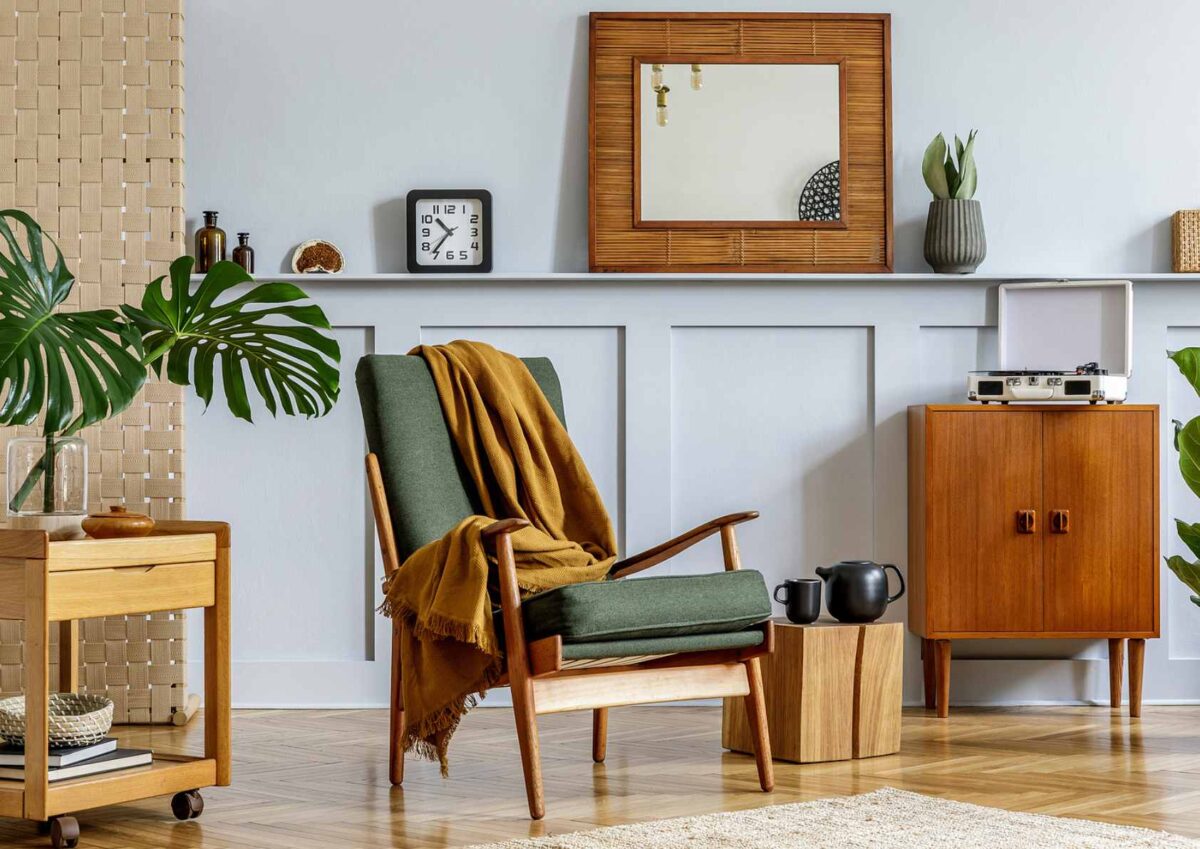
Large windows, skylights, and open layouts maximize natural light, boosting mood and energy levels. Biophilic design, which incorporates natural elements like plants, wood, and stone, has been shown to reduce stress and improve cognitive function.

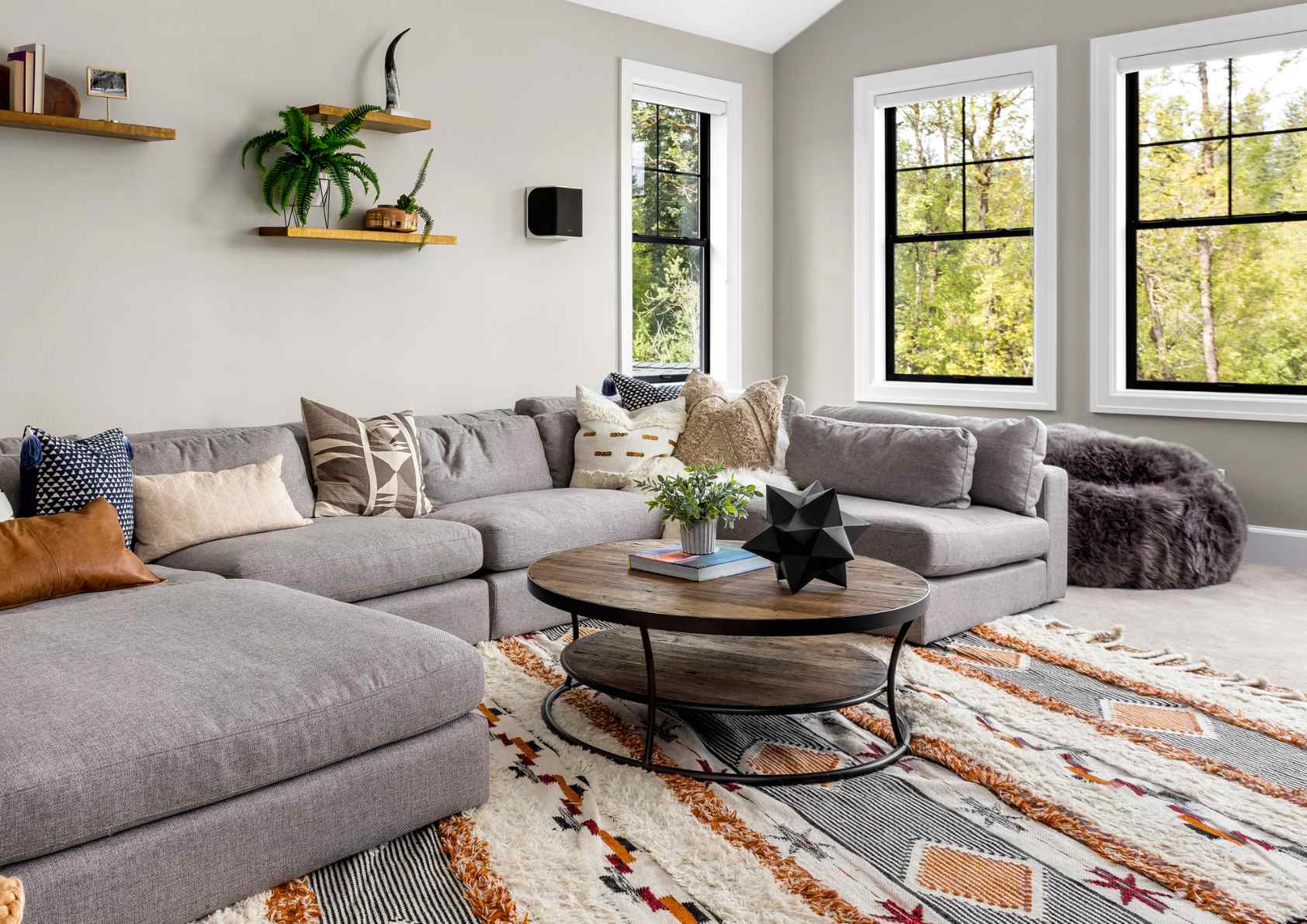
biophilic design

3. Smart Technology for Healthy Living

Wellness homes often integrate technology that monitors and improves indoor conditions. Smart thermostats, circadian lighting systems, and humidity controls help maintain an optimal indoor environment.

4. Spaces for Movement and Mindfulness

Designated areas for exercise, yoga, or meditation are becoming more common. Outdoor living spaces, walking paths, and gardens encourage physical activity and time spent in nature.

The Market Impact of Wellness Real Estate

The demand for homes that prioritize health isn’t just a passing fad—it’s reshaping the real estate market. Developers and builders are now incorporating wellness-focused features into their designs as a selling point.

In many markets, homes that emphasize wellness features often sell faster and at higher prices than comparable properties without them. This is because today’s buyers see these upgrades not as luxury extras, but as essential elements of a modern home. Real estate professionals are also finding that showcasing health-conscious features can be a major differentiator in competitive markets.

Woman at home lighting a candle in a peaceful room

Wellness Real Estate and Sustainable Living

Sustainability and wellness often go hand in hand. Eco-friendly building practices, energy-efficient appliances, and renewable energy sources not only reduce environmental impact but also contribute to healthier indoor spaces. Low-VOC paints, reclaimed materials, and natural insulation help minimize toxins while promoting comfort.

The connection between sustainable living and personal wellness is strengthening the appeal of this real estate trend. Homebuyers are increasingly drawn to properties that reflect both their lifestyle values and their health priorities.

Looking Ahead: The Future of Health-Conscious Homes

As more people recognize the value of a home that supports well-being, the wellness real estate sector is expected to grow significantly. We’ll likely see more communities built with integrated wellness amenities—think shared gardens, fitness trails, and community wellness centers.

For buyers, the shift means more opportunities to find homes that align with both their practical needs and their health goals. For sellers and agents, it’s a chance to highlight a property’s potential to improve quality of life.

Conclusion

Our homes play a bigger role in our overall well-being than many of us realize. The rise of wellness real estate signals a shift toward healthier, more mindful living spaces that cater to the needs of modern lifestyles. Whether you’re building, buying, or renovating, focusing on health-conscious design can be both a wise investment and a step toward a better quality of life.

How to Make a Small Home Feel Bigger (and Why Buyers Love It)

Introduction

In today’s real estate market, one thing is clear: size isn’t everything. With rising interest in compact living, learning how to make a small home feel bigger is not only practical, it’s profitable. Buyers are increasingly drawn to properties that maximize space efficiently without expanding the footprint. In this post, we’ll explore easy, effective ways to create the illusion of space, and we’ll explain why this matters so much in current real estate trends. Stick around for simple staging tips, space-saving design tricks, and buyer psychology insights.

Embrace Light and Neutral Colors

One of the quickest ways to transform a tight space is with light. Natural lighting, combined with soft, neutral wall colors, creates an airy, open atmosphere. Whites, soft grays, and beige tones reflect light, making rooms appear larger and more inviting. Consider swapping out heavy curtains for sheer fabrics and adding mirrors to bounce light around the room.

neutral colored, smaller kitchen with floating shelves and plants.

Homeowners and real estate agents alike are recognizing that buyers feel more relaxed and inspired in brighter spaces. This is especially important when trying to make a small home feel bigger and attract top-dollar offers.

Choose Multi-Functional Furniture

Furniture that pulls double duty is a smart choice for smaller homes. Think ottomans with storage, beds with built-in drawers, and fold-out desks or dining tables. These versatile pieces reduce clutter and provide function without sacrificing floor space.

Buyers today are practical. They value homes that demonstrate thoughtful, livable design, especially in tighter quarters. Showcasing multi-use furniture during showings or open houses helps prospective buyers visualize how they can make the most of every inch.

Declutter and Use Smart Storage

Clutter is the enemy of spaciousness. Removing unnecessary items and organizing what remains can make a dramatic impact. Use built-in shelving, under-bed storage, and vertical space to store belongings without overwhelming a room.

If you’re staging a home for sale, minimizing personal items and excess décor allows buyers to mentally “move in.” This not only helps to make a small home feel bigger, but also sends the message that the home is well-maintained and functional.

Create Flow with Open Sightlines

Open layouts are still king in real estate, but even if your home isn’t fully open-concept, there are ways to enhance visual flow. Keep doorways and hallways clear, arrange furniture to avoid blocking sightlines, and use rugs or lighting to define different areas without closing them off.

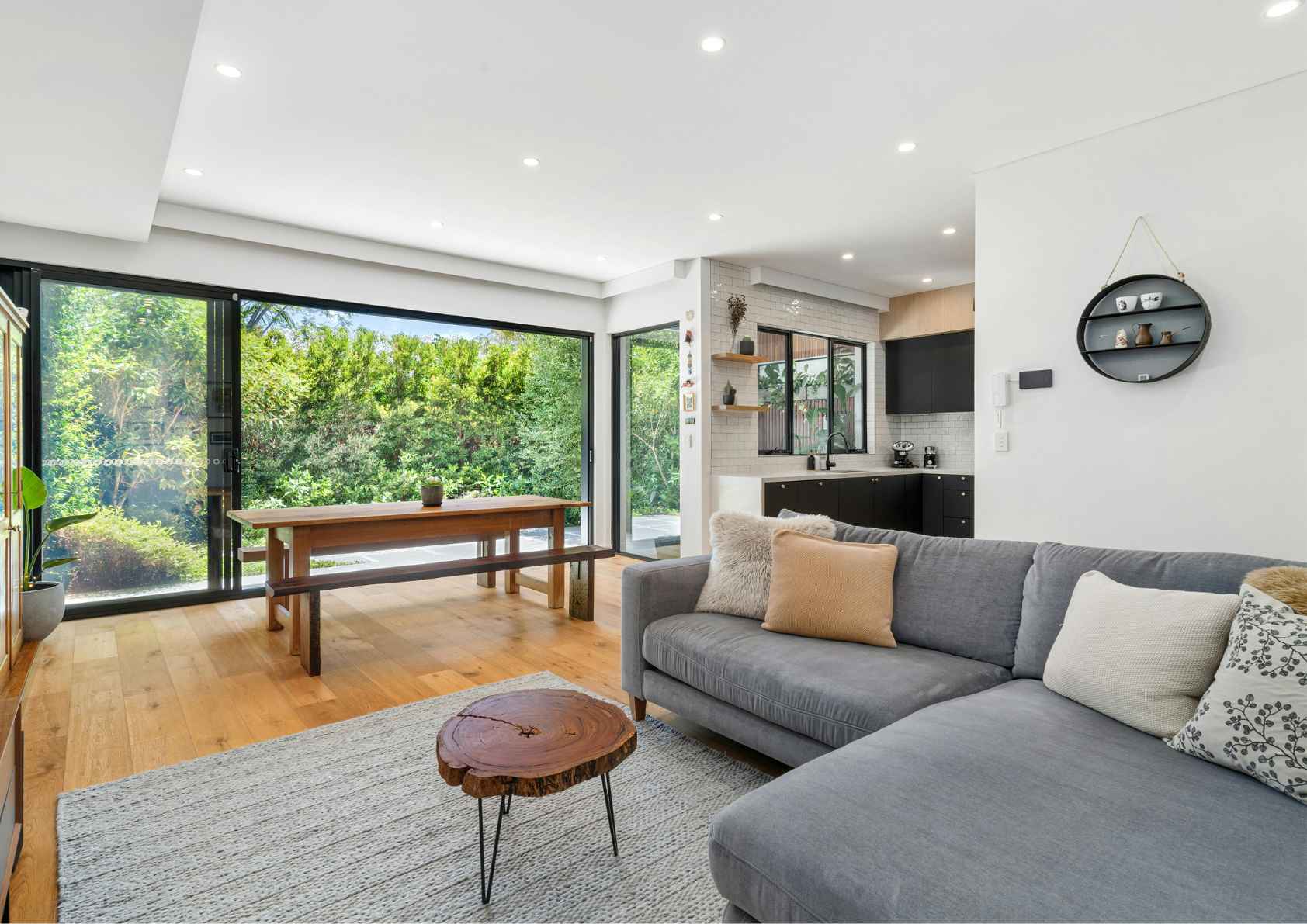
Open smaller but functional living space in a home. Open concept of the Ktichen, dinning area and living room.

This approach makes the home feel more connected and larger overall. Buyers notice when every area of a home feels accessible and welcoming. When you make a small home feel bigger, you’re really inviting the buyer to imagine their lifestyle unfolding comfortably in the space.

Use Vertical Design to Your Advantage

When you can’t build out, build up. Tall bookcases, wall-mounted shelves, and vertically hung artwork draw the eye upward, creating the illusion of height. This is an especially effective tactic in small bedrooms, bathrooms, or entryways where square footage is limited.

Buyers are drawn to homes that use space creatively. Highlighting vertical design features can help your listing stand out in a crowded market. It subtly communicates style, smart planning, and potential—all of which are powerful selling points.

Conclusion

Learning how to make a small home feel bigger is more than a clever design trick; it’s a real estate strategy that works. Today’s buyers value functionality, comfort, and aesthetics, no matter the square footage. By maximizing light, embracing multifunctionality, and thinking vertically, you can boost your home’s appeal and attract more competitive offers. Whether you’re preparing to sell or just want to fall in love with your space again, these tips will help you make the most of what you’ve got.

Renovations That Actually Add Value to Your Home

Introduction

In today’s competitive real estate market, homeowners are increasingly searching for renovations that actually add value to their homes. Whether you’re preparing to sell or simply want to build equity, not all upgrades are created equal. Some improvements bring an excellent return on investment (ROI), while others can fall flat. In this blog, we’ll cover five smart renovation projects that increase home value and appeal to modern buyers. If you’re passionate about current real estate trends, keep reading. These ideas could help you make the most of your property.

Kitchen Upgrades That Pay Off

The kitchen remains one of the most important areas for potential buyers, and updating it is one of the top renovations that actually add value to your home. Focus on modernizing without over-customizing. Think energy-efficient appliances, quartz countertops, and updated cabinetry. Even a minor kitchen remodel, such as repainting cabinets, upgrading hardware, or installing a new backsplash, can offer a high ROI. Buyers love clean, updated kitchens that feel fresh but not too trendy. Staying within a modest budget can still bring strong results, especially if the rest of the home is move-in ready.

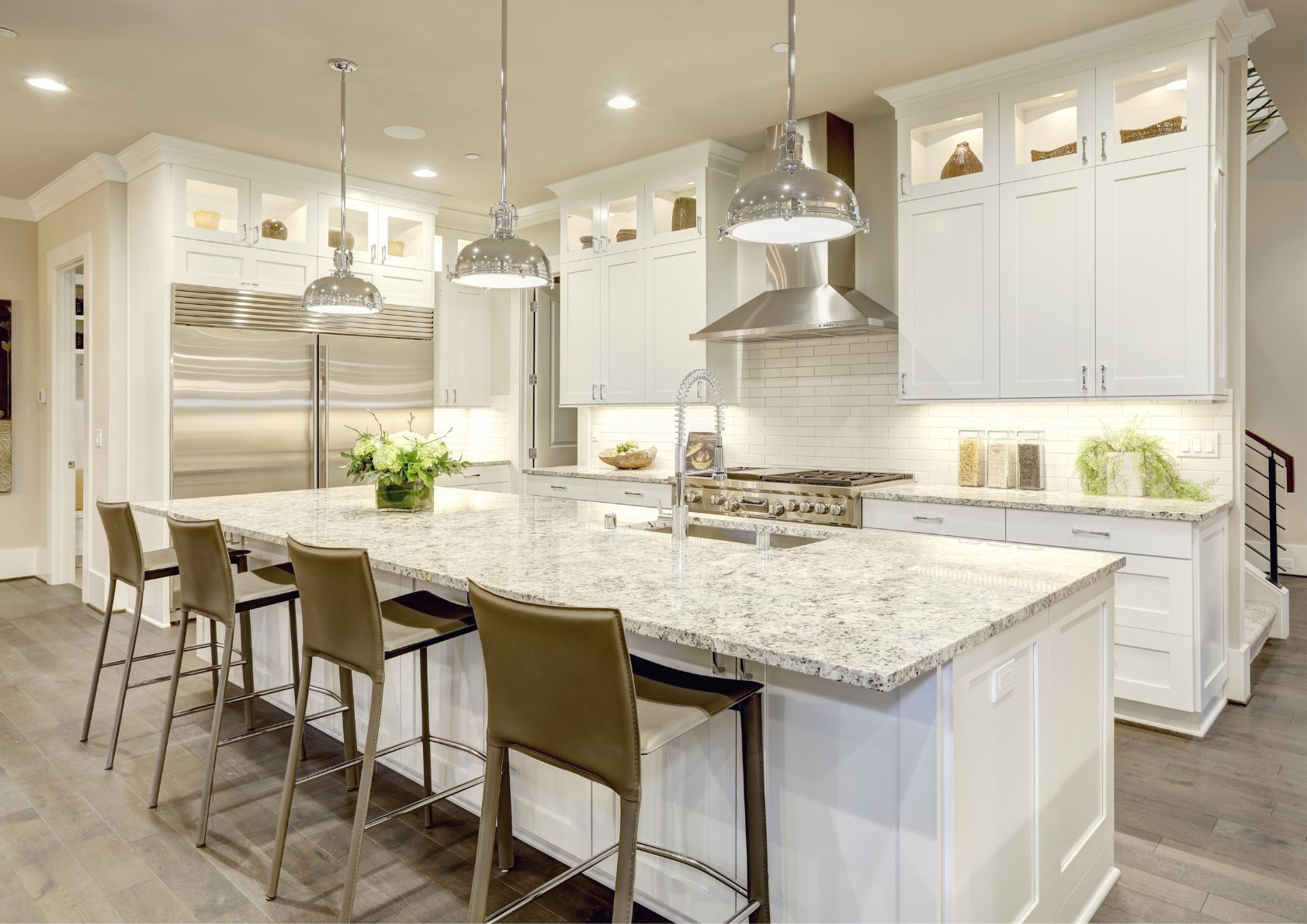
Beautifully update new kitchen. White with chrome appliances.

Boost Curb Appeal with Exterior Improvements

First impressions matter. Enhancing your home’s exterior can significantly increase its perceived value. Consider repainting the front door, upgrading landscaping, or adding exterior lighting. New siding, garage doors, or updated house numbers may seem small, but they can dramatically boost curb appeal. This is one of the simplest renovations that actually add value to your home by instantly making it more attractive to potential buyers. A well-maintained exterior signals that the home has been cared for, which builds confidence in prospective buyers from the start.

Bathroom Remodels That Modernize

Bathrooms are another area where thoughtful updates can make a major difference. Replacing outdated fixtures, refreshing tile, or installing a modern vanity can transform the space. Focus on neutral tones, good lighting, and clean lines to appeal to a wide range of buyers. Walk-in showers, updated flooring, and water-saving toilets are also popular features. A bathroom remodel doesn’t have to be extensive to be effective; strategic improvements can go a long way in boosting home value while staying on trend.

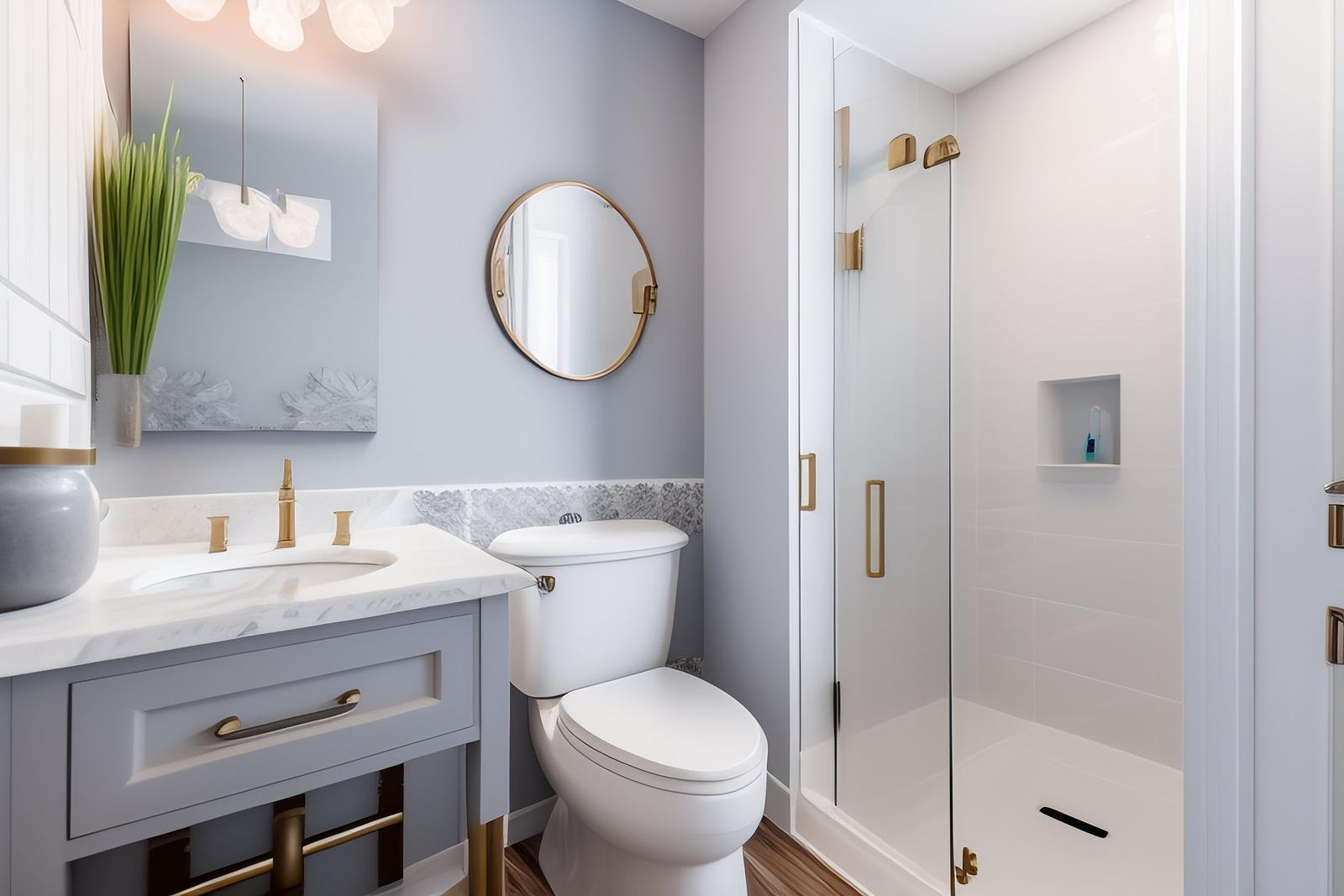
Newly Updated Bathroom.

Open Up Your Floor Plan

Modern buyers tend to prefer open, airy spaces over closed-off rooms. If your home has a dated or boxed-in layout, consider removing non-load-bearing walls to create a more open flow between the kitchen, dining, and living areas. This type of renovation can make the home feel larger and more functional. Not only does it add aesthetic value, but it can also improve the home’s practicality, making it one of the more impactful renovations that actually add value to your home.

Energy-Efficient Upgrades

Today’s buyers are increasingly interested in energy efficiency. Upgrades like installing smart thermostats, new insulation, double-pane windows, or energy-efficient HVAC systems can reduce utility costs and improve comfort. These changes can also make your listing more competitive and attractive to eco-conscious buyers. While they may not offer immediate visual appeal, these functional improvements can be a strong selling point during showings and inspections.

Conclusion

Understanding which renovations actually add value to your home can help you make smarter investments, whether you’re selling soon or just planning ahead. Focus on upgrades that offer broad appeal, boost functionality, and align with current real estate trends. From kitchens to curb appeal, every smart improvement brings you one step closer to maximizing your home’s potential.

What’s Really Driving Today’s Real Estate Prices?

In today’s ever-evolving housing market, one question continues to pop up for buyers, sellers, and industry pros alike: What’s really driving today’s real estate prices? From coast to coast, home values seem unpredictable—soaring in some regions, stabilizing in others, and surprising just about everyone. Understanding the key factors behind these price shifts is essential for making informed decisions. In this blog, we’ll break down the primary forces behind today’s housing costs, explore economic and social trends influencing the market, and explain what buyers and sellers should keep in mind moving forward.

Supply and Demand: The Classic Price Driver

One of the biggest contributors to real estate prices today is still the fundamental rule of supply and demand. Simply put, when there are more people looking for homes than there are homes available, prices go up. Over the past several years, the U.S. has faced a significant housing shortage, especially in growing urban and suburban areas. New construction hasn’t kept pace with population growth, and many current homeowners are choosing to stay put, limiting resale inventory.

Supply and demand real estate.

This imbalance is particularly pronounced in desirable regions with job growth, good schools, and vibrant communities. Even as mortgage rates rise, limited supply continues to prop up home values in these areas.

Mortgage Rates and Affordability Challenges

Mortgage rates have seen dramatic shifts over the past few years, with rates doubling since the historically low levels of 2020 and 2021. These increases directly impact affordability and thus play a major role in today’s real estate prices.

When rates are low, more buyers can afford larger loans, which fuels competition and drives up prices. But when rates climb—as they have recently—buyers may pull back or reduce their budgets. This creates pressure for sellers to price their homes more competitively, leading to pockets of price stabilization or even slight declines in some regions. However, in high-demand areas with limited inventory, prices may remain firm despite higher borrowing costs.

Inflation and Construction Costs

Another key influence on today’s real estate prices is inflation, especially when it comes to construction and renovation costs. Building a home is more expensive than it was just a few years ago due to increases in the cost of materials, labor shortages, and permitting fees.

These added costs mean that new homes often come with higher price tags, which in turn pushes up the value of existing homes in similar areas. Developers are less likely to build entry-level homes when profit margins are thin, which adds further pressure to the lower end of the market.

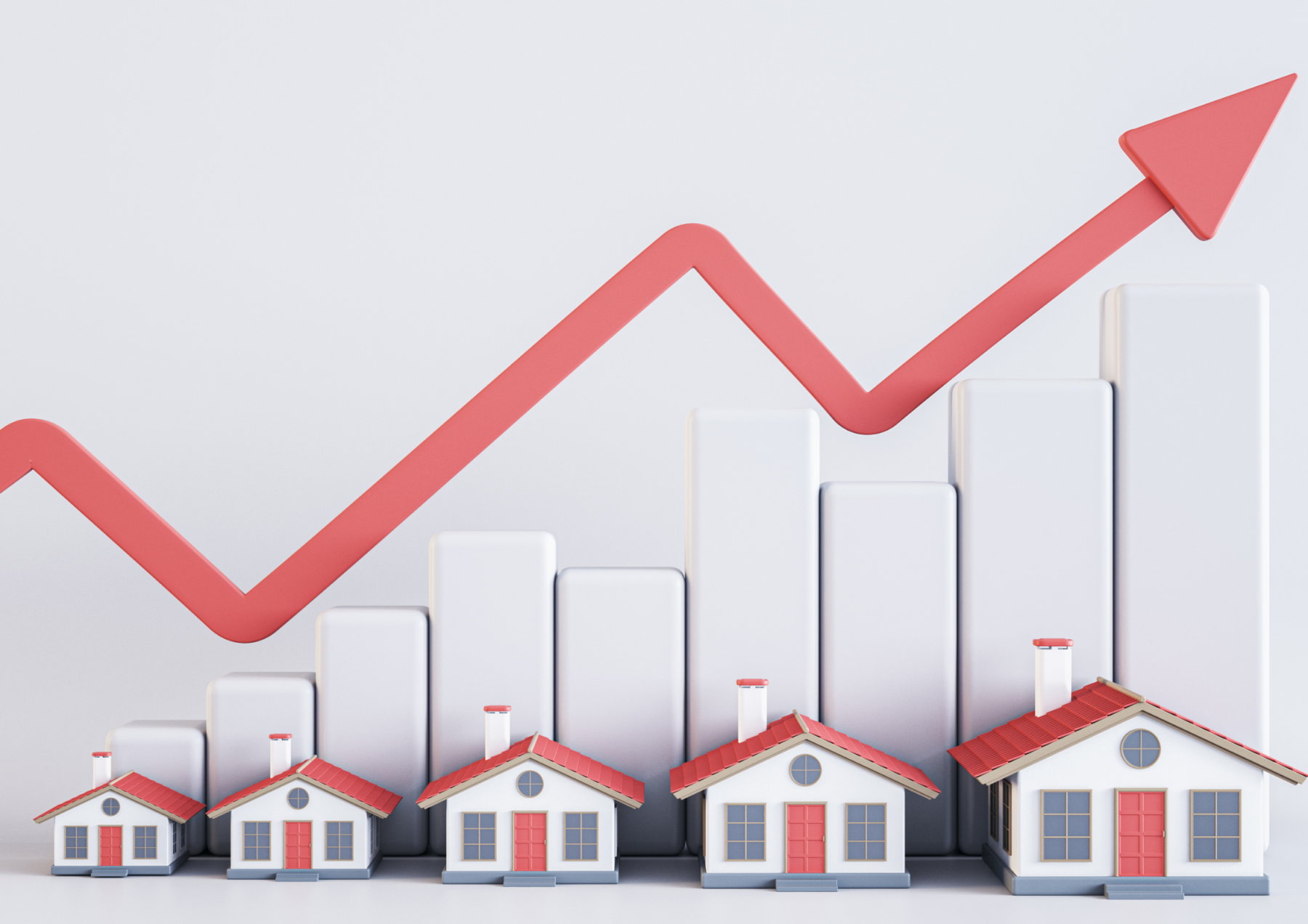
Real estate market prices rising.

Buyer Psychology and Media Influence

Perception plays a surprising role in what drives real estate prices. When headlines suggest a hot market or rising values, it can prompt a fear of missing out (FOMO), which leads to more aggressive bidding. On the flip side, negative economic news or talk of a “bubble” may make buyers hesitant, even when conditions are favorable.

Additionally, remote work trends and lifestyle shifts, such as a desire for more space or flexible living, have changed where and how people buy. These evolving preferences have led to unexpected demand in once-overlooked markets, boosting prices in rural and mid-size metro areas that offer better affordability and lifestyle benefits.

Local Markets Tell Unique Stories

It’s important to note that while national trends help paint a broad picture, real estate is always local. Factors like regional job growth, tax policies, climate events, and infrastructure development can all affect today’s real estate prices in specific markets.

Local real estate market supply and demand.

For instance, areas with booming tech industries or strong healthcare systems may see sustained price increases, while others impacted by job loss or population decline may experience stagnation or even falling home values. Understanding local dynamics is crucial for anyone looking to buy or sell in today’s market.

Final Thoughts

So, what’s really driving today’s real estate prices? It’s a combination of time-tested economics, shifting consumer behavior, and evolving regional dynamics. Whether you’re considering a move, investing in property, or simply keeping tabs on the market, staying informed about these trends can help you navigate the housing landscape with confidence.

How Long Does It Really Take to Buy or Sell a House?

Introduction

Whether you’re a first-time buyer, a seasoned investor, or planning to list your property, you’ve likely wondered: How long does it really take to buy or sell a house? It’s one of the most common questions in real estate and for good reason. With fluctuating markets and unique personal circumstances, timelines can vary widely. In this post, we’ll explore the average timeframe for both buying and selling a home, what can affect those timelines, and tips to help speed up the process.

The Home Buying Timeline: What to Expect

A young couple buying a home.

If you’re on the buyer’s side, your journey typically begins with online searches and open houses. From start to finish, the average time to buy a home in the U.S. is about 2 to 6 months. Here’s a breakdown:

  • Mortgage pre-approval: 1–2 weeks

  • House hunting: 1–3 months (can vary greatly depending on market inventory)

  • Making an offer and negotiating: 1 week

  • Under contract to closing: 30–45 days

The closing phase alone includes inspections, appraisals, underwriting, and paperwork. Cash buyers may close faster, but most financed deals still take over a month.

Selling a Home: From Listing to Closing

On the selling side, things can move fast or crawl. In today’s market, the question of how long it really takes to buy or sell a house is especially relevant to sellers dealing with regional demand differences.

Here’s the typical timeline to sell:

  • Preparing your home: 2–4 weeks (includes cleaning, staging, photography)

  • Listing to accepting an offer: 1–4 weeks (depending on price, condition, and demand)

  • Under contract to closing: 30–45 days

Altogether, expect about 2 to 3 months, but it could stretch longer in slower markets or if the home needs major repairs. Pricing it right from the beginning can significantly reduce the time on the market.

Factors That Can Affect Your Timeline

Young couple buying/selling a house.

There’s no one-size-fits-all answer to how long it really takes to buy or sell a house because some variables come into play:

  • Market conditions: A seller’s market typically speeds up the process, while a buyer’s market can result in longer wait times.

  • Financing: Mortgage delays are common and can add weeks to the timeline.

  • Inspections and repairs: Issues uncovered during home inspections can prolong negotiations and the closing process.

  • Appraisals: If a home doesn’t appraise at the sale price, the deal may need to be renegotiated or fall through.

  • Location: Highly desirable neighborhoods typically see quicker transactions.

Tips for a Faster Buying or Selling Experience

If your goal is to shorten the time it takes, preparation and strategy are key:

  • For buyers:

    • Get pre-approved before you start house hunting.

    • Work with a responsive real estate agent who understands the local market.

    • Be ready to act quickly when the right home hits the market.

  • For sellers:

    • Price your home competitively based on recent comparable sales.

    • Make small repairs and updates before listing.

    • Market aggressively with high-quality photos and a compelling listing description.

Planning ahead and working with experienced professionals can help you avoid common pitfalls that delay transactions.

Conclusion

So, how long does it really take to buy or sell a house? While the average range sits between 2 to 6 months, the exact timeline depends on many moving parts, including your preparedness, market trends, and financial situation. Whether you’re buying, selling, or doing both, having realistic expectations and expert guidance can make the process smoother and faster.

What’s the Difference Between a Buyer’s and Seller’s Market?

Understanding the dynamics of the real estate market is essential whether you’re buying, selling, or just keeping tabs on current real estate trends. One of the most frequently asked questions is: What’s the difference between a buyer’s and seller’s market? These terms come up in market reports, housing forecasts, and agent advice, but what do they really mean, and how do they affect you?

In this post, you’ll learn how to identify each type of market, what drives the shift between them, and what it means for your next real estate move. Let’s break it down.

What Is a Buyer’s Market?

A buyer’s market happens when there are more homes for sale than there are buyers. This oversupply gives homebuyers the upper hand in negotiations because sellers are competing for a limited pool of potential buyers. It typically leads to lower home prices, longer time on the market for listings, and greater flexibility when it comes to terms and conditions.

Two people with white sneakers standing at a door mat that reads "first time home buyer".

Indicators of a buyer’s market:

  • High inventory of homes

  • Price reductions on listings

  • Homes are taking longer to sell

  • Sellers are more willing to negotiate

For buyers, this is a favorable time to shop around, make lower offers, and request concessions such as closing cost assistance or home repairs. For sellers, however, it may mean adjusting expectations, pricing competitively, and putting in more effort to make a home stand out.

What Is a Seller’s Market?

A seller’s market is the opposite: more buyers are searching for homes than there are properties available. This demand often drives up prices and creates a more competitive environment for buyers. In hot seller’s markets, bidding wars are common, and homes can sell above asking price in a matter of days.

Indicators of a seller’s market:

  • Low housing inventory

  • Homes are selling quickly, often within days

  • Multiple offers on the same home

  • Buyers are willing to waive contingencies

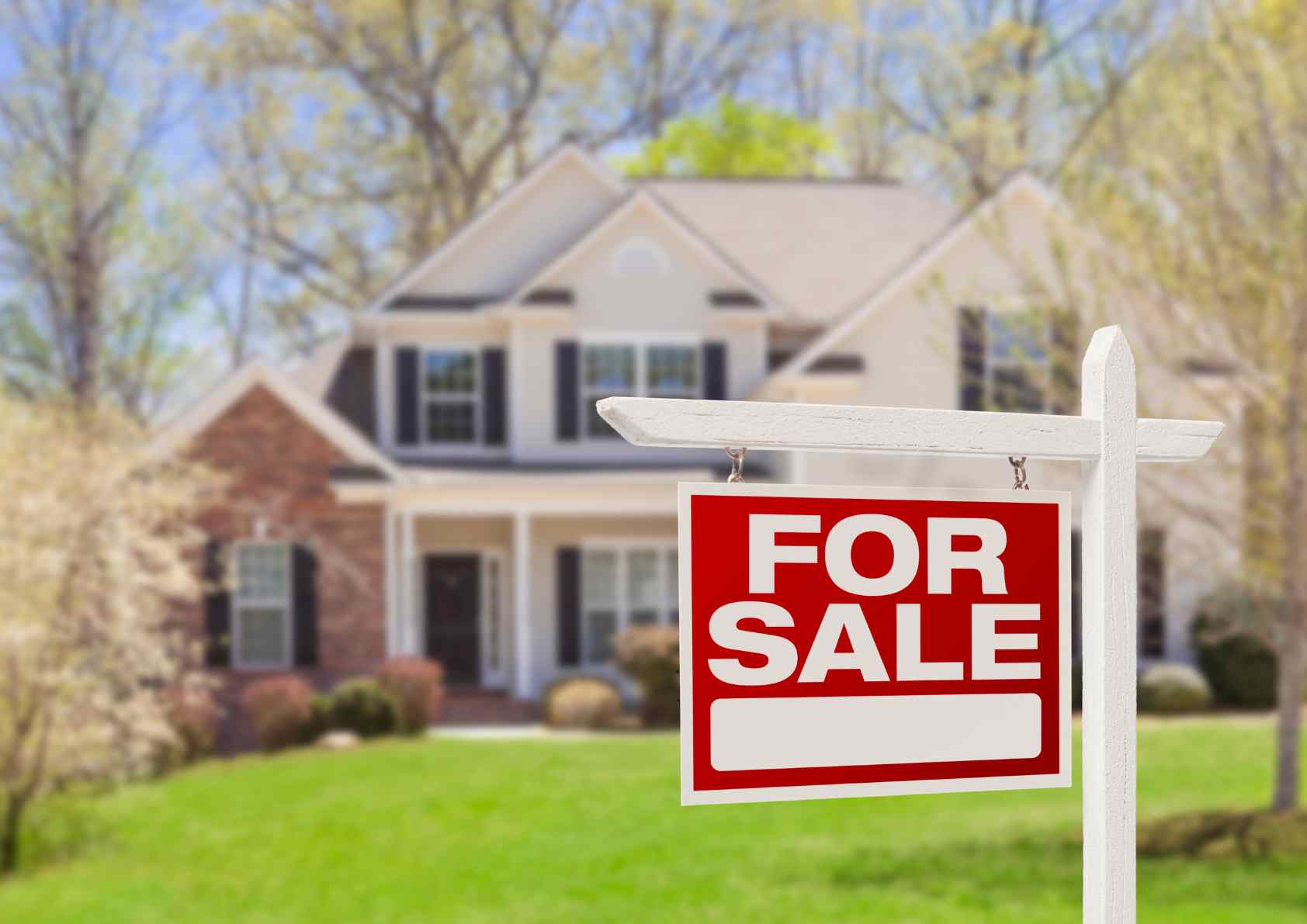
best time to sell a house. For sale sign in front of a nice house.

For sellers, this is an ideal time to list a home. You’re more likely to receive top-dollar offers and have the upper hand in negotiations. Buyers, on the other hand, may need to act fast, come in with strong offers, and prepare to compromise on certain wish list items.

What Causes Market Shifts?

Several factors influence whether the market leans in favor of buyers or sellers. Some of the most common include:

  • Interest rates: When rates rise, buying becomes more expensive, slowing down demand and tipping the market toward buyers.

  • Economic conditions: Job growth or loss, inflation, and consumer confidence all play a role in housing demand.

  • Seasonal trends: Spring and early summer often bring more buyers and listings, while fall and winter tend to be slower.

  • Local supply and demand: Even in a national seller’s market, some local areas may still favor buyers due to overbuilding or regional economic shifts.

Staying informed about current real estate trends can help you time your move more strategically.

Why It Matters

Understanding the difference between a buyer’s and seller’s market is key to making confident real estate decisions. Whether you’re buying your first home, selling an investment property, or just watching the market, knowing which side of the scale the market tips toward can shape your pricing, strategy, and expectations.

Keep in mind, too, that the market can shift quickly. What may be a seller’s market in one season or region could flip to a buyer’s market in another. Following current real estate trends helps you stay one step ahead, and working with an experienced agent can give you even more insight.

Conclusion

So, what’s the difference between a buyer’s and seller’s market? It all comes down to supply and demand, and those factors can change with time, interest rates, and local conditions. By keeping an eye on current real estate trends, you can better position yourself for success, no matter which side of the transaction you’re on.

Do You Really Need 20% Down to Buy a Home?

For many first-time homebuyers, the idea of saving up 20% down to buy a home can feel like climbing a financial mountain. With rising home prices and the pressure to act fast in competitive markets, this long-standing benchmark can be intimidating. But here’s the good news: you don’t always need 20% down to buy a home. In fact, many buyers, especially first-timers, are getting into homes with far less.

In this blog, we’ll unpack the truth behind the 20% myth, explore low-down-payment loan options, and explain what it really means to put less money down. If you’re eager to buy but feel held back by outdated assumptions, this guide is for you.

Why the 20% Rule Exists

The idea of needing 20% down to buy a home goes back decades, largely rooted in risk reduction for lenders. A larger down payment historically meant you were a safer borrower, less likely to default. It also helped buyers avoid paying private mortgage insurance (PMI), an added cost for those who put less than 20% down.

How much money do you put down to buy a home

But the real estate landscape has changed. Government-backed loan programs, rising property values, and a more flexible lending environment mean that lower down payments are not only common—they’re often encouraged.

Low Down Payment Options You Should Know

One of the biggest financing myths is that 20% is the magic number. In truth, several loan programs allow you to purchase a home with far less:

  • FHA Loans – Backed by the Federal Housing Administration, these loans require as little as 3.5% down. They’re ideal for first-time buyers or those with less-than-perfect credit.

  • Conventional Loans – Some conventional loans, especially those for first-time buyers, allow for down payments as low as 3%. However, these may come with PMI if you don’t reach the 20% threshold.

  • VA Loans – Available to eligible veterans and active-duty service members, these require zero down payment and no PMI.

  • USDA Loans – For rural and some suburban areas, USDA loans also offer zero down with low interest rates for qualifying buyers.

These options are designed to make homeownership accessible without requiring 20% down to buy a home.

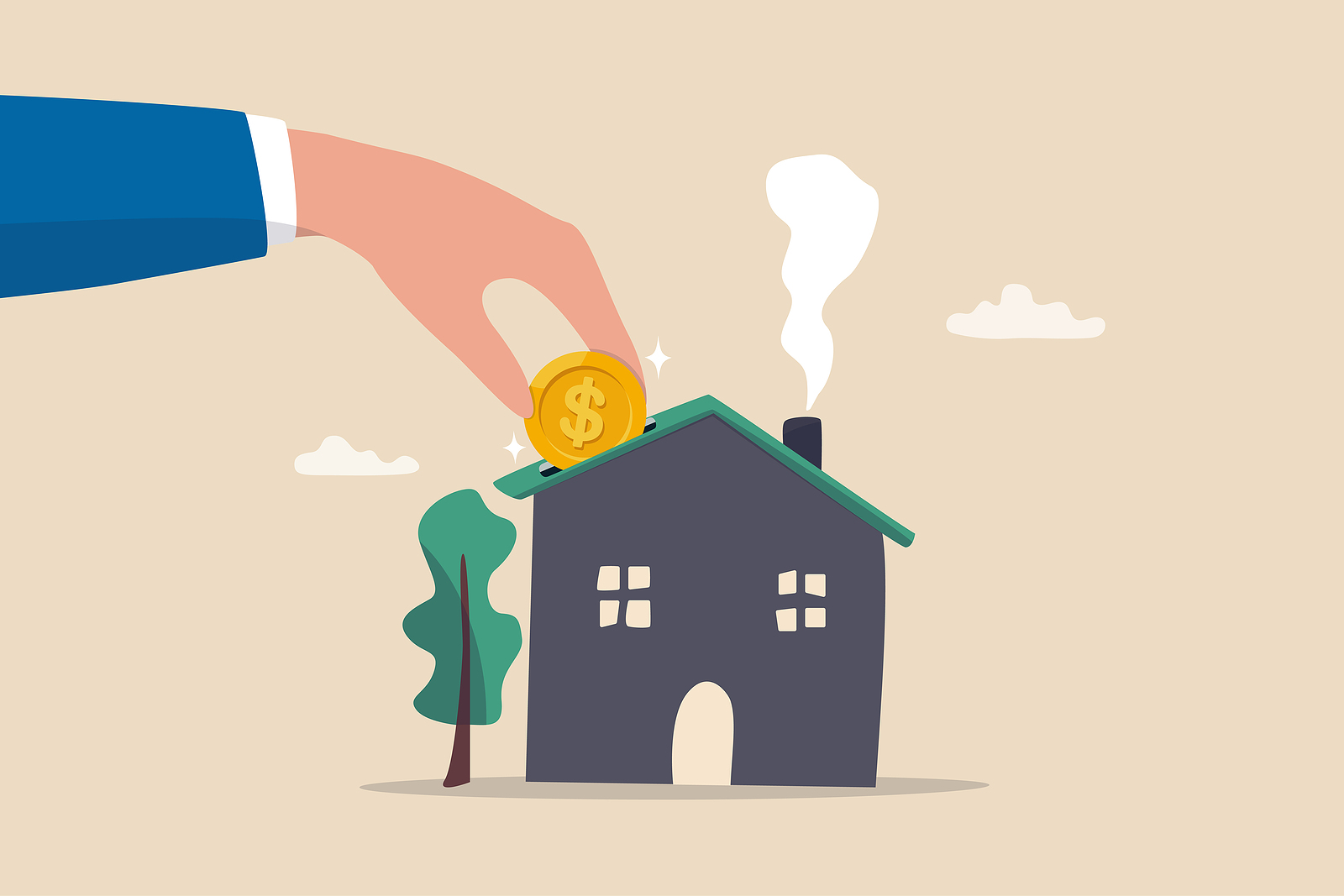
Down payment for house purchasing, mortgage or real estate loan, savings to buy new home or property investment, rental concept, businessman hand home owner putting money dollar coin into new house.

What Happens When You Put Less Than 20% Down?

While putting less than 20% down is completely viable, it does come with trade-offs. Here’s what to expect:

  • PMI Costs – Private mortgage insurance is usually required if you don’t meet the 20% mark. This can add $50–$200/month depending on your loan size and credit score.

  • Higher Monthly Payments – A smaller down payment means a larger loan, which results in a higher monthly mortgage.

  • More Cash Flexibility – On the upside, putting down less frees up money for moving costs, repairs, or even emergency savings.

The key is balancing upfront affordability with long-term financial comfort. You don’t need 20% down to buy a home, but understanding your full cost of borrowing is essential.

So, How Much Should You Put Down?

The “right” down payment varies by person. If you have enough saved and want to avoid PMI, go for 20%. But if saving that amount would delay your plans for years, consider a smaller down payment with a smart strategy.

Talk to a reputable mortgage lender or real estate professional who can run the numbers for your unique situation. Remember: today’s homebuyers are finding success with flexible, realistic financing, often far below the 20% mark.

Final Thoughts

The idea that you need 20% down to buy a home is one of the most persistent myths in real estate. In reality, there are many paths to homeownership some requiring as little as 0–3.5% down. Understanding your options is the first step toward unlocking the door to your new home.

Low-Maintenance Landscaping Ideas That Look Great All Season

When it comes to curb appeal, few things make a more immediate impression than a well-maintained yard. But not everyone has the time or desire to spend hours pruning, watering, and weeding. That’s where low-maintenance landscaping comes in—a growing trend that aligns perfectly with current real estate preferences. Whether you’re a homeowner looking to simplify your yard work or a seller wanting to boost value without ongoing upkeep, these landscaping ideas offer year-round beauty with minimal effort.

In this post, you’ll discover easy-to-care-for landscaping solutions that look great throughout every season, tips to enhance outdoor spaces with less work, and ideas to improve property value. Let’s dig in.

Native Plants: Naturally Resilient

When planning a low-maintenance landscaping strategy, your best ally is nature. Native plants are perfectly adapted to your region’s climate, soil, and rainfall. That means they require less water, less fertilizer, and less fuss to thrive.

Very nice backyard with native year round plants.

For example, drought-resistant plants like lavender, yarrow, or ornamental grasses provide texture and color without demanding attention. In colder climates, evergreens like boxwood or juniper keep your yard looking alive through the winter months. Native plants also attract beneficial pollinators, helping your garden flourish with minimal input.

If you’re unsure which plants are native to your area, consult your local extension office or a reputable nursery—they often provide curated plant lists based on zip code.

Mulch It Up: Weed Control and Moisture Retention

Mulch isn’t just about looks, although it certainly adds a clean, polished finish to your flowerbeds. It also serves as a powerful tool in low-maintenance landscaping. A thick layer of mulch (2–3 inches) helps suppress weeds, lock in soil moisture, and regulate temperature around your plants.

Options like bark mulch, shredded hardwood, or pine needles break down slowly, enriching the soil over time. For even less upkeep, consider using decorative gravel or rubber mulch in high-traffic areas. These alternatives don’t need to be replaced as frequently and can complement both modern and rustic home styles.

Mulched areas can also reduce the amount of lawn you have to mow—another bonus for homeowners seeking simplicity.

Hardscaping Elements: Beauty Without the Maintenance

If you really want to minimize yard work, consider replacing grass or garden beds with hardscaping features like pavers, gravel paths, or decorative rock gardens. Not only do these elements reduce water usage and eliminate the need for mowing, they also create visual interest and usable space.

A well-placed stone patio, dry creek bed, or gravel walkway can be the focal point of your outdoor area while still keeping your maintenance low. Pair hardscaping with native plant accents or container gardens for a natural look that blends beauty and durability.

Hardscaping is also an excellent investment, often boosting a home’s perceived value and improving functionality.

Evergreen Shrubs and Year-Round Structure

For a yard that looks polished in every season, structure matters. Evergreen shrubs and trees offer year-round greenery and help maintain a consistent visual framework, especially in winter months when deciduous plants go dormant.

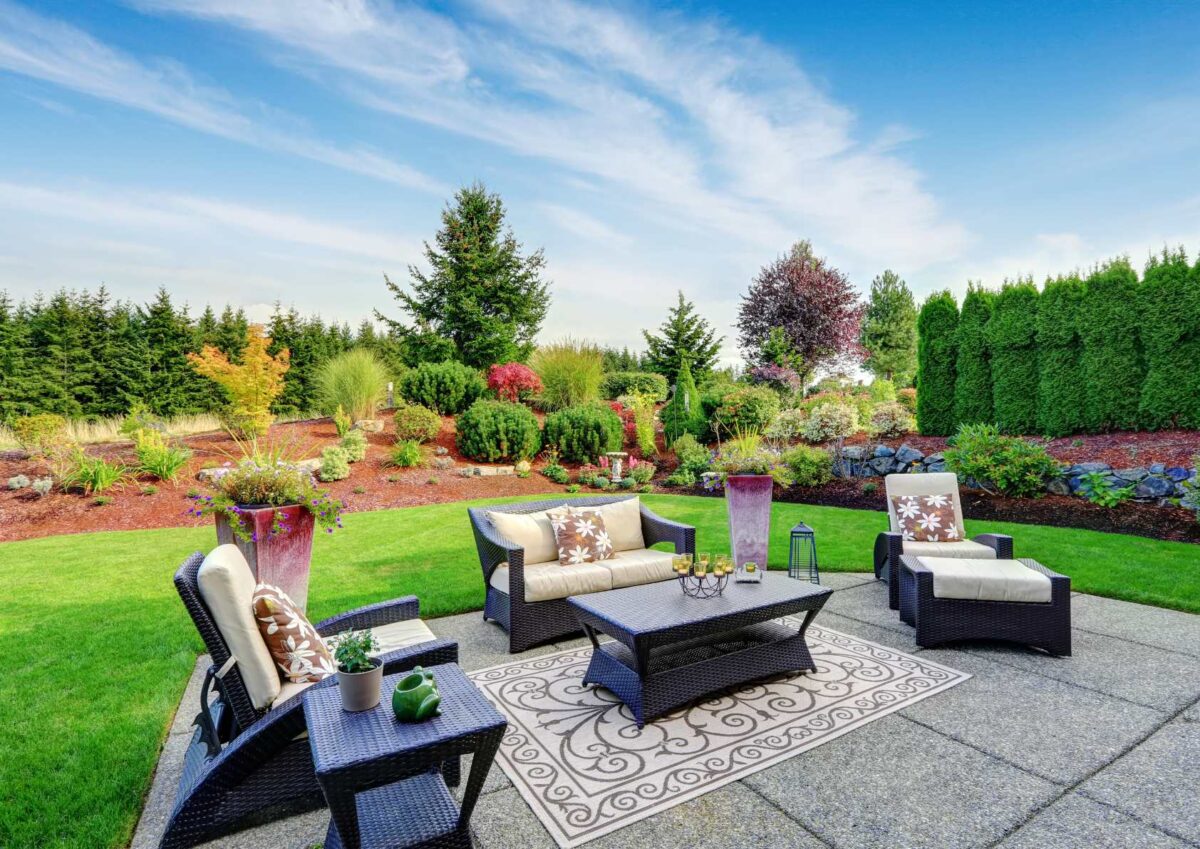
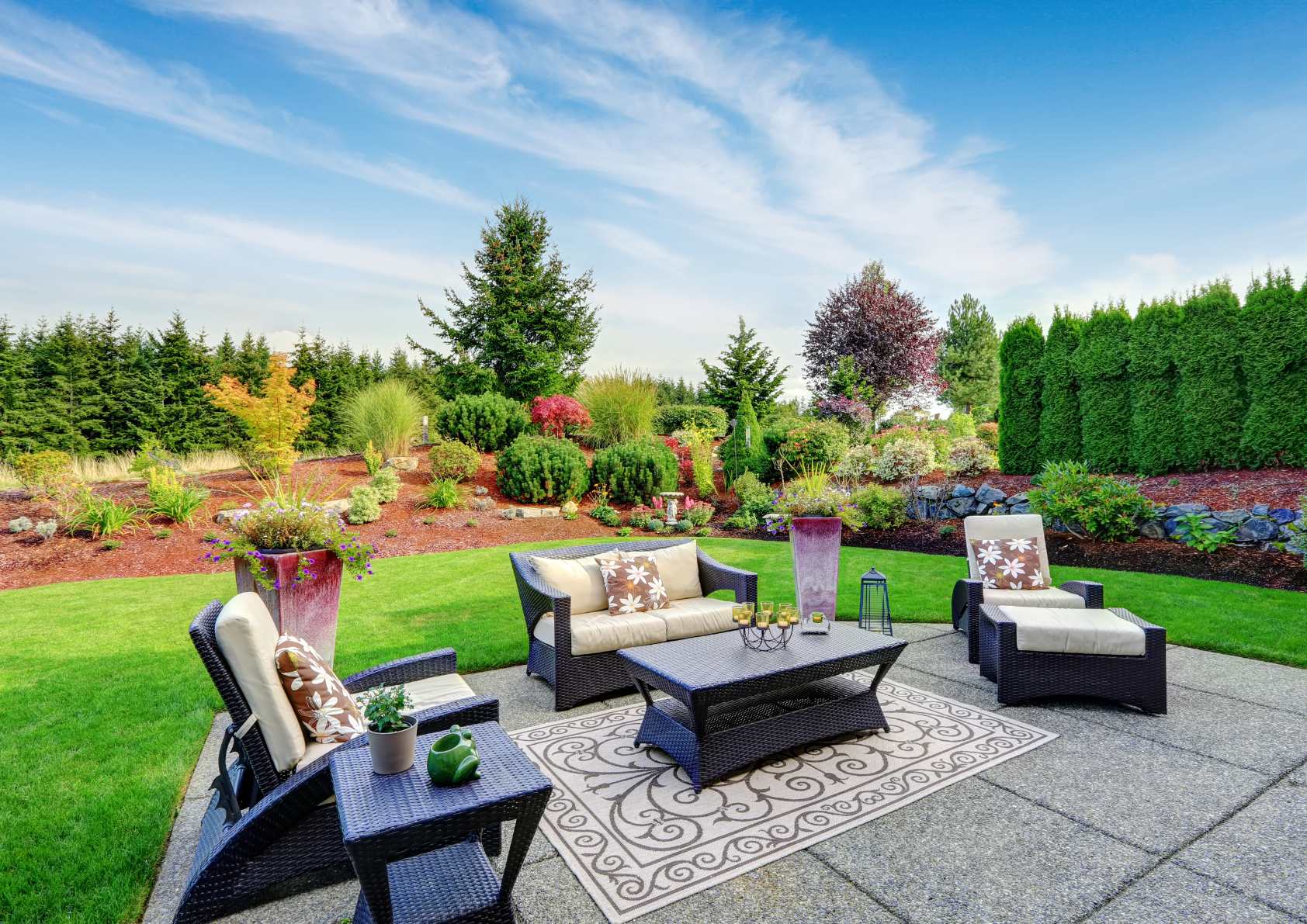
Nice landscaped yard with a minimal design.

Choose slow-growing varieties like dwarf Alberta spruce, inkberry holly, or globe arborvitae to keep pruning at a minimum. These plants provide clean lines and natural borders, and their tidy appearance suits both traditional and contemporary landscapes.

Layer them with ground covers or perennial flowers for seasonal color pops without committing to constant replanting.

Smart Irrigation: Set It and Forget It

Watering can be one of the most time-consuming aspects of yard care, but modern irrigation systems make it practically hands-off. Drip irrigation, for example, delivers water directly to the base of your plants, reducing waste and minimizing disease. Timed sprinkler systems can be programmed to adjust for seasonality or local restrictions.

Smart irrigation supports a low-maintenance landscaping plan by ensuring your plants stay hydrated without daily effort. Look for systems with weather sensors or app integration to make adjustments on the fly.

This investment pays off in both convenience and efficiency, especially during hot summer months or while you’re away.

Final Thoughts

With a thoughtful blend of native plants, strategic mulching, hardscape features, evergreen structure, and smart irrigation, low-maintenance landscaping becomes not only achievable but attractive. It’s a practical approach that enhances curb appeal, supports sustainability, and appeals to today’s real estate trends all without tying you to a lawnmower every weekend.

If you’re planning to sell, these improvements can boost value and make your home more appealing to busy buyers. If you’re staying put, they free up your time to enjoy your outdoor space rather than maintain it.

Using Light and Space to Your Advantage in Summer Listings

In the fast-paced world of real estate, first impressions are everything, especially during the summer season. Buyers are more active, and homes that showcase their best features tend to sell faster and for a better price. That’s why using light and space to your advantage in summer listings can make a major difference. Whether you’re a seasoned agent or a homeowner preparing to sell, understanding how to highlight these elements can give your property the edge it needs. In this post, we’ll cover smart ways to maximize natural light, use space creatively, and create a fresh, summer-ready ambiance that appeals to today’s buyers.

Highlight Natural Light: Your Secret Summer Selling Tool

Nothing screams “summertime” quite like a home drenched in natural sunlight. Maximizing daylight is a simple yet powerful strategy when using light and space to your advantage in summer listings. Clean your windows inside and out to let the most light in. Open blinds and curtains for showings and photos, and consider replacing heavy drapes with light, breezy fabrics.

Strategic use of mirrors can also amplify light by reflecting sunshine into darker corners. Place them across from windows or behind lamps to bounce light throughout the room. Even rearranging furniture to remove obstructions from windows can make a room feel brighter and more welcoming.

Create the Illusion of More Space with Smart Styling

Summer buyers tend to crave open, airy spaces. One way to meet that need is by decluttering. Remove bulky furniture, personal items, and excessive décor. A more minimalist approach helps buyers envision themselves in the space and gives rooms a larger, more breathable feel.

Furniture placement matters, too. Float furniture away from walls and use rugs to define spaces in open-concept homes. Try using fewer, more functional pieces to avoid crowding. When done well, this enhances the flow of the home and supports the strategy of using light and space to your advantage in summer listings.

Choose Light Colors and Summer-Friendly Accents

Color can influence how large or small a room feels. In summer, lean into soft, neutral tones like beige, ivory, and pale gray. These shades reflect light and contribute to a bright, cool atmosphere. Light colored accessories like throw pillows, linens, and artwork can further brighten your listing.

Seasonal accents also make a subtle difference. Think fresh flowers, bowls of citrus fruit, or woven baskets. These decorative choices evoke summer without being too thematic. Together, they work to enhance the perception of light and space in a way that feels natural and intentional.

Stage Outdoor Living Spaces

Summer buyers often imagine themselves enjoying time outdoors, so don’t forget to stage patios, porches, or decks. A cozy seating area with throw pillows, a clean grill setup, or some simple string lights can transform outdoor spaces into bonus “rooms.”

Maximizing these areas reinforces the concept of using light and space to your advantage in summer listings. A well-presented exterior can expand the perceived size of the home and give it a relaxing, vacation-like vibe that resonates with warm-weather buyers.

Use Photography and Timing Strategically

All your efforts to improve lighting and spatial flow should be captured through professional-quality photography. Schedule listing photos during the brightest part of the day, typically late morning or early afternoon. Golden hour, just before sunset, can also lend a soft, appealing glow for exterior shots.

Make sure every photo showcases the home’s best use of natural light and space. Highlight large windows, open layouts, and any sun-filled rooms. Strong visuals can help your listing stand out online, where most buyers get their first impression.

Conclusion

When it comes to summer home sales, making the most of your property’s lighting and layout can be a game-changer. From boosting curb appeal to making interiors feel spacious and bright, using light and space to your advantage in summer listings isn’t just smart—it’s essential. As real estate trends continue to prioritize lifestyle and livability, homes that radiate natural light and an open feel are sure to attract more buyers and better offers.

Real Estate Terms Explained: What You Need to Know Before You Dive In

Whether you’re a first-time homebuyer or just starting to explore your options, diving into the world of property transactions can feel like learning a new language. From confusing acronyms to legal-sounding jargon, it’s easy to feel overwhelmed. That’s where this beginner-friendly guide comes in. In this blog, we’re breaking down key real estate terms in a way that’s simple and useful, so you can move forward with confidence. If you’re interested in current real estate trends, this glossary will be your go-to resource. Let’s get started.

Listing

A listing refers to a property that is currently for sale and has been added to a real estate marketplace, typically through a Multiple Listing Service (MLS). This is the first term every buyer or seller should know. Listings include key details like price, square footage, number of bedrooms and bathrooms, photos, and sometimes virtual tours. The real estate agent representing the seller is usually called the listing agent, and they’re responsible for marketing the property and negotiating on the seller’s behalf.

A listing. A home with a for sale sign.

Why it matters:

If you’re browsing homes online or working with an agent, understanding listings helps you filter options efficiently and spot opportunities in a competitive market.

Contingency

A contingency is a condition written into a real estate contract that must be met for the deal to move forward. Common contingencies include a home inspection, financing approval, or the sale of the buyer’s current home. If the condition isn’t met, the buyer can usually walk away from the deal without losing their earnest money.

Why it matters:

Contingencies offer important protections for buyers, and knowing what’s typical can help you negotiate confidently—especially as current real estate trends show more buyers leveraging these clauses in fluctuating markets.

Appraisal

An appraisal is an unbiased estimate of a property’s market value, typically ordered by a lender to ensure the home is worth the amount of the loan. Appraisals are conducted by licensed professionals and consider factors like location, condition, comparable home sales, and improvements.

Why it matters:

If a home appraises for less than the offer price, the lender may not approve the full loan amount—leaving buyers to renegotiate or pay the difference out of pocket. In fast-moving markets, appraisals play a critical role in closing a deal smoothly.

Escrow

Escrow refers to a neutral third-party service that holds funds and important documents until all conditions of a real estate transaction are met. Once everything is in order, the escrow agent ensures that the money and property are transferred correctly between buyer and seller.

real estate deals. Escrow.

Why it matters:

Escrow adds a layer of security and transparency to the process. It ensures that both parties uphold their end of the agreement before any money or property changes hands.

Closing Costs

Closing costs are the fees and expenses, beyond the property’s price, that buyers and sellers must pay to complete a real estate transaction. These can include loan origination fees, title insurance, taxes, and legal fees. They typically range from 2% to 5% of the home’s purchase price.

Why it matters:

Budgeting for closing costs is essential. Understanding what’s included helps prevent last-minute surprises and ensures you’re financially prepared for the final step.

Final Thoughts

Navigating real estate terminology doesn’t have to be daunting. With a better grasp of these essential terms, you’ll feel more prepared to make informed decisions, whether you’re buying your first home or just exploring what’s out there. As current real estate trends evolve, understanding the language of the industry will give you a lasting advantage in your property journey.