What Buyers Regret Most After Closing, and How to Avoid It

Crop close up of female tenant renter show praise house keys moving to first own new apartment or house, happy woman owner buy purchase home, relocate to dwelling, rental, rent, ownership concept

Closing day feels like the finish line.

The paperwork is signed. The keys are handed over. Everyone smiles. The hard part is supposed to be over.

But for a lot of buyers, regret does not show up during the search. It shows up after the boxes are in the house and the adrenaline wears off.

That is when the little things start getting louder.

The layout that felt fine during a quick tour suddenly feels awkward every day. The commute starts wearing on you. The monthly payment feels tighter than expected. The repairs you hoped were minor start stacking up. The neighborhood you thought would grow on you never really does.

That is usually what what buyers regret most after closing comes down to. It is rarely one dramatic mistake. It is a series of small things buyers brushed past because they were focused on getting the deal done.

One of the biggest regrets is stretching too far financially.


A lot of buyers focus so hard on getting the house that they stop asking what it will actually feel like to live with the payment. Not just the mortgage, but the full picture. Taxes. Insurance. Utilities. Maintenance. Repairs. Furniture. Window coverings. Appliances that suddenly need replacing. All the normal costs that show up once the home is yours.

It is one thing to qualify for a number. It is another thing to live comfortably inside it.

That is one of the biggest lessons behind what buyers regret most after closing. A home can technically fit on paper and still feel too expensive in real life. Buyers who push to the top of their approval range often feel that pressure first.

Another common regret is choosing emotion over function.

Happy young couple home owners holding keys in new home. 

This happens all the time. Buyers walk into a beautiful house and fall hard for the kitchen, the staging, the natural light, or the charm. Meanwhile, they ignore the things that are going to affect daily life long after the excitement wears off.

The commute is longer than they wanted. There is not enough storage. The layout does not really work. The home office is not practical. The yard is more work than expected. The primary bedroom is smaller than they convinced themselves they could live with.

In the moment, people tell themselves they will adjust.

Sometimes they do. Sometimes they do not.

That is a huge part of what buyers regret most after closing. They bought the feeling of the home without thinking hard enough about how it would actually function day to day.

Repairs are another big one.

A lot of buyers underestimate condition because they are so focused on winning the house. They tell themselves a few updates are not a big deal. They assume they will tackle things over time. Then they move in and find out the to-do list is longer, more expensive, and more urgent than they expected.

What looked manageable during the transaction starts to feel different when it is your money and your weekend disappearing into it.

This does not mean buyers should avoid any home that needs work. It means they need to be honest about what they are taking on. Cosmetic updates are one thing. Deferred maintenance is another.

Location regret shows up more than people expect too.

Sometimes buyers get caught up in the house itself and talk themselves into a neighborhood, commute, or area that they were never fully sure about. They think the house will make up for it. But once the routine starts, location becomes harder to ignore.

The truth is, buyers can change paint, flooring, fixtures, and landscaping. They cannot change where the house is.

That is why what buyers regret most after closing often ties back to the things they cannot easily fix.

Then there is the regret of moving too fast without fully understanding the process.

Some buyers get all the way through closing without really understanding what inspections mean, how repair requests work, what their closing costs are, or how much cash they need after move-in. By the time they realize it, the deal is done and the surprises feel expensive.

A lot of post-closing regret is really pre-closing confusion.

The buyers who usually feel best after closing are not necessarily the ones who bought the perfect house. They are the ones who understood what they were buying, what it would cost, and what trade-offs they were making.

That is how you avoid regret.

You do not avoid it by chasing some flawless house that does not exist. You avoid it by slowing down enough to ask better questions before you commit. Can I really afford this comfortably? Does this home work for my actual life, not just my ideal one? Am I okay with the condition? Am I at peace with the location? Do I fully understand what comes next?

Those questions matter more than people think.

Because what buyers regret most after closing usually is not that they bought a house. It is that they ignored what they already knew deep down because they were afraid to lose it.

And that is the part buyers should pay attention to.

If something feels off, slow down. If the numbers feel too tight, listen. If the location is a compromise you are already trying to justify, be honest. Excitement is part of buying a home, but clarity matters more.

The right house should still make sense after the keys are in your hand.

Home Buying Mistakes to Avoid in Today’s Market

Introduction

In a real estate climate where conditions are shifting rapidly, understanding how to navigate the home-buying process is more important than ever. This post looks at common home-buying mistakes to avoid in today’s market and outlines how buyers can steer clear of pitfalls, make smarter decisions, and position themselves for success. You’ll learn about misreading interest rates and inventory trends, overlooking budgeting errors, skipping critical inspections, underestimating future resale value, and rushing without a coherent strategy.

Misreading interest rates and market timing

One of the biggest home-buying mistakes to avoid in today’s market is banking too heavily on a major drop in interest rates or a dramatic fall in home prices. Current U.S. market data shows mortgage rates hover around 6 %-7 % and are expected to remain elevated through 2025. Meanwhile, home-value growth has slowed: some markets only posted ~1.2% annual gains in early 2025.

The concept of a current real estate market.
 

When buyers wait for “perfect timing,” they may miss opportunities or allow competition to edge them out. Realistic expectations about financing and timing reduce stress and help you act decisively rather than reactively.

Failing to build a realistic budget

Another major error is underestimating total costs. In today’s market, it is vital to avoid the trap many fall into: thinking only of the down payment and forgetting insurance, property taxes, maintenance, and potential rate increases. According to recent data, the median U.S. home price was about $359,741 in March 2025, and at that price, even with a 20% down payment, the required budget is significant.

Budgeting must include contingency plans. Mistakes here could leave a buyer house-rich but cash-poor, limiting flexibility. Avoiding this misstep is key to staying financially stable through ownership.

Skipping inspections or due diligence

In a market where supply is tight and buyers may feel pressured to act fast, skipping inspections is one of the most avoidable home-buying mistakes to avoid in today’s market. Even though competition has eased somewhat compared to the frenzy years, homes are still a major investment, and skipping due diligence can be costly.

Take the time to inspect systems (HVAC, roof, plumbing), review neighbourhood trends, check for potential zoning or environmental issues, and factor in future repair costs. A wise buyer will balance enthusiasm with a thorough review.

Couple working with a real estate agent to buy a home.

Ignoring long-term resale and market shifts

A common oversight: focusing only on what you want today and not on what will matter in five or ten years. Given the slow but steady evolution of the U.S. housing outlook, with forecasts of ~3% price growth in 2025.  It is smart to evaluate a home’s future appeal.

Consider location, school district, access to amenities, migration trends (e.g., Sun Belt growth), and potential for appreciation or flexibility (rental potential, resale ease). Failing to look ahead can turn a seemingly great purchase into a challenge later on.

Rushing decisions without a strategy

Finally, one of the most frequent home-buying mistakes to avoid in today’s market is acting without a clear plan. Whether this means allowing emotion to dominate, skipping pre-approval steps, or not aligning your purchase with your lifestyle and financial goals, rushing can cost you.
Data show homes are staying on the market longer: the median days on market jumped from ~40 to ~54 in early 2025.

 This means buyers today have a little more time than in previous years, but still benefit from being prepared. A thoughtful strategy includes having financing in place, knowing your criteria, being patient while evaluating opportunities, and being ready when a good home presents itself.

Conclusion

Avoiding these five key errors gives you a strong foundation to make confident home-buying decisions. By recognizing the realities of the current market, budgeting clearly, doing your homework, thinking long term, and maintaining strategy over impulse, you’ll minimize risk and maximize your chances for success. Keep the phrase home buying mistakes to avoid in today’s market in mind as you move forward and let it guide you toward a smarter, more secure purchase.

How to Spot a Bad Real Estate Deal Before It’s Too Late

Buying a home is one of the most significant financial decisions ever. But what if the deal you’re eyeing isn’t as good as it seems? Hidden issues, poor locations, or overinflated prices can make your dream investment a nightmare. Avoiding home buying mistakes starts with knowing the warning signs before you commit. This guide will break down key red flags and help you confidently navigate the real estate market.

1. Unrealistic Pricing: If It Sounds Too Good to Be True, It Probably Is

A low price tag might seem like a great deal, but it could be a sign of hidden problems. Sellers may be eager to offload a property due to structural issues, legal troubles, or a declining neighborhood. Always compare similar properties in the area and consult a real estate professional to ensure the price aligns with market trends.

How to spot a bad real estate deal.

2. Poor Property Condition: Look Beyond the Surface

A fresh coat of paint can cover up a lot, but it won’t fix foundational cracks, outdated plumbing, or electrical issues. Watch for red flags like water stains, mold, or sagging floors. Always schedule a professional home inspection before making an offer—it’s the best way to uncover costly hidden repairs.

3. Bad Location: A Beautiful Home in the Wrong Place

Even a well-priced home in great condition can be a poor investment if it’s in a bad location. Consider factors like crime rates, school districts, proximity to highways, and future development plans. If the area shows signs of economic decline, think twice before committing.

4. Title and Legal Issues: Hidden Liens and Ownership Disputes

One of the most overlooked home buying mistakes is failing to check for title issues. A home may have unresolved liens, unpaid taxes, or ownership disputes that can complicate your purchase. Work with a title company to verify the property’s history and ensure a clean transfer of ownership.

Real estate tax lien.

5. High Days on Market: Why Hasn’t It Sold Yet?

If a property has been sitting on the market for an unusually long time, there may be a reason why buyers are avoiding it. It could be overpriced, have hidden issues, or be located in an undesirable area. Research why the property hasn’t sold and negotiate accordingly if you still want to proceed.

ConclusionA bad real estate deal can cost you time, money, and peace of mind. By staying aware of these common red flags, you can avoid making costly home buying mistakes. Always do your research, work with trusted professionals, and trust your instincts when something doesn’t feel right. With the right knowledge, you can secure a home that truly meets your needs and financial goals.

Common Mistakes to Avoid When Buying a Home

Buying a home is an exciting journey, but it’s also a significant financial commitment that requires careful planning and consideration. Many homebuyers, especially first-timers, can make mistakes that might cost them in the long run. Here’s a friendly guide to help you navigate the home-buying process and avoid common pitfalls.

Overlooking Pre-Approval

One of the biggest mistakes homebuyers make is skipping the mortgage pre-approval process. Getting pre-approved for a mortgage gives you a clear idea of how much a lender is willing to loan you, and it shows sellers that you’re a serious buyer. Without pre-approval, you might fall in love with a home that’s out of your budget, leading to disappointment and wasted time.

pre-approval for home buying

Not Considering Additional Costs

When budgeting for a home, many buyers focus solely on the purchase price and mortgage payments. However, owning a home comes with additional costs such as property taxes, homeowner’s insurance, maintenance, and utilities. It’s essential to factor in these expenses to ensure you can afford your new home comfortably.

Ignoring the Importance of Location

The location of your new home is just as important as the home itself. Buyers sometimes get caught up in the features of a house and overlook the neighborhood. Consider factors like school districts, proximity to work, public transportation, and the overall safety and vibe of the area. A beautiful home in a less-than-ideal location can lead to regrets down the line.

Skipping the Home Inspection

man with clip board inspecting house

Skipping a home inspection to save money or time can be a costly mistake. A thorough home inspection can reveal potential issues with the property, such as structural problems, plumbing issues, or electrical faults. These problems could be expensive to fix and might affect your decision to purchase the home. Always hire a professional inspector to evaluate the property before finalizing the deal.

Making Emotional Decisions

Buying a home is an emotional process, but letting emotions drive your decisions can lead to poor choices. It’s essential to stay rational and think about your long-term needs and financial situation. Don’t rush into a decision because you’ve fallen in love with a home’s appearance. Take your time to assess whether it meets all your criteria and is a sound investment.

Failing to Research the Market

Understanding the local real estate market is crucial when buying a home. Some buyers make the mistake of not researching market conditions, which can lead to overpaying for a property. Look into recent sales data, market trends, and comparable home prices in the area. This information will help you make an informed offer and negotiate effectively.

Neglecting to Review the Contract

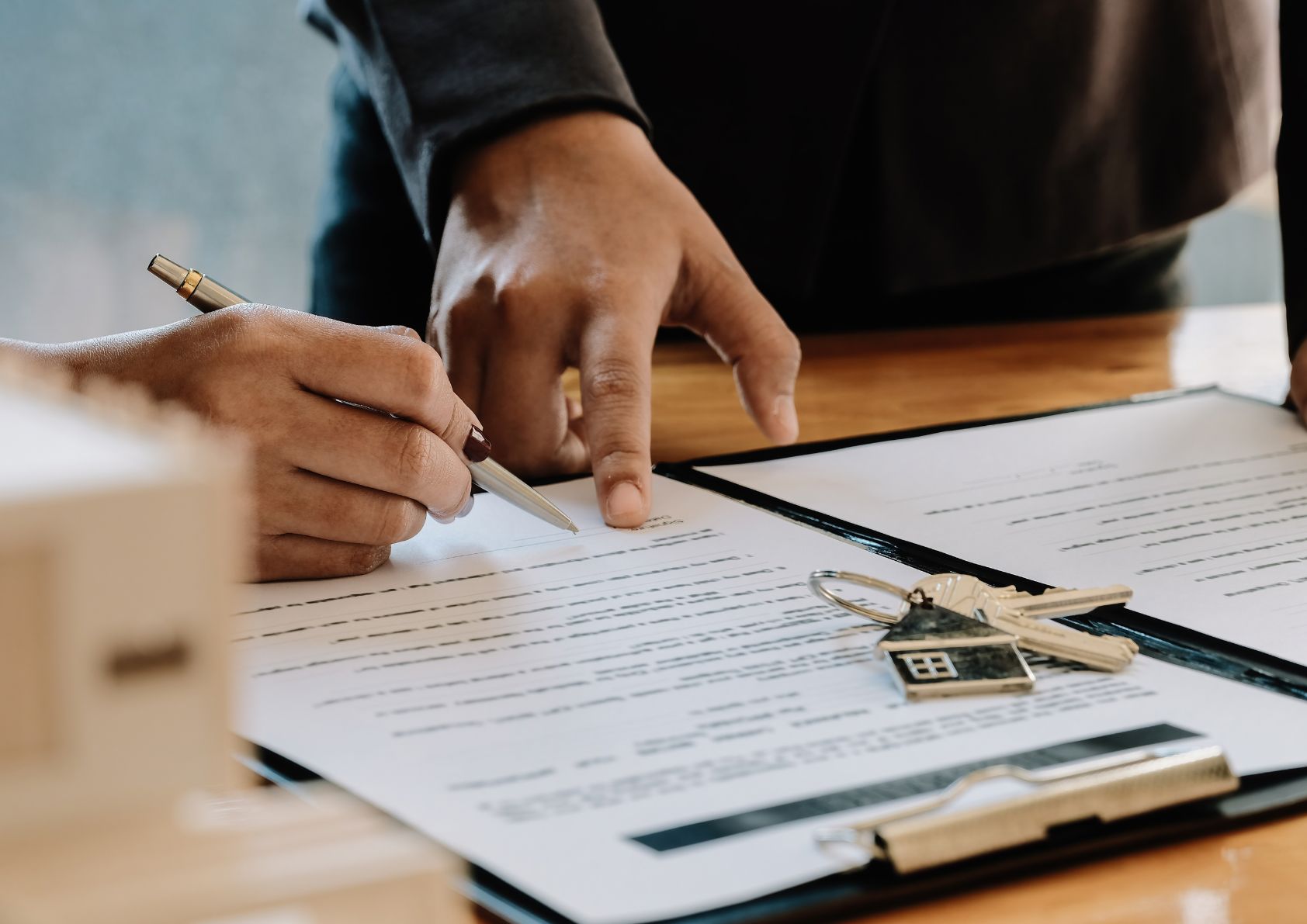
reviewing a real estate contract when buying a home

Real estate contracts can be complex, and it’s vital to review all the terms and conditions carefully. Some buyers neglect to read the fine print or misunderstand certain clauses, which can lead to complications later. Work with a real estate attorney or a knowledgeable agent to ensure you fully understand the contract before signing.

Not Being Prepared for a Bidding War


In a competitive market, you might find yourself in a bidding war for your dream home. Failing to prepare for this scenario can result in losing out to other buyers. Have a clear budget and be ready to make a strong, competitive offer. However, avoid getting carried away and exceeding your financial limits.


Underestimating the Importance of Timing

Timing can significantly impact your home buying experience. Some buyers wait too long to make an offer, only to find the property sold to someone else. Conversely, rushing through the process without due diligence can lead to regret. Understand the market dynamics and move at a pace that allows for careful consideration while being responsive to opportunities.

Not Planning for the Future

When buying a home, think about your long-term plans. Will the home meet your needs in the future? Consider factors such as potential family growth, job stability, and lifestyle changes. Buying a home that fits your long-term plans can save you the hassle and expense of moving again in a few years.

Avoiding these common mistakes can help make your home buying experience smoother and more enjoyable. With careful planning, research, and a level-headed approach, you can find the perfect home that meets your needs and budget.


Conclusion

Avoiding these common mistakes can make your home-buying journey much smoother and more enjoyable. By being informed and prepared, you can confidently navigate the complexities of the real estate market and find a home that perfectly suits your needs and budget. Remember, buying a home is not just a financial investment but also a significant step toward building your future. Approach it with care, patience, and the right knowledge, and you’ll soon find yourself opening the door to your new home.

Hi, New Millennial Home Buyers! Tips, Tricks & Mistakes To Avoid

You’re one of the millennial home buyers, and you’re ready to take the leap into homeownership, but where do you start? The House Hunting Guide is here to shed light on the path ahead with financial planning tips, house hunting strategies, and negotiation tactics.

It also highlights the pitfalls you should steer clear of. But, is knowing the process enough to secure your dream home without a hitch? Stick around and you might just find out.

Understanding the Home Buying Process

Diving into the world of home buying might seem daunting, but understanding the process can significantly simplify your journey to homeownership.

One of the first steps you’ll need to take is to grasp the importance of your credit score. It’s a vital component that lenders use to assess your creditworthiness.

A higher score means better loan terms and lower interest rates. So, it’s crucial to ensure your score is in good shape before you begin house hunting.

Choosing the right type of loan is also a key part of the process. Each loan type comes with its own pros and cons, and what works best for you depends on your financial situation and long-term goals.

Conventional loans might be a good fit if you have a strong credit score and can make a sizeable down payment. On the other hand, government-insured loans, such as FHA or VA loans, might be more suitable if you’re a first-time homebuyer or need more flexible requirements.

Your understanding of credit score importance and loan type selection will set the tone for your home buying journey. So, take time to understand these factors and make informed decisions.

Essential Financial Planning Tips

Before you even start browsing property listings, it’s crucial to get your financial house in order. Here are some essential tips to help you plan for this significant investment.

Debt Management: It’s essential to pay off any high-interest debts before buying a home. It won’t only help increase your credit score but also make room in your budget for potential mortgage payments.

Retirement Planning: Don’t put all your eggs in one basket. While a home can be a good investment, it’s also key to continue investing in your retirement.

Save for Down Payment: Ideally, you should aim for a 20% down payment to avoid unnecessary insurance costs.

Emergency Fund: It’s crucial to have at least 3 to 6 months of living expenses saved up. Homeownership comes with unexpected costs that can arise at any time.

Budgeting: Develop a realistic budget incorporating your potential mortgage payment, home maintenance costs, and other living expenses.

Smart House Hunting Strategies

Once your financial foundation is solid, it’s time to adopt smart house-hunting strategies to find the perfect home that fits your lifestyle and budget.

One crucial strategy to master is location analysis. You’ve heard it before, ‘location, location, location’—it’s not just a real estate cliché, it’s a fundamental principle. Consider factors like proximity to your workplace, schools, healthcare facilities, and the neighborhood’s overall safety. Remember, you can always renovate a house, but you can’t change its location.

Next, don’t underestimate the importance of a thorough property inspection. This step is non-negotiable and can save you from future headaches and unexpected costs.

An experienced inspector will identify potential issues like structural damage, plumbing or electrical problems, or a failing roof. They’ll also help you understand the home’s overall condition, which you can use to negotiate a fair price.

Common Home Buying Mistakes

While you’re mastering the art of smart house hunting, it’s just as important to be aware of common home buying mistakes that could derail your journey to homeownership.

These pitfalls can lead to regrets, buyer’s remorse, or even worse, financial distress.

So, let’s delve into some of these common blunders:

  • Not setting a budget: It’s easy to fall in love with a home that’s out of your financial reach, leading to overspending. Avoid this by setting a realistic budget before you start hunting.
  • Skipping the home inspection: This might save you some money upfront, but it could cost you in the long run if serious issues come to light afterwards.
  • Ignoring future plans: If you’re planning significant life changes, like starting a family, ensure the home can accommodate such plans.
  • Neglecting neighborhood research: A house isn’t just a building; it’s part of a community. Researching the neighborhood is crucial to your overall satisfaction.
    Making emotional decisions: House hunting can be emotional, but decisions should be grounded in facts and figures to avoid buyer’s remorse.

Negotiating Your Home Purchase

Now let’s shift gears to the critical stage of negotiating your home purchase. Understanding the market value is the starting point, it’s crucial to know what you’re dealing with.

From there, crafting a compelling offer and handling counteroffers wisely can make the difference between securing your dream home and losing out.

Understanding the Market Value

To negotiate the best deal on your home purchase, it’s crucial to grasp the concept of market value and how it impacts your buying decision. Market value is driven by market dynamics and directly influences property pricing. It’s all about understanding the worth of a property in the current real estate market.

Here’s what you need to consider:

Market dynamics: These include factors like supply and demand, economic trends, and even seasonal fluctuations. They can significantly affect housing prices.
Comparative Market Analysis: Look at similar properties that have sold in the area recently. This will give you a good idea of what you can expect to pay.
Housing trends: Up-and-coming areas may have higher future values. Understand the trends before you buy.
Property condition: A home in need of repairs might be priced lower, but factor in the cost of those repairs when considering the value.
Local amenities: Schools, shopping, and other amenities can increase a property’s value.

Crafting Your Offer

Armed with a solid understanding of the market value, you’re ready to craft a compelling offer that appeals to the seller yet stays within your budget. This process goes beyond simply choosing a dollar amount; it involves a strategic offer presentation that aligns with seller motivations.

An effective offer presentation should be professional and thorough, as it’s your chance to make a positive impression on the seller. Include a pre-approval letter, a personal note explaining why you love the home, your proposed price, and any contingencies. This builds your credibility and showcases your seriousness about the purchase.

Understanding the seller’s motivations is equally crucial. Are they in a hurry to sell or more focused on the price? Do they need extra time to move out? Incorporating these factors into your offer can make it more appealing.

Handling Counteroffers Wisely

Navigating the labyrinth of counteroffers can feel daunting, but with careful strategy and negotiation skills, you’re well-equipped to make the best decisions for your home purchase.

Here, understanding counteroffer etiquette and rejection management is key:

  • Don’t take a counteroffer personally. It’s business, not a reflection of your worth.
  • Be patient. Decisions involving high stakes take time. Rejection isn’t a failure. It’s an opportunity to reassess and adjust your strategy.
  • Keep your emotions in check. A clear mind yields the best decisions.
  • Stay communicative. Open dialogue can lead to mutually beneficial resolutions.

Remember, counteroffers are a normal part of the buying process. They’re not rejections but starting points for further negotiation. If the seller’s counteroffer is too high, don’t be afraid to negotiate.

But be realistic. Stick to your budget, but understand that some flexibility may be necessary to close the deal.

With these tips, you’re not just buying a house, you’re wisely investing in your future. Don’t let the fear of counteroffers deter you. With the right approach, you’ll navigate this process successfully, ultimately landing the home of your dreams.

After the Purchase: What’s Next?

You’ve sealed the deal and the keys are yours. But what comes after the purchase?

Let’s explore how to manage finances post-purchase, the essentials of home maintenance, and how to prepare for resale to ensure your investment continues to work for you.

Post-Purchase Financial Management

Now that you’ve crossed the threshold into homeownership, it’s crucial to understand effective post-purchase financial management to ensure your investment continues to be wise. This is where Budgeting Essentials and Debt Management come into play.

Managing your new financial responsibilities means creating a realistic budget that includes not only your mortgage payment but also property taxes, insurance, HOA fees, utilities, and unexpected expenses.

Here are some tips to help you maintain your financial health post-purchase:

  1. Stay disciplined with your budget. It’s easy to get carried away with new home expenses, but stick to your budget to avoid financial strain.
  2. Pay your mortgage on time every month. This will help you avoid late fees and keep your credit score in good standing.
  3. Prioritize paying off high-interest debts. This can save you significant money in the long run.
  4. Set aside money for unexpected home repairs or emergencies. This could be a lifesaver when unexpected expenses arise.
  5. Regularly review and adjust your budget. Life changes, and so should your budget.

Home Maintenance Essentials

Diving into the realm of home maintenance after your purchase can seem daunting, but by mastering a few key tasks, you’ll ensure that your investment stands the test of time. One integral part of home maintenance is seasonal upkeep.

This involves tasks like cleaning gutters in fall, checking insulation before winter, servicing your air conditioning in spring, and maintaining your lawn during summer. This cyclical maintenance not only keeps your house running smoothly but also decreases the likelihood of major, costly repairs.

Another aspect of home maintenance is DIY repairs. From fixing a leaky faucet to patching up a hole in the wall, there are countless minor issues that you can handle yourself with a basic tool kit and a little know-how. YouTube tutorials and home improvement websites are excellent resources for learning these skills.

However, remember that it’s important to know your limits. If a repair job seems too complex or risky, don’t hesitate to hire a professional. It’s better to spend a little more upfront than to risk damaging your home or injuring yourself.

Preparing for Resale

One of the things  millennial home buyers should know is that once the ink dries on your home purchase contract, it’s time to start thinking about the potential resale value of your investment.

Considering resale value factors early on can help you make wise decisions about renovations and upgrades.

Here are five things to keep in mind when preparing your home for resale:

Location: You can’t change this, but it’s one of the most influential resale value factors. A desirable neighborhood or school district can boost your home’s value.
Renovation for resale: Not all upgrades are worth the investment. Focus on renovations that will yield a high return, like kitchens and bathrooms.
Home maintenance: Regular upkeep can prevent costly repairs down the road and maintain your home’s value.
Market trends: Keeping an eye on local real estate trends can give you a sense of what buyers are looking for.
Curb appeal: First impressions count. A well-maintained exterior can add significant value to your home.

Frequently Asked Questions

What Are the Pros and Cons of Buying a House Versus Renting?

Buying offers financial freedom and investment opportunities. Yet, it’s a big commitment. Renting’s more flexible but doesn’t build equity. Consider your long-term goals, financial situation, and lifestyle to decide what’s best for you.

How Can Millennials Balance Student Loans and Saving for a Down Payment?

You can balance student loans and save for a down payment by implementing debt management strategies. It’s crucial to budget effectively, prioritize your debts, and save consistently, all while keeping retirement planning in mind.

What Are Some Eco-Friendly Features to Look for in a Home?

You should look for sustainable landscaping, which uses less water, and green appliances, which use less energy. These features not only help the environment, but they’ll also save you money in the long run.

How Does the Home Buying Process Differ for Single Millennials Versus Those in a Relationship?

As a single millennial, you’ve got financial independence, making decisions solely based on your preferences. In a relationship, cohabitation considerations come into play. You’ll negotiate on shared spaces and balance differing housing preferences.

What Are Some Ways Millennials Can Utilize Technology in the Home Buying Process?

You can harness technology by opting for digital mortgages, making paperwork stress-free. Additionally, take virtual tours of prospective homes, giving you a real-time feel without physically being there. It’s house hunting made easy!

Conclusion

Are you ready to become one of the millennial home buyers? Navigating the home buying process can be daunting, but you’re now equipped with essential knowledge. Remember, understanding your credit score, financial planning, and smart house hunting are key.

Avoid common mistakes and negotiate confidently. After the purchase, there’s more to explore. Keep this guide close, it’s your companion in your home buying journey.