High Interest Rate Home Buying: How Buyers and Sellers Can Win in Today’s Market

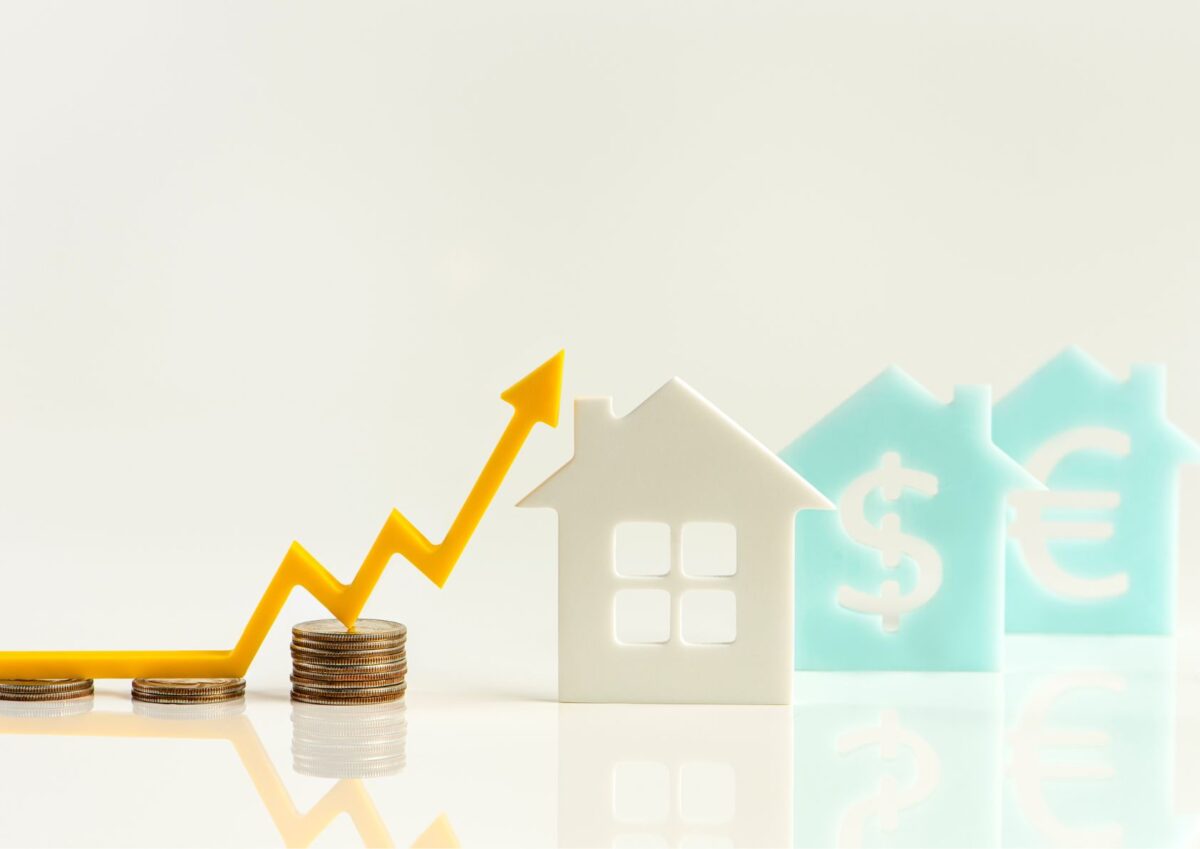
The rules of buying and selling homes have changed. Interest rates remain elevated, mortgage costs are rising, and deals that once felt straightforward now require sharper planning and tighter budgeting. Yet opportunities still exist for home buyers and sellers who understand how to adapt. High-interest-rate home buying isn’t about waiting for the market to “go back to normal.” It’s about adjusting your strategies, understanding risks, and making informed decisions to succeed in today’s market.

Understanding the New Cost Reality for Home Buyers and Sellers

Rising interest rates have reshaped affordability for buyers, and higher insurance premiums are affecting sellers and new homeowners alike. Borrowing costs are at levels not seen in over two decades, impacting monthly payments and long-term affordability. At the same time, insurance costs—especially in areas prone to storms, wildfires, or floods—are climbing, with higher deductibles and more coverage restrictions.

For home buyers, this means carefully factoring in mortgage rates, property taxes, and insurance into your budget before making an offer. Sellers, meanwhile, need to recognize that these higher costs can influence buyer decisions and adjust pricing or incentives accordingly.

Why Property Choice Matters More Than Ever

When borrowing was cheap, buyers and sellers had more flexibility. Today, every decision counts. Buyers should focus on properties with long-term value—stable neighborhoods, good schools, and predictable maintenance needs. Sellers in these areas can highlight these strengths to attract cautious buyers.

Homes with sound infrastructure, updated systems, and low immediate repair needs are more appealing in a high interest rate environment. Both buyers and sellers benefit from understanding what makes a property resilient to market shifts.

Financing Strategies That Work for Buyers

Creative planning can make a big difference in high-rate markets. Buyers are exploring options such as:

  • Larger down payments to lower monthly payments

  • Adjustable vs. fixed-rate mortgage comparisons

  • Assistance programs or incentives that improve affordability

The goal is not to chase the “perfect rate,” but to stabilize monthly costs and ensure long-term financial comfort. Sellers can also benefit by being flexible with terms or incentives to ease buyers’ concerns about high interest rates.

Insurance and Ongoing Costs Are Key Factors

Insurance is no longer just a background expense. Rising premiums can affect affordability, especially in high-risk areas. Buyers should factor insurance, property taxes, and maintenance into their decision-making, while sellers may need to disclose or highlight upgrades that reduce insurance costs.

Properties with newer roofs, updated systems, and safety features are more attractive to buyers, and emphasizing these details can make a difference in closing a sale.

Winning as a Buyer or Seller in a High-Rate Market

Patience and preparation are crucial. Buyers who plan, budget carefully, and avoid overextending themselves can find homes that meet their needs without financial stress. Sellers who highlight property strengths, price realistically, and understand buyer concerns around interest rates will stand out. The current market favors thoughtful decisions over rushed moves. Those who understand costs, make informed choices, and approach transactions strategically are the ones who succeed.

Long-Term Opportunity in Today’s Market

High interest rate home buying is challenging, but it also teaches valuable lessons: budgeting accurately, understanding ongoing costs, and making smart property decisions. Buyers who adapt can find homes that fit their lifestyle and finances, while sellers who prepare can attract motivated, informed buyers.

This market is not a pause. It’s a proving ground. By approaching buying and selling with clarity, strategy, and patience, you can succeed even when rates are high.

Cash Is King: Navigating a Housing Market Dominated by Cash Buyers

When cash buyers are a major force in housing markets, sellers and agents feel it, and so should anyone tracking US real estate trends. This blog explains why cash transactions matter, what recent data shows about the prevalence of all cash sales, and practical steps agents and buyers can take. Key takeaways: cash sales remain elevated compared with pre-pandemic norms, the share varies by price and region, and agents who understand who the cash buyers are will be better positioned to win listings.

Why cash transactions matter right now

All cash offers are attractive because they close quickly and carry less financing risk. That speed and certainty often let cash offers beat financed ones in competitive situations. In 2024, Redfin reported that 32.6 percent of US home purchases were made with cash, the lowest share in three years but still above many pre-pandemic levels. That demonstrates a structural shift: liquidity has become a consistent advantage for many buyers.

How common are all cash sales in 2025

Different analyses show slightly different snapshots depending on the time frame and methodology. Realtor.com’s analysis found that roughly 32.8 percent of homes sold in the first half of 2025 were paid for in all cash, highlighting that about one in three transactions during that period did not involve a mortgage. Separately, Redfin’s monthly data showed an all cash share near 28.8 percent in August 2025 for the metro areas it tracks, illustrating that short-term month-to-month measures can differ from half year aggregates. Use both kinds of metrics to get a full picture.

Where cash sales concentrate

Analyses consistently show cash purchases concentrate at the lower and upper ends of the market and vary regionally. Lower priced properties and luxury homes often have higher cash shares, and some states and metros including parts of Florida and certain Sun Belt metros report notably higher all cash rates. These patterns reflect a mix of investor activity, second home buyers, and equity rich households. 

What this means for real estate agents

Agents should treat the prevalence of cash offers as a strategic variable:
• Market positioning: In areas or price bands with high cash activity, emphasize speed and certainty to sellers.
• Targeting: Build outreach lists that include likely cash buyer profiles (investors, downsizers or retirees, second home buyers).
• Advising sellers: Explain that while cash offers can be faster and cleaner, they may not always be highest in dollar amount. A financed offer with a strong preapproval and flexible terms can still compete. Use local data to guide pricing and negotiation strategy.

For mortgage dependent buyers: how to compete

Buyers who need financing cannot change macro liquidity, but they can make their offers more competitive by obtaining strong lender preapprovals, minimizing contingencies where prudent, offering faster closing windows, or providing earnest money that signals commitment. Agents should coach buyers on credible ways to close the certainty gap that cash buyers naturally bring.

Bottom line: adapt to liquidity as a market factor

All cash purchases remain an important part of US home sales, and the exact share depends on the period and dataset you consult. Whether you are a seller, agent, or buyer, recognizing the influence of cash on deal speed and certainty will help you set realistic expectations and craft winning offers or listings.

Home Buying Mistakes to Avoid in Today’s Market

Introduction

In a real estate climate where conditions are shifting rapidly, understanding how to navigate the home-buying process is more important than ever. This post looks at common home-buying mistakes to avoid in today’s market and outlines how buyers can steer clear of pitfalls, make smarter decisions, and position themselves for success. You’ll learn about misreading interest rates and inventory trends, overlooking budgeting errors, skipping critical inspections, underestimating future resale value, and rushing without a coherent strategy.

Misreading interest rates and market timing

One of the biggest home-buying mistakes to avoid in today’s market is banking too heavily on a major drop in interest rates or a dramatic fall in home prices. Current U.S. market data shows mortgage rates hover around 6 %-7 % and are expected to remain elevated through 2025. Meanwhile, home-value growth has slowed: some markets only posted ~1.2% annual gains in early 2025.

The concept of a current real estate market.
 

When buyers wait for “perfect timing,” they may miss opportunities or allow competition to edge them out. Realistic expectations about financing and timing reduce stress and help you act decisively rather than reactively.

Failing to build a realistic budget

Another major error is underestimating total costs. In today’s market, it is vital to avoid the trap many fall into: thinking only of the down payment and forgetting insurance, property taxes, maintenance, and potential rate increases. According to recent data, the median U.S. home price was about $359,741 in March 2025, and at that price, even with a 20% down payment, the required budget is significant.

Budgeting must include contingency plans. Mistakes here could leave a buyer house-rich but cash-poor, limiting flexibility. Avoiding this misstep is key to staying financially stable through ownership.

Skipping inspections or due diligence

In a market where supply is tight and buyers may feel pressured to act fast, skipping inspections is one of the most avoidable home-buying mistakes to avoid in today’s market. Even though competition has eased somewhat compared to the frenzy years, homes are still a major investment, and skipping due diligence can be costly.

Take the time to inspect systems (HVAC, roof, plumbing), review neighbourhood trends, check for potential zoning or environmental issues, and factor in future repair costs. A wise buyer will balance enthusiasm with a thorough review.

Couple working with a real estate agent to buy a home.

Ignoring long-term resale and market shifts

A common oversight: focusing only on what you want today and not on what will matter in five or ten years. Given the slow but steady evolution of the U.S. housing outlook, with forecasts of ~3% price growth in 2025.  It is smart to evaluate a home’s future appeal.

Consider location, school district, access to amenities, migration trends (e.g., Sun Belt growth), and potential for appreciation or flexibility (rental potential, resale ease). Failing to look ahead can turn a seemingly great purchase into a challenge later on.

Rushing decisions without a strategy

Finally, one of the most frequent home-buying mistakes to avoid in today’s market is acting without a clear plan. Whether this means allowing emotion to dominate, skipping pre-approval steps, or not aligning your purchase with your lifestyle and financial goals, rushing can cost you.
Data show homes are staying on the market longer: the median days on market jumped from ~40 to ~54 in early 2025.

 This means buyers today have a little more time than in previous years, but still benefit from being prepared. A thoughtful strategy includes having financing in place, knowing your criteria, being patient while evaluating opportunities, and being ready when a good home presents itself.

Conclusion

Avoiding these five key errors gives you a strong foundation to make confident home-buying decisions. By recognizing the realities of the current market, budgeting clearly, doing your homework, thinking long term, and maintaining strategy over impulse, you’ll minimize risk and maximize your chances for success. Keep the phrase home buying mistakes to avoid in today’s market in mind as you move forward and let it guide you toward a smarter, more secure purchase.

First-Time Homebuyer Guide: What Costs Most People Overlook

Introduction


Navigating the housing market as a newbie can feel like walking through a minefield. That’s why this first-time homebuyer guide is essential for anyone interested in current real estate trends. In this post, you’ll discover hidden expenses many buyers miss, strategies to plan ahead, and how shifting market dynamics in 2025 affect your bottom line. Read on to avoid surprises and buy with confidence.

Hidden Closing Costs That Catch Buyers Off Guard

When you’re budgeting for your first home, the sale price and down payment tend to dominate your attention. But savvy buyers know it’s the closing costs that often sneak up on you. These can range from 2% to 5% of the home’s purchase price, and include things like:

  • Title insurance and title search
  • Escrow or settlement fees
  • Appraisal and home inspection fees
  • Recording and transfer taxes
  • Lender origination fees

Many first-time buyers assume their lender or seller covers these, but that’s rarely the case. If your home costs $400,000, closing fees could easily reach $8,000–$20,000. Factoring these into your plan is critical in today’s market, where affordability is already tight.

first time home buyers

Property Taxes, Insurance, and Rising Premiums

Another overlooked recurring cost is property taxes and homeowners’ insurance. Some buyers calculate these roughly, but in many U.S. markets, taxes alone can reach thousands per year. In 2025, insurance premiums are increasing, especially in high-risk zones (like coastal or wildfire-prone areas). The average home insurer saw double-digit premium growth in several states as climate impacts push up costs.

Also consider flood, wind, or earthquake riders if your area warrants it. Those can run into the hundreds or even thousands annually, depending on your location and elevation. These line items bite into your monthly budget more than many first-timers expect.

Maintenance, Repairs, and Unexpected Upkeep

Owning a home means more than paying the mortgage. Older systems (plumbing, HVAC, roof, electrical) eventually need repair or replacement. Many buyers underestimate maintenance reserve costs, which some experts suggest budget at 1% to 3% of a home’s value per year.

Woman with water faucet and wrench does not understand how to fix water supply or get rid of leak. Girl repairs faucet in bathroom or in kitchen with own hands, not wanting to call plumber
 

For example, on a $300,000 home, that means $3,000–$9,000 in upkeep annually. And if a major item like a roof or furnace fails in the first few years, you could spend thousands in one go. Setting aside a “home emergency fund” is wise and often overlooked.

Higher Mortgage Rates and Affordability Pressures

Even as inventory loosens slightly, the real estate landscape in 2025 still features elevated mortgage rates. The 30-year fixed rate often hovers around 6% or higher, squeezing buyers’ purchasing power.

To put this in perspective: a first-time homebuyer now may need an income of $120,000 or more just to cover a median mortgage payment, taxes, and insurance. Many buyers miscalculate this burden and stretch themselves too thin, which can lead to financial stress down the road.

How Real Estate Trends Impact First-Time Buyers

Being aware of macro trends helps you anticipate challenges. According to industry outlooks:

  • Home prices are forecast to grow moderately (~3%) in 2025, but markets remain tight.
  • Inventory is slowly improving after years of scarcity, giving buyers marginally more choice.
  • Rising investor purchases and all-cash buyers add pressure in competitive metro areas.

In this shifting environment, your best defense is being fiscally conservative. Budget for the above overlooked costs, have flexibility in your approval buffer, and stay in tune with local market movements.

Young caucasian couple showing keys of their first house after purchase and moving to new home together. happy husband and wife hugging in their apartment excited to be owners of a apartment.

Final Tips for First-Time Buyers

  1. Ask your lender for a detailed closing cost estimate early.
  2. Run a “future expense stress test pretend you lose income or rates increase.
  3. Get multiple insurance quotes, and ask specifically about hazard add-ons.
  4. Set aside a maintenance fund from day one, ideally in a separate account.
  5. Stay informed on local real estate data, not just national headlines. Your city or ZIP may have unique risks (e.g., flood zones, wildfire zones, local levees).

If you keep the first-time homebuyer guide principles in mind and don’t overlook these hidden costs, you’ll be far more prepared to weather the first few years of homeownership. The market may be evolving, but a well-budgeted buyer can still succeed.

Is It a Buyer’s Market or a Seller’s Market? 2025 Real Estate Trends

Introduction

The real estate question on many people’s minds as we are about to wrap up 2025 and head into the new year is: Is it a buyer’s market or a seller’s market? Understanding where the housing market stands is important for anyone thinking about buying, selling, or simply keeping an eye on real estate trends. So let’s explore what experts are predicting for the year ahead, what factors are influencing the market, and what buyers and sellers should watch for in the coming months.

Interest Rates and Affordability

One of the most important factors shaping whether it’s a buyer’s market or a seller’s market is interest rates. Over the past few years, rates have fluctuated significantly, impacting affordability for millions of potential buyers. As we move through late 2025, mortgage rates continue to stabilize, giving more buyers the confidence to re-enter the market.

Current real estate trends. Mortgage rates, home prices and inventory.

However, affordability is still a challenge in many regions due to high home prices. Even with slightly lower rates, buyers are carefully weighing their budgets. This balancing act will continue to shape demand and influence the competitiveness of the market across different cities and neighborhoods.

Housing Inventory on the Rise

Another major driver of market conditions is housing supply. In 2025, inventory levels are slowly climbing, thanks in part to new construction catching up with demand. While many areas still struggle with low housing supply, the slight increase provides buyers with more options and gives sellers new competition.

The shift in inventory is key to understanding whether it’s leaning toward a buyer’s market or a seller’s market. More homes on the market typically create opportunities for buyers to negotiate, while limited inventory favors sellers. For now, conditions remain mixed depending on location, but experts believe the balance is closer than it has been in years.

Regional Differences Matter

It’s important to remember that national forecasts don’t always reflect local realities. Some metro areas are experiencing high buyer demand and rising prices, keeping things firmly in sellers’ favor. Meanwhile, others are seeing price growth slow and more days on market, giving buyers leverage.

For example, many Sun Belt states continue to attract newcomers, fueling competition among buyers, while parts of the Midwest are stabilizing with more balanced conditions. Anyone looking to make a move in 2025 should pay close attention to their local trends rather than relying solely on national headlines.

real estate trends

Technology and Market Transparency

Beyond economics and inventory, technology is playing a bigger role in how buyers and sellers approach real estate. From AI-driven property recommendations to virtual tours and streamlined digital closings, the process is faster and more transparent than ever before. This added convenience allows buyers to make quicker decisions and gives sellers wider exposure to qualified leads.

As tech reshapes the industry, it may help reduce the traditional friction of buying and selling, ultimately supporting a more balanced market. This could mean that the old debate of “buyer’s market or seller’s market” might slowly evolve into a more even playing field.

What to Watch for in 2025

Looking ahead, several key factors will determine how the year unfolds:

  • Economic conditions: Job growth, inflation, and consumer confidence will all play a role.

  • Policy shifts: Any government initiatives aimed at housing affordability could have ripple effects.

  • Local supply and demand: Neighborhood-level data remains the best indicator of conditions for individual buyers and sellers.

While no one can predict the future with 100% accuracy, the consensus is that 2025 will bring a more balanced environment than the extremes we’ve seen in recent years.

Conclusion

So, is it a buyer’s market or a seller’s market in 2025? The answer depends largely on where you live, your budget, and your timing. Nationally, we’re seeing a gradual move toward balance, with opportunities and challenges for both sides. Whether you’re planning to buy or sell this year, staying informed on local trends will give you the best chance of making a smart move in today’s evolving real estate landscape.

Real Estate Trends to Watch in 2025: What to Expect in the Coming Year

Emerging Hot Markets

The housing market is constantly evolving, and 2025 is no exception. Some cities and regions are expected to experience rapid growth due to economic factors, demographic shifts, and lifestyle changes.

Secondary Cities on the Rise

Secondary cities, often overshadowed by larger metropolitan areas, are becoming increasingly attractive. Markets like Boise, Idaho; Greenville, South Carolina; and Tucson, Arizona, offer affordability and quality of life, driving buyer demand.

House in hands. real estate agent holding house in cupped hands. House selling or home insurance concept.

Suburbs Remain Popular

Post-pandemic trends continue to favor suburban living. Buyers prioritize larger homes, outdoor spaces, and proximity to amenities—a demand particularly strong among millennials entering their peak home-buying years.

Regional Highlights

  • The South: Cities such as Nashville and Austin remain growth hubs thanks to job opportunities and a business-friendly environment.
  • The Midwest: Affordable housing markets like Columbus and Des Moines are seeing an influx of buyers from coastal cities.

Technological Advancements in Home Buying

Technology continues to revolutionize the way we buy, sell, and invest in real estate. Here’s what to expect in 2025:

Virtual Reality and Augmented Reality

Young attractive couple in love happy together planning and pointing blueprints floor plan and design of new house home flat or apartment in real state concept

Virtual tours have become a staple in home buying, but in 2025, advancements in augmented reality (AR) will allow buyers to personalize virtual spaces—from changing wall colors to rearranging furniture—all before stepping foot in a home.

Blockchain in Real Estate

Blockchain technology is streamlining transactions. With secure, transparent digital ledgers, buyers and sellers can experience faster closings and reduced fraud risks. Smart contracts are also gaining traction, automating processes like payment disbursements and title transfers.

AI and Data Analytics

Artificial intelligence (AI) is helping agents and buyers make data-driven decisions. From predicting market trends to personalized property recommendations, AI tools enhance efficiency and accuracy in the buying process.

Changing Buyer Behaviors

Demographics and societal shifts are influencing buyer preferences in profound ways.

Sustainability Takes Center Stage

Eco-conscious buyers are driving demand for energy-efficient homes. Features like solar panels, smart thermostats, and sustainable building materials are no longer optional but expected in many markets.

Multi-Generational Living

With rising home prices and shifting family dynamics, multi-generational living is becoming more common. Homes with in-law suites, dual kitchens, or separate entrances are highly sought after.

First-Time Buyers Face Challenges

While millennials remain a dominant force in the market, rising interest rates and inventory shortages continue to challenge first-time buyers. Creative financing options and down payment assistance programs are likely to grow in importance.

Investment Opportunities in 2025

Home finances and residential equity symbol as a bird nest shaped as a family house with a gold egg inside as a metaphor for financial security planning and investing in real estate for retirement freedom.

The real estate investment landscape is evolving, presenting new opportunities for savvy investors.

Short-Term Rentals Remain Lucrative

The popularity of platforms like Airbnb shows no signs of waning. Strong rental demand can benefit investors in vacation hotspots and urban areas.

Build-to-Rent Communities

Purpose-built rental communities are gaining traction as more people opt for renting over buying. These properties cater to renters looking for high-quality amenities without the long-term commitment of homeownership.

Commercial Real Estate Trends

Office spaces are adapting to hybrid work models, while demand for industrial real estate—like warehouses and distribution centers—continues to soar, driven by the e-commerce boom.

Final Thoughts

The real estate market in 2025 will undoubtedly bring changes and challenges, but it also holds incredible potential for growth and innovation. Whether you’re a buyer, seller, or investor, staying informed about these trends will help you make strategic decisions.

Looking for expert guidance on navigating the real estate market? Contact our team today to explore your options and take the next step confidently.