Preparing for 2025: How to Navigate the Shifting Real Estate Market

As 2025 approaches, the real estate market continues to evolve, bringing both opportunities and challenges for buyers, sellers, and investors. Navigating these changes requires staying informed and strategic in your decisions. In this blog, we’ll explore key trends shaping the market, tips for adapting to shifts, and what to expect in the year ahead. Whether you’re a first-time buyer or a seasoned investor, understanding these insights will help you stay ahead.

Understanding the Shifting Real Estate Landscape

The real estate market has always been cyclical, but recent years have been marked by unprecedented events, including the pandemic, rising interest rates, and shifts in buyer preferences. As we move into 2025, these factors continue to influence market dynamics.

real estate trends.

Key Trends to Watch in 2025

  • Interest Rates and Affordability: Mortgage rates have fluctuated significantly, impacting affordability for many buyers. Staying updated on rate trends can help you make effective decisions.
  • Inventory Challenges: Low housing inventory remains a challenge, but new construction trends and regional shifts may ease this in specific markets.
  • Tech-Driven Transactions: Virtual tours, AI tools, and online platforms are transforming the way properties are marketed and sold.
  • Migration Patterns: Many buyers are prioritizing affordability and lifestyle, leading to increased demand in secondary and suburban markets.

Understanding these trends will empower you to make informed choices as the market evolves.

For Buyers: Adapting to a Competitive Market

Buying a home in a shifting market can be daunting, but preparation is key. Here’s how to navigate effectively:

  1. Get Pre-Approved Early
    With fluctuating interest rates, securing pre-approval will not only clarify your budget but also position you as a serious buyer in a competitive market.
  2. Expand Your Search Criteria
    Consider emerging markets and neighborhoods with growth potential. These areas often offer more affordable options and better long-term value.
  3. Leverage Technology
    Use virtual tours and online research tools to streamline your search, saving time and uncovering hidden gems.
  4. Work with Local Experts
    Partner with a knowledgeable real estate agent who understands the nuances of your target market. Their insights can make all the difference in a fast-moving market.

Happy couple buying or selling a home with a real estate agent.

For Sellers: Standing Out in a Shifting Market

Selling a home in a dynamic market requires strategic planning. Here’s how to attract the right buyers and secure the best price:

  1. Price It Right
    Overpricing can deter buyers, especially when affordability is a concern. Work with your agent to determine a competitive price based on current trends and comparable sales.
  2. Highlight Energy Efficiency
    Buyers are increasingly interested in eco-friendly features. Highlight upgrades like energy-efficient windows, appliances, and smart thermostats to stand out.
  3. Stage to Impress
    Proper staging helps buyers visualize themselves in the space. Focus on creating a clean, inviting, and clutter-free environment that showcases your home’s best features.
  4. Market Strategically
    In today’s digital age, online presence matters. Use professional photos, virtual tours, and targeted social media ads to reach the widest audience.

For Investors: Seizing Opportunities in 2025

Real estate investing in 2025

Investors have unique opportunities in a shifting market. Here are strategies to maximize returns:

  1. Focus on Emerging Markets
    Secondary cities and suburban areas often offer high ROI opportunities due to lower entry costs and growing demand.
  2. Consider Multi-Family Properties
    With housing affordability issues persisting, multi-family properties are increasingly appealing to both tenants and investors.
  3. Monitor Market Data
    Stay updated on local trends, including rental demand, property appreciation rates, and economic growth indicators.
  4. Diversify Your Portfolio
    Explore a mix of residential, commercial, and alternative investments to mitigate risks and capitalize on varying market conditions.

Preparing for the Unexpected

While market trends provide valuable guidance, the real estate landscape can be unpredictable. Building flexibility into your plans ensures you’re ready to adapt to unexpected changes. Key tips include:

  • Build Financial Resilience: Keep an emergency fund to weather potential market downturns.
  • Stay Informed: Regularly read market reports and consult trusted experts to stay ahead of the curve.
  • Plan for the Long-Term: Real estate is a long-term investment. Stay patient and focus on properties that align with your broader goals.

Conclusion: Navigating 2025 with Confidence

The 2025 real estate market is shaping up to be a year of transformation. By understanding the latest trends, preparing strategically, and staying flexible, you can make the most of the opportunities ahead. Whether you’re buying, selling, or investing, staying informed is your greatest asset in navigating the shifting market.

Interest Rates and Inventory: How 2024’s Closing Trends Shape Early 2025

As 2024 comes to a close, the real estate market is reflecting significant trends that will shape the landscape in early 2025. Buyers and sellers are navigating an evolving market with fluctuating interest rates and persistent inventory challenges. Understanding these trends is key, whether you’re planning to buy, sell, or simply stay informed.

In this post, we’ll explore how 2024’s closing trends—specifically interest rates, inventory shortages, and seasonal factors—are likely to impact the housing market in early 2025. Plus, we’ll share insights into what this means for you, whether you’re an investor, first-time buyer, or seasoned homeowner.

Interest Rates: The Impact on Affordability

Interest rates have been the central theme of the 2024 real estate market, creating ripple effects across the industry. After consecutive adjustments by the Federal Reserve, rates stabilized in the latter half of the year, hovering between 6% and 7% for 30-year fixed-rate mortgages.

Mortgage interest rates depiction.

For buyers, this stability provided a sense of predictability but also highlighted the reality of reduced affordability compared to pre-pandemic levels. Mortgage rates directly affect monthly payments, meaning buyers must reassess budgets or consider smaller properties.

Looking ahead to 2025, experts predict gradual rate declines as inflation eases. A dip below 6% could reignite buyer interest, particularly from those who have been waiting for more favorable conditions. Sellers, too, may feel encouraged to list their homes, potentially addressing inventory shortages.

Low Inventory: The Persistent Challenge

Despite growing demand, 2024 saw inventory remain critically low in many markets. Homeowners with ultra-low mortgage rates from prior years are hesitant to sell, creating a bottleneck in housing supply. Meanwhile, new construction projects are progressing slowly due to labor shortages and rising material costs.

The inventory crunch affects buyers and sellers differently. For buyers, limited options mean fierce competition and rising prices in desirable areas. Sellers, however, benefit from favorable conditions, often receiving multiple offers and selling above asking price.

What can we expect in early 2025? While some markets may see a slight uptick in inventory due to seasonal trends and new construction projects reaching completion, overall supply is likely to remain tight. Prospective buyers should prepare to act quickly and remain flexible in their search criteria.

Seasonal Trends and the Early 2025 Market

Seasonality plays a critical role in real estate. Historically, the first quarter of the year is slower due to winter weather and holiday expenses. However, recent years have seen a shift, with early-year activity picking up as buyers and sellers look to get ahead of the spring rush.

mortgage interest rates.

Expect the market to mirror these modern trends in 2025. Buyers who paused their search during the holiday season may return in January, particularly if interest rates show signs of declining. Sellers, recognizing the demand, could strategically list properties earlier than usual.

January and February could present unique opportunities for those considering entering the market. Compared to the spring market, buyers might face less competition, and sellers could attract motivated buyers eager to close before rates change.

Price Trends: What’s Next?

Home prices in 2024 showed modest appreciation, with regional variations based on demand and economic factors. Hot markets like Austin, Phoenix, and Miami saw significant gains, while others experienced slower growth.

Experts anticipate continued appreciation in 2025, though slower due to affordability concerns. Markets with strong job growth and population increases will likely lead the way. Buyers should monitor emerging areas that offer better value, while sellers in high-demand markets can expect robust activity.

Couple with a mortgage lender discussing interest rates for a home purchase.

Tips for Navigating Early 2025 Real Estate

Whether you’re buying, selling, or investing, preparation is key to success in a dynamic market:

  1. For Buyers: Get pre-approved for a mortgage and lock in rates when favorable. Work closely with a knowledgeable real estate agent to identify opportunities quickly.
  2. For Sellers: Invest in minor upgrades to make your property stand out. Highlight features that cater to current buyer priorities, like energy efficiency or home office spaces.
  3. For Investors: Focus on areas with strong rental demand and economic growth. Monitor markets for undervalued properties as inventory increases.

Conclusion

As 2024 wraps up, the real estate market presents challenges and opportunities. Interest rates are stabilizing, inventory remains tight, and seasonal factors are poised to influence activity in early 2025. Staying informed about these trends can help you make confident decisions in the months ahead.

Whether planning to buy, sell, or simply explore the market, working with experienced professionals and monitoring economic indicators will ensure you’re well-prepared for the future.

The End-of-Year Advantage: Why Listing Your Home in December Could Be a Smart Move

When it comes to selling a home, most people think of spring as the ideal time to list. However, listing your home in December comes with several unique benefits that many sellers overlook. While the holiday season may seem like an unconventional time to sell, the reduced competition and serious buyer pool can work to your advantage. If you’re considering putting your home on the market, here’s why December might just be the smartest move you make all year.

Why December Can Be the Perfect Time to Sell

1. Less Competition Means More Attention

Most sellers choose to hold off until spring, assuming the market will heat up. However, this means fewer homes are listed in December, creating less competition for those who are selling. With fewer properties on the market, your home has a greater chance of standing out to buyers looking to move.

open house

During peak seasons like spring or summer, buyers often have a wide range of options, which can result in longer selling times or the need to lower your price to compete. In December, serious buyers are more likely to focus on your listing, and with fewer homes to choose from, you’ll have a better shot at closing the deal quickly.

2. Buyers in December Are Serious About Purchasing

Holiday buyers are not casual window shoppers—they’re often motivated to make a decision quickly. Whether they’re relocating for a job, finalizing a purchase before the end of the year, or leveraging holiday breaks for house hunting, buyers in December are serious and ready to act.

Many buyers also want to take advantage of year-end financial incentives, such as tax breaks or bonuses. For sellers, this means that showing your home to a smaller but more focused audience can lead to faster offers and smoother negotiations.

Financial and Market Benefits of Selling in December

3. Year-End Tax Advantages Can Attract Buyers

Many buyers are looking to close on a home before December 31st to secure tax benefits for the current year. By listing your home in December, you position your property to appeal to buyers who need to make a purchase quickly for tax-related reasons.

This creates a unique urgency that doesn’t exist during other times of the year. Serious buyers may even be willing to pay a premium to meet their financial goals before the year ends.

Interest rate financial and mortgage rates concept. flip wood cube change arrow down to up. Mortgage rates business, Financial interest rate and mortgage rate concept. interest rates appraisal.

4. Interest Rates May Work in Your Favor

Mortgage interest rates can fluctuate throughout the year, and savvy buyers are eager to lock in lower rates when they see them. If rates dip during December, buyers may feel a greater sense of urgency to purchase, giving you an advantage as a seller.

Staging and Showing Your Home During the Holidays

5. Holiday Decor Creates a Warm, Inviting Atmosphere

One of the unique benefits of listing your home in December is the opportunity to showcase it in its most festive and welcoming light. With tasteful holiday decorations, cozy lighting, and seasonal scents, your home can create an emotional connection for buyers.

Tips for Holiday Staging:

  • Stick to neutral, elegant decor. Avoid over-the-top themes.
  • Highlight key features like fireplaces, open layouts, and natural lighting.
  • Use warm accents, such as throws, candles, and greenery, to create a cozy environment.

When done right, holiday staging can make your home memorable and inviting during showings.

Christmas home staging

How to Make Your December Listing a Success

Partner with an Experienced Agent

Listing during the holidays requires strategic marketing and the ability to attract serious buyers. Working with a knowledgeable real estate agent ensures your home is priced right, professionally marketed, and seen by the right audience.

Be Flexible with Showings

Buyers may have tight schedules during the holidays, so being flexible with showing times can increase your chances of receiving offers.

Take Advantage of Online Marketing

With fewer homes on the market, online listings stand out even more. High-quality photos, virtual tours, and targeted online advertising will help your property shine during the holiday season.

Final Thoughts: Don’t Wait for Spring—Sell Smart in December

Listing your home in December offers advantages that most sellers overlook: less competition, serious buyers, and unique financial incentives. While spring may be the traditional selling season, smart sellers recognize the opportunities that come with a quieter market and motivated buyers.

If you’re ready to sell, don’t wait—capitalize on the end-of-year advantage and position your home for success this December.

Ready to make the most of the end-of-year market? Contact us today to get your home listed and sold with confidence!

Should You Buy or Rent This Winter? A Year-End Decision-Making Guide

Winter is here, and with it comes a unique opportunity to reevaluate your housing situation. Whether you’re contemplating buying your first home or considering renting to maintain flexibility, the decision to buy or rent this winter depends on your financial goals, lifestyle, and current market conditions. Let’s dive into the key factors to help you make a confident choice.

Why Winter Is a Unique Time for Housing Decisions

Winter presents distinctive advantages and challenges for both buyers and renters.

Young couple buying a home.

Fewer Crowds, More Opportunities

The colder months tend to see less competition in the housing market, meaning fewer bidding wars for buyers and more negotiation power for renters.

Seasonal Savings

Landlords and sellers eager to close deals before year-end may offer discounts or incentives, making winter a potentially cost-effective time to act.

Buying a Home This Winter

Buying a home is a significant milestone, but is winter the right time for such a commitment?

Pros of Buying This Winter

  1. Lower Prices: Sellers motivated to move quickly during the slower winter months may list homes at lower prices.
  2. Tax Benefits: Purchasing a home before the end of the year could qualify you for deductions, such as mortgage interest, property taxes, and closing costs.
  3. Faster Closing Process: With fewer transactions taking place, lenders and agents often have more availability to expedite the closing process.

Buying a home in winter.

Cons of Buying This Winter

  1. Limited Inventory: Fewer homes are listed during winter, reducing the number of options available.
  2. Weather Challenges: Bad weather can complicate home inspections and moving logistics.

Renting a Home This Winter

For some, renting offers a practical solution. Here’s why renting might be the better choice this winter.

Pros of Renting This Winter

  1. Flexibility: Renting allows you to adapt quickly to changing circumstances, such as job relocations or evolving financial goals.
  2. Lower Upfront Costs: Avoiding a down payment and closing costs can help you preserve savings or invest elsewhere.
  3. Shorter Commitments: Many landlords offer flexible lease terms during winter to fill vacancies.

Cons of Renting This Winter

  1. No Equity Growth: Unlike homeownership, renting doesn’t build financial equity over time.
  2. Potential Rent Increases: While winter deals can be attractive, lease renewals may bring higher costs in the long term.

Key Factors to Consider

Making the right decision comes down to understanding your unique situation and priorities.

Financial Readiness

reviewing finances before buying a home.

Evaluate your savings, debt, and credit score. If you’re financially prepared to buy, consider locking in today’s interest rates before potential changes in the new year.

Market Trends

Research local housing market trends to see if home prices and rental rates are increasing or stabilizing in your area.

Lifestyle Needs

Consider your lifestyle goals. Are you planning to settle down for several years? If so, buying might be the better option. If flexibility is more important, renting could make sense.

Tips for Success

For Buyers

  • Get pre-approved for a mortgage to strengthen your position in negotiations.
  • Hire a trusted real estate agent familiar with winter market conditions.

For Renters

  • Negotiate lease terms—landlords may be more willing to offer perks like reduced rent or waived fees.
  • Review the lease carefully, especially for clauses on renewal rates and move-out fees.

Should You Buy or Rent This Winter?

Ultimately, the decision to buy or rent this winter depends on your financial situation, market conditions, and long-term goals. Both options offer unique benefits, and weighing the pros and cons can help you choose what aligns best with your needs.

Final Thoughts

Still wondering whether to buy or rent this winter? Contact our team of experienced real estate professionals to explore your options and get personalized advice for your situation. Let’s find your perfect home solution before the year ends!

Real Estate Trends to Watch in 2025: What to Expect in the Coming Year

Emerging Hot Markets

The housing market is constantly evolving, and 2025 is no exception. Some cities and regions are expected to experience rapid growth due to economic factors, demographic shifts, and lifestyle changes.

Secondary Cities on the Rise

Secondary cities, often overshadowed by larger metropolitan areas, are becoming increasingly attractive. Markets like Boise, Idaho; Greenville, South Carolina; and Tucson, Arizona, offer affordability and quality of life, driving buyer demand.

House in hands. real estate agent holding house in cupped hands. House selling or home insurance concept.

Suburbs Remain Popular

Post-pandemic trends continue to favor suburban living. Buyers prioritize larger homes, outdoor spaces, and proximity to amenities—a demand particularly strong among millennials entering their peak home-buying years.

Regional Highlights

  • The South: Cities such as Nashville and Austin remain growth hubs thanks to job opportunities and a business-friendly environment.
  • The Midwest: Affordable housing markets like Columbus and Des Moines are seeing an influx of buyers from coastal cities.

Technological Advancements in Home Buying

Technology continues to revolutionize the way we buy, sell, and invest in real estate. Here’s what to expect in 2025:

Virtual Reality and Augmented Reality

Young attractive couple in love happy together planning and pointing blueprints floor plan and design of new house home flat or apartment in real state concept

Virtual tours have become a staple in home buying, but in 2025, advancements in augmented reality (AR) will allow buyers to personalize virtual spaces—from changing wall colors to rearranging furniture—all before stepping foot in a home.

Blockchain in Real Estate

Blockchain technology is streamlining transactions. With secure, transparent digital ledgers, buyers and sellers can experience faster closings and reduced fraud risks. Smart contracts are also gaining traction, automating processes like payment disbursements and title transfers.

AI and Data Analytics

Artificial intelligence (AI) is helping agents and buyers make data-driven decisions. From predicting market trends to personalized property recommendations, AI tools enhance efficiency and accuracy in the buying process.

Changing Buyer Behaviors

Demographics and societal shifts are influencing buyer preferences in profound ways.

Sustainability Takes Center Stage

Eco-conscious buyers are driving demand for energy-efficient homes. Features like solar panels, smart thermostats, and sustainable building materials are no longer optional but expected in many markets.

Multi-Generational Living

With rising home prices and shifting family dynamics, multi-generational living is becoming more common. Homes with in-law suites, dual kitchens, or separate entrances are highly sought after.

First-Time Buyers Face Challenges

While millennials remain a dominant force in the market, rising interest rates and inventory shortages continue to challenge first-time buyers. Creative financing options and down payment assistance programs are likely to grow in importance.

Investment Opportunities in 2025

Home finances and residential equity symbol as a bird nest shaped as a family house with a gold egg inside as a metaphor for financial security planning and investing in real estate for retirement freedom.

The real estate investment landscape is evolving, presenting new opportunities for savvy investors.

Short-Term Rentals Remain Lucrative

The popularity of platforms like Airbnb shows no signs of waning. Strong rental demand can benefit investors in vacation hotspots and urban areas.

Build-to-Rent Communities

Purpose-built rental communities are gaining traction as more people opt for renting over buying. These properties cater to renters looking for high-quality amenities without the long-term commitment of homeownership.

Commercial Real Estate Trends

Office spaces are adapting to hybrid work models, while demand for industrial real estate—like warehouses and distribution centers—continues to soar, driven by the e-commerce boom.

Final Thoughts

The real estate market in 2025 will undoubtedly bring changes and challenges, but it also holds incredible potential for growth and innovation. Whether you’re a buyer, seller, or investor, staying informed about these trends will help you make strategic decisions.

Looking for expert guidance on navigating the real estate market? Contact our team today to explore your options and take the next step confidently.

How to Maximize Your Home’s Curb Appeal in Winter

Winter may seem like a challenging time to enhance your home’s curb appeal, but it can be an excellent opportunity to stand out in the real estate market. Whether you’re selling your home or simply want to keep it looking its best during the colder months, there are plenty of winter curb appeal tips to help your property shine. In this post, we’ll share practical advice to make your home inviting even when temperatures drop. From seasonal décor to essential maintenance, you’ll discover everything you need to create a warm first impression.


Why Winter Curb Appeal Matters

First impressions are everything in real estate, and your home’s exterior sets the tone. In winter, when landscaping options are limited, buyers or visitors notice other details more keenly. A well-maintained and visually appealing home in the winter signals to potential buyers that the property is cared for inside and out. Plus, with fewer homes on the market during this season, maximizing your curb appeal can give you a competitive edge.

Keep Pathways Safe and Clear

One of the simplest yet most critical steps for winter curb appeal is ensuring your walkways, driveway, and stairs are safe and accessible. Snow, ice, and debris can make your property look neglected and create hazards for guests.

  • Shovel Snow Promptly: Clear walkways after every snowfall to maintain a tidy and welcoming appearance.
  • Use Salt or Sand: Sprinkle de-icer or sand to prevent slips and falls. Opt for eco-friendly products to protect your landscaping.
  • Repair Damage: Address cracks or uneven surfaces that winter weather can worsen.

Add Pops of Seasonal Color

winter home exterior during the holidays.

Winter doesn’t have to mean a dull, colorless yard. Adding a splash of seasonal color can make your home feel inviting and vibrant.

  • Winter-Friendly Plants: Invest in evergreen shrubs or cold-hardy plants like holly or winterberry. These can add greenery and a touch of red to your landscape.
  • Decorate with Planters: Fill outdoor pots with pine branches, birch logs, or seasonal accents like ornaments or ribbon for an elegant touch.
  • Bright Door Colors: A freshly painted front door in a bold color like red, blue, or green can make a striking impression.

Focus on Lighting for Warmth and Safety

Winter days are shorter, which makes proper lighting essential for both safety and aesthetics. Use lighting to highlight your home’s best features while ensuring visitors feel safe approaching.

  • Upgrade Outdoor Fixtures: Modern fixtures can give your exterior a fresh look and improve visibility.
  • Install Pathway Lighting: Solar-powered lights or lanterns along walkways create a cozy ambiance.
  • Decorative Twinkle Lights: String lights on trees, shrubs, or porch railings add a festive touch during the holiday season.

Maintain Your Exterior

Cold weather can take a toll on your home’s exterior, making maintenance a priority for curb appeal.

  • Clean the Gutters: Overflowing gutters can create ice dams and damage your property, so make sure they’re clear of leaves and debris.
  • Wash Windows: Clean windows sparkle and help your home look well-maintained, even in winter.
  • Repair Peeling Paint: Touch up areas where paint has chipped, particularly around the front door and trim.

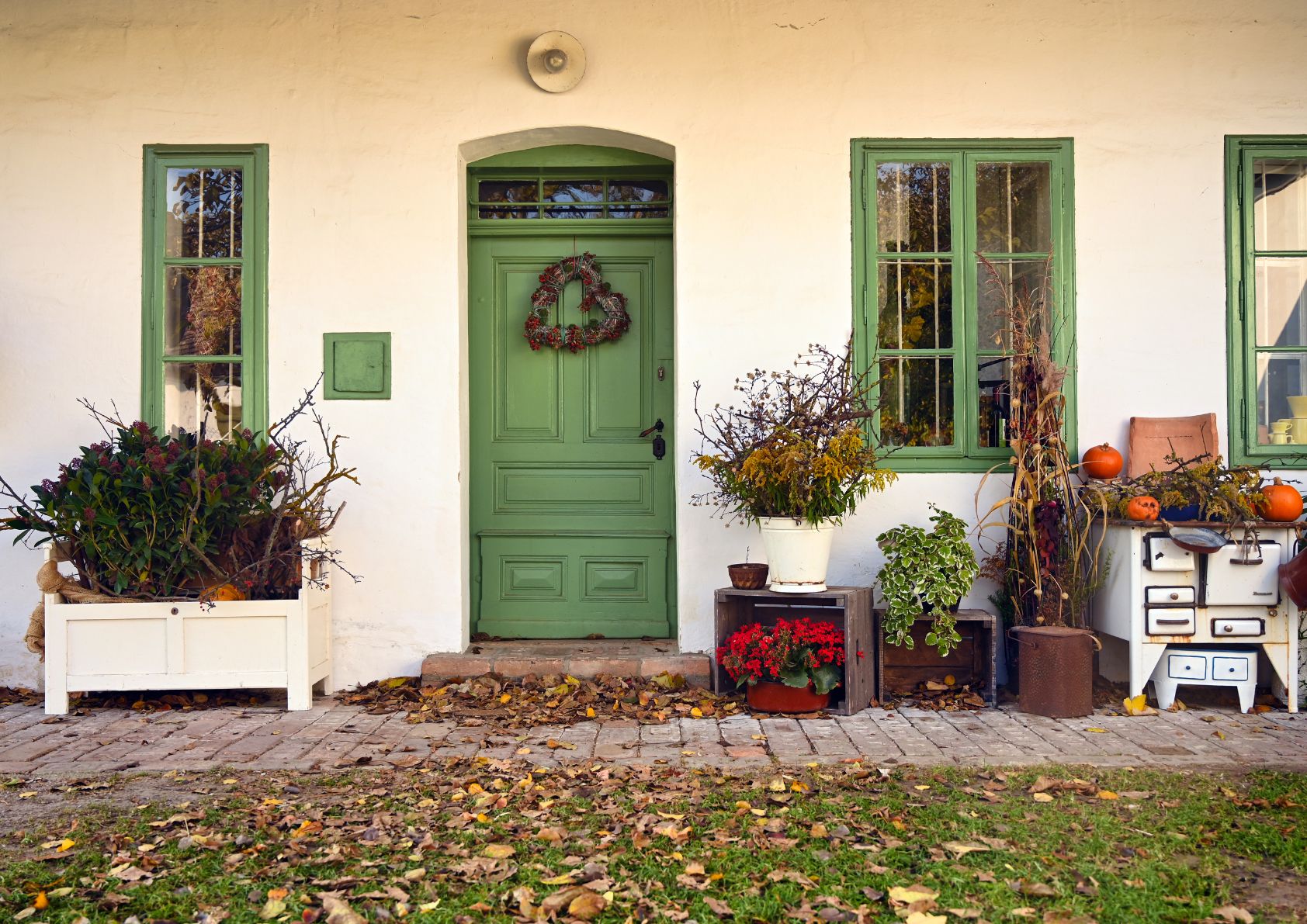
home exterior with the close up on the door and windows during fall/winter.

Add Welcoming Touches

A few thoughtful details can create a warm and inviting entrance, even on the coldest days.

  • Seasonal Door Wreaths: Choose wreaths made of pinecones, berries, or eucalyptus for a seasonal yet timeless look.
  • Doormats and Rugs: Opt for a stylish, weatherproof mat to keep mud and snow at bay while adding a decorative touch.
  • Outdoor Seating: If you have a porch, consider placing weather-resistant cushions on chairs or a bench. Pair them with a faux fur throw for extra charm.

Conclusion

Maximizing your home’s curb appeal in winter doesn’t have to be difficult. By focusing on safety, seasonal color, lighting, exterior maintenance, and inviting décor, you can make a lasting impression on anyone who visits. These winter curb appeal tips not only boost your home’s appearance but can also enhance its value. Whether you’re preparing to sell or simply want to spruce up for the season, these ideas will help your home look its best all winter long.

The Ultimate Year-End Checklist for Home Sellers

As the year winds down, many homeowners wonder if it’s the right time to sell or prepare for the spring market. The truth is that year-end offers unique opportunities to maximize your home’s appeal and attract serious buyers. A well-planned strategy can make all the difference, whether you’re planning to list now or soon. In this guide, we’ll walk you through the ultimate year-end checklist for home sellers, offering actionable tips to prepare your property for success.

Declutter and Deep Clean Your Space

Modern kitchen with an island. The picture on the wall is my own photograph.

One of the easiest ways to make your home market-ready is to thoroughly declutter and deep clean it.

  • Why It Matters: A clean, organized space allows buyers to envision themselves living in your home. Clutter and mess can distract from your home’s best features.
  • What to Do: Sort items into “keep,” “donate,” and “discard” piles. Clean every nook and cranny, focusing on high-touch areas like light switches and door handles. Don’t forget to clean windows for maximum light and shine!

Pro Tip: Consider hiring a professional cleaning service for a polished, move-in-ready feel.

Tackle Essential Repairs and Maintenance

Before you list, take care of any necessary repairs or maintenance tasks to avoid deterring potential buyers.

  • Inspect Key Areas: Pay close attention to your HVAC system, plumbing, and roof. These are major points of interest for buyers during inspections.
  • Simple Fixes Add Up: Repair squeaky doors, patch up holes in the walls, and replace burnt-out lightbulbs. Small fixes can make your home feel well-maintained and cared for.

Pro Tip: If time allows, schedule a pre-inspection to address any hidden issues before a buyer’s inspection.

Boost Your Curb Appeal

First impressions matter, and your home’s exterior is the first thing buyers see.

Nice curb appeal of grey house with garage and driveway. Column porch with American flag. Northwest USA

  • Enhance Landscaping: Trim bushes, remove dead leaves, and consider adding seasonal flowers or greenery.
  • Upgrade Your Entryway: Repaint your front door, update outdoor lighting fixtures, and replace worn-out welcome mats. These small updates can add significant charm.

Pro Tip: Add holiday lights or a tasteful wreath to create a warm, inviting vibe during the winter months.

Stage Your Home for the Season

Staging helps buyers imagine themselves living in your space, and seasonal touches can enhance the ambiance.

  • Keep It Neutral: Opt for light, neutral decor with subtle seasonal accents like throw blankets, candles, or holiday centerpieces. Avoid overly personal or religious decorations.
  • Maximize Lighting: Winter days are shorter, so ensure all rooms are well-lit. Use warm lighting to create a cozy atmosphere.

Pro Tip: Highlight cozy features like fireplaces or reading nooks, as they appeal to buyers during colder months.

Price It Strategically

Pricing your home correctly is critical, especially in a competitive market.

  • Research the Market: Work with a real estate professional to analyze comparable homes in your area and determine a competitive price.
  • Consider Timing: Year-end buyers are often motivated by deadlines like tax advantages or job relocations, making them more willing to close quickly.

Pro Tip: A well-priced home generates more interest, potentially leading to multiple offers.

Partner with a Real Estate Expert

Navigating the real estate market can be challenging, but a knowledgeable agent can guide you through every step.

  • Why You Need an Expert: They’ll help you with pricing, marketing, negotiations, and ensuring all paperwork is in order.
  • Choose Wisely: Look for an agent with a strong track record and knowledge of year-end market trends.

Pro Tip: Leverage your agent’s expertise to target serious buyers who are ready to close quickly.

Happy family with agent realtor near new house.

Plan for a Smooth Closing

The closing process can be stressful, but preparation can ensure everything runs smoothly.

  • Get Documents Ready: Organize necessary paperwork like your mortgage statement, property taxes, and any renovation receipts.
  • Be Flexible: Keep in mind that year-end buyers may have tight timelines. Being accommodating can help finalize the deal.

Pro Tip: Discuss potential timelines with your agent to set realistic expectations for closing.

Conclusion
Selling your home during the year-end season can be a strategic move with the right preparation. By following this ultimate year-end checklist for home sellers, you’ll position your home to stand out in the market and attract motivated buyers. Remember, a little effort now can yield big rewards later!

If you’re considering selling your home, now is the perfect time to start checking off these tasks and ensuring a smooth, successful sale.

Year-End Real Estate Market Update: What Buyers and Sellers Need to Know

As 2024 draws to a close, the real estate market presents unique opportunities and challenges for buyers and sellers alike. Whether you’re planning to make a move or simply keeping an eye on trends, understanding the year-end real estate market update can help you navigate this dynamic period. From shifting home prices to seasonal advantages, here’s what you need to know to end the year on a high note.

Market Trends to Watch as the Year Ends

real estate trends

As the year wraps up, several key trends are shaping the real estate market:

  • Interest Rates: Mortgage rates remain a critical factor, influencing affordability for buyers and listing strategies for sellers.
  • Inventory Levels: Typically lower during the holiday season, limited inventory can drive competition for well-priced homes.
  • Buyer Demand: Despite the season, serious buyers often remain active, creating opportunities for motivated sellers.

Staying informed about these trends can help buyers find hidden gems and sellers maximize their home’s appeal.

Why Buyers Should Consider Year-End Purchases

Purchasing a home at the end of the year might seem unconventional, but it has its perks:

  • Less Competition: Fewer buyers mean less bidding wars and better negotiation power.
  • Potential Deals: Some sellers are eager to close before year-end, leading to more flexible pricing.
  • Tax Benefits: Closing on a home before December 31st may provide tax advantages, such as mortgage interest deductions.

For buyers ready to make a move, the final months of the year could present valuable opportunities.

Advantages for Sellers in the Year-End Market

selling a home

While spring and summer are peak selling seasons, listing your home during the holiday months has unique benefits:

  • Serious Buyers: Those shopping during this time are often highly motivated, reducing unnecessary showings.
  • Limited Competition: With fewer homes on the market, your property has a better chance to stand out.
  • Festive Staging Opportunities: A well-decorated home can create an inviting atmosphere, making it more appealing to buyers.

Sellers who market strategically can turn the seasonality of the market into an advantage.

What to Expect in 2025

As we head into 2025, experts predict continued adjustments in the real estate market:

  • Moderate Price Growth: Home prices are expected to stabilize, offering better affordability for buyers.
  • Increased Inventory: More listings could provide options but may also mean more competition for sellers.
  • Evolving Mortgage Rates: Stay tuned for potential rate changes that could impact financing options.

Both buyers and sellers should keep an eye on these developments to plan their next moves effectively.

Conclusion

The year-end real estate market brings a mix of opportunities and challenges, but with the right approach, both buyers and sellers can make the most of this season. By staying informed about market trends and understanding the unique benefits of year-end transactions, you’ll be well-equipped to achieve your real estate goals.

Tags: year-end real estate market update, real estate market trends 2024, year-end home buying tips, holiday real estate market, end-of-year home selling tips.

Year-End Real Estate Trends: What to Expect in the New Year

As the year comes to a close, the real estate market gears up for its annual shift. Whether you’re a buyer or seller or simply keeping an eye on market trends, understanding the year-end real estate trends can help you prepare for what lies ahead. In this post, we’ll explore key insights into how the market is performing now and what experts predict for the coming year, giving you a well-rounded view of the opportunities and challenges in real estate.

A Look Back: How Did the Real Estate Market Perform This Year?

2024 has been a year of fluctuating mortgage rates, low inventory, and a shifting economic climate. Here’s a quick recap of this year’s highlights:

real estate trends

  • Mortgage Rates: Interest rates increased steadily, but recent months have brought signs of stabilization. Buyers and sellers are watching closely to see if rates will dip in the new year.
  • Home Prices: Despite challenges, home prices held steady in many markets, with some regions experiencing modest growth.
  • Demand and Inventory: Low inventory favored sellers, though rising rates encouraged more cautious buyer behavior.

Understanding these trends is key to anticipating how they’ll evolve in 2025.

What Trends to Expect in the New Year

Stabilizing Mortgage Rates

Economists predict mortgage rates may begin to level off or decline slightly in 2025, offering more predictability for buyers and sellers. This could open the door for buyers who delayed purchases due to high borrowing costs.

Increased Inventory

As more homeowners look to capitalize on their equity, we may see a gradual increase in housing inventory. This shift could create a more balanced market, giving buyers more options.

real estate trends

Regional Variances

Some regions, particularly those experiencing significant population growth or job market booms, are expected to remain highly competitive. Meanwhile, smaller markets might see slower growth but more opportunities for first-time buyers.

Growing Popularity of Secondary Markets

Affordability concerns and remote work trends continue to drive buyers toward secondary markets. These areas often offer lower prices and better value compared to urban hotspots.

Emphasis on Sustainable Homes

Green homes and energy-efficient upgrades are increasingly in demand. Sellers investing in sustainable features may attract more buyers, as eco-consciousness becomes a deciding factor for many.

How Buyers and Sellers Can Prepare

buying or selling a home

For Buyers:

  • Monitor Mortgage Rates: Stay informed about rate changes and get pre-approved to lock in favorable terms.
  • Be Flexible: Expanding your search to secondary markets can yield hidden gems.
  • Act Fast: Low inventory may still mean competitive bidding on desirable properties.

For Sellers:

  • Focus on Curb Appeal: A well-maintained property stands out, even in a cooling market.
  • Highlight Green Features: Energy-efficient homes are a growing priority for buyers.
  • Consider Timing: Listing your property early in the year can help you beat the springtime rush.

Looking Ahead to Real Estate in 2025

The real estate market in the new year holds promise for both buyers and sellers, with signs of increased stability and evolving opportunities. Whether you’re planning to make a move or simply staying informed, keeping an eye on these trends can help you navigate the market with confidence.

Preparing Your Property for Winter: Essential Maintenance Tips for Landlords

As the winter months approach, landlords face unique challenges in keeping their properties safe, comfortable, and efficient. Preparing your rental property for the colder season is crucial—not only to protect your investment but also to ensure your tenants remain satisfied. In this guide, we’ll walk you through essential winter maintenance tips, from preventing costly repairs to enhancing energy efficiency. Ready to winterize your property and keep it in top shape? Let’s dive in!

Inspect and Seal Drafty Areas

One of the first steps in winter preparation is checking for drafts around windows, doors, and other potential entry points for cold air. Drafty properties can lead to higher energy bills and unhappy tenants.

sealing windows for winter.

  • Action Tip: Use weatherstripping or caulking to seal gaps around windows and doors. For larger gaps, consider foam insulation.
  • Why It Matters: This simple task reduces energy loss and keeps heating systems from working overtime, saving you money in the long run.

Service the Heating System

A well-maintained heating system is a lifeline during the winter. A breakdown during the cold months could leave tenants frustrated and you facing emergency repair bills.

  • Action Tip: Schedule an HVAC inspection before winter begins. Replace air filters and ensure the system runs efficiently.
  • Pro Tip: If your property relies on a boiler or radiator, bleed radiators and check for leaks.

Protect Plumbing from Freezing

Frozen pipes can cause extensive damage, leading to costly repairs and disruptions for tenants. Taking proactive measures can prevent such issues.

Plumber fixing a sink

  • Action Tip: Insulate exposed pipes, especially in unheated areas like basements or attics. Advise tenants to keep faucets dripping during extreme cold.
  • Long-Term Solution: Install pipe heating cables in areas prone to freezing.

Clear Gutters and Check the Roof

Preventing water damage starts with a well-maintained roof and functional gutters. Snow and ice can exacerbate existing issues, so don’t skip this step.

  • Action Tip: Remove leaves and debris from gutters to prevent blockages. Inspect the roof for missing shingles, cracks, or leaks.
  • Why It’s Crucial: Ensuring proper drainage minimizes the risk of ice dams, which can lead to water seeping into the property.

Man Cleaning Gutters on a Ladder Against a Brick House

Test Safety Equipment

Winter poses increased risks, from house fires to carbon monoxide poisoning. Protect your tenants and your property by ensuring all safety measures are in place.

  • Action Tip: Test smoke and carbon monoxide detectors and replace batteries if needed. Provide tenants with emergency contact numbers for winter-related issues.
  • Extra Tip: Consider installing smart detectors for real-time alerts.

Conclusion

Winter preparation is a vital part of property management that protects both your investment and your tenants’ comfort. From sealing drafts to safeguarding plumbing, these maintenance tasks ensure your property weathers the season without issues. By taking these steps now, landlords can avoid costly repairs, retain satisfied tenants, and ensure peace of mind throughout the colder months.

s1