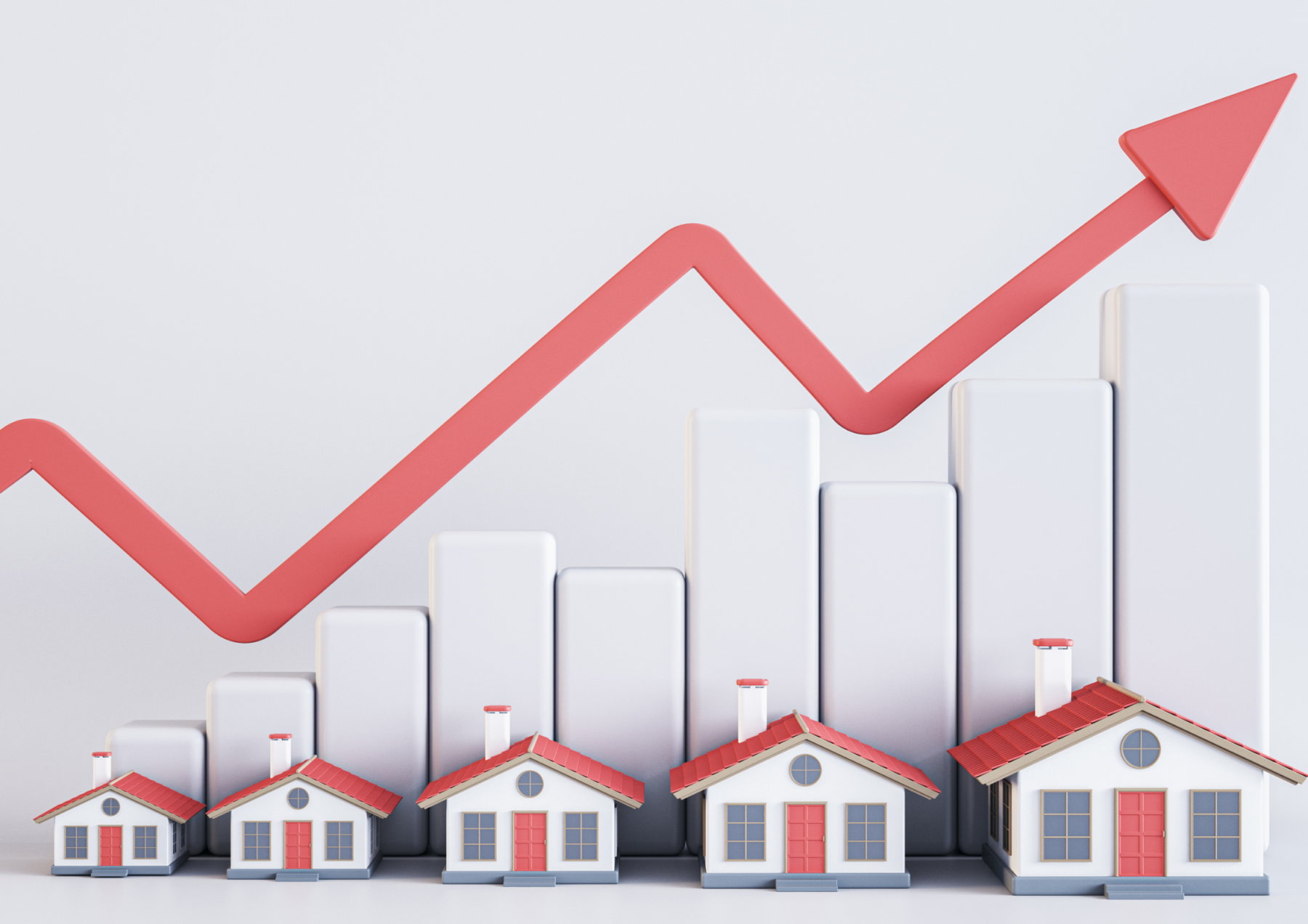
Why High Mortgage Rates Aren’t Keeping Buyers Away (Yet)

Whether you are a real estate agent, investor, or prospective homebuyer, you have probably noticed what feels like a standstill in the market. Mortgage rates remain high, yet buyers continue to purchase homes at a steady pace. In this post, we explore why high mortgage rates are not pushing buyers out of the market. We look at current data, examine the factors keeping demand alive, and explain why many consumers are choosing to buy now instead of waiting for future changes. Use this guide to understand the trend and how it impacts your real estate business and online presence.

1. Home Sales Are Still Holding Up

Even with elevated mortgage rates, home sales are far from stagnant. Existing home sales rose to an eight-month high in November 2024, according to Redfin, despite interest rates hovering around 7 percent. Many buyers decided that waiting for significantly lower rates was not guaranteed to produce better deals, so they moved forward with their purchases.

New home sales also proved resilient. In early 2025, sales of newly built homes increased year over year, supported by builders offering more options and incentives. This activity demonstrates that the housing market remains active even as borrowing costs stay elevated.

2. What Is Fueling Buyer Demand

Pent-up demand continues to drive momentum. After several years of historically low rates during the pandemic, many buyers have adjusted to a more typical rate environment. The sudden shock of higher borrowing costs has softened. Buyers planning to stay in their home long term understand that 6 to 7 percent interest is not unusual when viewed over several decades.

Many consumers also believe that waiting will not guarantee meaningful rate improvement. Uncertain economic forecasts push buyers to act sooner rather than gamble on unpredictable market shifts.

Inventory growth is another key contributor. Several regions across the country are seeing increased housing supply, offering buyers more options, more negotiating power, and a greater sense of opportunity. Even in markets where price growth has slowed, the balance between supply and demand is creating space for motivated buyers to step in.

3. High Mortgage Rates Mean Higher Costs, but Many Buyers Still Move Forward

Higher mortgage rates unquestionably lead to higher monthly payments, often reaching levels that would have seemed extreme a few years ago. However, many buyers are looking beyond short-term costs. Potential long-term gains in home equity, inflation protection, and housing stability often outweigh the immediate challenge of a higher payment.

For buyers planning to stay in their home for at least five to ten years, purchasing now can still make sense. They prioritize security, ownership, and equity building over waiting indefinitely for rates that may not fall dramatically.

4. What Could Keep This Momentum Going

Stabilizing interest rates could encourage even more activity. Some forecasts suggest that mortgage rates may settle near 6 percent in 2025, which would help affordability and entice additional buyers who have been waiting for improved conditions.

Shifting buyer psychology also plays a role. As consumers adjust to the new normal, purchasing in a higher-rate environment becomes more acceptable. This mindset creates a steady flow of demand even without the ultra-low rates of the past.

Increasing supply and moderate price adjustments could further support market activity. As inventory grows and sellers become more flexible, more buyers will feel comfortable entering the market despite higher borrowing costs.

Final Thoughts: High Mortgage Rates Are Not Stopping the Market

High mortgage rates remain a significant challenge, but they have not stopped buyers from participating in the market. Many are choosing to purchase now rather than wait for uncertain economic shifts. If rates stabilize and inventory continues to rise, steady buyer activity is likely to remain throughout the year.

For realtors, this is an important moment to strengthen your visibility and online presence. People are actively searching for homes, market insights, and professional guidance. This makes it an ideal time to invest in a strong website and digital strategy that captures engaged buyers and sellers.
What’s Really Driving Today’s Real Estate Prices?

In today’s ever-evolving housing market, one question continues to pop up for buyers, sellers, and industry pros alike: What’s really driving today’s real estate prices? From coast to coast, home values seem unpredictable—soaring in some regions, stabilizing in others, and surprising just about everyone. Understanding the key factors behind these price shifts is essential for making informed decisions. In this blog, we’ll break down the primary forces behind today’s housing costs, explore economic and social trends influencing the market, and explain what buyers and sellers should keep in mind moving forward.

Supply and Demand: The Classic Price Driver

One of the biggest contributors to real estate prices today is still the fundamental rule of supply and demand. Simply put, when there are more people looking for homes than there are homes available, prices go up. Over the past several years, the U.S. has faced a significant housing shortage, especially in growing urban and suburban areas. New construction hasn’t kept pace with population growth, and many current homeowners are choosing to stay put, limiting resale inventory.

Supply and demand real estate.

This imbalance is particularly pronounced in desirable regions with job growth, good schools, and vibrant communities. Even as mortgage rates rise, limited supply continues to prop up home values in these areas.

Mortgage Rates and Affordability Challenges

Mortgage rates have seen dramatic shifts over the past few years, with rates doubling since the historically low levels of 2020 and 2021. These increases directly impact affordability and thus play a major role in today’s real estate prices.

When rates are low, more buyers can afford larger loans, which fuels competition and drives up prices. But when rates climb—as they have recently—buyers may pull back or reduce their budgets. This creates pressure for sellers to price their homes more competitively, leading to pockets of price stabilization or even slight declines in some regions. However, in high-demand areas with limited inventory, prices may remain firm despite higher borrowing costs.

Inflation and Construction Costs

Another key influence on today’s real estate prices is inflation, especially when it comes to construction and renovation costs. Building a home is more expensive than it was just a few years ago due to increases in the cost of materials, labor shortages, and permitting fees.

These added costs mean that new homes often come with higher price tags, which in turn pushes up the value of existing homes in similar areas. Developers are less likely to build entry-level homes when profit margins are thin, which adds further pressure to the lower end of the market.

Real estate market prices rising.

Buyer Psychology and Media Influence

Perception plays a surprising role in what drives real estate prices. When headlines suggest a hot market or rising values, it can prompt a fear of missing out (FOMO), which leads to more aggressive bidding. On the flip side, negative economic news or talk of a “bubble” may make buyers hesitant, even when conditions are favorable.

Additionally, remote work trends and lifestyle shifts, such as a desire for more space or flexible living, have changed where and how people buy. These evolving preferences have led to unexpected demand in once-overlooked markets, boosting prices in rural and mid-size metro areas that offer better affordability and lifestyle benefits.

Local Markets Tell Unique Stories

It’s important to note that while national trends help paint a broad picture, real estate is always local. Factors like regional job growth, tax policies, climate events, and infrastructure development can all affect today’s real estate prices in specific markets.

Local real estate market supply and demand.

For instance, areas with booming tech industries or strong healthcare systems may see sustained price increases, while others impacted by job loss or population decline may experience stagnation or even falling home values. Understanding local dynamics is crucial for anyone looking to buy or sell in today’s market.

Final Thoughts

So, what’s really driving today’s real estate prices? It’s a combination of time-tested economics, shifting consumer behavior, and evolving regional dynamics. Whether you’re considering a move, investing in property, or simply keeping tabs on the market, staying informed about these trends can help you navigate the housing landscape with confidence.