
A lot of sellers think the same way in the beginning.
They want to list a little high and see what happens.
On the surface, it feels smart. It feels like a way to leave room for negotiation. It feels like protection. If buyers are interested, great. If not, the price can always come down later.
That logic sounds harmless, but it is exactly where a lot of sellers lose leverage.
Overpricing feels safe because it gives the seller the illusion of control. In reality, it often does the opposite. It pushes buyers away early, burns the strongest window of attention, and puts the home in a weaker position once the price finally gets corrected.
That is the part sellers need to understand. The market does not reward wishful pricing just because the house is nice or because the owner remembers what homes were getting a year ago. Buyers are looking at what is available right now. They are comparing active listings side by side and making fast decisions about what feels like a fair value and what does not.

If a home looks overpriced, many buyers do not rush in to negotiate. They simply move on. That is where the real damage starts.
The first days and weeks on the market are when a home gets the most attention. That is when buyers who have been watching closely see it. That is when agents send it to clients. That is when new traffic is highest. If the home is priced correctly, that window can create momentum. If it is priced too high, that same window gets wasted. Once that happens, it is hard to fully recover.
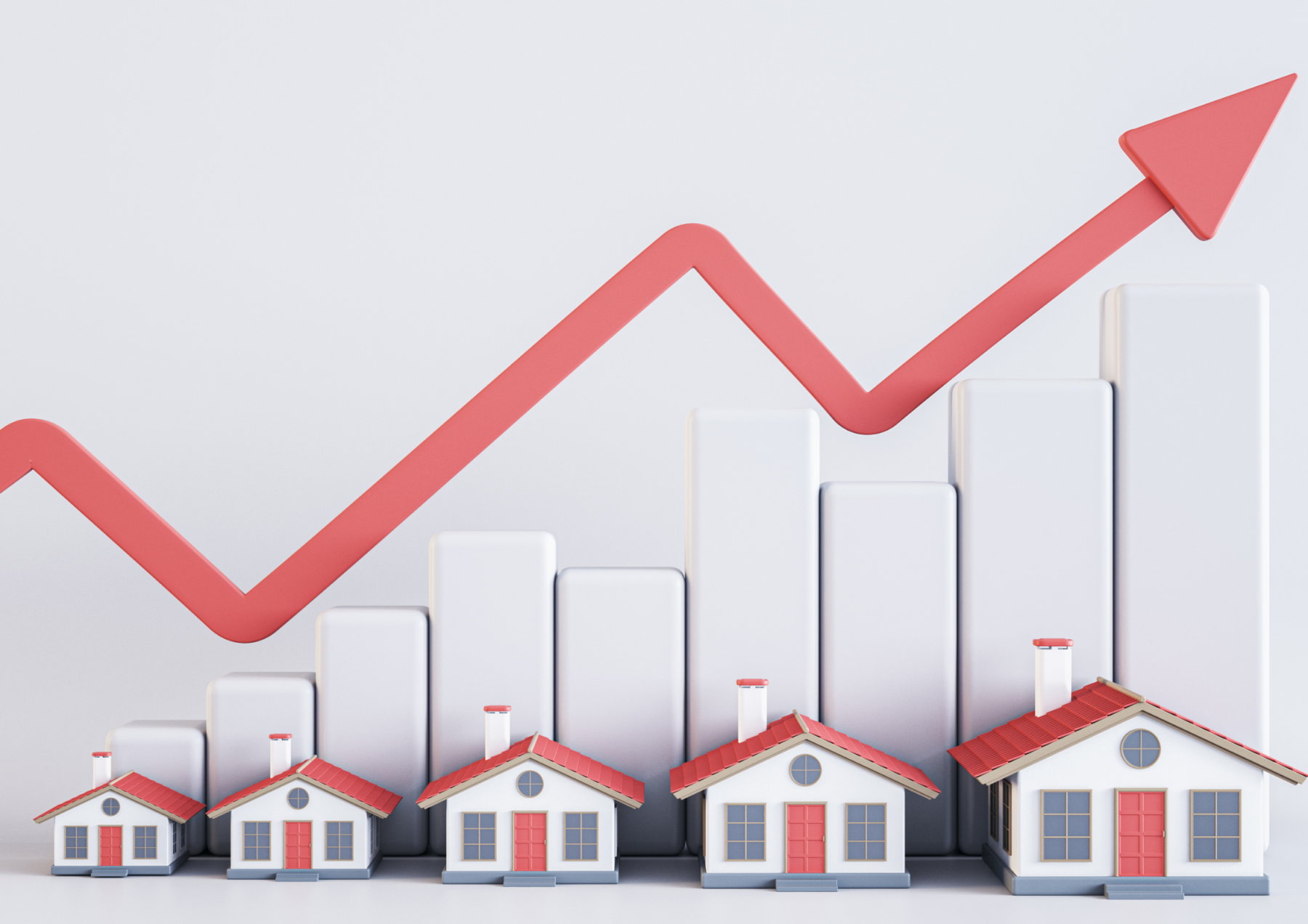
A Wall Street Journal report from late 2025 spelled this out pretty clearly. It noted that overpriced homes were lingering unsold, that more than 20% of listings in October had price cuts, and that homes priced too high were staying on the market far longer and often selling for less after reductions. It also cited data showing that 57% of homes sold in 2025 had at least one price cut, up from 47% between 2020 and 2024. That is not a small shift. That is a market telling sellers very directly that buyers are pushing back on unrealistic pricing.

This is where overpricing stops being a harmless strategy and starts becoming expensive.
The longer a home sits, the more buyers start asking what is wrong with it. They may not say it out loud, but they think it. If it were priced right, would it still be here. If it were as strong as the photos suggested, would it have moved already. Should we wait and see if they drop the price again.
That hesitation changes the whole tone of the sale.
Instead of buyers feeling urgency, they start feeling cautious. Instead of the seller negotiating from a position of strength, they start negotiating from fatigue. Instead of the home feeling fresh, it starts feeling stale.

And stale listings usually do not get stronger with time.
Forbes made a similar point in a piece on asking price decay, noting that time on market works like a drag on listing prices. The longer a home sits unsold, the more likely it is to be discounted, and often sharply. That is exactly what many sellers underestimate. They think a high starting number gives them room. What it often gives them is a longer path to the same price, or worse.
Bankrate echoed the same idea in its housing market coverage, noting that sellers in a changing market need to price realistically because buyers are still trying to make the numbers work in a higher-rate environment. That matters because even if a seller feels their home is worth more, buyers still have to absorb the monthly payment that comes with that price. If the monthly math does not work, emotional attachment is not going to save the deal.
This is why pricing is not just a number. It is positioning.
A well-priced home creates activity. Activity creates interest. Interest creates leverage. That does not mean pricing low for the sake of it. It means pricing in line with the market that exists today, not the one the seller wishes still existed. There is a big difference.
Sellers also need to remember that buyers do not view price in isolation. They look at price together with presentation, condition, and competition. A home that is clean, bright, and well-prepared has a much better shot at holding attention. A home that is overpriced and poorly presented has almost no margin for error. That is when the reductions start.
And every reduction sends a message, whether the seller means it to or not. It tells the market the first price did not hold up. It invites buyers to wonder how much softer the seller might get. It shifts the conversation from opportunity to weakness.
That is why overpricing is risky. Not because a seller should not want the best possible outcome, but because the wrong starting point can quietly cost them the very result they were trying to protect.
The strongest sellers are usually not the ones chasing the biggest fantasy number. They are the ones who understand how buyers think, how timing works, and how quickly momentum can either build or disappear. They price with intention, not emotion. They look at the real competition. They take the launch seriously. That is usually what gets the better result.
If a seller wants to protect value, the answer is not to overshoot and hope. The answer is to hit the market prepared, priced right, and positioned well enough that buyers do not have to be convinced the home is worth seeing.