
How to Make Big Real Estate Decisions Without Regret

Young couple buying a home.

One of the hardest parts of buying or selling a home is not the paperwork, the timing, or even the negotiation. It is the weight of the decision itself.

A home is not a small purchase. It is not something people change casually. It affects how you live, how you spend, how you plan, and in many cases how your family moves through daily life. That is why so many people get stuck in overthinking. They are not just trying to make a smart decision. They are trying to make the right one with no mistakes, no surprises, and no regret.

That is where things start to go sideways.

Most regret in real estate does not come from making a terrible decision. It comes from making a rushed one, an emotional one, or a vague one. It comes from not being honest about priorities. It comes from ignoring something that felt off because the pressure of the moment was louder than your own judgment.

The good news is that most regret can be reduced long before a contract is signed.

The first step is getting clear on what problem you are actually trying to solve. A lot of buyers and sellers move forward without ever slowing down enough to answer that question. They say they want a bigger home, a smaller home, a different neighborhood, more land, less upkeep, or a lower payment. Those are all valid goals, but they are not always the real issue. Sometimes the real issue is that the current home no longer fits the way life works now. Sometimes it is financial pressure. Sometimes it is a long commute. Sometimes it is the need for a fresh start.

If you are not clear on the real reason behind the move, it becomes much easier to get distracted by the wrong things.

That is where regret often begins. People focus on appearances instead of function. They get pulled toward surface features and ignore the things that will affect them every day. A beautiful kitchen can be very persuasive. So can a big backyard, a lower interest rate, or a higher offer. But none of those things matter as much if the decision itself is not solving the right problem.

The next step is being honest about trade-offs. Every real estate decision has them. Every single one. There is no version of buying or selling that comes with all upside and no compromise. The home with the perfect location may need updates. The house with more space may stretch the budget. The offer with the highest price may come with terms that make the deal riskier. The lower-maintenance condo may mean giving up privacy or storage.

People usually do not regret trade-offs they understood clearly. They regret the ones they minimized, ignored, or talked themselves out of paying attention to.

Happy family lying on floor after buying new house

That is why it helps to ask better questions before making a move. Can I live with this payment comfortably, not just technically? Does this home fit how I actually live, not just how I wish I lived? If I choose this offer, what am I really gaining and what am I giving up? If I stay where I am for another year, does that truly help me or just delay the decision?

Questions like those bring clarity fast.

Another part of avoiding regret is understanding the full cost of the decision. Buyers often focus on the mortgage and forget about everything else that comes with ownership. Sellers often focus on list price and forget about timing, repairs, concessions, fees, and the cost of carrying the house longer than expected. Real estate decisions almost always have a financial layer that is broader than the headline number.

The more complete your understanding is, the less likely you are to feel blindsided later.

Emotions matter too, and pretending they do not is a mistake. Real estate is emotional because homes are personal. People raise families in them, start over in them, celebrate in them, grieve in them, and build ordinary life inside them. Of course emotions are going to show up. The goal is not to eliminate emotion. The goal is to keep it from making the decision for you.

There is a difference between loving a home and losing perspective over it. There is a difference between wanting the highest offer and ignoring the terms attached to it. There is a difference between being excited and being swept away.

That is where good guidance matters. A good agent is not just there to open doors or write contracts. A good agent helps clients think clearly when emotions are running high. They help slow the process down where it needs to slow down and move it forward where it needs to move. They help clients look at the decision from more than one angle so they do not end up making a choice they have to unwind later.

The people who usually feel best about their decision are not always the ones who got every detail they wanted. They are the ones who understood what they were choosing, why they were choosing it, and what compromises came with it. They made a real decision, not a reactive one.

That is what reduces regret.

There is no way to remove every unknown. Real estate will always involve some level of uncertainty because life itself is uncertain. A home that feels perfect today may need to serve a very different purpose a few years from now. A market that feels difficult now may look very different later. No one gets total control over all the variables.

What people can control is how thoughtfully they make the decision in front of them.

That usually means slowing down enough to get honest, looking past the surface, understanding the numbers, and staying focused on what matters most. It means choosing based on fit, function, and long-term reality instead of pressure, noise, or fantasy.

That is how people make big real estate decisions with a lot more confidence and a lot less regret.

Stop Trying to Time the Market. It Usually Does Not Work.

I cannot tell you how many people put their move on hold because they are waiting for the market to do something.

They want rates to come down.
They want prices to soften.
They want more inventory.
They want less competition.
They want things to feel normal again.

I get it. Nobody wants to make a big move and then feel like they did it at the wrong time.

It's Time To Sell Your Home Soon

Most people who try to time the market end up doing one thing really well: they stay stuck.

They keep watching. They keep waiting. They keep thinking the next season, the next quarter, or the next rate drop is going to make everything easier. And sometimes it does, a little. But usually one thing improves and another thing gets harder. Rates dip and more buyers jump back in. Inventory rises and pricing stays firm. One market slows while another one picks up.

There is almost never some magical moment where everything lines up perfectly.

That is why trying to time the market usually does not work the way people think it will.

Real estate is not that neat. It is moving all the time, and it does not move in a straight line. By the time the market feels safe enough for everyone to jump back in, the window people were waiting for has usually changed.

I see this with buyers all the time.

They wait because they think if they hold off a little longer, they will get a better deal. Then prices inch up, or rates shift, or more buyers come back into the picture, and suddenly the same house they could have bought six months ago is either more expensive or harder to get.

And then they are frustrated, not because they made a bad move, but because they never made one at all.

Sellers do the same thing, just in a different way.

They hold off listing because they think the next season will be stronger, or the market will settle, or buyers will be more active later. Meanwhile, more homes hit the market, more competition shows up, and the house that might have stood out before now has to fight harder for attention.

Waiting sounds safe, but sometimes waiting is what costs you.

That does not mean people should rush. It does not mean you buy or sell blindly just because life feels chaotic. It means the better question is not, “Can I catch the market at the perfect moment?”

The better question is, “Am I ready to make a smart move based on my life right now?”

That is the part people skip.

A good real estate decision usually has less to do with perfect market timing and more to do with your actual situation. Are you financially ready? Does the home you are in still fit your life? Are you buying for the next few years or trying to win some short-term game? Are you clear on what you can comfortably afford? Do you know what your home would really sell for right now?

Those are real questions. Those are useful questions.

Trying to predict exactly what the market is going to do next is mostly guesswork. Nobody has a crystal ball. Not buyers. Not sellers. Not agents. Not economists on TV. Everybody has an opinion, and half the time those opinions change three months later.

What works better is being prepared.

If you are buying, know your numbers. Get pre-approved. Be honest about your comfort level, not just your max approval. Know what matters most to you so you are not chasing every shiny listing that pops up.

If you are selling, know what your house would realistically compete against right now, not what your neighbor got last year. Get the house ready before it hits the market. Price it for the market you have, not the one you wish you had.

That is where the advantage is.

The people who usually do best are not the people who guessed the market perfectly. They are the people who were ready when it was time to move. They had a plan. They understood their numbers. They knew what they wanted. They were not waiting for the stars to align. They were making a decision based on reality.

And honestly, that is usually the smarter path. Because most real estate moves are tied to life anyway.

People buy because they are getting married, having kids, relocating, downsizing, starting over, helping family, or finally getting to a place where homeownership makes sense. People sell because the house no longer fits, the maintenance is too much, the commute is too long, the equity is there, or life changed and now the house needs to change too.

Life is usually what makes the decision. The market just affects how you navigate it.

So if you are sitting there waiting for everything to feel completely certain before you make a move, you may be waiting a long time. Real estate rarely gives anybody that kind of clarity.

What it does give you is the chance to make a smart move when your finances, your goals, and your timing make sense for you.

That is a much better strategy than trying to outguess every headline.

Being prepared, being informed, and being ready when the right opportunity shows up? That is real. And that is what actually works.

What to Expect During the Home Appraisal Process

When you’re preparing to buy or sell a home, understanding the home appraisal process becomes essential. Whether you’re a first-time buyer or a seasoned investor, knowing what to expect during the home appraisal process helps you avoid surprises and stay confident. In this post, you’ll learn what an appraisal is, how it works step-by-step, how current market trends affect it, and what practical tips you can use to make the most of it.

What is a Home Appraisal and Why Does It Matter

The home appraisal process is a professional evaluation of a property’s fair market value, typically ordered by the lender to ensure the amount being borrowed aligns with the home’s true worth. For anyone tracking current real estate trends, appraisal values are a key indicator; they reflect what similar homes are selling for today and help safeguard purchases, sales, or refinances. Understanding this stage of real estate transactions gives you more control over timing, negotiations, and strategy.

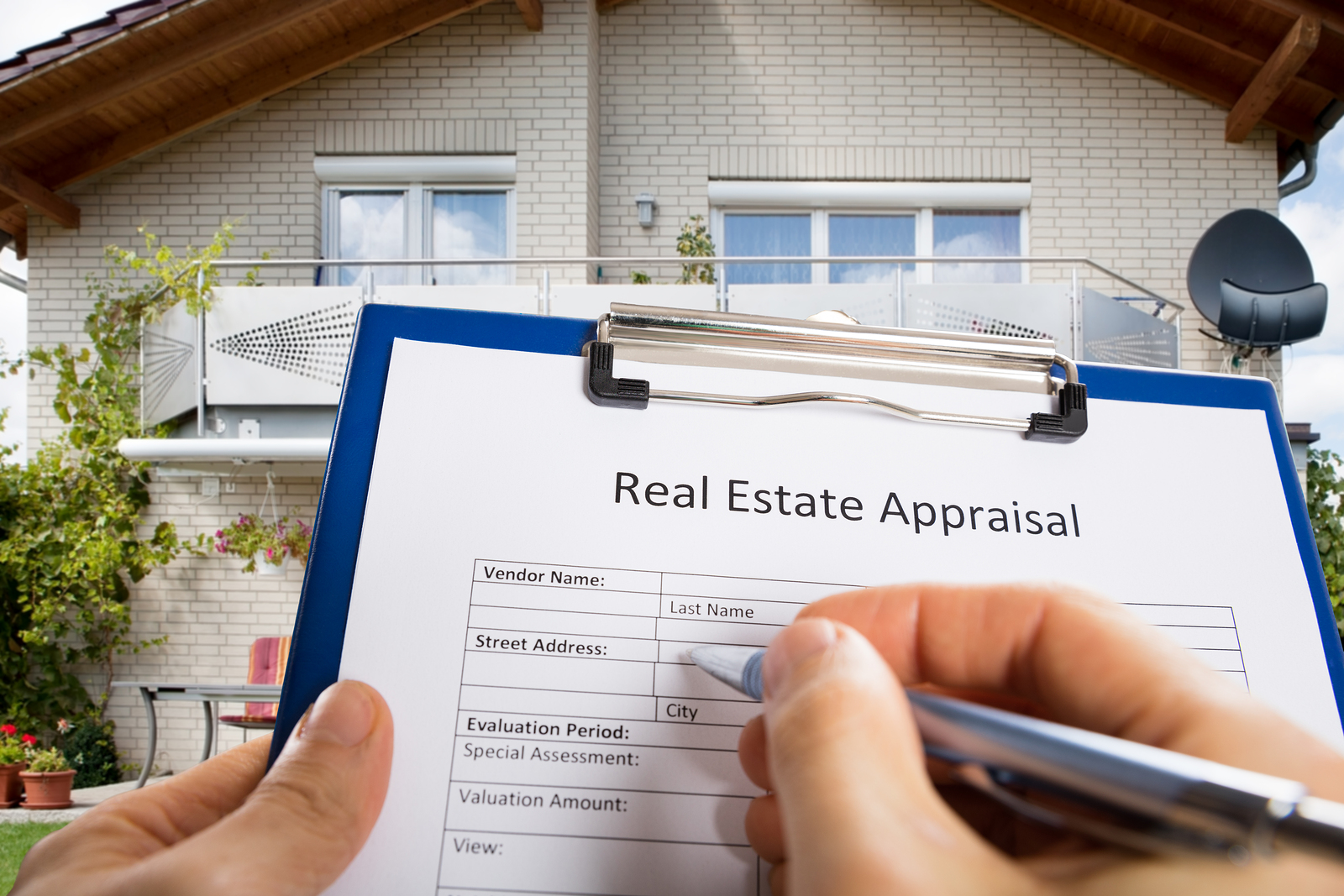
The home appraisal process when selling or buying a home.

Step-by-Step: What to Expect During the Home Appraisal Process

In the home appraisal process, you’ll encounter a predictable series of steps, so it helps to be ready. First, once the buyer’s offer is accepted and financing is underway, the lender orders the appraisal. Next, the licensed appraiser visits the property (or sometimes uses alternate methods such as a drive-by or desktop review) and inspects both exterior and interior, taking measurements, photos and noting condition and features. Then the appraiser researches comparable sales (“comps”) in the neighborhood from recent months to anchor the market value. Finally, the appraiser submits a report to the lender with the value and relevant data; if the appraisal comes in at or above the contract price, things move toward closing, but if it’s lower you may need to renegotiate or bring additional funds. For home sellers and buyers alike, knowing how the home appraisal process works means fewer last-minute changes and more realistic expectations.

What Appraisers Look For and How Market Trends Play In

During the home appraisal process, the appraiser evaluates a number of property-specific and market factors. They’ll look at: size (square footage, number of bedrooms/bathrooms), the home’s condition (age, upgrades, deferred maintenance), the lot size, neighborhood characteristics and recent comparable sales. In today’s real estate market, trends matter too: high demand, low inventory, and bidding wars can push sale prices above what comps suggest, meaning the home appraisal process may reveal an “appraisal gap” where the agreed price exceeds the appraisal value. According to a recent survey, in balanced markets, appraisals under contract price occur about 7-9% of the time; delays due to appraisal issues affected roughly 6% of closings in June 2025. So, staying attuned to current local market trends helps you understand where your appraisal might land and gives insight into what adjustments you might need to build in.

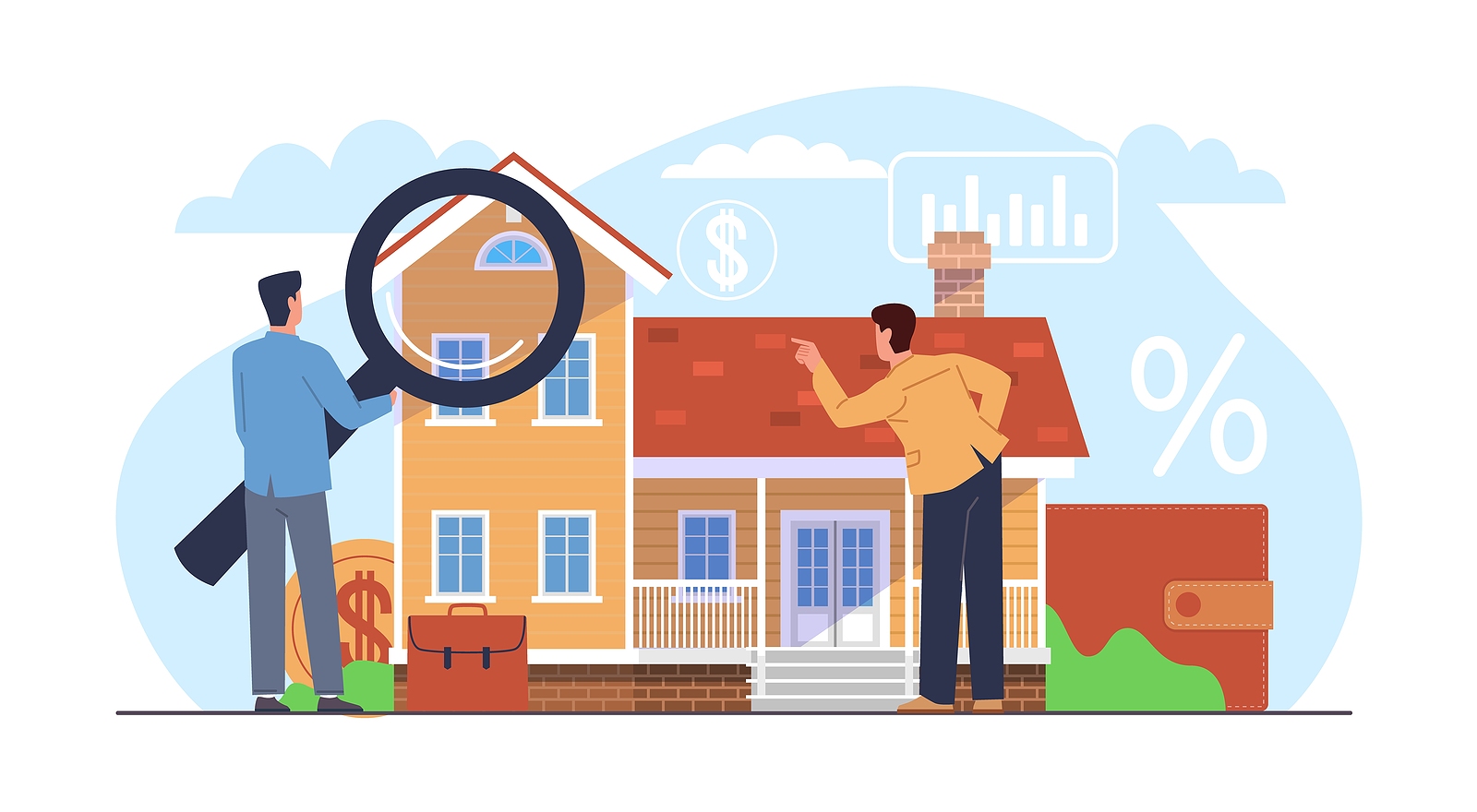
Home appraisal, real estate appraisers do home inspection. Property value, house assessment before purchase. Agent inspect building with magnifier. Cartoon flat illustration. Vector concept

Tips to Prepare and Make the Home Appraisal Process Work for You

Since the home appraisal process influences how smoothly your transaction goes, here are actionable tips: For sellers: tidy up landscaping, clear clutter, document recent upgrades (e.g., new roof, HVAC, windows), and make sure all rooms are accessible during inspection. For buyers: build a realistic budget, including the possibility of renegotiation if appraisal comes in low, include an appraisal contingency if possible, and work with your agent to understand regional comps. During the home appraisal process, whether you’re buying or selling, staying flexible pays off. If the appraisal comes in below the contract price, options include renegotiating the purchase price, asking the seller to make up the difference, or canceling the contract if the appraised value is a deal-breaker. Being proactive means you’re not caught off guard when the appraisal report lands.

Final Thoughts on the Home Appraisal Process

In today’s dynamic real estate landscape, understanding what to expect during the home appraisal process gives you an edge. From how the appraiser evaluates comps and condition, to how market trends and demand can affect value, staying informed helps you navigate transactions with confidence. Whether you’re prepping a home to sell or gearing up to buy, remembering the key stages of the home appraisal process and what the appraiser is looking for means you’re better prepared and better positioned for a smooth closing.

Do You Really Need 20% Down to Buy a Home?

For many first-time homebuyers, the idea of saving up 20% down to buy a home can feel like climbing a financial mountain. With rising home prices and the pressure to act fast in competitive markets, this long-standing benchmark can be intimidating. But here’s the good news: you don’t always need 20% down to buy a home. In fact, many buyers, especially first-timers, are getting into homes with far less.

In this blog, we’ll unpack the truth behind the 20% myth, explore low-down-payment loan options, and explain what it really means to put less money down. If you’re eager to buy but feel held back by outdated assumptions, this guide is for you.

Why the 20% Rule Exists

The idea of needing 20% down to buy a home goes back decades, largely rooted in risk reduction for lenders. A larger down payment historically meant you were a safer borrower, less likely to default. It also helped buyers avoid paying private mortgage insurance (PMI), an added cost for those who put less than 20% down.

How much money do you put down to buy a home

But the real estate landscape has changed. Government-backed loan programs, rising property values, and a more flexible lending environment mean that lower down payments are not only common—they’re often encouraged.

Low Down Payment Options You Should Know

One of the biggest financing myths is that 20% is the magic number. In truth, several loan programs allow you to purchase a home with far less:

  • FHA Loans – Backed by the Federal Housing Administration, these loans require as little as 3.5% down. They’re ideal for first-time buyers or those with less-than-perfect credit.

  • Conventional Loans – Some conventional loans, especially those for first-time buyers, allow for down payments as low as 3%. However, these may come with PMI if you don’t reach the 20% threshold.

  • VA Loans – Available to eligible veterans and active-duty service members, these require zero down payment and no PMI.

  • USDA Loans – For rural and some suburban areas, USDA loans also offer zero down with low interest rates for qualifying buyers.

These options are designed to make homeownership accessible without requiring 20% down to buy a home.

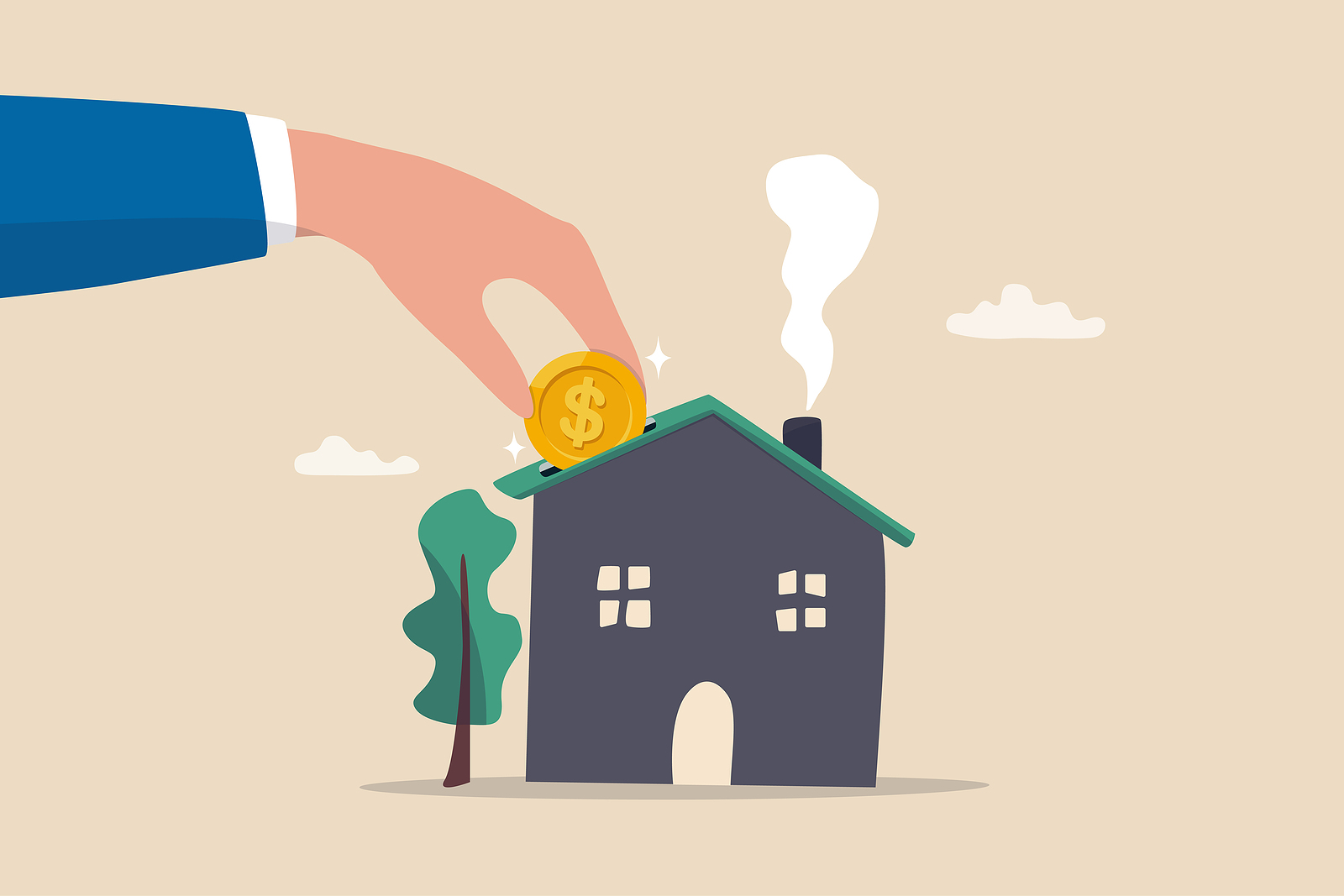
Down payment for house purchasing, mortgage or real estate loan, savings to buy new home or property investment, rental concept, businessman hand home owner putting money dollar coin into new house.

What Happens When You Put Less Than 20% Down?

While putting less than 20% down is completely viable, it does come with trade-offs. Here’s what to expect:

  • PMI Costs – Private mortgage insurance is usually required if you don’t meet the 20% mark. This can add $50–$200/month depending on your loan size and credit score.

  • Higher Monthly Payments – A smaller down payment means a larger loan, which results in a higher monthly mortgage.

  • More Cash Flexibility – On the upside, putting down less frees up money for moving costs, repairs, or even emergency savings.

The key is balancing upfront affordability with long-term financial comfort. You don’t need 20% down to buy a home, but understanding your full cost of borrowing is essential.

So, How Much Should You Put Down?

The “right” down payment varies by person. If you have enough saved and want to avoid PMI, go for 20%. But if saving that amount would delay your plans for years, consider a smaller down payment with a smart strategy.

Talk to a reputable mortgage lender or real estate professional who can run the numbers for your unique situation. Remember: today’s homebuyers are finding success with flexible, realistic financing, often far below the 20% mark.

Final Thoughts

The idea that you need 20% down to buy a home is one of the most persistent myths in real estate. In reality, there are many paths to homeownership some requiring as little as 0–3.5% down. Understanding your options is the first step toward unlocking the door to your new home.

Is Now a Good Time to Buy a Home? What Experts Are Saying

If you’re thinking about buying a home, you’re probably wondering: Is now really the right time? With fluctuating mortgage rates, evolving housing market trends, and economic uncertainty, it can feel like a big decision. But don’t worry—we’re here to break it all down for you! In this post, we’ll explore what real estate experts are saying about today’s market, including insights on home prices, interest rates, and buyer competition. By the end, you’ll have a clearer idea of whether it’s a good time to make a move.

Housing Market Trends: What’s Happening Now?

Top view of digital tablet with financial year overview on screen. Businessman analyzing investment charts with digital tablet on wooden desk at office. positive stock market trend.

The real estate market has seen some significant shifts over the past year. Here are some key trends shaping today’s market:

  • Mortgage Rates Fluctuating: Interest rates have seen ups and downs, impacting affordability for buyers. While rates remain higher than pre-pandemic levels, some experts predict potential decreases later in the year.
  • Home Prices Stabilizing: While home prices surged in recent years, they are now stabilizing in many areas. Some markets even show slight price corrections, making it more favorable for buyers.
  • Low Inventory Continues: A persistent shortage of homes for sale keeps competition strong, but buyers have more negotiating power than during the peak of the market frenzy.
  • Rent vs. Buy Considerations: With rising rental costs, homeownership is still an appealing long-term investment for those who can afford the upfront costs.

Mortgage Rates and Affordability: Should You Wait?

One of the biggest factors in home-buying decisions is mortgage rates. As of now, rates are higher than the historic lows of 2020-2021, but they remain manageable for many buyers. Some experts predict gradual declines in rates later in the year, which could improve affordability.

Key Expert Insights:

  • Waiting Could Pay Off: If rates drop, waiting a few months could save you thousands in interest over time.
  • Locking in Now Can Be Smart: Some buyers opt to purchase now and refinance later if rates decrease, taking advantage of current home prices before they rise again.
  • Affordability Varies by Market: In some areas, home prices are adjusting, making it a good time to buy despite higher rates.

Buyer Competition: Are Homes Still Selling Fast?

best time to sell a house

While competition isn’t as fierce as it was during the pandemic housing boom, desirable homes in prime locations still receive multiple offers. However, bidding wars have cooled in many markets, allowing buyers more room for negotiations.

Pros for Buyers Right Now:

  • Less Pressure to Overpay: Buyers are less likely to face extreme bidding wars.
  • More Negotiation Power: Sellers are more open to concessions, such as covering closing costs or making repairs.
  • Longer Time on Market: Homes are staying listed a bit longer, giving buyers time to make thoughtful decisions.

Should You Buy Now or Wait?

The answer depends on your financial situation, goals, and local market conditions. Here’s a quick guide to help:

Reasons to Buy Now:

  • ✅ You found a home you love and can afford.
  • ✅ You plan to stay in the home long-term.
  • ✅ You’re comfortable with current mortgage rates and can refinance later.
  • ✅ You want to build equity instead of paying rent.

Reasons to Wait:

  • ⏳ You’re hoping for lower interest rates.
  • ⏳ You need time to save for a down payment or improve credit.
  • ⏳ You’re unsure about job stability or future plans.

Final Thoughts: Is It a Good Time to Buy?

There’s no one-size-fits-all answer, but the current housing market trends indicate that buying a home can still be a smart move—especially if you find the right opportunity. By staying informed on mortgage rates, home prices, and market conditions, you can make a confident decision that aligns with your goals. If you’re unsure, consulting a local real estate professional can help guide you through the process.
Thinking about buying? Let’s chat! We’d love to help you navigate today’s market and find the perfect home for you.

31 Essential Tips for People Looking to Buy a Home

Buying a home is one of the most significant financial decisions you’ll make in your lifetime. Whether you’re a first-time homebuyer or looking to upgrade, navigating the home-buying process can be overwhelming. Here are 31 essential tips to help you make an informed and confident decision.

Understand Your Financial Situation

Before you start house hunting, it’s crucial to have a clear picture of your financial situation. Calculate your income, debts, and savings to determine how much you can afford.

Get Pre-Approved for a Mortgage

A pre-approval letter from a lender shows sellers that you are a serious buyer and can give you a competitive edge in a hot market.

Define Your Needs and Wants

Make a list of must-haves and nice-to-haves. This will help you stay focused and prioritize your needs during the house hunt.

young couple with a real estate agent understanding buying a home.

Choose the Right Real Estate Agent

A knowledgeable and experienced real estate agent can guide you through the buying process, negotiate on your behalf, and help you find the right home.

Research Neighborhoods

Location is key. Research different neighborhoods to find one that fits your lifestyle, whether you prioritize good schools, proximity to work, or vibrant nightlife.

Consider Future Growth

Think about your future needs. Will you need more space for a growing family, or are you planning to downsize? Choose a home that will accommodate your long-term plans.

Attend Open Houses

Open houses are a great way to get a feel for different homes and neighborhoods. Take notes and pictures to help you remember the details.

Be Ready to Compromise

It’s rare to find a home that ticks every box on your list. Be prepared to compromise on less critical features to find a home that meets your most important needs.


Understand the Market

Is it a buyer’s market or a seller’s market? Understanding the market conditions can help you strategize your offers and negotiations.

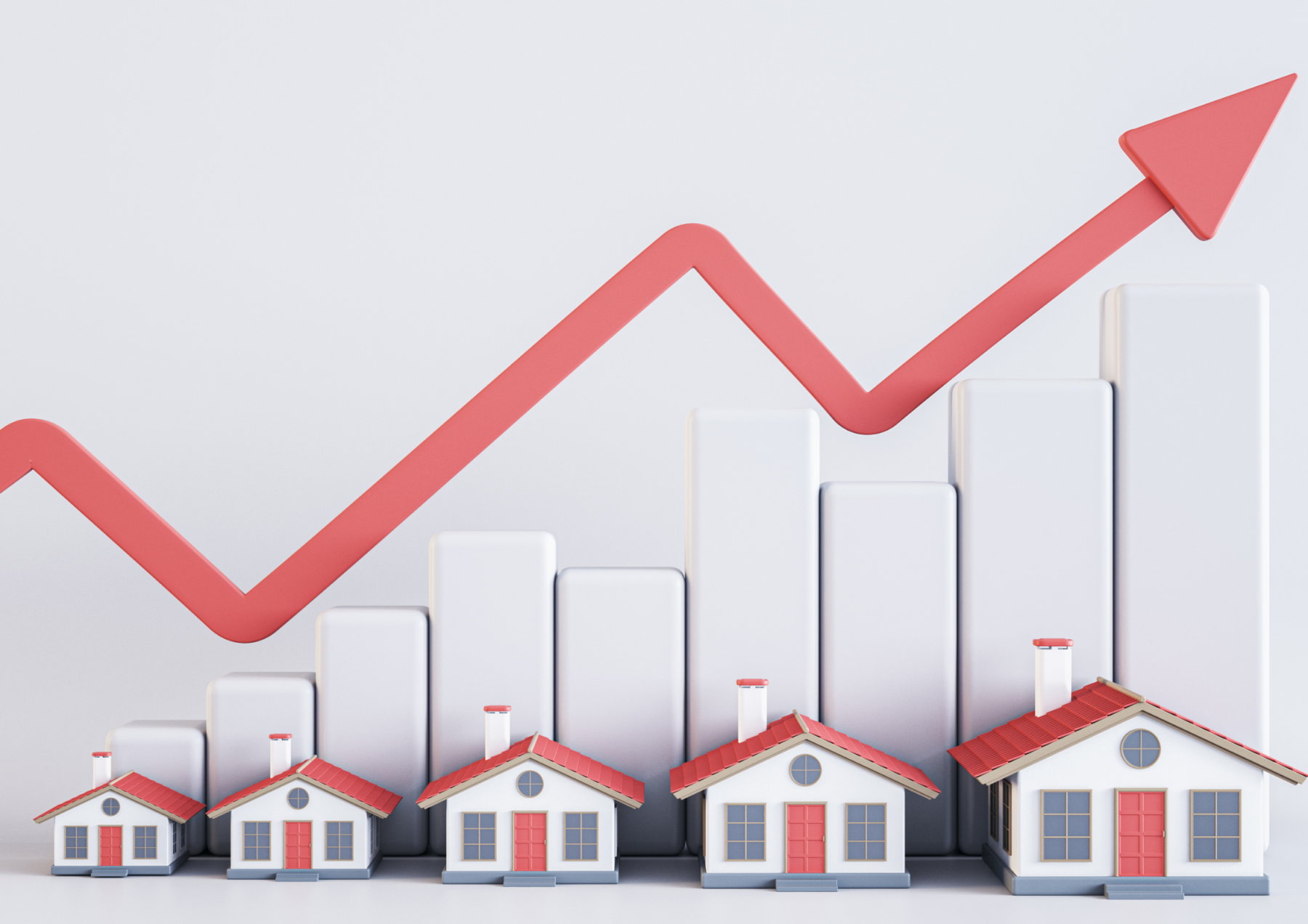
a representation of the real estate market. Homes in a row with a red arrow going up and down

Inspect the Property Thoroughly

A professional home inspection can uncover potential issues that might not be visible at first glance. This step is crucial to avoid unexpected repair costs.

Evaluate the Commute

Consider the daily commute to work or school. Test the drive during peak hours to see if it’s manageable.

Check Property Taxes

Property taxes can vary significantly between areas and can impact your monthly budget. Research the property tax rates in your desired neighborhoods.

Review Homeowners Association Rules

If the property is in a community with a homeowners association (HOA), review the rules and fees to ensure they align with your lifestyle.

Consider Resale Value

Even if you plan to live in the home for many years, consider its resale value. Look for features that are appealing to future buyers.

Factor in Maintenance Costs

Owning a home comes with ongoing maintenance costs. Budget for regular upkeep and unexpected repairs.

Get to Know the Neighbors

Having good neighbors can significantly impact your quality of life. Try to meet some of the neighbors before making a decision.

Understand Closing Costs

Closing costs can add up to 2-5% of the home’s purchase price. Make sure you have enough saved to cover these additional expenses.

Look Beyond Staging

Homes are often staged to look their best. Try to see beyond the decor and envision how you would use the space.

Plan for Additional Expenses

Don’t forget to budget for moving costs, new furniture, and any immediate repairs or renovations you might need to make.

Read the Fine Print

Carefully review all contracts and documents before signing. If you have any questions, consult with your real estate agent or a lawyer.

Be Patient

Finding the right home can take time. Don’t rush the process. It’s better to wait for the right home than to settle for one that doesn’t meet your needs.
patiently waiting for the perfect home to hit the market.

Stay Organized

Keep all your documents, notes, and contact information organized. This will help you stay on top of deadlines and important details.


Trust Your Instincts

If something doesn’t feel right about a property, trust your instincts. It’s important to feel confident in your decision.

Secure Homeowners Insurance

Protect your investment by securing homeowners insurance. Compare policies to find the best coverage at the best price.

Plan for the Long Term

Think about how your life might change in the next 5-10 years. Choose a home that can adapt to your evolving needs.

Be Ready to Act Fast

In a competitive market, homes can sell quickly. Be prepared to make a swift decision if you find the right home.

Don’t Skip the Final Walk-Through

Before closing, do a final walk-through to ensure that the property is in the agreed-upon condition.

Keep Your Finances Stable

Avoid making any major financial changes or purchases before closing, as this can affect your mortgage approval.

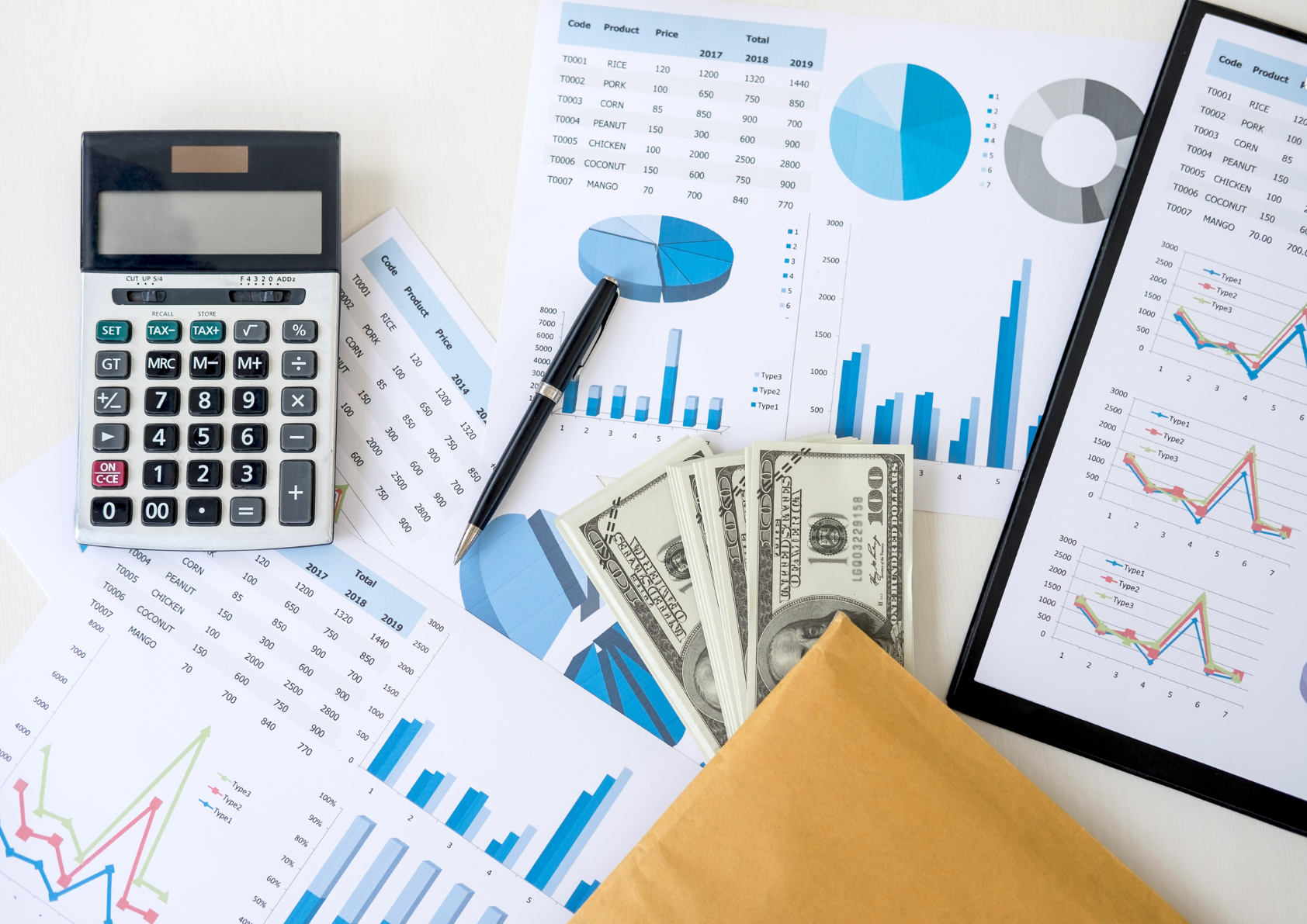
finances in order for home buying.

Celebrate Your New Home

Once you’ve closed on your new home, take time to celebrate this significant milestone. You’ve earned it!

Stay Informed

The real estate market is always changing. Stay informed about market trends and developments to make the best decisions in the future.

Let’s Wrap Things Up

Buying a home is a significant milestone that involves careful planning, research, and decision-making. By following these 31 essential tips, you can navigate the home-buying process with confidence and find the perfect home for you and your family. Remember to stay patient, and trust your instincts. Happy house hunting!