2026 Housing Market Trends for Buyers and Sellers: What You Need to Know

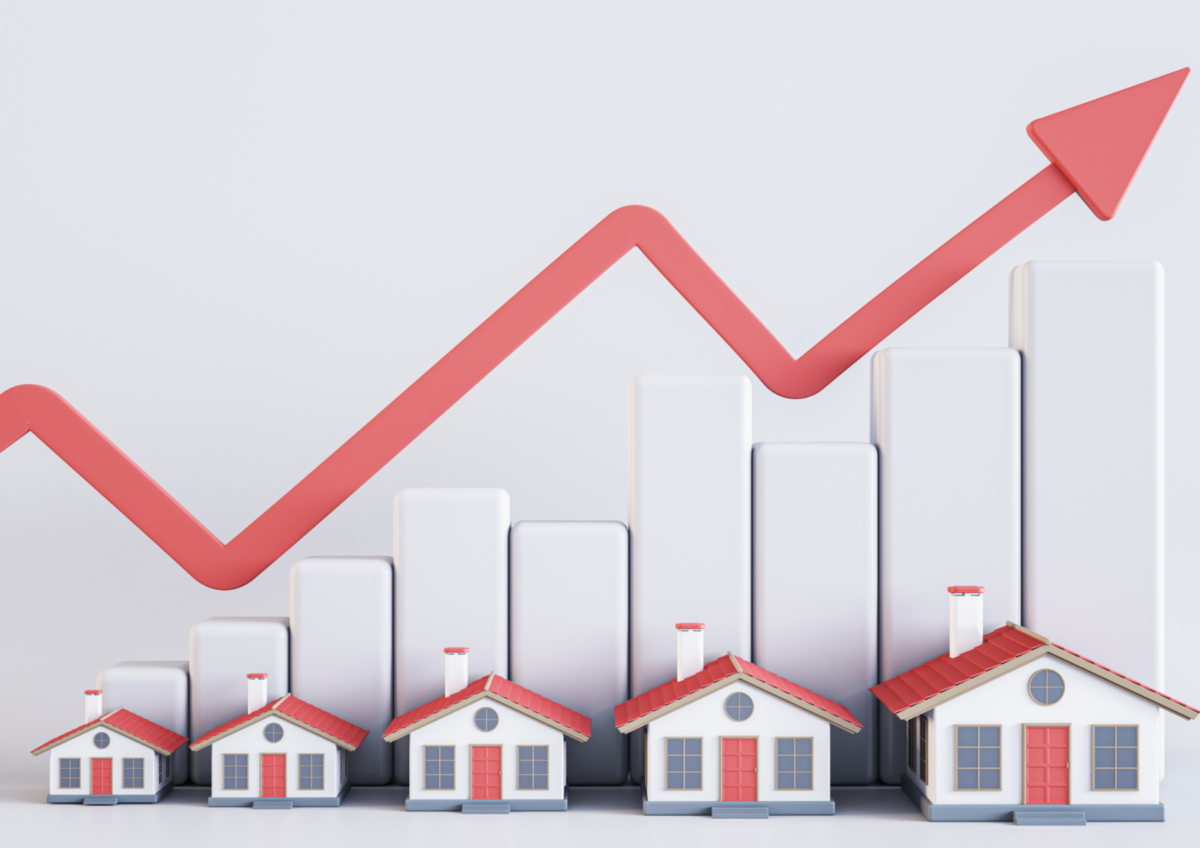
As we settle into 2026, the housing market continues to evolve in ways that directly impact home buyers and sellers. From shifting demand patterns to new affordability realities, understanding the 2026 housing market trends for buyers and sellers is critical for making confident, strategic decisions. Whether you’re preparing to purchase your next home or considering selling for the best possible return, these trends reveal where the market is today and where it’s headed.

Why 2026 Is a Pivotal Year

After years of rising interest rates, fluctuating inventory, and changing buyer priorities, 2026 feels like a reset point in the housing market. Affordability pressures remain real, but creative financing, lifestyle shifts, and demographic trends are reshaping demand. Homes that meet modern expectations (from energy efficiency to flexible living spaces) are attracting serious interest.

Both buyers and sellers benefit from understanding the 2026 housing market trends for buyers and sellers so they can align timing, pricing, and expectations with real market behavior rather than guesswork.

Trend #1: Demand for Flexible and Multi‑Purpose Spaces

Remote and hybrid work arrangements are now an established part of life for many households. Buyers in 2026 are prioritizing homes with space that can adapt — home offices, fitness rooms, or areas that can easily convert to childcare or eldercare solutions.

Sellers should take note: staging and marketing those flexible spaces can significantly increase buyer interest. A bedroom marketed as a “work‑from‑home suite” or a finished basement shown as a multipurpose play/study area resonates with current needs.

This demand for versatility is one of the defining 2026 housing market trends for buyers and sellers, and it’s expected to influence home designs and renovation decisions throughout the year.

Trend #2: Continued Focus on Affordability

Affordability continues to shape housing decisions in 2026. High mortgage rates — although more stable than in previous years — still impact buying power. Buyers are exploring options like adjustable‑rate mortgages with caps, down payment assistance programs, and community‑based incentives to make purchases work financially.

Sellers should understand how affordability affects negotiations and pricing sensitivity. Pricing your home competitively, offering incentives (like closing cost contributions), or highlighting low ongoing expenses (energy‑efficient upgrades, low taxes, updated systems) can make your listing stand out.

Affordability is a central theme among the 2026 housing market trends for buyers and sellers, especially as households continue weighing monthly payments against lifestyle priorities.

Trend #3: Energy Efficiency and Tech‑Forward Homes

Sustainability isn’t just a buzzword — it’s a market driver. Buyers increasingly evaluate homes based on utility costs, energy efficiency ratings, solar readiness, and smart home features. Properties with high efficiency performance are more attractive, particularly to cost‑conscious buyers looking to control expenses long‑term.

Sellers who invest in updates such as new windows, efficient HVAC systems, or solar panels can unlock greater buyer appeal and justify higher asking prices. Highlighting certificates, energy audits, or utility savings estimates in your listing can be a powerful differentiator.

This focus on efficiency and modern tech is one of the most impactful 2026 housing market trends for buyers and sellers, and it’s shaping purchasing decisions across price points.

Trend #4: Strategic Moves in Emerging Markets

Affordability and demand are pushing buyers to explore markets that were previously overlooked. Smaller cities, exurban communities, and towns with strong job growth, upgraded infrastructure, and quality amenities are gaining traction.

Buyers looking to stretch their investment and sellers in these areas are finding less competition and more serious interest. Even in traditionally lower‑cost regions, increased attention from remote workers and lifestyle‑focused households is heating up demand.

Understanding regional shifts and what makes a market desirable is a key component of 2026 housing market trends for buyers and sellers — and it can be the difference between a good purchase and a great one.

Final Thoughts: Stay Informed, Stay Prepared

The housing market in 2026 reflects a balance between tradition and transformation. Buyers want value, flexibility, and modern features. Sellers want the best return with minimal time on market. By staying educated on the 2026 housing market trends for buyers and sellers, you position yourself to act with confidence rather than react to uncertainty.

Whether you’re stepping onto the market this year or refining your long‑term plans, these trends offer a roadmap to success. In a dynamic housing landscape, knowledge truly is power — and the more you understand today’s drivers, the better your positioning will be tomorrow.
Niche Real Estate Opportunities for Buyers and Sellers: How Life Transitions Are Shaping the Market

The housing market is evolving, and opportunities now exist beyond the typical listings. While traditional properties dominate online searches, niche real estate opportunities for buyers and sellers are emerging in areas and situations that are often overlooked. These opportunities provide unique benefits, lower competition, and properties that fit specific life circumstances.

Whether you’re a buyer looking for a home with long-term value or a seller navigating a life transition, understanding these niches can help you make smarter, more strategic decisions.

Why Niche Real Estate Opportunities Matter

Even when markets slow, life changes continue. Moves driven by divorce, inheritance, downsizing, or job relocation create motivated buyers and sellers who need clarity, guidance, and practical solutions. By focusing on these niches, buyers can find properties that meet their exact needs, and sellers can position their homes for the right audience.


Probate and Inherited Properties

Families managing inherited properties are often overwhelmed by logistics, timelines, and unfamiliar processes. For sellers in this situation, presenting their property clearly and understanding local regulations can streamline a sale.

For buyers, these homes often come with unique value opportunities. Probate properties may be priced competitively and located in established neighborhoods, giving buyers access to homes they might otherwise overlook. Approach with patience, research, and careful timing to make the most of these opportunities.

Downsizing and Lifestyle Shifts

Many homeowners, especially baby boomers, are reassessing their housing needs. Downsizing has become a fast-growing market segment, as sellers look for smaller, more manageable homes while buyers seek homes that fit modern lifestyles.

Key points for buyers:

  • Look for properties that balance size, affordability, and low maintenance.

  • Consider energy-efficient homes, as rising utility costs and sustainability are increasingly important.

  • Evaluate communities offering lifestyle amenities, such as walkability, healthcare access, or social programs.

Key points for sellers:

  • Highlight features that appeal to downsizers, like open layouts, low-maintenance yards, and energy-efficient upgrades.

  • Emphasize predictability and simplicity to attract buyers who are planning carefully rather than rushing decisions.

Eco-Minded and Energy-Conscious Properties

Sustainability is no longer a niche; it’s a growing priority for buyers. Homes with solar panels, high energy ratings, and modern insulation attract buyers who are willing to invest for long-term savings and environmental impact. Sellers with energy-efficient upgrades can position their properties as highly desirable in a market where operating costs matter.

Why These Niches Outperform Traditional Options

What all these niche opportunities share is intention. Buyers and sellers are not casually browsing—they are navigating meaningful life changes and are motivated to make informed decisions. This creates a market where trust, clarity, and alignment with individual needs matter more than speed or volume.

For buyers, focusing on these niches can reveal homes that fit lifestyle, budget, and long-term goals. For sellers, targeting motivated buyers through these specialized channels can reduce competition and attract the right audience.

Making the Most of Niche Real Estate Opportunities

The market will always fluctuate, but life transitions will not. By aligning with these moments—inheritance, downsizing, lifestyle shifts, or sustainability priorities—buyers and sellers can access opportunities that might be missed in mainstream searches.

Niche real estate opportunities offer value, stability, and the potential for a smoother transaction for both parties. For those willing to explore beyond the typical listings, this approach can uncover hidden gems and create lasting advantages in today’s housing market.

The Real Marketing Problem: Siloed Thinking in Real Estate Agents

In today’s fast-moving real estate market, one of the biggest obstacles to effective marketing is Siloed Thinking. Many agencies treat traditional and digital marketing as completely separate lanes — print ads, direct mail, and events on one side, social media, SEO, and email campaigns on the other. When these lanes operate independently, agencies often see weaker results, duplicated effort, and a disjointed customer experience. In this post, we’ll explore how Siloed Thinking shows up in real estate marketing, why the two-lane approach fails, and how a unified system can strengthen your business.

Why Traditional and Digital Are Split

Most real estate teams separate marketing into two distinct channels. Traditional marketing often includes print advertising, direct mail, open houses, and sponsorships, while digital marketing focuses on social media, email campaigns, search engine optimization, and online content. Individually, these channels can work. But when they are not connected, the impact is cut in half. Real estate agencies may spend time running separate campaigns that do not reinforce one another, creating gaps in the customer journey. This is the essence of Siloed Thinking: everything works independently instead of as a coordinated strategy.

How Siloed Thinking Impacts Real Agencies

In practice, Siloed Thinking appears in several ways. An agency may advertise an open house in print but never support it with social media posts or a reminder email. While some exposure occurs, attendance often falls short of its potential. Similarly, leads collected at trade shows or networking events may never enter an email nurturing sequence or CRM workflow. Without follow-up, momentum dies, and opportunities are lost.

Messaging inconsistencies are another common problem. Sales agents may discuss a new listing in person, while marketing posts it online. If brochures or digital content do not match the same messaging, potential clients receive a fragmented experience. This inconsistency can reduce trust and make buyers hesitant to engage, even when both traditional and digital efforts are strong individually.

Why the Two-Lane Approach Fails

Operating channels in isolation leads to duplicated content, wasted time coordinating between teams, and missed chances to reinforce key messages. Teams often recreate materials that already exist, leaving gaps in the customer journey. The problem is not a lack of strategy; it is a structural issue. Agencies that recognize this can transform their marketing by aligning all efforts into a single, connected workflow.

A unified approach means that traditional and digital marketing reinforce each other. Open houses and events are promoted online and offline, trade show leads are added directly to email campaigns, and sales materials mirror digital content. Even simple tools, like QR codes, can push offline audiences into digital funnels, ensuring every touchpoint supports the same messaging.


The Results of a Unified Marketing System

When real estate agencies eliminate Siloed Thinking, the benefits are clear. Brand recognition strengthens as every interaction, from an email to an open house, communicates a consistent message. Leads are more effectively nurtured, and attendance at events increases because promotions are coordinated across channels. Sales teams and marketing professionals communicate with the same language, creating a seamless customer journey. Marketing time and budgets are used more efficiently, allowing agencies to focus on growth instead of recreating efforts that should already exist.

Even a few small changes can have a big impact. For example, aligning a social media post with an email reminder for an open house can double the number of attendees, while consistent messaging across print, digital, and in-person interactions builds credibility and trust. Agencies that combine their traditional and digital channels see better results, higher conversion rates, and more satisfied clients.

Home Inspection Tips Every Buyer and Seller Should Know

When you’re navigating today’s real estate market, a thorough home inspection is more important than ever. Whether you’re buying or selling, having the right information can make the difference between a smooth deal and unexpected setbacks. In this blog, we’ll cover what a home inspection involves, key red flags to watch for, and how both buyers and sellers can use the process strategically to protect value and peace of mind.

What a Home Inspection Entails

A home inspection gives a detailed look at a property’s condition before finalizing a purchase or listing. According to recent industry data, about 85 % of inspections identify at least one issue. On average in the U.S., the cost ranges from $300 to $500.

get a pre-sale home inspection


For buyers, the inspection serves as a safeguard, helping you identify hidden defects, estimate repair costs, and potentially renegotiate. For sellers, performing a pre-listing inspection can allow you to proactively address issues and present a stronger case to potential buyers. In fact, energy audits and “green” home considerations are becoming more common in 2025.

Using a solid inspection can help both parties make informed decisions and reduce surprises down the road.

Key Areas to Focus On

When preparing for a home inspection, both buyers and sellers should pay particular attention to these key systems and structural elements:

  • Roofing & drainage: Some reports show roofing defects are among the top issues uncovered.
  • Electrical systems: Outdated wiring, overloaded circuits, and panels older than 30 years show up frequently in inspection reports.
  • Plumbing and HVAC: These systems can incur costly repairs if neglected; one survey found 33 % of inspections revealed plumbing problems.
  • Foundation and water intrusion: Grading, drainage, and foundation stability affect both safety and value.
  • Energy efficiency & sustainability features: As buyers become more eco-aware, inspectors are increasingly assessing insulation, ventilation, and smart home systems.

For sellers, identifying and resolving these issues before the inspection can enhance your listing and reduce negotiation headaches. For buyers, understanding these red flags ahead of time gives you leverage and clarity.

How Sellers Can Leverage the Inspection Process

As a seller, a well-executed home inspection can strengthen your position rather than weaken it. Start by conducting a pre-listing inspection to identify potential problems ahead of time. This gives you time to make repairs or disclose issues transparently. In 2025, sellers who disclose inspection findings may gain a trust advantage in a competitive market.


Consider highlighting energy-efficient upgrades, recent system replacements, or remediation work in your listing. These factors resonate especially with eco-conscious buyers and help set your property apart.
Finally, be realistic about discoveries. When problems are found after an inspection, nearly 75 % of buyers ask for negotiations or repair credits. Addressing major defects ahead of time often saves time and avoids stalled deals.

Real estate home inspection report of resale residential property condition with professional housing engineering inspector testing tools and house keys (fictitious but realistic document)

How Buyers Can Maximize Their Inspection

For buyers, a home inspection offers critical insight before you commit to a purchase. First, insist on a contingency that gives you time to review the inspection report and negotiate if necessary. With about 88 % of buyers using a home inspection in U.S. real estate transactions, skipping this step is increasingly rare.


When the report arrives, don’t just glance at the summary review major categories such as roofing, electrical, plumbing, and HVAC. Identify any safety issues or items requiring immediate attention. And ask for cost estimates for repair or replacement so you can factor that into your budget and negotiations.


Finally, use the inspection as leverage. Findings commonly result in price adjustments or seller concessions. In a balanced market, this can be a meaningful advantage.

Final Thoughts

Whether you’re buying or selling, prioritizing a home inspection helps you make smarter decisions and protect value. For sellers, a pre-listing inspection can turn unknown concerns into marketing strengths. For buyers, it offers a clearer picture of the investment you’re about to make. With strong demand and evolving inspection practices in 2025, adopting this step as standard practice is no longer optional; it’s strategic.
Stay informed, ask the right questions, and ensure the inspection process is part of your real estate game plan.

Is Spring the Best Time to Sell Your Home? Here’s Why Experts Say Yes

For years, spring has been known as the unofficial “home selling season,” and according to real estate experts and current 2025 trends, that title still holds true. If you’re wondering whether now is the right time to list, there are several compelling reasons why spring might be your perfect window to sell your home.

Buyer Activity Peaks in Spring

As the weather warms up, so does buyer interest. With longer daylight hours, milder temperatures, and families planning for summer moves, spring consistently brings more serious buyers to the market.

This year, buyer demand is especially high due to ongoing inventory shortages and a growing pool of people ready to make a move after waiting out market uncertainty in late 2024. If you’re hoping to attract motivated, ready-to-act buyers, spring is the time to list.

Homes Look Their Best This Time of Year

First impressions matter—and nothing boosts curb appeal like spring. Lawns are green, trees are blooming, and natural light makes interiors look brighter and more welcoming. Your home’s photos and in-person viewings will naturally stand out when everything looks fresh and full of life.

home for sale in spring with great curb appeal.

A clean, well-maintained property with vibrant landscaping can increase a buyer’s emotional connection to the home, and ultimately, their offer price.

Recent Data Favors Spring Listings

In analyzing recent real estate data, homes listed in spring often sell faster and closer to asking price than those listed in fall or winter. The 2025 market shows that spring listings are seeing more traffic, multiple offers, and shorter time on the market—especially when priced right and professionally marketed.

With fewer holidays and weather disruptions, buyers and agents alike are more focused and active during this season, making it one of the most efficient times to sell your home.

Families Are Planning for Summer Moves

For many buyers—especially those with children—spring offers the ideal timing to buy a home, close, and relocate before the new school year begins. That makes spring sellers particularly appealing.

This sense of urgency helps attract buyers who are financially and logistically prepared to move quickly. It can also lead to smoother transactions and fewer last-minute surprises.

Mortgage Trends Are Encouraging in 2025

While interest rates have fluctuated over the past few years, early 2025 is showing signs of stabilization. Buyers are adjusting to the “new normal” and re-entering the market with more confidence and realistic expectations.

This increased buyer confidence makes it a favorable time for sellers to list, as more home shoppers are securing pre-approvals and making competitive offers, knowing that locking in a rate now could benefit them in the long term.

Less Competition Early in the Season

Although spring is a popular time to list, many homeowners still wait until late spring or summer. By listing your home earlier in the season—March through early May—you can beat the rush and stand out in a less crowded market.

Fewer listings mean more attention for your property, especially if you’ve taken steps to prepare it with staging, deep cleaning, and a strategic marketing plan. Early spring sellers often benefit from a “first look” advantage among active buyers.

The Bottom Line: Spring is Still Prime Time

If you’ve been waiting for the “right time” to sell your home, spring offers the best mix of high demand, great presentation opportunities, and favorable market conditions. From curb appeal to buyer behavior, everything is aligned to help you succeed.

Thinking about making a move? Connect with a trusted real estate agent to explore your options and make the most of this powerful season.

Spring 2025 could be your best opportunity yet to sell your home—and step confidently into your next chapter.

Spring 2025 Housing Market Trends: What Buyers and Sellers Need to Know

As the spring 2025 real estate season unfolds, both buyers and sellers are navigating a market marked by evolving dynamics. From shifting mortgage rates to changing buyer preferences, understanding the current trends is crucial for making informed decisions.

Mortgage Rates: A Stabilizing Factor

Current Mortgage rates have been a significant concern for many. Currently, the average 30-year fixed mortgage rate hovers around 6.6%, a slight decrease from the previous year’s highs. This stabilization offers a window of opportunity for buyers previously sidelined by higher rates.

Mortgage rates

However, while rates have dipped, they remain above the historic lows seen in past years. Buyers should be prepared for potential fluctuations and consider locking in rates when favorable.​

Inventory Levels: Gradual Improvements

The housing market has experienced tight inventory levels, but there’s a silver lining. An increase in new-home construction is contributing to a gradual rise in available properties. This uptick provides buyers with more options and reduces the intense competition seen in previous seasons.

Sellers, on the other hand, should be mindful of this shift. With more homes entering the market, pricing competitively and ensuring your property stands out is more important than ever.​Home Prices: Steady with Regional Variations

Home prices continue to show resilience, with modest increases observed in many regions. The National Association of Realtors predicts a 2% rise in median home prices for 2025, indicating a stable market.​

However, it’s worth noting that price trends can vary significantly based on location. Urban centers may experience different dynamics compared to suburban or rural areas. Buyers and sellers should consult local market data to make informed decisions.​

Buyer Preferences: Evolving Needs and Desires

The pandemic has reshaped what buyers are looking for in a home. There’s a growing demand for properties that accommodate remote work, with features like dedicated office spaces and larger living areas becoming more sought after.​

Young caucasian couple showing keys of their first house after purchase and moving to new home together. happy husband and wife hugging in their apartment excited to be owners of a apartment.
 

Additionally, the trend towards suburban and semi-rural living continues, driven by the desire for more space and a better quality of life. Sellers should highlight these features when marketing their homes to appeal to current buyer preferences.​

Tips for Buyers: Navigating the Market

  • Get Pre-Approved: Before starting your home search, secure a mortgage pre-approval. This not only clarifies your budget but also strengthens your position when making an offer.​

  • Act Quickly: With inventory levels still recovering, desirable homes can sell fast. Be prepared to make swift decisions when you find the right property.​

  • Work with a Local Agent: Partnering with a real estate professional who understands the nuances of your target area can provide valuable insights and guidance.​

Tips for Sellers: Maximizing Your Home’s Appeal

  • Enhance Curb Appeal: First impressions matter. Simple improvements like landscaping and fresh paint can make a significant difference.​

  • Stage Your Home: Staging helps potential buyers envision themselves in the space, often leading to quicker sales and better offers.​

  • Price Strategically: While the market is stable, overpricing can deter buyers. Work with your agent to set a competitive price that reflects current market conditions.​

Looking Ahead: A Balanced Market

The spring 2025 housing market presents a balanced landscape for buyers and sellers. With mortgage rates stabilizing, inventory levels improving, and home prices showing steady growth, it’s an opportune time to engage in real estate transactions.​

Staying informed and working with experienced professionals will be key to navigating this evolving market successfully.​

Own Your Media: Why Real Estate Agents Must Build a Personal Brand That Lasts

In today’s fast-moving real estate market, visibility and credibility are everything. Agents who rely solely on external systems or shared platforms risk losing their presence when trends shift, platforms change, or markets evolve. The solution is simple but powerful: own your media. Building a personal brand tied to your name—not a company or team—ensures that your reputation, your clients, and your business remain yours, no matter what changes in the industry. In this post, we’ll explore why owning your media matters, how to implement it, and why it is critical for long-term success.

Why Owning Your Media Is Essential for Agents

Clients hire people, not logos. When you own your media, everything you create—your website, email list, social channels, Google Business Profile, content, and community presence—builds equity for your name. It becomes a long-term asset that moves with you, grows with you, and supports your career regardless of market fluctuations.

Owning your media also positions you as a trusted authority. When clients see your consistent messaging, content, and engagement across multiple channels, they know you are reliable, professional, and approachable. Your media becomes the foundation for credibility, recognition, and client loyalty.

Build on Assets You Control

The most effective agents avoid relying on systems or platforms that they don’t control. If someone else manages the platform or content, you risk losing visibility, leads, or reputation if changes occur. True ownership means creating and managing assets that are fully under your control: a personal website, an email list you manage, social profiles under your name, a CRM you can access anytime, and ad accounts tied to your personal brand.

These assets are permanent and portable. No matter how platforms evolve, the content, relationships, and authority you build stay with you. Anything else is temporary.

Consistency Builds Recognition and Trust

Even the most popular platforms change formats, algorithms, and messaging regularly. Relying on them alone can mean starting over every few years. When you own your media, your brand identity remains constant. Clients learn how you communicate, what you stand for, and what they can expect when working with you. That consistency builds trust, strengthens your reputation, and encourages repeat business.

Protect Your Client Relationships and Pipeline

Your media is more than a marketing tool—it is a connection hub. Your email list, social channels, content, and follow-up systems keep you top of mind with current and prospective clients. By controlling these systems, you ensure that your relationships remain uninterrupted, even as market conditions shift. Your client connections and pipelines remain intact because they are tied to your personal brand, not a shared or temporary platform.

Create a Personal Media System

A strong media strategy gives you stability and flexibility. Key elements include a website with your name as the primary identity, a Google Business Profile you control, social channels under your name, an email list you manage, automated nurturing sequences, and a content library you can repurpose endlessly. This system builds a durable foundation for your business that grows with you over time.

Media Ownership Is Your Career Insurance

The real estate market is dynamic, and changes happen quickly. Agents who own their media never lose momentum. Their clients remain connected, their brand stays visible, and their business continues to grow. Owning your media protects your income, strengthens your reputation, and ensures that your name—your professional identity—remains the asset that drives your career.

By owning your media, you create a long-term, durable presence that follows you everywhere. Your name, your reputation, and your relationships are permanent. That is the power of building a personal brand that truly belongs to you.

Understanding Zoning Laws and How They Affect Home Sales

Understanding Zoning Laws and How They Affect Home Sales

When it comes to buying or selling a home, one crucial factor that can significantly impact the process is zoning laws. Zoning laws dictate how land can be used in different areas, influencing everything from property values to the types of buildings that can be constructed. Understanding these laws is essential for both buyers and sellers to navigate the real estate market effectively. Here’s what you need to know about zoning laws and how they affect home sales.

What Are Zoning Laws?

Zoning laws are regulations established by local governments to control land use within their jurisdictions. These laws divide a city or town into different zones, each designated for specific uses such as residential, commercial, industrial, or agricultural. Zoning laws aim to promote orderly development, reduce conflicts between land uses, and protect public health and safety. Learn more about Zoning Laws here. 

Types of Zoning

Residential Zoning

Residential zoning is for areas designated for housing. These zones can be further categorized into single-family, multi-family, and mixed-use residential areas. Residential zoning laws can dictate the types of homes that can be built, minimum lot sizes, building heights, and setback requirements.

neighborhood residential zoning

Commercial Zoning

Commercial zoning applies to areas designated for business activities such as retail stores, offices, and restaurants. These zones have specific regulations regarding building types, parking requirements, signage, and the types of businesses that can operate.

Industrial Zoning

Industrial zoning is for areas intended for manufacturing, warehousing, and other industrial activities. These zones typically have regulations to minimize environmental impacts, such as noise and pollution controls.

Agricultural Zoning

Agricultural zoning is for areas designated for farming and related activities. These zones often have regulations to protect farmland from being converted to non-agricultural uses.

How Zoning Laws Affect Home Sales

Property Values 

Zoning laws can have a significant impact on property values. Properties located in desirable residential zones, especially those near good schools, parks, and other amenities, tend to have higher values. Conversely, properties in zones with less desirable uses, such as industrial areas, may have lower values. Understanding the zoning of a property can help sellers price their homes appropriately and buyers make informed decisions.

property values on home going up

Development Potential

Zoning laws also affect the development potential of a property. For example, a property in a residential zone might have restrictions on the number of units that can be built, while a property in a mixed-use zone might allow for both residential and commercial development. Buyers interested in renovating or expanding a home should be aware of these restrictions to avoid potential legal issues.

Use Restrictions

Use restrictions dictated by zoning laws can impact how a property can be utilized. For instance, a homeowner in a residential zone might be prohibited from operating a business out of their home. Similarly, certain types of commercial activities might be restricted in specific zones. These restrictions can affect the marketability of a property and its appeal to potential buyers.

Legal Compliance

Compliance with zoning laws is crucial for both buyers and sellers. Sellers must ensure that any renovations or additions to their property comply with local zoning regulations. Non-compliance can lead to fines, legal disputes, and complications during the sale process. Buyers, on the other hand, should verify that the property they are interested in complies with zoning laws and that their intended use of the property is permitted.

Zoning Changes

Zoning laws are not static and can change over time. Local governments periodically review and update zoning regulations to reflect changes in community needs and development goals. These changes can affect property values and development potential. For example, if a residential area is rezoned for commercial use, property values might increase due to the potential for new business opportunities. Conversely, if an area is downzoned to limit development, property values might decrease.

Tips for Navigating Zoning Laws

Research Local Zoning Regulations

Before buying or selling a property, research the local zoning regulations to understand how they might affect the transaction. Local government websites and planning departments are good resources for this information.

local zoning regulations

Consult with Professionals 

Navigating zoning laws can be complex and overwhelming, which is why consulting with professionals is so crucial. Realtors, in particular, play an essential role in this process. A knowledgeable realtor can provide invaluable guidance on how zoning laws impact home sales in your area. They are well-versed in local regulations and can help you understand the nuances that might affect your property’s value and marketability.

Real estate agents have access to resources and networks that the average homeowner might not. They can quickly obtain detailed zoning information, assess how it impacts your property, and offer strategic advice. For sellers, a realtor can help highlight the advantages of your property’s zoning in marketing materials, making it more attractive to potential buyers. For buyers, a realtor can ensure that your desired use of a property is feasible under current zoning laws, saving you from potential legal headaches down the line.

Additionally, realtors often have strong relationships with other professionals such as real estate attorneys and local government officials. These connections can be invaluable if you encounter any zoning issues that require expert resolution. In short, partnering with a realtor can provide peace of mind and a smoother, more informed real estate transaction.

Stay Informed About Zoning Changes 

Keep an eye on local government meetings and public notices to stay informed about potential zoning changes that might affect your property. Being proactive can help you anticipate and respond to changes that could impact your home sale.

Conclusion

Understanding zoning laws is essential for successful home sales. By being aware of how these regulations impact property values, development potential, and legal compliance, you can make informed decisions and navigate the real estate market with confidence. Whether you’re buying or selling, staying informed about zoning laws will help you achieve your real estate goals.


Maximize Your Home’s Appeal: Identifying and Marketing Its Unique Selling Points

Selling a home can be a challenging endeavor, but highlighting its unique selling points (USPs) can make it stand out in the competitive real estate market. By identifying and effectively marketing these features, you can attract more potential buyers and possibly even increase your home’s value. Here’s a guide to help you identify and market the unique selling points of your home.

Understand What Makes Your Home Unique

The first step in identifying your home’s USPs is to understand what sets it apart from other homes. Here are some common features that can be considered unique selling points:

Location, Location, Location

One of the most significant factors in real estate is location. Proximity to good schools, parks, shopping centers, public transportation, and other amenities can be a huge draw for buyers. If your home is located in a desirable neighborhood, make sure to highlight this in your marketing materials.

map with a magnifying glass reviling a pin.

Architectural Style and Design

Does your home have a unique architectural style or design features? Historic homes, modern designs, or homes with distinctive architectural details such as crown molding, high ceilings, or large windows can attract buyers looking for something special.

Upgrades and Renovations

Any recent upgrades or renovations can be appealing to buyers. This includes kitchen remodels, bathroom updates, new flooring, or energy-efficient windows. Be sure to highlight these improvements, as they can increase the perceived value of your home.

Outdoor Space

In today’s market, outdoor living spaces are highly sought after. If your home has a large backyard, a beautiful garden, a patio, or a deck, these features can be major selling points. Additionally, if you have invested in landscaping or outdoor amenities like a pool or a fire pit, make sure to showcase them.

backyard bbq space

Smart Home Features

With the rise of smart home technology, features like smart thermostats, security systems, lighting, and other automated systems can be attractive to tech-savvy buyers. Highlighting these features can set your home apart from others.


Market Your Home’s Unique Selling Points

Once you have identified your home’s USPs, the next step is to effectively market them. Here are some strategies to help you showcase your home’s best features:

Professional Photography and Videography

High-quality photos and videos are essential in today’s digital age. Hire a professional photographer to capture your home’s unique features. Consider creating a video tour that highlights the USPs and allows potential buyers to get a feel for the space.

Compelling Listing Descriptions

Write a compelling listing description that emphasizes your home’s unique features. Use descriptive language to paint a picture for potential buyers. For example, instead of simply stating “large backyard,” you could say “expansive backyard oasis perfect for entertaining guests and family gatherings.”

A person looking at real estate listings on their tablet

Highlight USPs in Marketing Materials

Ensure your home’s USPs are prominently featured in all marketing materials, including online listings, brochures, and flyers. List key features using bullet points and make sure they are easy to spot.

Leverage Social Media

Social media is a powerful tool for reaching a broad audience. Share your home’s listing on platforms like Facebook, Instagram, and Twitter. Use high-quality images and engaging captions to attract attention. You can also use social media ads to target potential buyers in your area.

Host Open Houses and Virtual Tours

Hosting an open house can allow potential buyers to see your home’s unique features in person. Additionally, offering virtual tours can be a great way to reach buyers who may not be able to visit in person. Make sure to highlight your home’s USPs during these tours.

Engage with Real Estate Agents

Work with a real estate agent who understands the value of your home’s unique features. They can help you market your home effectively and reach a larger pool of potential buyers. Make sure your agent is aware of all the USPs so they can highlight them during showings and negotiations.

Finalizing house loan agreement with handshake, buyer and real estate agent celebrate accomplishment of property ownership with sense of satisfaction. New home owner shake hand with broker. Entity

Create a Dedicated Website

Consider creating a dedicated website for your home listing. This can serve as a hub for all information related to your home, including high-quality photos, videos, a detailed description, and information about the neighborhood. Make sure the website is easy to navigate and mobile-friendly.


Conclusion

Identifying and marketing your home’s unique selling points can make a significant difference in attracting potential buyers and achieving a successful sale. By understanding what makes your home special and effectively showcasing these features, you can set your home apart in a crowded market. Use professional photography, compelling descriptions, social media, open houses, and the expertise of real estate agents to highlight your home’s best qualities and appeal to buyers looking for something unique.


Eco-Friendly Home Features That Attract Buyers

If you’re looking to sell your home, incorporating eco-friendly features can significantly increase its appeal to potential buyers. As more people become environmentally conscious, these features not only reduce the carbon footprint but also offer cost savings and health benefits. Here are some eco-friendly home features that can make your home more attractive to buyers and boost its market value.

Energy-Efficient Appliances

Buyers are increasingly interested in homes equipped with energy-efficient appliances. These appliances use less electricity and water, which can substantially reduce utility bills. Look for appliances with the ENERGY STAR label, which indicates they meet or exceed federal energy efficiency standards. High-efficiency washers, dryers, refrigerators, and dishwashers are excellent additions that can make your home stand out.

Solar Panels

Solar panels are a standout feature for many buyers. They provide a renewable energy source to power a home and reduce or even eliminate electricity bills. Although the initial investment can be substantial, many government incentives and rebates can help offset the costs. Homes with solar panels often sell faster and at higher prices, making them a smart investment before listing your home.

solar panels on a pitched roof of a home.

Insulation and Windows

Proper insulation and energy-efficient windows are critical for maintaining a home’s temperature and reducing energy consumption. Homes with high-quality insulation and double- or triple-pane windows can keep heat in during the winter and out during the summer, resulting in lower heating and cooling costs. Buyers appreciate the promise of lower utility bills and increased comfort, making these upgrades worth considering.

Water Conservation Systems

Water conservation is a significant concern for eco-conscious buyers. Features such as low-flow toilets, faucets, and showerheads, as well as rainwater harvesting systems, can significantly reduce water usage. Installing a greywater system can allow homeowners to reuse water from sinks and showers for irrigation, further conserving water and appealing to buyers looking for sustainable solutions.

Sustainable Materials

Homes built with sustainable materials are increasingly attractive to buyers. These materials include bamboo flooring, recycled steel, reclaimed wood, and low-VOC (volatile organic compounds) paints and finishes. Sustainable materials not only reduce the environmental impact of construction but also improve indoor air quality and overall home health.

Smart Home Technology

Flat design style modern vector illustration concept of smart house technology system with centralized control of lighting heating ventilation and air conditioning security locks and video surveillance energy savings and efficiency. Isolated on white back

Smart home technology can enhance the eco-friendliness of a home by optimizing energy usage. Smart thermostats, for instance, can learn a homeowner’s schedule and adjust the temperature accordingly, ensuring the home is heated and cooled only when necessary. Smart lighting systems can also reduce electricity consumption by automatically turning off lights when rooms are not in use.

Green Roofs and Walls

Green roofs and walls are innovative features that provide insulation, reduce stormwater runoff, and improve air quality. They also create habitats for wildlife and can significantly enhance the aesthetic appeal of a home. While they can be more costly to install and maintain, the environmental and economic benefits make them a valuable investment for eco-conscious buyers.

Electric Vehicle Charging Stations

As electric vehicles (EVs) become more popular, having a home EV charging station is an attractive feature for buyers. It provides the convenience of charging an EV at home and can be a significant selling point for those who already own or are considering purchasing an electric vehicle. Installing a charging station can also future-proof your home as EV adoption continues to grow.

Landscaping for Energy Efficiency

Strategically designed landscaping can contribute to a home’s energy efficiency. Planting trees and shrubs in specific locations can provide natural shading, reducing cooling costs in the summer. Additionally, using native plants in landscaping requires less water and maintenance, promoting sustainability and reducing environmental impact.

Indoor Air Quality Systems

Indoor air quality is a critical aspect of a healthy home environment. Buyers are increasingly looking for homes with air purification systems that remove pollutants and allergens from the air. Systems such as HEPA filters, UV air purifiers, and whole-house ventilation can significantly improve indoor air quality, making your home more attractive to health-conscious buyers.

hand holding air quality monitor test on the presence of dangerous CO2 control level testing with indoor carbon dioxide detector

If you’re planning to sell your home and want to incorporate these eco-friendly features, check out this comprehensive list by Forbes!

Conclusion

Incorporating these eco-friendly features can make your home more appealing to buyers who are looking to reduce their environmental impact while enjoying the benefits of a sustainable lifestyle. Not only do these features help save money on utility bills, but they also contribute to a healthier and more comfortable living environment, making your home more attractive in the real estate market.