Low-Maintenance Landscaping Ideas That Look Great All Season

When it comes to curb appeal, few things make a more immediate impression than a well-maintained yard. But not everyone has the time or desire to spend hours pruning, watering, and weeding. That’s where low-maintenance landscaping comes in—a growing trend that aligns perfectly with current real estate preferences. Whether you’re a homeowner looking to simplify your yard work or a seller wanting to boost value without ongoing upkeep, these landscaping ideas offer year-round beauty with minimal effort.

In this post, you’ll discover easy-to-care-for landscaping solutions that look great throughout every season, tips to enhance outdoor spaces with less work, and ideas to improve property value. Let’s dig in.

Native Plants: Naturally Resilient

When planning a low-maintenance landscaping strategy, your best ally is nature. Native plants are perfectly adapted to your region’s climate, soil, and rainfall. That means they require less water, less fertilizer, and less fuss to thrive.

Very nice backyard with native year round plants.

For example, drought-resistant plants like lavender, yarrow, or ornamental grasses provide texture and color without demanding attention. In colder climates, evergreens like boxwood or juniper keep your yard looking alive through the winter months. Native plants also attract beneficial pollinators, helping your garden flourish with minimal input.

If you’re unsure which plants are native to your area, consult your local extension office or a reputable nursery—they often provide curated plant lists based on zip code.

Mulch It Up: Weed Control and Moisture Retention

Mulch isn’t just about looks, although it certainly adds a clean, polished finish to your flowerbeds. It also serves as a powerful tool in low-maintenance landscaping. A thick layer of mulch (2–3 inches) helps suppress weeds, lock in soil moisture, and regulate temperature around your plants.

Options like bark mulch, shredded hardwood, or pine needles break down slowly, enriching the soil over time. For even less upkeep, consider using decorative gravel or rubber mulch in high-traffic areas. These alternatives don’t need to be replaced as frequently and can complement both modern and rustic home styles.

Mulched areas can also reduce the amount of lawn you have to mow—another bonus for homeowners seeking simplicity.

Hardscaping Elements: Beauty Without the Maintenance

If you really want to minimize yard work, consider replacing grass or garden beds with hardscaping features like pavers, gravel paths, or decorative rock gardens. Not only do these elements reduce water usage and eliminate the need for mowing, they also create visual interest and usable space.

A well-placed stone patio, dry creek bed, or gravel walkway can be the focal point of your outdoor area while still keeping your maintenance low. Pair hardscaping with native plant accents or container gardens for a natural look that blends beauty and durability.

Hardscaping is also an excellent investment, often boosting a home’s perceived value and improving functionality.

Evergreen Shrubs and Year-Round Structure

For a yard that looks polished in every season, structure matters. Evergreen shrubs and trees offer year-round greenery and help maintain a consistent visual framework, especially in winter months when deciduous plants go dormant.

Nice landscaped yard with a minimal design.

Choose slow-growing varieties like dwarf Alberta spruce, inkberry holly, or globe arborvitae to keep pruning at a minimum. These plants provide clean lines and natural borders, and their tidy appearance suits both traditional and contemporary landscapes.

Layer them with ground covers or perennial flowers for seasonal color pops without committing to constant replanting.

Smart Irrigation: Set It and Forget It

Watering can be one of the most time-consuming aspects of yard care, but modern irrigation systems make it practically hands-off. Drip irrigation, for example, delivers water directly to the base of your plants, reducing waste and minimizing disease. Timed sprinkler systems can be programmed to adjust for seasonality or local restrictions.

Smart irrigation supports a low-maintenance landscaping plan by ensuring your plants stay hydrated without daily effort. Look for systems with weather sensors or app integration to make adjustments on the fly.

This investment pays off in both convenience and efficiency, especially during hot summer months or while you’re away.

Final Thoughts

With a thoughtful blend of native plants, strategic mulching, hardscape features, evergreen structure, and smart irrigation, low-maintenance landscaping becomes not only achievable but attractive. It’s a practical approach that enhances curb appeal, supports sustainability, and appeals to today’s real estate trends all without tying you to a lawnmower every weekend.

If you’re planning to sell, these improvements can boost value and make your home more appealing to busy buyers. If you’re staying put, they free up your time to enjoy your outdoor space rather than maintain it.

Things to consider when you want to buy a house with a pool

Some homebuyers wouldn’t think of buying a home that didn’t offer a swimming pool. You’ll typically find these folks in the warmer parts of the country. Then, there are those who didn’t have a pool on their wish list but fell in love with a home that offers one.

Whichever group you belong to, there are a few things to consider about swimming pools and the homes that wrap around them.


Get as much information on the pool as possible

Boat owners are familiar with the old saying that “A boat is a hole in the water you throw money into.”

The same can be said about a pool, which is a hole in the ground you throw money into.

Naturally, you’ll want to have the pool inspected and find out:

  • How old it is as well as the age of the equipment
  • The size
  • How often it’s used
  • The history of any maintenance and/or repair issues
  • Does the pool meet local and state safety requirements?

The answers to most of these questions may help you figure out how much it will cost to maintain the pool.

Maintenance of a pool isn’t quick or cheap

The goal of pool maintenance isn’t just to make it Instagram-ready. You’ll need to keep it sanitized, free of algae, and pH balanced.

If you think you’d like to save money by doing it yourself, you may, but don’t forget the time you’ll spend on the job.

Stacey Freed at AARP.org crunched some numbers and found that if you DIY  your pool’s maintenance, plan on spending “… about five to 10 hours of your spare time,” each week on it.
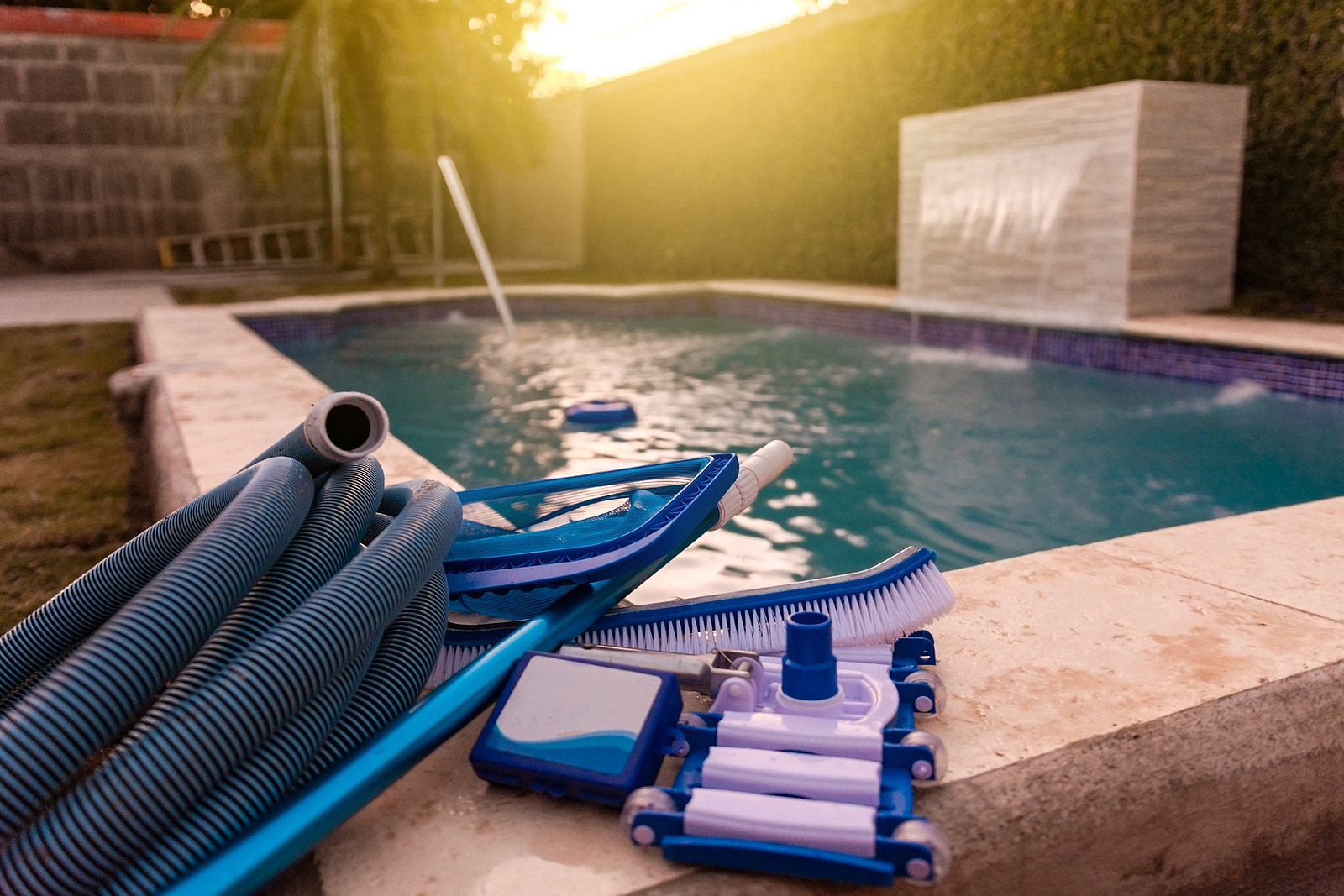
Nicole Shein at BobVila.com lists the bare minimum when it comes to pool maintenance tasks:

  • Cleaning out debris, such as hair, garden litter, bugs, etc. This is known as “skimming” the pool.
  • Clean out the pool’s strainer basket. This task helps “… protect the pump from any damaging materials settling in the pool and its plumbing,” claim the experts at Evoqua Water Technologies.
  • Scrub down the pool’s floor and walls to help prevent algae buildup.
  • Vacuum the pool. The pool filter doesn’t catch everything, unfortunately.
  • Refill the pool if needed.
  • Test the water to determine if it needs additional chemicals.

“It’s a good idea to skim, check the baskets, and make sure the filter is functioning as it should on a daily basis,” Shein suggests.

“Vacuuming and tending to the pool water’s chemical makeup is usually a weekly chore,” she concludes.

Then, there is the cost of the equipment and the chemicals you’ll need to purchase to do it yourself.

You can always hire a professional to maintain the pool. The average monthly cost, nationwide, for this service ranges “… between $110 and $351 per year, with an average cost of $229.” (HomeAdvisor.com)

Take all of this into account when considering a home with a pool.
Maintenance isn’t the only way a pool grabs your cash

Before you sign on the dotted line, contact your homeowner’s insurance agent (you’ve chosen one, right?).

You’ll want to get this insurance nailed down so there are no financial surprises when it comes time to close escrow. But you’ll also want to know how much coverage for the pool will run you.

“… homeowners insurance with a pool is generally priced a bit higher than the typical cost of home insurance,” suggests Christy Bieber, insurance expert for Fool.com.

Shein suggests that some insurers consider an in-ground pool as part of the home, or, it could be classified as an “other structure.”

“Liability” is the name of the insurance game when it comes to swimming pools. Perform your due diligence by having your real estate agent obtain the answers to the questions we suggested above, in the third paragraph.

The most important of these questions is the one about meeting safety requirements. These might include a fence around the pool with a secured gate and/or an alarm.


Does a pool add value to the home?

Good for you to consider a home’s future value before buying it.

When determining whether or not a pool adds value to a home, consider the climate in the region. For Minneapolis or Fargo residents, for instance, a pool isn’t as high on the list of wanted amenities as it is for a buyer in Las Vegas or Phoenix, where it’s likely the pool will get used year-round.

“But if you live in a typical community where some houses have pools but most do not, having a pool built will probably not have any impact on the value of your home,” Robert Taylor, a real estate investor in Sacramento, California, tells Bankrate.com.

If you have additional questions, please let us know. Advice is always free and helping you find the right house for you and your budget is always our goal.