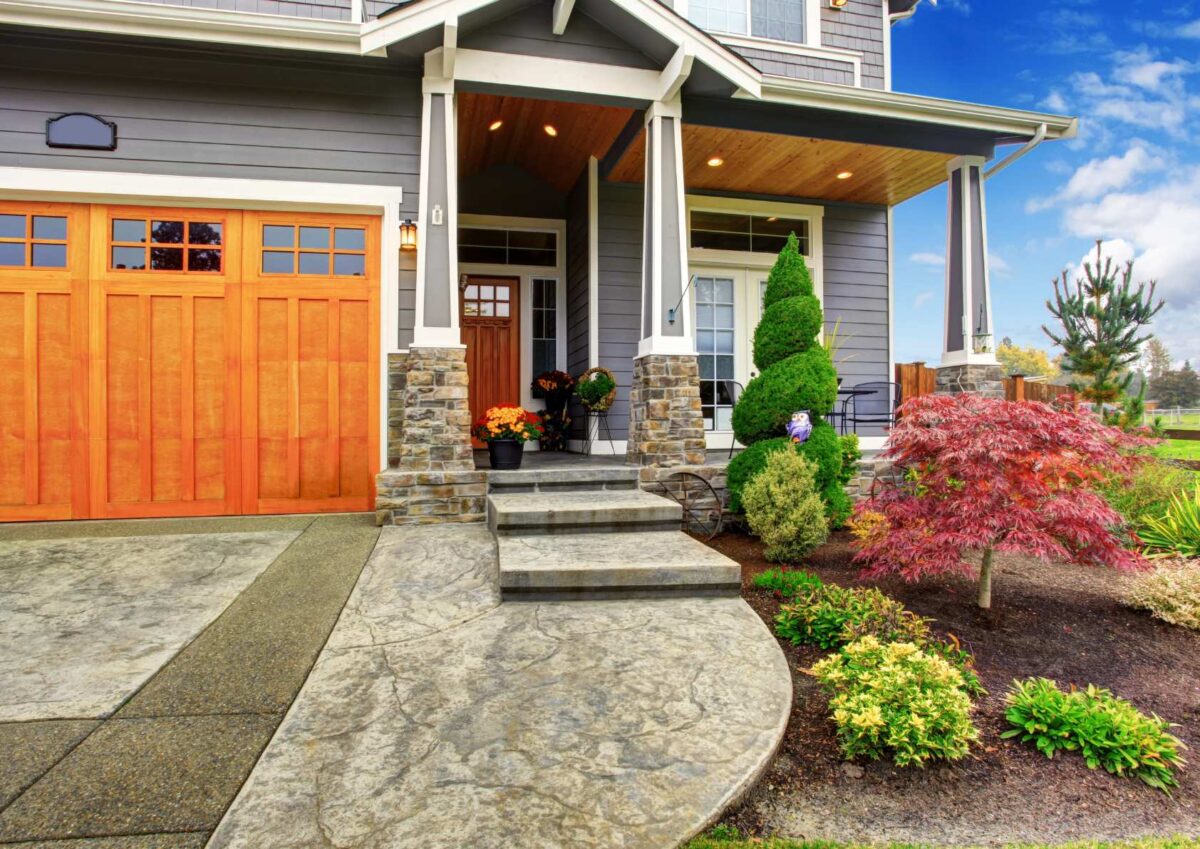
Minimalist Design in Real Estate: Does Less Sell for More?

In today’s visually saturated world, clean lines, neutral tones, and uncluttered spaces are more than just design preferences—they’re powerful selling tools. Minimalist design in real estate is gaining traction, and it’s not just about aesthetics. It’s about how simplicity can impact buyer perception, market value, and time on the market. This blog explores why “less” might actually sell for more and how embracing minimalist design can be a strategic move for sellers, agents, and investors alike.

What Is Minimalist Design in Real Estate?

Minimalist design in real estate refers to a strategic approach to staging and decorating homes using clean, simple elements that highlight space and functionality. Think neutral colors, sleek furnishings, and an intentional lack of clutter. By showcasing the bones of the home—open floor plans, natural light, architectural details—this design style allows buyers to envision their own life in the space.

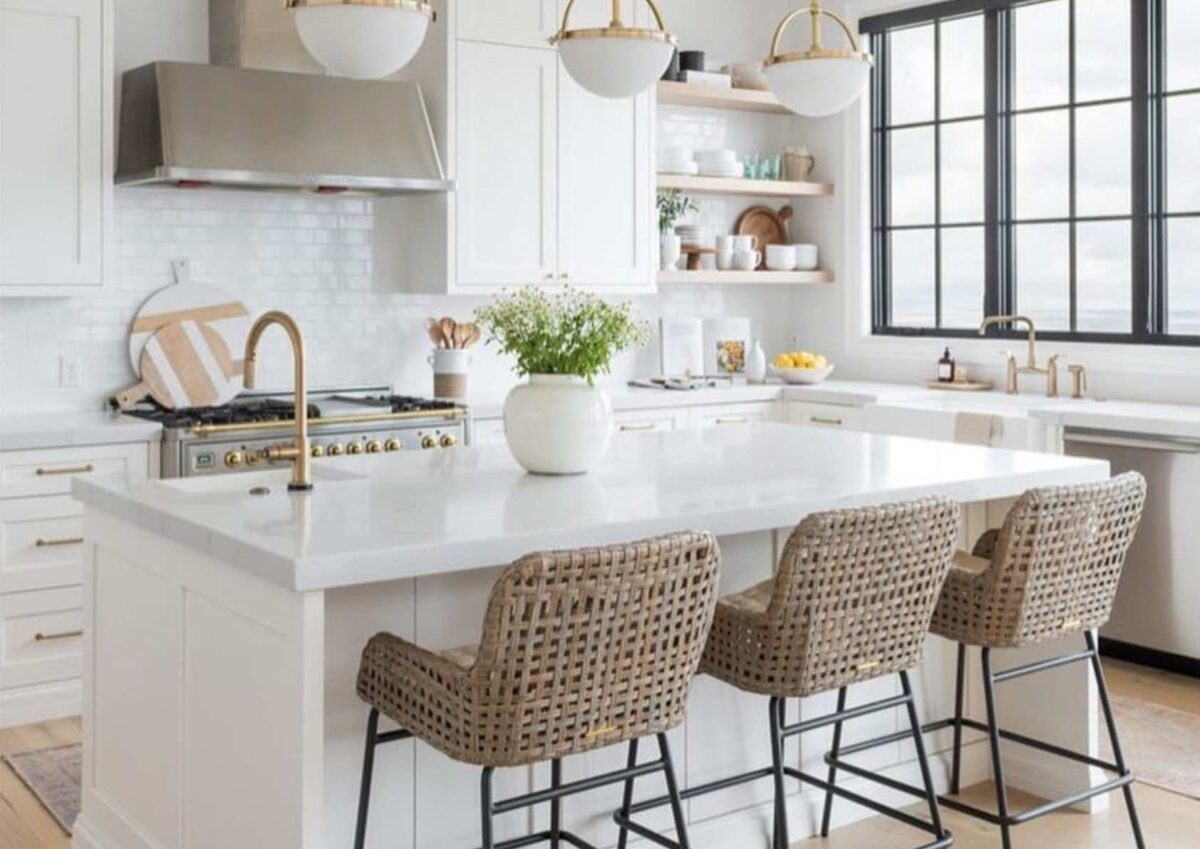
Minimalist living room design.

Simplicity is powerful. In an era where homebuyers are overwhelmed by digital listings, minimalism cuts through the noise. It creates a calming environment that stands out against cluttered, overly personalized homes. This clean presentation also photographs well, which is essential for today’s online-first real estate browsing experience.

The Psychology Behind Minimalist Staging

Minimalism doesn’t just look good—it feels good. Neutral tones and open layouts appeal to our desire for peace and clarity, especially in a fast-paced world. Studies have shown that potential buyers feel more relaxed and focused in minimally staged homes, which can lead to stronger emotional connections—and ultimately, offers.

Minimalist design in real estate can help reduce distractions, allowing buyers to focus on key selling points like layout, natural light, and quality finishes. When buyers aren’t distracted by decor, they spend more time mentally placing their own furniture, imagining daily routines, and picturing themselves living there.

Does Less Really Sell for More?

While minimalist homes don’t come with a universal price bump, there’s growing evidence that they sell faster and closer to asking price. According to real estate staging reports, homes staged with neutral tones and minimal decor tend to sell quicker than non-staged or overly personalized homes. Faster sales reduce holding costs and can lead to stronger negotiation positions.
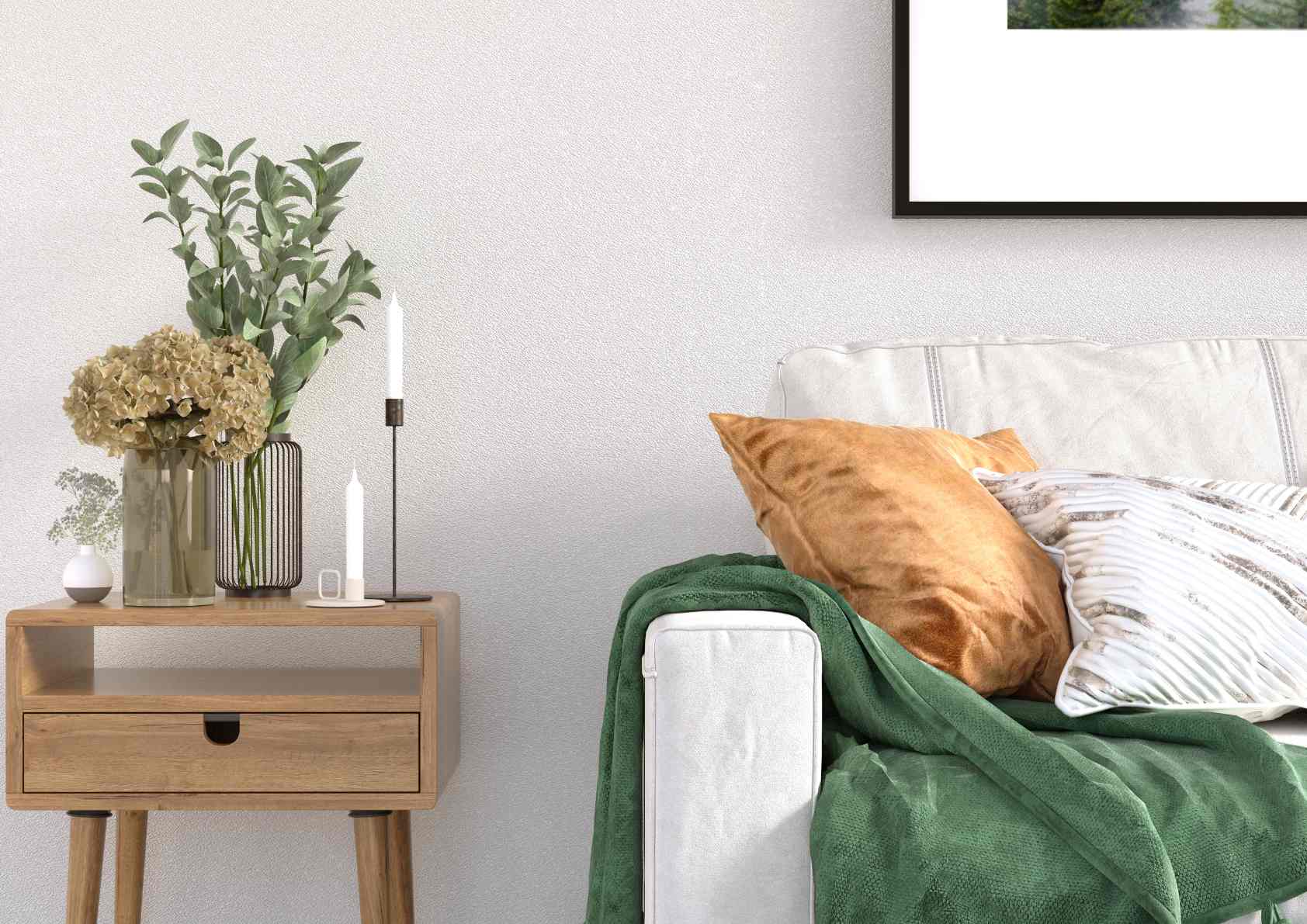
Minimalist home design.

Minimalist design in real estate also broadens the buyer pool. Homes that appeal to a wider range of styles and tastes are more likely to receive competitive offers. A blank-slate approach makes it easier for buyers to mentally project their lifestyle into the space—making them more likely to commit.

How to Achieve the Look Without Going Cold

While minimalism can make a home more marketable, it shouldn’t feel cold or sterile. The goal is to strike a balance between simplicity and warmth. Here’s how:

  • Use soft, neutral color palettes like beige, soft gray, and white to create an inviting yet clean canvas.

  • Incorporate natural elements like wood, stone, or indoor plants to add texture and life.

  • Focus on quality over quantity—a few well-placed pieces of furniture or art go a long way.

  • Declutter and depersonalize by removing excess furniture, family photos, and bold art.

Even small updates—such as painting the walls a neutral shade or rearranging furniture for improved flow—can significantly align your property with the minimalist trend and increase its appeal.

Final Thoughts: Is Minimalism the New Luxury?

Minimalist design in real estate isn’t just a fad—it reflects broader cultural trends toward intentional living and mental clarity. While it may not be the perfect fit for every market or property, it’s proving to be a smart strategy in a competitive landscape. Whether you’re selling a modern condo or a suburban home, embracing simplicity may help you stand out—and sell faster.

Should I Buy or Sell This Summer? Questions to Help You Decide

Introduction

As summer heats up, so does the real estate market and if you’ve been wondering, “Should I buy or sell this summer?”, you’re not alone. This seasonal shift often brings new opportunities and challenges for both buyers and sellers. In this blog, we’ll help you assess your readiness by walking through key questions designed to clarify your financial position, personal goals, and current market dynamics. Whether you’re leaning toward a purchase or considering listing your home, you’ll walk away with more clarity and confidence.

What’s Your Motivation to Move?

Understanding why you’re considering a move is crucial. Is your family growing? Are you changing jobs? Have you built enough equity and want to cash out? Or maybe you’re looking for a lifestyle change, downsizing, upsizing, or relocating.

Moving organization.

If you’re asking, “Should I buy or sell this summer?” consider whether your motivation stems from necessity or curiosity. Urgency may suggest it’s time to act, while a flexible timeline could mean waiting for the right opportunity makes more sense. Buyers might want to look for deals before fall inventory shifts, while sellers could benefit from peak demand in late summer.

Can You Afford to Make a Move?

Finances often make or break a real estate decision. If you’re buying, have you spoken to a lender or gotten pre-approved? Understanding your purchasing power is key to making realistic plans. If you’re selling, do you know how much equity you have in your current home and what your net proceeds could look like?

Remember to factor in closing costs, moving expenses, potential repairs, and your financial buffer post-transaction. With fluctuating interest rates and inflation still affecting budgets, now’s the time to get crystal clear on your numbers.

What Does the Local Market Look Like?

Real estate is hyper-local, so general trends may not reflect your neighborhood’s conditions. Are homes selling quickly in your area? Are prices climbing, holding steady, or softening?

Local real estate market. Ready for a summer move?

For buyers, a competitive market may mean adjusting expectations or acting fast. For sellers, strong demand could result in multiple offers or favorable terms. Ask a local real estate expert to help you evaluate recent comps and seasonal trends. If you’ve been asking, “Should I buy or sell this summer?” this is where local insight becomes invaluable.

Are You Emotionally Ready?

Buying or selling a home is about more than numbers. It’s a major life event, and emotional readiness plays a big role. Are you prepared for the ups and downs of negotiations, inspections, and deadlines? Are you ready to say goodbye to your current home or take on the responsibilities of a new one?

If you’re not fully committed, it might be better to wait. But if you feel excited, prepared, and well-supported by a trusted agent, summer could be the perfect time to take action.

What’s Your Plan B?

Even in a hot market, things don’t always go as expected. Buyers might face competition or financing hurdles. Sellers might not get their ideal offer. Do you have a backup plan if your timeline stretches out? Can you rent if buying takes longer? Can you adjust your sale price if needed?

By anticipating a few “what ifs,” you’ll make more grounded decisions and reduce stress. It’s one more layer of confidence in answering that key question: “Should I buy or sell this summer?”

Conclusion

There’s no one-size-fits-all answer to the question, “Should I buy or sell this summer?” The right time is when your finances, motivation, emotional state, and market knowledge align. This summer could be full of potential—but only if it’s the right fit for you. Use these self-assessment questions to guide your next step, and don’t hesitate to reach out to a professional for personalized guidance.

Summer Staging Secrets to Make Buyers Fall in Love

When it comes to selling your home during the sunny months, setting the right seasonal tone is essential. That’s where summer staging secrets to make buyers fall in love come into play. Buyers are naturally drawn to homes that feel bright, breezy, and full of life, just like the season itself. If you’re thinking of selling, now’s the perfect time to freshen up your space with a few strategic touches. In this blog, we’ll explore the top ways to create a welcoming summer vibe that inspires emotional connection and boosts your chances of a quicker, more profitable sale.

Embrace the Power of Flowers

One of the easiest summer staging secrets to make buyers fall in love is incorporating flowers into your home’s design. Fresh-cut blooms on the kitchen counter or dining table can add an instant pop of color and elegance. Consider placing vibrant arrangements like sunflowers, peonies, or hydrangeas in key living areas. Don’t overlook the exterior—hanging baskets, window boxes, and potted plants on the porch create a warm and inviting first impression.

Home staging. Summer floral arrangement.

For those looking to keep maintenance simple, faux flowers or well-kept greenery can still evoke that same cheerful vibe. The goal is to signal that the home is full of life, care, and joy, key qualities that resonate with summer buyers.

Let the Sunshine In

Natural light is a buyer’s best friend, especially during summer. Pull back heavy drapes and opt for sheer curtains that filter light without blocking it. Clean windows thoroughly to let in as much light as possible and to highlight your home’s connection with the outdoors.

Also, make sure your interior paint and décor reflect a light, airy palette. Soft neutrals, pale blues, and greens can enhance that fresh summer feel. Light-colored bedding, throw pillows, and area rugs can go a long way in tying the theme together without requiring a full renovation.

Add Seasonal Scents

Smell has a powerful impact on mood and memory, two crucial elements in helping buyers picture themselves in a space. Light, summery scents like citrus, lavender, or sea breeze are ideal for staging. You can introduce these through candles, essential oil diffusers, or even freshly cut lemons in a bowl on the counter.

Avoid overpowering or artificial fragrances; the key is subtlety. A lightly scented home adds to the sensory experience, making potential buyers feel comfortable and relaxed as they tour the space. It’s one of the more underestimated summer staging secrets to make buyers fall in love.

Style Outdoor Spaces for Living

Outdoor living. Summer home staging.

Summer is the season of outdoor enjoyment, so make sure your patio, deck, or balcony is dressed to impress. Even small spaces can feel like added square footage when staged correctly. Set up a bistro table with fresh linens, place a pitcher of lemonade nearby, or add a cozy throw over an outdoor chair.

Add string lights or lanterns for a bit of evening ambiance and stage with colorful cushions or outdoor rugs. Buyers will be able to imagine themselves hosting BBQs, enjoying quiet mornings with coffee, or spending time under the stars all of which increase the emotional appeal of your home.

Keep It Cool and Clutter-Free

Clutter and excess decor can make a home feel smaller and stifling, exactly what summer buyers want to avoid. Swap out heavy, wintery items like thick throws or dark-toned decor for minimalist, breathable alternatives.

Keep the thermostat at a comfortable temperature, especially during showings. If your home feels too warm or stuffy, buyers may be distracted or rush through their tour. A cool, decluttered space will feel more inviting and allow potential buyers to linger longer, boosting the chances they’ll fall in love with your home.

Creating the perfect seasonal ambiance is one of the most effective strategies when selling your home in the warmer months. By using these summer staging secrets to make buyers fall in love, you’ll be setting the stage for a successful and satisfying sale. Remember: a home that feels like summer is a home that sells.

How Interest Rates Impact Your Buying Power in 2025

Introduction

If you’ve been keeping an eye on the housing market, you’ve probably noticed that mortgage rates have been making headlines again. Understanding how interest rates impact your buying power in 2025 is more than just market gossip; it’s key to knowing how far your dollar will stretch in today’s real estate climate. Whether you’re a first-time buyer or a seasoned investor, this post will break down how interest rates affect what you can afford, how they influence your monthly payments, and what to expect this year.

Why Interest Rates Matter to Homebuyers

When mortgage interest rates rise or fall, they directly impact the total cost of your loan. In 2025, buyers are navigating a market that’s still responding to inflation measures and economic shifts from previous years. Even a half-point change in interest rates can mean a significant difference in your monthly mortgage payment and long-term cost. This makes understanding how interest rates impact your buying power in 2025 essential if you’re planning to make a move.

For example, if you qualify for a $400,000 mortgage at a 6% interest rate, your monthly principal and interest payment is about $2,398. However, if rates increase to 7%, that loan would cost roughly $2,661 per month, a difference of over $250 or $90,000 over 30 years. That’s a major shift in affordability, especially when budgeting for property taxes, insurance, and maintenance.

The Federal Reserve’s Role in 2025 Rates

The Federal Reserve doesn’t directly set mortgage rates, but its policies heavily influence them. In 2025, the Fed’s ongoing efforts to balance inflation and economic growth are keeping rates in flux. As inflation cools, the Fed may slow down rate hikes or even begin to lower them, increasing buyer affordability and potentially reheating the market.

When the Fed signals a change in monetary policy, lenders adjust their rates in anticipation. So, staying informed about Fed meetings and economic reports can give you an edge when timing your home purchase. It’s another reason why staying current on how interest rates impact your buying power in 2025 is so important.

Buying Power Explained

Buying power refers to how much home you can afford to purchase based on your income, down payment, credit score, and mortgage interest rate. Even if your income remains steady, rising interest rates reduce your buying power. This means you might need to consider less expensive properties or increase your down payment to keep your monthly payment within budget.

In 2025, home prices are stabilizing in many markets, but higher interest rates can still shrink your loan approval amount. Let’s say you’re approved for a $2,500 monthly mortgage payment. If rates are at 6%, you might afford a $415,000 home. At 7%, that drops closer to $385,000. Knowing how interest rates impact your buying power in 2025 helps set realistic expectations and plan ahead.

Strategies to Maximize Affordability in 2025

Despite higher rates, you can take steps to increase your buying power this year:

  • Improve Your Credit Score: Better credit often means lower interest rates. For the best rates, aim for a score of 740 or above.

  • Increase Your Down Payment: A larger down payment reduces the amount you borrow, which can help you qualify for a better rate and smaller monthly payment.

  • Shop Multiple Lenders: Rates can vary widely between lenders. Get pre-approved with at least three to compare offers.

  • Consider an Adjustable-Rate Mortgage (ARM): If you plan to move or refinance within a few years, an ARM may offer a lower initial rate.

  • Negotiate with Sellers: In a balanced market, some sellers may offer to buy down your rate as an incentive.

Understanding how interest rates impact your buying power in 2025 equips you with tools to navigate today’s market with confidence.

Conclusion

Interest rates are more than just numbers; they shape your real estate journey. Whether you’re looking to buy your first home or invest in a rental property, knowing how interest rates impact your buying power in 2025 puts you in a stronger position to make informed decisions. As the market continues to shift, staying informed is the best way to make your next move count.

Easy Summer Updates to Refresh Your Space Without Renovating

When the warm weather rolls in, it’s natural to crave change, including your living space. If your home is feeling a bit stale, there’s good news: you don’t have to break down walls or take on a pricey remodel to boost your surroundings. You can embrace the season with a few simple tweaks and enjoy a new look. In this blog post, we’ll explore easy summer updates to refresh your space without renovating. From swapping out textiles to revamping outdoor areas, these ideas are perfect for real estate lovers, renters, and homeowners alike.

Whether you’re preparing to sell, just moved into a new home, or simply want to love where you live a little more, these quick, affordable changes will breathe new life into your space. Let’s dive in!

Lighten Up with Seasonal Textiles

Switching out textiles is one of the easiest and most affordable ways to refresh your space without renovating. Think breathable, natural fabrics like cotton and linen in light colors or playful patterns. Replace heavy curtains with gauzy drapes that let in more sunlight, and trade dark throw pillows and blankets for pastel or citrus-hued options.

Summer home design.

Even a small change, like a new set of kitchen towels or a breezy summer tablecloth, can instantly elevate the vibe. These lightweight fabrics not only look fresh but also help your home feel cooler and more comfortable in the summer months.

Create an Indoor-Outdoor Connection

During the summer, many of us are eager to blur the line between indoor comfort and outdoor enjoyment. To refresh your space without renovating, consider how you can better connect these two zones. French doors and major patio remodels aren’t required—sometimes it’s as simple as placing a cozy chair near a window or setting up a welcoming seating area just outside your back door.

Add string lights, potted plants, or an outdoor rug to your patio or balcony to make it an inviting extension of your interior space. Inside, incorporate nature-inspired accents like rattan, bamboo, or driftwood décor for a seamless seasonal transition.

Play with Paint and Peel-and-Stick Accents

Nothing says summer like a splash of color. While full-scale repainting might be off the table, small paint projects can go a long way. Try painting a single wall in a bold seasonal hue, or give furniture like a dresser, nightstand, or bookshelf a colorful makeover.

For an even simpler option, explore peel-and-stick wallpaper, decals, or tile. These renter-friendly choices let you add pattern and personality to your space without any commitment. Whether it’s a floral print in your powder room or a geometric backsplash in your kitchen, this is a fun and low-risk way to refresh your space without renovating.

Swap Out Artwork and Accessories

You don’t need a new layout or expensive upgrades to give your rooms a fresh perspective. Changing your artwork and accessories is a quick and stylish way to embrace the season. Consider rotating in beach prints, botanical illustrations, or abstract art in bright colors.

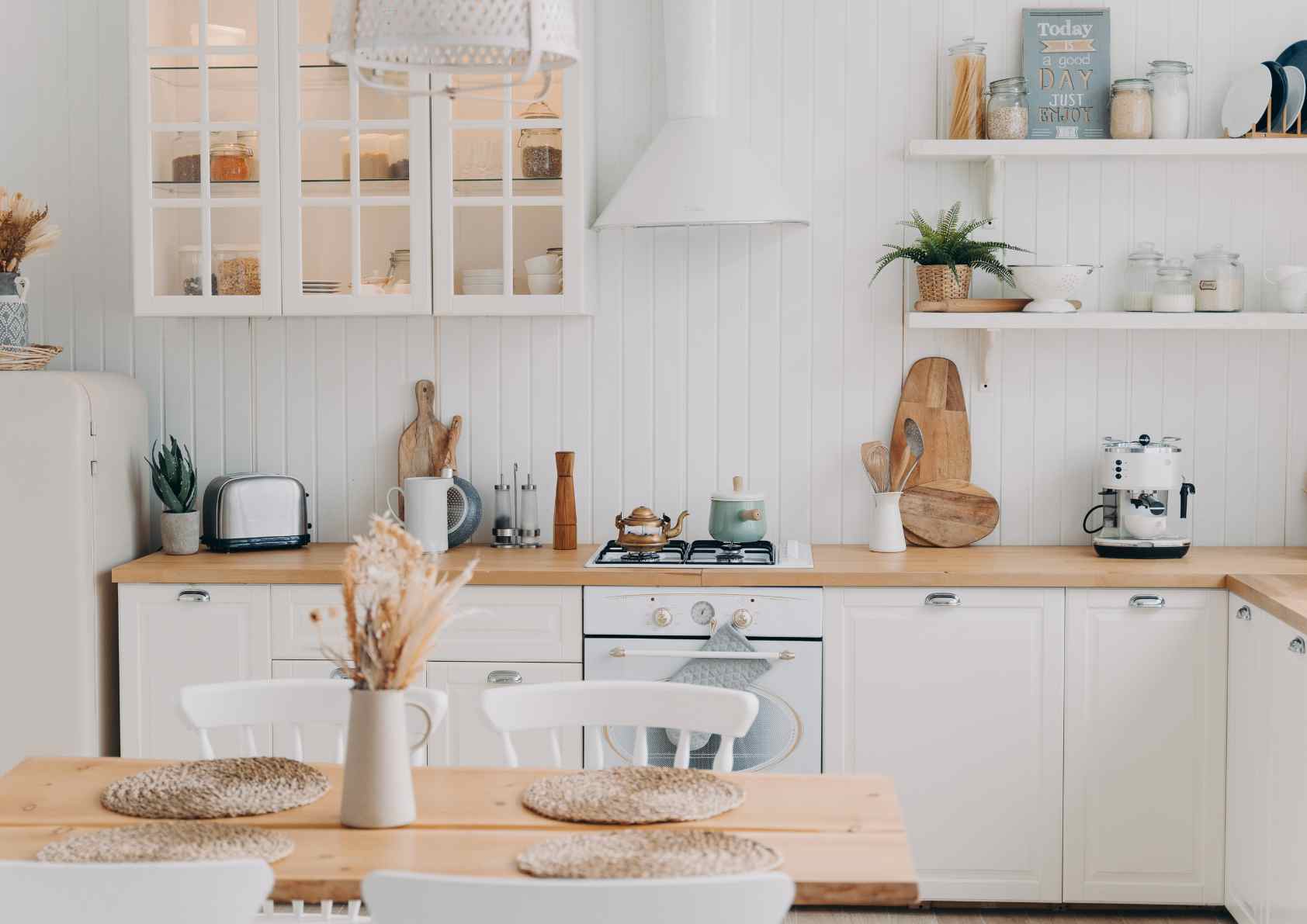
Summer home kitchen design.

Accessories like vases, trays, and lampshades can also be swapped out for summer-friendly versions. Think glass, ceramic, and natural wood finishes that reflect the season’s breezy, relaxed vibe. These small swaps help refresh your space without renovating and allow you to showcase your personality in a whole new way.

Green It Up with Plants and Florals

Summer is a time of growth—so bring a little of that energy indoors! Adding greenery is one of the most effective and inexpensive ways to transform your home. Whether it’s a statement fiddle leaf fig or a collection of succulents, plants breathe life into any room.

Fresh flowers, even a small bouquet from the grocery store, can instantly uplift your space. Display them in a sunny spot for that extra dose of summer cheer. These nature-inspired touches not only beautify your space but also improve indoor air quality, all without needing a single tool or renovation plan.

Conclusion

Refreshing your home doesn’t have to mean a major overhaul. With a few simple, intentional updates, you can embrace the season and make your space feel brand new. Whether you’re looking to impress potential buyers or just want to enjoy your surroundings more, these easy summer updates to refresh your space without renovating offer high impact with minimal effort. Try one—or try them all—and let your home shine this summer.

Smart Home Essentials for Modern Living: Top Tech Upgrades for Today’s Homebuyers

Introduction: Why Smart Homes Are Leading the Way

As technology becomes more integrated into our daily lives, it’s no surprise that smart home features are now at the top of many buyers’ wish lists. Whether you’re a homeowner, seller, or real estate enthusiast, understanding the smart home essentials for modern living can help you stay ahead of market trends. In this post, we’ll explore the must-have tech upgrades that boost convenience, enhance home security, and improve energy efficiency—three areas where smart homes truly shine.

Convenience at Your Fingertips: Home Automation

One of the most significant advantages of smart homes is how they streamline everyday tasks. Home automation tools such as voice-activated assistants (like Amazon Alexa or Google Home), smart lighting systems, and connected appliances allow homeowners to control their environments with a tap or voice command.

Flat design style modern vector illustration concept of smart house technology system with centralized control of lighting heating ventilation and air conditioning security locks and video surveillance energy savings and efficiency. Isolated on white back
 

Smart thermostats like the Nest Learning Thermostat or Ecobee let you control the temperature from anywhere. They also learn your habits and adjust settings automatically. These innovations are not just trendy—they’re a real draw for modern buyers who want seamless, tech-forward living.

Pro Tip: When showing or marketing a home, highlight how these smart systems create an easier, more connected lifestyle. It’s one of the top smart home essentials for modern living that makes a real difference.

Safety First: Must-Have Smart Security Features

f, and smart tech has revolutionized how we protect our spaces. From video doorbells like Ring and Eufy to entire security systems that include motion sensors, window alerts, and mobile notifications, buyers love knowing they can monitor their home from anywhere.

Smart locks are another key upgrade. These allow remote access, temporary codes for guests or service professionals, and real-time entry tracking. Paired with outdoor cameras and floodlights, they provide peace of mind and a high-tech edge to any home.

Tip for Sellers: Highlighting these features in your listing descriptions or showings can increase perceived value and attract security-conscious buyers who prioritize smart home essentials for modern living.

Save More with Smart Energy Solutions

With rising utility costs and growing eco-consciousness, energy efficiency is a big selling point. Smart home tech can significantly reduce consumption without sacrificing comfort.

Smart lighting systems let you program or control lights remotely, helping to eliminate wasted electricity. Plugs and power strips with built-in timers or voice control features are easy upgrades that can make a big impact.

Sustainability and Smart Growth
 

Solar panel monitoring systems, smart irrigation controllers, and energy monitoring apps also give homeowners real-time insights into their usage, empowering them to make better decisions.

Homes equipped with these energy-saving tools not only lower monthly bills but also appeal to buyers looking for sustainable living options—key smart home essentials for modern living that align with current real estate trends.

What This Means for Real Estate Buyers & Sellers

These features offer buyers comfort, savings, and peace of mind. For sellers, investing in smart upgrades can mean faster sales and higher offers. Homes with integrated smart systems often stand out in competitive markets, making them more desirable to tech-savvy, energy-conscious buyers.

As more people seek homes that reflect modern lifestyles, showcasing these upgrades is no longer optional—it’s essential.

Conclusion: Making Smart Moves in Real Estate

Whether you’re house-hunting or preparing to list your property, understanding and embracing smart home essentials for modern living can give you an edge. From energy savings and improved convenience to top-tier security, these tech upgrades are reshaping how we think about homeownership.

Ready to make your home smarter? Start with one upgrade at a time and watch how your lifestyle and home’s market appeal transform.

Turn a Fixer-Upper into a Goldmine: Spring Tips for First-Time Investors

Thinking about diving into real estate for the first time? Spring is the perfect season to explore the world of fixer-upper investment in spring opportunities. The weather is favorable, the market gains momentum, and more properties become available, many of which are in need of some TLC. For first-time investors, a fixer-upper can be a hidden gem, offering the potential for impressive returns with the right upgrades. In this post, you’ll discover key springtime strategies to help you identify, renovate, and profit from your first real estate investment.

Do Your Homework Before You Hammer

Before you jump into any fixer-upper investment in spring, research is your best friend. Begin by analyzing local market trends. Look for neighborhoods with increasing home values, new infrastructure, or a growing demand for rentals. These indicators suggest a higher likelihood that your fixer-upper will gain value after renovations.

fixer upper

Also, know the difference between cosmetic and structural issues. Replacing outdated flooring or repainting walls is affordable and makes a big impact. On the other hand, major foundation repairs or roof replacements could bust your budget. A professional home inspection is essential to get a clear understanding of what you’re getting into before making an offer.

Maximize Spring’s Advantages

Spring brings longer days, better weather, and an energized real estate market—all advantages for first-time investors. Contractors tend to have more availability early in the season, and outdoor projects like landscaping or exterior painting are easier to complete. Additionally, properties that were sitting on the market over winter might be ready for price reductions, giving you room to negotiate.

Take advantage of this by scheduling walkthroughs in the morning or early afternoon to see properties in natural light. Make sure your project timeline aligns with spring’s momentum, so your fixer-upper can be ready to list or rent by summer, when competition and buyer interest peak.

Budget Smart and Plan for the Unexpected

Creating a detailed budget is critical when it comes to a fixer-upper investment in spring projects. Include estimates for materials, labor, permits, and potential surprises (which almost always arise). Many seasoned investors recommend setting aside an additional 10–20% of your total renovation budget as a contingency fund.

planning real estate investment

Also, don’t forget the soft costs: utilities, insurance, holding costs, and marketing expenses once your project is complete. By thinking through these details, you avoid common pitfalls that catch many first-time investors off guard. Smart financial planning is what turns a fixer-upper from a money pit into a goldmine.

Focus on High-ROI Improvements

To get the most bang for your buck, prioritize renovations that offer the best return on investment. Kitchens and bathrooms typically lead the pack. A minor kitchen update, like new cabinets, updated countertops, or energy-efficient appliances, can significantly boost your resale value. Bathroom upgrades, including fresh tile and modern fixtures, offer similar ROI.

Curb appeal also matters. Invest in simple landscaping, fresh paint, and an inviting front door. These changes may seem small, but they create a strong first impression and can elevate your property’s marketability, especially in spring when buyers are eager to tour homes.

Leverage Real Estate Professionals

You don’t have to go it alone. Partnering with a trusted real estate agent, contractor, or property manager can make your first fixer-upper investment in spring experience smoother and more successful. An experienced agent can help you find undervalued properties, a reliable contractor will keep renovations on track, and a property manager can assist with leasing or managing tenants if you decide to rent.

Don’t be afraid to ask questions or seek second opinions. Learning from the pros not only helps you avoid rookie mistakes but also sets the foundation for future investment success.

Conclusion

A fixer-upper investment in spring can be a smart and rewarding entry into the world of real estate. By doing thorough research, budgeting wisely, capitalizing on the season, and surrounding yourself with the right team, you can turn even the roughest property into a profitable venture. Ready to roll up your sleeves and find your diamond in the rough? Spring’s the season to make your real estate goals a reality.

Spring Cleaning Goes Green: Non-Toxic Products & DIY Hacks for a Healthier Home

As the flowers bloom and the days get longer, spring offers the perfect excuse to refresh and reset your space. But this year, more homeowners and renters are ditching harsh chemicals in favor of non-toxic cleaning products, and for good reason. These safer alternatives are better for your health, your home, and the environment. In this post, we’ll dive into why going green with your cleaning routine is a growing real estate trend, the best non-toxic products on the market, and how you can make your own powerful cleaners with simple DIY hacks.

Why Non-Toxic Cleaning Is More Than a Trend

In recent years, there’s been a shift in how people view their living spaces. Today’s buyers and renters are more health-conscious, environmentally aware, and eager to adopt sustainable practices. This change is evident in the increasing popularity of non-toxic cleaning products. From protecting indoor air quality to reducing allergic reactions, these solutions align perfectly with the growing emphasis on wellness in real estate.

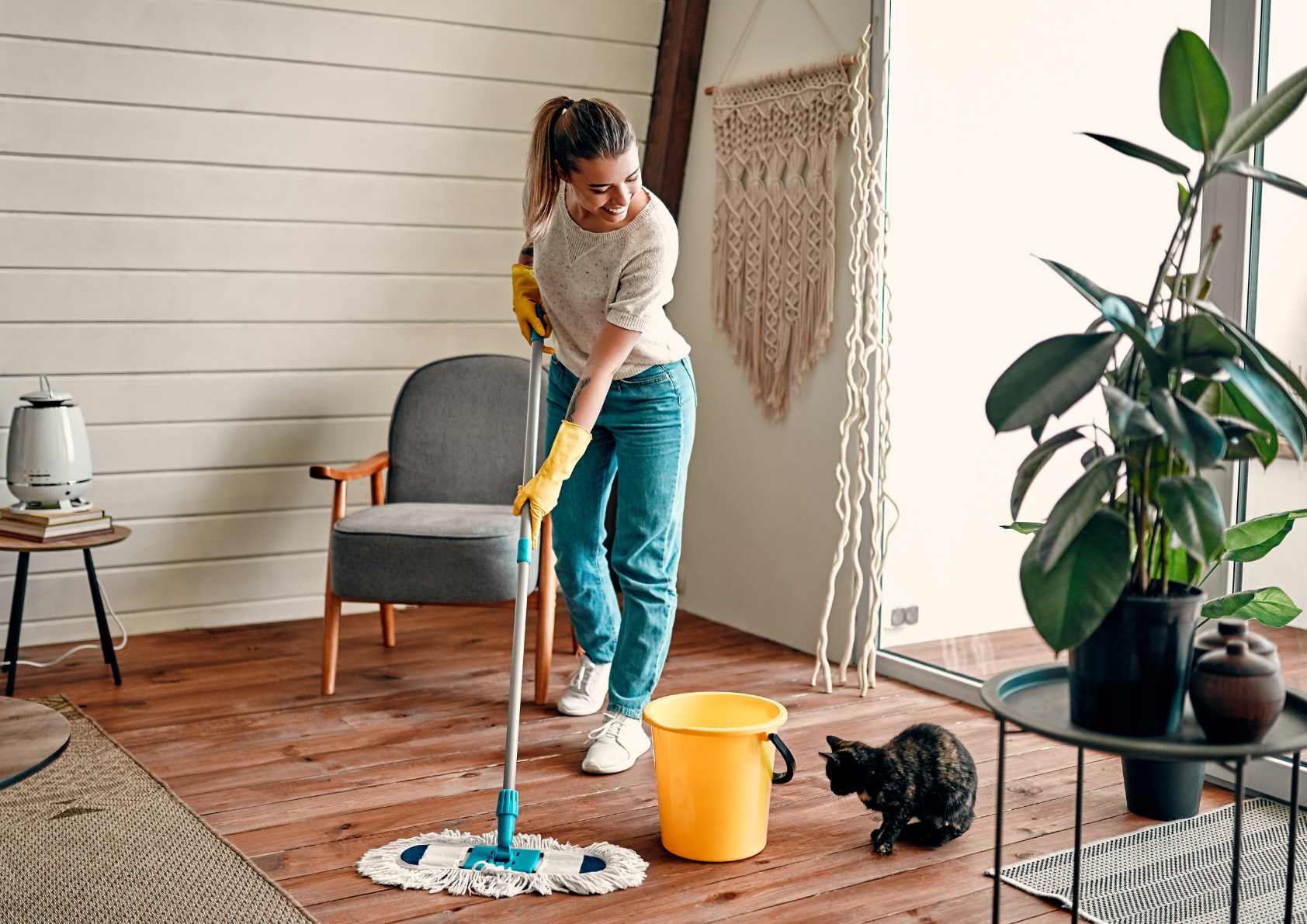
Green cleaning with a non toxic mop solution.

Green cleaning is no longer a niche movement; it’s becoming an expected standard, especially among younger buyers and families with children or pets. Real estate agents are even seeing interest in homes that have been cleaned and maintained using eco-friendly practices, further proving that the demand for safer spaces is here to stay.

Top Non-Toxic Cleaning Products for Every Room

If you’re new to green cleaning, you don’t have to overhaul your whole cabinet at once. Here are some highly-rated non-toxic cleaning products you can find in most grocery stores or online:

  • Branch Basics: A versatile concentrate that can be used on counters, floors, and windows.

  • Seventh Generation Disinfecting Multi-Surface Cleaner: Kills germs with thymol, a natural ingredient derived from thyme.

  • Ecos All-Purpose Cleaner: Made with plant-powered ingredients and certified by the EPA as safer for people and pets.

  • Bon Ami Powder Cleanser: Great for scrubbing sinks and tubs without chlorine or artificial fragrances.

These products perform well and boast biodegradable ingredients, recyclable packaging, and cruelty-free certifications, making them a win-win for your home and the planet.

Easy DIY Green Cleaning Hacks

Want to take your eco-conscious cleaning a step further? You can whip up effective cleaners using ingredients you probably already have in your kitchen. Here are a few go-to DIY hacks that rival store-bought solutions:

  • All-Purpose Spray: Mix 1 cup of distilled white vinegar, 1 cup of water, and 10–15 drops of essential oil (like lemon or tea tree) in a spray bottle. Use it on counters, glass, and most hard surfaces.

  • Carpet Freshener: Combine 1 cup of baking soda with 10 drops of lavender essential oil. Sprinkle over carpets, let sit for 15 minutes, then vacuum.

  • Tub and Tile Scrub: Mix baking soda with a small amount of liquid Castile soap to create a paste. Scrub with a sponge or brush, rinse thoroughly.

  • Microwave Cleaner: Heat a bowl of water with lemon slices for 3 minutes, then wipe the interior clean.

  • Wood Polish: Combine ¼ cup olive oil with ¼ cup vinegar and apply with a soft cloth.

These homemade solutions are not only budget-friendly but also customizable. Best of all, they eliminate exposure to harsh toxins, making them ideal for families looking to reduce chemical use in their homes.

Real Estate Meets Eco-Conscious Living

For those looking to sell, showcasing a home maintained with non-toxic cleaning products can be an unexpected advantage. A clean, fresh-smelling space free from synthetic scents and chemicals is naturally more appealing to potential buyers. In today’s real estate market, green living touches, like composting, solar panels, and eco-friendly maintenance, signal that a home has been well cared for and responsibly managed.

Even if you’re not selling, embracing these practices improves your quality of life and sets a standard for mindful living. As sustainability influences buying and lifestyle decisions, switching to non-toxic cleaning products ensures your home stays aligned with future trends.

The ROI of Outdoor Living: Patio, Pergola, and Landscaping Trends for 2025

Introduction

Outdoor living spaces are more than just a luxury—they’re a smart investment. As homeowners seek ways to enhance property value and create more functional space, outdoor living continues to gain popularity. From sleek patios to stylish pergolas and sustainable landscaping, 2025 is shaping up to be the year of the backyard transformation. In this post, we’ll explore how outdoor upgrades can deliver a strong return on investment (ROI), what design trends are dominating this year, and which features attract today’s homebuyers.

The Growing ROI of Outdoor Living Spaces

Outdoor living improvements have become a major selling point for buyers and a savvy ROI booster for homeowners. According to real estate experts, features like updated patios, outdoor kitchens, and cozy seating areas can yield an ROI of 80% or more. In competitive markets, well-designed outdoor spaces even serve as deal-makers. Buyers are increasingly looking for move-in-ready homes with functional outdoor zones for entertaining, relaxing, and dining.

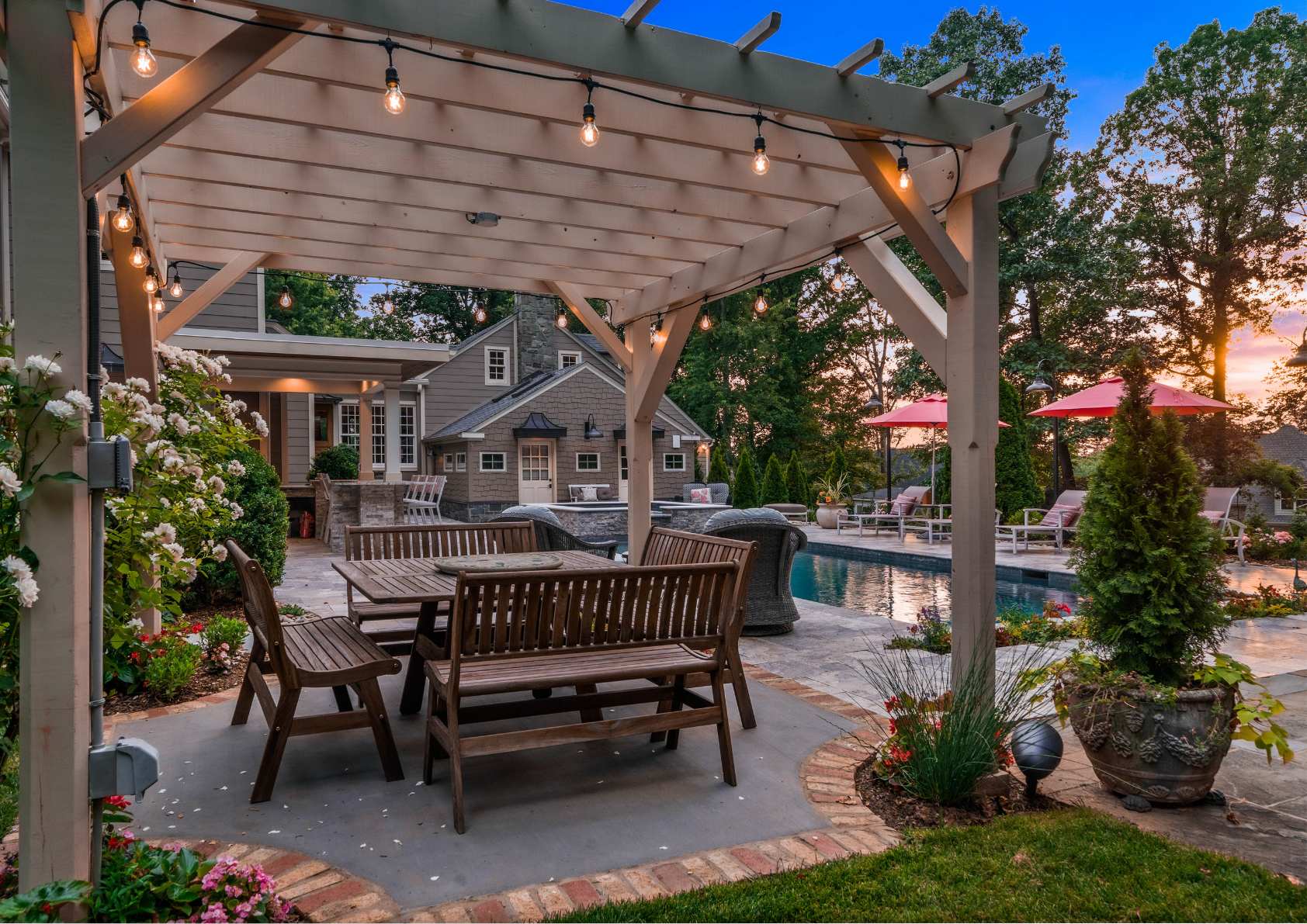
Outdoor Living space

With hybrid work becoming the norm, homeowners are maximizing their yards as extensions of their living areas. Investing in an upgraded outdoor environment not only increases resale value but enhances daily living—making it a win-win for both lifestyle and long-term equity.

Patio Trends That Pay Off

When it comes to patios, versatility and low maintenance are the leading trends in 2025. Stamped concrete and porcelain pavers are gaining popularity thanks to their durability and design appeal. These materials mimic high-end finishes like stone and wood without the upkeep, making them attractive to buyers.

Built-in fire pits, outdoor furniture nooks, and all-weather lighting are also hot features that boost a patio’s appeal. In smaller yards, modular furniture and vertical gardens are creative solutions that add flair without overcrowding. If you’re upgrading your patio to sell your home or simply to enjoy it more, focus on finishes and features that are both stylish and easy to maintain.

Pergolas: Stylish Shade Structures That Add Value

Pergolas have evolved from decorative garden features to must-have elements in modern outdoor living. In 2025, pergolas with built-in lighting, retractable canopies, and even solar panels are dominating the scene. These structures offer shade, architectural interest, and can define separate zones in a larger backyard.

Pergola with seating and a fire pit lit up at night.

Aluminum and composite materials are trending this year due to their sleek look and long-lasting durability. Many homeowners are also integrating technology into their pergolas—think ceiling fans, smart lighting, and Bluetooth speakers. Adding a pergola to your property not only enhances outdoor aesthetics but creates a cozy and functional living area that attracts buyers.

Landscaping Trends for Sustainability and Curb Appeal

Landscaping in 2025 is all about sustainability and year-round beauty. Homeowners are embracing native plants, drought-resistant gardens, and smart irrigation systems to reduce water usage and lower maintenance costs. These green upgrades are not only good for the environment but also highly desirable to eco-conscious buyers.

Raised garden beds, pollinator-friendly plants, and edible gardens are adding both charm and utility to outdoor spaces. Incorporating hardscaping elements like gravel paths, retaining walls, and stone accents can further elevate curb appeal. Landscaping that balances function, beauty, and environmental responsibility is a top ROI driver in today’s real estate market.

Making the Most of Your Outdoor Investment

Whether you’re preparing to sell or just want to enhance your property, strategic outdoor upgrades are a smart move. Focus on creating a cohesive design that blends with your home’s architecture and neighborhood vibe. Simple touches like outdoor rugs, planters, and string lights can tie the space together and increase perceived value.

Remember, potential buyers see outdoor living areas as bonus square footage. By investing in patios, pergolas, and landscaping, you’re not just upgrading your home—you’re creating an experience that today’s buyers are willing to pay for.

Spring 2025 Housing Market Trends: What Buyers and Sellers Need to Know

As the spring 2025 real estate season unfolds, both buyers and sellers are navigating a market marked by evolving dynamics. From shifting mortgage rates to changing buyer preferences, understanding the current trends is crucial for making informed decisions.

Mortgage Rates: A Stabilizing Factor

Current Mortgage rates have been a significant concern for many. Currently, the average 30-year fixed mortgage rate hovers around 6.6%, a slight decrease from the previous year’s highs. This stabilization offers a window of opportunity for buyers previously sidelined by higher rates.

Mortgage rates

However, while rates have dipped, they remain above the historic lows seen in past years. Buyers should be prepared for potential fluctuations and consider locking in rates when favorable.

Inventory Levels: Gradual Improvements

The housing market has experienced tight inventory levels, but there’s a silver lining. An increase in new-home construction is contributing to a gradual rise in available properties. This uptick provides buyers with more options and reduces the intense competition seen in previous seasons.

Sellers, on the other hand, should be mindful of this shift. With more homes entering the market, pricing competitively and ensuring your property stands out is more important than ever.​Home Prices: Steady with Regional Variations

Home prices continue to show resilience, with modest increases observed in many regions. The National Association of Realtors predicts a 2% rise in median home prices for 2025, indicating a stable market.​

However, it’s worth noting that price trends can vary significantly based on location. Urban centers may experience different dynamics compared to suburban or rural areas. Buyers and sellers should consult local market data to make informed decisions.

Buyer Preferences: Evolving Needs and Desires

The pandemic has reshaped what buyers are looking for in a home. There’s a growing demand for properties that accommodate remote work, with features like dedicated office spaces and larger living areas becoming more sought after.​

Young caucasian couple showing keys of their first house after purchase and moving to new home together. happy husband and wife hugging in their apartment excited to be owners of a apartment.
 

Additionally, the trend towards suburban and semi-rural living continues, driven by the desire for more space and a better quality of life. Sellers should highlight these features when marketing their homes to appeal to current buyer preferences.

Tips for Buyers: Navigating the Market

  • Get Pre-Approved: Before starting your home search, secure a mortgage pre-approval. This not only clarifies your budget but also strengthens your position when making an offer.

  • Act Quickly: With inventory levels still recovering, desirable homes can sell fast. Be prepared to make swift decisions when you find the right property.

  • Work with a Local Agent: Partnering with a real estate professional who understands the nuances of your target area can provide valuable insights and guidance.

Tips for Sellers: Maximizing Your Home’s Appeal

  • Enhance Curb Appeal: First impressions matter. Simple improvements like landscaping and fresh paint can make a significant difference.

  • Stage Your Home: Staging helps potential buyers envision themselves in the space, often leading to quicker sales and better offers.

  • Price Strategically: While the market is stable, overpricing can deter buyers. Work with your agent to set a competitive price that reflects current market conditions.

Looking Ahead: A Balanced Market

The spring 2025 housing market presents a balanced landscape for buyers and sellers. With mortgage rates stabilizing, inventory levels improving, and home prices showing steady growth, it’s an opportune time to engage in real estate transactions.

Staying informed and working with experienced professionals will be key to navigating this evolving market successfully.