What Is a Mortgage Rate Buydown And Can It Actually Save You Money?

In today’s housing market, where mortgage rates fluctuate more than ever, many homebuyers are searching for creative ways to make ownership more affordable. One strategy gaining traction is the mortgage rate buydown. But what is it, how does it work, and most importantly, can it really help you save money? Let’s break it down in simple terms so you can decide whether this financing tool is worth considering.

How a Mortgage Rate Buydown Works

A mortgage rate buydown allows a borrower (or sometimes the seller or builder) to pay an upfront fee to temporarily or permanently reduce the interest rate on the loan. The most common structure is a temporary buydown, such as a 2-1 buydown. In this scenario, your interest rate is reduced by 2% in the first year and 1% in the second year, before reverting to the original rate for the remainder of the loan.

concept of saving money for investment in building houses and residences ,appraisal of property value ,Buying or mortgaging a home ,Investment loan approval.

For example, if today’s market rate is 6.5%, a 2-1 buydown would give you:

  • 4.5% in Year 1
  • 5.5% in Year 2
  • 6.5% from Year 3 onward

This can lower your monthly payments by hundreds of dollars in the early years—often when homeowners need the most breathing room after moving expenses and furnishing costs.

Permanent buydowns also exist, where you pay “discount points” (typically 1% of the loan amount per point) to lock in a lower rate for the full term of the loan. According to Freddie Mac, one discount point generally lowers your interest rate by 0.25%, though the exact savings depend on market conditions.

How Much Can You Actually Save?

Savings vary based on loan size and rate drop, but the impact can be significant. According to a 2024 Redfin analysis, buyers who used temporary buydowns saved an average of $2,000 to $3,500 in their first year of ownership. For a $400,000 mortgage, a 2-1 buydown could reduce first-year payments by over $400 per month.

However, there’s a catch: someone has to pay for the buydown upfront. In today’s market, many sellers and builders are offering to fund these incentives to make their listings more appealing, especially as higher mortgage rates cool buyer demand. If the seller covers the cost, there’s little downside for the buyer. But if you’re paying out of pocket, you’ll need to calculate whether the savings outweigh the upfront cost based on how long you plan to stay in the home.
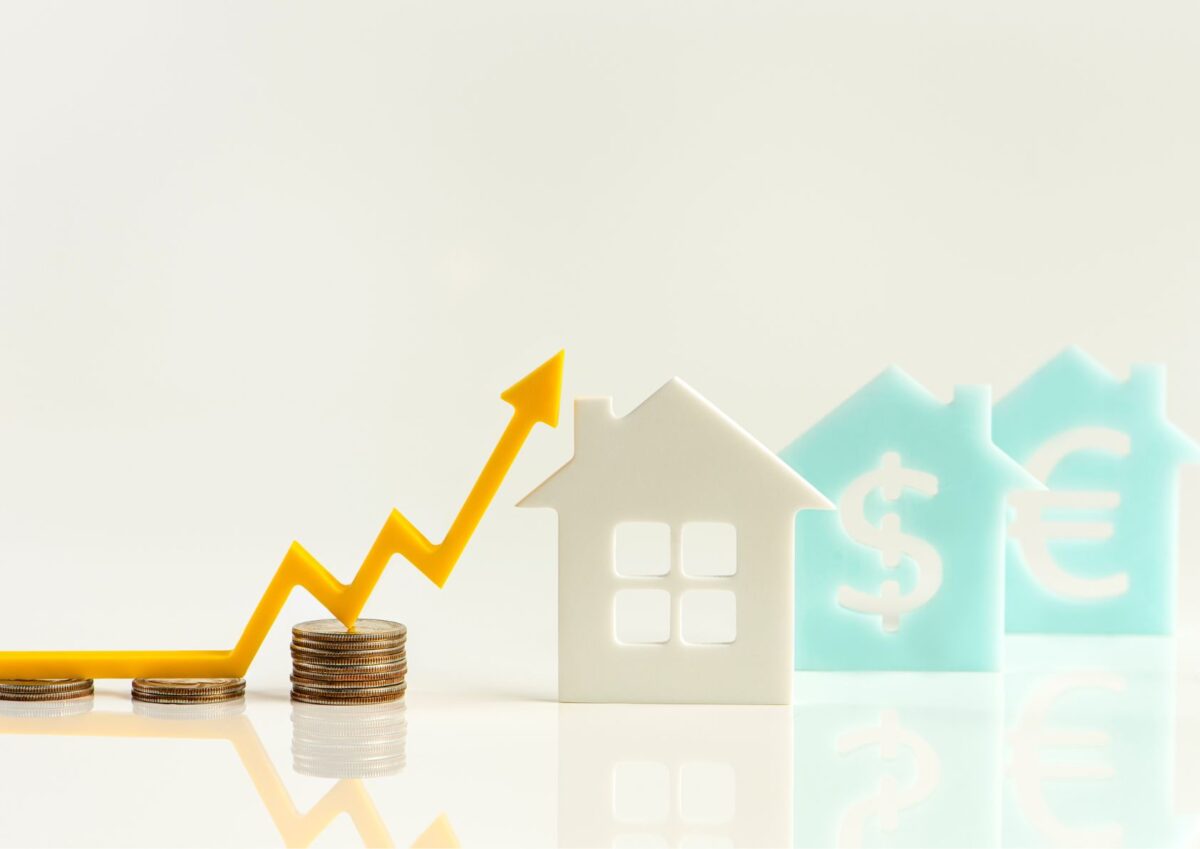
Mortgage rates business concept of investment housing real estate interest rates 3d home appraisal. planning savings money of coins to buy a home concept for property ladder, mortgage, real estate.

Is a Buydown Better Than a Price Reduction?

One interesting trend is that more builders and listing agents are offering a mortgage rate buydown instead of dropping the sale price. Why? Because buyers tend to feel monthly savings more than long-term equity gains. A $10,000 price reduction might only decrease your monthly payment by around $50, while that same $10,000 could dramatically lower payments in the first two years through a buydown.

Financial advisors generally recommend choosing a buydown over a price cut if you plan to refinance or sell within a few years, or if you need lower payments upfront. But for long-term homeowners, a permanent rate reduction or price negotiation may offer better lifetime value.

When a Mortgage Rate Buydown Makes Sense and When It Doesn’t

A buydown can be a smart move if:

  • You expect your income to rise in the next few years
  • You’re stretching your budget to buy a home and need temporary relief
  • The seller or builder is covering the cost

However, it may not be ideal if:

  • You’re planning to stay long-term and pay for the buydown yourself
  • You’re already securing a low rate and don’t need the reduction
  • You’d benefit more from applying that money toward your down payment

A mortgage rate buydown isn’t a magic trick, it’s a financing tool. But when used strategically, it can make homeownership more attainable without sacrificing long-term financial health. As mortgage rates continue to hover above historic lows, exploring options like buydowns can help buyers stay competitive while keeping monthly payments manageable.

Smart Homes & Tech: What Buyers Are Looking For

Introduction

In today’s competitive real estate market, smart homes & tech are no longer optional – they’re expected. As homebuyers become more tech-savvy, the demand for integrated systems and automation is reshaping what qualifies as a “move-in ready” house. In this post, you’ll discover which smart features are commanding attention, how they affect home value, and tips for sellers and buyers to navigate this evolving landscape.

Why Smart Homes & Tech Are Game Changers for Buyers

More than 80% of prospective homebuyers say they are more likely to buy a property if it already includes smart home systems. Meanwhile, surveys show that 77% of millennials are willing to pay extra for homes with smart features. These numbers underscore a simple truth: smart homes & tech can make your listing more competitive and attractive.

smart stove in a kitchen.

From a market-size perspective, the U.S. smart home industry was valued at about $36.38 billion in 2024, with projections indicating exponential growth toward 2034. Real estate professionals note that homes featuring smart systems often fetch a 3-5% value bump over comparable non-automated properties.

But it’s not just about flashy gadgets; buyers today want practical systems that enhance convenience, efficiency, and security.

Key Smart Home Features Buyers Expect

Smart Security & Access Controls

Top of mind for buyers is smart security: video doorbells, biometric smart locks, AI-powered surveillance, and motion-sensing lighting are rising in demand. Harry Norman REALTORS®+2Forbes+2 Security features give buyers peace of mind, especially in today’s tech-first mindset.

Energy Efficiency & Sustainability

Smart thermostats, energy monitoring systems, solar integration, and smart lighting are helping homes reduce utility costs.  For buyers focused on sustainability, these features signal lower long-term operating costs and align with green values.

Sustainability and Smart Growth
 

Seamless Integration & Interoperability

Buyers increasingly want systems that “just work.” The adoption of the Matter standard – a protocol promoting device interoperability – is making it easier to link diverse brands under a unified hub.  Homes that support multiple ecosystems (Apple HomeKit, Google, Amazon, etc.) will appeal to a wider audience.

Wellness & Environmental Monitoring

Air quality monitors, smart water sensors, circadian lighting, and leak detectors are climbing the trend charts. As health and well-being become part of home choices, these features attract buyers who prioritize subtle but meaningful improvements in comfort.

Smart Kitchens & Appliance Automation

From smart refrigerators that track groceries to ovens you control via app, high-tech kitchens are no longer niche. A modern buyer expects more than just upgraded finishes; they expect intelligence baked into everyday appliances.

How Buyers Use Smart Homes in Their Decision Process

When buyers tour homes, they often test the tech, turning lights on/off, adjusting thermostats, and navigating dashboard apps. If systems are clunky, nonintuitive, or siloed, they can detract from the appeal. That’s why usability and consistency matter almost as much as the tech itself.

Because adoption has started to level off, smart home upgrades alone won’t sell a property overnight. But when deployed thoughtfully and marketed well, smart homes & tech can sway buyers who see them as a differentiator rather than a bonus.

smart house, home automation, device with app icons. Man uses his smartphone with smarthome security app to unlock the door of his house.
 

Tips for Sellers & Buyers

  • For sellers: Consider retrofitting with high-impact upgrades like a smart thermostat, smart lock, and video doorbell. Market your home explicitly as a smart home, emphasizing energy savings and convenience.
  • For buyers: Ask for system warranties, check compatibility (Apple, Google, etc.), and test integrations during showings. You’ll want confidence that the tech will hold up long term.
  • For both sides: Don’t oversell the gimmicks. Emphasize reliability, ease of use, and future-proofing (e.g., Matter compatibility, firmware updates).

Final Thoughts

The real estate landscape is rapidly evolving, and smart homes & tech are at the forefront of buyer expectations. While flashy features alone won’t seal the deal, thoughtful, integrated systems can raise perception, smooth daily life, and push your property ahead in a crowded market. For real estate enthusiasts and professionals alike, understanding these trends is no longer optional; it’s essential.

First-Time Homebuyer Guide: What Costs Most People Overlook

Introduction


Navigating the housing market as a newbie can feel like walking through a minefield. That’s why this first-time homebuyer guide is essential for anyone interested in current real estate trends. In this post, you’ll discover hidden expenses many buyers miss, strategies to plan ahead, and how shifting market dynamics in 2025 affect your bottom line. Read on to avoid surprises and buy with confidence.

Hidden Closing Costs That Catch Buyers Off Guard

When you’re budgeting for your first home, the sale price and down payment tend to dominate your attention. But savvy buyers know it’s the closing costs that often sneak up on you. These can range from 2% to 5% of the home’s purchase price, and include things like:

  • Title insurance and title search
  • Escrow or settlement fees
  • Appraisal and home inspection fees
  • Recording and transfer taxes
  • Lender origination fees

Many first-time buyers assume their lender or seller covers these, but that’s rarely the case. If your home costs $400,000, closing fees could easily reach $8,000–$20,000. Factoring these into your plan is critical in today’s market, where affordability is already tight.

first time home buyers

Property Taxes, Insurance, and Rising Premiums

Another overlooked recurring cost is property taxes and homeowners’ insurance. Some buyers calculate these roughly, but in many U.S. markets, taxes alone can reach thousands per year. In 2025, insurance premiums are increasing, especially in high-risk zones (like coastal or wildfire-prone areas). The average home insurer saw double-digit premium growth in several states as climate impacts push up costs.

Also consider flood, wind, or earthquake riders if your area warrants it. Those can run into the hundreds or even thousands annually, depending on your location and elevation. These line items bite into your monthly budget more than many first-timers expect.

Maintenance, Repairs, and Unexpected Upkeep

Owning a home means more than paying the mortgage. Older systems (plumbing, HVAC, roof, electrical) eventually need repair or replacement. Many buyers underestimate maintenance reserve costs, which some experts suggest budget at 1% to 3% of a home’s value per year.

Woman with water faucet and wrench does not understand how to fix water supply or get rid of leak. Girl repairs faucet in bathroom or in kitchen with own hands, not wanting to call plumber
 

For example, on a $300,000 home, that means $3,000–$9,000 in upkeep annually. And if a major item like a roof or furnace fails in the first few years, you could spend thousands in one go. Setting aside a “home emergency fund” is wise and often overlooked.

Higher Mortgage Rates and Affordability Pressures

Even as inventory loosens slightly, the real estate landscape in 2025 still features elevated mortgage rates. The 30-year fixed rate often hovers around 6% or higher, squeezing buyers’ purchasing power.

To put this in perspective: a first-time homebuyer now may need an income of $120,000 or more just to cover a median mortgage payment, taxes, and insurance. Many buyers miscalculate this burden and stretch themselves too thin, which can lead to financial stress down the road.

How Real Estate Trends Impact First-Time Buyers

Being aware of macro trends helps you anticipate challenges. According to industry outlooks:

  • Home prices are forecast to grow moderately (~3%) in 2025, but markets remain tight.
  • Inventory is slowly improving after years of scarcity, giving buyers marginally more choice.
  • Rising investor purchases and all-cash buyers add pressure in competitive metro areas.

In this shifting environment, your best defense is being fiscally conservative. Budget for the above overlooked costs, have flexibility in your approval buffer, and stay in tune with local market movements.

Young caucasian couple showing keys of their first house after purchase and moving to new home together. happy husband and wife hugging in their apartment excited to be owners of a apartment.

Final Tips for First-Time Buyers

  1. Ask your lender for a detailed closing cost estimate early.
  2. Run a “future expense stress test pretend you lose income or rates increase.
  3. Get multiple insurance quotes, and ask specifically about hazard add-ons.
  4. Set aside a maintenance fund from day one, ideally in a separate account.
  5. Stay informed on local real estate data, not just national headlines. Your city or ZIP may have unique risks (e.g., flood zones, wildfire zones, local levees).

If you keep the first-time homebuyer guide principles in mind and don’t overlook these hidden costs, you’ll be far more prepared to weather the first few years of homeownership. The market may be evolving, but a well-budgeted buyer can still succeed.

Is It a Buyer’s Market or a Seller’s Market? 2025 Real Estate Trends

Introduction

The real estate question on many people’s minds as we are about to wrap up 2025 and head into the new year is: Is it a buyer’s market or a seller’s market? Understanding where the housing market stands is important for anyone thinking about buying, selling, or simply keeping an eye on real estate trends. So let’s explore what experts are predicting for the year ahead, what factors are influencing the market, and what buyers and sellers should watch for in the coming months.

Interest Rates and Affordability

One of the most important factors shaping whether it’s a buyer’s market or a seller’s market is interest rates. Over the past few years, rates have fluctuated significantly, impacting affordability for millions of potential buyers. As we move through late 2025, mortgage rates continue to stabilize, giving more buyers the confidence to re-enter the market.

Current real estate trends. Mortgage rates, home prices and inventory.

However, affordability is still a challenge in many regions due to high home prices. Even with slightly lower rates, buyers are carefully weighing their budgets. This balancing act will continue to shape demand and influence the competitiveness of the market across different cities and neighborhoods.

Housing Inventory on the Rise

Another major driver of market conditions is housing supply. In 2025, inventory levels are slowly climbing, thanks in part to new construction catching up with demand. While many areas still struggle with low housing supply, the slight increase provides buyers with more options and gives sellers new competition.

The shift in inventory is key to understanding whether it’s leaning toward a buyer’s market or a seller’s market. More homes on the market typically create opportunities for buyers to negotiate, while limited inventory favors sellers. For now, conditions remain mixed depending on location, but experts believe the balance is closer than it has been in years.

Regional Differences Matter

It’s important to remember that national forecasts don’t always reflect local realities. Some metro areas are experiencing high buyer demand and rising prices, keeping things firmly in sellers’ favor. Meanwhile, others are seeing price growth slow and more days on market, giving buyers leverage.

For example, many Sun Belt states continue to attract newcomers, fueling competition among buyers, while parts of the Midwest are stabilizing with more balanced conditions. Anyone looking to make a move in 2025 should pay close attention to their local trends rather than relying solely on national headlines.

real estate trends

Technology and Market Transparency

Beyond economics and inventory, technology is playing a bigger role in how buyers and sellers approach real estate. From AI-driven property recommendations to virtual tours and streamlined digital closings, the process is faster and more transparent than ever before. This added convenience allows buyers to make quicker decisions and gives sellers wider exposure to qualified leads.

As tech reshapes the industry, it may help reduce the traditional friction of buying and selling, ultimately supporting a more balanced market. This could mean that the old debate of “buyer’s market or seller’s market” might slowly evolve into a more even playing field.

What to Watch for in 2025

Looking ahead, several key factors will determine how the year unfolds:

  • Economic conditions: Job growth, inflation, and consumer confidence will all play a role.

  • Policy shifts: Any government initiatives aimed at housing affordability could have ripple effects.

  • Local supply and demand: Neighborhood-level data remains the best indicator of conditions for individual buyers and sellers.

While no one can predict the future with 100% accuracy, the consensus is that 2025 will bring a more balanced environment than the extremes we’ve seen in recent years.

Conclusion

So, is it a buyer’s market or a seller’s market in 2025? The answer depends largely on where you live, your budget, and your timing. Nationally, we’re seeing a gradual move toward balance, with opportunities and challenges for both sides. Whether you’re planning to buy or sell this year, staying informed on local trends will give you the best chance of making a smart move in today’s evolving real estate landscape.

What Lower Mortgage Rates Mean for Homebuyers Right Now

After months of fluctuating interest rates and financial uncertainty, there’s a glimmer of relief for buyers: lower mortgage rates are making a comeback. Whether you’re a first-time buyer or looking to move up, this shift in rates can directly impact your buying power and your future monthly payments.

In this post, we’ll explore why rates are falling, how it affects affordability, what it means for the real estate market overall, and how to take advantage of the current landscape.

Why Are Mortgage Rates Going Down?

Mortgage rates respond to a variety of economic indicators, especially inflation trends and the Federal Reserve’s monetary policy. Recently, cooling inflation and hints that the Fed may pause or even cut interest rates have helped push mortgage rates downward.

The concept of falling real estate market. Reduced interest in the mortgage. A decline in property prices and apartments. Low interest rates on mortgage loans. Reduced demand for home

When bond yields drop or economic forecasts suggest slower growth, lenders often lower their rates to remain competitive. These market dynamics have led to lower mortgage rates, a welcome change for buyers who were previously priced out.

How Lower Mortgage Rates Impact Affordability

A lower rate doesn’t just sound good; it can dramatically change what you can afford. For example, a drop of even 0.5% in your interest rate on a $350,000 mortgage could save you over $100 a month. Over the life of the loan, that adds up to tens of thousands of dollars.

This increase in affordability allows buyers to either expand their search into higher price ranges or stick to their original budget with greater financial peace of mind. With lower mortgage rates, more homes become attainable without needing a larger down payment or stretching your monthly budget.

What This Means for the Housing Market

As rates fall, buyer activity often picks up. People who were previously hesitant may feel more confident entering the market, which can increase competition, especially in areas with tight inventory.

Real estate agent with young home buyers.

At the same time, some sellers who were holding off may decide to list, creating more opportunities for buyers. This increase in market movement can help stabilize home prices, offer more choices, and potentially bring back a healthier balance between supply and demand.

With more buyers and sellers re-entering the scene, the impact of lower mortgage rates will likely ripple through the market in the coming months.

Should You Buy Now?

Buying a home is a personal decision, but falling rates can definitely tip the scales in your favor. If you’ve been waiting for the right time, this might be your moment to act. Getting pre-approved while rates are still low can help you lock in a favorable deal before further changes occur.

Just be sure to consider your long-term goals, job stability, and overall financial readiness. Work with a trusted lender and a knowledgeable real estate agent to evaluate what lower mortgage rates could mean for your specific situation.

Final Thoughts

While no one can perfectly predict the housing market, it’s clear that recent drops in interest rates are giving buyers new opportunities. Lower mortgage rates don’t just offer savings; they give you more flexibility, better buying options, and the chance to enter the market with confidence.

If you’re considering a move, now is a great time to explore your options and take advantage of more favorable borrowing conditions.

How Gen Z Is Redefining Homeownership This Fall

Introduction

The landscape of real estate is shifting, and a new generation is leading the way. How Gen Z is redefining homeownership this fall is more than a trend; it’s a clear signal of changing priorities, values, and buying habits. From tech-driven searches to creative financing, Gen Z is rewriting the rules of the housing market. In this blog, we’ll explore how these young buyers are influencing market trends, what sets them apart, and why their approach matters for the future of real estate.

A Tech-First Approach to Real Estate

Gen Z is the first generation of true digital natives, and their approach to homeownership reflects it. Online listings, virtual tours, and real-time market updates are not just conveniences; they’re essentials. This generation expects streamlined digital tools that make the homebuying process more transparent and efficient. Realtors and sellers who embrace mobile-friendly platforms and social media-driven marketing are better positioned to connect with Gen Z buyers, who value instant access to information.

tech in home. Smart Home.

Affordability Meets Creativity

For many young buyers, affordability is a top concern. With student loans, inflation, and rising home prices, Gen Z is redefining homeownership this fall by seeking out unconventional pathways to property ownership. Many are considering smaller homes, co-buying with friends or family, or exploring emerging financial options like fractional ownership and rent-to-own agreements. These creative solutions highlight their willingness to think outside the box while still pursuing long-term wealth-building through real estate.

Values-Driven Buying Decisions

Unlike previous generations, Gen Z places significant emphasis on values and lifestyle when making purchasing decisions. Sustainability, energy efficiency, and community connection often rank higher than sheer square footage. Eco-friendly features like solar panels, smart thermostats, and low-maintenance landscapes are becoming major selling points. For Gen Z, a home isn’t just a place to live, it’s a reflection of their identity, priorities, and commitment to a more conscious lifestyle.

The Rise of Remote Work Flexibility

Gen Z women working from home.

Remote and hybrid work opportunities have also transformed how younger buyers view location. Instead of limiting themselves to major metropolitan areas, Gen Z is open to suburban and even rural properties that offer better affordability and quality of life. Access to reliable internet and modern amenities often outweighs proximity to a traditional office. This flexibility expands their options and continues to drive demand in previously overlooked housing markets.

What This Means for the Future of Real Estate

The way Gen Z is redefining homeownership this fall isn’t just a seasonal trend’s a glimpse into the long-term evolution of the market. Realtors, investors, and sellers must adapt to meet this generation’s expectations: affordability, sustainability, and digital convenience. As more members of Gen Z enter the housing market, their influence will shape not only current conditions but also the future direction of homeownership across the country.

Conclusion

Gen Z’s entrance into the housing market is changing everything from how homes are marketed to where buyers are choosing to live. Their reliance on technology, focus on values, and creative financial strategies make them a generation worth watching closely. By understanding how Gen Z is redefining homeownership this fall, industry professionals and prospective sellers can better align with the priorities of this influential group.

Your Fall Maintenance Checklist: Protect Your Investment Before Winter

As cooler temperatures settle in, homeowners know that preparation is key to safeguarding their property. A fall maintenance checklist ensures your home is ready for the months ahead, protecting both comfort and long-term value. By tackling essential seasonal tasks now, you can prevent costly repairs, boost energy efficiency, and keep your investment in top shape throughout winter. In this guide, we’ll cover the most important steps to take this fall so you can face the colder season with confidence.

Inspect and Seal Windows and Doors

One of the easiest ways to prepare your home for winter is by checking for drafts. Even small gaps around windows and doors can drive up energy bills and make your heating system work harder. Walk through your home with a candle or incense stick on a breezy day if the smoke flickers, you may have an air leak. Apply weatherstripping or caulk to seal cracks, and consider upgrading to energy-efficient windows if yours are older. This simple step reduces heat loss, increases comfort, and keeps your home’s value strong.

sealing windows for winter.

Service Your Heating System

Your furnace or heating system will be working overtime during the colder months, making early maintenance a must. Schedule a professional inspection to clean filters, check for worn parts, and ensure your system runs efficiently. Replacing filters monthly is an inexpensive task that pays off in reduced utility bills and improved air quality. For homes with fireplaces or wood stoves, have the chimney cleaned to prevent fire hazards. A reliable heating system isn’t just about comfort—it’s also about protecting your investment.

Clean Gutters and Downspouts

Falling leaves are beautiful, but they can clog gutters and downspouts, causing water to back up onto your roof or foundation. Clogged gutters often lead to costly damage like leaks, rot, and even structural problems. Take the time to clean them thoroughly or hire a professional if needed. While you’re at it, make sure downspouts direct water at least five feet away from your home’s foundation. Preventing water damage now saves money and ensures your home is ready for rain, snow, and ice.

Colorful fall leaves in the gutter on a roof

Check the Roof and Exterior

Your roof is the first line of defense against harsh weather, so it deserves special attention on your fall maintenance checklist. Inspect shingles for damage, curling, or missing pieces. Look for signs of wear around flashing and sealants. If you notice any concerns, contact a roofing professional before winter storms arrive. Also, examine the siding, foundation, and walkways for cracks or damage. Taking care of small issues today prevents major headaches when freezing temperatures set in.

Prepare Outdoor Spaces

Winter weather can be tough on outdoor systems and landscaping. Drain and store garden hoses, shut off exterior faucets, and blow out sprinkler systems to avoid burst pipes. Cover or store patio furniture, grills, and garden tools to extend their lifespan. Rake leaves regularly to prevent lawn damage, and fertilize your grass to encourage healthy spring growth. These outdoor tasks not only maintain your home’s curb appeal but also help preserve the overall value of your property.

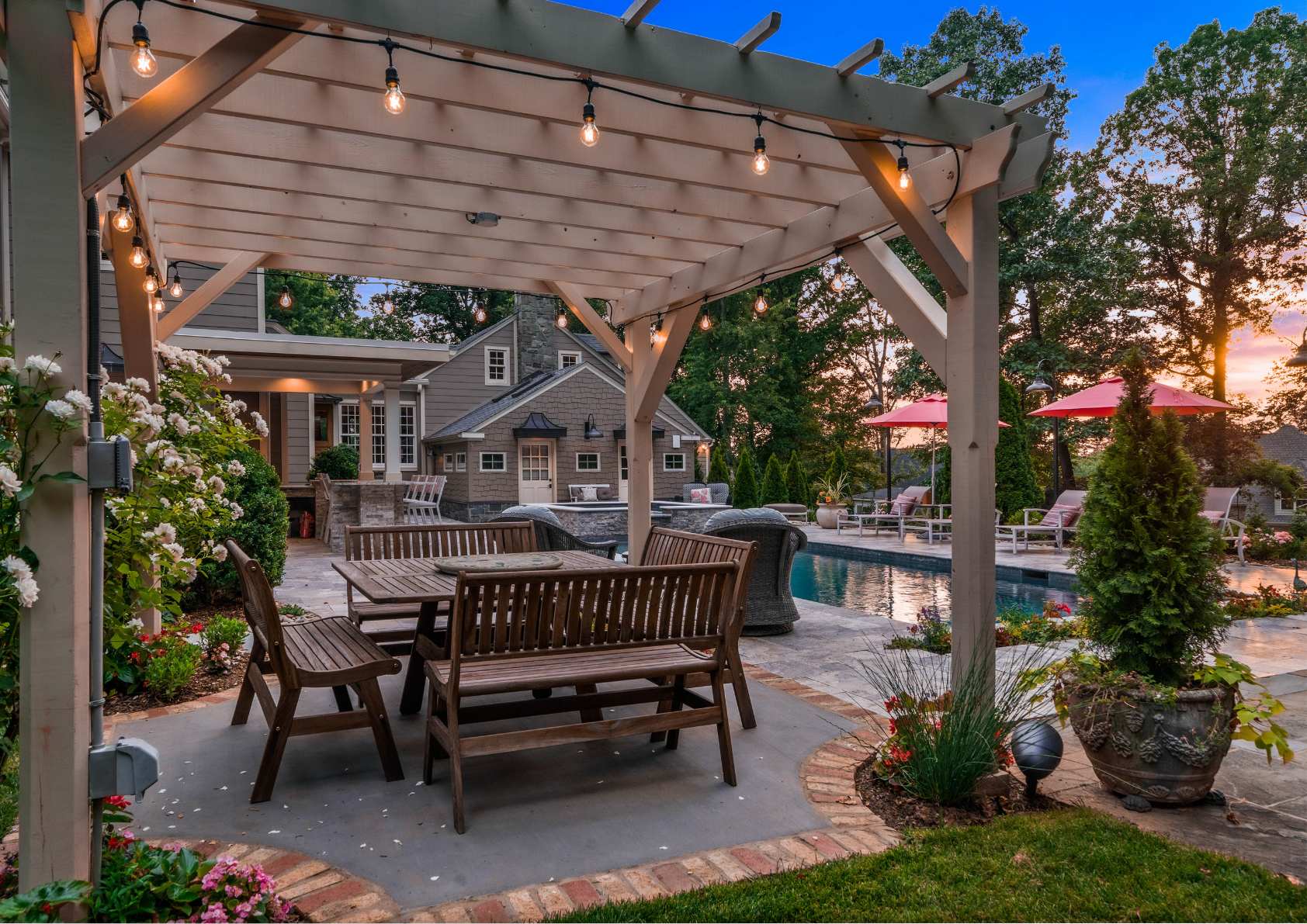
Outdoor living space

Safety Checks and Final Touches

Beyond structural maintenance, don’t forget about household safety. Test smoke detectors and carbon monoxide alarms, and replace batteries if needed. Review your emergency kit and stock up on winter essentials like ice melt, flashlights, and blankets. Check handrails on stairs and walkways for sturdiness to reduce slip-and-fall risks. By addressing safety now, you’ll feel more secure and better prepared for whatever winter may bring.

Final Thoughts

Preparing your home for the colder months doesn’t have to be overwhelming. By following a fall maintenance checklist, you’re not only protecting your home from damage but also ensuring it remains comfortable and energy-efficient. From sealing windows to servicing heating systems and safeguarding outdoor areas, these proactive steps go a long way in preserving your investment. A little time and effort this fall can prevent big expenses in the future, giving you peace of mind as winter approaches.

Renovations That Actually Add Value to Your Home

Introduction

In today’s competitive real estate market, homeowners are increasingly searching for renovations that actually add value to their homes. Whether you’re preparing to sell or simply want to build equity, not all upgrades are created equal. Some improvements bring an excellent return on investment (ROI), while others can fall flat. In this blog, we’ll cover five smart renovation projects that increase home value and appeal to modern buyers. If you’re passionate about current real estate trends, keep reading. These ideas could help you make the most of your property.

Kitchen Upgrades That Pay Off

The kitchen remains one of the most important areas for potential buyers, and updating it is one of the top renovations that actually add value to your home. Focus on modernizing without over-customizing. Think energy-efficient appliances, quartz countertops, and updated cabinetry. Even a minor kitchen remodel, such as repainting cabinets, upgrading hardware, or installing a new backsplash, can offer a high ROI. Buyers love clean, updated kitchens that feel fresh but not too trendy. Staying within a modest budget can still bring strong results, especially if the rest of the home is move-in ready.

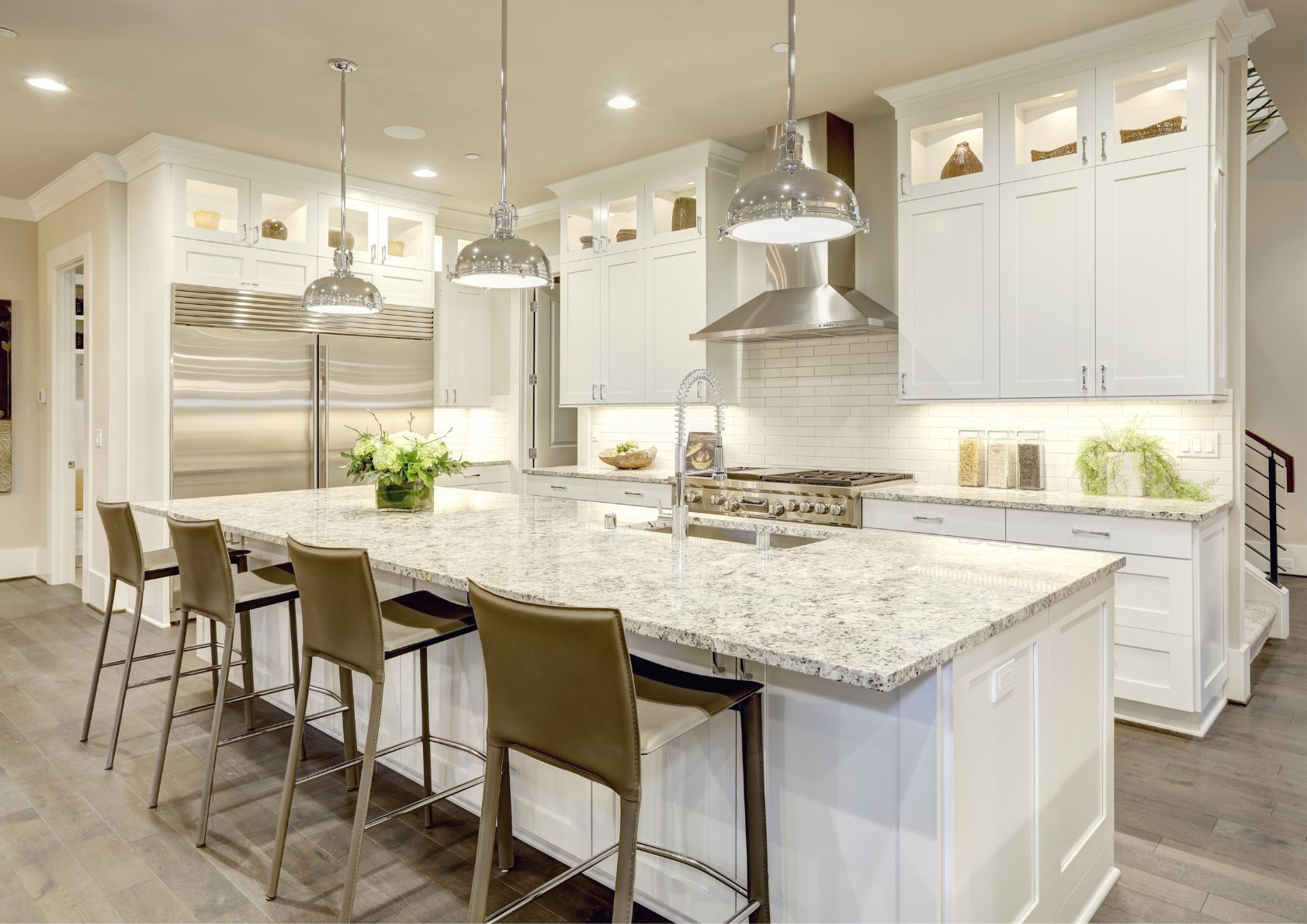
Beautifully update new kitchen. White with chrome appliances.

Boost Curb Appeal with Exterior Improvements

First impressions matter. Enhancing your home’s exterior can significantly increase its perceived value. Consider repainting the front door, upgrading landscaping, or adding exterior lighting. New siding, garage doors, or updated house numbers may seem small, but they can dramatically boost curb appeal. This is one of the simplest renovations that actually add value to your home by instantly making it more attractive to potential buyers. A well-maintained exterior signals that the home has been cared for, which builds confidence in prospective buyers from the start.

Bathroom Remodels That Modernize

Bathrooms are another area where thoughtful updates can make a major difference. Replacing outdated fixtures, refreshing tile, or installing a modern vanity can transform the space. Focus on neutral tones, good lighting, and clean lines to appeal to a wide range of buyers. Walk-in showers, updated flooring, and water-saving toilets are also popular features. A bathroom remodel doesn’t have to be extensive to be effective; strategic improvements can go a long way in boosting home value while staying on trend.

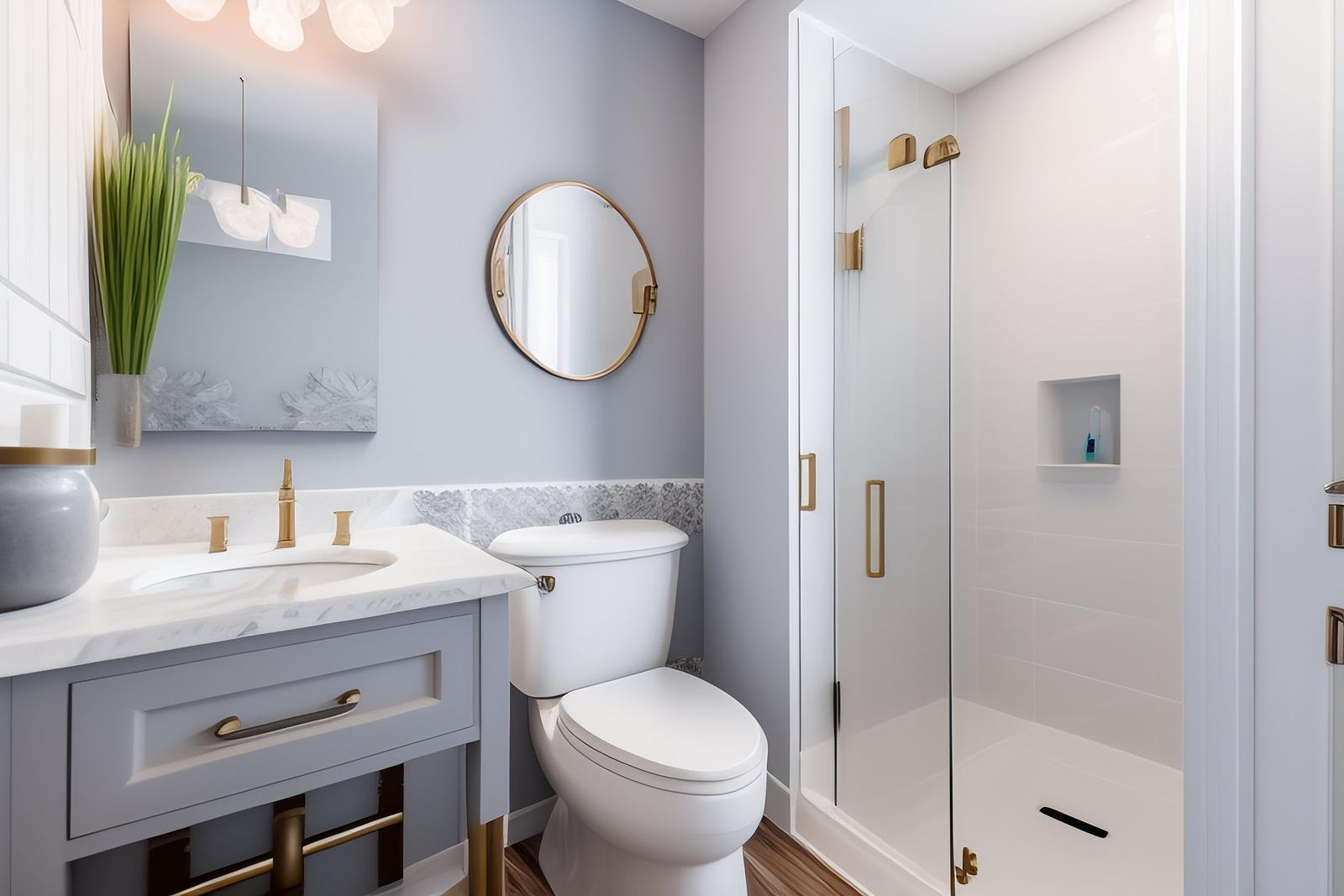
Newly Updated Bathroom.

Open Up Your Floor Plan

Modern buyers tend to prefer open, airy spaces over closed-off rooms. If your home has a dated or boxed-in layout, consider removing non-load-bearing walls to create a more open flow between the kitchen, dining, and living areas. This type of renovation can make the home feel larger and more functional. Not only does it add aesthetic value, but it can also improve the home’s practicality, making it one of the more impactful renovations that actually add value to your home.

Energy-Efficient Upgrades

Today’s buyers are increasingly interested in energy efficiency. Upgrades like installing smart thermostats, new insulation, double-pane windows, or energy-efficient HVAC systems can reduce utility costs and improve comfort. These changes can also make your listing more competitive and attractive to eco-conscious buyers. While they may not offer immediate visual appeal, these functional improvements can be a strong selling point during showings and inspections.

Conclusion

Understanding which renovations actually add value to your home can help you make smarter investments, whether you’re selling soon or just planning ahead. Focus on upgrades that offer broad appeal, boost functionality, and align with current real estate trends. From kitchens to curb appeal, every smart improvement brings you one step closer to maximizing your home’s potential.

Low-Maintenance Landscaping Ideas That Look Great All Season

When it comes to curb appeal, few things make a more immediate impression than a well-maintained yard. But not everyone has the time or desire to spend hours pruning, watering, and weeding. That’s where low-maintenance landscaping comes in—a growing trend that aligns perfectly with current real estate preferences. Whether you’re a homeowner looking to simplify your yard work or a seller wanting to boost value without ongoing upkeep, these landscaping ideas offer year-round beauty with minimal effort.

In this post, you’ll discover easy-to-care-for landscaping solutions that look great throughout every season, tips to enhance outdoor spaces with less work, and ideas to improve property value. Let’s dig in.

Native Plants: Naturally Resilient

When planning a low-maintenance landscaping strategy, your best ally is nature. Native plants are perfectly adapted to your region’s climate, soil, and rainfall. That means they require less water, less fertilizer, and less fuss to thrive.

Very nice backyard with native year round plants.

For example, drought-resistant plants like lavender, yarrow, or ornamental grasses provide texture and color without demanding attention. In colder climates, evergreens like boxwood or juniper keep your yard looking alive through the winter months. Native plants also attract beneficial pollinators, helping your garden flourish with minimal input.

If you’re unsure which plants are native to your area, consult your local extension office or a reputable nursery—they often provide curated plant lists based on zip code.

Mulch It Up: Weed Control and Moisture Retention

Mulch isn’t just about looks, although it certainly adds a clean, polished finish to your flowerbeds. It also serves as a powerful tool in low-maintenance landscaping. A thick layer of mulch (2–3 inches) helps suppress weeds, lock in soil moisture, and regulate temperature around your plants.

Options like bark mulch, shredded hardwood, or pine needles break down slowly, enriching the soil over time. For even less upkeep, consider using decorative gravel or rubber mulch in high-traffic areas. These alternatives don’t need to be replaced as frequently and can complement both modern and rustic home styles.

Mulched areas can also reduce the amount of lawn you have to mow—another bonus for homeowners seeking simplicity.

Hardscaping Elements: Beauty Without the Maintenance

If you really want to minimize yard work, consider replacing grass or garden beds with hardscaping features like pavers, gravel paths, or decorative rock gardens. Not only do these elements reduce water usage and eliminate the need for mowing, they also create visual interest and usable space.

A well-placed stone patio, dry creek bed, or gravel walkway can be the focal point of your outdoor area while still keeping your maintenance low. Pair hardscaping with native plant accents or container gardens for a natural look that blends beauty and durability.

Hardscaping is also an excellent investment, often boosting a home’s perceived value and improving functionality.

Evergreen Shrubs and Year-Round Structure

For a yard that looks polished in every season, structure matters. Evergreen shrubs and trees offer year-round greenery and help maintain a consistent visual framework, especially in winter months when deciduous plants go dormant.

Nice landscaped yard with a minimal design.

Choose slow-growing varieties like dwarf Alberta spruce, inkberry holly, or globe arborvitae to keep pruning at a minimum. These plants provide clean lines and natural borders, and their tidy appearance suits both traditional and contemporary landscapes.

Layer them with ground covers or perennial flowers for seasonal color pops without committing to constant replanting.

Smart Irrigation: Set It and Forget It

Watering can be one of the most time-consuming aspects of yard care, but modern irrigation systems make it practically hands-off. Drip irrigation, for example, delivers water directly to the base of your plants, reducing waste and minimizing disease. Timed sprinkler systems can be programmed to adjust for seasonality or local restrictions.

Smart irrigation supports a low-maintenance landscaping plan by ensuring your plants stay hydrated without daily effort. Look for systems with weather sensors or app integration to make adjustments on the fly.

This investment pays off in both convenience and efficiency, especially during hot summer months or while you’re away.

Final Thoughts

With a thoughtful blend of native plants, strategic mulching, hardscape features, evergreen structure, and smart irrigation, low-maintenance landscaping becomes not only achievable but attractive. It’s a practical approach that enhances curb appeal, supports sustainability, and appeals to today’s real estate trends all without tying you to a lawnmower every weekend.

If you’re planning to sell, these improvements can boost value and make your home more appealing to busy buyers. If you’re staying put, they free up your time to enjoy your outdoor space rather than maintain it.

Using Light and Space to Your Advantage in Summer Listings

In the fast-paced world of real estate, first impressions are everything, especially during the summer season. Buyers are more active, and homes that showcase their best features tend to sell faster and for a better price. That’s why using light and space to your advantage in summer listings can make a major difference. Whether you’re a seasoned agent or a homeowner preparing to sell, understanding how to highlight these elements can give your property the edge it needs. In this post, we’ll cover smart ways to maximize natural light, use space creatively, and create a fresh, summer-ready ambiance that appeals to today’s buyers.

Highlight Natural Light: Your Secret Summer Selling Tool

Nothing screams “summertime” quite like a home drenched in natural sunlight. Maximizing daylight is a simple yet powerful strategy when using light and space to your advantage in summer listings. Clean your windows inside and out to let the most light in. Open blinds and curtains for showings and photos, and consider replacing heavy drapes with light, breezy fabrics.

Strategic use of mirrors can also amplify light by reflecting sunshine into darker corners. Place them across from windows or behind lamps to bounce light throughout the room. Even rearranging furniture to remove obstructions from windows can make a room feel brighter and more welcoming.

Create the Illusion of More Space with Smart Styling

Summer buyers tend to crave open, airy spaces. One way to meet that need is by decluttering. Remove bulky furniture, personal items, and excessive décor. A more minimalist approach helps buyers envision themselves in the space and gives rooms a larger, more breathable feel.

Furniture placement matters, too. Float furniture away from walls and use rugs to define spaces in open-concept homes. Try using fewer, more functional pieces to avoid crowding. When done well, this enhances the flow of the home and supports the strategy of using light and space to your advantage in summer listings.

Choose Light Colors and Summer-Friendly Accents

Color can influence how large or small a room feels. In summer, lean into soft, neutral tones like beige, ivory, and pale gray. These shades reflect light and contribute to a bright, cool atmosphere. Light colored accessories like throw pillows, linens, and artwork can further brighten your listing.

Seasonal accents also make a subtle difference. Think fresh flowers, bowls of citrus fruit, or woven baskets. These decorative choices evoke summer without being too thematic. Together, they work to enhance the perception of light and space in a way that feels natural and intentional.

Stage Outdoor Living Spaces

Summer buyers often imagine themselves enjoying time outdoors, so don’t forget to stage patios, porches, or decks. A cozy seating area with throw pillows, a clean grill setup, or some simple string lights can transform outdoor spaces into bonus “rooms.”

Maximizing these areas reinforces the concept of using light and space to your advantage in summer listings. A well-presented exterior can expand the perceived size of the home and give it a relaxing, vacation-like vibe that resonates with warm-weather buyers.

Use Photography and Timing Strategically

All your efforts to improve lighting and spatial flow should be captured through professional-quality photography. Schedule listing photos during the brightest part of the day, typically late morning or early afternoon. Golden hour, just before sunset, can also lend a soft, appealing glow for exterior shots.

Make sure every photo showcases the home’s best use of natural light and space. Highlight large windows, open layouts, and any sun-filled rooms. Strong visuals can help your listing stand out online, where most buyers get their first impression.

Conclusion

When it comes to summer home sales, making the most of your property’s lighting and layout can be a game-changer. From boosting curb appeal to making interiors feel spacious and bright, using light and space to your advantage in summer listings isn’t just smart—it’s essential. As real estate trends continue to prioritize lifestyle and livability, homes that radiate natural light and an open feel are sure to attract more buyers and better offers.