You’ve done the math. You found the perfect neighborhood. You know what you can afford comfortably every month. But then you look at your savings account, divide it by the home prices you are seeing, and decide you are still two years away from buying.
Because you don’t have 20% down.
This is one of the most common—and most damaging—myths in real estate today. Buyers sit on the sidelines for years, paying rent and watching home prices rise, convinced they aren’t “ready” simply because they haven’t saved a massive down payment.
Here is the truth: You probably don’t need 20% down.
1. THE REALITY OF MODERN FINANCING
The idea that you need 20% down is a holdover from a different era of banking. Today, lenders offer a variety of programs designed to get qualified buyers into homes without draining their entire life savings.
-
FHA Loans: Allow down payments as low as 3.5%. These are incredibly popular for first-time buyers and offer flexible credit requirements.
-
Conventional Loans: Can often be secured with just 3% to 5% down, depending on your financial profile and the specific loan product.
-
VA and USDA Loans: Offer 0% down options for eligible buyers, such as veterans, active-duty military, and those purchasing in designated rural areas.
If you have a solid credit score and stable income, there are almost certainly options available to you right now.
2. THE COST OF WAITING
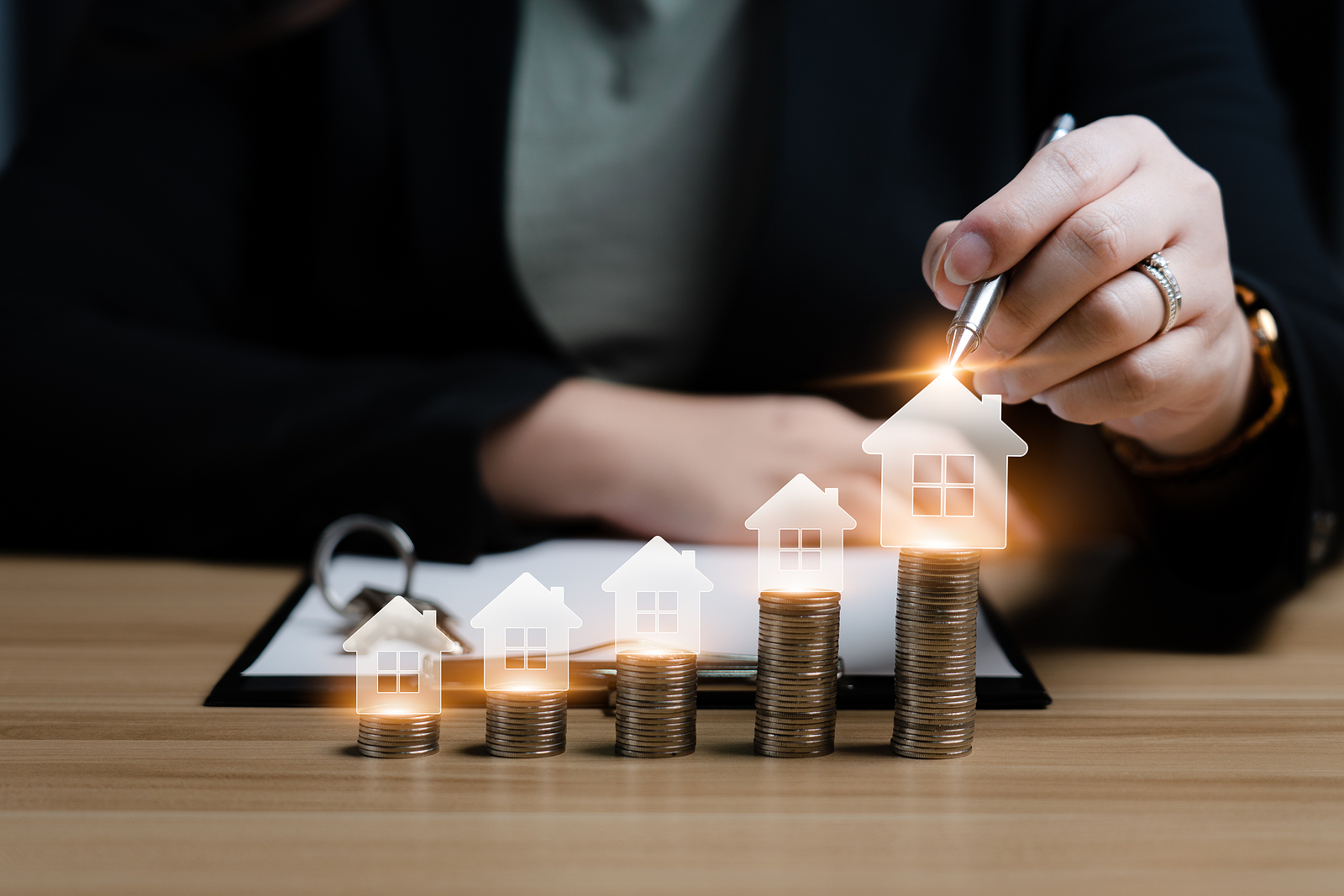
When you delay buying to save that 20%, you are trying to outpace a moving target. Let’s look at the math: If you are eyeing a $400,000 home and prices rise by just 5% in a year, that same home will cost $420,000 next year. Not only did the price go up by $20,000, but the amount you need for a 20% down payment just increased from $80,000 to $84,000.
Worse, by sitting on the sidelines, you completely miss out on the equity growth and wealth-building you would have gained by simply owning the home during those years.
3. WHAT ABOUT PMI?
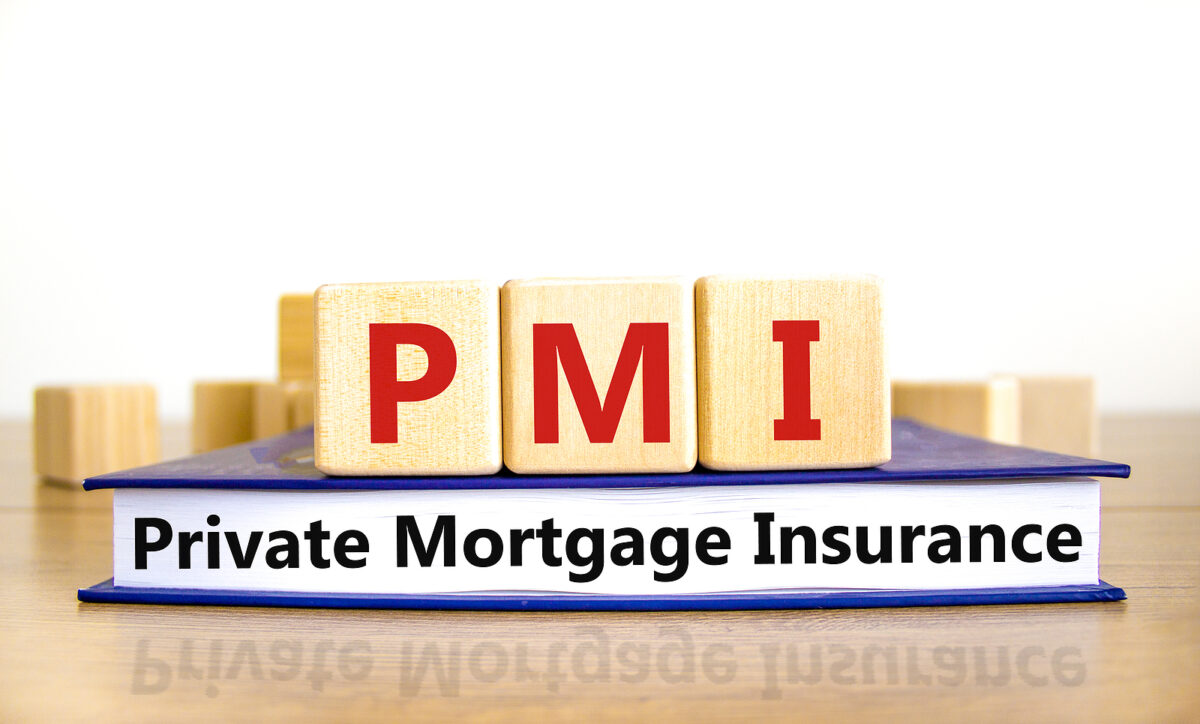
The biggest reason buyers fixate on the 20% mark is to avoid Private Mortgage Insurance (PMI). While it is true that putting down less than 20% usually requires you to pay PMI, it is rarely the dealbreaker people think it is.
Think of PMI as a tool that allows you to start building equity today rather than years from now. In many cases, the monthly cost of PMI is significantly less than the amount you would lose by waiting for home prices to appreciate while continuing to pay rent. Plus, PMI doesn’t last forever—once you reach 20% equity in your home, you can usually request to have it removed.
4. STRATEGIC USE OF CASH
Even if you have 20% in the bank, putting it all into your down payment might not be the smartest move for your financial health. Many savvy buyers prefer to put down 5% or 10% and keep the rest of their cash liquid.
You will need funds to cover closing costs, which typically range from 2% to 5% of the loan amount. Beyond that, owning a home comes with surprises. Keeping a healthy emergency fund means you are covered if the HVAC system dies in your first winter or if you want to make immediate renovations to personalize the space.
YOUR NEXT STEPS
Don’t let an outdated rule of thumb dictate your timeline and keep you trapped in the renting cycle. The absolute best way to know what you actually need is to talk to a real estate professional and look at your unique situation.
Ready to see what you actually qualify for? Contact me today, and let’s get you connected with a trusted lender who can show you the real numbers. Your dream home might be much closer than you think.