The Autumn Aesthetic: Why Fall Colors Help Sell Homes Faster

Introduction

Crisp air, golden leaves, and cozy curb appeal, autumn is one of the most underrated yet powerful seasons for real estate. The autumn aesthetic: why fall colors help sell homes faster has more to do with psychology and presentation than you might think. From boosting curb appeal to creating inviting interiors, fall brings natural advantages that can help homes move off the market quickly. In this post, we’ll explore how fall colors influence buyers, simple staging tips, and why real estate agents often recommend listing in this vibrant season.

The Psychological Pull of Fall Colors
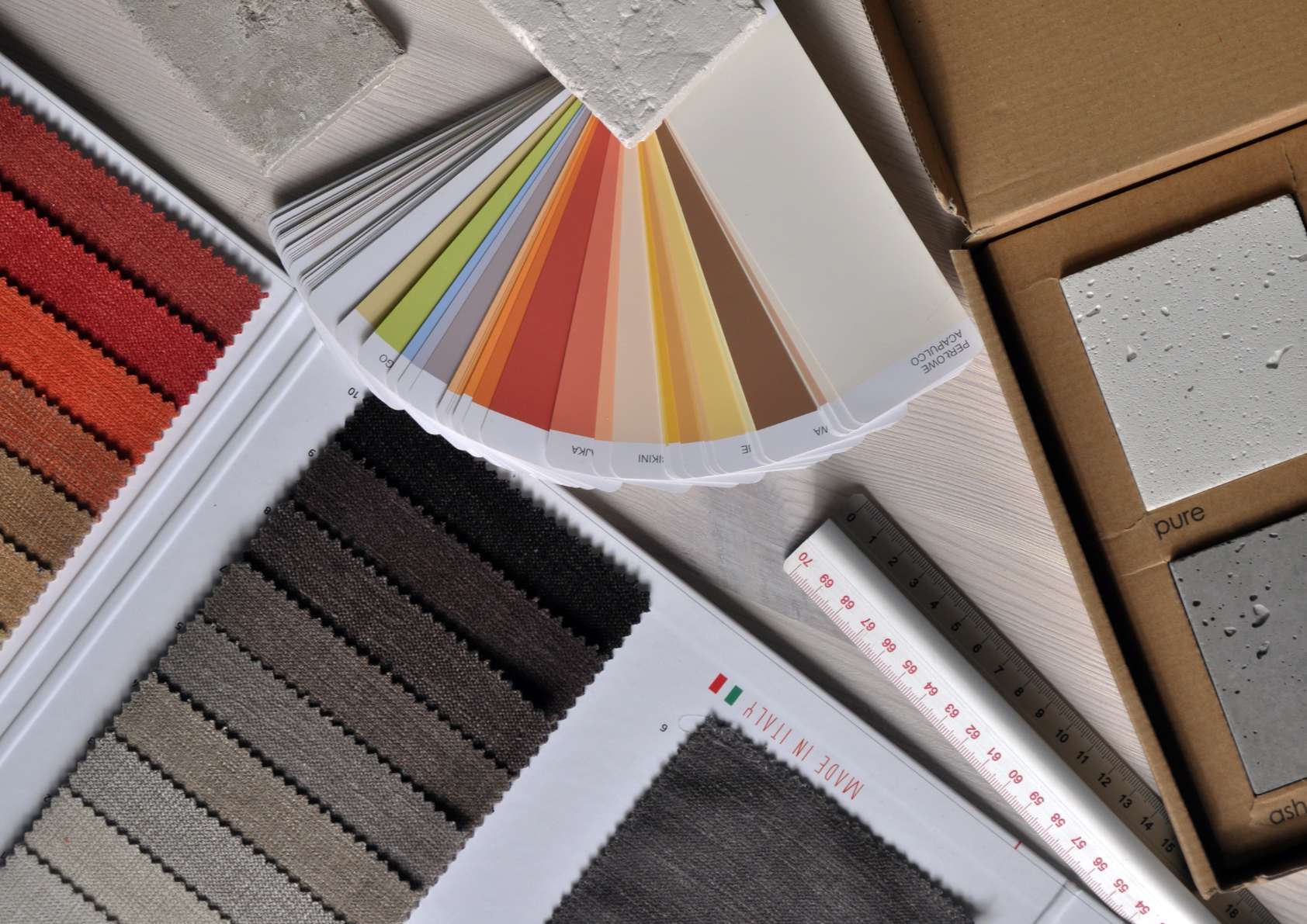
Fall colors on design samples.

Color plays a huge role in buyer perception, and fall hues like amber, burnt orange, and deep red create a sense of warmth and comfort. When buyers walk into a home styled with these tones, they subconsciously associate the space with security, relaxation, and family gatherings. This emotional connection can translate into quicker decision-making. The autumn aesthetic: why fall colors help sell homes faster is rooted in this psychology. Buyers aren’t just purchasing a property; they’re envisioning a lifestyle.

Boosting Curb Appeal with Seasonal Touches

First impressions are everything in real estate, and fall provides a natural canvas for standout curb appeal. A tidy yard with fresh mulch, seasonal flowers like mums, and a few pumpkins by the door instantly communicates care and charm. Even something as simple as a wreath with fall foliage can set a welcoming tone. By highlighting the autumn aesthetic, why fall colors help sell homes faster becomes evident, buyers are drawn to homes that feel inviting before they even step inside.

Staging Interiors with Warmth and Comfort

Fall home staging.

Inside the home, staging with seasonal accents helps create an inviting atmosphere. Think cozy throws in warm tones, accent pillows in burnt orange, and table centerpieces with autumn leaves or gourds. Lighting is another key element; soft, warm bulbs paired with natural sunlight enhance the rich tones of fall décor. For open houses, adding the scent of cinnamon or apple spice can heighten the experience, making potential buyers linger longer. Again, the autumn aesthetic: why fall colors help sell homes faster shows up here—comfort and warmth drive emotional attachment.

Why Fall Listings Have Unique Advantages

While spring is often touted as the “hot” season for real estate, fall offers its own distinct benefits. With fewer homes on the market, your property faces less competition. Serious buyers are also more active this time of year, often motivated to close before the holidays or year-end. Pair these advantages with the seasonal charm of autumn, and sellers may find the timing surprisingly strategic. When framed through the autumn aesthetic: why fall colors help sell homes faster, the season becomes less of a slowdown and more of an opportunity.

Conclusion

Fall is more than just sweater weather—it’s a strategic moment to sell your home. With warm, inviting colors boosting curb appeal, cozy staging enhancing interiors, and motivated buyers active in the market, autumn is a season full of advantages. The autumn aesthetic: why fall colors help sell homes faster is a reminder that timing and presentation can be just as important as price when it comes to closing a deal.
The Airbnb vs. Long-Term Rental Debate: What Makes Sense This Fall?

Introduction

As the seasons change, many real estate investors are asking the same question: which strategy is smarter right now, short-term rentals like Airbnb, or traditional long-term rentals? The Airbnb vs. long-term rental debate has never been more relevant, especially with shifting market conditions, evolving travel habits, and rising housing demand. In this post, we’ll break down the pros and cons of each approach, explore what’s happening in the rental market this fall, and help you determine which option makes the most sense for your goals.

Short-Term Rentals: The Airbnb Advantage

Short-term rentals have surged in popularity over the past decade, fueled by platforms like Airbnb and Vrbo. For property owners, one of the biggest draws is the potential for higher income compared to renting long-term. During peak seasons, nightly rates often exceed what a tenant would pay monthly, making short-term rentals appealing for high-demand destinations.

Flexibility is another benefit. Owners can block off their property for personal use, adjust pricing based on demand, or quickly pivot if the market changes. This adaptability makes Airbnb an attractive option for investors who want both income and personal enjoyment.

That said, short-term rentals come with unique challenges. Property management requires more hands-on effort, from guest communication to frequent cleaning and maintenance. Local regulations are also a growing hurdle, with many cities tightening rules around vacation rentals. This fall, investors should pay close attention to how legislation could impact profitability in their area.

The Case for Long-Term Rentals

Long-term rentals remain a tried-and-true strategy for investors seeking stability. With year-long or multi-year leases, property owners can enjoy steady monthly income without the hassle of constant tenant turnover. This stability is especially appealing during uncertain economic times, when travel may slow and short-term rental demand dips.

Another advantage is predictability. Landlords with long-term tenants can budget more reliably, with fewer concerns about seasonal fluctuations. Plus, property management is often less intensive compared to the revolving door of short-term guests.

Rent home, rental concept. Renting an apartment. Real estate agent with home loan contract, renting home. Realtor or real estate agent shows board for rent.

However, long-term rentals may not generate the same level of profit as short-term stays in tourist-heavy markets. Rental rates are typically capped by local averages, and owners sacrifice the flexibility to use their property for personal purposes. This fall, in markets where housing demand is high, long-term rentals may be a safer bet for consistent returns.

Market Trends to Watch This Fall

The Airbnb vs. long-term rental debate doesn’t exist in a vacuum; it’s influenced by broader real estate and economic trends. This fall, several factors are shaping the landscape:

  • Travel demand remains strong but more localized. While international trips have slowed, domestic travel is thriving, which could benefit short-term rentals in regional hotspots.

  • Housing shortages continue. Many markets across the U.S. are experiencing low housing inventory, driving up demand for long-term rentals.

  • Regulation is expanding. Cities like New York and Dallas are enacting stricter rules on short-term rentals, which reduces available inventory and increases compliance costs.

  • Seasonality matters. Fall is typically slower for vacation rentals compared to summer. Investors relying solely on Airbnb income may feel the pinch before the holiday season picks up.

Understanding these trends can help you determine which rental strategy best aligns with your financial goals and risk tolerance this season.

Which Strategy Is Right for You?

Ultimately, the answer to the Airbnb vs. long-term rental debate depends on your priorities. If you value flexibility, are willing to put in the extra work (or hire a management company), and your property is in a high-demand travel area, short-term rentals may deliver higher returns.

On the other hand, if your goal is consistent income with fewer management headaches, long-term rentals provide a dependable path, especially in markets where housing demand outpaces supply. For some investors, a hybrid approach works best: offering short-term rentals during peak seasons and switching to long-term tenants in slower months.

This fall, weigh the pros and cons carefully, consider your local market trends, and align your choice with both your lifestyle and long-term financial goals.

How Gen Z Is Redefining Homeownership This Fall

Introduction

The landscape of real estate is shifting, and a new generation is leading the way. How Gen Z is redefining homeownership this fall is more than a trend; it’s a clear signal of changing priorities, values, and buying habits. From tech-driven searches to creative financing, Gen Z is rewriting the rules of the housing market. In this blog, we’ll explore how these young buyers are influencing market trends, what sets them apart, and why their approach matters for the future of real estate.

A Tech-First Approach to Real Estate

Gen Z is the first generation of true digital natives, and their approach to homeownership reflects it. Online listings, virtual tours, and real-time market updates are not just conveniences; they’re essentials. This generation expects streamlined digital tools that make the homebuying process more transparent and efficient. Realtors and sellers who embrace mobile-friendly platforms and social media-driven marketing are better positioned to connect with Gen Z buyers, who value instant access to information.

tech in home. Smart Home.

Affordability Meets Creativity

For many young buyers, affordability is a top concern. With student loans, inflation, and rising home prices, Gen Z is redefining homeownership this fall by seeking out unconventional pathways to property ownership. Many are considering smaller homes, co-buying with friends or family, or exploring emerging financial options like fractional ownership and rent-to-own agreements. These creative solutions highlight their willingness to think outside the box while still pursuing long-term wealth-building through real estate.

Values-Driven Buying Decisions

Unlike previous generations, Gen Z places significant emphasis on values and lifestyle when making purchasing decisions. Sustainability, energy efficiency, and community connection often rank higher than sheer square footage. Eco-friendly features like solar panels, smart thermostats, and low-maintenance landscapes are becoming major selling points. For Gen Z, a home isn’t just a place to live, it’s a reflection of their identity, priorities, and commitment to a more conscious lifestyle.

The Rise of Remote Work Flexibility

Gen Z women working from home.

Remote and hybrid work opportunities have also transformed how younger buyers view location. Instead of limiting themselves to major metropolitan areas, Gen Z is open to suburban and even rural properties that offer better affordability and quality of life. Access to reliable internet and modern amenities often outweighs proximity to a traditional office. This flexibility expands their options and continues to drive demand in previously overlooked housing markets.

What This Means for the Future of Real Estate

The way Gen Z is redefining homeownership this fall isn’t just a seasonal trend’s a glimpse into the long-term evolution of the market. Realtors, investors, and sellers must adapt to meet this generation’s expectations: affordability, sustainability, and digital convenience. As more members of Gen Z enter the housing market, their influence will shape not only current conditions but also the future direction of homeownership across the country.

Conclusion

Gen Z’s entrance into the housing market is changing everything from how homes are marketed to where buyers are choosing to live. Their reliance on technology, focus on values, and creative financial strategies make them a generation worth watching closely. By understanding how Gen Z is redefining homeownership this fall, industry professionals and prospective sellers can better align with the priorities of this influential group.

Is Fall the Best Time to Buy a Home? Here’s Why You Shouldn’t Wait for Spring

Introduction

When it comes to real estate, timing can make a big difference. Many buyers assume that spring is the best season to shop for a house, but industry trends suggest otherwise. In fact, is fall the best time to buy a home? The answer may surprise you. From less competition and motivated sellers to potential savings, fall offers unique advantages that make it one of the smartest seasons to purchase a home. Let’s take a closer look at why this could be the right time for your move.

Less Competition, More Opportunity

One of the biggest reasons fall is often overlooked is that most buyers still target spring and summer. Families want to move before a new school year begins, and sellers tend to follow that demand. By the time autumn arrives, fewer buyers are house-hunting, which means you’ll likely face less competition.

Less competition can translate into more negotiating power, extra time to consider your options, and even a better chance at securing your dream home without a bidding war. If you’ve been frustrated by fast-moving summer markets, fall could give you the breathing room you need.

two people shaking hand over the deal of selling a home.

Motivated Sellers Mean Better Deals

By the time fall rolls around, many sellers who listed during the summer are eager to close before the year ends. This motivation can work to a buyer’s advantage. Homes that have been sitting on the market for weeks—or even months may be priced more competitively or open to negotiation.

Sellers may also be more willing to cover closing costs, make repairs, or accept offers below asking price. This is especially true as the holiday season approaches and sellers look to start fresh in the new year. For buyers, that means fall is one of the best times to strike a deal.

Favorable Market Conditions

Another reason fall is the best time to buy a home for many buyers is the balance between inventory and price trends. While spring and summer may have more listings, fall typically sees steady inventory without the surge of buyers driving up costs. This balance can create a sweet spot where you still have options but don’t face inflated prices.

Market research on buying a home in fall

Additionally, interest rates and lending conditions can sometimes be more favorable in the fall. Lenders are often looking to close out the year strong, which can mean better service or more flexible terms for serious buyers. Pair this with the possibility of tax benefits if you purchase before year-end, and you may find yourself in a financially advantageous position.

A True Picture of the Home

Shopping for a home in the fall also allows you to see how the property performs in cooler, less forgiving weather. You’ll be able to notice issues like drafts, heating efficiency, roof integrity, and drainage problems—concerns that may be less obvious during sunny summer showings.

This insight is invaluable. Buying a home is one of the biggest investments you’ll ever make, and understanding how it holds up during harsher conditions gives you peace of mind and helps you avoid costly surprises down the road.

Don’t Wait for Spring

It’s easy to assume spring is the “best” time because of the flood of listings and traditional buying patterns. But waiting could mean facing stiff competition, higher prices, and limited room for negotiation. The truth is, fall is the best time to buy a home if you want more control, better deals, and a clearer picture of your future property.

If you’re considering a move, don’t wait until spring. Start your search now, you may just find that fall delivers everything you’re looking for and more.

Football, Fire Pits & Front Porches: Fall Features Buyers Crave

Introduction

Fall brings cooler evenings, changing leaves, and a shift in what homebuyers want most. From cozy fire pits to front porches perfect for sipping cider, seasonal features often influence what makes a house feel like home. If you’ve been keeping an eye on current real estate trends, you’ll notice that autumn sparks renewed interest in lifestyle-driven spaces. In this post, we’ll explore why football-ready living rooms, outdoor gathering spots, and porch appeal are high on buyers’ lists this season.

Football Season Sparks Living Room Upgrades

For many, fall means football, and that translates into homes with spaces ideal for entertaining. Buyers love open-concept living rooms with room for large TVs, sectional sofas, and snack tables.

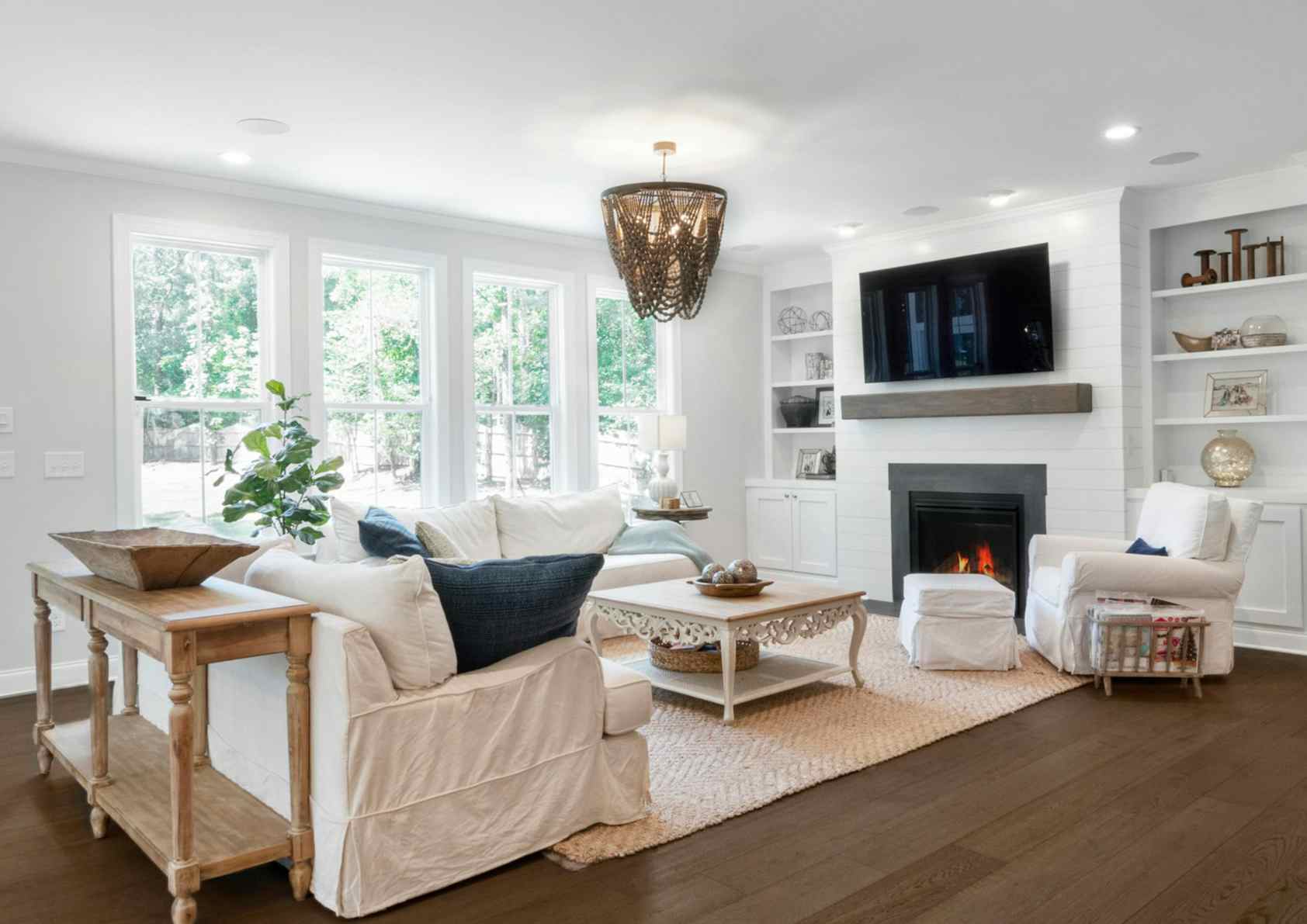
Big open living room ready for the big game.

Sellers highlighting these features often find their listings resonate more this time of year. Whether it’s a basement game room or a main living area with plenty of seating, these spaces give buyers a vision of weekends filled with family, friends, and touchdowns. This trend reflects how current real estate trends are increasingly lifestyle-focused, tying home design to seasonal habits.

Fire Pits Create Year-Round Gathering Spaces

There’s nothing quite like a crackling fire on a crisp evening. Outdoor fire pits have grown from a “nice-to-have” to a near-essential feature for many buyers. Not only do they extend outdoor living into fall and winter, but they also create a built-in space for hosting neighbors and friends. Homes with backyard amenities like built-in stone pits, outdoor kitchens, or even portable fire setups tend to photograph well in listings, creating instant curb appeal. More than a decorative element, fire pits align with current real estate trends, where outdoor spaces play as big a role as indoor layouts.

Front Porches Bring Back Neighborhood Charm

The front porch has made a comeback, serving as both a functional and nostalgic home feature. Buyers are drawn to porches for their charm, versatility, and sense of connection to the neighborhood. From rocking chairs to seasonal décor, porches add character that’s hard to replicate with newer builds.

Beautiful clean, renovated front porch. ready for fall

Real estate agents often highlight these spaces in listing photos because they immediately spark a feeling of warmth and welcome. With fall’s pumpkins, wreaths, and cozy seating, porches perfectly showcase the lifestyle today’s buyers are craving, fitting neatly into current real estate trends that celebrate community and comfort.

Why Fall Features Sell Homes Faster

It’s no secret that homes reflecting seasonal buyer preferences tend to move quicker on the market. A living room staged for game day, a glowing fire pit in the backyard, or a porch dressed for autumn can all play a role in attracting offers. Buyers want to imagine themselves celebrating the season in their future home, and these touches make that vision a tangible reality. By tuning into these lifestyle-driven preferences, both sellers and agents can capitalize on fall’s unique selling opportunities while staying aligned with current real estate trends.

Conclusion

From football-ready spaces to cozy outdoor fire pits and inviting front porches, fall features are at the top of buyers’ wish lists this season. Sellers who showcase these details can better connect with what today’s buyers want most: a home that fits their lifestyle. As the market continues to evolve, one thing remains constant: real estate is about more than just square footage; it’s about creating spaces where life’s best moments unfold.

Your Fall Maintenance Checklist: Protect Your Investment Before Winter

As cooler temperatures settle in, homeowners know that preparation is key to safeguarding their property. A fall maintenance checklist ensures your home is ready for the months ahead, protecting both comfort and long-term value. By tackling essential seasonal tasks now, you can prevent costly repairs, boost energy efficiency, and keep your investment in top shape throughout winter. In this guide, we’ll cover the most important steps to take this fall so you can face the colder season with confidence.

Inspect and Seal Windows and Doors

One of the easiest ways to prepare your home for winter is by checking for drafts. Even small gaps around windows and doors can drive up energy bills and make your heating system work harder. Walk through your home with a candle or incense stick on a breezy day if the smoke flickers, you may have an air leak. Apply weatherstripping or caulk to seal cracks, and consider upgrading to energy-efficient windows if yours are older. This simple step reduces heat loss, increases comfort, and keeps your home’s value strong.

sealing windows for winter.

Service Your Heating System

Your furnace or heating system will be working overtime during the colder months, making early maintenance a must. Schedule a professional inspection to clean filters, check for worn parts, and ensure your system runs efficiently. Replacing filters monthly is an inexpensive task that pays off in reduced utility bills and improved air quality. For homes with fireplaces or wood stoves, have the chimney cleaned to prevent fire hazards. A reliable heating system isn’t just about comfort—it’s also about protecting your investment.

Clean Gutters and Downspouts

Falling leaves are beautiful, but they can clog gutters and downspouts, causing water to back up onto your roof or foundation. Clogged gutters often lead to costly damage like leaks, rot, and even structural problems. Take the time to clean them thoroughly or hire a professional if needed. While you’re at it, make sure downspouts direct water at least five feet away from your home’s foundation. Preventing water damage now saves money and ensures your home is ready for rain, snow, and ice.

Colorful fall leaves in the gutter on a roof

Check the Roof and Exterior

Your roof is the first line of defense against harsh weather, so it deserves special attention on your fall maintenance checklist. Inspect shingles for damage, curling, or missing pieces. Look for signs of wear around flashing and sealants. If you notice any concerns, contact a roofing professional before winter storms arrive. Also, examine the siding, foundation, and walkways for cracks or damage. Taking care of small issues today prevents major headaches when freezing temperatures set in.

Prepare Outdoor Spaces

Winter weather can be tough on outdoor systems and landscaping. Drain and store garden hoses, shut off exterior faucets, and blow out sprinkler systems to avoid burst pipes. Cover or store patio furniture, grills, and garden tools to extend their lifespan. Rake leaves regularly to prevent lawn damage, and fertilize your grass to encourage healthy spring growth. These outdoor tasks not only maintain your home’s curb appeal but also help preserve the overall value of your property.

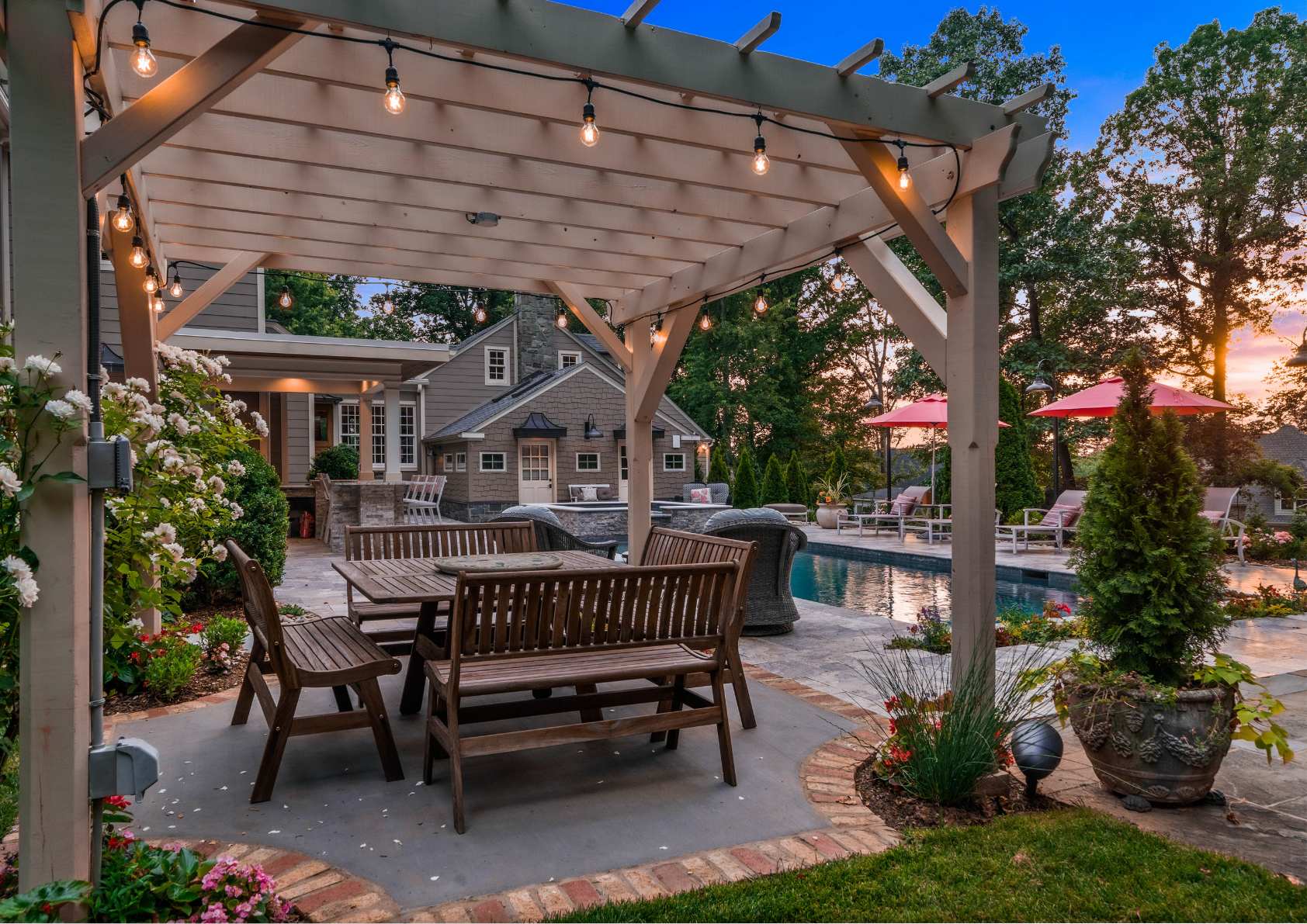
Outdoor living space

Safety Checks and Final Touches

Beyond structural maintenance, don’t forget about household safety. Test smoke detectors and carbon monoxide alarms, and replace batteries if needed. Review your emergency kit and stock up on winter essentials like ice melt, flashlights, and blankets. Check handrails on stairs and walkways for sturdiness to reduce slip-and-fall risks. By addressing safety now, you’ll feel more secure and better prepared for whatever winter may bring.

Final Thoughts

Preparing your home for the colder months doesn’t have to be overwhelming. By following a fall maintenance checklist, you’re not only protecting your home from damage but also ensuring it remains comfortable and energy-efficient. From sealing windows to servicing heating systems and safeguarding outdoor areas, these proactive steps go a long way in preserving your investment. A little time and effort this fall can prevent big expenses in the future, giving you peace of mind as winter approaches.

What Zillow Can’t Tell You This Fall (But a Local Agent Can)

As the fall real estate season unfolds, many homebuyers and sellers turn to online platforms like Zillow to gauge the market. And while tools like this provide convenience and general data, they often fall short in one crucial area—local expertise. That’s where a local real estate agent makes all the difference. This blog explores what Zillow can’t tell you this fall, and why working with someone who lives and breathes your neighborhood could be the edge you need.

The Keyword Behind the Curtain: “What Zillow Can’t Tell You This Fall”

Zillow has become a go-to for browsing listings and checking home values, but it’s important to recognize the limitations of national databases. One of the most overlooked real estate trends is the overreliance on algorithm-generated estimates, especially during a season as dynamic as fall.

local real estate agent with a younger couple looking to buy a home. She's updating them on the local area.

“What Zillow can’t tell you this fall” is how your neighborhood is really performing. Is there a new school opening that’s boosting demand? Are homes on a certain street selling faster than average? Is a once-quiet area experiencing an influx of buyers due to new business developments or updated zoning laws? A local agent doesn’t just know the numbers—they know the stories behind them.

Fall Market Trends Are Hyperlocal And Constantly Evolving

While Zillow offers broad seasonal trends (like lower inventory or cooler pricing in the fall), it can’t tell you what’s happening two blocks over from your dream home. Real estate trends this time of year are highly localized.

A local agent can give you a real-time pulse on your specific market—whether it’s a buyer’s or seller’s market, what kind of offers are winning, or which homes are getting passed over and why. “What Zillow can’t tell you this fall” includes the emotional cues at open houses, the quality of nearby renovations, or the word on the street about future developments—all of which can make or break a deal.

Real-Time Negotiation Insights

Zillow doesn’t negotiate, and it definitely doesn’t know what offer will stand out in your specific neighborhood. A seasoned agent knows how to frame offers based on what sellers are prioritizing this season—whether it’s a fast closing, fewer contingencies, or a lease-back period through the holidays.

Fall is a unique time in real estate. Some sellers are eager to close before the year ends, while others may test the market before relisting in spring. A local agent can identify which properties are worth pursuing now and which ones might be overpriced for the season. “What Zillow can’t tell you this fall” is how flexible a seller might be or how competitive your bid really is—because that’s based on human conversations, not data points.

The Value of In-Person, Local Perspective

No Zestimate can replace walking through a home with someone who knows the nuances of the neighborhood. Maybe the photos don’t show that the backyard floods every fall, or that a nearby development might impact your view in a year. Local agents notice those things—because they live there, work there, and care about their reputation in the community.

“What Zillow can’t tell you this fall” is how a home feels, and that matters more than you might think. From drive-by insights to personal knowledge about which contractors did recent renovations, a local agent adds context that no website can replicate.

Final Thoughts

Zillow is a powerful starting point, but it’s not the whole story—especially not in the ever-changing landscape of the fall real estate market. If you’re serious about making a smart move this season, partnering with a local agent gives you the insider perspective, nuanced strategy, and neighborhood knowledge that no algorithm can match.

This fall, don’t just rely on what you can see online. Trust someone who knows what Zillow can’t tell you.

Smart Home, Smart Investment: Which Tech Increases Resale Value?

In today’s fast-paced real estate market, savvy buyers and sellers alike are looking for features that make a home more convenient, secure, and energy-efficient. That’s why the phrase smart home, smart investment has become more than just a catchy saying—it’s a strategy. Integrating smart technology isn’t just about modern living; it’s about boosting resale value in a competitive market. In this post, we’ll explore which smart home upgrades are most likely to pay off when it’s time to sell and how you can make informed decisions about where to invest.

Smart Thermostats: Energy Efficiency That Pays Off

One of the most appealing upgrades for potential buyers is a smart thermostat. Devices like the Nest or Ecobee adapt to homeowners’ habits, helping reduce energy bills and carbon footprints. For buyers, this translates into long-term savings and a home that’s already equipped to handle modern energy demands.

Smart home control dashboard with male using smartphone at home in the backgroundSmart thermostats are especially attractive in regions with extreme temperatures, where HVAC usage can get expensive. According to a Zillow study, homes with smart thermostats sold for more than expected in certain markets, proving this small investment can yield a strong return.

Security Systems: Peace of Mind Sells

Home security has gone digital, and buyers are here for it. From video doorbells to motion-sensing cameras and smart locks, these features are no longer considered luxuries—they’re expectations. Installing a basic smart security setup signals that the home has been cared for and modernized.

Buyers are increasingly looking for homes with pre-installed security features, especially in suburban and urban areas. Beyond resale value, these systems offer immediate personal benefits, making the choice to install them a win-win.

Smart Lighting: Small Upgrade, Big Impression

Lighting might seem like a minor detail, but smart lighting systems can elevate a home’s ambiance and appeal significantly. Adjustable color temperatures, voice control compatibility, and motion-detection features all add to a buyer’s impression of a high-tech home.

In open houses and listings, smart lighting also improves presentation, allowing agents to set the perfect mood. While this may not increase the home’s appraisal value drastically, it can be a deciding factor for prospective buyers torn between similar properties.

Smart Appliances: A Modern Kitchen Sells

Smart refrigerators, ovens, and dishwashers aren’t just fun to show off—they’re a clear signal that the home is updated. Buyers, especially in mid- to high-end markets, expect the kitchen to reflect current trends in technology and design.

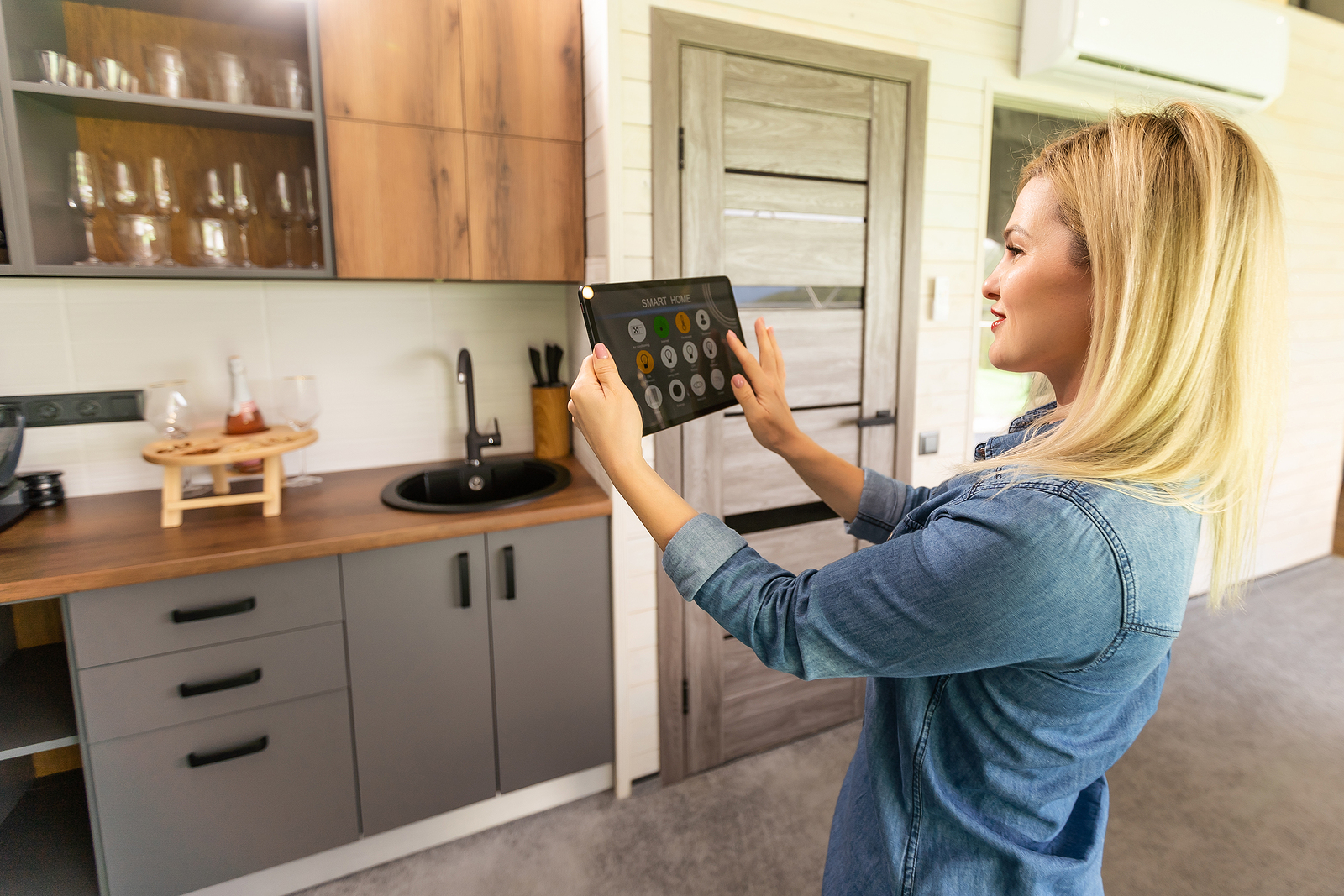
Young woman controlling home light with a digital tablet in the kitchen of her home. Concept of a smart home and light control with mobile devices

While these appliances can be costly, they add a “wow” factor that resonates during home tours. Including them in the sale can also sweeten negotiations and differentiate your home from others in the area. After all, a smart home, smart investment mindset includes the heart of the home, the kitchen.

Integrated Home Systems: The Ultimate Upgrade

Whole-home automation systems that control lighting, temperature, entertainment, and even window coverings can significantly enhance a home’s perceived value. These systems appeal to tech-savvy buyers who want a cohesive, centralized experience.

Although the upfront cost of installing an integrated system is higher, it has the potential to make your home stand out in luxury markets. For buyers who are already considering similar upgrades post-purchase, a fully integrated system can justify a higher offer.

Final Thoughts: Is It Worth the Investment?

If you’re planning to sell within the next few years, selectively investing in smart home tech can pay off in both listing price and buyer interest. Focus on upgrades that are widely recognized and easy to use. No one wants to feel like they need a tech manual just to adjust the lights.

As smart technology becomes more embedded in everyday living, embracing the smart home, a smart investment approach can give your property an edge in a crowded market. With the right upgrades, you’re not just enhancing your living experience; you’re increasing your bottom line when it’s time to move on.

Wellness Real Estate: The Rise of Health-Conscious Home Design

Introduction

The way we think about our homes is evolving. More than just a place to live, our homes are becoming spaces that actively support our health and well-being. This growing movement, known as wellness real estate, blends innovative design with lifestyle-focused amenities to create healthier living environments. In this post, we’ll explore why this trend is booming, the features driving its popularity, and how it’s shaping the future of real estate.

Why Wellness is Becoming a Priority in Home Design

Modern buyers are seeking more than just square footage and curb appeal; they want homes that contribute to better physical, mental, and emotional health. This shift is fueled by rising awareness of how our surroundings impact our well-being.

From improved air quality to stress-reducing layouts, wellness real estate prioritizes features that enhance daily living. For some, this might mean investing in eco-friendly materials, while for others, it’s about having access to nature or building spaces designed for mindfulness. The key is creating an environment that supports a healthy, balanced lifestyle.

The Key Features of Health-Conscious Homes

1. Air and Water Quality Enhancements

Indoor air can often be more polluted than outdoor air. Advanced ventilation systems, air purifiers, and non-toxic building materials are becoming standard in health-focused homes. Similarly, water filtration systems ensure cleaner, safer drinking water, reducing exposure to contaminants.

2. Natural Light and Biophilic Design

Large windows, skylights, and open layouts maximize natural light, boosting mood and energy levels. Biophilic design, which incorporates natural elements like plants, wood, and stone, has been shown to reduce stress and improve cognitive function.

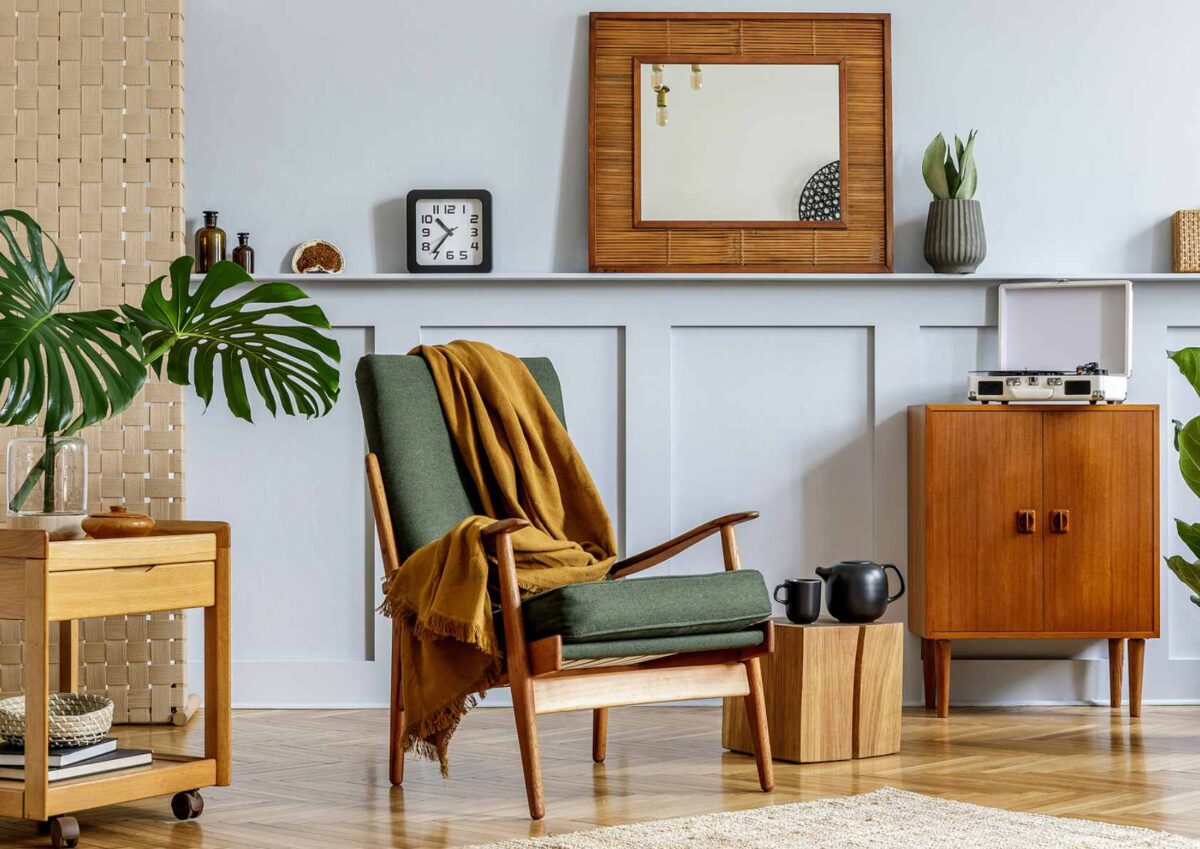
biophilic design

3. Smart Technology for Healthy Living

Wellness homes often integrate technology that monitors and improves indoor conditions. Smart thermostats, circadian lighting systems, and humidity controls help maintain an optimal indoor environment.

4. Spaces for Movement and Mindfulness

Designated areas for exercise, yoga, or meditation are becoming more common. Outdoor living spaces, walking paths, and gardens encourage physical activity and time spent in nature.

The Market Impact of Wellness Real Estate

The demand for homes that prioritize health isn’t just a passing fad—it’s reshaping the real estate market. Developers and builders are now incorporating wellness-focused features into their designs as a selling point.

In many markets, homes that emphasize wellness features often sell faster and at higher prices than comparable properties without them. This is because today’s buyers see these upgrades not as luxury extras, but as essential elements of a modern home. Real estate professionals are also finding that showcasing health-conscious features can be a major differentiator in competitive markets.

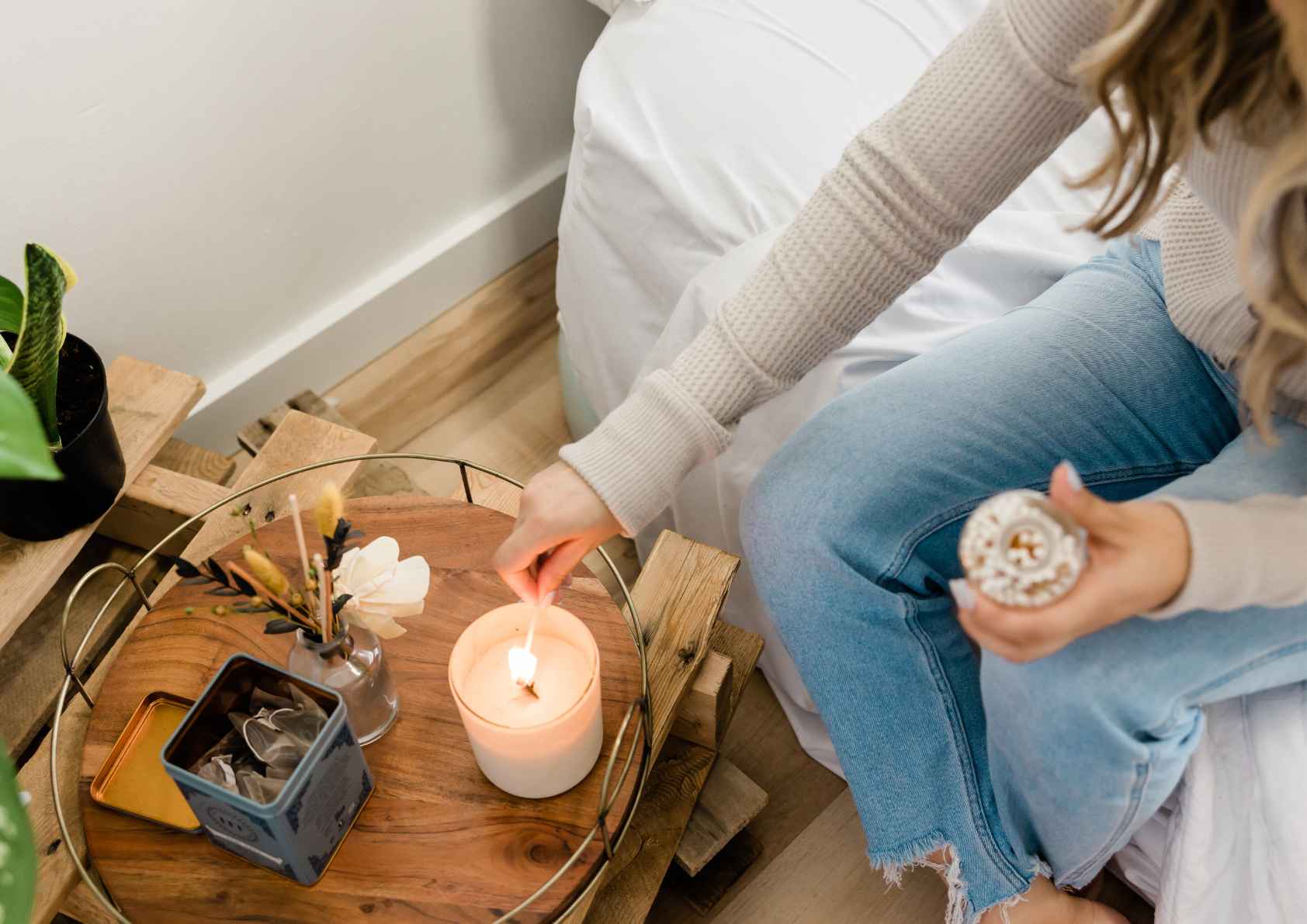
Woman at home lighting a candle in a peaceful room

Wellness Real Estate and Sustainable Living

Sustainability and wellness often go hand in hand. Eco-friendly building practices, energy-efficient appliances, and renewable energy sources not only reduce environmental impact but also contribute to healthier indoor spaces. Low-VOC paints, reclaimed materials, and natural insulation help minimize toxins while promoting comfort.

The connection between sustainable living and personal wellness is strengthening the appeal of this real estate trend. Homebuyers are increasingly drawn to properties that reflect both their lifestyle values and their health priorities.

Looking Ahead: The Future of Health-Conscious Homes

As more people recognize the value of a home that supports well-being, the wellness real estate sector is expected to grow significantly. We’ll likely see more communities built with integrated wellness amenities—think shared gardens, fitness trails, and community wellness centers.

For buyers, the shift means more opportunities to find homes that align with both their practical needs and their health goals. For sellers and agents, it’s a chance to highlight a property’s potential to improve quality of life.

Conclusion

Our homes play a bigger role in our overall well-being than many of us realize. The rise of wellness real estate signals a shift toward healthier, more mindful living spaces that cater to the needs of modern lifestyles. Whether you’re building, buying, or renovating, focusing on health-conscious design can be both a wise investment and a step toward a better quality of life.

How to Make a Small Home Feel Bigger (and Why Buyers Love It)

Introduction

In today’s real estate market, one thing is clear: size isn’t everything. With rising interest in compact living, learning how to make a small home feel bigger is not only practical, it’s profitable. Buyers are increasingly drawn to properties that maximize space efficiently without expanding the footprint. In this post, we’ll explore easy, effective ways to create the illusion of space, and we’ll explain why this matters so much in current real estate trends. Stick around for simple staging tips, space-saving design tricks, and buyer psychology insights.

Embrace Light and Neutral Colors

One of the quickest ways to transform a tight space is with light. Natural lighting, combined with soft, neutral wall colors, creates an airy, open atmosphere. Whites, soft grays, and beige tones reflect light, making rooms appear larger and more inviting. Consider swapping out heavy curtains for sheer fabrics and adding mirrors to bounce light around the room.

neutral colored, smaller kitchen with floating shelves and plants.

Homeowners and real estate agents alike are recognizing that buyers feel more relaxed and inspired in brighter spaces. This is especially important when trying to make a small home feel bigger and attract top-dollar offers.

Choose Multi-Functional Furniture

Furniture that pulls double duty is a smart choice for smaller homes. Think ottomans with storage, beds with built-in drawers, and fold-out desks or dining tables. These versatile pieces reduce clutter and provide function without sacrificing floor space.

Buyers today are practical. They value homes that demonstrate thoughtful, livable design, especially in tighter quarters. Showcasing multi-use furniture during showings or open houses helps prospective buyers visualize how they can make the most of every inch.

Declutter and Use Smart Storage

Clutter is the enemy of spaciousness. Removing unnecessary items and organizing what remains can make a dramatic impact. Use built-in shelving, under-bed storage, and vertical space to store belongings without overwhelming a room.

If you’re staging a home for sale, minimizing personal items and excess décor allows buyers to mentally “move in.” This not only helps to make a small home feel bigger, but also sends the message that the home is well-maintained and functional.

Create Flow with Open Sightlines

Open layouts are still king in real estate, but even if your home isn’t fully open-concept, there are ways to enhance visual flow. Keep doorways and hallways clear, arrange furniture to avoid blocking sightlines, and use rugs or lighting to define different areas without closing them off.

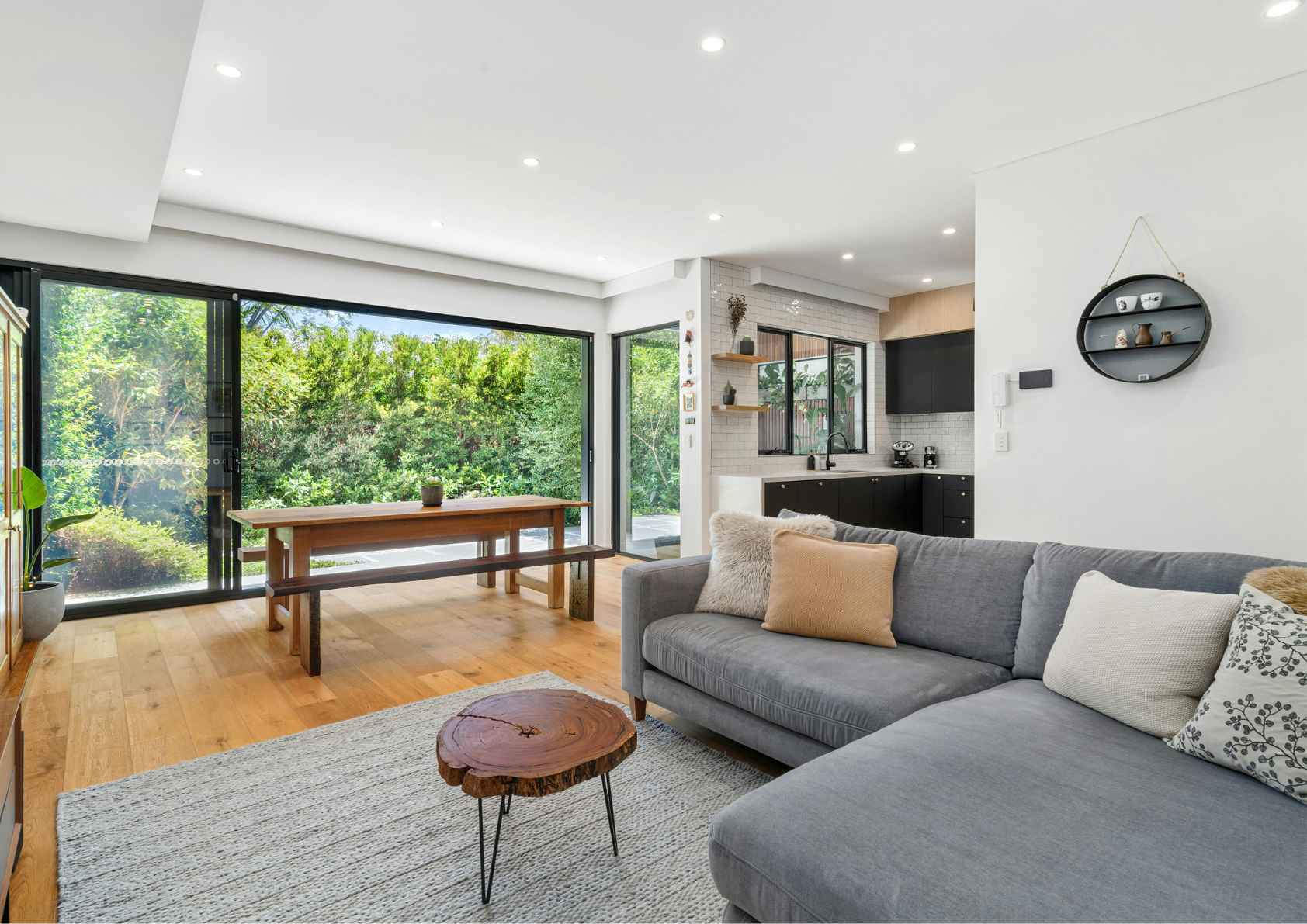
Open smaller but functional living space in a home. Open concept of the Ktichen, dinning area and living room.

This approach makes the home feel more connected and larger overall. Buyers notice when every area of a home feels accessible and welcoming. When you make a small home feel bigger, you’re really inviting the buyer to imagine their lifestyle unfolding comfortably in the space.

Use Vertical Design to Your Advantage

When you can’t build out, build up. Tall bookcases, wall-mounted shelves, and vertically hung artwork draw the eye upward, creating the illusion of height. This is an especially effective tactic in small bedrooms, bathrooms, or entryways where square footage is limited.

Buyers are drawn to homes that use space creatively. Highlighting vertical design features can help your listing stand out in a crowded market. It subtly communicates style, smart planning, and potential—all of which are powerful selling points.

Conclusion

Learning how to make a small home feel bigger is more than a clever design trick; it’s a real estate strategy that works. Today’s buyers value functionality, comfort, and aesthetics, no matter the square footage. By maximizing light, embracing multifunctionality, and thinking vertically, you can boost your home’s appeal and attract more competitive offers. Whether you’re preparing to sell or just want to fall in love with your space again, these tips will help you make the most of what you’ve got.