Want to Start Investing in Real Estate? Here’s the Smartest Way to Begin

Thinking about building long-term wealth? You’re not alone. More Americans are turning to investing in real estate as a strategic way to create passive income. According to the Federal Reserve, U.S. households hold more than $41 trillion in real estate wealth, and rental demand continues to rise across major cities and suburban markets. In this guide, we’ll walk through the smartest way to get started, how to lower your risk, and which entry-level strategies make the most sense for first-time investors.

Start Small with House Hacking or a Single-Family Rental

You don’t need to buy a massive apartment building to become an investor. In fact, one of the most affordable approaches is house hacking: purchasing a duplex, triplex, or even a single-family home with a rentable basement or ADU. By living in one unit and renting the other, your tenant helps pay down your mortgage while you build equity.

Mini house and heart, family members, US money bags on rows of rising coins on table. Family tax benefit, residential property tax concept: depicts home equity loan, real estate business investment.
 

According to Zillow data, the average U.S. rent is now $2,050 per month, making rental income a powerful tool for offsetting expenses. If you’re not ready for shared walls, a traditional single-family rental can be just as effective. Look for areas with job growth, strong school districts, and low vacancy rates. Cities like Tampa, Raleigh, and Indianapolis ranked among the top rental markets due to high demand and reasonable entry prices.

Use Today’s Financing Options to Your Advantage

Many new investors assume they need stacks of cash, but that’s no longer true. Conventional loans, FHA loans, and even VA loans can be used when investing in real estate, especially if you plan to live in the property first. Some lenders allow down payments as low as 3 to 5 percent for owner-occupied properties, which opens the door to first-timers who are willing to live in their investment before converting it fully to a rental.

If you prefer more flexibility, consider DSCR loans (Debt Service Coverage Ratio loans), which qualify you based on the property’s rental income, not your personal income. These loans are popular among investors who have good cash flow but nontraditional tax returns. Another emerging option is fractional investing platforms like Fundrise or Arrived Homes, which allow you to buy shares of rental properties for as little as $100. While returns may be smaller, they’re a low-risk way to learn the ropes before taking on full ownership.

Risks of Investing in Real Estate

Focus on Cash Flow Over Appreciation

When investing in real estate for the first time, it’s easy to get excited about markets with fast-rising home values. But appreciation is never guaranteed. What you should prioritize instead is positive cash flow, the money left after expenses like mortgage payments, insurance, taxes, and maintenance.

A good investment typically yields a 6 to 10 percent annual return on cash, depending on the market. Websites like Rentometer and BiggerPockets offer free calculators to estimate your potential profits before you buy. Stick to properties that meet or exceed your minimum return requirement. Even if values fluctuate, steady rental income will keep you financially secure.

To protect your investment, set aside at least 10 percent of your monthly rent for repairs and future upgrades. Building a cushion helps you avoid stress when unexpected costs arise because, at some point, they will.

Final Thoughts

Investing in real estate doesn’t have to be overwhelming. Start with one manageable property, use smart financing, and focus on long-term cash flow. With the right approach, your first rental can become the launchpad for financial freedom.

What Is a Mortgage Rate Buydown And Can It Actually Save You Money?

In today’s housing market, where mortgage rates fluctuate more than ever, many homebuyers are searching for creative ways to make ownership more affordable. One strategy gaining traction is the mortgage rate buydown. But what is it, how does it work, and most importantly, can it really help you save money? Let’s break it down in simple terms so you can decide whether this financing tool is worth considering.

How a Mortgage Rate Buydown Works

A mortgage rate buydown allows a borrower (or sometimes the seller or builder) to pay an upfront fee to temporarily or permanently reduce the interest rate on the loan. The most common structure is a temporary buydown, such as a 2-1 buydown. In this scenario, your interest rate is reduced by 2% in the first year and 1% in the second year, before reverting to the original rate for the remainder of the loan.

concept of saving money for investment in building houses and residences ,appraisal of property value ,Buying or mortgaging a home ,Investment loan approval.

For example, if today’s market rate is 6.5%, a 2-1 buydown would give you:

  • 4.5% in Year 1
  • 5.5% in Year 2
  • 6.5% from Year 3 onward

This can lower your monthly payments by hundreds of dollars in the early years—often when homeowners need the most breathing room after moving expenses and furnishing costs.

Permanent buydowns also exist, where you pay “discount points” (typically 1% of the loan amount per point) to lock in a lower rate for the full term of the loan. According to Freddie Mac, one discount point generally lowers your interest rate by 0.25%, though the exact savings depend on market conditions.

How Much Can You Actually Save?

Savings vary based on loan size and rate drop, but the impact can be significant. According to a 2024 Redfin analysis, buyers who used temporary buydowns saved an average of $2,000 to $3,500 in their first year of ownership. For a $400,000 mortgage, a 2-1 buydown could reduce first-year payments by over $400 per month.

However, there’s a catch: someone has to pay for the buydown upfront. In today’s market, many sellers and builders are offering to fund these incentives to make their listings more appealing, especially as higher mortgage rates cool buyer demand. If the seller covers the cost, there’s little downside for the buyer. But if you’re paying out of pocket, you’ll need to calculate whether the savings outweigh the upfront cost based on how long you plan to stay in the home.

Mortgage rates business concept of investment housing real estate interest rates 3d home appraisal. planning savings money of coins to buy a home concept for property ladder, mortgage, real estate.

Is a Buydown Better Than a Price Reduction?

One interesting trend is that more builders and listing agents are offering a mortgage rate buydown instead of dropping the sale price. Why? Because buyers tend to feel monthly savings more than long-term equity gains. A $10,000 price reduction might only decrease your monthly payment by around $50, while that same $10,000 could dramatically lower payments in the first two years through a buydown.

Financial advisors generally recommend choosing a buydown over a price cut if you plan to refinance or sell within a few years, or if you need lower payments upfront. But for long-term homeowners, a permanent rate reduction or price negotiation may offer better lifetime value.

When a Mortgage Rate Buydown Makes Sense and When It Doesn’t

A buydown can be a smart move if:

  • You expect your income to rise in the next few years
  • You’re stretching your budget to buy a home and need temporary relief
  • The seller or builder is covering the cost

However, it may not be ideal if:

  • You’re planning to stay long-term and pay for the buydown yourself
  • You’re already securing a low rate and don’t need the reduction
  • You’d benefit more from applying that money toward your down payment

A mortgage rate buydown isn’t a magic trick, it’s a financing tool. But when used strategically, it can make homeownership more attainable without sacrificing long-term financial health. As mortgage rates continue to hover above historic lows, exploring options like buydowns can help buyers stay competitive while keeping monthly payments manageable.

Smart Homes & Tech: What Buyers Are Looking For

Introduction

In today’s competitive real estate market, smart homes & tech are no longer optional – they’re expected. As homebuyers become more tech-savvy, the demand for integrated systems and automation is reshaping what qualifies as a “move-in ready” house. In this post, you’ll discover which smart features are commanding attention, how they affect home value, and tips for sellers and buyers to navigate this evolving landscape.

Why Smart Homes & Tech Are Game Changers for Buyers

More than 80% of prospective homebuyers say they are more likely to buy a property if it already includes smart home systems. Meanwhile, surveys show that 77% of millennials are willing to pay extra for homes with smart features. These numbers underscore a simple truth: smart homes & tech can make your listing more competitive and attractive.

smart stove in a kitchen.

From a market-size perspective, the U.S. smart home industry was valued at about $36.38 billion in 2024, with projections indicating exponential growth toward 2034. Real estate professionals note that homes featuring smart systems often fetch a 3-5% value bump over comparable non-automated properties.

But it’s not just about flashy gadgets; buyers today want practical systems that enhance convenience, efficiency, and security.

Key Smart Home Features Buyers Expect

Smart Security & Access Controls

Top of mind for buyers is smart security: video doorbells, biometric smart locks, AI-powered surveillance, and motion-sensing lighting are rising in demand. Harry Norman REALTORS®+2Forbes+2 Security features give buyers peace of mind, especially in today’s tech-first mindset.

Energy Efficiency & Sustainability

Smart thermostats, energy monitoring systems, solar integration, and smart lighting are helping homes reduce utility costs.  For buyers focused on sustainability, these features signal lower long-term operating costs and align with green values.

Sustainability and Smart Growth
 

Seamless Integration & Interoperability

Buyers increasingly want systems that “just work.” The adoption of the Matter standard – a protocol promoting device interoperability – is making it easier to link diverse brands under a unified hub.  Homes that support multiple ecosystems (Apple HomeKit, Google, Amazon, etc.) will appeal to a wider audience.

Wellness & Environmental Monitoring

Air quality monitors, smart water sensors, circadian lighting, and leak detectors are climbing the trend charts. As health and well-being become part of home choices, these features attract buyers who prioritize subtle but meaningful improvements in comfort.

Smart Kitchens & Appliance Automation

From smart refrigerators that track groceries to ovens you control via app, high-tech kitchens are no longer niche. A modern buyer expects more than just upgraded finishes; they expect intelligence baked into everyday appliances.

How Buyers Use Smart Homes in Their Decision Process

When buyers tour homes, they often test the tech, turning lights on/off, adjusting thermostats, and navigating dashboard apps. If systems are clunky, nonintuitive, or siloed, they can detract from the appeal. That’s why usability and consistency matter almost as much as the tech itself.

Because adoption has started to level off, smart home upgrades alone won’t sell a property overnight. But when deployed thoughtfully and marketed well, smart homes & tech can sway buyers who see them as a differentiator rather than a bonus.

smart house, home automation, device with app icons. Man uses his smartphone with smarthome security app to unlock the door of his house.
 

Tips for Sellers & Buyers

  • For sellers: Consider retrofitting with high-impact upgrades like a smart thermostat, smart lock, and video doorbell. Market your home explicitly as a smart home, emphasizing energy savings and convenience.
  • For buyers: Ask for system warranties, check compatibility (Apple, Google, etc.), and test integrations during showings. You’ll want confidence that the tech will hold up long term.
  • For both sides: Don’t oversell the gimmicks. Emphasize reliability, ease of use, and future-proofing (e.g., Matter compatibility, firmware updates).

Final Thoughts

The real estate landscape is rapidly evolving, and smart homes & tech are at the forefront of buyer expectations. While flashy features alone won’t seal the deal, thoughtful, integrated systems can raise perception, smooth daily life, and push your property ahead in a crowded market. For real estate enthusiasts and professionals alike, understanding these trends is no longer optional; it’s essential.

Haunted or Historic? How to Market Homes with a Spooky Past

Introduction

Every property has a story, but what happens when that story is a little unsettling? From rumored hauntings to tragic events, some homes carry a reputation that can deter buyers. The question becomes: should you lean into the eerie details or highlight the home’s historic charm? In this post, we’ll explore how to market homes with a spooky past, the psychology behind buyer perceptions, and practical strategies to turn a potential negative into a selling point.

Understanding Buyer Psychology

When selling a home with a notorious reputation, it’s important to know that reactions can vary widely. A 2023 Realtor.com survey found that 54% of buyers would consider purchasing a haunted house if it had desirable features like location, price, or size. Interestingly, millennials and Gen Z buyers are more open to “stigmatized properties,” viewing them as unique opportunities. For others, however, even rumors of paranormal activity can be a dealbreaker. Recognizing these differences helps agents position the property strategically.

Two sets of hands. One shaking hands and one exchanging a tiny toy home. Depicting a good real estate deal.

Know the Disclosure Rules

Marketing homes with a spooky past isn’t just about storytelling—it’s also about legal responsibility. Disclosure laws vary by state. For example, in California, sellers must disclose any deaths on the property within the last three years. In other states, such as Massachusetts or Minnesota, psychological stigmas (like hauntings or crimes) don’t legally require disclosure unless the buyer asks. Real estate professionals should always review local regulations to avoid legal pitfalls and ensure transparency with buyers.

Turning “Haunted” into a Marketing Hook

While some buyers may shy away, others see value in the unusual. Marketing homes with a spooky past can be surprisingly effective if handled with creativity. For example, historic homes tied to ghost stories often attract niche interest, especially around Halloween. Agents can:

  • Highlight the architectural beauty and heritage while weaving in the lore.
  • Use themed open houses or virtual tours that lean into the curiosity factor.
  • Emphasize the property’s potential as a conversation starter or even an income opportunity, such as for bed-and-breakfast ventures.

Homes like the famous “Amityville Horror House” or the Lizzie Borden home in Massachusetts became not only real estate sales but cultural landmarks, showing how notoriety can drive demand for the right buyer.

Balancing Historic Value with Buyer Concerns

Not every spooky story needs to take center stage. For some buyers, the emphasis should shift to the home’s tangible features. Think restored woodwork, original fireplaces, or updated systems that balance character with modern comfort. According to the National Association of Realtors’ 2024 data, homes with well-documented historic value can sell for up to 26% more than comparable non-historic properties in the same area. By focusing on craftsmanship, location, and investment potential, agents can reframe the narrative from “haunted” to “historic.”

Old Historic brick home with columns at the entry way. Large windows.

Tips for Agents Handling Stigmatized Properties

If you’re tasked with selling a property with an unsettling past, consider these professional strategies:

  1. Research the Home’s Story – Gather factual history from local archives or historical societies to separate legend from reality.
  2. Offer Transparency – Be honest with buyers while tailoring how much emphasis to place on the past.
  3. Highlight Positives – Focus on renovations, energy efficiency, or proximity to desirable neighborhoods.
  4. Stage Creatively – Bright, welcoming décor and well-lit spaces can counterbalance a darker reputation.
  5. Leverage Timing – Around Halloween, curiosity about these homes peaks, making it a prime season for showings.

Conclusion

At the end of the day, homes are more than walls and roofs—they’re repositories of stories. Whether those stories lean spooky or historic, there’s a market out there for every property. With the right mix of disclosure, creativity, and strategy, marketing homes with a spooky past can transform a challenge into an opportunity. For buyers seeking character and for sellers looking to stand out, sometimes the most haunted houses become the most unforgettable.

First-Time Homebuyer Guide: What Costs Most People Overlook

Introduction


Navigating the housing market as a newbie can feel like walking through a minefield. That’s why this first-time homebuyer guide is essential for anyone interested in current real estate trends. In this post, you’ll discover hidden expenses many buyers miss, strategies to plan ahead, and how shifting market dynamics in 2025 affect your bottom line. Read on to avoid surprises and buy with confidence.

Hidden Closing Costs That Catch Buyers Off Guard

When you’re budgeting for your first home, the sale price and down payment tend to dominate your attention. But savvy buyers know it’s the closing costs that often sneak up on you. These can range from 2% to 5% of the home’s purchase price, and include things like:

  • Title insurance and title search
  • Escrow or settlement fees
  • Appraisal and home inspection fees
  • Recording and transfer taxes
  • Lender origination fees

Many first-time buyers assume their lender or seller covers these, but that’s rarely the case. If your home costs $400,000, closing fees could easily reach $8,000–$20,000. Factoring these into your plan is critical in today’s market, where affordability is already tight.

first time home buyers

Property Taxes, Insurance, and Rising Premiums

Another overlooked recurring cost is property taxes and homeowners’ insurance. Some buyers calculate these roughly, but in many U.S. markets, taxes alone can reach thousands per year. In 2025, insurance premiums are increasing, especially in high-risk zones (like coastal or wildfire-prone areas). The average home insurer saw double-digit premium growth in several states as climate impacts push up costs.

Also consider flood, wind, or earthquake riders if your area warrants it. Those can run into the hundreds or even thousands annually, depending on your location and elevation. These line items bite into your monthly budget more than many first-timers expect.

Maintenance, Repairs, and Unexpected Upkeep

Owning a home means more than paying the mortgage. Older systems (plumbing, HVAC, roof, electrical) eventually need repair or replacement. Many buyers underestimate maintenance reserve costs, which some experts suggest budget at 1% to 3% of a home’s value per year.

Woman with water faucet and wrench does not understand how to fix water supply or get rid of leak. Girl repairs faucet in bathroom or in kitchen with own hands, not wanting to call plumber
 

For example, on a $300,000 home, that means $3,000–$9,000 in upkeep annually. And if a major item like a roof or furnace fails in the first few years, you could spend thousands in one go. Setting aside a “home emergency fund” is wise and often overlooked.

Higher Mortgage Rates and Affordability Pressures

Even as inventory loosens slightly, the real estate landscape in 2025 still features elevated mortgage rates. The 30-year fixed rate often hovers around 6% or higher, squeezing buyers’ purchasing power.

To put this in perspective: a first-time homebuyer now may need an income of $120,000 or more just to cover a median mortgage payment, taxes, and insurance. Many buyers miscalculate this burden and stretch themselves too thin, which can lead to financial stress down the road.

How Real Estate Trends Impact First-Time Buyers

Being aware of macro trends helps you anticipate challenges. According to industry outlooks:

  • Home prices are forecast to grow moderately (~3%) in 2025, but markets remain tight.
  • Inventory is slowly improving after years of scarcity, giving buyers marginally more choice.
  • Rising investor purchases and all-cash buyers add pressure in competitive metro areas.

In this shifting environment, your best defense is being fiscally conservative. Budget for the above overlooked costs, have flexibility in your approval buffer, and stay in tune with local market movements.

Young caucasian couple showing keys of their first house after purchase and moving to new home together. happy husband and wife hugging in their apartment excited to be owners of a apartment.

Final Tips for First-Time Buyers

  1. Ask your lender for a detailed closing cost estimate early.
  2. Run a “future expense stress test pretend you lose income or rates increase.
  3. Get multiple insurance quotes, and ask specifically about hazard add-ons.
  4. Set aside a maintenance fund from day one, ideally in a separate account.
  5. Stay informed on local real estate data, not just national headlines. Your city or ZIP may have unique risks (e.g., flood zones, wildfire zones, local levees).

If you keep the first-time homebuyer guide principles in mind and don’t overlook these hidden costs, you’ll be far more prepared to weather the first few years of homeownership. The market may be evolving, but a well-budgeted buyer can still succeed.

How to Win a Bidding War Without Overpaying

Introduction

In today’s fast-changing world of real estate, knowing how to win a bidding war without overpaying can make all the difference between snapping up your dream home and getting stuck with buyer’s remorse. With inventory loosening and competition cooling in many U.S. markets, this post will guide you through smart, data-driven strategies to outmaneuver competition without overspending. You’ll learn how to position a compelling offer, when to compromise, and when to walk away, as well as how the 2025 market supports effective negotiation.

Understanding the 2025 Market Context

Before diving into tactics, it helps to know what you’re up against. In mid-2025, only about 20 percent of U.S. homes faced multiple offers, down from 30-40 percent in prior years. That means bidding wars are still possible, but less common. Mortgage rates remain relatively high, but many forecasts expect rates to hover around 6 percent this year.  Inventory is gradually rising in many regions, giving buyers more leverage than in the overheated markets of 2021–22.

In short, you may still need to outperform other buyers, but you have more room to negotiate. This is exactly why mastering how to win a bidding war without overpaying is especially timely.

real esate bidding war and negotiations

Pre-Offer Preparation: Build Credibility

Your first advantage happens off paper. A strong, clean offer starts with credibility.

  • Get mortgage pre-approval (not just prequalification). Sellers take pre-approval seriously because it signals you’re more likely to close.

  • Work with a trusted, local lender. If your offer comes with financing from a lender known and respected by local agents, that gives your bid extra weight.

  • Research recent comps and valuation limits. Know what similar homes have sold for so your top bid is based on the local market, not emotion.

  • Clean offers win. Minimize contingencies, clarify deadlines, reduce uncertainty, and keep your paperwork organized.

With those baseline steps in place, you’re ready to craft an offer that stands out.

Offer Crafting: Stand Out without Overbidding

Making your offer compelling doesn’t always mean offering the highest dollar figure. These strategies can help you win a bidding war without overpaying:

  1. Use an escalation clause wisely. State you’ll outbid others up to a certain cap (e.g., $5,000 above any offer), but define a strict ceiling. This gives flexibility while enforcing discipline.

  2. Include a reasonable appraisal gap guarantee. Offer to cover the difference if your loan’s appraisal comes in low, but only up to a limit. That shows willingness without risking overpayment.

  3. Minimize or waive contingencies selectively. Reducing inspection or financing contingencies can strengthen your offer, but be cautious; don’t waive critical protections without a backup.

  4. Add seller-friendly terms. Flexibility on closing date, rent-back agreements, or paying a portion of seller costs can tip the scales.

  5. Write a personal letter. A brief, sincere note about why you love the home and how you’ll care for it can appeal to a sentimental seller, particularly in tight, emotional markets.

By combining financial strength, clear limits, and seller-friendly terms, your offer can rise above higher but messier bids.

Young couple buying a home.

Smart Limits: Avoid Overpaying

Knowing your limits before entering the fray is your best protection.

  • Set your “walk-away price.” Decide in advance the maximum you’ll pay (including closing costs).

  • Use metrics, not emotions. Rely on price per square foot, comparables, and market trends, not how much you love the house.

  • Avoid “offer creep.” Don’t keep escalating just because you feel competition. Stick to your limit.

  • Have a plan B. If you lose, be ready to pivot to another house. Don’t let fear drive you to overpay.

  • Reassess mid-bid. If your escalation clause is triggered early, check if you’re actually still comfortable paying midstream.

These boundaries help you win a bidding war on your terms, not someone else’s.

Negotiation & Post-Offer Strategy

Even after your offer lands, smart maneuvering can help.

  • Signal strong intent. A prompt, firm response or a sweetener (like covering a small repair) can help.

  • Be responsive. When the seller’s agent asks questions or counteroffers, respond quickly and decisively.

  • Use backup offers. If your offer is accepted, keep a backup bid in place so you stay in the running if it falls through.

  • Know market shifts. If competing offers drop off or market mood softens further, you may have more negotiating room to ask for upgrades or credits.

Over time, sellers may lean toward offers that are easier and more certain, even if not the highest.

Conclusion

In the current evolving real estate world, knowing how to win a bidding war without overpaying gives you a competitive edge without sacrificing fiscal discipline. You’re bolstered by somewhat softer competition, but still need to make your offer stand out. Prepare meticulously, offer smartly, and stay within strict limits. Follow these strategies, and your next real estate win won’t come at the cost of buyer’s remorse.

Is It a Buyer’s Market or a Seller’s Market? 2025 Real Estate Trends

Introduction

The real estate question on many people’s minds as we are about to wrap up 2025 and head into the new year is: Is it a buyer’s market or a seller’s market? Understanding where the housing market stands is important for anyone thinking about buying, selling, or simply keeping an eye on real estate trends. So let’s explore what experts are predicting for the year ahead, what factors are influencing the market, and what buyers and sellers should watch for in the coming months.

Interest Rates and Affordability

One of the most important factors shaping whether it’s a buyer’s market or a seller’s market is interest rates. Over the past few years, rates have fluctuated significantly, impacting affordability for millions of potential buyers. As we move through late 2025, mortgage rates continue to stabilize, giving more buyers the confidence to re-enter the market.

Current real estate trends. Mortgage rates, home prices and inventory.

However, affordability is still a challenge in many regions due to high home prices. Even with slightly lower rates, buyers are carefully weighing their budgets. This balancing act will continue to shape demand and influence the competitiveness of the market across different cities and neighborhoods.

Housing Inventory on the Rise

Another major driver of market conditions is housing supply. In 2025, inventory levels are slowly climbing, thanks in part to new construction catching up with demand. While many areas still struggle with low housing supply, the slight increase provides buyers with more options and gives sellers new competition.

The shift in inventory is key to understanding whether it’s leaning toward a buyer’s market or a seller’s market. More homes on the market typically create opportunities for buyers to negotiate, while limited inventory favors sellers. For now, conditions remain mixed depending on location, but experts believe the balance is closer than it has been in years.

Regional Differences Matter

It’s important to remember that national forecasts don’t always reflect local realities. Some metro areas are experiencing high buyer demand and rising prices, keeping things firmly in sellers’ favor. Meanwhile, others are seeing price growth slow and more days on market, giving buyers leverage.

For example, many Sun Belt states continue to attract newcomers, fueling competition among buyers, while parts of the Midwest are stabilizing with more balanced conditions. Anyone looking to make a move in 2025 should pay close attention to their local trends rather than relying solely on national headlines.

real estate trends

Technology and Market Transparency

Beyond economics and inventory, technology is playing a bigger role in how buyers and sellers approach real estate. From AI-driven property recommendations to virtual tours and streamlined digital closings, the process is faster and more transparent than ever before. This added convenience allows buyers to make quicker decisions and gives sellers wider exposure to qualified leads.

As tech reshapes the industry, it may help reduce the traditional friction of buying and selling, ultimately supporting a more balanced market. This could mean that the old debate of “buyer’s market or seller’s market” might slowly evolve into a more even playing field.

What to Watch for in 2025

Looking ahead, several key factors will determine how the year unfolds:

  • Economic conditions: Job growth, inflation, and consumer confidence will all play a role.

  • Policy shifts: Any government initiatives aimed at housing affordability could have ripple effects.

  • Local supply and demand: Neighborhood-level data remains the best indicator of conditions for individual buyers and sellers.

While no one can predict the future with 100% accuracy, the consensus is that 2025 will bring a more balanced environment than the extremes we’ve seen in recent years.

Conclusion

So, is it a buyer’s market or a seller’s market in 2025? The answer depends largely on where you live, your budget, and your timing. Nationally, we’re seeing a gradual move toward balance, with opportunities and challenges for both sides. Whether you’re planning to buy or sell this year, staying informed on local trends will give you the best chance of making a smart move in today’s evolving real estate landscape.

How to Buy with Less Than 20% Down in Today’s Market

Introduction

Buying a home is one of the biggest financial steps most people will ever take, and many buyers assume they need a large down payment to make it happen. The truth is, there are plenty of ways to buy with less than 20% down in today’s market. From low-down-payment loan programs to creative financing strategies, today’s buyers have more options than ever before. In this post, we’ll break down what you need to know to make homeownership achievable without the traditional 20% benchmark.

Why the 20% Rule Isn’t the Only Option

The idea that you must save 20% before buying a home has been around for decades. While putting down a large sum can help you avoid private mortgage insurance (PMI) and lower your monthly payment, it’s no longer the only path forward. In fact, many lenders, government-backed programs, and credit unions now offer alternatives that allow you to buy with less than 20% down in today’s market. These programs open the door for buyers who may not have the ability or the desire to wait years to save a large amount of cash.

Government-Backed Loan Programs

Several federal programs were created to make homeownership more accessible, and they’re still among the most popular choices today:

  • FHA Loans – Require as little as 3.5% down with more flexible credit requirements, making them ideal for first-time buyers.

  • VA Loans – Available to qualifying veterans, service members, and their families, these loans often require no down payment at all.

  • USDA Loans – Designed for buyers in eligible rural and suburban areas, USDA loans can also allow you to purchase with 0% down.

These options not only help buyers get into homes sooner, but also highlight why buying with less than 20% down in today’s market is both realistic and a smart choice.

Conventional Loan Options with Low Down Payments

Conventional loans aren’t just for those with large down payments. Many lenders now offer programs that require only 3% to 5% down. While you’ll typically need to pay PMI until you build up equity, this cost can be well worth it if it means you can start building wealth through homeownership sooner. Some lenders even offer special first-time homebuyer programs with reduced PMI rates, making this path even more affordable.

The Trade-Offs to Consider

While buying with less than 20% down in today’s market has clear advantages, it’s important to weigh the trade-offs:

  • Higher Monthly Payments: A smaller down payment means borrowing more, which increases your loan balance.

  • PMI Costs: Private mortgage insurance adds an extra fee, though it often drops off once you reach 20% equity.

  • Less Immediate Equity: With a smaller down payment, it may take longer to build equity, especially if home values level off.

Still, for many buyers, the benefits of getting into a home sooner outweigh these downsides. The key is to understand your budget, your long-term goals, and how different loan options fit your financial picture.

Young couple with a loan and mortgage broker looking at how to buy a home.

Making the Right Move

If you’ve been holding back from buying a home because you thought 20% was mandatory, it may be time to revisit your strategy. By exploring government-backed loans, conventional low-down payment programs, and creative financing solutions, you can achieve your homeownership goals faster. Today’s market offers flexibility that simply didn’t exist a generation ago, and taking advantage of these opportunities can help you stop renting and start building wealth.

Final Thoughts

Saving for a large down payment can be a challenge, but it shouldn’t keep you from owning a home. By knowing your options and working with a knowledgeable lender, you can confidently buy with less than 20% down in today’s market. Homeownership is more within reach than you might think, and your path forward may be closer than you realize.

What Lower Mortgage Rates Mean for Homebuyers Right Now

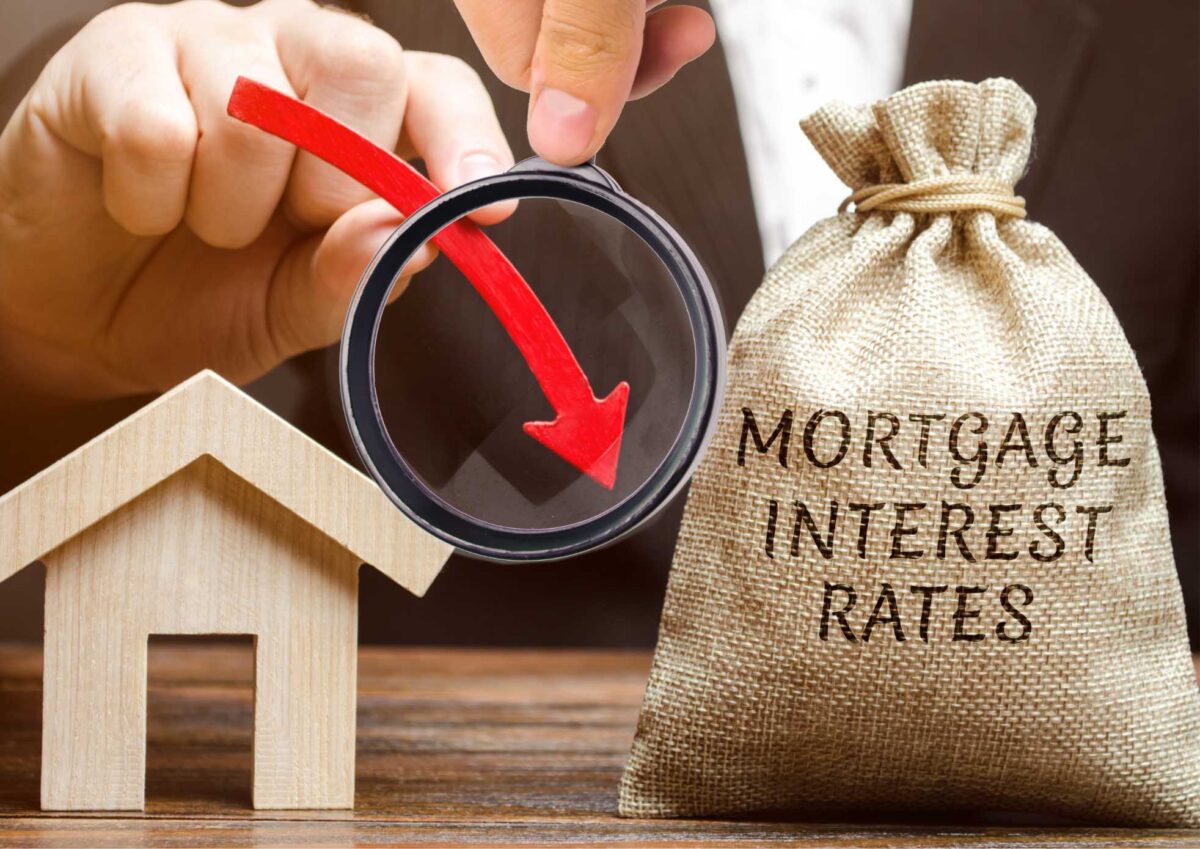
After months of fluctuating interest rates and financial uncertainty, there’s a glimmer of relief for buyers: lower mortgage rates are making a comeback. Whether you’re a first-time buyer or looking to move up, this shift in rates can directly impact your buying power and your future monthly payments.

In this post, we’ll explore why rates are falling, how it affects affordability, what it means for the real estate market overall, and how to take advantage of the current landscape.

Why Are Mortgage Rates Going Down?

Mortgage rates respond to a variety of economic indicators, especially inflation trends and the Federal Reserve’s monetary policy. Recently, cooling inflation and hints that the Fed may pause or even cut interest rates have helped push mortgage rates downward.

The concept of falling real estate market. Reduced interest in the mortgage. A decline in property prices and apartments. Low interest rates on mortgage loans. Reduced demand for home

When bond yields drop or economic forecasts suggest slower growth, lenders often lower their rates to remain competitive. These market dynamics have led to lower mortgage rates, a welcome change for buyers who were previously priced out.

How Lower Mortgage Rates Impact Affordability

A lower rate doesn’t just sound good; it can dramatically change what you can afford. For example, a drop of even 0.5% in your interest rate on a $350,000 mortgage could save you over $100 a month. Over the life of the loan, that adds up to tens of thousands of dollars.

This increase in affordability allows buyers to either expand their search into higher price ranges or stick to their original budget with greater financial peace of mind. With lower mortgage rates, more homes become attainable without needing a larger down payment or stretching your monthly budget.

What This Means for the Housing Market

As rates fall, buyer activity often picks up. People who were previously hesitant may feel more confident entering the market, which can increase competition, especially in areas with tight inventory.

Real estate agent with young home buyers.

At the same time, some sellers who were holding off may decide to list, creating more opportunities for buyers. This increase in market movement can help stabilize home prices, offer more choices, and potentially bring back a healthier balance between supply and demand.

With more buyers and sellers re-entering the scene, the impact of lower mortgage rates will likely ripple through the market in the coming months.

Should You Buy Now?

Buying a home is a personal decision, but falling rates can definitely tip the scales in your favor. If you’ve been waiting for the right time, this might be your moment to act. Getting pre-approved while rates are still low can help you lock in a favorable deal before further changes occur.

Just be sure to consider your long-term goals, job stability, and overall financial readiness. Work with a trusted lender and a knowledgeable real estate agent to evaluate what lower mortgage rates could mean for your specific situation.

Final Thoughts

While no one can perfectly predict the housing market, it’s clear that recent drops in interest rates are giving buyers new opportunities. Lower mortgage rates don’t just offer savings; they give you more flexibility, better buying options, and the chance to enter the market with confidence.

If you’re considering a move, now is a great time to explore your options and take advantage of more favorable borrowing conditions.

Price Drops, Bidding Wars, and Mortgage Rate Madness: What’s Really Happening This Fall?

Introduction

The real estate market has always had its ups and downs, but this season feels particularly unpredictable. From surprising price drops to bidding wars and the ongoing mortgage rate madness, many buyers and sellers are left wondering what’s really happening this fall. In this post, we’ll break down the key factors shaping today’s housing market, helping you make sense of the trends and prepare for what’s ahead.

Price Drops Are Making Headlines

Across the country, many regions are seeing homes sitting on the market longer than expected, leading sellers to adjust their asking prices. These price drops don’t necessarily signal a crash; they often reflect sellers correcting overly ambitious expectations or adjusting to higher borrowing costs.

Price drops in real estate depection.

For buyers, this trend may create opportunities to negotiate better deals, especially in neighborhoods where competition has cooled. Sellers, on the other hand, need to stay realistic. Pricing a home right the first time remains the best way to attract serious buyers in today’s climate.

Why Bidding Wars Haven’t Disappeared

Despite headlines about softening markets, bidding wars haven’t gone away. In fact, some homes, particularly those that are well-priced and move-in ready, are still attracting multiple offers. Low housing inventory continues to drive competition, even as some buyers pull back due to higher mortgage rates.

This dynamic creates a mixed experience: one buyer might find a price drop on a home in need of updates, while another faces a bidding war on a turnkey property in a desirable neighborhood. Understanding your local market conditions is crucial to navigating this landscape.

Mortgage Rate Madness Continues

Mortgage rate madness is still a defining factor in this fall’s housing market. Rates remain higher than what many buyers became accustomed to in recent years, and this directly impacts affordability. Every small increase in rates reduces purchasing power, making monthly payments more expensive.

Mortgage rates

However, experts point out that rates are unlikely to drop significantly in the short term. Instead, buyers are adapting by exploring adjustable-rate mortgages, down payment assistance programs, and smaller loan amounts. Sellers should also be aware of how these rates impact buyer behavior, as affordability plays a significant role in determining how quickly homes sell.

What Buyers and Sellers Should Do Now

With price drops in some areas, bidding wars in others, and mortgage rate madness affecting nearly everyone, it’s important to stay strategic. Buyers should get pre-approved for financing, stay flexible, and work closely with agents who understand the nuances of local markets. Sellers should focus on curb appeal, realistic pricing, and marketing strategies that highlight their home’s unique value.

Above all, both sides should stay informed. The real estate market is shifting quickly, and having the right information at the right time can make all the difference.

Conclusion

This fall’s real estate market is anything but predictable. Price drops, bidding wars, and mortgage rate madness are creating a complex environment that rewards those who stay prepared and adaptable. Whether you’re buying or selling, understanding these trends will help you make smarter decisions in today’s ever-changing landscape.