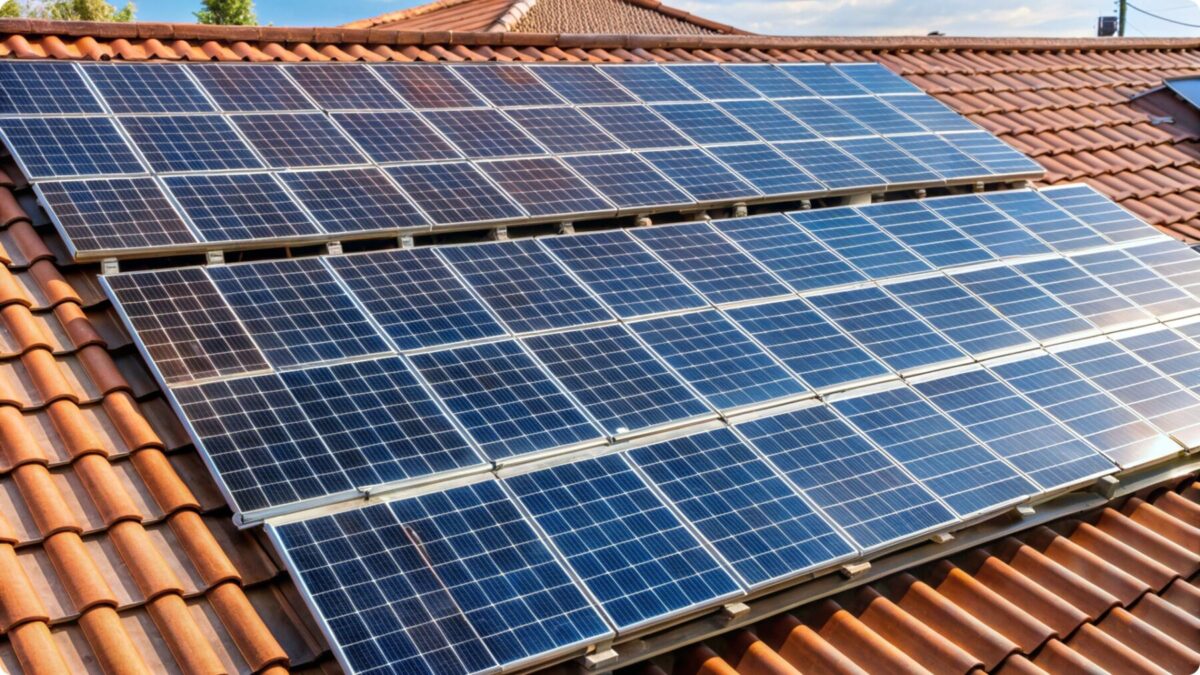
Energy Efficiency is the New Curb Appeal: Why 2026 Buyers Are Paying for Performance, Not Just Looks

For a long time, sellers knew exactly what it took to win over a buyer. A fresh coat of neutral paint, updated kitchen counters, and some tidy landscaping out front. Curb appeal got them out of the car, and cosmetic updates got them to write an offer.

Those things still matter. But in 2026, buyers are looking heavily past the surface. They aren’t just asking if a house is beautiful. They are asking how much this house is going to cost to actually run.

With mortgage rates still hovering in the mid-6% range and overall affordability stretched, buyers are hyper-focused on their total monthly outgoing costs. Because of this, energy efficiency and smart tech are no longer just nice-to-have “green” features. They are major market drivers—and in many cases, they are replacing traditional cosmetic updates as the ultimate selling point.
1. The Real Cost of Inefficiency

A few years ago, when borrowing money was cheap, a buyer might not have blinked at an older HVAC system, drafty windows, or aging appliances. They figured they would deal with the utility bills for a while and just update the systems later.

Today, buyers are doing a very different kind of math. They know that a high mortgage payment combined with soaring utility bills can quickly make a home feel suffocating. Buyers are actively evaluating homes based on energy efficiency ratings, insulation quality, and the age of critical systems. They know that buying a house with single-pane windows or a 15-year-old AC unit isn’t just an inconvenience—it is a massive, looming bill that they simply do not have the extra cash to cover.

2. Highlighting Performance Over Potential

Sellers who understand this shift are winning. The homes getting the most attention right now are the ones that prove they are inexpensive to maintain.

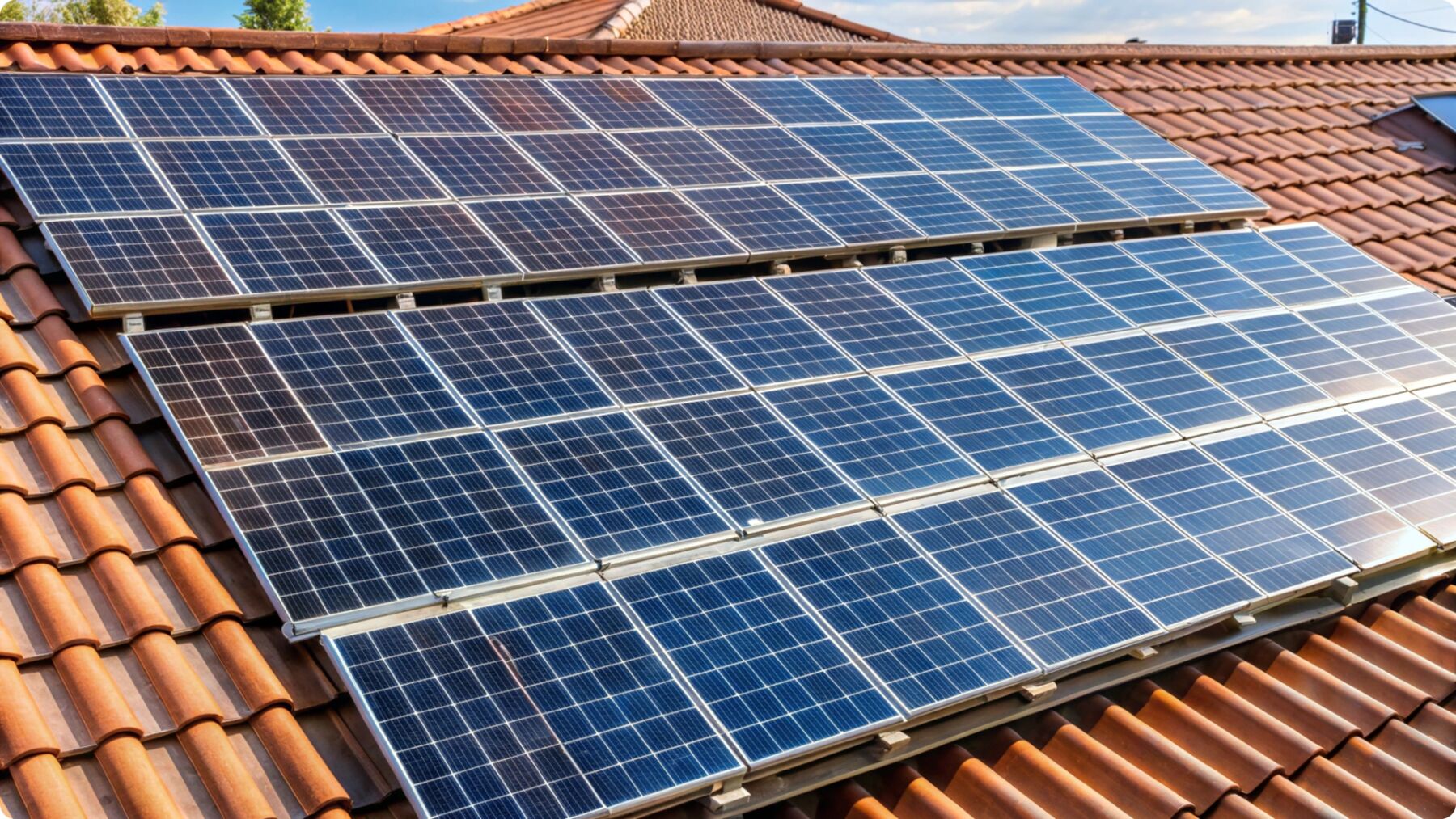
If you are getting ready to sell, you need to market your home’s performance just as heavily as its floor plan. Did you recently install a smart thermostat, a high-efficiency water heater, or solar panels? Do you have a year’s worth of low utility bills you can show potential buyers?

Sellers who highlight energy audits, utility savings, and tech-forward updates are finding that buyers are willing to pay a premium for a home that won’t bleed them dry every month.

3. Smart Tech is the New Standard

Sustainability isn’t just about insulation; it’s about control. Buyers want to know they can manage their home’s energy footprint from their phones. Smart thermostats, automated lighting, and energy-monitoring smart electrical panels are becoming expected features, especially for millennial and Gen Z buyers entering the market.

These features tell a buyer a very specific story: This home is updated, cared for, and ready for the future. It creates the exact kind of “ease” that today’s cautious, budget-conscious buyers are actively searching for. It stops the house from feeling like a project and makes it feel like a solution.

Your Next Steps

If you are buying, don’t let cosmetic charm distract you from a home’s mechanical realities. Always ask for a utility history and pay close attention to the age of the major systems before you fall in love with a floor plan.

If you are selling, remember that buyers are deeply payment-sensitive. The more you can do to prove your home is efficient, comfortable, and affordable to operate, the more leverage you will hold in negotiations.

Want to know how your home’s efficiency stacks up in today’s market, or looking to buy a home that won’t break the bank on utility costs? Contact me today, and let’s build a strategy that makes sense for 2026.
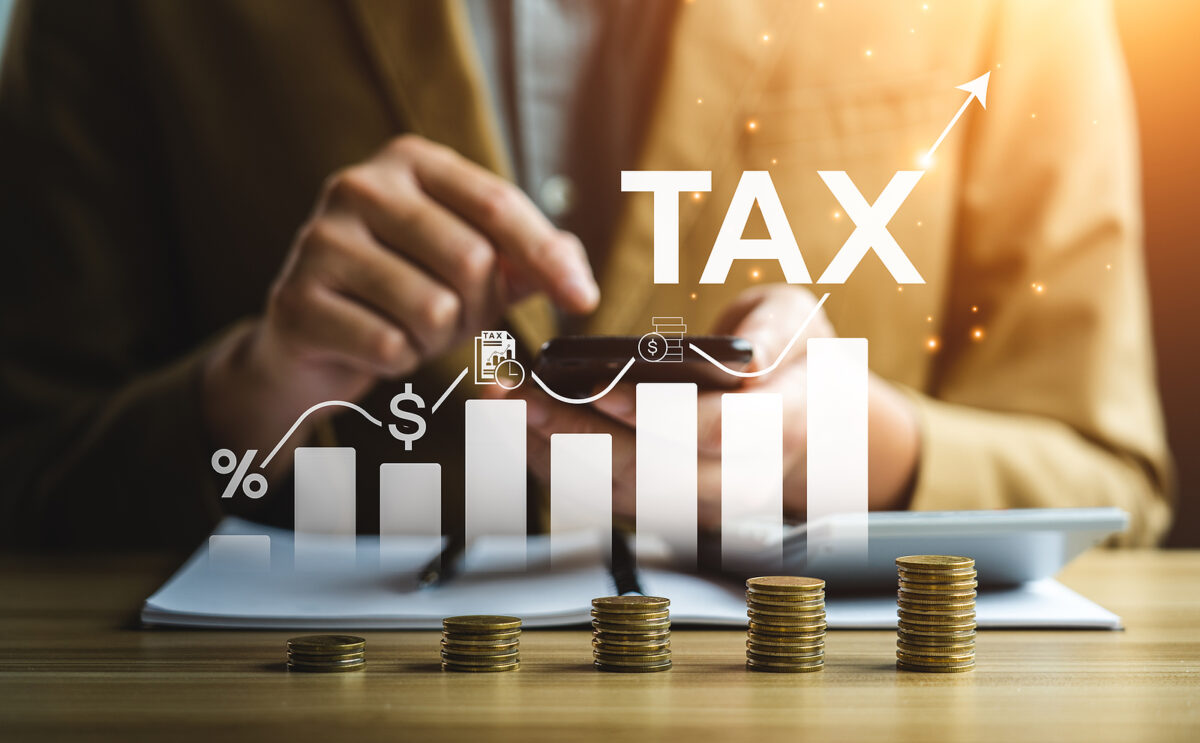
Real Estate Tax Tips for Sellers and Investors

Introduction

If you are preparing to sell property or grow your portfolio in 2026, mastering the most effective real estate tax tips is essential. With the sweeping changes in tax legislation and inflation adjustments taking effect next year, both sellers and investors must act strategically. In this blog, you will learn about the major tax shifts coming in 2026, deductions and strategies you can use now, and how to structure your ownership for the best results.

Major Tax Law Shifts Affecting Real Estate

One of the most important real estate tax tips for 2026 revolves around the new legislation under the One Big Beautiful Bill Act (OBBBA). This law makes permanent many of the tax cuts from the past and introduces adjustments that directly affect property transactions and ownership.

Real estate investing and selling with the current tax laws of 2026.


For example:

  • Income tax rates that were scheduled to rise revert to the previous levels, thanks to OBBBA.
  • The deduction cap for state and local taxes (SALT) has increased for tax year 2025-29, which impacts real-estate owners in high-tax states.
  • Bonus depreciation of 100% on qualified property has been restored and made permanent, which is great news for property investors. 
    These are key real estate tax tips to factor into your 2026 planning.

Deductible Expenses, Depreciation & Investment Opportunities

Another set of high-value real estate tax tips for investors centers on deductions and depreciation. With 100% bonus depreciation back, improvements to property placed into service after January 19, 2025, qualify for immediate expensing.


Also, the guidance around rental property owners and commercial investors has been clarified for 2026:

  • The 20% qualified business income (QBI) deduction remains available for rental pass-throughs and REIT dividends.
  • For affordable housing projects, the low-income housing tax credit (LIHTC) allocation was increased starting in 2026, a useful point if you invest in that sector. 
    For sellers, keeping very clear records of improvements, capital expenditures, and basis adjustments will help you reduce taxable gain when you sell. These are all actionable real estate tax tips for the upcoming year.

Capital Gains, Sale Timing & Ownership Structure

When planning to sell property in 2026, key real estate tax tips include understanding how your sale timing and entity structure impact gain treatment.

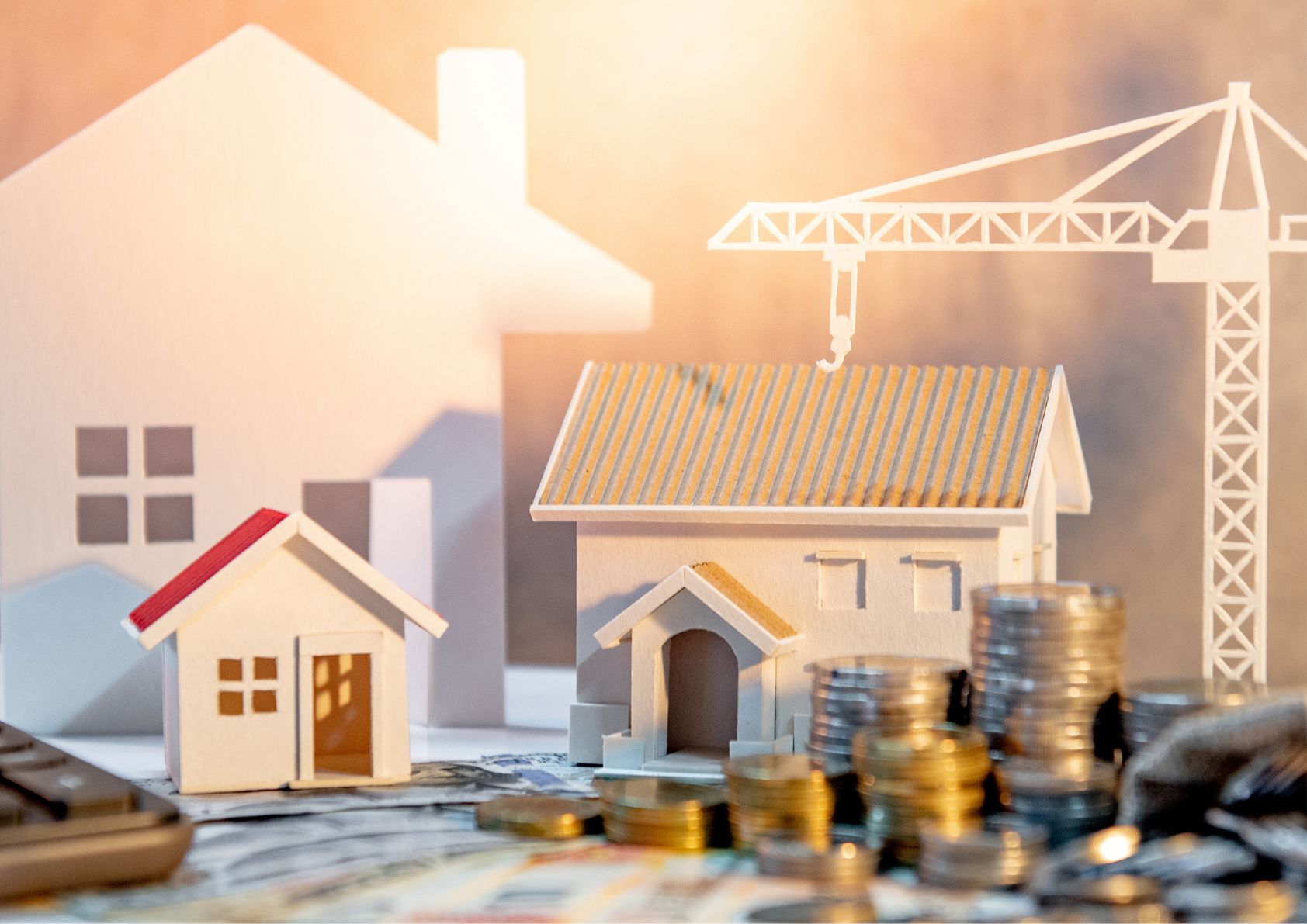
Search for real estate investment options. Economy and profitability. Affordable affordable housing. Valuation of property, determination of profitableness of purchase deal. Review market prices
 
  • Tax brackets for 2026 have been adjusted for inflation, which affects how capital gains will be taxed.
  • For investors using entity-structures (LLCs, S-corps, partnerships), evaluate how your holding entity qualifies for QBI and how you treat rental activity (active vs. passive).
  • Ownership structure matters: treating your investment as a trade or business may yield more favourable tax treatment, and structuring correctly ahead of sale is important.
    Sellers can also look at techniques like deferred sales, 1031 exchanges (where applicable), and timing improvements to align with tax-year cut-offs. These are strategic real estate tax tips that pay off in 2026.

Takeaway Checklist for 2026 Real Estate Moves

Here is a quick checklist of real estate tax tips to apply as you prepare for 2026:

  • Review acquisition and improvement dates: are you eligible for bonus depreciation or other accelerated deductions?
  • Check your ownership entity: does it maximise deductions, QBI eligibility and liability protection?
  • When planning a sale: model the capital gain, factor in adjusted tax brackets, consider sale timing and whether a like-kind exchange applies.
  • Keep detailed records of all property costs, improvements, and holding periods to support basis and deduction claims.
  • Stay aware of state and local tax changes (e.g., SALT cap increases) that affect your total tax burden.

By integrating these real estate tax tips into your strategy now, you’ll be better positioned for smoother transactions, higher after-tax returns, and fewer surprises. Whether you’re selling a property or growing your portfolio, the tax environment for real estate in 2026 is complex, but with the right plan, you can gain a competitive edge. Contact your tax professionals today to see how this affects you and your real estate transactions.