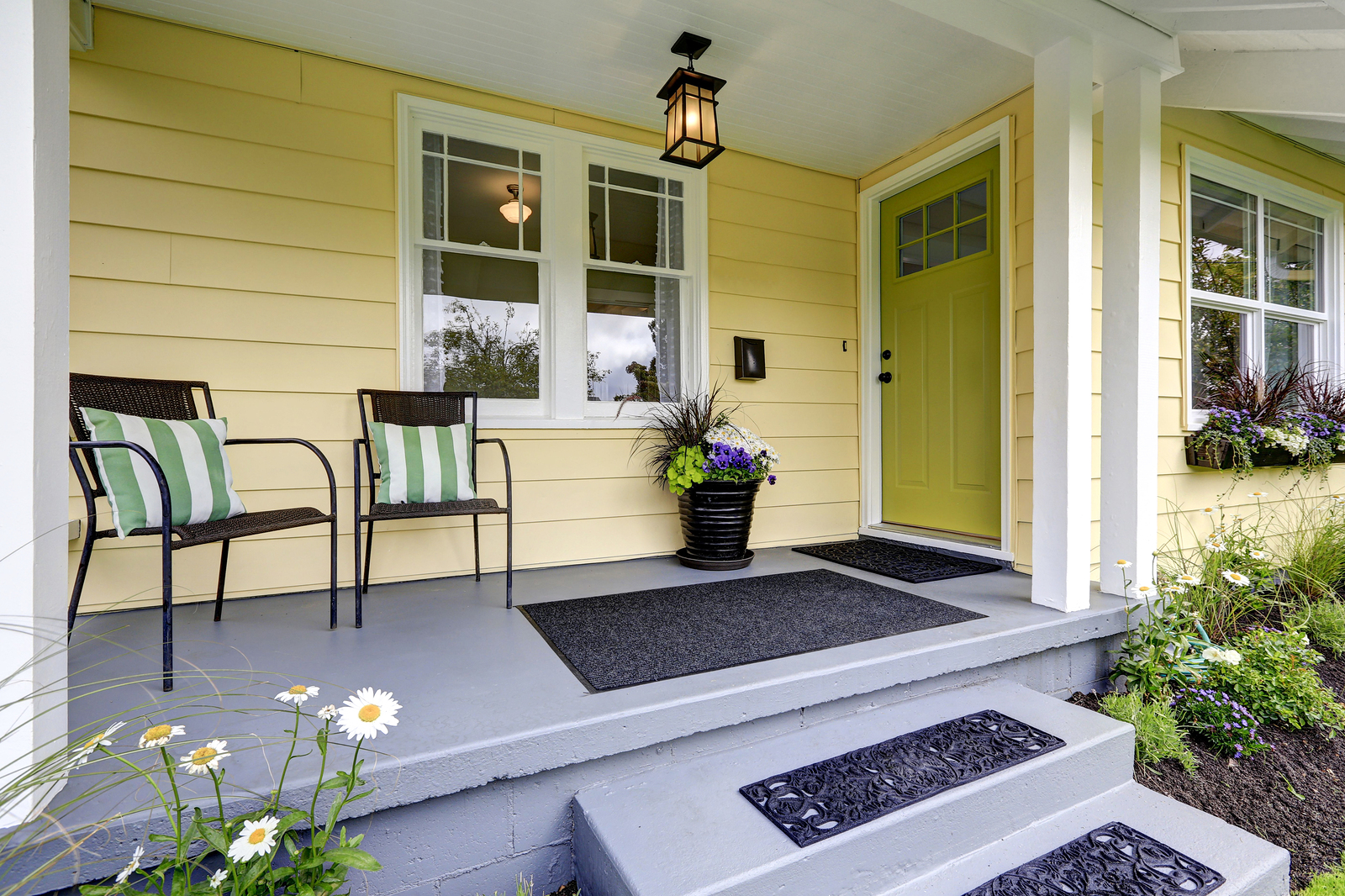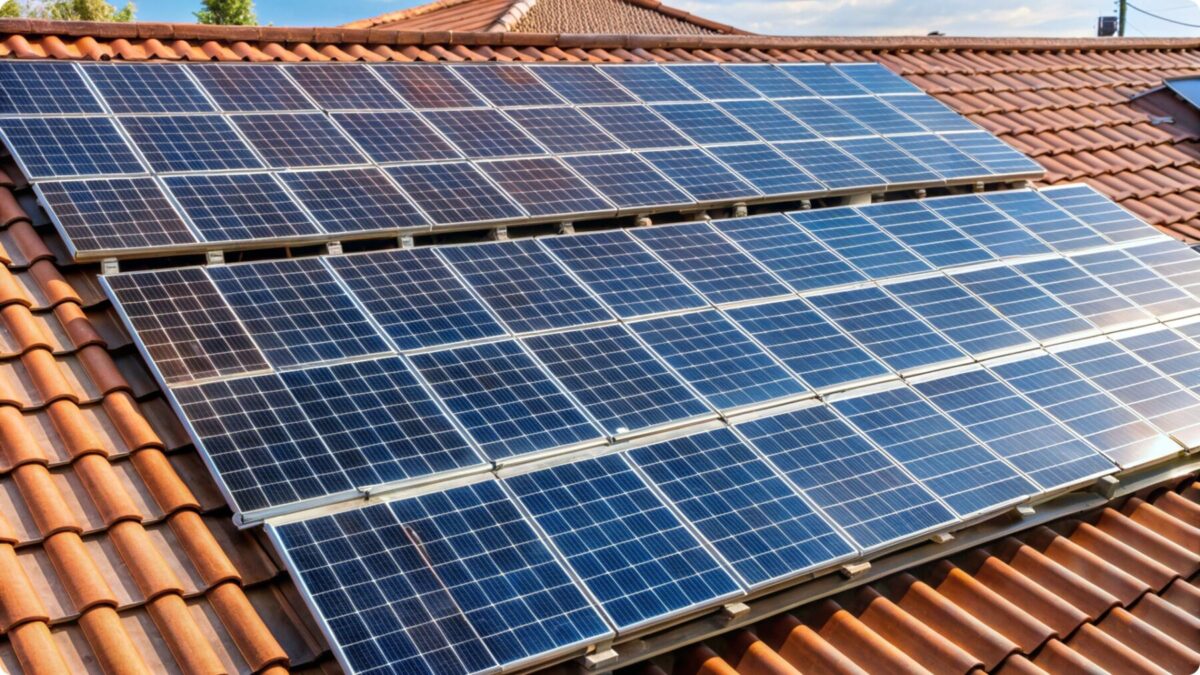
Energy Efficiency is the New Curb Appeal: Why 2026 Buyers Are Paying for Performance, Not Just Looks

For a long time, sellers knew exactly what it took to win over a buyer. A fresh coat of neutral paint, updated kitchen counters, and some tidy landscaping out front. Curb appeal got them out of the car, and cosmetic updates got them to write an offer.

Those things still matter. But in 2026, buyers are looking heavily past the surface. They aren’t just asking if a house is beautiful. They are asking how much this house is going to cost to actually run.

With mortgage rates still hovering in the mid-6% range and overall affordability stretched, buyers are hyper-focused on their total monthly outgoing costs. Because of this, energy efficiency and smart tech are no longer just nice-to-have “green” features. They are major market drivers—and in many cases, they are replacing traditional cosmetic updates as the ultimate selling point.
1. The Real Cost of Inefficiency

A few years ago, when borrowing money was cheap, a buyer might not have blinked at an older HVAC system, drafty windows, or aging appliances. They figured they would deal with the utility bills for a while and just update the systems later.

Today, buyers are doing a very different kind of math. They know that a high mortgage payment combined with soaring utility bills can quickly make a home feel suffocating. Buyers are actively evaluating homes based on energy efficiency ratings, insulation quality, and the age of critical systems. They know that buying a house with single-pane windows or a 15-year-old AC unit isn’t just an inconvenience—it is a massive, looming bill that they simply do not have the extra cash to cover.

2. Highlighting Performance Over Potential

Sellers who understand this shift are winning. The homes getting the most attention right now are the ones that prove they are inexpensive to maintain.

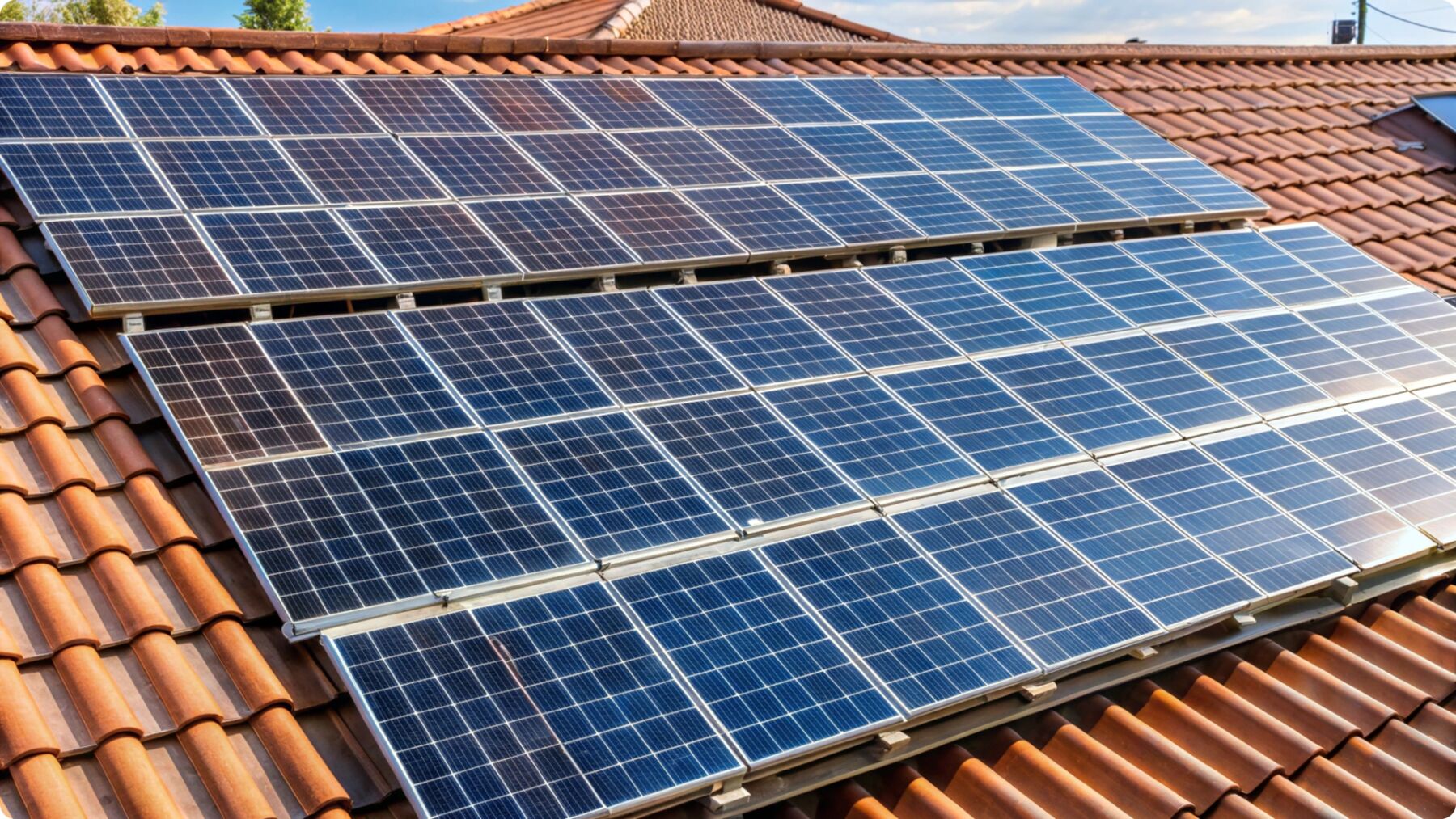
If you are getting ready to sell, you need to market your home’s performance just as heavily as its floor plan. Did you recently install a smart thermostat, a high-efficiency water heater, or solar panels? Do you have a year’s worth of low utility bills you can show potential buyers?

Sellers who highlight energy audits, utility savings, and tech-forward updates are finding that buyers are willing to pay a premium for a home that won’t bleed them dry every month.

3. Smart Tech is the New Standard

Sustainability isn’t just about insulation; it’s about control. Buyers want to know they can manage their home’s energy footprint from their phones. Smart thermostats, automated lighting, and energy-monitoring smart electrical panels are becoming expected features, especially for millennial and Gen Z buyers entering the market.

These features tell a buyer a very specific story: This home is updated, cared for, and ready for the future. It creates the exact kind of “ease” that today’s cautious, budget-conscious buyers are actively searching for. It stops the house from feeling like a project and makes it feel like a solution.

Your Next Steps

If you are buying, don’t let cosmetic charm distract you from a home’s mechanical realities. Always ask for a utility history and pay close attention to the age of the major systems before you fall in love with a floor plan.

If you are selling, remember that buyers are deeply payment-sensitive. The more you can do to prove your home is efficient, comfortable, and affordable to operate, the more leverage you will hold in negotiations.

Want to know how your home’s efficiency stacks up in today’s market, or looking to buy a home that won’t break the bank on utility costs? Contact me today, and let’s build a strategy that makes sense for 2026.


Waiting for Rates to Drop? Why “Timing the Market” Could Cost You

You check your news feed every morning, hoping to see the magical headline: Mortgage Rates Plummet. You’ve paused your home search and renewed your lease, convinced that sitting on the sidelines and waiting for rates to drop is the smartest financial move you can make.

It makes sense on paper. Lower rates mean lower monthly payments, right?

But in real estate, waiting for the “perfect” time is a risky game. Attempting to time the market is one of the biggest traps early-stage home buyers fall into. If you are financially ready to buy a home right now, waiting for a major drop in interest rates could actually end up costing you more in the long run.

Here is why “timing the market” rarely works, and why buying in today’s balanced market gives you a hidden advantage.

Happy asian young attractive couple man and woman use tablet online shopping furniture decorate house with carton package move in new house. Young married asian moving home shopper online concept.

1. The Trap: Lower Rates Equal Fierce Competition

There is an inverse relationship between interest rates and buyer demand. Right now, rates hovering in the mid-6% range have kept a lot of casual buyers out of the market.

But what happens if rates suddenly drop to 5.5% or lower? The floodgates open.

  • The Reality: Millions of buyers who have been waiting on the sidelines will rush back into the market all at once.

  • The Result: Inventory gets swallowed up overnight. You will find yourself thrust back into the brutal environment of 2021 and 2022: intense bidding wars, offers coming in tens of thousands of dollars over the asking price, and buyers being forced to waive home inspections just to compete.

When you wait for rates to drop, you trade a higher interest rate for a much higher purchase price and zero negotiating power.

2. The Hidden Advantage of Today’s Market: Buyer Leverage

Because rates are elevated in 2026, the market has cooled to a much healthier pace. Inventory is up significantly compared to a year ago, and homes are sitting on the market a little bit longer.

This means something magical has returned to the housing market: Buyer Leverage.

  • Sellers are no longer calling all the shots.

  • You have time to breathe, tour multiple homes, and make a decision without rushing.

  • Sellers are actually willing to negotiate on price, repairs, and closing timelines.

If you buy now, you get to negotiate the price of the home on your terms. You can always change your mortgage rate later, but you can never change the price you paid for the house.

3. Strategies You Can Use NOW (Instead of Waiting)

You don’t have to just accept a higher monthly payment. Because buyers have leverage right now, there are strategies we can use to make your dream home highly affordable today:

  • Seller Concessions: We can negotiate to have the seller pay a portion of your closing costs, keeping more cash in your pocket.

  • Temporary Rate Buydowns: We can ask the seller to pay for a “2-1 buydown,” which lowers your interest rate by 2% the first year and 1% the second year, giving you a significantly lower monthly payment while you settle into the home.

  • Refinancing Later: There is an old saying in real estate: “Marry the house, date the rate.” If you secure a home you love at a fair price today, you can simply refinance your loan if rates drop in 2027 or beyond.

Your Next Steps

Ultimately, the “best time to buy” isn’t based on what the Federal Reserve is doing—it is based on your personal financial readiness. If you have stable income, manageable debt, and a down payment saved, you are ready.

Don’t let the calendar dictate your homeownership goals.

Curious about how much leverage you actually have in our local market right now? Contact me today, and let’s look at the numbers together.

Pre-Qualified vs. Pre-Approved: The Crucial Difference Buyers Miss

You’ve spent hours scrolling through real estate apps, favoriting gorgeous kitchens, and mapping out your dream neighborhood. You feel ready to start touring homes. So, you click a button on a website, type in a few basic numbers, and a screen pops up saying you’re “pre-qualified” for a $400,000 mortgage.

Time to start making offers, right?

Not quite.

One of the most common—and potentially heartbreaking—mistakes home buyers make is confusing being pre-qualified with being pre-approved. While they sound almost identical, mixing up these two steps can cause you to lose out on your dream home in a competitive market.

Here is the crucial breakdown of the two, and why knowing the difference changes everything.


1. Pre-Qualification: The Casual First Glance

Think of a pre-qualification as a casual conversation with a lender. It is a quick, high-level estimate of what you might be able to borrow based entirely on information you provide.

  • How it works: You tell a lender (or an online form) your estimated income, your approximate debt, and what you think your credit score is.

  • The catch: The lender does not verify any of this information. They don’t look at your tax returns, they don’t check your pay stubs, and they usually don’t run a hard credit check.

  • What it’s good for: It gives you a ballpark idea of your budget so you can decide if you’re financially ready to start looking at homes.

The Bottom Line: A pre-qualification is an educated guess. Because it isn’t verified, sellers will not accept it as proof that you can actually secure a loan.

2. Pre-Approval: The Golden Ticket

A pre-approval is the real deal. This is an official, conditional commitment from a lender stating the exact amount they are willing to lend you.

  • How it works: You fill out a formal mortgage application. You provide actual documentation to back up your claims, including W-2s, tax returns, bank statements, and pay stubs. The lender will also perform a hard credit inquiry to check your official credit score and debt-to-income ratio.

  • Why it matters: An underwriter actually reviews your financial health. If everything checks out, the lender issues a formal Pre-Approval Letter.

  • What it’s good for: This letter proves to sellers and real estate agents that you are a serious, qualified buyer who has the financial backing to close the deal.

Why Making an Offer Without a Pre-Approval Fails

In today’s real estate market, timing is everything. When a great home hits the market, the seller might receive multiple offers within a few days.

If you submit an offer with only a pre-qualification letter, and another buyer submits an offer with a pre-approval letter, the seller will almost always choose the other buyer. Why? Because the other buyer has already done the heavy lifting with their lender, meaning the risk of the deal falling through due to financing issues is incredibly low.

Furthermore, many agents won’t take buyers out to tour homes in person until they are pre-approved. It ensures no one is wasting time looking at properties that are outside of a realistic budget.

Your Next Steps

Getting pre-approved doesn’t just make you look good to sellers—it gives you peace of mind. You can shop with confidence, knowing exactly what your monthly payments will look like and exactly how much house you can afford.

Before you fall in love with a home on your screen, let’s get your financial foundation secured.

Ready to take the true first step? Contact me today, and I’ll connect you with a trusted local lender to get your pre-approval started.

Smart Strategies for Buying a Home in Today’s Market

If you’ve been keeping an eye on the housing market recently, you might be feeling a mix of excitement and hesitation. With interest rates fluctuating and affordability making headlines, it’s completely normal to wonder: Is right now a good time to buy a home?

The short answer? Yes—if you approach it with the right strategy.

While the days of rock-bottom interest rates might be behind us for now, today’s market offers unique opportunities for savvy buyers who know where to look. Here are a few smart strategies to help you navigate the home-buying process and come out on top.

1. Focus on the Purchase Price, Not Just the Rate

There’s a popular saying in real estate: “Marry the house, date the rate.” Interest rates are temporary, but the purchase price of your home is permanent.

In a market with higher interest rates, there is often less buyer competition. This means fewer bidding wars and a better chance to negotiate a favorable purchase price. If you secure a home at a great price today, you always have the option to refinance your mortgage down the road when interest rates eventually drop.

2. Leverage Seller Concessions

When homes sit on the market a little longer, sellers become more motivated. This shifts the leverage back to you, the buyer.

Instead of just negotiating the asking price, you can ask for seller concessions. These are costs the seller agrees to pay on your behalf to help close the deal. You can use concessions to cover closing costs, pay for necessary repairs, or—most importantly—fund a temporary rate buydown.

3. Explore a Temporary Rate Buydown

A temporary rate buydown (like a 2-1 buydown) is a fantastic tool for buyers looking for immediate payment relief.

Here’s how it works: The seller pays an upfront fee at closing that lowers your mortgage interest rate for the first one or two years of your loan. This gives you a much lower monthly payment during your initial years in the home, allowing you time to ease into homeownership, furnish your house, or wait for the broader market rates to stabilize before refinancing.

4. Think Long-Term Wealth Building

It’s easy to get caught up in the monthly payment math, but it’s crucial to remember that real estate is a long-term investment. Every mortgage payment you make is a forced savings account that builds your equity.

Historically, home values appreciate over time. By delaying your purchase to wait for a “perfect” market, you could miss out on years of equity growth and end up paying a higher purchase price later on.

Ready to Build Your Strategy?

Buying a home in today’s market isn’t about timing things perfectly; it’s about making the right financial decisions for your unique situation. Having a knowledgeable real estate professional by your side is more important than ever to help you negotiate concessions, understand financing options, and find a home that fits your budget.

If you’re ready to stop renting and start building wealth, reach out today. Let’s sit down, look at the numbers, and build a customized home-buying strategy that works for you!

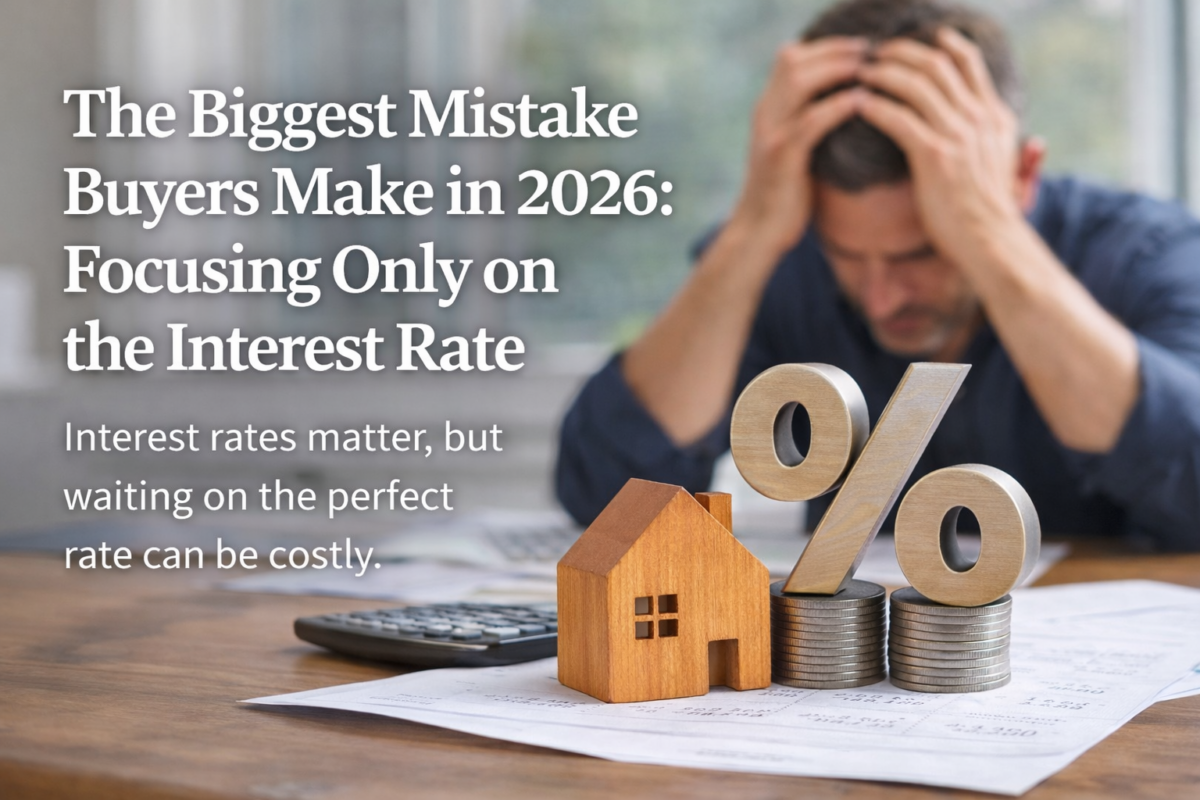
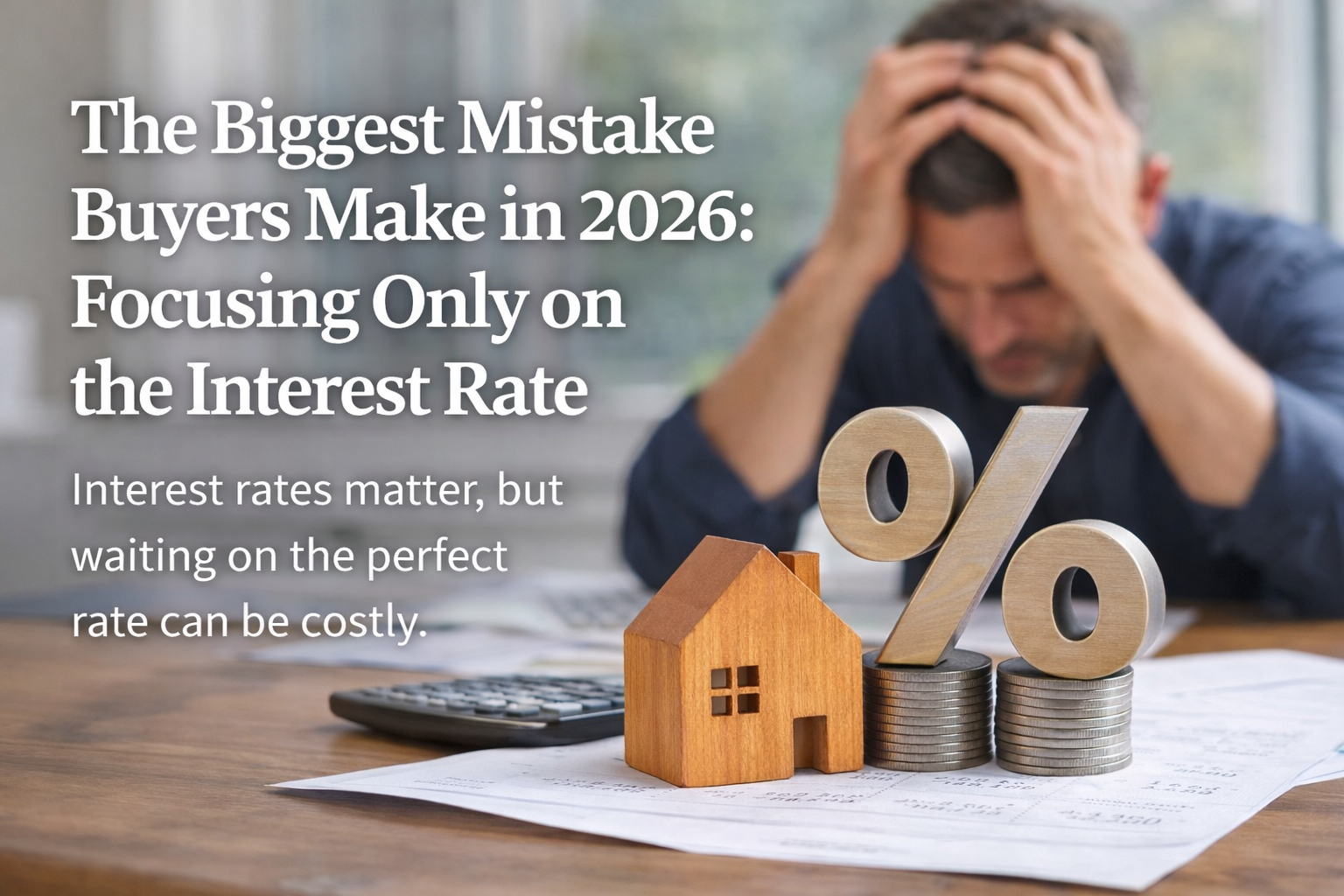
The Interest Rate Focus Mistake Buyers Are Making in 2026

In 2026, one topic dominates nearly every buyer conversation.
Interest rates.

Buyers watch them daily. Headlines track them hourly. Social media predicts where they will go next. Many buyers delay purchasing because of interest rate focus, believing the lowest rate equals the best decision.

The problem is simple. Focusing only on the rate often leads to worse outcomes.

Interest rates matter, but they are only one part of the decision. When buyers build their entire strategy around interest rate focus, they overlook factors that have a much greater impact on long term cost and opportunity.

Rates fluctuate. Purchase price does not.

Interest rates change constantly. They move up, down, and sideways based on inflation, economic data, global events, and policy decisions. What does not change is the price you pay for the home.

If you buy a home at a high price, that number is permanent. If you buy at a lower price with less competition, that advantage stays with you for the life of ownership.

Rates can be refinanced. Overpaying cannot.

Negotiation power shifts with market conditions.

When rates are higher, buyer demand typically slows. That slowdown creates leverage. Sellers become more flexible on price, repairs, concessions, and closing costs.

When rates drop, competition returns quickly. Multiple offers increase prices. Appraisal gaps come back. Concessions disappear.

Buyers driven by interest rate focus often enter the market at the exact moment their negotiating power is weakest.

Temporary rate strategies matter more than permanent pricing mistakes.

In 2026, buyers have access to temporary buydowns, seller paid concessions, adjustable products, and refinance strategies that can reduce payments in the short term.

What cannot be fixed later is buying too high.

A slightly higher rate on a lower purchase price often produces the same payment while protecting equity. Buyers trapped in interest rate focus frequently miss these opportunities.

Monthly payment is only one piece of affordability.

Affordability includes equity growth, resale leverage, refinancing flexibility, and long term financial positioning. Two buyers with the same payment can have very different outcomes depending on purchase price and terms.

Reducing affordability to one number is the biggest danger of interest rate focus.

Long term equity beats short term fear.

Real estate wealth is rarely created by perfect timing. It is created through ownership over time.

Buyers who waited for perfect rates in past cycles often entered at peak pricing. Buyers who acted when uncertainty existed typically gained equity faster once conditions stabilized.

Fear delays action. Strategy creates options.

The best opportunity is rarely tied to the lowest rate.

It is tied to pricing, leverage, negotiation strength, and long term equity. Moving beyond interest rate focus allows buyers to make decisions rooted in planning instead of prediction.

Why Smaller Homes Are Winning Right Now

For a long time, bigger felt like the goal.

More square footage meant more success, more flexibility, more room to grow, and more house for the money. That mindset is still out there, but it is not driving buyers the way it used to. More people are looking at housing through a different lens now. They are not asking how much house they can stretch into. They are asking what kind of house actually fits the life they have and the budget they want to protect.

That is a big reason smaller homes are winning right now.

Affordability has forced buyers to get more honest. Harvard’s Joint Center for Housing Studies reported that homebuilders have already been responding to affordability pressure by delivering smaller homes, with the median size of a new single-family home falling for the third straight year in 2024 to 2,150 square feet. The same report noted a sharp increase in townhome construction, which makes sense because smaller homes and attached products tend to hit a more realistic price point for buyers trying to make the monthly numbers work.

That shift is not just about price. It is also about how people want to live.

A large house sounds great until you have to pay to heat it, cool it, furnish it, clean it, insure it, and maintain it. Extra square footage has a way of looking impressive in a listing and a lot less impressive when the utility bills show up or when every spare room turns into a catch-all for things nobody really needs. Buyers are more aware of that now than they were a few years ago, especially after a long stretch of high prices, high borrowing costs, and generally expensive everything.

Freddie Mac made this point pretty directly in its affordability research. It found that buyers are adapting to weaker affordability by targeting smaller homes than they did in the past. That is a practical response, not a trend for trend’s sake. When buyers are trying to stay within a payment they can actually live with, smaller homes start looking a lot smarter.

That matters because the conversation is no longer just about whether a buyer qualifies. It is about whether the home feels sustainable after closing.

A smaller home often gives buyers more breathing room. It can mean a lower purchase price, less pressure on the monthly payment, lower maintenance, and fewer expensive surprises hiding inside unused space. It can also mean buyers are not spending the next several years financially pinned down by a house that looked good on paper but feels heavy in real life.

That is one of the biggest reasons smaller homes are winning right now. They are not always the dream buyers thought they wanted five or ten years ago, but they often make more sense once the full cost of ownership gets real.

Real estate services. House insurance protection and safety. moving and relocation. Small house within bigger house frame in green residential area. Downsizing. Loan for new home. Finding new property

There is also a lifestyle shift happening underneath all of this. Buyers are paying much more attention to function than they used to. They care less about having rooms that sound impressive and more about having spaces they will actually use. A well-designed smaller home can live much better than a larger one with awkward flow, wasted rooms, or square footage that never really serves a purpose.

That kind of practical thinking is showing up across the market. Harvard’s rental housing research found that affordability pressure remains intense even though rent growth has cooled in many places, which reinforces the bigger picture. People are more cost-conscious, more selective, and less interested in housing that stretches them just because it sounds aspirational.

Smaller homes are also benefiting from a simple truth buyers sometimes forget when they are scrolling online. A house does not need to be large to feel good. It needs to work. It needs enough storage, the right layout, useful space, and a location that makes daily life easier. If those things are in place, many buyers are perfectly willing to trade raw square footage for lower stress and better overall fit. That is a healthier way to shop.

It is also why smaller homes are winning right now with first-time buyers, downsizers, and even move-up buyers who have looked at the full cost of owning more house and decided they would rather have a smarter home than a bigger one. Freddie Mac’s data showing first-time buyers making up more than half of purchase loans funded by the company in 2024 also fits that pattern. When first-time buyers are a larger share of activity, practical homes tend to matter more because those buyers are often more payment-sensitive and less interested in taking on unnecessary housing costs.

None of this means bigger homes are going away or that every buyer suddenly wants less space. Some families need it. Some buyers can comfortably carry it. Some properties absolutely justify it. The point is that size alone is not carrying the same weight it once did.

Buyers are thinking harder now. They are asking whether the space earns its keep. They are asking whether the payment leaves room for life. They are asking whether the home supports the way they actually live, not the way they assumed they were supposed to live.


That is a much sharper question.

And it is why smaller homes are not just surviving right now. In many cases, they are quietly outperforming because they match the market more honestly.