Why Smaller Homes Are Winning Right Now

For a long time, bigger felt like the goal.

More square footage meant more success, more flexibility, more room to grow, and more house for the money. That mindset is still out there, but it is not driving buyers the way it used to. More people are looking at housing through a different lens now. They are not asking how much house they can stretch into. They are asking what kind of house actually fits the life they have and the budget they want to protect.

That is a big reason smaller homes are winning right now.
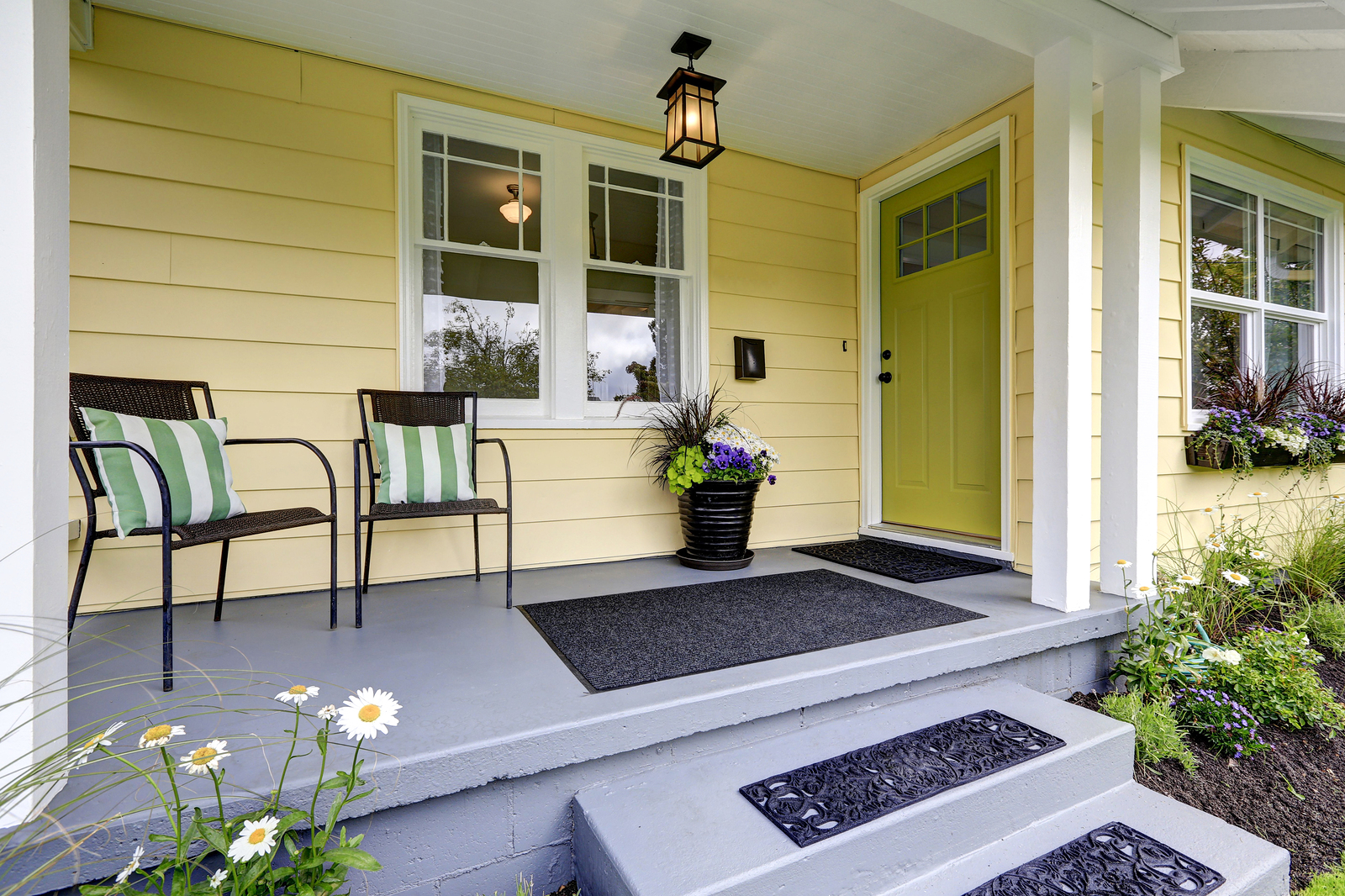
Affordability has forced buyers to get more honest. Harvard’s Joint Center for Housing Studies reported that homebuilders have already been responding to affordability pressure by delivering smaller homes, with the median size of a new single-family home falling for the third straight year in 2024 to 2,150 square feet. The same report noted a sharp increase in townhome construction, which makes sense because smaller homes and attached products tend to hit a more realistic price point for buyers trying to make the monthly numbers work.

That shift is not just about price. It is also about how people want to live.

A large house sounds great until you have to pay to heat it, cool it, furnish it, clean it, insure it, and maintain it. Extra square footage has a way of looking impressive in a listing and a lot less impressive when the utility bills show up or when every spare room turns into a catch-all for things nobody really needs. Buyers are more aware of that now than they were a few years ago, especially after a long stretch of high prices, high borrowing costs, and generally expensive everything.

Freddie Mac made this point pretty directly in its affordability research. It found that buyers are adapting to weaker affordability by targeting smaller homes than they did in the past. That is a practical response, not a trend for trend’s sake. When buyers are trying to stay within a payment they can actually live with, smaller homes start looking a lot smarter.

That matters because the conversation is no longer just about whether a buyer qualifies. It is about whether the home feels sustainable after closing.

A smaller home often gives buyers more breathing room. It can mean a lower purchase price, less pressure on the monthly payment, lower maintenance, and fewer expensive surprises hiding inside unused space. It can also mean buyers are not spending the next several years financially pinned down by a house that looked good on paper but feels heavy in real life.

That is one of the biggest reasons smaller homes are winning right now. They are not always the dream buyers thought they wanted five or ten years ago, but they often make more sense once the full cost of ownership gets real.

Real estate services. House insurance protection and safety. moving and relocation. Small house within bigger house frame in green residential area. Downsizing. Loan for new home. Finding new property

There is also a lifestyle shift happening underneath all of this. Buyers are paying much more attention to function than they used to. They care less about having rooms that sound impressive and more about having spaces they will actually use. A well-designed smaller home can live much better than a larger one with awkward flow, wasted rooms, or square footage that never really serves a purpose.

That kind of practical thinking is showing up across the market. Harvard’s rental housing research found that affordability pressure remains intense even though rent growth has cooled in many places, which reinforces the bigger picture. People are more cost-conscious, more selective, and less interested in housing that stretches them just because it sounds aspirational.

Smaller homes are also benefiting from a simple truth buyers sometimes forget when they are scrolling online. A house does not need to be large to feel good. It needs to work. It needs enough storage, the right layout, useful space, and a location that makes daily life easier. If those things are in place, many buyers are perfectly willing to trade raw square footage for lower stress and better overall fit. That is a healthier way to shop.

It is also why smaller homes are winning right now with first-time buyers, downsizers, and even move-up buyers who have looked at the full cost of owning more house and decided they would rather have a smarter home than a bigger one. Freddie Mac’s data showing first-time buyers making up more than half of purchase loans funded by the company in 2024 also fits that pattern. When first-time buyers are a larger share of activity, practical homes tend to matter more because those buyers are often more payment-sensitive and less interested in taking on unnecessary housing costs.

None of this means bigger homes are going away or that every buyer suddenly wants less space. Some families need it. Some buyers can comfortably carry it. Some properties absolutely justify it. The point is that size alone is not carrying the same weight it once did.

Buyers are thinking harder now. They are asking whether the space earns its keep. They are asking whether the payment leaves room for life. They are asking whether the home supports the way they actually live, not the way they assumed they were supposed to live.


That is a much sharper question.

And it is why smaller homes are not just surviving right now. In many cases, they are quietly outperforming because they match the market more honestly.
Why Smaller Homes Are Winning Right Now

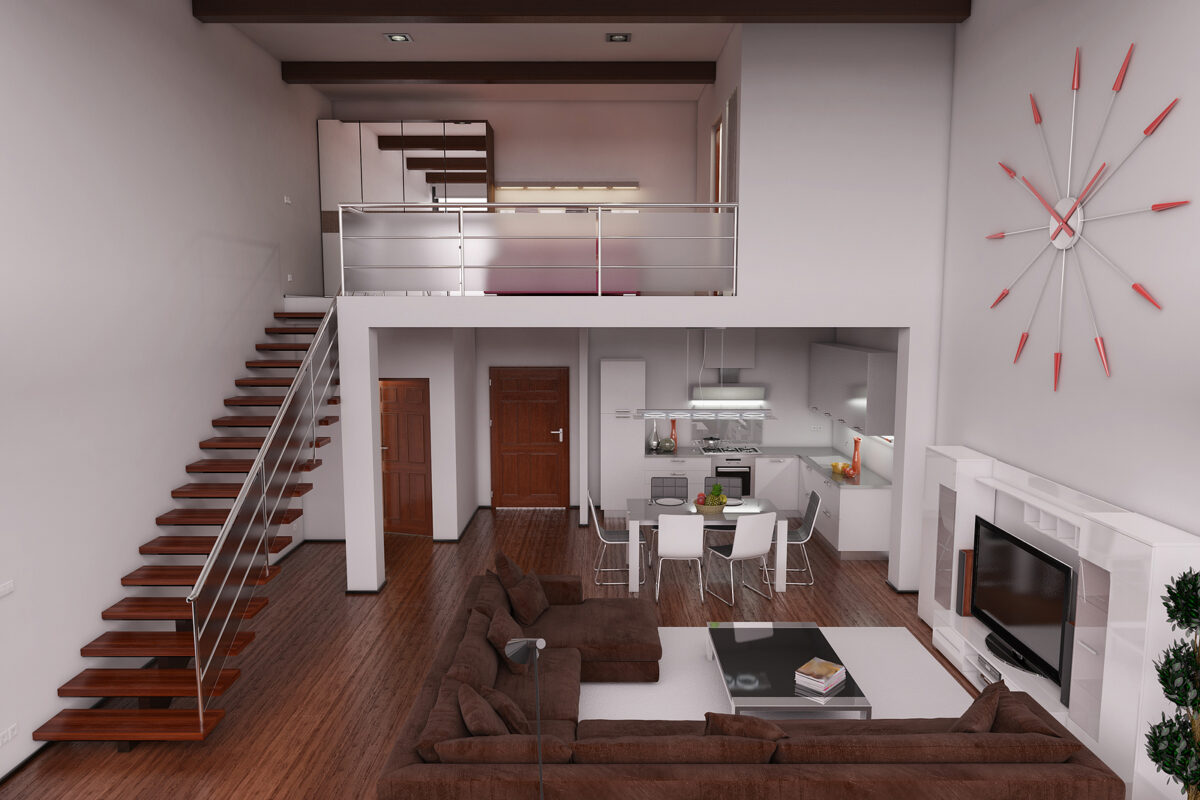
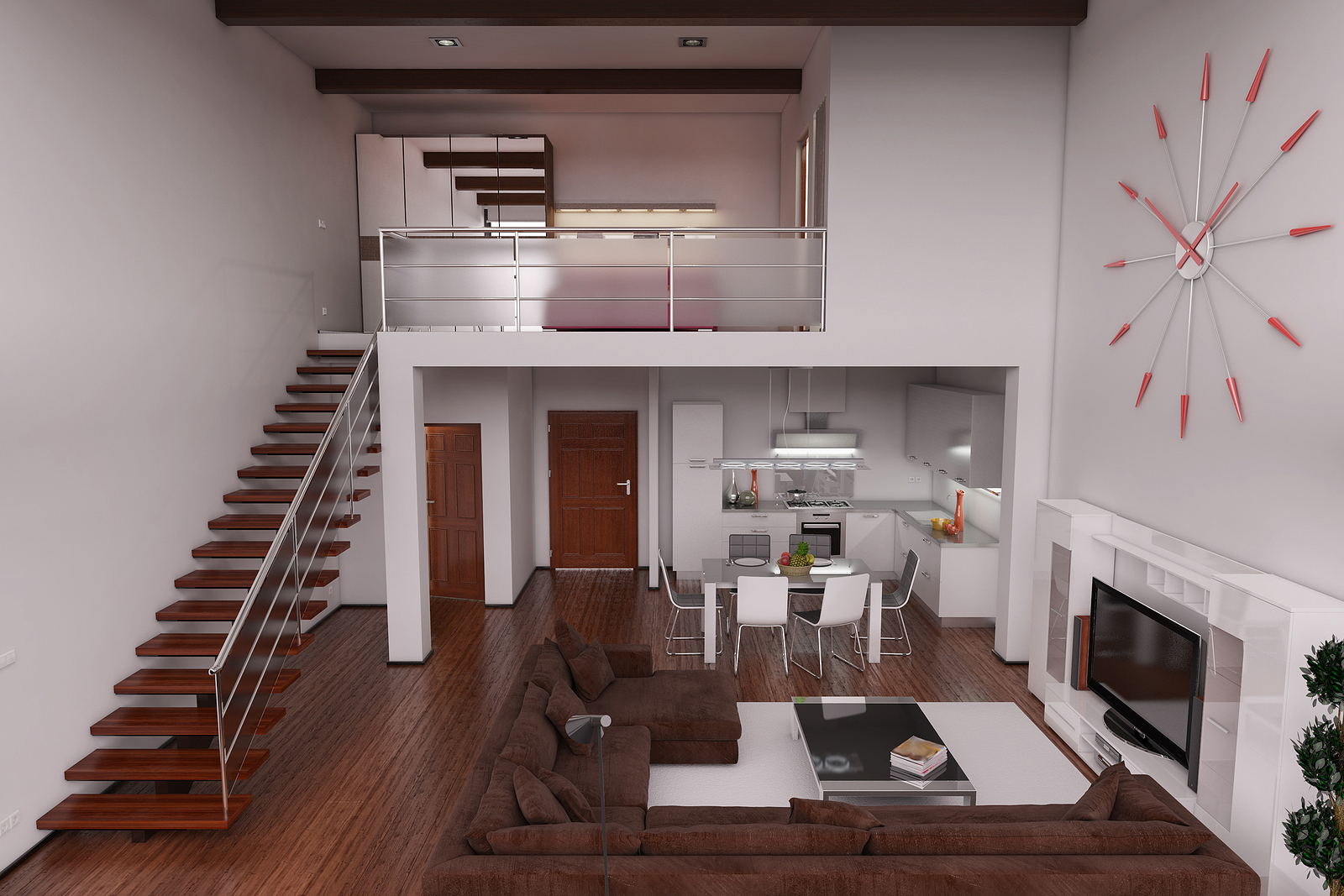
3D Interior rendering of a modern tiny loft

For a long time, bigger was the goal.

More square footage. More rooms. More storage. More space to spread out, fill up, and grow into. A larger home was often seen as the next step, the upgrade, the sign that you were moving forward.

That mindset has shifted.

A lot of buyers today are not looking for the biggest house they can afford. They are looking for the house that makes the most sense for how they actually live. That is a big reason why smaller homes are winning right now.

People are thinking differently than they used to. They are more aware of monthly costs, more aware of upkeep, and more aware that extra space is not always the same thing as better living. A house can be large and still feel wasteful, expensive, or harder to manage than it needs to be.

That is where smaller homes start making a lot more sense.

A smaller home usually costs less to buy, less to heat and cool, less to furnish, and less to maintain. That matters. Buyers are paying attention not just to the purchase price, but to the day-to-day cost of owning the home after the excitement wears off. Mortgage payments are only part of the picture. Utilities, repairs, cleaning, insurance, and upkeep all add up. More house usually means more expense in every direction.

That is one of the clearest reasons why smaller homes are winning right now. People want a home that fits their life without quietly draining their time and money.

There is also the issue of how people actually use space.

For years, buyers were sold on formal dining rooms, bonus rooms, oversized living areas, and square footage that sounded impressive on paper. But a lot of that space went underused. Rooms looked good in listing photos and then sat empty most of the year. Buyers are more aware of that now. They are asking better questions. Will we really use this room? Do we want to clean this much house every week? Are we paying for space just because it sounds nice to have it?

That kind of honesty changes the search.

Smaller homes often force better function. When space is limited, layout matters more. Storage matters more. Room purpose matters more. A well-designed smaller home can live better than a larger one with awkward flow or wasted space. Buyers are starting to see that. They would rather have a smart layout than a bunch of square footage they cannot justify.

That is another reason why smaller homes are winning right now. Buyers are paying closer attention to livability, not just size.

help for sick houseplants

Lifestyle plays a role too.

A lot of people do not want to spend their weekends maintaining a house they barely have time to enjoy. They want something easier. Easier to clean. Easier to furnish. Easier to leave for a trip. Easier to live in without constantly feeling behind on one more project. That is especially true for busy professionals, empty nesters, first-time buyers trying to stay financially comfortable, and even young families who would rather have a manageable home in the right location than a much larger one farther out.

Smaller homes also tend to make people more intentional. Less room often means less clutter, fewer unnecessary purchases, and a clearer sense of what actually matters. That may sound simple, but it changes how a home feels. A house does not have to be huge to feel good. It has to work.

And for many buyers, a smaller home works better than they expected.

That is a healthier way to buy.

It is also a big reason why smaller homes are winning right now in a lot of markets. They feel more attainable. They feel more practical. They feel less like a stretch and more like a decision buyers can live with comfortably.

There is a confidence that comes with buying a home you can truly handle. Not just on paper, but in real life. A smaller home can leave more room for savings, travel, improvements, and breathing room. It can mean less financial pressure and less daily strain. That trade-off is worth a lot more to people now than it used to be.

And honestly, a home does not need to be massive to feel meaningful.

It needs to fit your routines. It needs to support your life. It needs to give you the space you actually use, not the space you thought you were supposed to want.

That is what more buyers are figuring out.

So when people ask why smaller homes are winning right now, the answer is not complicated. They are cheaper to run, easier to maintain, and often better aligned with how people really live. They give buyers a chance to own without overreaching and to enjoy their home without constantly managing it.

That is not settling.

That is buying smarter.

Top 5 Home Features Buyers Want in Spring 2025

Introduction


As the housing market heats up for the new season, it’s clear that buyer preferences are shifting. Knowing the top home features buyers want in 2025 can help sellers upgrade wisely and give agents an edge in marketing properties. From energy efficiency to home office spaces, today’s buyers are more discerning and future-focused than ever. In this post, we’ll highlight the five most in-demand features to help sellers appeal to what modern buyers are truly seeking this spring.

1. Energy Efficiency and Sustainability

Eco-friendly living is no longer a trend—it’s a standard. Buyers are placing a premium on homes that offer energy-efficient features like solar panels, Energy Star appliances, high-performance windows, and smart thermostats. These upgrades not only reduce utility costs but also appeal to the environmentally conscious mindset of many millennials and Gen Z buyers.

Real estate services. House insurance protection and safety. moving and relocation. Small house within bigger house frame in green residential area. Downsizing. Loan for new home. Finding new property

Homes with sustainability credentials are also selling faster and at higher prices. If you’re preparing a listing, showcasing these green features can make your property stand out in a competitive spring market.

2. Functional Home Office Space

Remote work is here to stay, and with it comes the need for dedicated home office space. Whether it’s a fully outfitted study or a quiet nook with built-in shelving and good lighting, buyers in 2025 expect a functional area to work from home.

Highlighting the flexibility of a space—such as a spare bedroom that can double as an office—can go a long way in attracting interest. As hybrid work becomes the norm, this remains one of the top home features buyers want in 2025.

3. Modern Kitchen Upgrades

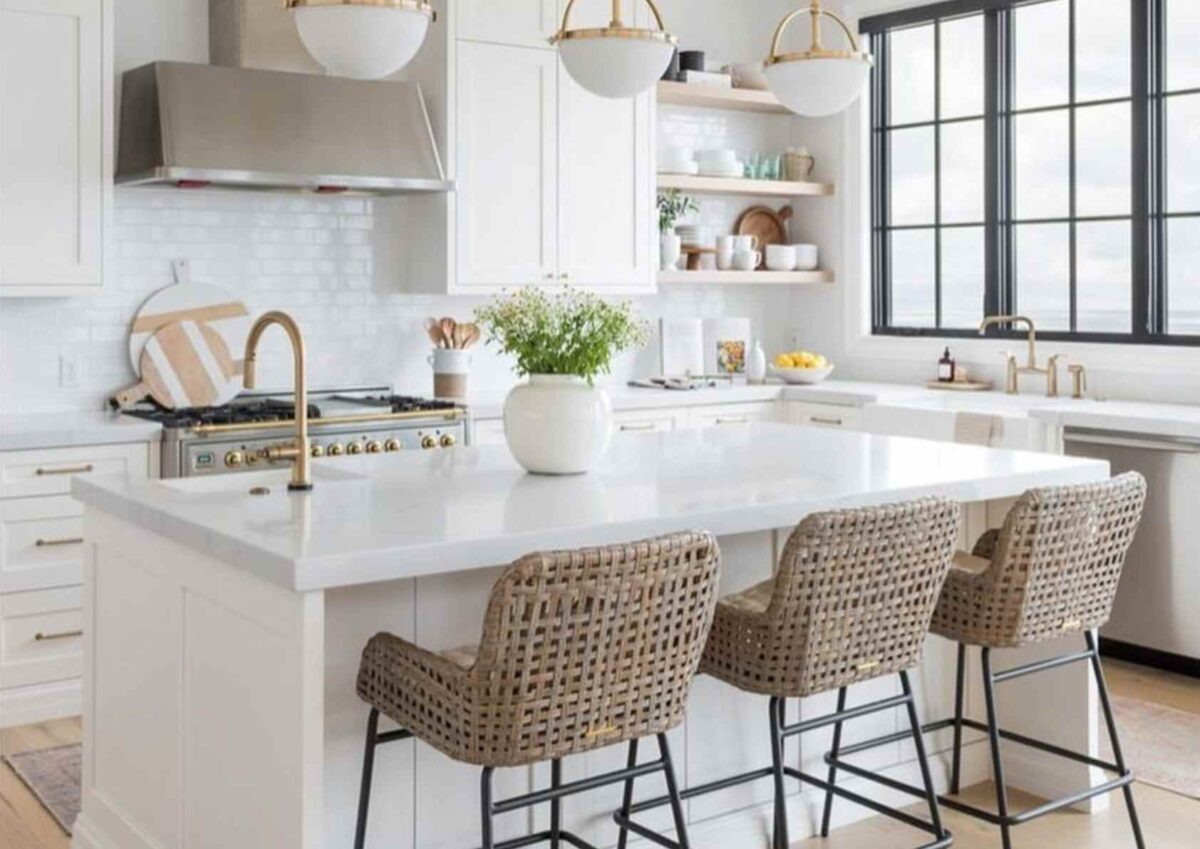
The kitchen continues to be the heart of the home. Buyers are drawn to modern, open-concept kitchens with large islands, energy-efficient appliances, and ample storage. Features like walk-in pantries, touchless faucets, and quartz countertops are climbing the must-have list.

Updating an outdated kitchen can yield a high return on investment. Even small upgrades—like new cabinet hardware or a stylish backsplash—can modernize the space and attract attention during a spring open house.

4. Outdoor Living and Entertainment Areas

Spring buyers love the idea of extending their living space outdoors. Features like covered patios, outdoor kitchens, and fire pits are especially appealing in 2025, as homeowners continue to value entertaining at home.

Outdoor living space

Landscaped yards, privacy fencing, and low-maintenance outdoor areas are also key selling points. As you market a property, be sure to show how outdoor spaces can be used year-round, which resonates strongly with buyers who value both lifestyle and leisure.

5. Smart Home Technology

Smart homes are becoming the norm, with tech-savvy buyers looking for seamless connectivity and automation. From smart doorbells and security systems to lighting and voice-activated assistants, these features are not just convenient—they’re expected.

Including smart home capabilities in your listing can increase buyer interest and signal that the home is move-in ready and future-forward. As more devices become integrated into everyday life, smart technology will remain one of the most desirable home features buyers want in 2025.

Conclusion

Spring 2025 is shaping up to be a dynamic season for real estate, and understanding buyer priorities is key to success. Sellers who invest in energy efficiency, flexible spaces, kitchen updates, outdoor living, and smart home features are well-positioned to stand out. By staying ahead of these trends, agents and homeowners alike can make strategic decisions that appeal to the modern market.