Getting Your Home Ready for Winter: What Every Homeowner Should Do

Winter is just around the corner, and preparing your house can make a big difference in comfort, safety, and costs. If you’re wondering how to wrap up your year right, this guide offers key insights on getting your home ready for winter, from sealing drafts and insulating pipes to scheduling heating system checks and clearing gutters. By the end, you’ll feel confident in the steps you need to take to protect your home through the cold months.

Inspect Heating System and Insulation

When you’re focused on getting your home ready for winter, one of the smartest first moves is to schedule a heating-system inspection. According to a recent guide, servicing your furnace, boiler, or heat pump in the fall helps ensure it can perform efficiently and safely.
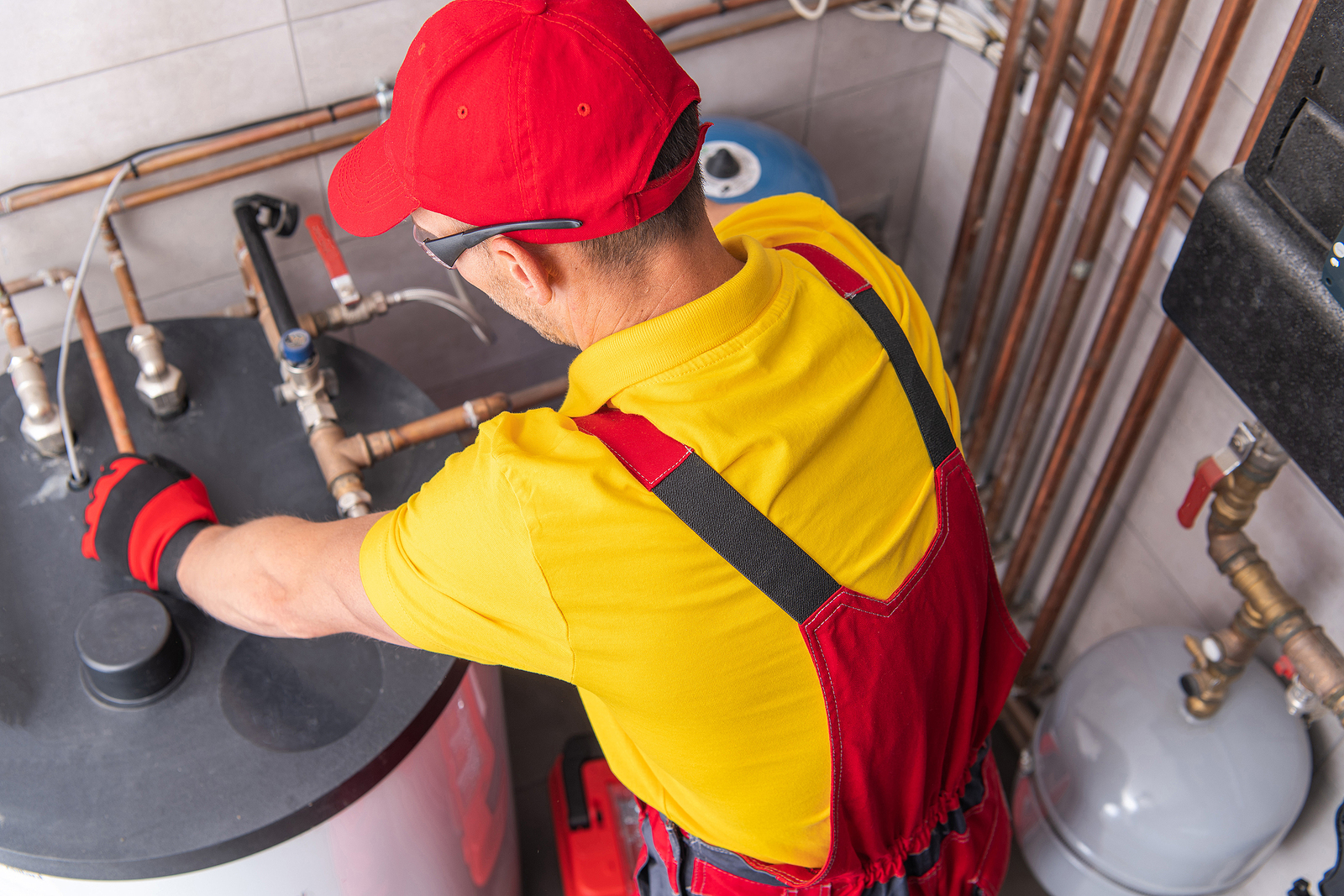
Professional Caucasian Plumber Repairing Tank Water Heater in Boiler Room of Commercial Building. Heating Equipment Maintenance Theme.


Also, sealing air leaks and boosting insulation can cut heating costs. The U.S. Department of Energy says sealing gaps around doors and windows can save about 5–10 % on energy costs.


Key actions:

  • Replace air filters and have your furnace or heat pump serviced.
  • Inspect attic and exterior wall insulation; add more if needed.
  • Seal drafts around windows and doors with caulk or weather-stripping.
  • Protect Pipes, Gutters, and Exterior Systems

Another crucial step in getting your home ready for winter is safeguarding vulnerable infrastructure. Freezing water in hoses, spigots, or pipes can lead to major water damage. And blocked gutters pose a risk of ice dams or water intrusion once snow or melting occurs.

What to do:

  • Disconnect and drain garden hoses; shut off exterior spigots.
  • Clean gutters and downspouts so they’re clear ahead of freeze-thaw cycles.
  • Inspect exposed pipes in crawl spaces, attics, or exterior walls and wrap or insulate them.

a hand with a work glove cleaning out the gutters during fall.

Improve Safety, Efficiency, and Comfort

Efficient homes are also safer homes. While preparing your home for winter, it’s essential to inspect your heating equipment, detectors, and other safety components. According to winter safety guidance, heating equipment fires remain the second leading cause of home fires in cold seasons.


Additionally, tuning up insulation and sealing openings improves comfort and reduces energy bills.


Recommendations:

  • Test or replace smoke and carbon-monoxide detectors and make sure chimneys and vents are professionally inspected.
  • Ensure ceiling fans have been set to clockwise direction in winter to push warm air downward.
  • Use rugs or mats on cold flooring, and keep furniture away from vents or radiators to allow proper airflow.

Boost Curb Appeal and Value for the Market

For real estate enthusiasts and homeowners who may sell in the future: incorporating winter-ready maintenance into your overall home-care strategy helps maintain value and appeal. When you think about getting your home ready for winter, you’re also showing buyers that the home has been well-maintained.

Home with great fall curb appeal.
Actions that support value:

  • Add or maintain insulation and energy-efficient windows or doors, which buyers recognize as assets.
  • Repair roof shingles or flashing before winter to avoid ice-dam or leak damage.
  • Keep landscaping tidy and tree limbs trimmed away from the roof and siding to avoid storm damage and improve visual appeal.

Planning for the Season Ahead

Even if you’re not selling, winter-proofing creates peace of mind and a smoother season ahead. By following this roadmap for getting your home ready for winter, you’ll reduce the likelihood of emergencies, minimize utility surprises, and maintain a comfortable living environment.
Start by picking a weekend or two in late fall to tackle the essential tasks. Create a checklist (exterior, interior, safety) and tick off each item. Seasonal preparation doesn’t have to be overwhelming if done in stages.

Preparation now pays dividends when cold weather arrives. Your home will be safer, more efficient, and ready for whatever this winter brings.

Eco-Friendly Spring Upgrades: Solar, Smart Tech, and Energy Efficiency

As warmer weather approaches, homeowners and buyers alike are turning their attention to eco-conscious living, and spring is the perfect time to make impactful changes. Eco-friendly spring upgrades not only reduce your carbon footprint, but they can also boost property value, lower energy bills, and appeal to today’s environmentally savvy real estate market. In this post, we’ll explore three top trends: solar energy, smart technology, and energy-efficient improvements, giving you a clear roadmap to make your home greener this season.

Solar Power: Bright Savings and Value Boost

One of the most sought-after eco-friendly spring upgrades is installing solar panels. With rising utility costs and increasing awareness about sustainable living, solar energy offers both financial and environmental returns. Homeowners can take advantage of federal tax credits, local incentives, and net metering programs that allow you to sell excess energy back to the grid.

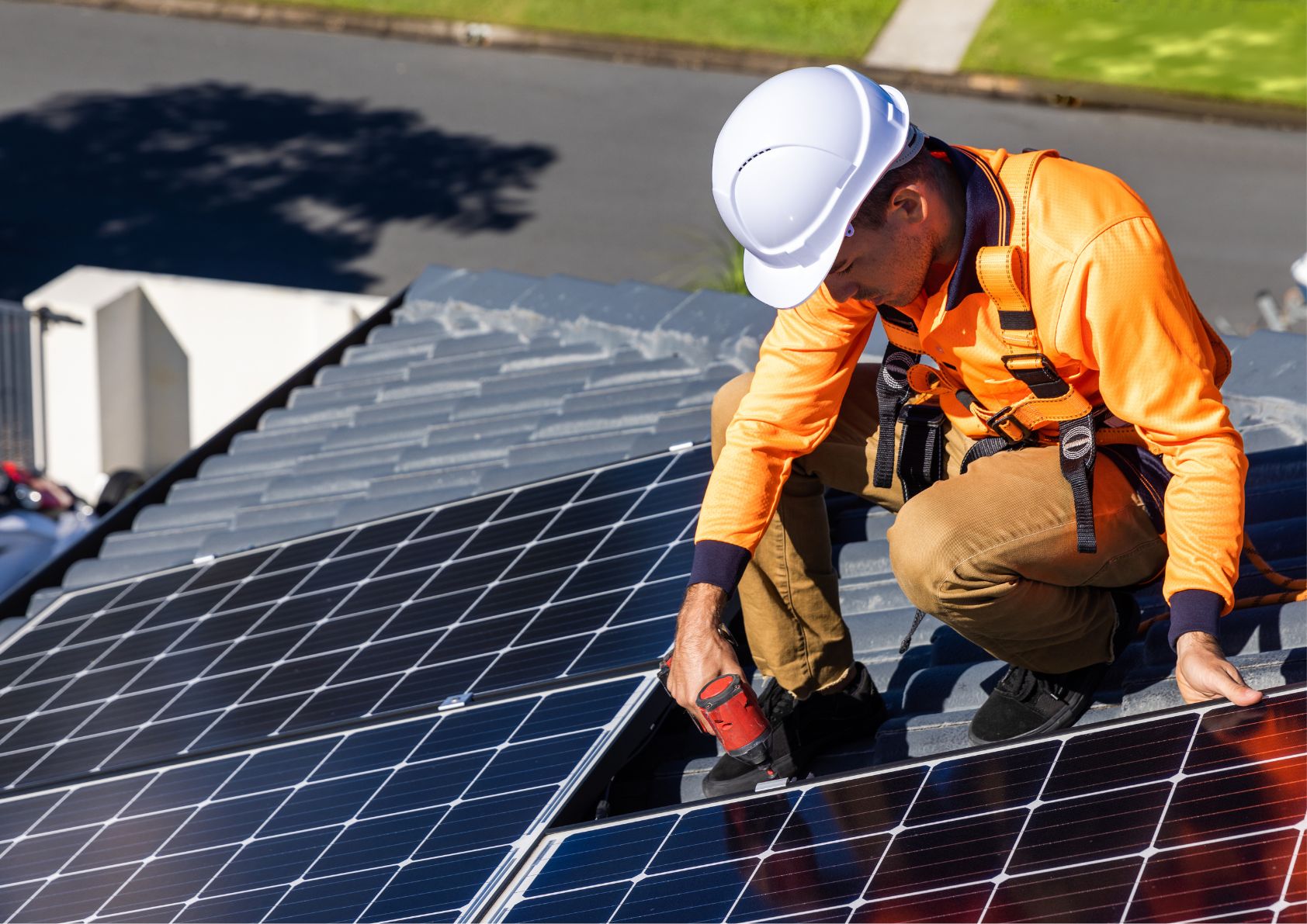
A worker installing solar power on a home roof.

For those looking to sell their home, solar panels are a huge selling point. According to the National Renewable Energy Laboratory, homes with solar panels sell faster and at higher prices than those without. Spring’s longer daylight hours make it an ideal season to install and start benefiting from solar power.

Smart Home Technology: Efficiency Meets Innovation

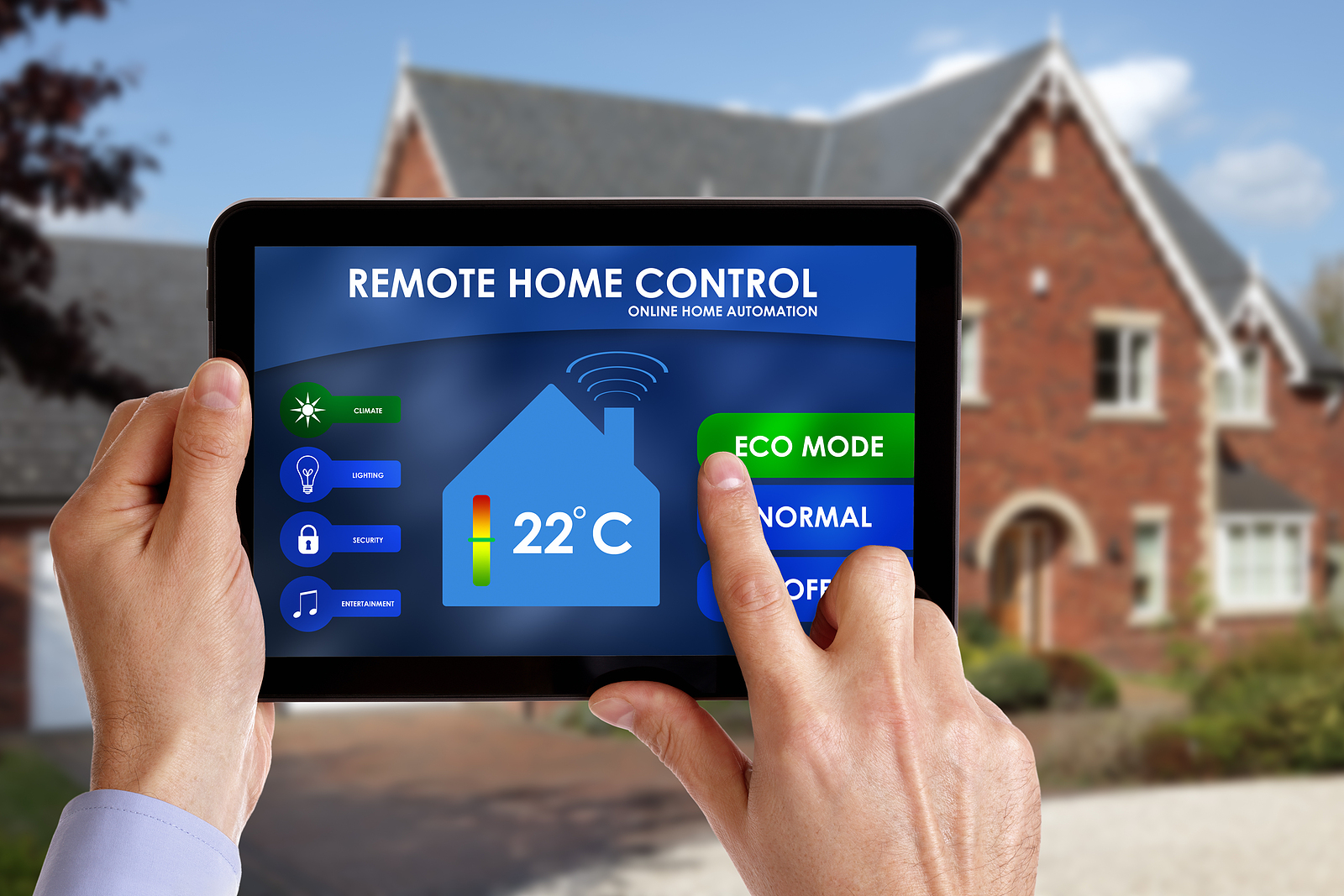
Smart home upgrades are more than just cool gadgets—they’re key players in home energy management. Devices like smart thermostats, lighting systems, and irrigation controllers help homeowners monitor and control their energy use, often through a simple app.

A smart thermostat, for example, learns your schedule and adjusts your home’s temperature automatically, reducing waste and cutting costs. Smart lighting can turn off automatically when a room is unoccupied, and modern irrigation systems adapt to local weather conditions, preventing overwatering.

For real estate enthusiasts, properties with integrated smart tech stand out in competitive markets. Buyers are increasingly prioritizing homes that align with modern convenience and eco-consciousness.

Energy Efficiency Upgrades: Small Fixes, Big Results

Not all eco-friendly spring upgrades require a big budget. Simple yet impactful changes—like upgrading to energy-efficient windows, adding insulation, or sealing air leaks—can dramatically improve a home’s comfort and performance.

energy efficient and eco friendly

Energy Star-rated appliances, LED lighting, and high-efficiency HVAC systems are also excellent options for cutting energy consumption. These upgrades not only reduce monthly bills but also contribute to long-term sustainability.

Real estate professionals note that homes with proven energy efficiency often attract more offers and enjoy shorter listing times. Spring is ideal for making these improvements since contractors are more available and materials aren’t yet in high summer demand.

Landscaping for Sustainability: Beautiful and Beneficial

Your yard plays a major role in your home’s overall sustainability. This spring, consider upgrading your landscaping to include native plants, drought-tolerant species, and rainwater collection systems. These elements reduce water use, encourage local biodiversity, and enhance curb appeal.

energy efficient yard

Eco-friendly landscaping also increases the livable space of your property, making outdoor areas more functional and enjoyable. Whether you’re planting a garden or installing permeable pavers to manage runoff, green landscaping practices are a smart investment in your property and the planet.

Long-Term Impact: Why It Matters

Today’s buyers are more informed and environmentally conscious than ever. Embracing eco-friendly spring upgrades doesn’t just make sense for the season—it positions your property for long-term success. From solar panels to smart tech and energy-saving improvements, each upgrade enhances your home’s appeal while supporting a healthier planet.

As real estate trends evolve, eco-conscious upgrades are no longer optional—they’re expected. Spring is the perfect time to step up and make changes that benefit both your home and the world around you.

Eco-Friendly Homes: A Guide to Sustainable Living

In today’s world, eco-friendly homes are more than a trend—they’re a lifestyle choice that benefits both the environment and homeowners’ wallets. As sustainability becomes a top priority for many, green living is transforming the real estate market. This guide explores the key features of eco-friendly homes, their advantages, and how you can incorporate sustainable practices into your living space.

What Makes a Home Eco-Friendly?

An eco-friendly home is designed to minimize environmental impact and optimize energy efficiency. Here are some defining features:

  • Energy Efficiency: Solar panels, energy-efficient windows, and LED lighting reduce energy consumption and lower utility bills.
  • Sustainable Materials: Bamboo flooring, recycled steel, and reclaimed wood are popular choices for eco-conscious builds.
  • Smart Home Technology: Devices like programmable thermostats and smart lighting systems improve efficiency and convenience.
  • Water Conservation: Rainwater harvesting systems, low-flow faucets, and drought-resistant landscaping help conserve water.

Miniature wooden house on green grass. Real estate concept. Modern housing. Eco-friendly and energy efficient house. Buying a home outside the city. Nature. Fresh air. Mortgage, loan.

Benefits of Eco-Friendly Homes

1. Cost Savings

While the initial investment in sustainable upgrades can be higher, eco-friendly homes save money in the long run. Lower energy and water bills, coupled with potential tax incentives, make green living financially rewarding.

2. Environmental Impact

Reducing your home’s carbon footprint contributes to a healthier planet. Sustainable homes use fewer resources and generate less waste, helping combat climate change.

3. Healthier Living

Eco-friendly materials are often free from harmful chemicals, improving indoor air quality. Features like improved ventilation systems and non-toxic paints create a healthier living environment.

4. Increased Property Value

Sustainability is in high demand, and homes with green certifications or energy-efficient features often command higher resale values.

Simple Steps to Make Your Home More Sustainable

Paper cut of family with house and car on green grass

Upgrade to Energy-Efficient Appliances

Switch to ENERGY STAR-certified appliances, which consume less energy and water. From refrigerators to washing machines, these upgrades can significantly reduce your utility bills.

Improve Insulation

Proper insulation in walls, roofs, and floors keeps your home comfortable year-round while reducing energy usage. Look for eco-friendly insulation materials like sheep’s wool or recycled denim.

Embrace Renewable Energy

Installing solar panels is one of the most impactful steps toward sustainability. While the upfront cost can be high, many states offer incentives to offset expenses.

Adopt Smart Technology

Smart thermostats, motion-activated lights, and energy monitoring systems allow you to optimize energy use and reduce waste effortlessly.

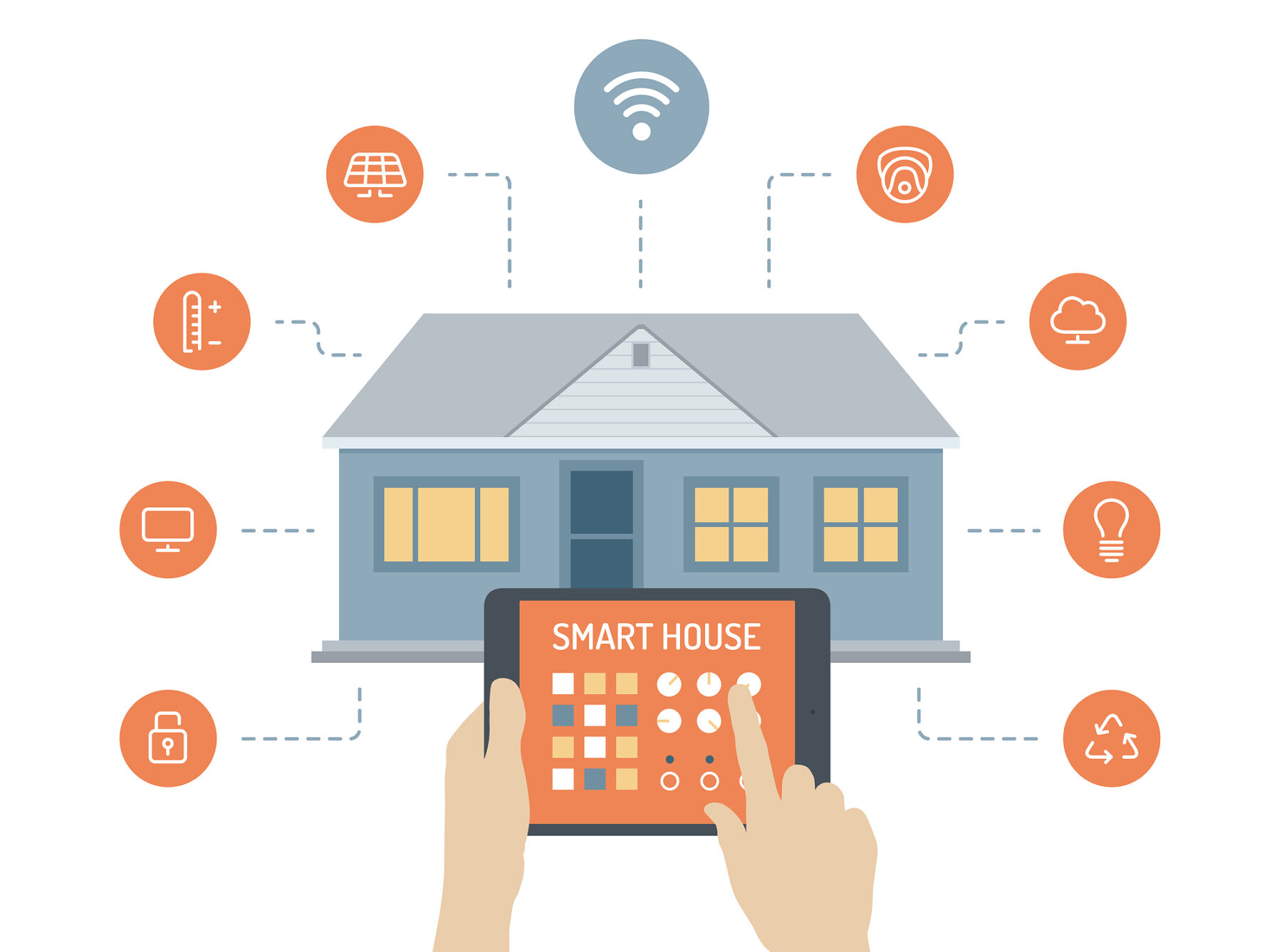
Flat design style modern vector illustration concept of smart house technology system with centralized control of lighting heating ventilation and air conditioning security locks and video surveillance energy savings and efficiency. Isolated on white back

Incorporate Sustainable Landscaping

Choose native plants, install a rain garden, or use permeable paving to make your outdoor space more eco-friendly. Composting is another excellent way to reduce waste while enriching your soil.

The Future of Sustainable Real Estate

The real estate industry is embracing green living with innovations like net-zero energy homes and eco-friendly communities. Builders are increasingly prioritizing sustainable materials and designs to meet the growing demand for environmentally responsible housing.

As more buyers seek eco-friendly options, staying informed about these trends can help homeowners and real estate enthusiasts make savvy decisions.

Final Thoughts

Eco-friendly homes offer a sustainable, cost-effective, and healthier way of living. Whether you’re building, buying, or upgrading, incorporating green features into your home is an investment in the future. By adopting even small changes, you can make a big difference—for both the planet and your lifestyle.

Smart Home Technology Trends: Creating a Future-Ready Living Space

In the fast-paced world of technology, our homes are becoming smarter and more connected than ever before. The integration of cutting-edge smart home technologies has revolutionized the way we live, enhancing comfort, security, and efficiency. In this blog, we’ll explore the latest trends in smart home technology that are shaping the future of our living spaces.

Embracing the Internet of Things (IoT)

The key to a truly smart home lies in the seamless communication between devices, and the Internet of Things (IoT) is the driving force behind this connectivity. Smart home devices, from thermostats to lighting systems, are now interconnected, allowing users to control them remotely through a centralized hub. This interconnectedness not only adds convenience but also enables more efficient energy usage.

Voice-Activated Assistants: A New Era of Control

One of the most notable advancements in smart home technology is the integration of voice-activated assistants. Devices like Amazon Echo and Google Home have become central to smart homes, allowing users to control various devices using simple voice commands. Imagine adjusting the thermostat, dimming the lights, or playing your favorite music – all with a voice command. This hands-free approach to home management is not only convenient but also adds an element of futuristic sophistication.

Enhanced Home Security Systems

Security is a top priority for homeowners, and smart home technology has elevated security systems to new heights. Modern smart security systems include features such as smart locks, doorbell cameras, and motion sensors. With real-time notifications and remote monitoring, homeowners can keep a vigilant eye on their property, enhancing both security and peace of mind. The integration of artificial intelligence in these systems allows for more accurate threat detection, reducing false alarms and increasing overall effectiveness.

Energy-Efficient Smart Lighting

Smart lighting is no longer just about turning lights on and off remotely; it’s about optimizing energy usage. Energy-efficient smart bulbs can adjust their brightness and color temperature based on the time of day or user preferences. Automated lighting systems can also learn user behavior and adapt, contributing to significant energy savings over time. Beyond functionality, smart lighting adds ambiance and can be customized to suit different moods or occasions.

Smart Appliances for a Seamless Lifestyle

The kitchen is the heart of the home, and smart appliances are transforming the cooking experience. From smart refrigerators that can suggest recipes based on available ingredients to ovens that can be controlled remotely, these appliances are making daily tasks more convenient and efficient. The integration of artificial intelligence allows these appliances to learn user preferences and adapt their functionality accordingly, making the cooking process a breeze.

The Rise of Smart Home Health Technology

Health monitoring has entered the realm of smart home technology with the advent of devices that track vital signs and provide health insights. Smart wearables, connected scales, and blood pressure monitors can seamlessly integrate with a smart home ecosystem, allowing users to monitor their health in the comfort of their homes. This trend not only promotes proactive health management but also enables better communication with healthcare professionals through data sharing.

Smart Home Entertainment Experiences

Entertainment in smart homes goes beyond just streaming services. Advanced home theater systems, integrated with smart technologies, can create immersive experiences. From voice-controlled audio systems to smart TVs that adapt to user preferences, the entertainment landscape is evolving. Virtual reality and augmented reality technologies are also making their way into smart homes, offering a new dimension to entertainment within the confines of your living room.

Conclusion: Embracing a Smarter Future

As we navigate the ever-evolving landscape of smart home technology, it’s clear that the future holds exciting possibilities. The seamless integration of devices, coupled with artificial intelligence and IoT, is transforming our homes into intelligent living spaces. From enhanced security to energy efficiency and personalized comfort, smart home technologies are creating a future-ready living experience. Embrace the trends, stay connected, and make your home a hub of innovation and convenience.


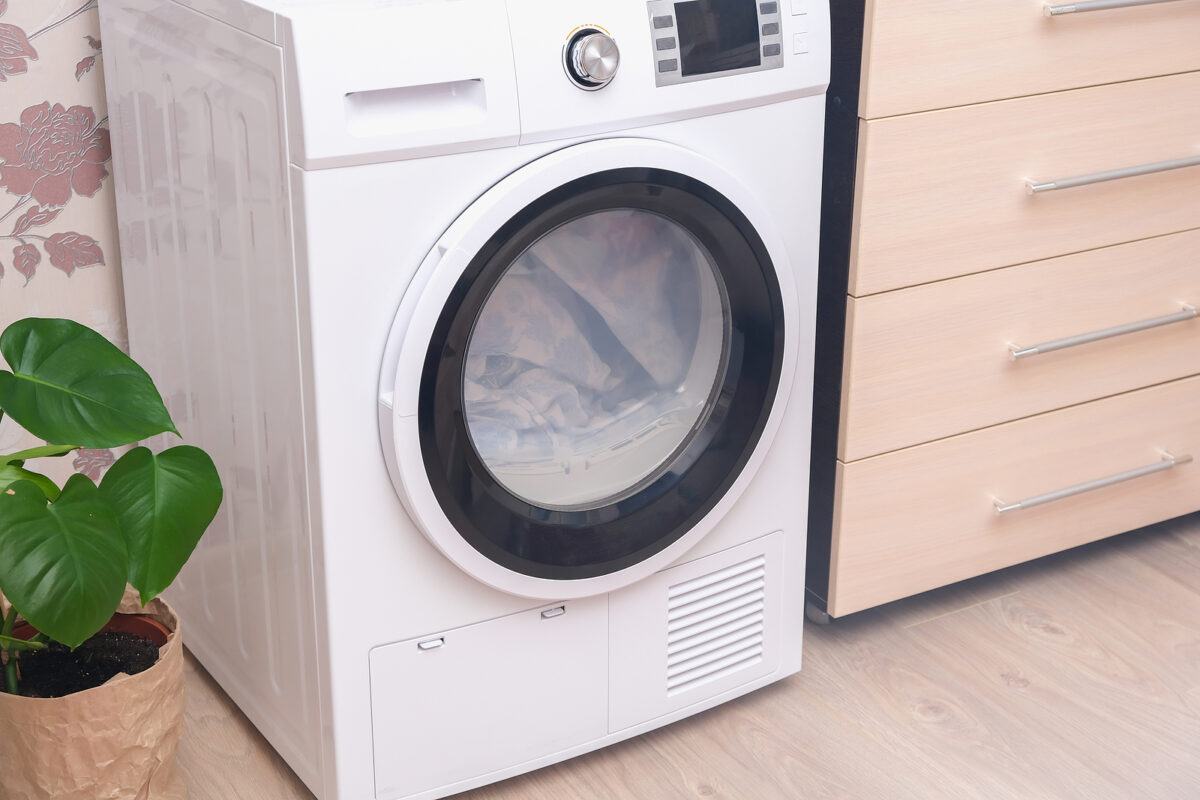
DIY: Clean out that dryer vent

If you’ve ever seen those photos of the nastiness that comes out of a dryer vent, and you love DIY projects, you’ll love knowing that it’s not that difficult of a job.

You don’t have to hire a vent cleaning company because it’s a simple (and satisfying) DIY project.

You’ll need some tools, but other than that, the job is a snap.

Why clean it?

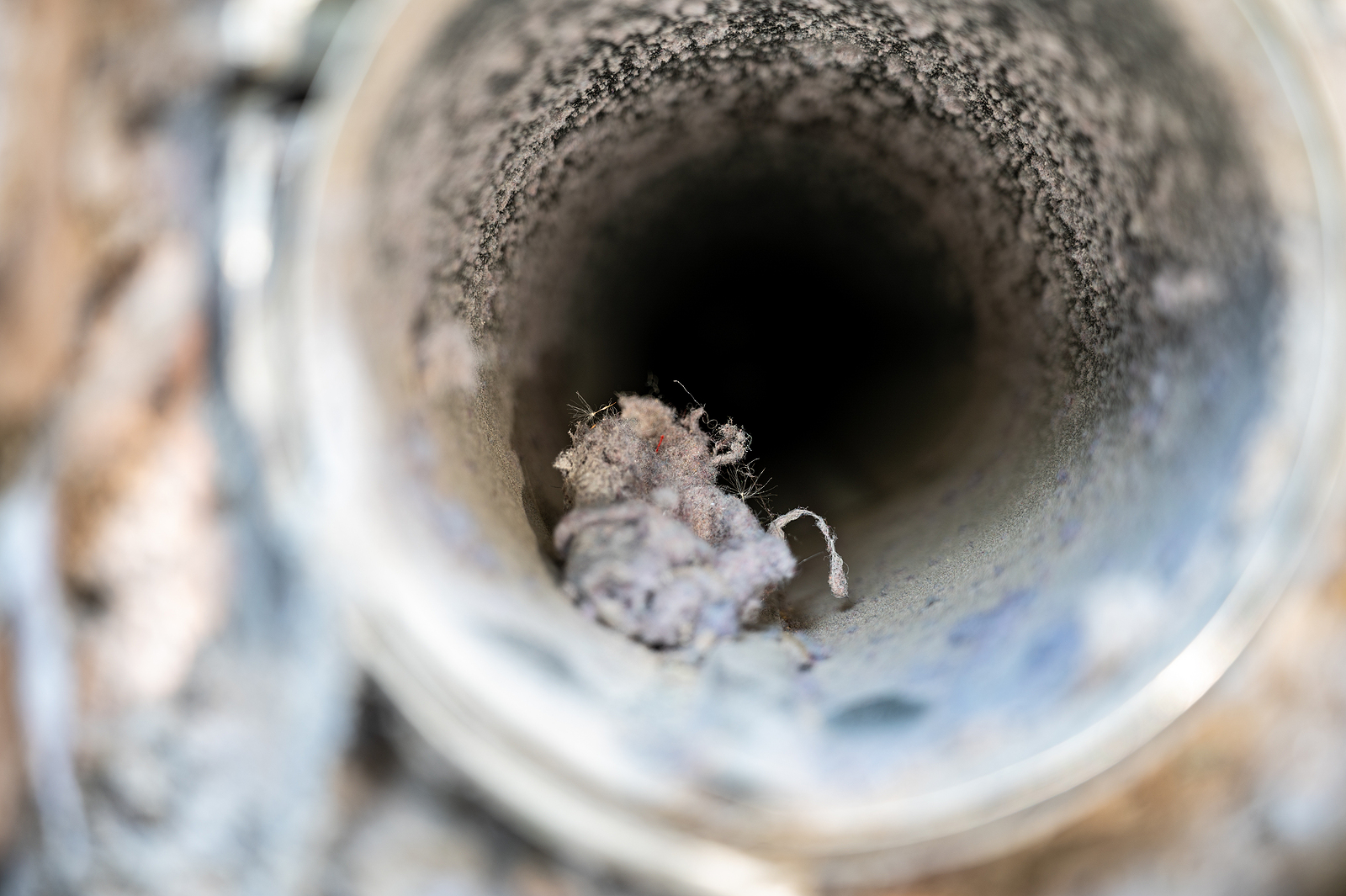
All that stuff in the vent is a safety hazard. Between “… 2014-2018, U.S. fire departments responded to an estimated average …” of 13,820 home fires involving clothes dryers, according to Marty Ahrens with the National Fire Protection Association (NFPA).

“One-third (32 percent) of dryer fires were caused by a failure to clean. This appears to be mainly lint build-up,” Ahrens concludes.

Aside from the safety issue, all that rubbish in the vent causes the dryer to work harder and, thus, less effectively, wasting energy.

Gather your tools and get to work

You will need a dryer vent cleaning brush and a vacuum cleaner with a crevice attachment.

  • Disconnect the dryer from the power supply or, for a gas dryer, turn off the gas supply.
  • Drag the dryer away from the wall to give yourself enough room to get behind it.
  • Disconnect the duct connected to the back of the dryer.
  • Insert a vent cleaning brush (available at Amazon.com, HomeDepot.com and Lowes.com) into the opening at the back of the dryer and “… gently twist it around, pulling out any lint,” suggests Jenny McFarlane and Sarah Warwick at RealHomes.com.
  • By this point, you should have a nasty pile of lint on the floor which you can then vacuum up.

Next, move on to the vent duct (the part that connects to the wall).

  • Disconnect the duct from the wall.
  • Use your hands to remove the lint.
  • Use the vacuum with the crevice attachment to carefully clean inside the vent.

There may be some lint stuck in the dryer vent tubing. Insert the brush into the tubing and push it forward and pull backward. Repeat this several times, at both ends of the tubing,

Don’t neglect the exterior vent

Do you know where your dryer’s exterior vent is? “For most dryer models, you can’t run the exhaust duct more than 25 feet from the dryer to the exhaust port,” according to the experts at MrAppliance.com.

They go on to suggest that if you can’t find it nearby, “… check the basement wall or the attic/roof.”

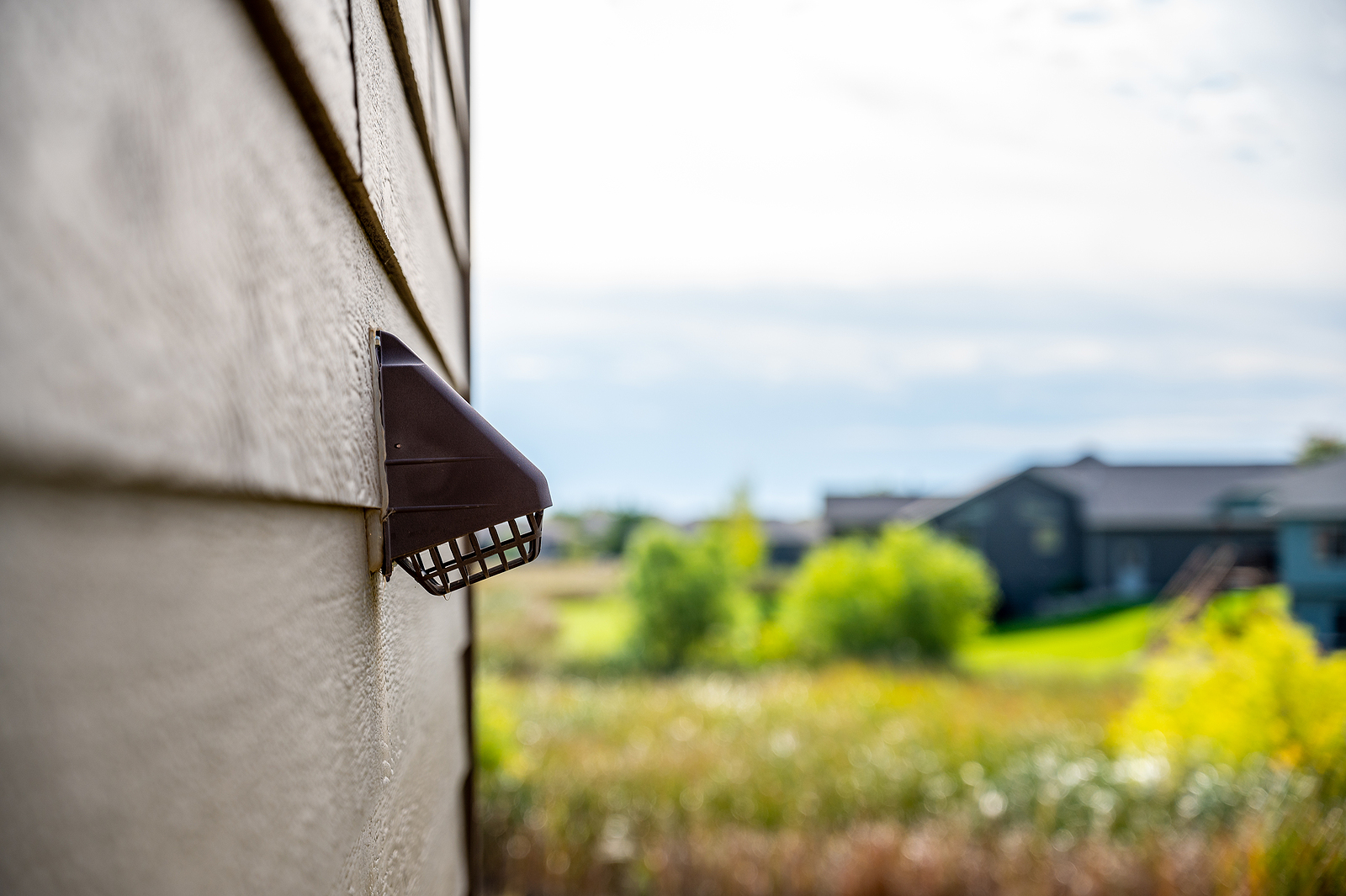
  • Remove the vent cover
  • Use the brush to loosen the lint inside the duct, and the vacuum to remove it.
  • Replace the cover and you’re finished!

Before you call it a day and a job well-done, check behind the dryer to ensure you’ve cleaned up all the lint off the floor. Otherwise, a fire hazard still exists.

Test your handiwork

  • Reconnect the dryer to the power outlet or turn the gas back on.
  • Push the dryer back into place.
  • Run the dryer for about 15 minutes on the air cycle (often called the “fluff” cycle) to ensure everything is working as it should.