Why Digital Marketing for Real Estate Agents Is Here to Stay and Why 3D Thinking Matters

In today’s real estate market, understanding digital marketing for real estate agents is no longer optional; it’s essential for staying visible, competitive, and connected with buyers. In this blog, you’ll learn why online habits are permanent, how digital tools influence every step of the homebuying process, and why combining digital presence with in-person expertise,  what many call 3D Thinking, is the future of real estate success.

Digital Habits Are Now Culture

Every few years, someone predicts that online tools or digital platforms will fade like passing trends. The truth is simpler: digital marketing for real estate agents has become part of everyday culture. Acronyms, emojis, memes, quick replies, and visual communication now blend seamlessly into daily interactions. When communication becomes culture, it becomes permanent. Homebuyers expect the same clarity, speed, and visual flow in real estate conversations that they experience online every day.

Online Habits Shape Buyer Decisions

Scrolling, tapping, streaming, searching, and voice-commanding are no longer occasional behaviors. They are daily routines for billions of people. According to Zillow’s 2024 Consumer Housing Trends Report, 94 percent of buyers used at least one online resource in their home search. Even in 2025, most buyers still start online before connecting with an agent. These widespread habits demonstrate that digital marketing for real estate agents is not a passing trend — it is a core part of how buyers find and evaluate properties.

Online Platforms Are the First Step in Homebuying

Websites, social media, search engines, and mobile apps are the first stop for most buyers. In 2024, the National Association of Realtors reported that 43 percent of buyers began their home search online, while only 18 percent first contacted an agent. Mobile is crucial too: roughly 70 percent of buyers rely on smartphones or tablets during their search. That means a website that isn’t mobile-friendly or visually appealing risks missing a large portion of potential clients.

High-quality photos, floor plans, and virtual tours are now essential, not optional. Surveys show 81 percent of buyers rate photos as very useful, and 57 percent value floor plans when deciding which homes to pursue. Agents who provide these digital tools position themselves as professional, trustworthy, and tech-savvy.

3D Thinking Combines Digital and Real-World Expertise

Success today requires more than traditional marketing or digital presence alone. The most effective agents use 3D Thinking, which combines digital engagement, content strategy, and in person service into a seamless experience.

  • First impressions happen online. Buyers often form opinions before ever speaking with an agent.

  • Digital builds trust. Clean websites, up-to-date listings, and helpful blogs establish credibility.

  • In-person expertise closes deals. Real-world guidance and personal attention convert leads into clients.

When used together, impressions become clicks, clicks become calls, and calls become clients. That’s why digital marketing for real estate agents is not just a tactic, it’s a core business strategy.

Digital Marketing Is Now Infrastructure

People don’t think about digital tools — they simply use them. This is the same shift that happened with electricity, phones, and television. Digital shapes how buyers discover brands, evaluate agents, and decide who to trust. Professionals who embrace digital marketing for real estate agents consistently gain visibility, leads, and client trust, while those who ignore it risk falling behind.

What Real Estate Agents Can Do Today

For agents looking to grow, a strong online presence is essential:

  • Build a mobile-friendly, responsive website.

  • Include high-quality visuals, floor plans, and virtual tours.

  • Maintain consistent online content to establish authority and improve SEO.

  • Pair digital tools with personal, hands-on service to turn leads into loyal clients.

When used correctly, digital marketing for real estate agents ensures long-term visibility, credibility, and growth. It’s no longer a trend, it’s infrastructure. Agents who adopt this approach now will position themselves to thrive in every market.

 

Holiday Curb Appeal Tips to Wow Buyers This Winter

Winter may be a slower season for listings, but it can be a powerful opportunity for real estate agents who know how to make a home shine. Buyers rely heavily on first impressions during colder months, which is why holiday curb appeal becomes an essential part of your listing strategy. In this blog, you will learn practical, proven ways to elevate a property’s exterior so it stands out online and in person. These insights help you guide your clients with confidence and strengthen your marketing presence, especially when paired with a professional agent website that showcases every listing at its best.

Why Winter First Impressions Matter for Agents


During winter, outdoor landscaping is less vibrant and days are shorter, so buyers focus more on lighting, cleanliness, and visual warmth. It is important to consistently emphasize the importance of strong exterior presentation for attracting clicks and generating showing requests. Since inventory often dips during colder months, listings with well presented exteriors can capture more attention.

For agents, this is a valuable moment to demonstrate expertise by helping sellers understand how impactful holiday curb appeal can be. When your listings look polished and seasonal in a tasteful way, your brand looks polished too.

Clear Walkways and a Welcoming Entry

Winter safety and cleanliness matter to buyers, and they also matter to your listing photos. Ensuring that walkways, steps, and driveways are clear of snow, debris, or leaves improves the overall look of the home and reflects positively on your professionalism as an agent. A tidy entry tells buyers that the property is well cared for and ready to show.

Encourage clients to maintain walkways before every scheduled showing. Clean surfaces present beautifully in photos and virtual tours, which is especially important for your agent website where online first impressions influence buyer engagement.

Add Greenery and Seasonal Touches

Even in colder climates, greenery can bring life to a property. Evergreens, porch planters, and seasonal foliage are simple additions that instantly elevate winter curb appeal. A neutral wreath or simple front door accent can also provide a warm, approachable feel.

These additions photograph well, creating assets you can use across marketing materials, social posts, and listing pages. When your listings look visually consistent and expertly staged, your website becomes a stronger reflection of your brand.

Lighting That Enhances Your Online Presence

With shorter daylight hours, effective exterior lighting is essential. Well lit entryways and pathways make the home feel more inviting, and they also improve nighttime photography. Updated bulbs, clean fixtures, and simple pathway lights can dramatically improve how a listing appears online.

Good lighting not only enhances holiday curb appeal but also supports the overall look of your agent website. High quality images help increase engagement, time on page, and the likelihood that buyers will follow up for a showing.

Refresh Exterior Details That Buyers Notice

Even small updates can improve the perceived value of a home. A freshly cleaned or painted front door, updated hardware, polished house numbers, and a clean mailbox all help create a high quality appearance. These details show care and attention and translate especially well in listing photos.

As an agent, guiding clients toward these simple improvements reinforces your expertise. When your listings consistently look their best, your digital presence becomes stronger, helping your website feel like a polished and trustworthy hub for buyers and sellers.

Keep Decor Simple and Buyer Friendly

Holiday decor should enhance the home without overwhelming it. Real estate staging recommendations consistently support the idea of simple, neutral holiday decor rather than themed or heavily personalized displays. A clean and elegant approach helps buyers envision themselves living there.

This is especially important for online platforms. Listings with simple, tasteful holiday decor look clean, professional, and approachable when featured on your website home page, property pages, and marketing materials.

How Holiday Curb Appeal Helps You Stand Out as an Agent

Holiday curb appeal is more than seasonal staging. For real estate agents, it is an opportunity to show sellers that you understand market strategy, visual marketing, and buyer psychology. Homes that look cared for and welcoming attract more online views and in person showings, which reflects well on your brand.

When paired with a professional agent website that showcases high quality photos, consistent branding, and polished listing presentation, your winter marketing strategy becomes even more effective. Strong curb appeal brings the buyers to the listing. A strong website brings the buyers to you.

Cash Is King: Navigating a Housing Market Dominated by Cash Buyers

When cash buyers are a major force in housing markets, sellers and agents feel it, and so should anyone tracking US real estate trends. This blog explains why cash transactions matter, what recent data shows about the prevalence of all cash sales, and practical steps agents and buyers can take. Key takeaways: cash sales remain elevated compared with pre-pandemic norms, the share varies by price and region, and agents who understand who the cash buyers are will be better positioned to win listings.

Why cash transactions matter right now

All cash offers are attractive because they close quickly and carry less financing risk. That speed and certainty often let cash offers beat financed ones in competitive situations. In 2024, Redfin reported that 32.6 percent of US home purchases were made with cash, the lowest share in three years but still above many pre-pandemic levels. That demonstrates a structural shift: liquidity has become a consistent advantage for many buyers.

How common are all cash sales in 2025

Different analyses show slightly different snapshots depending on the time frame and methodology. Realtor.com’s analysis found that roughly 32.8 percent of homes sold in the first half of 2025 were paid for in all cash, highlighting that about one in three transactions during that period did not involve a mortgage. Separately, Redfin’s monthly data showed an all cash share near 28.8 percent in August 2025 for the metro areas it tracks, illustrating that short-term month-to-month measures can differ from half year aggregates. Use both kinds of metrics to get a full picture.

Where cash sales concentrate

Analyses consistently show cash purchases concentrate at the lower and upper ends of the market and vary regionally. Lower priced properties and luxury homes often have higher cash shares, and some states and metros including parts of Florida and certain Sun Belt metros report notably higher all cash rates. These patterns reflect a mix of investor activity, second home buyers, and equity rich households. 

What this means for real estate agents

Agents should treat the prevalence of cash offers as a strategic variable:
• Market positioning: In areas or price bands with high cash activity, emphasize speed and certainty to sellers.
• Targeting: Build outreach lists that include likely cash buyer profiles (investors, downsizers or retirees, second home buyers).
• Advising sellers: Explain that while cash offers can be faster and cleaner, they may not always be highest in dollar amount. A financed offer with a strong preapproval and flexible terms can still compete. Use local data to guide pricing and negotiation strategy.

For mortgage dependent buyers: how to compete

Buyers who need financing cannot change macro liquidity, but they can make their offers more competitive by obtaining strong lender preapprovals, minimizing contingencies where prudent, offering faster closing windows, or providing earnest money that signals commitment. Agents should coach buyers on credible ways to close the certainty gap that cash buyers naturally bring.

Bottom line: adapt to liquidity as a market factor

All cash purchases remain an important part of US home sales, and the exact share depends on the period and dataset you consult. Whether you are a seller, agent, or buyer, recognizing the influence of cash on deal speed and certainty will help you set realistic expectations and craft winning offers or listings.

Why High Mortgage Rates Aren’t Keeping Buyers Away (Yet)

Whether you are a real estate agent, investor, or prospective homebuyer, you have probably noticed what feels like a standstill in the market. Mortgage rates remain high, yet buyers continue to purchase homes at a steady pace. In this post, we explore why high mortgage rates are not pushing buyers out of the market. We look at current data, examine the factors keeping demand alive, and explain why many consumers are choosing to buy now instead of waiting for future changes. Use this guide to understand the trend and how it impacts your real estate business and online presence.

1. Home Sales Are Still Holding Up

Even with elevated mortgage rates, home sales are far from stagnant. Existing home sales rose to an eight-month high in November 2024, according to Redfin, despite interest rates hovering around 7 percent. Many buyers decided that waiting for significantly lower rates was not guaranteed to produce better deals, so they moved forward with their purchases.

New home sales also proved resilient. In early 2025, sales of newly built homes increased year over year, supported by builders offering more options and incentives. This activity demonstrates that the housing market remains active even as borrowing costs stay elevated.

2. What Is Fueling Buyer Demand

Pent-up demand continues to drive momentum. After several years of historically low rates during the pandemic, many buyers have adjusted to a more typical rate environment. The sudden shock of higher borrowing costs has softened. Buyers planning to stay in their home long term understand that 6 to 7 percent interest is not unusual when viewed over several decades.

Many consumers also believe that waiting will not guarantee meaningful rate improvement. Uncertain economic forecasts push buyers to act sooner rather than gamble on unpredictable market shifts.

Inventory growth is another key contributor. Several regions across the country are seeing increased housing supply, offering buyers more options, more negotiating power, and a greater sense of opportunity. Even in markets where price growth has slowed, the balance between supply and demand is creating space for motivated buyers to step in.

3. High Mortgage Rates Mean Higher Costs, but Many Buyers Still Move Forward

Higher mortgage rates unquestionably lead to higher monthly payments, often reaching levels that would have seemed extreme a few years ago. However, many buyers are looking beyond short-term costs. Potential long-term gains in home equity, inflation protection, and housing stability often outweigh the immediate challenge of a higher payment.

For buyers planning to stay in their home for at least five to ten years, purchasing now can still make sense. They prioritize security, ownership, and equity building over waiting indefinitely for rates that may not fall dramatically.

4. What Could Keep This Momentum Going

Stabilizing interest rates could encourage even more activity. Some forecasts suggest that mortgage rates may settle near 6 percent in 2025, which would help affordability and entice additional buyers who have been waiting for improved conditions.

Shifting buyer psychology also plays a role. As consumers adjust to the new normal, purchasing in a higher-rate environment becomes more acceptable. This mindset creates a steady flow of demand even without the ultra-low rates of the past.

Increasing supply and moderate price adjustments could further support market activity. As inventory grows and sellers become more flexible, more buyers will feel comfortable entering the market despite higher borrowing costs.

Final Thoughts: High Mortgage Rates Are Not Stopping the Market

High mortgage rates remain a significant challenge, but they have not stopped buyers from participating in the market. Many are choosing to purchase now rather than wait for uncertain economic shifts. If rates stabilize and inventory continues to rise, steady buyer activity is likely to remain throughout the year.

For realtors, this is an important moment to strengthen your visibility and online presence. People are actively searching for homes, market insights, and professional guidance. This makes it an ideal time to invest in a strong website and digital strategy that captures engaged buyers and sellers.

Holiday Home Staging: What to Add and What to Avoid

If you are listing your home this season, well-thought-out holiday home staging can make all the difference. Using holiday home staging strategically does not just make a house look festive. It helps potential buyers emotionally connect with your space, which can lead to faster offers and higher sale prices. In this post, you will learn what to add to your home to maximize appeal, what to avoid so you do not turn buyers away, and how staging during the holidays fits into current US real estate trends.

Why Holiday Home Staging Matters, Even in Slow Season

Staging, even during the holidays, can give a home a considerable advantage, especially when inventory is up and buyers are browsing with more caution. According to a 2025 report by the National Association of Realtors NAR, about 29 percent of agents reported staging resulted in a 1 to 10 percent increase in offers compared with unstaged homes. Additionally, nearly half of seller agents said staging reduced the time on market.

In a market where buyers often begin their search online, a home that photographs as warm, welcoming, and move in ready stands out. Holiday home staging can help create that emotional resonance, something many buyers want in 2025.

What to Add: Smart Holiday Season Touches That Sell

Highlight Cozy, Inviting Spaces

Focus staging on your living room, master bedroom, and kitchen, because those are the rooms most likely to influence a buyer.
Use warm, neutral decor, soft lighting, and minimal holiday accents, such as a simple wreath, a tasteful table centerpiece, or subtle string lights. According to staging professionals, warm neutrals and gentle lighting help buyers envision themselves at home.

Declutter, Depersonalize, and Maintain Flow

Remove personal photos, bold art, or highly stylized items. The goal is to let buyers imagine their own lives in the space. Many experts still emphasize depersonalizing as a major step in staging.
Clean up, touch up paint, and ensure common spaces look tidy. Even small updates, such as fresh towels or a clean entryway, help create a polished feel.

Use Seasonal Decor Wisely and Sparingly

A few subtle touches, like a modest evergreen on the porch or a neutral holiday centerpiece, can make a home feel cozy and inviting. The key is subtlety rather than abundance.

What to Avoid: Common Holiday Staging Mistakes

Over the Top or Taste Specific Holiday Decor

Flooding the space with loud, bold, or overly unique decorations can overwhelm buyers. It may distract from the home itself or make rooms feel smaller and cluttered.

Neglecting Key Rooms or Overstaging Low Priority Areas

Agents consistently point to the living room, primary bedroom, and kitchen as the most influential spaces for buyers. Staging lower-priority areas, such as guest rooms, often provides less return on investment.

Leaving the Space Too Personal or Untidy

Personal photos, bright decor, or unorganized storage areas can push buyers away. Untidy closets, unclean surfaces, or visible repairs can undo the benefits of staging.

Waiting Too Long to List or Waiting for Ideal Weather

Although holiday periods can be slower in parts of the US, data still shows staging provides benefits even in quiet months. Homes that feel warm, clean, and inviting stand out, regardless of season.

Holiday Staging and Current Real Estate Trends

With mortgage rates stabilizing and inventory increasing in 2025, sellers face more competition. That means homes need to stand out visually and emotionally. Staging, especially thoughtful holiday home staging, gives listings an advantage.

NAR findings show that buyers agents believe staging helps in 83 percent of cases, by making the home feel like a future home to potential buyers. For sellers, that can translate to faster sales, higher offers, and less time on market.

Modern buyers want move in readiness, emotional warmth, and a strong online presentation. Good staging checks all of those boxes.

Final Thoughts

The holiday season does not have to slow down your real estate goals. With simple, neutral decoration, a focus on cleanliness, and attention to key rooms, holiday home staging can help your property shine in a competitive 2025 market. Skip the overly themed decor, avoid personal items, and create a warm, inviting atmosphere. With the right approach, buyers will feel at home the moment they walk in.

What to Expect During the Home Appraisal Process

When you’re preparing to buy or sell a home, understanding the home appraisal process becomes essential. Whether you’re a first-time buyer or a seasoned investor, knowing what to expect during the home appraisal process helps you avoid surprises and stay confident. In this post, you’ll learn what an appraisal is, how it works step-by-step, how current market trends affect it, and what practical tips you can use to make the most of it.

What is a Home Appraisal and Why Does It Matter

The home appraisal process is a professional evaluation of a property’s fair market value, typically ordered by the lender to ensure the amount being borrowed aligns with the home’s true worth. For anyone tracking current real estate trends, appraisal values are a key indicator; they reflect what similar homes are selling for today and help safeguard purchases, sales, or refinances. Understanding this stage of real estate transactions gives you more control over timing, negotiations, and strategy.

The home appraisal process when selling or buying a home.

Step-by-Step: What to Expect During the Home Appraisal Process

In the home appraisal process, you’ll encounter a predictable series of steps, so it helps to be ready. First, once the buyer’s offer is accepted and financing is underway, the lender orders the appraisal. Next, the licensed appraiser visits the property (or sometimes uses alternate methods such as a drive-by or desktop review) and inspects both exterior and interior, taking measurements, photos and noting condition and features. Then the appraiser researches comparable sales (“comps”) in the neighborhood from recent months to anchor the market value. Finally, the appraiser submits a report to the lender with the value and relevant data; if the appraisal comes in at or above the contract price, things move toward closing, but if it’s lower you may need to renegotiate or bring additional funds. For home sellers and buyers alike, knowing how the home appraisal process works means fewer last-minute changes and more realistic expectations.

What Appraisers Look For and How Market Trends Play In

During the home appraisal process, the appraiser evaluates a number of property-specific and market factors. They’ll look at: size (square footage, number of bedrooms/bathrooms), the home’s condition (age, upgrades, deferred maintenance), the lot size, neighborhood characteristics and recent comparable sales. In today’s real estate market, trends matter too: high demand, low inventory, and bidding wars can push sale prices above what comps suggest, meaning the home appraisal process may reveal an “appraisal gap” where the agreed price exceeds the appraisal value. According to a recent survey, in balanced markets, appraisals under contract price occur about 7-9% of the time; delays due to appraisal issues affected roughly 6% of closings in June 2025. So, staying attuned to current local market trends helps you understand where your appraisal might land and gives insight into what adjustments you might need to build in.

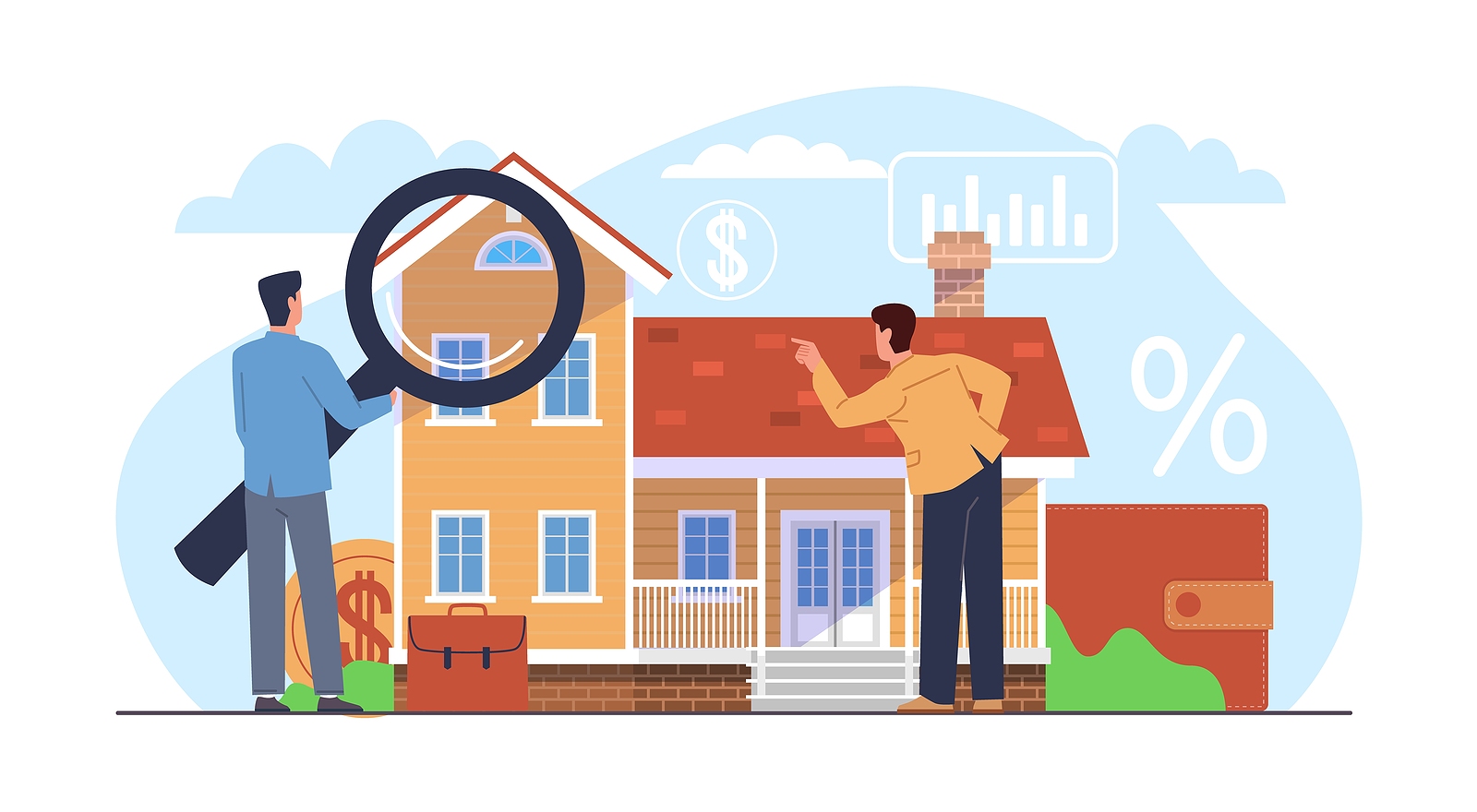
Home appraisal, real estate appraisers do home inspection. Property value, house assessment before purchase. Agent inspect building with magnifier. Cartoon flat illustration. Vector concept

Tips to Prepare and Make the Home Appraisal Process Work for You

Since the home appraisal process influences how smoothly your transaction goes, here are actionable tips: For sellers: tidy up landscaping, clear clutter, document recent upgrades (e.g., new roof, HVAC, windows), and make sure all rooms are accessible during inspection. For buyers: build a realistic budget, including the possibility of renegotiation if appraisal comes in low, include an appraisal contingency if possible, and work with your agent to understand regional comps. During the home appraisal process, whether you’re buying or selling, staying flexible pays off. If the appraisal comes in below the contract price, options include renegotiating the purchase price, asking the seller to make up the difference, or canceling the contract if the appraised value is a deal-breaker. Being proactive means you’re not caught off guard when the appraisal report lands.

Final Thoughts on the Home Appraisal Process

In today’s dynamic real estate landscape, understanding what to expect during the home appraisal process gives you an edge. From how the appraiser evaluates comps and condition, to how market trends and demand can affect value, staying informed helps you navigate transactions with confidence. Whether you’re prepping a home to sell or gearing up to buy, remembering the key stages of the home appraisal process and what the appraiser is looking for means you’re better prepared and better positioned for a smooth closing.

How to Make a Small Home Feel Bigger (and Why Buyers Love It)

Introduction

In today’s real estate market, one thing is clear: size isn’t everything. With rising interest in compact living, learning how to make a small home feel bigger is not only practical, it’s profitable. Buyers are increasingly drawn to properties that maximize space efficiently without expanding the footprint. In this post, we’ll explore easy, effective ways to create the illusion of space, and we’ll explain why this matters so much in current real estate trends. Stick around for simple staging tips, space-saving design tricks, and buyer psychology insights.

Embrace Light and Neutral Colors

One of the quickest ways to transform a tight space is with light. Natural lighting, combined with soft, neutral wall colors, creates an airy, open atmosphere. Whites, soft grays, and beige tones reflect light, making rooms appear larger and more inviting. Consider swapping out heavy curtains for sheer fabrics and adding mirrors to bounce light around the room.

neutral colored, smaller kitchen with floating shelves and plants.

Homeowners and real estate agents alike are recognizing that buyers feel more relaxed and inspired in brighter spaces. This is especially important when trying to make a small home feel bigger and attract top-dollar offers.

Choose Multi-Functional Furniture

Furniture that pulls double duty is a smart choice for smaller homes. Think ottomans with storage, beds with built-in drawers, and fold-out desks or dining tables. These versatile pieces reduce clutter and provide function without sacrificing floor space.

Buyers today are practical. They value homes that demonstrate thoughtful, livable design, especially in tighter quarters. Showcasing multi-use furniture during showings or open houses helps prospective buyers visualize how they can make the most of every inch.

Declutter and Use Smart Storage

Clutter is the enemy of spaciousness. Removing unnecessary items and organizing what remains can make a dramatic impact. Use built-in shelving, under-bed storage, and vertical space to store belongings without overwhelming a room.

If you’re staging a home for sale, minimizing personal items and excess décor allows buyers to mentally “move in.” This not only helps to make a small home feel bigger, but also sends the message that the home is well-maintained and functional.

Create Flow with Open Sightlines

Open layouts are still king in real estate, but even if your home isn’t fully open-concept, there are ways to enhance visual flow. Keep doorways and hallways clear, arrange furniture to avoid blocking sightlines, and use rugs or lighting to define different areas without closing them off.

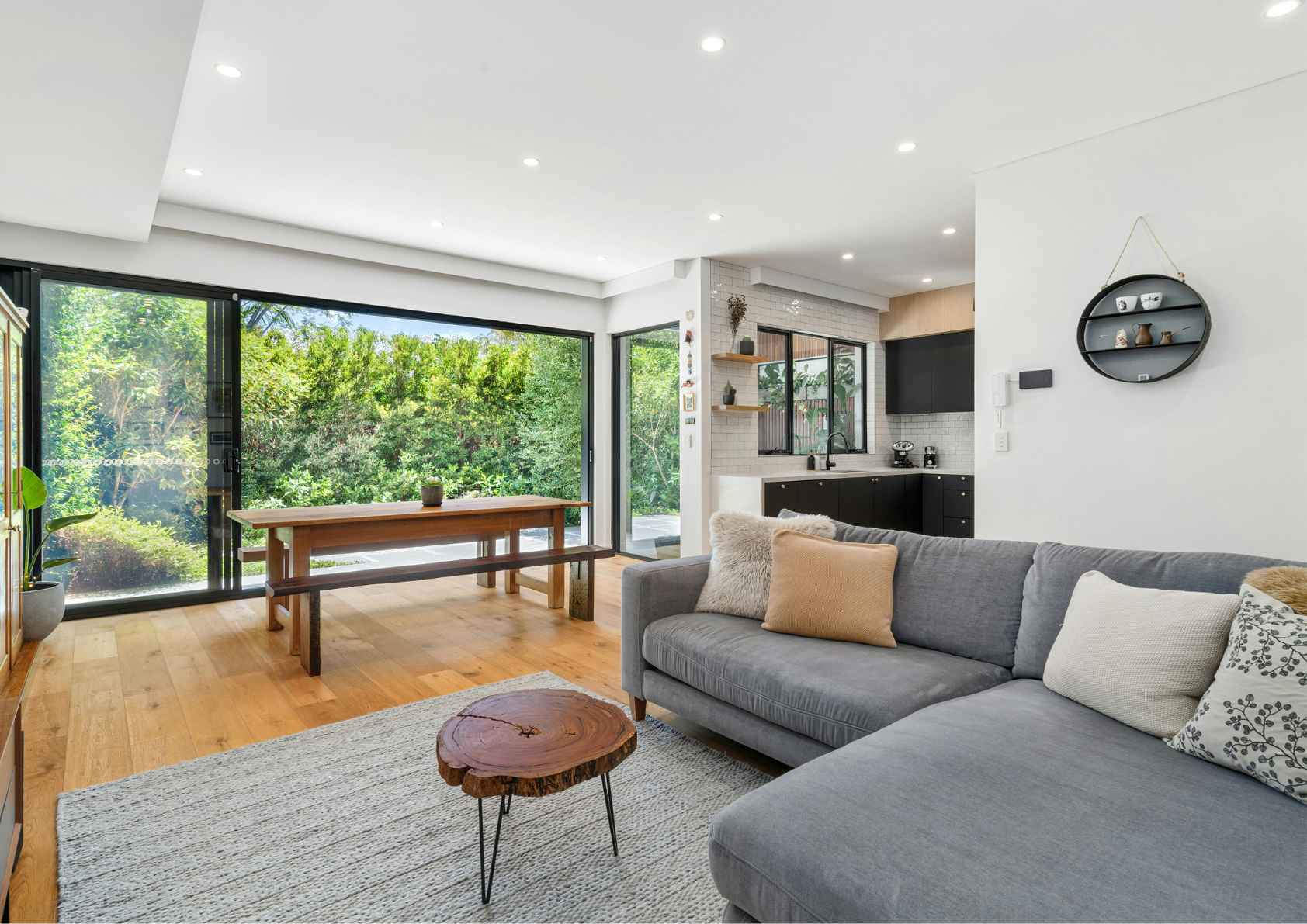
Open smaller but functional living space in a home. Open concept of the Ktichen, dinning area and living room.

This approach makes the home feel more connected and larger overall. Buyers notice when every area of a home feels accessible and welcoming. When you make a small home feel bigger, you’re really inviting the buyer to imagine their lifestyle unfolding comfortably in the space.

Use Vertical Design to Your Advantage

When you can’t build out, build up. Tall bookcases, wall-mounted shelves, and vertically hung artwork draw the eye upward, creating the illusion of height. This is an especially effective tactic in small bedrooms, bathrooms, or entryways where square footage is limited.

Buyers are drawn to homes that use space creatively. Highlighting vertical design features can help your listing stand out in a crowded market. It subtly communicates style, smart planning, and potential—all of which are powerful selling points.

Conclusion

Learning how to make a small home feel bigger is more than a clever design trick; it’s a real estate strategy that works. Today’s buyers value functionality, comfort, and aesthetics, no matter the square footage. By maximizing light, embracing multifunctionality, and thinking vertically, you can boost your home’s appeal and attract more competitive offers. Whether you’re preparing to sell or just want to fall in love with your space again, these tips will help you make the most of what you’ve got.

How Long Does It Really Take to Buy or Sell a House?

Introduction

Whether you’re a first-time buyer, a seasoned investor, or planning to list your property, you’ve likely wondered: How long does it really take to buy or sell a house? It’s one of the most common questions in real estate and for good reason. With fluctuating markets and unique personal circumstances, timelines can vary widely. In this post, we’ll explore the average timeframe for both buying and selling a home, what can affect those timelines, and tips to help speed up the process.

The Home Buying Timeline: What to Expect

A young couple buying a home.

If you’re on the buyer’s side, your journey typically begins with online searches and open houses. From start to finish, the average time to buy a home in the U.S. is about 2 to 6 months. Here’s a breakdown:

  • Mortgage pre-approval: 1–2 weeks

  • House hunting: 1–3 months (can vary greatly depending on market inventory)

  • Making an offer and negotiating: 1 week

  • Under contract to closing: 30–45 days

The closing phase alone includes inspections, appraisals, underwriting, and paperwork. Cash buyers may close faster, but most financed deals still take over a month.

Selling a Home: From Listing to Closing

On the selling side, things can move fast or crawl. In today’s market, the question of how long it really takes to buy or sell a house is especially relevant to sellers dealing with regional demand differences.

Here’s the typical timeline to sell:

  • Preparing your home: 2–4 weeks (includes cleaning, staging, photography)

  • Listing to accepting an offer: 1–4 weeks (depending on price, condition, and demand)

  • Under contract to closing: 30–45 days

Altogether, expect about 2 to 3 months, but it could stretch longer in slower markets or if the home needs major repairs. Pricing it right from the beginning can significantly reduce the time on the market.

Factors That Can Affect Your Timeline

Young couple buying/selling a house.

There’s no one-size-fits-all answer to how long it really takes to buy or sell a house because some variables come into play:

  • Market conditions: A seller’s market typically speeds up the process, while a buyer’s market can result in longer wait times.

  • Financing: Mortgage delays are common and can add weeks to the timeline.

  • Inspections and repairs: Issues uncovered during home inspections can prolong negotiations and the closing process.

  • Appraisals: If a home doesn’t appraise at the sale price, the deal may need to be renegotiated or fall through.

  • Location: Highly desirable neighborhoods typically see quicker transactions.

Tips for a Faster Buying or Selling Experience

If your goal is to shorten the time it takes, preparation and strategy are key:

  • For buyers:

    • Get pre-approved before you start house hunting.

    • Work with a responsive real estate agent who understands the local market.

    • Be ready to act quickly when the right home hits the market.

  • For sellers:

    • Price your home competitively based on recent comparable sales.

    • Make small repairs and updates before listing.

    • Market aggressively with high-quality photos and a compelling listing description.

Planning ahead and working with experienced professionals can help you avoid common pitfalls that delay transactions.

Conclusion

So, how long does it really take to buy or sell a house? While the average range sits between 2 to 6 months, the exact timeline depends on many moving parts, including your preparedness, market trends, and financial situation. Whether you’re buying, selling, or doing both, having realistic expectations and expert guidance can make the process smoother and faster.

Using Light and Space to Your Advantage in Summer Listings

In the fast-paced world of real estate, first impressions are everything, especially during the summer season. Buyers are more active, and homes that showcase their best features tend to sell faster and for a better price. That’s why using light and space to your advantage in summer listings can make a major difference. Whether you’re a seasoned agent or a homeowner preparing to sell, understanding how to highlight these elements can give your property the edge it needs. In this post, we’ll cover smart ways to maximize natural light, use space creatively, and create a fresh, summer-ready ambiance that appeals to today’s buyers.

Highlight Natural Light: Your Secret Summer Selling Tool

Nothing screams “summertime” quite like a home drenched in natural sunlight. Maximizing daylight is a simple yet powerful strategy when using light and space to your advantage in summer listings. Clean your windows inside and out to let the most light in. Open blinds and curtains for showings and photos, and consider replacing heavy drapes with light, breezy fabrics.

Strategic use of mirrors can also amplify light by reflecting sunshine into darker corners. Place them across from windows or behind lamps to bounce light throughout the room. Even rearranging furniture to remove obstructions from windows can make a room feel brighter and more welcoming.

Create the Illusion of More Space with Smart Styling

Summer buyers tend to crave open, airy spaces. One way to meet that need is by decluttering. Remove bulky furniture, personal items, and excessive décor. A more minimalist approach helps buyers envision themselves in the space and gives rooms a larger, more breathable feel.

Furniture placement matters, too. Float furniture away from walls and use rugs to define spaces in open-concept homes. Try using fewer, more functional pieces to avoid crowding. When done well, this enhances the flow of the home and supports the strategy of using light and space to your advantage in summer listings.

Choose Light Colors and Summer-Friendly Accents

Color can influence how large or small a room feels. In summer, lean into soft, neutral tones like beige, ivory, and pale gray. These shades reflect light and contribute to a bright, cool atmosphere. Light colored accessories like throw pillows, linens, and artwork can further brighten your listing.

Seasonal accents also make a subtle difference. Think fresh flowers, bowls of citrus fruit, or woven baskets. These decorative choices evoke summer without being too thematic. Together, they work to enhance the perception of light and space in a way that feels natural and intentional.

Stage Outdoor Living Spaces

Summer buyers often imagine themselves enjoying time outdoors, so don’t forget to stage patios, porches, or decks. A cozy seating area with throw pillows, a clean grill setup, or some simple string lights can transform outdoor spaces into bonus “rooms.”

Maximizing these areas reinforces the concept of using light and space to your advantage in summer listings. A well-presented exterior can expand the perceived size of the home and give it a relaxing, vacation-like vibe that resonates with warm-weather buyers.

Use Photography and Timing Strategically

All your efforts to improve lighting and spatial flow should be captured through professional-quality photography. Schedule listing photos during the brightest part of the day, typically late morning or early afternoon. Golden hour, just before sunset, can also lend a soft, appealing glow for exterior shots.

Make sure every photo showcases the home’s best use of natural light and space. Highlight large windows, open layouts, and any sun-filled rooms. Strong visuals can help your listing stand out online, where most buyers get their first impression.

Conclusion

When it comes to summer home sales, making the most of your property’s lighting and layout can be a game-changer. From boosting curb appeal to making interiors feel spacious and bright, using light and space to your advantage in summer listings isn’t just smart—it’s essential. As real estate trends continue to prioritize lifestyle and livability, homes that radiate natural light and an open feel are sure to attract more buyers and better offers.

Minimalist Design in Real Estate: Does Less Sell for More?

In today’s visually saturated world, clean lines, neutral tones, and uncluttered spaces are more than just design preferences—they’re powerful selling tools. Minimalist design in real estate is gaining traction, and it’s not just about aesthetics. It’s about how simplicity can impact buyer perception, market value, and time on the market. This blog explores why “less” might actually sell for more and how embracing minimalist design can be a strategic move for sellers, agents, and investors alike.

What Is Minimalist Design in Real Estate?

Minimalist design in real estate refers to a strategic approach to staging and decorating homes using clean, simple elements that highlight space and functionality. Think neutral colors, sleek furnishings, and an intentional lack of clutter. By showcasing the bones of the home—open floor plans, natural light, architectural details—this design style allows buyers to envision their own life in the space.

Minimalist living room design.

Simplicity is powerful. In an era where homebuyers are overwhelmed by digital listings, minimalism cuts through the noise. It creates a calming environment that stands out against cluttered, overly personalized homes. This clean presentation also photographs well, which is essential for today’s online-first real estate browsing experience.

The Psychology Behind Minimalist Staging

Minimalism doesn’t just look good—it feels good. Neutral tones and open layouts appeal to our desire for peace and clarity, especially in a fast-paced world. Studies have shown that potential buyers feel more relaxed and focused in minimally staged homes, which can lead to stronger emotional connections—and ultimately, offers.

Minimalist design in real estate can help reduce distractions, allowing buyers to focus on key selling points like layout, natural light, and quality finishes. When buyers aren’t distracted by decor, they spend more time mentally placing their own furniture, imagining daily routines, and picturing themselves living there.

Does Less Really Sell for More?

While minimalist homes don’t come with a universal price bump, there’s growing evidence that they sell faster and closer to asking price. According to real estate staging reports, homes staged with neutral tones and minimal decor tend to sell quicker than non-staged or overly personalized homes. Faster sales reduce holding costs and can lead to stronger negotiation positions.

Minimalist home design.

Minimalist design in real estate also broadens the buyer pool. Homes that appeal to a wider range of styles and tastes are more likely to receive competitive offers. A blank-slate approach makes it easier for buyers to mentally project their lifestyle into the space—making them more likely to commit.

How to Achieve the Look Without Going Cold

While minimalism can make a home more marketable, it shouldn’t feel cold or sterile. The goal is to strike a balance between simplicity and warmth. Here’s how:

  • Use soft, neutral color palettes like beige, soft gray, and white to create an inviting yet clean canvas.

  • Incorporate natural elements like wood, stone, or indoor plants to add texture and life.

  • Focus on quality over quantity—a few well-placed pieces of furniture or art go a long way.

  • Declutter and depersonalize by removing excess furniture, family photos, and bold art.

Even small updates—such as painting the walls a neutral shade or rearranging furniture for improved flow—can significantly align your property with the minimalist trend and increase its appeal.

Final Thoughts: Is Minimalism the New Luxury?

Minimalist design in real estate isn’t just a fad—it reflects broader cultural trends toward intentional living and mental clarity. While it may not be the perfect fit for every market or property, it’s proving to be a smart strategy in a competitive landscape. Whether you’re selling a modern condo or a suburban home, embracing simplicity may help you stand out—and sell faster.