The Pros and Cons of a Pre-Listing Home Inspections for Sellers

Managing the competitive real estate market requires strategic decisions, and one such important choice for sellers is whether to conduct a pre-listing home inspection.

This step offers clear advantages, such as uncovering potential issues early, fostering transparency, and expediting the selling process. However, it also comes with certain drawbacks, including upfront costs and the risk of discovering significant problems that could impact negotiations.

How do these factors balance against each other, and what should sellers prioritize to optimize their outcomes?

What are The Pre-Listing Inspections?

A thorough assessment of a property’s condition is conducted by a professional inspector before the property is put on the market, a pre-listing inspection serves as a proactive measure for sellers.

This type of inspection involves a detailed evaluation of the home’s structural integrity, mechanical systems, and overall safety.

By identifying potential issues early on, sellers can address problems prior to listing, thereby enhancing market readiness and buyer confidence.

To provide a definitional overview, a pre-listing inspection entails a detailed examination of various components within the property. This includes, but is not limited to, the foundation, roof, electrical systems, plumbing, HVAC systems, and interior and exterior conditions.

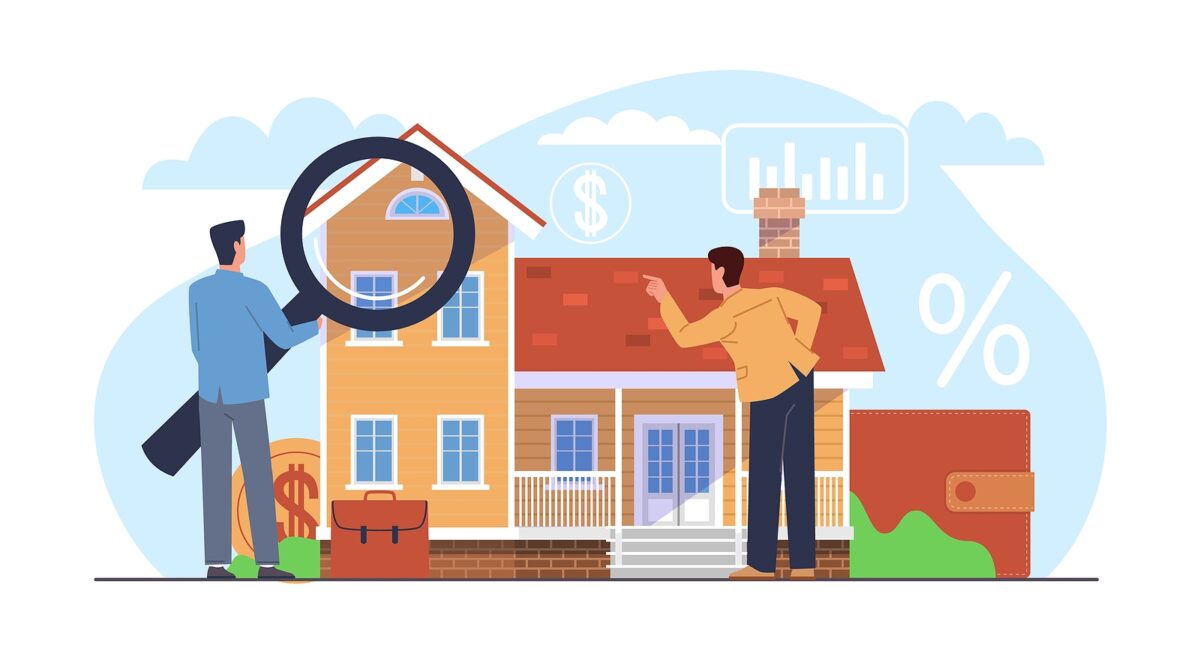
Person Hand With Magnifying Glass Over Luxury House

The objective is to uncover any existing or potential defects that could affect the property’s value or sale process.

The inspection process typically begins with the engagement of a certified home inspector, who conducts an on-site evaluation. The inspector systematically examines each area of the home, documenting findings through written reports and photographic evidence.

This meticulous approach ensures that all critical aspects of the property are reviewed, providing the seller with a clear understanding of the property’s current condition and potential areas for improvement.

Benefits of Pre-Listing Inspections

Pre-listing home inspections offer significant advantages to sellers, including identifying potential issues early on. This proactive approach not only allows for timely repairs but also enhances buyer confidence, making the property more attractive in a competitive market.

Identifying Potential Issues

Conducting a pre-listing home inspection allows sellers to identify potential issues that could deter prospective buyers, thereby providing an opportunity to address these concerns proactively.

By uncovering hidden defects or maintenance needs, sellers can engage in effective maintenance planning, ensuring that the property is in top-notch condition before it hits the market.

This strategic approach not only helps in managing repair prioritization but also in allocating resources efficiently to tackle the most critical issues first.
Identifying potential problems early can greatly impact the marketability of a home.

For instance, resolving structural issues, plumbing leaks, or electrical problems before listing can prevent last-minute surprises that might derail a sale.

Additionally, addressing these elements ahead of time demonstrates to buyers that the property has been well-maintained and cared for, which can enhance its appeal.

Furthermore, being upfront about the home’s condition enables sellers to set a realistic asking price that reflects the true value of the property.

This transparency can lead to smoother negotiations and a quicker sale process. Ultimately, the foresight provided by a pre-listing inspection equips sellers with the knowledge and confidence to present their home in the best possible light.

Increasing Buyer Confidence

Overall, substantially addressing potential issues through pre-listing inspections can greatly enhance buyer confidence in the property’s condition.

Team of multiethnic architects working on construction plans in meeting room. Engineers discussing on project in office. Mature businessman and woman standing around table working on blueprint.

This strategic move allows sellers to identify and rectify any potential problems before listing the home, thereby presenting a well-maintained property to potential buyers.

A pre-listing inspection report provides transparency, fostering buyer trust and reducing the likelihood of last-minute surprises during the buyer’s inspection.

In addition to increasing buyer confidence, pre-listing inspections contribute to a positive reputation for the seller. When buyers see that a home has already been inspected and necessary repairs have been made, they are more likely to perceive the seller as honest and diligent.

This perception can significantly influence their decision-making process, often leading to faster offers and potentially higher selling prices.

Moreover, in competitive markets, a pre-listing inspection can distinguish a property from others, making it more attractive to discerning buyers. By demonstrating that the property has been carefully evaluated and maintained, sellers can instill a sense of security in buyers, ultimately facilitating smoother transactions.

Identifying Potential Issues

Uncovering potential issues early through a pre-listing home inspection can greatly enhance the seller’s position in the real estate market.

By identifying and addressing problems before listing, sellers can mitigate liabilities that might otherwise deter buyers or lead to negotiations that could undermine the sale price.

A thorough inspection sheds light on aspects of the property that may need attention, from structural concerns to minor repairs.

This proactive approach allows sellers to engage in preventative maintenance, ensuring that the home is in excellent condition when potential buyers view it.

Resolving issues such as outdated electrical systems, plumbing leaks, or roof damage can prevent last-minute surprises that could derail the selling process. Additionally, it provides the seller with the opportunity to make informed decisions about necessary repairs, possibly even enhancing the property’s value.

From a market perspective, homes that have undergone pre-listing inspections often stand out, as buyers are more likely to trust a property that has been meticulously maintained.

This can lead to shorter time on the market and potentially higher offers. Identifying potential issues early not only fortifies the seller’s negotiating stance but also contributes to a smoother, more transparent transaction process.

Setting a Realistic Price

Setting an essential price is vital for attracting serious buyers and ensuring a smooth transaction.

By accurately evaluating market value and being transparent about the condition of the property, sellers can foster trust and avoid the need for subsequent price reductions.

This approach not only speeds up the selling process but also maximizes potential returns.

Assessing Market Value

Determining an accurate market value for your property is essential to attract serious buyers and maximize your return on investment. Conducting a thorough market analysis is the cornerstone of this process. You can establish a realistic price range that reflects the true value of your home.

This analysis often involves a detailed price comparison with similar properties in your area, considering factors such as location, size, condition, and unique features.

Furthermore,  pre-listing home inspections provide critical insights that can affect your pricing strategy. Identifying and addressing any potential issues before listing can enhance your property’s appeal and justify a higher asking price.

Top view of digital tablet with financial year overview on screen. Businessman analyzing investment charts with digital tablet on wooden desk at office. positive stock market trend.

Conversely, understanding the scope and cost of necessary repairs can help you set a more competitive price if you choose not to make those improvements.

Ultimately, setting a realistic price based on thorough market analysis and price comparison not only attracts qualified buyers but also expedites the selling process.

It minimizes the risk of prolonged market exposure, which can lead to price reductions and diminished buyer interest, ensuring you achieve the best possible outcome for your sale.

Transparency With Buyers

Establishing transparency with buyers through a detailed pricing strategy fosters trust and facilitates smoother negotiations. Pre-listing home inspections allow sellers to present a property with full disclosure clarity, addressing potential issues upfront.

This proactive approach not only enhances buyer trust but also aids in setting a realistic and competitive market price.

When buyers are informed of the property’s condition through thorough inspection reports, they feel more confident in their purchasing decision. Disclosure clarity eliminates the element of surprise, reducing the likelihood of renegotiations or disputes later in the process.

Moreover, a transparent pricing strategy, backed by documented inspection findings, positions the seller as honest and forthright.

This reputation can be invaluable in a competitive market, where buyer trust can greatly influence purchasing decisions.

Engaging in this level of openness not only distinguishes a property but also streamlines the transaction, as buyers are less likely to request price reductions or contingencies based on undisclosed issues.

Setting a realistic price through transparency can be a decisive factor in achieving a successful sale.

Avoiding Price Reductions

A practical initial pricing strategy, based on thorough pre-listing inspection findings, is essential for avoiding subsequent price reductions.

Sellers can set a realistic price that accurately reflects the home’s value.

This transparency not only fosters buyer interest but also builds trust, as potential buyers are reassured that there are no hidden issues.

A well-priced home, backed by an inspection report, positions the property favorably in the market, providing a competitive advantage. It allows sellers to address any necessary repairs upfront, ensuring that the home is market-ready and reducing the likelihood of renegotiations or delayed closings.

This proactive approach can prevent the need for price reductions, which often occur when unexpected issues are discovered during the buyer’s inspection.

Moreover, setting a realistic price from the outset can attract serious buyers who are prepared to meet the asking price, thereby expediting the selling process.

By leveraging the information from a pre-listing inspection, sellers can confidently price their homes to reflect true market value, ultimately avoiding the pitfalls of overpricing and subsequent price reductions.

Speeding Up the Selling Process

By addressing potential issues through pre-listing home inspections, sellers can greatly expedite the selling process by minimizing the likelihood of unexpected delays. Identifying and resolving any problems before hand guarantees that the property is in excellent condition when it hits the market.

This proactive approach can greatly influence the closing timeline, as buyers are less likely to request additional inspections or repairs that could stall proceedings.

Moreover, pre-listing inspections can have a positive marketing impact. Properties that come with a certified pre-listing inspection report are often perceived as more transparent and trustworthy, which can attract more serious buyers.

This transparency can speed up buyer decision-making, as they can confidently proceed without the usual hesitations related to hidden defects.
In today’s competitive real estate market, time is of the essence.

Sellers who can provide a pre-listing inspection report demonstrate their commitment to a smooth transaction, thereby setting their property apart from others. This can lead to quicker offers and a more streamlined closing process.

To summarize, pre-listing home inspections not only increase marketability but also contribute to a more efficient and accelerated selling experience.

Reducing Buyer Negotiation Leverage

Conducting a pre-listing home inspection can greatly reduce a buyer’s leverage during negotiations by preemptively addressing potential issues.

In the competitive real estate market, buyers often use newly discovered defects as a bargaining tool to lower the purchase price or demand costly repairs.

Sellers can alleviate buyer hesitation and present a well-maintained property, thereby strengthening their position.

A strategic move within the seller strategy is to transparently share the inspection report with potential buyers. This proactive approach not only builds trust but also signals to buyers that the property has been meticulously evaluated.

As a result, buyers are less inclined to negotiate aggressively, knowing that major issues have already been addressed. This can lead to smoother transactions and a higher likelihood of receiving offers close to the asking price.

Furthermore, a pre-listing inspection can differentiate a property in a crowded market. Buyers are more likely to proceed with confidence, reducing the time the property spends on the market.

Ultimately, this seller strategy not only minimizes buyer hesitation but also fosters a more favorable negotiation environment, benefiting both parties involved.

Costs of a Pre-Listing Inspection

Understanding the costs associated with a pre-listing home inspection is essential for sellers aiming to make informed decisions about their real estate strategy.

A pre-listing inspection typically ranges from $300 to $500, although prices can vary based on the size and age of the property. The qualifications of the inspector play a significant role in determining this cost.

Highly qualified inspectors with extensive certifications and experience are likely to charge higher fees, but they also provide more detailed and trustworthy reports.

House for sale. Buying and selling real estate. Sell housing. Search for options. Property appraisal. Attractive prices. Investing in a rental business. Affordable housing. Secondary realty market.

Inspection duration is another factor influencing cost. A thorough inspection can take anywhere from two to four hours, depending on the complexity of the property.

This time investment ensures that the inspector can meticulously examine structural components, roofing, plumbing, electrical systems, and more.

Sellers should weigh these costs against the potential benefits, such as identifying and addressing issues before listing, which could expedite the sale process and improve the property’s marketability.

Investing in a qualified inspector and allowing ample time for a detailed inspection can ultimately lead to smoother transactions and possibly higher sale prices. Therefore, understanding these costs is an important step for sellers committed to optimizing their real estate outcomes.

Risks of Uncovering Major Problems

Uncovering major problems during a pre-listing inspection can pose significant risks to sellers, potentially affecting both the timeline and profitability of the sale.

Major issues, such as structural deficiencies, outdated electrical systems, or severe plumbing problems, can lead to buyer hesitation.

Prospective buyers might be concerned about the additional costs and efforts required to address these issues, thereby reducing their interest or willingness to make a competitive offer.

Once these problems are identified, sellers may face substantial repair obligations. Addressing these issues can be costly and time-consuming, potentially delaying the listing process and affecting the overall marketability of the property.

In some cases, sellers might be forced to lower the asking price to account for the necessary repairs, which could impact the profitability of the sale.
Disclosing major problems can change the negotiation dynamics.

Buyers may demand further inspections or request credits, adding another layer of complexity to the transaction.

Sellers must weigh these potential risks carefully when considering a pre-listing inspection, balancing the need for transparency with the possible implications on the sale process and final sale price.

Making the Final Decision

When deciding whether to proceed with a pre-listing home inspection, sellers must carefully evaluate the potential benefits and drawbacks in the context of their specific situation.

This decision hinges on multiple factors, including the current condition of the property, the local real estate market, and the seller’s timeline and financial objectives.

Consulting with real estate professionals and home inspectors can provide valuable insights and expert recommendations tailored to individual circumstances.

Seller confidence can be greatly enhanced by a pre-listing inspection. Knowing the exact condition of the home can allow sellers to address any issues proactively, potentially avoiding last-minute negotiations or price reductions.

Presenting a clean inspection report to prospective buyers can also enhance trust and streamline the sales process, making the home more attractive in a competitive market.

However, sellers must also consider the potential risks, such as uncovering major problems that could be costly to fix or might deter buyers.

Balancing these factors, informed by expert recommendations, enables sellers to make a well-considered decision.

Ultimately, the choice to conduct pre-listing inspections should align with the seller’s broader strategy and market conditions, ensuring the best possible outcome for the sale.

Conclusion

Pre-listing home inspections present sellers with a strategic opportunity to identify potential issues, set a realistic asking price, and expedite the selling process. This proactive approach can reduce buyer negotiation leverage and enhance property marketability.

However, sellers must weigh the associated costs and the risk of uncovering major problems. A thorough evaluation of these factors will enable sellers to make an informed decision that aligns with their broader selling strategy and prevailing market conditions.


5 Signs It’s Time To Sell Your Home Soon

Knowing when to sell your home can be tricky. Understand market trends, consider your financial standing, and evaluate your living situation. Have neighbourhood dynamics changed? Is your home maintenance more than you bargained for? Your emotional readiness to let go and move on is equally vital. Partner with a real estate professional who can guide you towards a successful sale. These are your signs that it’s time to sell your home. Additionally, remember that preparation breeds success. As the next steps unfold, you’ll get even sharper insights; let’s explore further.

It's Time To Sell Your Home Soon

Understanding the Real Estate Market

To navigate the intricate world of real estate, you must arm yourself with an understanding of the market, pinpoint trends, and identify the most lucrative opportunities. Market volatility, a term which refers to the rate at which the price of an asset, in this case, property, increases or decreases for a set of returns, is crucial to comprehend. It’s a measure of risk and uncertainty, providing valuable insight into economic health and investment potential. When analyzing the real estate market, you should monitor changes in home prices, interest rates, and the overall economy. Keep an eye out for one of the signs it’s time to sell your home: fluctuations, as these could indicate upcoming investment opportunities. For instance, a sudden drop in home prices could signify a buyer’s market, where you might find great deals.

Signs it’s time to sell your home: Evaluating Your Financial Position

Before deciding to sell your home, it’s essential to analyze your financial situation. Start by evaluating your current mortgage status and considering your home equity. Then, forecast your future financial position to guarantee you’re making a sound decision.

Assessing Current Mortgage Status

Understanding your current mortgage status is an essential step in determining whether now is the right time to sell your home. You’ve got to take a hard look at factors like mortgage refinancing and prepayment penalties. If you’ve recently refinanced, you’re probably locked into a lower rate. This can be advantageous, but it also might mean a hefty prepayment penalty if you sell before your term is up. Weigh the financial implications carefully. Have you paid off a significant portion of your mortgage? If not, selling might lead to a loss. You need to assess these factors meticulously.

Home Equity Considerations

Upon evaluating your mortgage status, it’s now important to contemplate another essential financial factor – your home equity.  Home equity is the difference between what you owe on your mortgage and what your home is currently worth. Do you really have more home equity than you think? If you’ve experienced equity growth over time, it implies your home value has increased, presenting a profitable selling opportunity. However, if your equity is low or negative, selling might lead to financial loss. Understanding your home’s value in the current market is essential to making selling decisions. An appraisal can help determine this. Monitor home value trends in your area. If they’re rising, it might be wise to wait for further equity growth before selling.

Future Financial Projections

Evaluating your future financial projections is an important step in determining whether it’s the right time to sell your home. It’s vital to assess your financial position based on investment diversification and retirement planning. Consider creating a table like this:

Financial Aspect Current State Future Projections
Retirement funds Your savings How they’ll grow
Property value Home’s value Potential rise
Investments Diversified? Expansion plans

Are your retirement funds sufficient? Will selling your home now or later affect their growth? Is investment diversification part of your strategy? And how will selling your home impact this? Analyzing these signs, it’s time to sell your home, will provide a clearer picture of when it’s best to sell your home.

Assessing Your Living Situation

To effectively evaluate these signs that it’s time to sell your home, it’s critical to take a hard, honest look at your current living situation. Consider your space requirements. Has your family grown since you last moved in, making your home feel cramped? Or, have your children moved out, leaving you with empty rooms and unused space? It’s essential to recognize when your home no longer suits your needs. Lifestyle changes also play a significant role in this decision. Perhaps you’ve started working from home and need a dedicated office space, or you’ve developed a passion for cooking and are frustrated by your tiny kitchen. Maybe health issues necessitate a single-story home or proximity to medical facilities, or you’re simply tired of maintaining a large house and yard.

It’s crucial, however, not to make rash decisions based on temporary circumstances. Consider your long-term needs and don’t let short-term discomfort dictate such a significant decision. Evaluating your living situation objectively is a vital step in determining whether it’s time to sell. It can be a challenging process, but remember that the ultimate goal is to find a home that truly fits your current life.

It's Time To Sell Your Home Soon 2

Recognizing Neighborhood Changes

Changes in your neighborhood’s dynamics can be a strong indicator that it’s time to contemplate selling your home. Don’t ignore signs of gentrification impact and demographic shifts, as these can greatly influence your property’s value and future marketability. Gentrification impact can be a double-edged sword. On one hand, it often brings neighborhood improvements and a rise in property values. However, it might also introduce issues such as increased traffic, higher living costs, and a loss of the community’s original character. If you’re uncomfortable with these changes, it might be time to contemplate selling. Demographic shifts are another telltale sign. If your area is seeing an influx of younger families but you’re an empty nester, or vice versa, you might start feeling out of place. Similarly, if the community’s income level drastically changes, you may find the local amenities no longer align with your lifestyle.

Home Maintenance and Upgrades

While neighborhood dynamics can greatly influence your decision to sell, another element to take into account is the state of your home’s maintenance and the need for potential upgrades. It’s crucial to contemplate property depreciation and renovation costs, as these aspects can drastically impact the profitability of your sale. Property depreciation is a reality all homeowners face over time. It can be due to natural wear and tear, outdated designs, or lack of maintenance. This depreciation can lower your home’s market value, making it less attractive to prospective buyers. If you’re noticing notable depreciation, it may be a sign it’s time to sell before further value is lost. On the other hand, renovation costs can also be a determining factor. If your home requires extensive repairs or upgrades to remain competitive in the market, you’ll need to evaluate if the potential return on investment is worth the expense and effort. Sometimes, it’s more financially sound to sell the property ‘as is’ rather than pouring money into renovations that won’t significantly increase its value.

Emotional Readiness to Sell

Selling your home isn’t just about finances and logistics; it’s also a deeply emotional process. You’ll need to evaluate your emotional connection to the property, handle any stress associated with moving, and get ready for the inevitable changes that come with relocation. These aspects of emotional preparedness are vital to ensuring a smooth shift during the home-selling process.

Assessing Your Emotional Attachment

One essential aspect that often gets overlooked when contemplating selling your home is evaluating your emotional readiness—the deep-seated connection you might have with your property. Personal sentiments can act as a roadblock, hindering you from taking the necessary steps towards attachment dissolution. Reflect on the following factors in the table below, and ask yourself: “Am I emotionally ready to sell my home?”

Emotional Indicators Description
Acceptance You’re comfortable with the idea of selling.
Lack of Nostalgia You’re not overly sentimental about your home.
Future-Focused You’re excited about a new home and future possibilities.
Lack of Regret You feel no regret about the possibility of selling.
Readiness for Change You’re prepared to embrace a new chapter in your life.

Handling Moving Anxiety

In addition to evaluating your emotional attachment, it’s important to address any potential moving anxiety you might experience, as this can greatly impact your readiness to sell your home. Consider employing stress management strategies. Deep-breathing exercises, yoga, or even just a brisk walk can help to alleviate the tension associated with moving. The benefits of decluttering can’t be overstated. Not only does it make your home more attractive to potential buyers, but it also simplifies the moving process. Getting rid of unneeded items gives you fewer things to pack, reducing the overwhelming feeling of moving. Ultimately, handling moving anxiety involves acknowledging your feelings and taking proactive steps to manage them. This emotional preparedness will ensure a smoother handover when selling your home.

Preparation for Change

Your emotional readiness for change plays an essential role when deciding to sell your home, as it’s not just a financial transaction but also a significant life event. It’s a life shift that requires precise planning and thoughtful downsizing decisions, especially when emotional attachments are involved.

  1. Acceptance: Accept that it’s time to move on. The decision to sell is often fueled by changes, such as retirement or an empty nest.
  2. Letting Go: Detach emotionally from your home. This step can be challenging, but it’s vital for a smooth shift.
  3. Downsizing: Decide what to keep, sell, or donate. It’s often a practical step towards embracing your new life.
  4. Looking Forward: Visualize your future in a new space. It’s an essential part of being emotionally ready to sell.

Consulting With Real Estate Professionals

Seeking guidance from real estate professionals can be a game-changer when you’re considering selling your home, as they possess the expertise and market knowledge to determine the best time for a sale. This professional guidance is invaluable in maneuvering the often complex and unpredictable real estate market. Engaging with a realtor isn’t just about sticking a ‘For Sale’ sign on your lawn, it’s about forming a partnership where you benefit from their wealth of experience, market savvy, and negotiation skills. Your realtor selection should be based on their track record, their understanding of your local market and their ability to sell homes similar to yours. Each real estate professional offers unique insights, approaches, and strategies. They can identify potential problems with your home that might deter buyers and suggest improvements to increase its appeal. They also have access to a network of potential buyers and can use marketing tools to guarantee your home gets the exposure it needs.

It's Time To Sell Your Home Soon

Frequently Asked Questions

You might encounter legal issues like disputes over property lines or issues with legal documentation. It’s important to make sure all paperwork is in order to avoid such snags when selling your home.

How Can I Stage My Home Effectively to Attract Potential Buyers?

To effectively stage your home, you’ll first need to employ decluttering strategies, making each room appear spacious. Then, make lighting adjustments to create a warm, welcoming ambiance. This will surely lure potential buyers.

What Kind of Insurance Coverage Do I Need While My Home Is on the Market?

You’ll need extensive market insurance options for your home while it’s listed. Consider potential insurance claim scenarios like theft or damage. It’s vital to protect your investment during this shift period. Consult an insurance expert for tailored advice.

Are There Specific Tax Implications Involved in Selling a Home?

Yes, there are tax implications when selling your home. Capital gains strategies can minimize taxes, while deductible selling expenses can also lower your tax bill. Consult a tax professional for personalized advice.

What Are the Potential Risks and Benefits of Selling a Home on My Own Versus Hiring a Realtor?

Selling on your own can save commission fees, but you’ll need a solid pricing strategy and negotiation techniques. Realtors provide these skills, plus market knowledge, reducing your risk of undervaluing your property or overlooking legalities.

Conclusion

Deciding to sell your home is a major decision that requires careful thought. Consider the state of the real estate market, your financial position, and changes in your neighborhood.
Assess your living situation and the state of your home’s maintenance. Most importantly, be sure you’re emotionally ready.
Finally, consult with real estate professionals for expert advice. If these signs align, it’s time to take the leap and put your home on the market.

Navigating Multiple Offers: A Seller’s Guide

Selling your home can be an exciting yet overwhelming experience, especially when multiple offers start pouring in. It’s a clear sign that your property is in demand, but how do you navigate through the sea of options to make the best decision for your needs? In this guide, we’ll walk you through the key considerations to help you confidently navigate multiple offers.

Understanding Your Offers

Before diving into the decision-making process, take the time to thoroughly understand each offer on the table. Consider factors such as the offered price, proposed closing date, and any contingencies. Evaluate the financial stability of the potential buyers and analyze the terms they are suggesting. A well-rounded understanding of each offer is crucial for making an informed decision.

Weighing the Financials

While the offered price is a significant factor, it’s not the only financial consideration. Look beyond the dollar signs and assess the financing terms. A cash offer might be tempting due to its simplicity and speed, but a financed offer with a reputable lender might offer more security. Evaluate the down payment, earnest money, and the strength of the buyer’s pre-approval. Ensure that the financial details align with your goals and timeline.

Considering Contingencies

Contingencies are conditions that must be met for the sale to proceed. Common contingencies include inspections, appraisals, and financing approval. While these are standard in real estate transactions, the number and type of contingencies can vary. A cash offer might have fewer contingencies, but a financed offer could provide more security. Evaluate each offer’s contingencies carefully, keeping in mind your desired timeline and willingness to address potential issues.

Timeline and Closing Date

Consider your ideal timeline for closing the deal. If you’re in a hurry to sell, an offer with a quicker closing date might be more appealing. On the other hand, if you need more time to secure your next home or tie up loose ends, a longer closing period might be beneficial. Align the closing date with your plans and ensure it works well with your schedule.

Buyer’s Motivation

Understanding the motivation behind each offer can provide valuable insights. Some buyers may be looking for a quick transaction, while others may be emotionally invested in your property. A buyer who is genuinely interested in your home is more likely to follow through with the deal. Ask your real estate agent to gather information on the buyers’ motivations to help you make a more informed decision.

Negotiating Strategically

Don’t be afraid to negotiate with potential buyers. If one offer stands out but has a few unfavorable terms, consider negotiating to reach a more mutually beneficial agreement. This could involve adjusting the closing date, addressing specific contingencies, or fine-tuning the financial details. A skilled real estate agent can guide you through the negotiation process and help you secure the best deal for your situation.

Communicating Effectively

Throughout the process, maintain open and transparent communication with all parties involved. Keep all potential buyers informed about the existence of multiple offers, and be clear about your expectations and timeline. Effective communication can build trust and goodwill, creating a positive atmosphere for negotiations.

Making the Final Decision

Once you’ve thoroughly evaluated each offer and considered all relevant factors, it’s time to make the final decision. Trust your instincts and choose the offer that aligns best with your priorities and goals. Your real estate agent can provide valuable insights and guidance during this crucial phase, ensuring that you make a decision that you’re comfortable and confident with.

Conclusion

Navigating multiple offers can be a complex process, but with careful consideration and strategic decision-making, you can successfully sell your home on your terms. Understand the nuances of each offer, weigh the financial aspects, and consider factors like contingencies, timeline, and buyer motivation. By negotiating strategically and maintaining effective communication, you’ll be well-equipped to make the final decision and move forward with the sale. Selling your home is a significant milestone, and by following this guide, you can maximize the benefits of having multiple offers on the table.

The Pitfalls of Automated Home Values: Why They Often Get it Wrong

In today’s digital age, homeowners and prospective buyers have easy access to a wealth of information regarding real estate. Automated home valuation tools like Zillow’s Zestimate have become increasingly popular for estimating property values. However, these tools are far from infallible and often generate inaccurate estimates.

Sadly, most real estate consumers don’t understand this, leading to overpricing of homes.

In this blog post, we will explore why automated home values are frequently wrong and shed light on the factors on which websites like Zillow base their Zestimates.

Lack of human oversight

One of the primary reasons why automated home values often miss the mark is the absence of human oversight. These valuation tools rely on algorithms and data-driven models to estimate property values, disregarding the subjective factors that can significantly impact a home’s worth.

Automated systems often overlook the home’s unique features, renovations, neighborhood dynamics, and local market conditions. Consequently, this leads to inaccurate estimates, as algorithms fail to capture the full complexity of the housing market.

Insufficient data accuracy and completeness

Automated home valuation tools rely on vast amounts of data to generate estimates. Websites like Zillow aggregate data from various sources, including public records, tax assessments, and previous sales data. However, the accuracy and completeness of this data are not always guaranteed.

The most reliable information comes from an area’s Multiple Listing Service, to which Zillow doesn’t subscribe. Instead, the company relies on information submitted by real estate agents across the country, but not all real estate agents advertise on Zillow. Therefore, the important stuff doesn’t make it into the automated home value.

Then, there are real estate agents (who are required by their MLS to update their listings on that platform within a certain time period) who aren’t held to the same stringent rules.

They often neglect to update listing information on automated home value websites, causing information to become outdated. There’s nothing more frustrating than finding your dream home for sale on Zillow only to learn that it sold a week ago.

Inability to account for unique features and upgrades

Automated valuation tools struggle to account for the unique features and upgrades that differentiate one property from another. This is something a professional appraiser will not miss, by the way.

They often rely on general characteristics of similar homes in the area, failing to consider specific details that can significantly impact a property’s value. Features like a remodeled kitchen, a swimming pool, or a picturesque view can dramatically affect a home’s worth but are challenging for automated systems to accurately assess. Consequently, these tools may undervalue or overvalue a property, leading to misleading estimates.

Ignoring local market dynamics

Real estate markets are dynamic and can vary significantly from one location to another. Automated valuation tools, however, often fail to consider the intricacies of local markets.

They rely on broader market trends and regional averages, which may not accurately reflect the nuances of a specific neighborhood or city. Factors like school district quality, nearby amenities, transportation infrastructure, and local economic conditions can all influence property values, but they are difficult for automated systems to incorporate.

Consequently, estimates may not align with the reality of the local market, leading to erroneous valuations.

Lack of contextual understanding

Another inherent limitation of automated home valuation tools is their inability to accurately comprehend a property’s context. They fail to consider subjective factors such as curb appeal, architectural style, and overall condition.

The emotional appeal of a property, which can significantly impact its value, is challenging for algorithms to gauge. On the other hand, human appraisers can and do, recognize and factor in these nuanced elements when determining a property’s worth, providing a more comprehensive and accurate assessment.

While automated home valuation tools offer convenience and quick estimates, they are prone to significant inaccuracies.

It is crucial for homeowners and prospective buyers to approach automated home values with caution and rely on them as a starting point rather than a definitive measure of a property’s worth. For a more accurate appraisal, engaging the services of a local real estate agent is important if you hope to obtain the most money possible for your home.

How pets can impact your home’s value

I once listed the home of a lovely woman who lived with the love-of-her-life, a young pit-bull, Jade.

Like most puppies, Jade had penchant for chewing – on EVERYTHING. My client came home from work one day to find her living room completely destroyed. The dog had torn the sofa to shreds – even the wood frame. The floor was a sea of shredded foam and chewed-up wood.

The dog had also taken a dislike to the baseboards and decided they had to go as well. Thankfully there were no showings that day and it took almost two weeks to get the unit back into showing condition (and a lock on the escape-artist dog’s crate).

Sure, this example is extreme, but pets damage homes, whether it’s the dark streak on a wall where they’ve rubbed themselves or cat urine in the carpet to even something as minor as hair everywhere. Pets can have a negative impact on your home’s value.

Other ways pets impact home value

Recently I read an interview with a Boston real estate agent who talked about selling a condo that belonged to a woman who owned multiple cats. It sold for $30,000 less than it should have because of the damage caused by her cats.

“When the damage is significant, however, a home could appraise at 2% to 5% less” than market value, appraiser Susan Martins-Phipps tells Beth DeCarbo at the Wall Street Journal.

Then there was an article in Business Insider that claims home values in a neighborhood with barking dogs are reduced between five and 10 percent. So not only might your pet bring down your home’s value, but your neighbor’s pets may impact it as well.

How to deal with existing and future impacts

Of course, you’ll need to repair pet damage before putting the home on the market. But you’ll also need to remove evidence of pets as well, such as hair, odors, stains, and pet paraphernalia, such as food dishes and litter boxes.

Urine in carpets is almost impossible to get out so you may want to think about replacing them. Painting the interior will get rid of rubbing marks on the walls and a lot of odor as well.

Here are a few other tips to ensure your home gives off a homey, not kennel vibes:

  • If pet odors are extra-heavy, consider hiring a professional to get rid of them.
  • Avoid the use of air fresheners, incense and scented candles. Certain scents can be turn-offs for some.
  • Keep your dog groomed during the marketing process.
  • Vacuum as often as possible.
  • Give your dog plenty of exercise and attention while the home is on the market. When he’s pooped out, he won’t be as likely to look for ways to beat boredom.
  • Don’t forget the backyard. If your pooch relieves herself there, you’ll need to ensure she hasn’t left any surprises for buyers who want to check out the area.

Finally, find a place to park the pets during showings. Ideally, that means removing them from the home. Park your pet at the groomer, drop it at the vet for a checkup, take it to doggie daycare, or hire a professional dog walker during showings and open houses.

Since it’s not always practical to remove the pet from the home, crate it, cover the crate with a blanket, and leave a note on the door that there are pets created in the room.