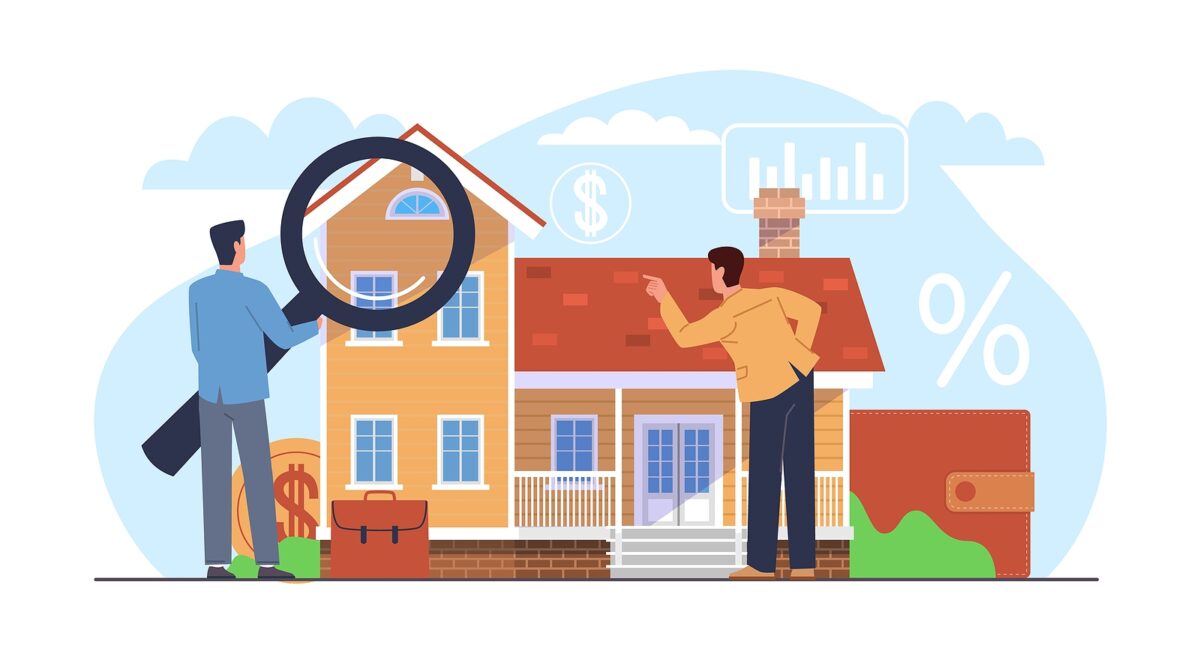
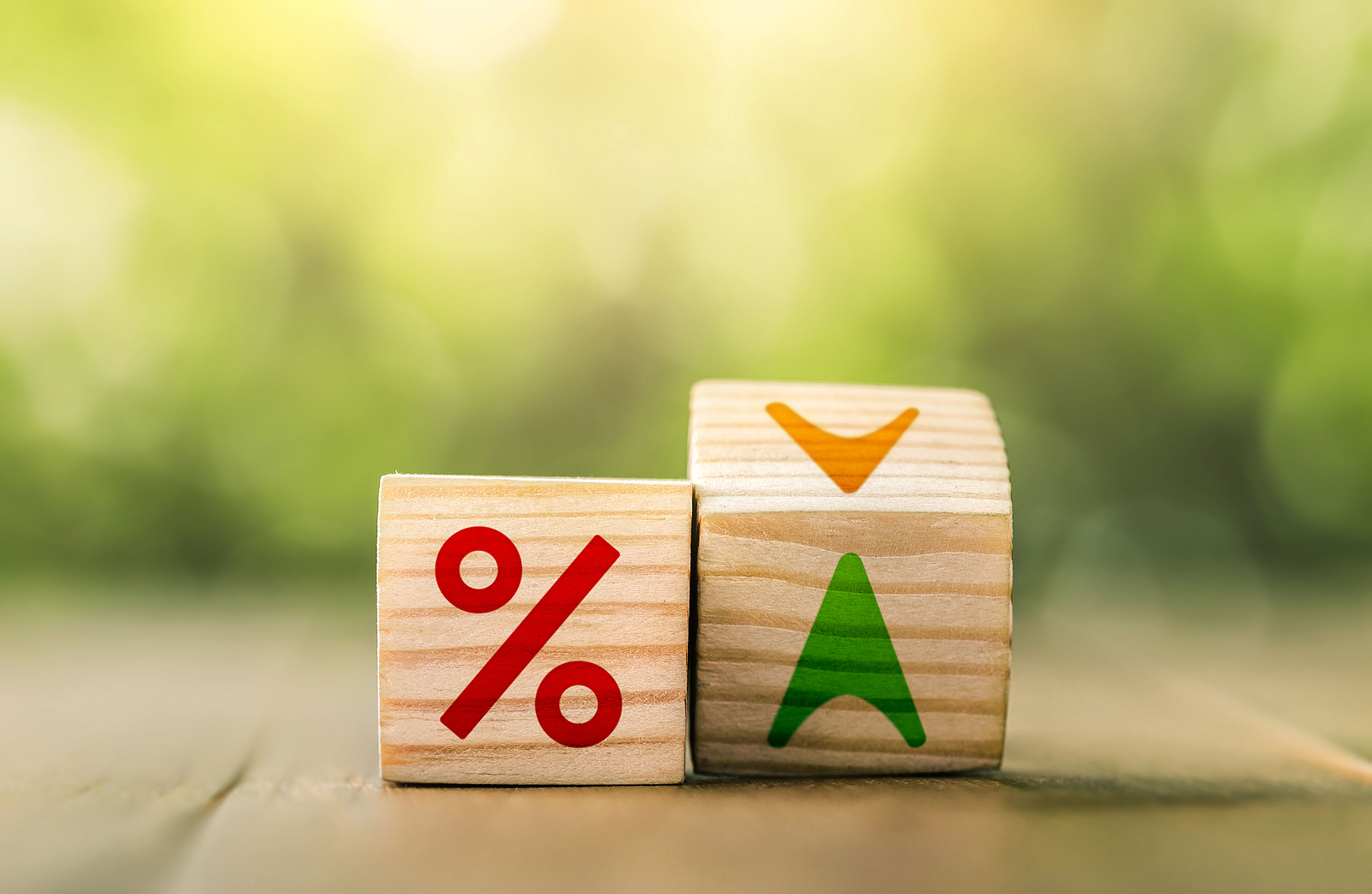
Why High Mortgage Rates Aren’t Keeping Buyers Away (Yet)

Whether you are a real estate agent, investor, or prospective homebuyer, you have probably noticed what feels like a standstill in the market. Mortgage rates remain high, yet buyers continue to purchase homes at a steady pace. In this post, we explore why high mortgage rates are not pushing buyers out of the market. We look at current data, examine the factors keeping demand alive, and explain why many consumers are choosing to buy now instead of waiting for future changes. Use this guide to understand the trend and how it impacts your real estate business and online presence.

1. Home Sales Are Still Holding Up

Even with elevated mortgage rates, home sales are far from stagnant. Existing home sales rose to an eight-month high in November 2024, according to Redfin, despite interest rates hovering around 7 percent. Many buyers decided that waiting for significantly lower rates was not guaranteed to produce better deals, so they moved forward with their purchases.

New home sales also proved resilient. In early 2025, sales of newly built homes increased year over year, supported by builders offering more options and incentives. This activity demonstrates that the housing market remains active even as borrowing costs stay elevated.

2. What Is Fueling Buyer Demand

Pent-up demand continues to drive momentum. After several years of historically low rates during the pandemic, many buyers have adjusted to a more typical rate environment. The sudden shock of higher borrowing costs has softened. Buyers planning to stay in their home long term understand that 6 to 7 percent interest is not unusual when viewed over several decades.

Many consumers also believe that waiting will not guarantee meaningful rate improvement. Uncertain economic forecasts push buyers to act sooner rather than gamble on unpredictable market shifts.

Inventory growth is another key contributor. Several regions across the country are seeing increased housing supply, offering buyers more options, more negotiating power, and a greater sense of opportunity. Even in markets where price growth has slowed, the balance between supply and demand is creating space for motivated buyers to step in.

3. High Mortgage Rates Mean Higher Costs, but Many Buyers Still Move Forward

Higher mortgage rates unquestionably lead to higher monthly payments, often reaching levels that would have seemed extreme a few years ago. However, many buyers are looking beyond short-term costs. Potential long-term gains in home equity, inflation protection, and housing stability often outweigh the immediate challenge of a higher payment.

For buyers planning to stay in their home for at least five to ten years, purchasing now can still make sense. They prioritize security, ownership, and equity building over waiting indefinitely for rates that may not fall dramatically.

4. What Could Keep This Momentum Going

Stabilizing interest rates could encourage even more activity. Some forecasts suggest that mortgage rates may settle near 6 percent in 2025, which would help affordability and entice additional buyers who have been waiting for improved conditions.

Shifting buyer psychology also plays a role. As consumers adjust to the new normal, purchasing in a higher-rate environment becomes more acceptable. This mindset creates a steady flow of demand even without the ultra-low rates of the past.

Increasing supply and moderate price adjustments could further support market activity. As inventory grows and sellers become more flexible, more buyers will feel comfortable entering the market despite higher borrowing costs.

Final Thoughts: High Mortgage Rates Are Not Stopping the Market

High mortgage rates remain a significant challenge, but they have not stopped buyers from participating in the market. Many are choosing to purchase now rather than wait for uncertain economic shifts. If rates stabilize and inventory continues to rise, steady buyer activity is likely to remain throughout the year.

For realtors, this is an important moment to strengthen your visibility and online presence. People are actively searching for homes, market insights, and professional guidance. This makes it an ideal time to invest in a strong website and digital strategy that captures engaged buyers and sellers.
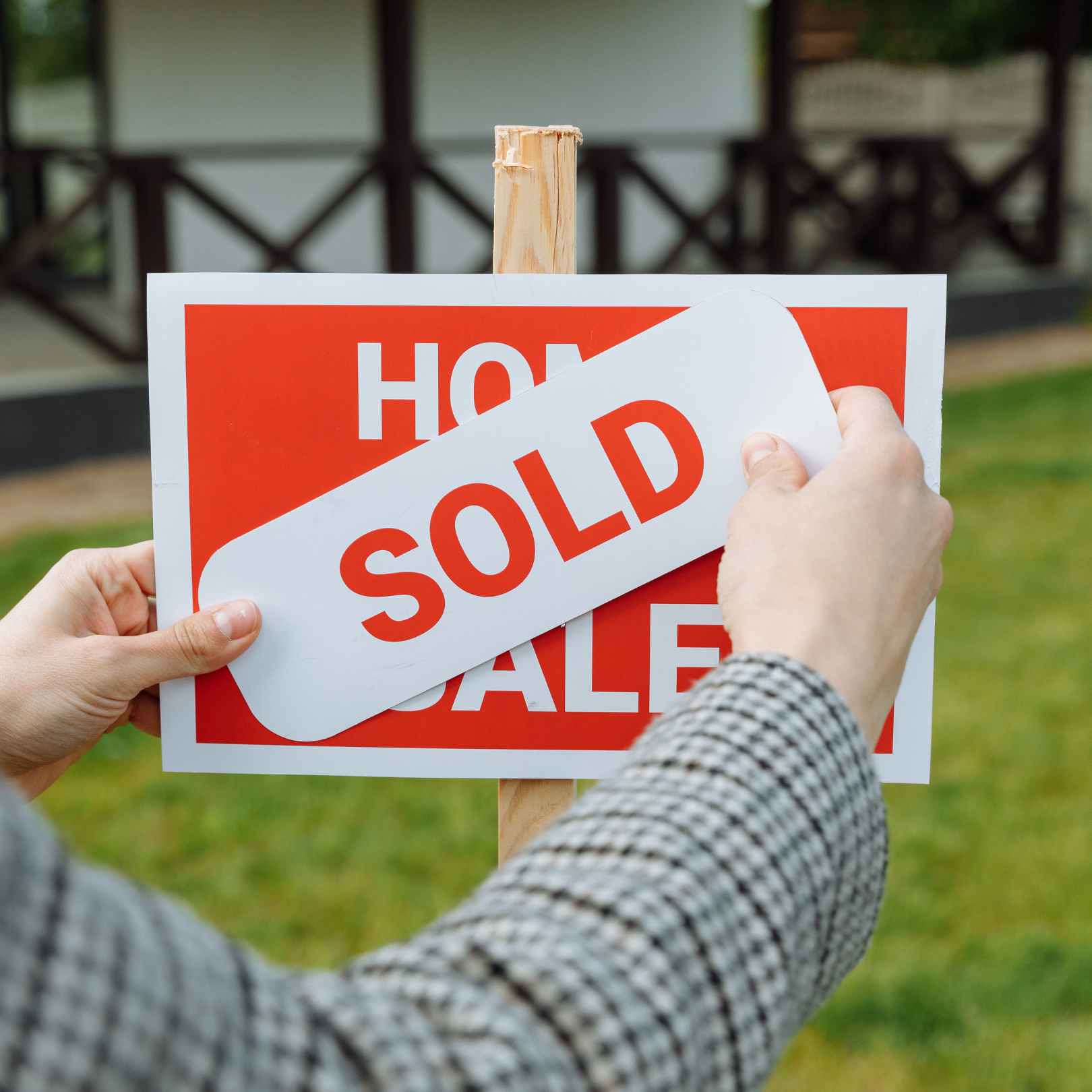

How to Get Your Offer Accepted in a Competitive Market

In today’s fast-moving real estate environment, knowing how to get your offer accepted in a competitive market is more important than ever. With inventory still tight in many metros and buyer demand fluctuating, being prepared and strategic can make the difference between winning a home and watching it slip away. In this post, you’ll learn the key takeaways: understanding current market conditions, crafting a strong offer, and using timing and terms to stand out.

Understand the Market Landscape

The first step in determining how to secure an offer acceptance in a competitive market is understanding what’s really happening. National reports from early 2025 show existing home sales hovering around just over 4 million units annually, higher than last year but still below typical levels. Mortgage rates remain elevated near the mid-6 percent range, which continues to challenge affordability and keeps many sellers locked into their lower pandemic-era rates.

Real estate market

Inventory is climbing slowly, but in several cities it remains well below pre-2020 levels. Because of these conditions, sellers in desirable neighborhoods often receive multiple offers within days of listing. Knowing these dynamics helps buyers shape their strategy and avoid unrealistic expectations.

Get Your Finances and Pre-Approval Locked In

One of the most common mistakes buyers make when learning how to get their offer accepted in a competitive market is showing up unprepared. Sellers and listing agents strongly prefer buyers who provide proof of funds or a full mortgage pre-approval rather than a simple pre-qualification.
Before you begin touring homes, meet with a lender, secure a current pre-approval letter, and establish your maximum comfortable price. Also, make sure your down payment, closing costs, and any funds for potential appraisal gaps are readily accessible. Financial readiness signals to the seller that you are reliable and ready to move quickly.

Craft an Offer That Stands Out

When you’re competing with other buyers, knowing how to get your offer accepted in a competitive market means going far beyond offering the list price. Here are strategies that make a meaningful difference:

  • Offer a strong, competitive price: In a tight market, the listing price is often just a starting point. Offering slightly above the list or using an escalation clause (when advised by your agent) can give you an edge.
  • Limit contingencies: Sellers prefer offers with fewer hurdles. Shortening inspection timelines, being flexible on the closing date, or simplifying contingencies can make your offer more appealing.
  • Match the seller’s preferred terms: Adjusting your offer to align with the seller’s needs—whether that’s allowing a rent-back period or offering flexibility on move-out—can sometimes outweigh a higher competing price.
  • Include a strong earnest money deposit: A larger deposit demonstrates seriousness and reduces the seller’s perceived risk.
  • Add a personal touch when appropriate: While not always necessary, a brief, sincere letter explaining why you love the home can occasionally help when two offers are very close. Always follow your agent’s guidance to ensure compliance with local policies.

By combining financial readiness with appealing terms and flexibility, your offer becomes more attractive and less likely to fall apart.

Happy family buying a home.

Move Quickly and Stay Strategic

In a competitive environment, timing matters just as much as pricing and terms. Understanding how to get your offer accepted in a competitive market involves being ready to act the moment the right opportunity appears. Many homes receive multiple offers within days—or even hours—of hitting the market.


Avoid letting indecision cost you the home you want. At the same time, stay disciplined about your budget. Determine your top price before making an offer, and don’t exceed it simply to win a bidding war.
Work closely with an experienced local agent who understands the area’s trends, typical seller preferences, and current competition. Their insight can help you fine-tune your offer in ways that aren’t obvious to most buyers.

Final Thoughts

Successfully navigating how to get your offer accepted in a competitive market requires more than the highest bid. It means presenting yourself as a financially solid, flexible, and confident buyer. With 2025’s market defined by tight inventory, elevated rates, and strong demand in popular areas, the advantage goes to buyers who prepare early and submit clean, compelling offers. Stay committed to your strategy, lean on your agent’s expertise, and you’ll be well-positioned to secure the home you love.

How Rising Interest Rates Affect Your Monthly Payment and What Buyers Can Still Do to Lower It

If you’ve been keeping an eye on current housing trends, you’ve likely noticed one major theme dominating headlines: rising interest rates. For many potential homebuyers, higher rates spark concern that homeownership may no longer be affordable. But while financing a home today may look different from it did just a few years ago, understanding how rates affect your monthly payment and knowing what strategies still exist to lower it can put the power back in your hands.

In this post, we’ll break down how mortgage rates impact long-term affordability, provide real-life numbers for perspective, and outline practical ways buyers can still secure savings even in today’s rate environment.

How Interest Rates Affect Your Monthly Payment

When you take out a mortgage, your monthly payment is influenced by three major factors: loan amount, interest rate, and loan term. While home prices affect the total amount borrowed, the interest rate dictates how much you’ll actually pay over time.

calculating a mortgage payment with current interest rates.

Let’s look at an example using national averages:

  • Loan Amount: $400,000
  • 30-Year Fixed Mortgage at 3% (typical in 2021): ~$1,686/month
  • 30-Year Fixed Mortgage at 7% (average in 2024): ~$2,661/month

That’s a difference of nearly $1,000 every month, all because of higher rates.

This is why rising interest rates have such a significant impact. Even if home prices stabilize or decline, an increase in financing costs can quickly erode the savings. But here’s the good news: buyers still have multiple tools to bring that payment back down.

Smart Strategies to Lower Your Payment

Even in a higher-rate market, there are proven ways to reduce your monthly cost and make homeownership more manageable.

1. Buy Down the Rate

Many lenders offer discount points, allowing buyers to pay up front to lower their interest rate. In competitive markets, sellers may even be willing to cover these points as an incentive. A 1% rate reduction could save hundreds per month.

Hands shaking and passing a small toy house from one hand to another. A real estate deal.

2. Consider a Temporary 2-1 Buydown

A popular option in 2024 is the 2-1 buydown, which lowers your rate by 2% in the first year and 1% in the second before returning to your original rate. This helps buyers ease into payments while waiting for rates or their income to improve.

3. Improve Your Credit Score Before Applying

The difference between a 700 and 760+ credit score can mean a 0.5% rate improvement, which adds up quickly over a 30-year mortgage. Paying down revolving debt or correcting credit report errors can boost your score faster than you think.

4. Explore Loan Programs Beyond Conventional

FHA, VA, and USDA loans often offer lower-than-market rates or reduced down payment requirements. Even if you qualify for a conventional loan, comparing options could unlock serious savings.

Will Rates Ever Go Back Down?

Many buyers are asking the same question: Should I wait for rates to drop?

According to Freddie Mac and Fannie Mae forecasts, mortgage rates are expected to slowly ease throughout 2025, potentially moving closer to the 6% range. However, no expert predicts a return to the ultra-low 2-3% era we saw in 2020 and 2021.

This is exactly why the phrase “marry the house, date the rate” has become so popular. If you find the right home now and can comfortably afford the payment, you can always refinance when rates improve, but waiting could mean higher prices or more competition.

Final Thoughts: Stay Informed, Not Intimidated

Yes, rising interest rates have reshaped how buyers approach the market—but they haven’t eliminated opportunity. With the right lender strategy, loan program, or seller incentive, it’s still possible to land a manageable payment and build long-term equity.

Instead of waiting for the “perfect moment,” buyers today should aim for an informed and flexible plan. After all, interest rates may change—but the value of owning a home remains steady.

Want to Start Investing in Real Estate? Here’s the Smartest Way to Begin

Thinking about building long-term wealth? You’re not alone. More Americans are turning to investing in real estate as a strategic way to create passive income. According to the Federal Reserve, U.S. households hold more than $41 trillion in real estate wealth, and rental demand continues to rise across major cities and suburban markets. In this guide, we’ll walk through the smartest way to get started, how to lower your risk, and which entry-level strategies make the most sense for first-time investors.

Start Small with House Hacking or a Single-Family Rental

You don’t need to buy a massive apartment building to become an investor. In fact, one of the most affordable approaches is house hacking: purchasing a duplex, triplex, or even a single-family home with a rentable basement or ADU. By living in one unit and renting the other, your tenant helps pay down your mortgage while you build equity.

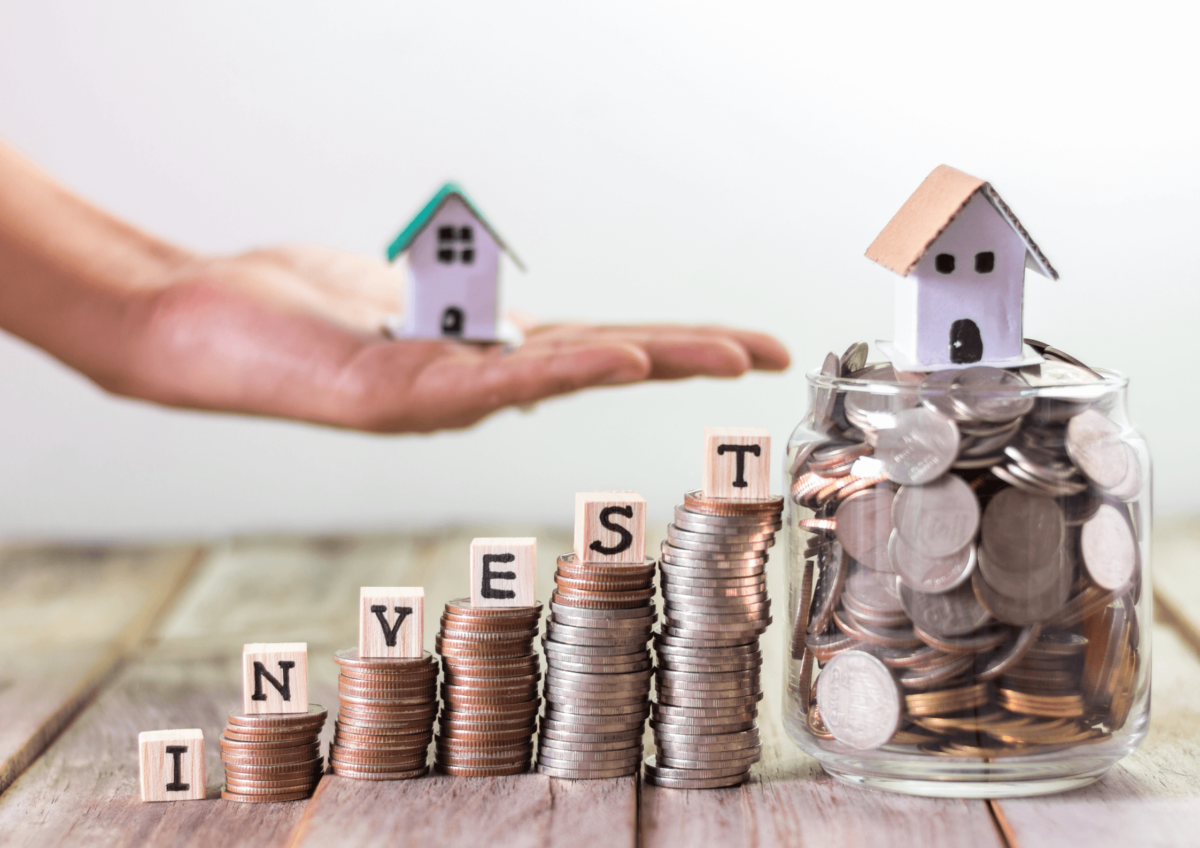
Mini house and heart, family members, US money bags on rows of rising coins on table. Family tax benefit, residential property tax concept: depicts home equity loan, real estate business investment.
 

According to Zillow data, the average U.S. rent is now $2,050 per month, making rental income a powerful tool for offsetting expenses. If you’re not ready for shared walls, a traditional single-family rental can be just as effective. Look for areas with job growth, strong school districts, and low vacancy rates. Cities like Tampa, Raleigh, and Indianapolis ranked among the top rental markets due to high demand and reasonable entry prices.

Use Today’s Financing Options to Your Advantage

Many new investors assume they need stacks of cash, but that’s no longer true. Conventional loans, FHA loans, and even VA loans can be used when investing in real estate, especially if you plan to live in the property first. Some lenders allow down payments as low as 3 to 5 percent for owner-occupied properties, which opens the door to first-timers who are willing to live in their investment before converting it fully to a rental.

If you prefer more flexibility, consider DSCR loans (Debt Service Coverage Ratio loans), which qualify you based on the property’s rental income, not your personal income. These loans are popular among investors who have good cash flow but nontraditional tax returns. Another emerging option is fractional investing platforms like Fundrise or Arrived Homes, which allow you to buy shares of rental properties for as little as $100. While returns may be smaller, they’re a low-risk way to learn the ropes before taking on full ownership.

Risks of Investing in Real Estate

Focus on Cash Flow Over Appreciation

When investing in real estate for the first time, it’s easy to get excited about markets with fast-rising home values. But appreciation is never guaranteed. What you should prioritize instead is positive cash flow, the money left after expenses like mortgage payments, insurance, taxes, and maintenance.

A good investment typically yields a 6 to 10 percent annual return on cash, depending on the market. Websites like Rentometer and BiggerPockets offer free calculators to estimate your potential profits before you buy. Stick to properties that meet or exceed your minimum return requirement. Even if values fluctuate, steady rental income will keep you financially secure.

To protect your investment, set aside at least 10 percent of your monthly rent for repairs and future upgrades. Building a cushion helps you avoid stress when unexpected costs arise because, at some point, they will.

Final Thoughts

Investing in real estate doesn’t have to be overwhelming. Start with one manageable property, use smart financing, and focus on long-term cash flow. With the right approach, your first rental can become the launchpad for financial freedom.

What’s Really Driving Today’s Real Estate Prices?

In today’s ever-evolving housing market, one question continues to pop up for buyers, sellers, and industry pros alike: What’s really driving today’s real estate prices? From coast to coast, home values seem unpredictable—soaring in some regions, stabilizing in others, and surprising just about everyone. Understanding the key factors behind these price shifts is essential for making informed decisions. In this blog, we’ll break down the primary forces behind today’s housing costs, explore economic and social trends influencing the market, and explain what buyers and sellers should keep in mind moving forward.

Supply and Demand: The Classic Price Driver

One of the biggest contributors to real estate prices today is still the fundamental rule of supply and demand. Simply put, when there are more people looking for homes than there are homes available, prices go up. Over the past several years, the U.S. has faced a significant housing shortage, especially in growing urban and suburban areas. New construction hasn’t kept pace with population growth, and many current homeowners are choosing to stay put, limiting resale inventory.

Supply and demand real estate.

This imbalance is particularly pronounced in desirable regions with job growth, good schools, and vibrant communities. Even as mortgage rates rise, limited supply continues to prop up home values in these areas.

Mortgage Rates and Affordability Challenges

Mortgage rates have seen dramatic shifts over the past few years, with rates doubling since the historically low levels of 2020 and 2021. These increases directly impact affordability and thus play a major role in today’s real estate prices.

When rates are low, more buyers can afford larger loans, which fuels competition and drives up prices. But when rates climb—as they have recently—buyers may pull back or reduce their budgets. This creates pressure for sellers to price their homes more competitively, leading to pockets of price stabilization or even slight declines in some regions. However, in high-demand areas with limited inventory, prices may remain firm despite higher borrowing costs.

Inflation and Construction Costs

Another key influence on today’s real estate prices is inflation, especially when it comes to construction and renovation costs. Building a home is more expensive than it was just a few years ago due to increases in the cost of materials, labor shortages, and permitting fees.

These added costs mean that new homes often come with higher price tags, which in turn pushes up the value of existing homes in similar areas. Developers are less likely to build entry-level homes when profit margins are thin, which adds further pressure to the lower end of the market.

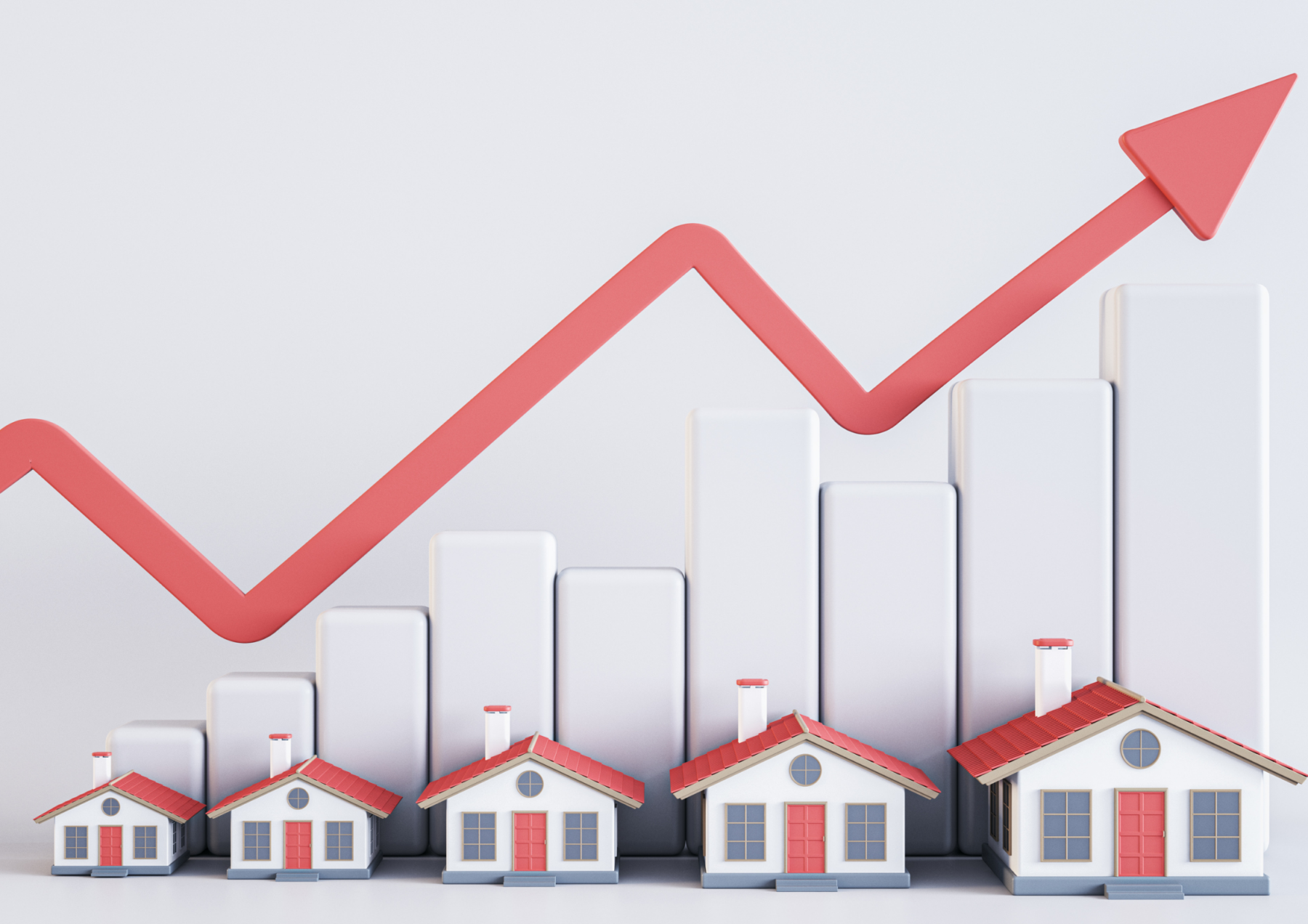
Real estate market prices rising.

Buyer Psychology and Media Influence

Perception plays a surprising role in what drives real estate prices. When headlines suggest a hot market or rising values, it can prompt a fear of missing out (FOMO), which leads to more aggressive bidding. On the flip side, negative economic news or talk of a “bubble” may make buyers hesitant, even when conditions are favorable.

Additionally, remote work trends and lifestyle shifts, such as a desire for more space or flexible living, have changed where and how people buy. These evolving preferences have led to unexpected demand in once-overlooked markets, boosting prices in rural and mid-size metro areas that offer better affordability and lifestyle benefits.

Local Markets Tell Unique Stories

It’s important to note that while national trends help paint a broad picture, real estate is always local. Factors like regional job growth, tax policies, climate events, and infrastructure development can all affect today’s real estate prices in specific markets.

Local real estate market supply and demand.

For instance, areas with booming tech industries or strong healthcare systems may see sustained price increases, while others impacted by job loss or population decline may experience stagnation or even falling home values. Understanding local dynamics is crucial for anyone looking to buy or sell in today’s market.

Final Thoughts

So, what’s really driving today’s real estate prices? It’s a combination of time-tested economics, shifting consumer behavior, and evolving regional dynamics. Whether you’re considering a move, investing in property, or simply keeping tabs on the market, staying informed about these trends can help you navigate the housing landscape with confidence.

The Key to Selling Your Home Quickly in Today’s Housing Market

Selling a home can be stressful and time-sensitive, especially when the housing market trends fluctuate. Whether it’s a buyer’s or seller’s market, you want to position your home for a quick and profitable sale. The good news? With the right strategies, you can attract the right buyers and close the deal faster. In this guide, we’ll explore practical steps to help you sell your home quickly, no matter the market conditions.

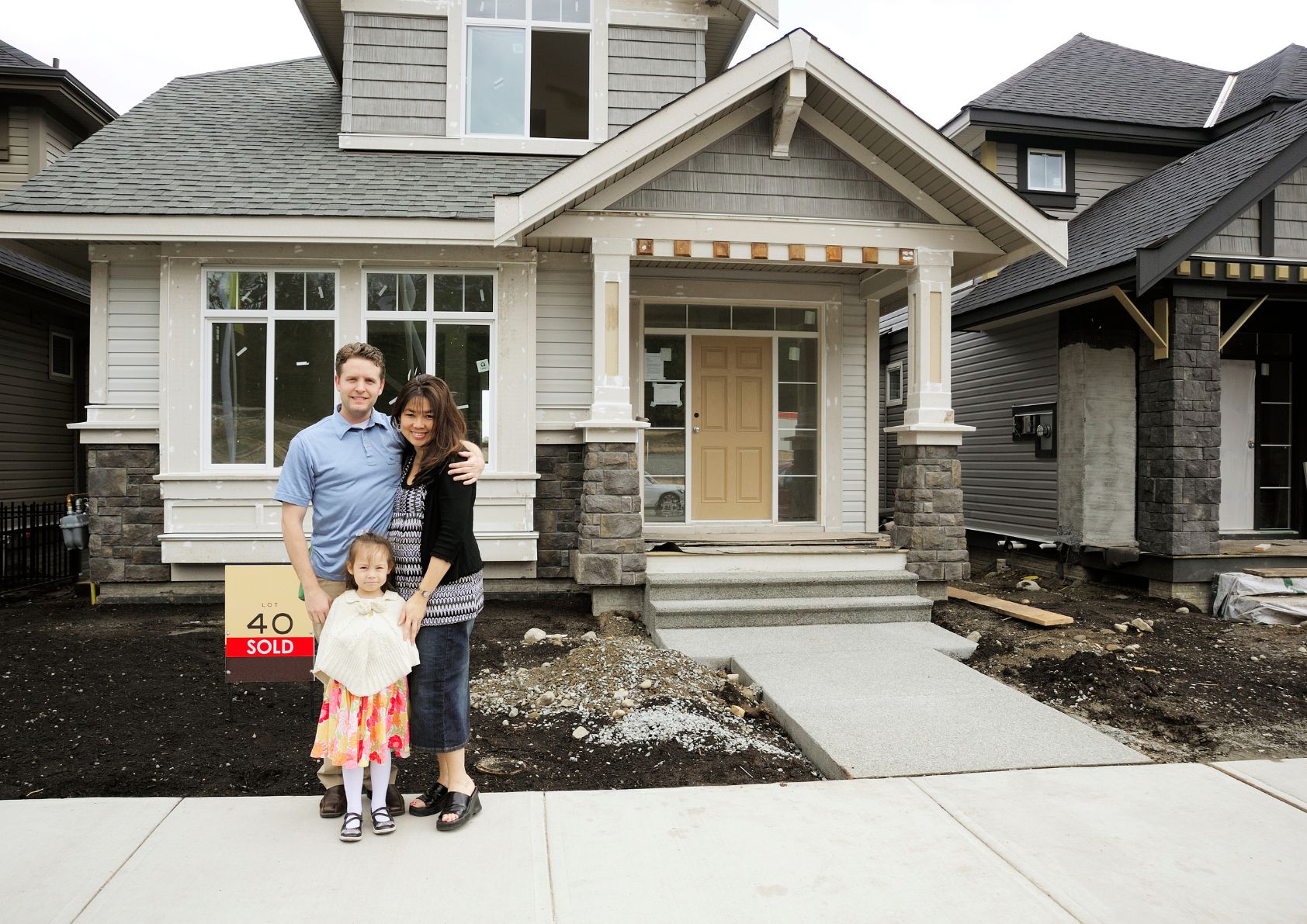
Couple standing in front of a house for sale sign that has been SOLD.

1. Price Your Home Competitively

Pricing is one of the most crucial factors in how fast your home sells. Overpricing can scare buyers away, while underpricing can leave money on the table. Here’s how to get it right:

  • Research Comparable Sales: Look at recently sold homes in your neighborhood with similar features to determine a competitive price.
  • Consult a Real Estate Agent: An experienced agent can provide a Comparative Market Analysis (CMA) and suggest the best pricing strategy.
  • Consider Market Trends: If housing market trends indicate a slowdown, pricing aggressively can make your home stand out.

2. Enhance Curb Appeal

First impressions matter, and your home’s exterior is the first thing buyers see. A well-maintained exterior can increase interest and lead to faster offers. Try these quick upgrades:

  • Landscaping: Fresh mulch, trimmed bushes, and seasonal flowers can make your home look more inviting.
  • Exterior Touch Ups: Repainting the front door, cleaning windows, and power washing the driveway can significantly boost curb appeal.
  • Lighting: Well placed outdoor lighting creates a warm and welcoming ambiance for evening showings.

Home with beautiful curb appeal.

3. Stage Your Home for Maximum Appeal

Home staging is a powerful way to highlight your home’s best features and help potential buyers visualize living there. Follow these staging tips:

  • Declutter and Depersonalize: Remove excess furniture, personal items, and any distractions to create a clean, open space.
  • Neutral Colors: Repainting walls in neutral tones can make rooms appear brighter and more spacious.
  • Strategic Furniture Placement: Arrange furniture to maximize space and improve flow.
  • Add Small Touches: Fresh flowers, light-scented candles, and soft throw blankets can make your home feel cozy and inviting.

4. Market Your Home Effectively

A strong marketing strategy can get your home in front of the right buyers quickly. Here’s how to ensure maximum exposure:

  • High-Quality Photos & Videos: Professional photos and video tours make a strong first impression online.
  • Social Media & Online Listings: Leverage platforms like Zillow, Redfin, and social media to showcase your home.
  • Host Virtual & In-Person Open Houses: The more opportunities buyers have to see your home, the faster it will sell.

Real estate investment goals concept, buy house, location, energy efficiency rating and property value, Real estate online on virtual screens. home search, land price, real estate market

5. Be Flexible and Ready to Negotiate

Flexibility can be the difference between a fast sale and a home that lingers on the market. Keep these points in mind:

  • Offer Competitive Incentives: Consider covering closing costs or offering a home warranty to attract buyers.
  • Be Open to Showings: The more accessible your home is for showings, the quicker you can find the right buyer.
  • Respond Quickly to Offers: Delayed responses can lead buyers to lose interest or move on to another property.

Final Thoughts: Selling Your Home Fast Is Possible in Any Market

Implementing these strategies can help you sell your home quickly regardless of current housing market trends. Pricing it right, making impactful improvements, staging effectively, marketing smartly, and being flexible will increase your chances of a fast and profitable sale. If you’re ready to put your home on the market, working with an experienced real estate professional can further streamline the process and ensure a smooth transaction.

Should You Buy or Rent This Winter? A Year-End Decision-Making Guide

Winter is here, and with it comes a unique opportunity to reevaluate your housing situation. Whether you’re contemplating buying your first home or considering renting to maintain flexibility, the decision to buy or rent this winter depends on your financial goals, lifestyle, and current market conditions. Let’s dive into the key factors to help you make a confident choice.

Why Winter Is a Unique Time for Housing Decisions

Winter presents distinctive advantages and challenges for both buyers and renters.

Young couple buying a home.

Fewer Crowds, More Opportunities

The colder months tend to see less competition in the housing market, meaning fewer bidding wars for buyers and more negotiation power for renters.

Seasonal Savings

Landlords and sellers eager to close deals before year-end may offer discounts or incentives, making winter a potentially cost-effective time to act.

Buying a Home This Winter

Buying a home is a significant milestone, but is winter the right time for such a commitment?

Pros of Buying This Winter

  1. Lower Prices: Sellers motivated to move quickly during the slower winter months may list homes at lower prices.
  2. Tax Benefits: Purchasing a home before the end of the year could qualify you for deductions, such as mortgage interest, property taxes, and closing costs.
  3. Faster Closing Process: With fewer transactions taking place, lenders and agents often have more availability to expedite the closing process.

Buying a home in winter.

Cons of Buying This Winter

  1. Limited Inventory: Fewer homes are listed during winter, reducing the number of options available.
  2. Weather Challenges: Bad weather can complicate home inspections and moving logistics.

Renting a Home This Winter

For some, renting offers a practical solution. Here’s why renting might be the better choice this winter.

Pros of Renting This Winter

  1. Flexibility: Renting allows you to adapt quickly to changing circumstances, such as job relocations or evolving financial goals.
  2. Lower Upfront Costs: Avoiding a down payment and closing costs can help you preserve savings or invest elsewhere.
  3. Shorter Commitments: Many landlords offer flexible lease terms during winter to fill vacancies.

Cons of Renting This Winter

  1. No Equity Growth: Unlike homeownership, renting doesn’t build financial equity over time.
  2. Potential Rent Increases: While winter deals can be attractive, lease renewals may bring higher costs in the long term.

Key Factors to Consider

Making the right decision comes down to understanding your unique situation and priorities.

Financial Readiness

reviewing finances before buying a home.

Evaluate your savings, debt, and credit score. If you’re financially prepared to buy, consider locking in today’s interest rates before potential changes in the new year.

Market Trends

Research local housing market trends to see if home prices and rental rates are increasing or stabilizing in your area.

Lifestyle Needs

Consider your lifestyle goals. Are you planning to settle down for several years? If so, buying might be the better option. If flexibility is more important, renting could make sense.

Tips for Success

For Buyers

  • Get pre-approved for a mortgage to strengthen your position in negotiations.
  • Hire a trusted real estate agent familiar with winter market conditions.

For Renters

  • Negotiate lease terms—landlords may be more willing to offer perks like reduced rent or waived fees.
  • Review the lease carefully, especially for clauses on renewal rates and move-out fees.

Should You Buy or Rent This Winter?

Ultimately, the decision to buy or rent this winter depends on your financial situation, market conditions, and long-term goals. Both options offer unique benefits, and weighing the pros and cons can help you choose what aligns best with your needs.

Final Thoughts

Still wondering whether to buy or rent this winter? Contact our team of experienced real estate professionals to explore your options and get personalized advice for your situation. Let’s find your perfect home solution before the year ends!

The Pitfalls of Automated Home Values: Why They Often Get it Wrong

In today’s digital age, homeowners and prospective buyers have easy access to a wealth of information regarding real estate. Automated home valuation tools like Zillow’s Zestimate have become increasingly popular for estimating property values. However, these tools are far from infallible and often generate inaccurate estimates.

Sadly, most real estate consumers don’t understand this, leading to overpricing of homes.

In this blog post, we will explore why automated home values are frequently wrong and shed light on the factors on which websites like Zillow base their Zestimates.

Lack of human oversight

One of the primary reasons why automated home values often miss the mark is the absence of human oversight. These valuation tools rely on algorithms and data-driven models to estimate property values, disregarding the subjective factors that can significantly impact a home’s worth.

Automated systems often overlook the home’s unique features, renovations, neighborhood dynamics, and local market conditions. Consequently, this leads to inaccurate estimates, as algorithms fail to capture the full complexity of the housing market.

Insufficient data accuracy and completeness

Automated home valuation tools rely on vast amounts of data to generate estimates. Websites like Zillow aggregate data from various sources, including public records, tax assessments, and previous sales data. However, the accuracy and completeness of this data are not always guaranteed.

The most reliable information comes from an area’s Multiple Listing Service, to which Zillow doesn’t subscribe. Instead, the company relies on information submitted by real estate agents across the country, but not all real estate agents advertise on Zillow. Therefore, the important stuff doesn’t make it into the automated home value.

Then, there are real estate agents (who are required by their MLS to update their listings on that platform within a certain time period) who aren’t held to the same stringent rules.

They often neglect to update listing information on automated home value websites, causing information to become outdated. There’s nothing more frustrating than finding your dream home for sale on Zillow only to learn that it sold a week ago.

Inability to account for unique features and upgrades

Automated valuation tools struggle to account for the unique features and upgrades that differentiate one property from another. This is something a professional appraiser will not miss, by the way.

They often rely on general characteristics of similar homes in the area, failing to consider specific details that can significantly impact a property’s value. Features like a remodeled kitchen, a swimming pool, or a picturesque view can dramatically affect a home’s worth but are challenging for automated systems to accurately assess. Consequently, these tools may undervalue or overvalue a property, leading to misleading estimates.

Ignoring local market dynamics

Real estate markets are dynamic and can vary significantly from one location to another. Automated valuation tools, however, often fail to consider the intricacies of local markets.

They rely on broader market trends and regional averages, which may not accurately reflect the nuances of a specific neighborhood or city. Factors like school district quality, nearby amenities, transportation infrastructure, and local economic conditions can all influence property values, but they are difficult for automated systems to incorporate.

Consequently, estimates may not align with the reality of the local market, leading to erroneous valuations.

Lack of contextual understanding

Another inherent limitation of automated home valuation tools is their inability to accurately comprehend a property’s context. They fail to consider subjective factors such as curb appeal, architectural style, and overall condition.

The emotional appeal of a property, which can significantly impact its value, is challenging for algorithms to gauge. On the other hand, human appraisers can and do, recognize and factor in these nuanced elements when determining a property’s worth, providing a more comprehensive and accurate assessment.

While automated home valuation tools offer convenience and quick estimates, they are prone to significant inaccuracies.

It is crucial for homeowners and prospective buyers to approach automated home values with caution and rely on them as a starting point rather than a definitive measure of a property’s worth. For a more accurate appraisal, engaging the services of a local real estate agent is important if you hope to obtain the most money possible for your home.